
Introduction: The Reusable Bag as Retail Infrastructure
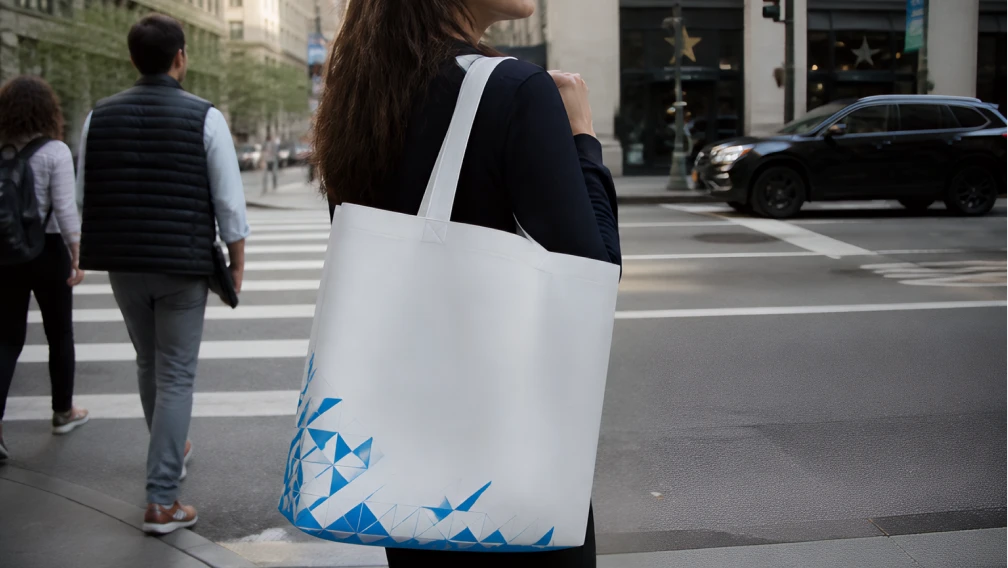
For retail chains, grocery groups, and brand marketers, the custom reusable bag operates as infrastructure rather than packaging. It carries purchases home, repeats brand exposure across months of reuse, and increasingly serves as the legal replacement for banned single-use plastic bags. A program built on the wrong fabric weight, handle construction, or print method fails visibly: handles tear at the checkout, prints scuff after a week, and unit costs drift above budget at reorder. Successful programs treat the bag as an engineered product with defined load ratings, print specifications, and procurement terms. This solution guide maps the major retail and promotional applications of nonwoven bags, matches bag constructions to each use case, and defines the procurement framework that keeps multi-season bag programs consistent.
1. Why Nonwoven Polypropylene Dominates Retail Bag Programs
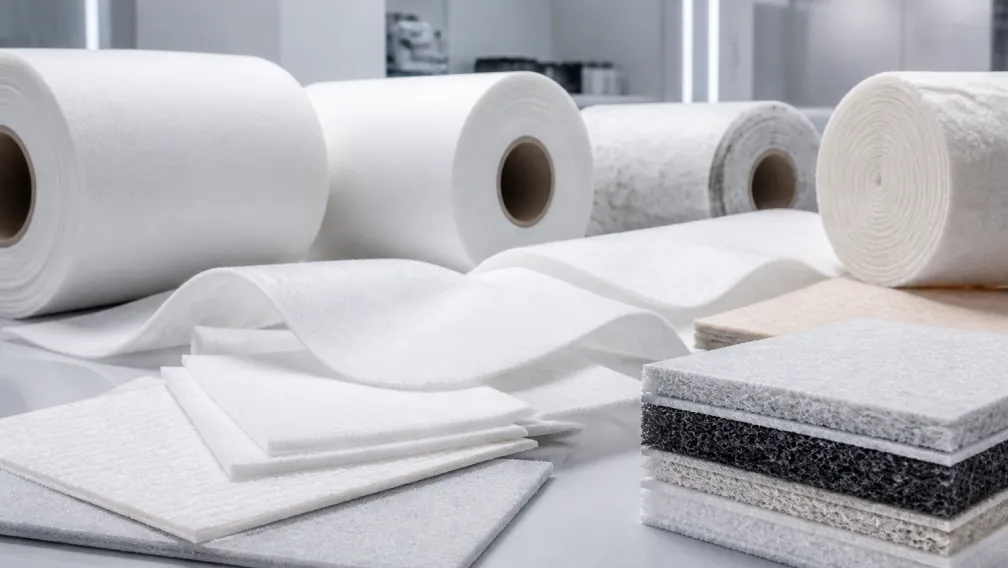
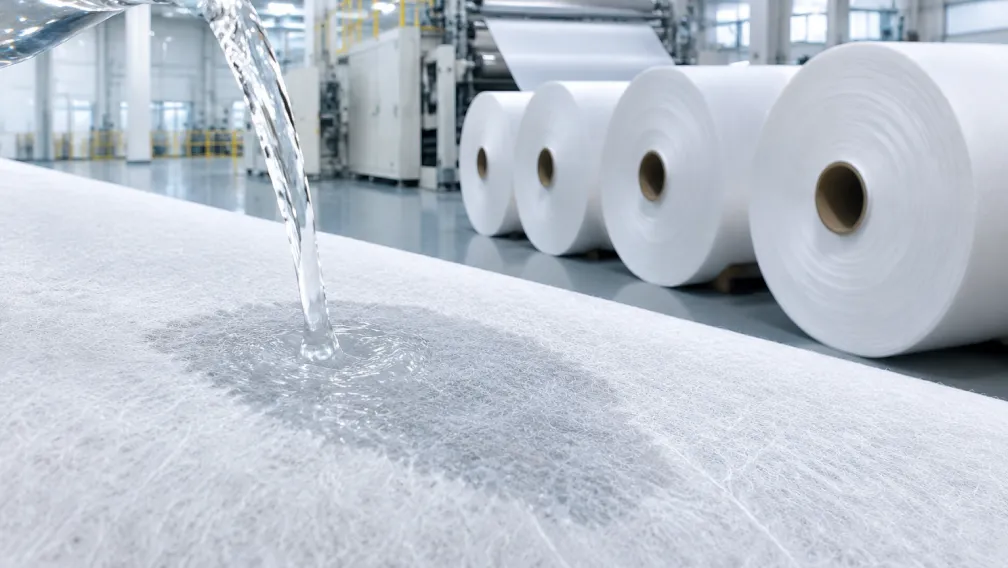
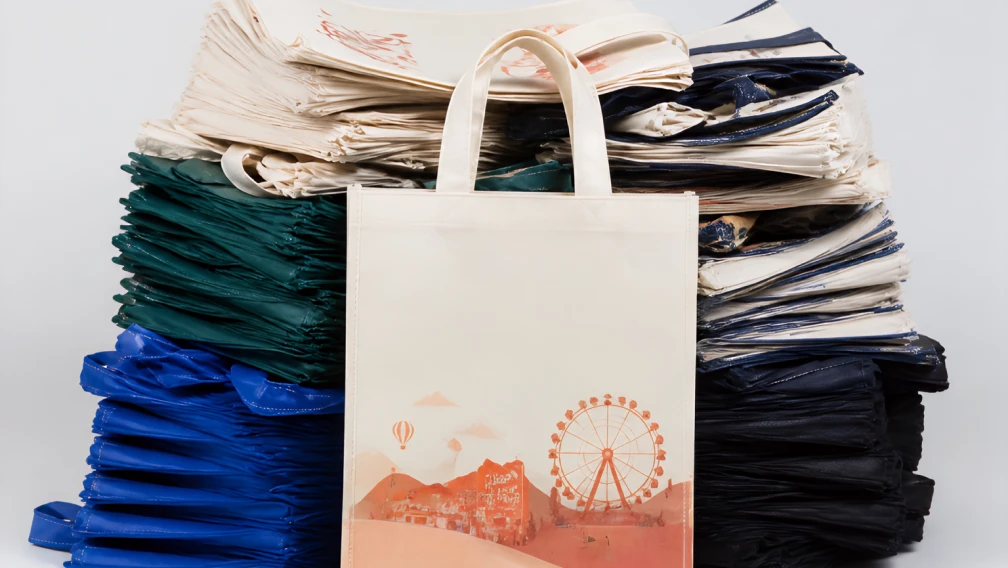
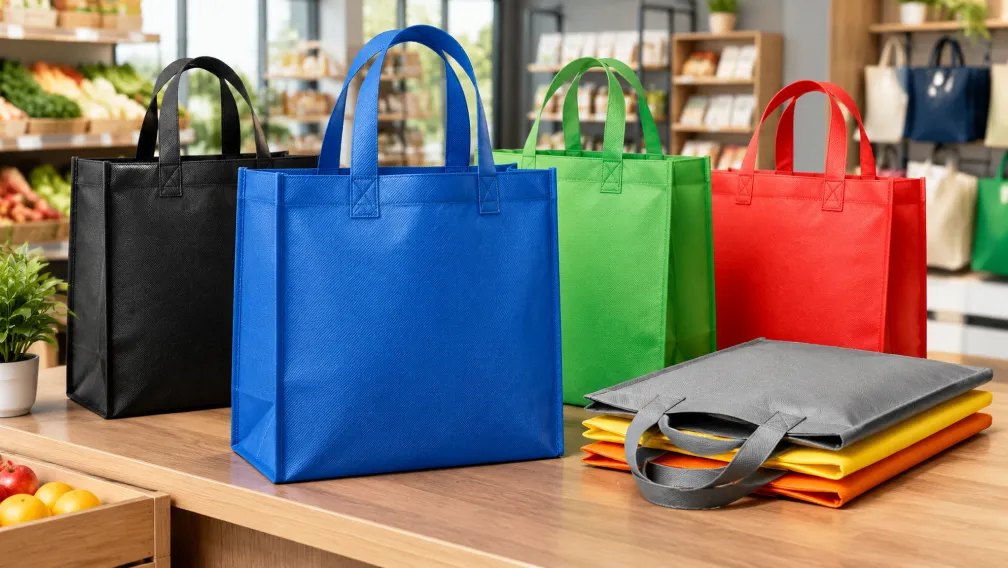
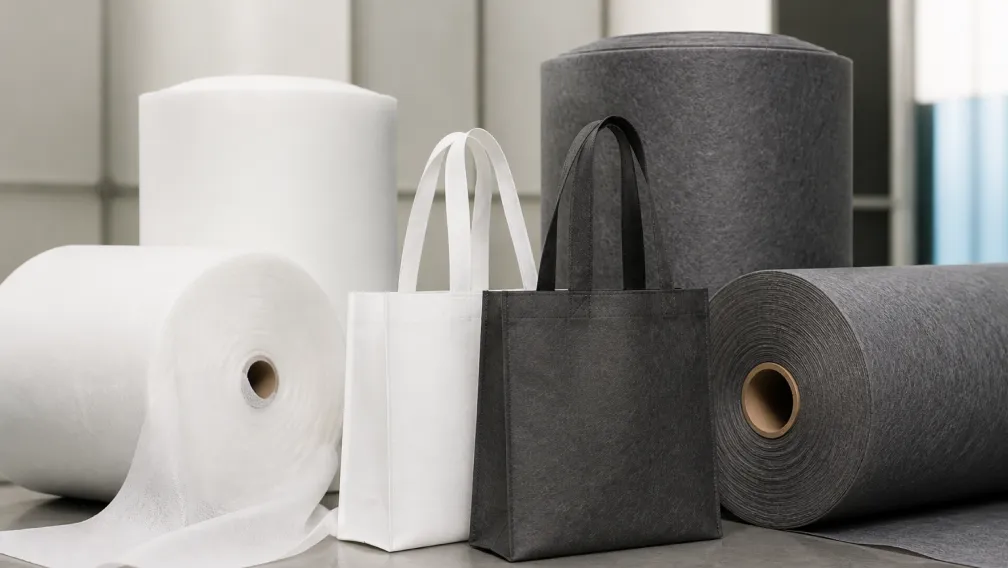
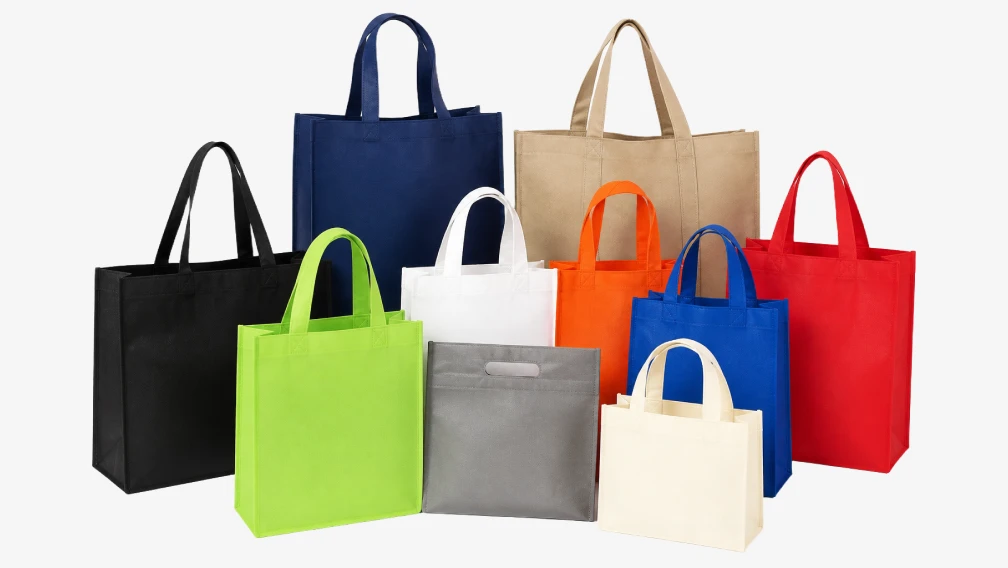
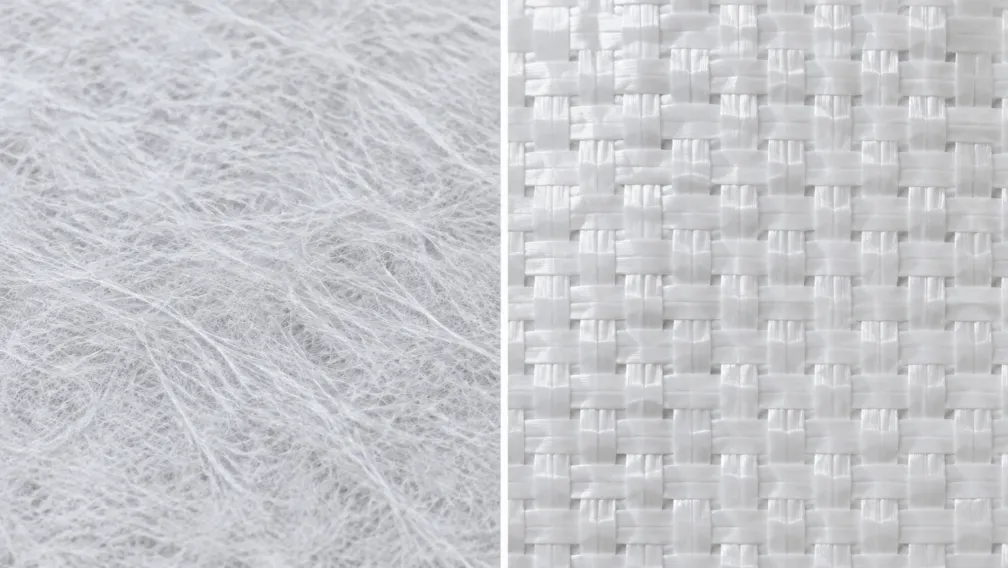
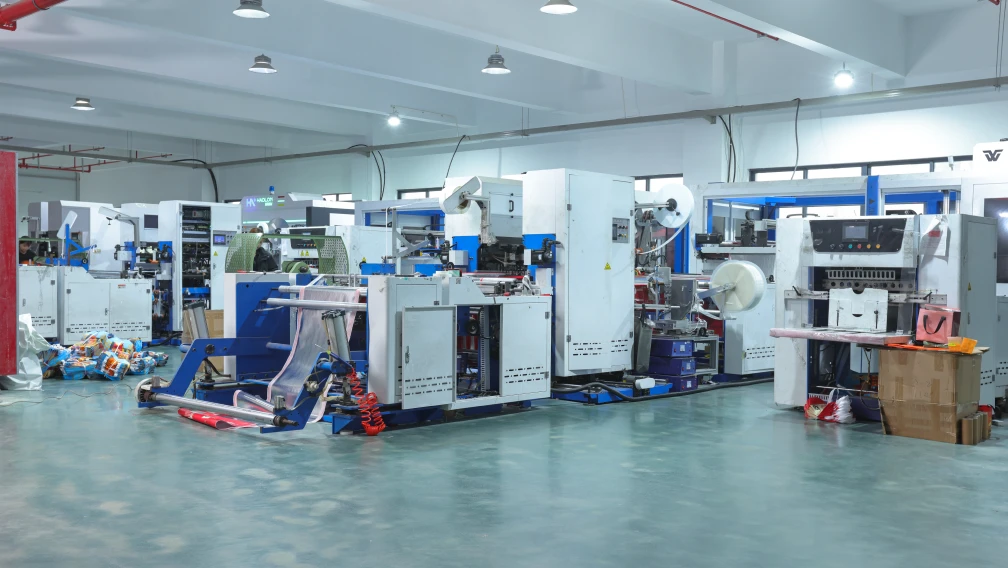
Spunbond nonwoven polypropylene holds the largest share of the reusable retail bag market for reasons that are measurable rather than habitual. Fabric at 80-120 gsm delivers carrying loads of 8-20 kg depending on handle construction, which covers the full range of grocery and apparel duty. The material accepts both spot-color screen printing and full-color laminated printing without surface preparation beyond standard corona treatment. Unit costs sit far below cotton canvas or woven PP at equivalent volumes, and the fabric is produced in roll goods that convert efficiently into automated cut-and-sew lines. Polypropylene is chemically inert, washable, and recyclable through LDPE/PP collection streams. Against paper bags, the cost-per-use math is decisive: a nonwoven bag rated for 100+ reuse cycles amortizes to a fraction of a cent per trip, while a paper bag rarely survives more than two.
2. Industry Solution Mapping
Bag specification follows the industry use case. The table maps the major program types to the constructions that perform in each.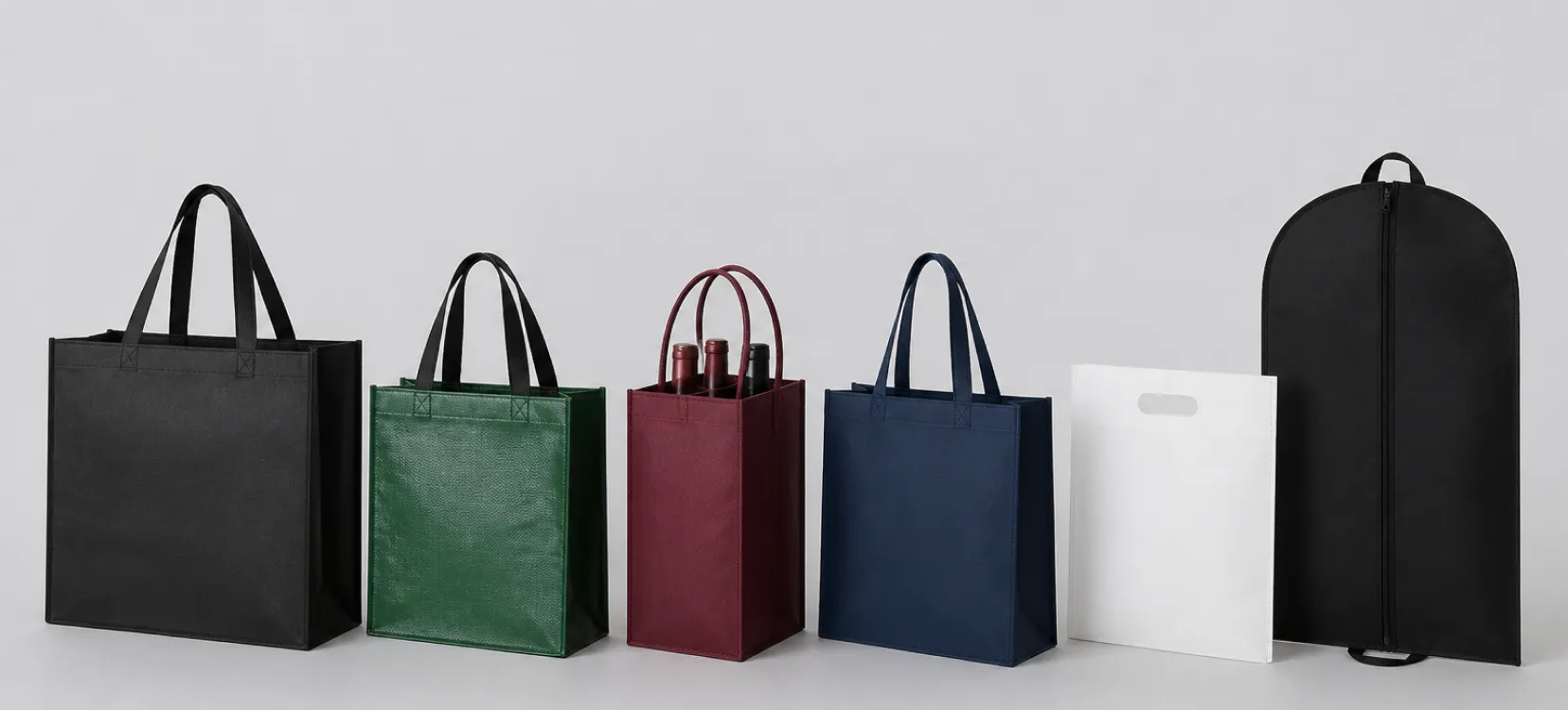
| Program Type | Recommended Construction | Key Specification Focus |
|---|---|---|
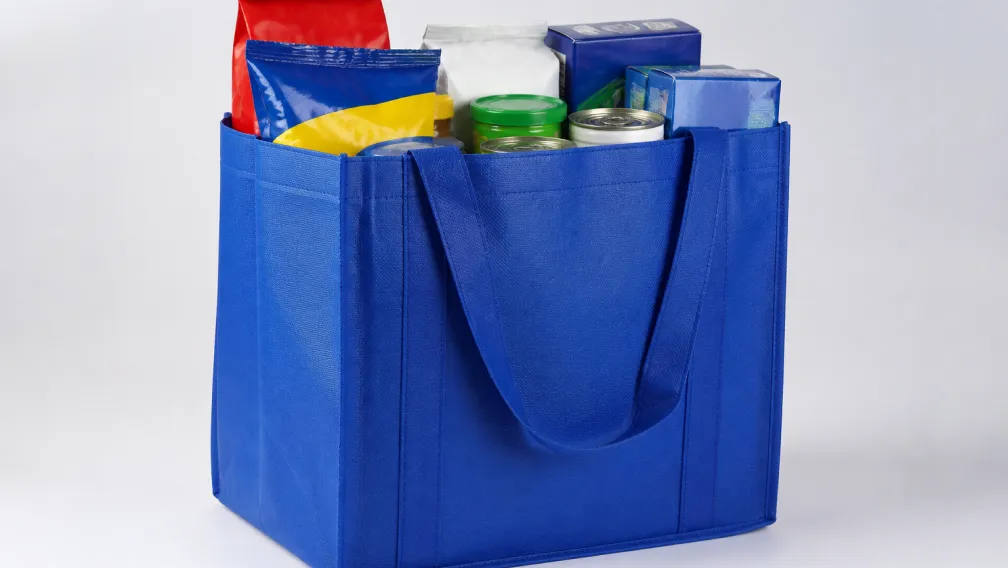
| Supermarket and grocery | Box bags, 100-120 gsm, sewn handles | Load rating 15+ kg; reinforced base board; high-volume pricing |
| Fashion and apparel retail | Laminated printed bags, 110-140 gsm | Full-color gravure print; matte or gloss lamination; premium hand feel |
| Wine and beverage retail | Divided bottle bags, 90-110 gsm | 1/2/4/6-bottle dividers; seam strength under point loads |
| Trade shows and events | Lightweight tote, 70-80 gsm | Large print area; unit cost at 10k+ volumes; fast lead time |
| Pharmacy and convenience | Compact D-cut or T-shirt bags, 50-70 gsm | Compact footprint; low unit cost; single-color print |
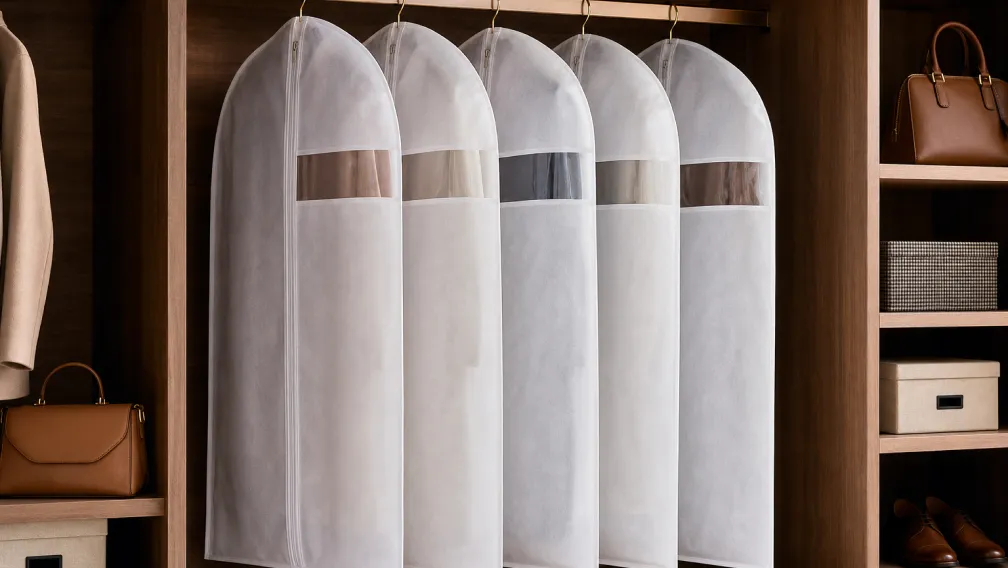
| Corporate gifting and apparel brands | Garment and zipper bags | Product protection in transit; repeat brand exposure in storage |
3. Matching Bag Construction to Program Function
3.1 Handle and Carry Constructions
Handle engineering defines the load ceiling of the bag. Sewn handles attached with an X-box stitch are the heavy-duty standard: the stitch pattern distributes tensile load across a 4 x 4 cm patch and supports 15-20 kg without seam failure, which is why nonwoven handle bags dominate grocery programs. Heat-sealed D-cut handles are produced inline without sewing; D-cut bags carry light merchandise at the lowest unit cost in the category and suit pharmacy and boutique duty. Rope and ribbon handles on laminated bags serve premium apparel retail where hand feel matters more than load rating.
3.2 Compact and Foldable Formats
Programs targeting spontaneous reuse require bags that disappear into a pocket or handbag between trips. Foldable nonwoven bags pack into integrated pouches at 70-80 gsm fabric weight and perform as secondary shopping bags distributed through loyalty programs and checkout promotions. The construction trades load rating for portability, so these formats are specified for 5-8 kg duty rather than full grocery loads.
3.3 Closure and Specialty Formats
Zipper closures convert a carry bag into reusable product packaging: nonwoven zipper bags are standard for bedding, knitwear, and footwear, where the bag protects the product in transit and stores it at home afterward. Wine programs rely on wine bags with sewn dividers that prevent bottle contact; a two-bottle divided bag in laminated fabric is the highest-volume configuration. Apparel logistics adds garment bags for suit and dress protection, extending the same fabric platform into the wardrobe.
4. Branding and Print Execution
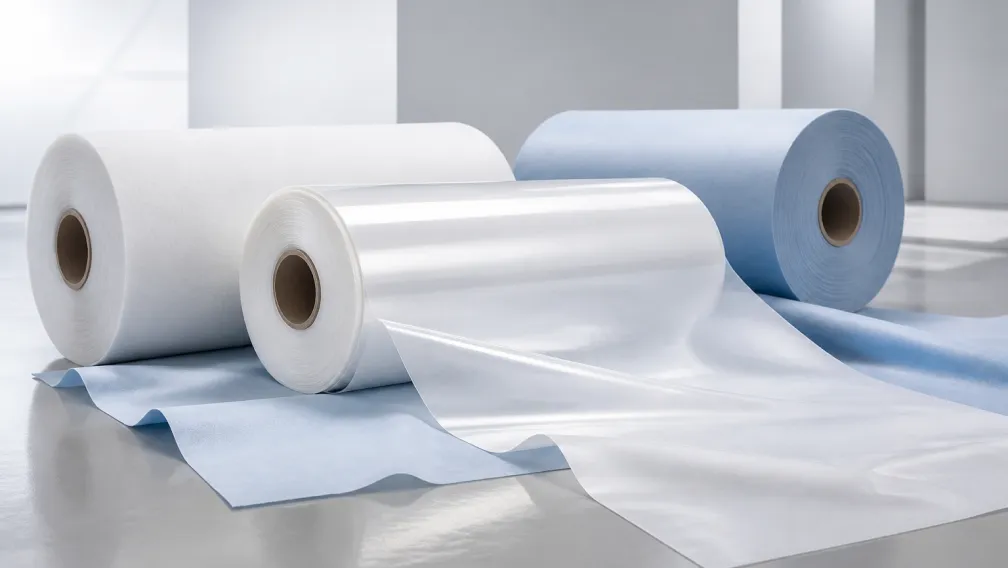
Print method follows artwork complexity and budget. Logos in one to four spot colors run on silk-screen lines directly onto the nonwoven surface; Pantone matching keeps brand colors consistent across reorders. Photographic artwork and full-coverage designs require rotogravure printing on BOPP film laminated over the fabric, which also adds scuff resistance and a premium surface. The mechanical differences between these print routes, including corona treatment and ink adhesion testing, are covered in our technical guide to printed nonwoven bags. At the program level, the operational rules are simple: supply vector artwork with outlined fonts, fix Pantone references in the purchase order, and approve a pre-production sample before the print run.
Print cost structure differs sharply between the two routes. Screen printing carries minimal setup cost but charges per color, which favors simple logos at mid volumes. Gravure requires etched cylinders per color, so setup cost is significant, but the per-unit print cost drops below screen printing at high volumes and the print itself is protected under the laminate for the life of the bag.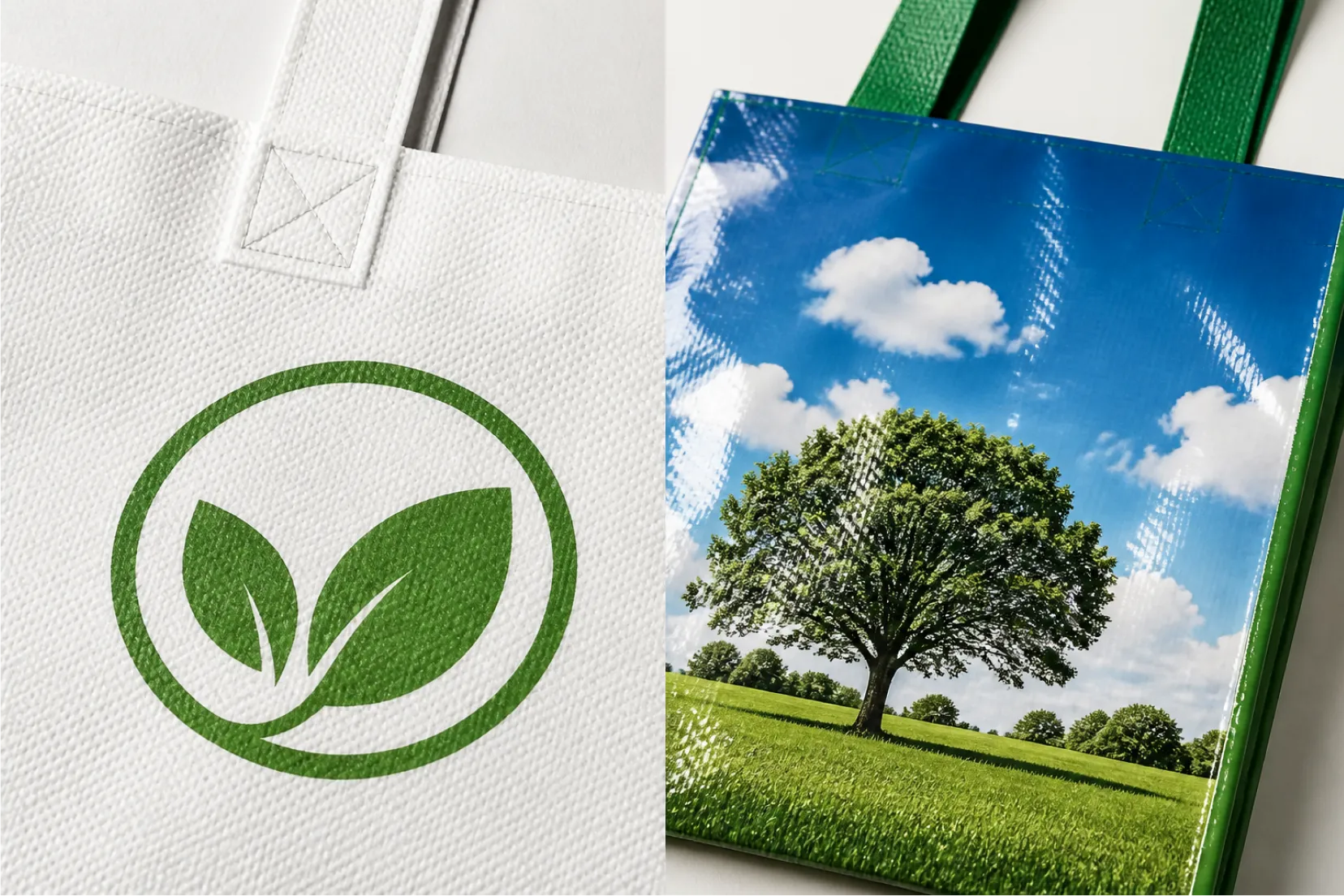
5. Regulatory Context for Reusable Bag Programs
Single-use plastic bag bans across the EU, UK, Canada, and an expanding list of US states are the primary demand driver for retail reusable programs. Compliance is not automatic: several jurisdictions define a reusable bag by minimum thickness, minimum carrying capacity, or a certified number of reuse cycles, and bags that fail the definition are taxed or banned alongside the single-use bags they replaced. California's standard of 125 certified uses is the reference most buyers adopt globally. Program specifications should confirm the applicable local definition before fabric weight is fixed; the legislative landscape and lifecycle analysis are detailed in our reusable bag regulations and compliance guide.
6. Sustainability Claims and Lifecycle Positioning
Reusable bags carry environmental claims, and those claims face increasing scrutiny from regulators and retail audit teams. The defensible position is lifecycle-based: a nonwoven PP bag reaches break-even against single-use plastic after roughly 10-15 uses, and against cotton totes after far fewer, because cotton's agricultural footprint is heavy. Fabric with post-consumer recycled polypropylene content is available for programs with recycled-content targets, though PCR fabric carries a slight color cast that matters for bright white laminated designs. Claim discipline matters: unqualified terms such as "eco-friendly" and "biodegradable" attract greenwashing challenges in the EU and several US states, since standard PP nonwoven is recyclable through polyolefin streams and is not biodegradable. Specifications and marketing copy should state recycled content percentages, reuse-cycle ratings, and the correct disposal route.
7. Program Procurement Framework
Multi-season bag programs succeed on procurement discipline. Minimum order quantities typically start at 3,000-5,000 units for screen-printed constructions and 10,000 units for laminated gravure runs, with unit cost driven by fabric weight, print colors, and handle construction. Lead times run 25-35 days for repeat orders and 35-45 days for new tooling and print plates. Quality control should include handle pull testing to the rated load, seam inspection on AQL 2.5 sampling, and print adhesion testing on laminated constructions. Carton packing and pallet configuration affect landed cost materially at program volumes and belong in the quotation discussion, as does the dimensional specification framework covered in our custom nonwoven bags specification guide.
Multi-year programs benefit from consolidated production: printing plates and fabric dye lots are retained, and annual volumes are produced in one or two runs with scheduled releases, which removes reorder variance in color and unit cost. For chains rolling out across regions, artwork variants by store format or language are plated together so the print run amortizes across the full program rather than per region.
Conclusion
A reusable bag program is an engineered procurement system: fabric weight, handle construction, print method, and compliance definition all derive from the industry use case, and each is fixed by specification rather than assumption. Retailers that define these parameters up front get consistent product across reorders; those that buy on unit price alone absorb the difference in returns, reprints, and brand damage.
Build your reusable bag program on defined specifications. Avanor Pack supplies custom nonwoven bag programs for grocery, apparel, beverage, and promotional applications from 3,000 units upward, with Pantone-matched printing and load-tested constructions. Send your artwork and target quantity for a program quotation and pre-production samples.