Search

Enter keywords to search for products, blog posts, and more.


Home > Garment Bags

Garment Bags
Garment Bags

Garment Bags

Commercial-grade spunbond polypropylene garment bags engineered for formalwear protection, boutique retail packaging, and dry-cleaning logistics[cite: 11].

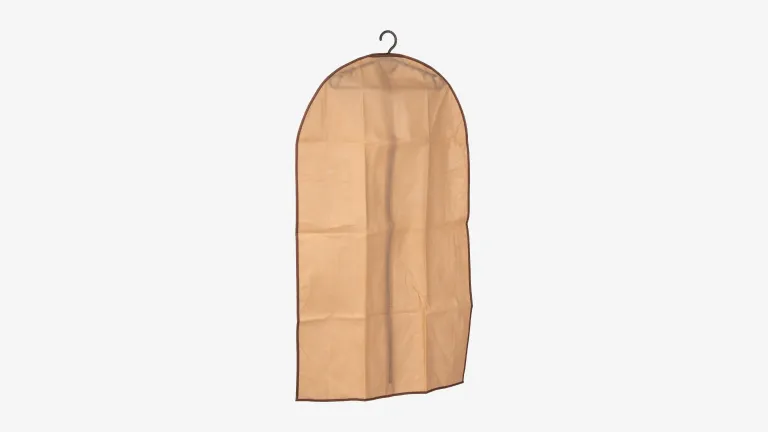
A nonwoven garment bag functions as a breathable textile enclosure utilizing 60–120 GSM virgin PP spunbond to prevent particulate ingress and moisture condensation during garment storage and transit[cite: 1, 11]. By integrating nylon zipper tracks, clear PVC windows, and reinforced metal eyelets, these units serve as highly structural secondary packaging for apparel supply chains[cite: 11].

What defines an industrial nonwoven garment cover? It is a reusable, high-tensile protective envelope designed specifically for the apparel industry[cite: 11]. Unlike single-use polyethylene (PE) plastics, the nonwoven matrix permits continuous air circulation, mitigating mold and odor accumulation in natural fibers[cite: 11]. Furthermore, the expansive opaque surface area serves as a primary substrate for high-resolution corporate branding[cite: 11].

  • 100% virgin PP substrate ensuring optimal air permeability and dust protection[cite: 11].
  • 60–120 GSM construction tailored to required structural rigidity and payload[cite: 11].
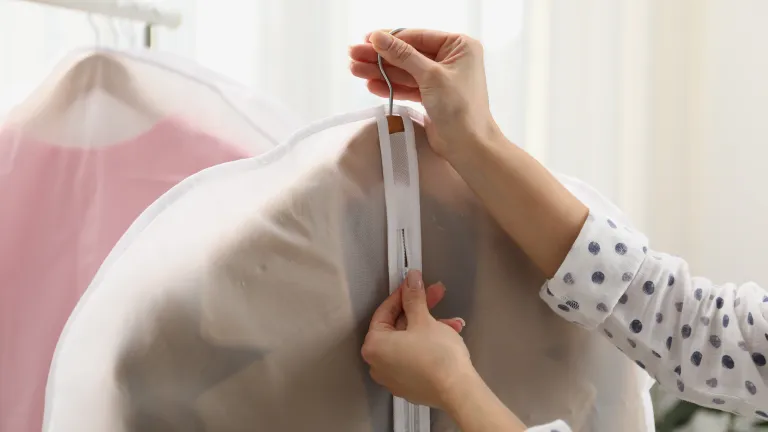
  • Full-length nylon zipper closures for secure environmental containment[cite: 11].
  • Optional 3D gussets accommodating voluminous textiles without crushing[cite: 11].
  • High-opacity spot-color silkscreen or 7-color BOPP gravure lamination[cite: 11].
  • Foldable architectures featuring metal eyelets and carry handles for business transit[cite: 11].
  • Direct factory sourcing supporting flexible MOQ and full OEM customization[cite: 11].

Nonwoven Garment Cover Specifications

ParameterSpecification
Substrate Material100% Virgin Spunbond Polypropylene (PP)[cite: 1, 11]
Fabric Grammage60–120 GSM (80 GSM industry standard)[cite: 11]
Closure HardwareFull-length nylon zipper track (center or off-center alignment)[cite: 11]
Display Integration0.15mm clear PVC viewing panels and transparent ID sleeves[cite: 11]
Structural HardwareStamped metal eyelets and cross-stitched webbing handles[cite: 11]
Commercial BrandingSpot-color silkscreen or 7-color BOPP gravure lamination[cite: 1, 11]
Dimensional ProfilesConfigurable lengths (e.g., 40" standard suits, 72" volumetric gowns)[cite: 11]
Production CapabilityDirect OEM & ODM manufacturing with automated seam sealing[cite: 11]


Commercial Garment Bag Configurations

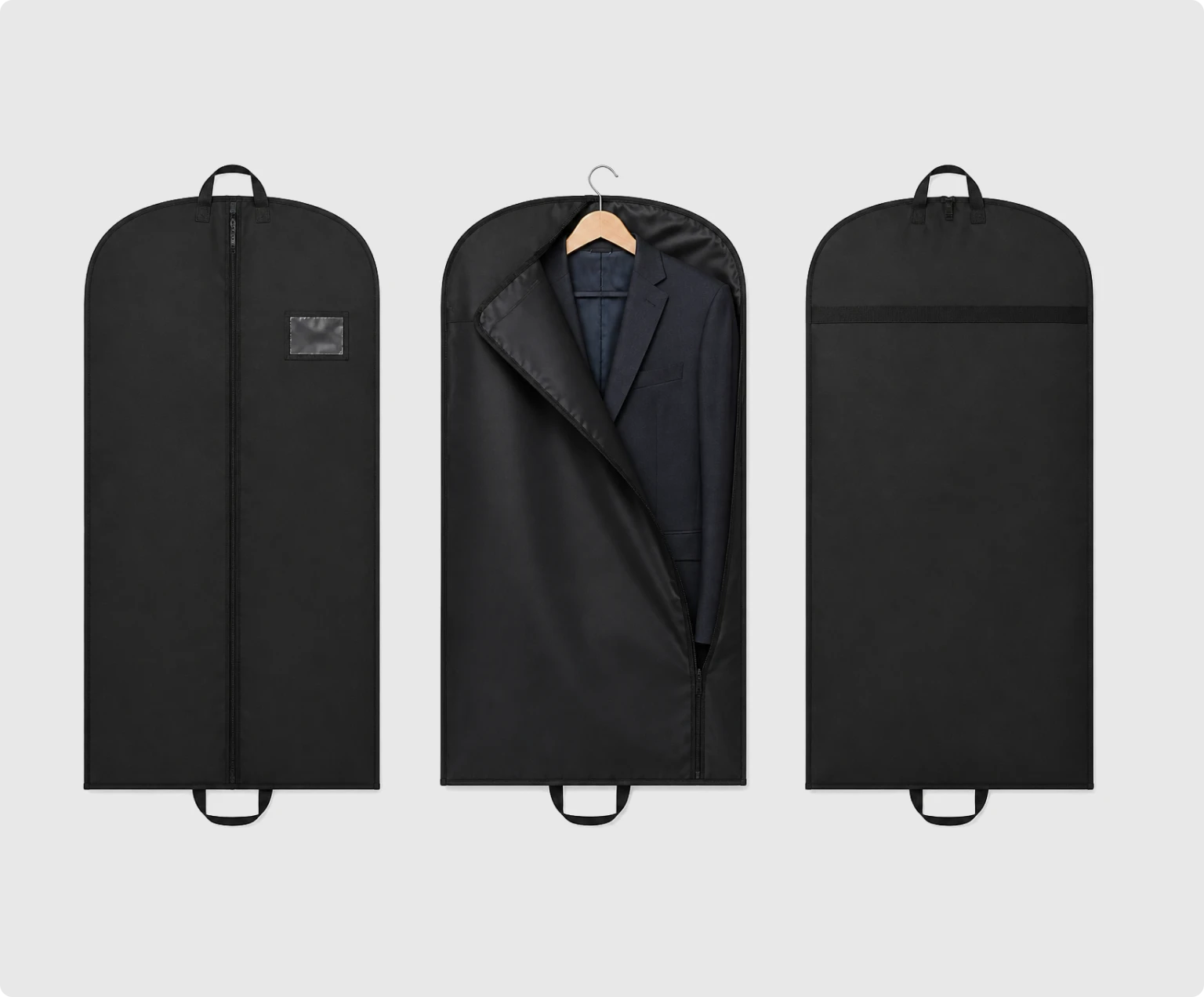
Standard Flat-Profile Garment Covers

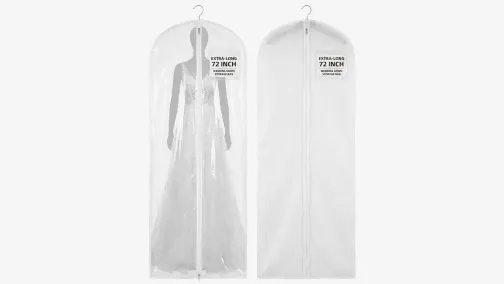
Volumetric Gusseted Gown Bags

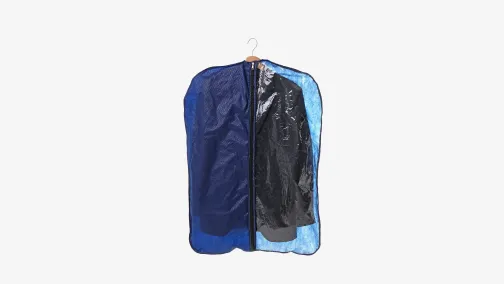
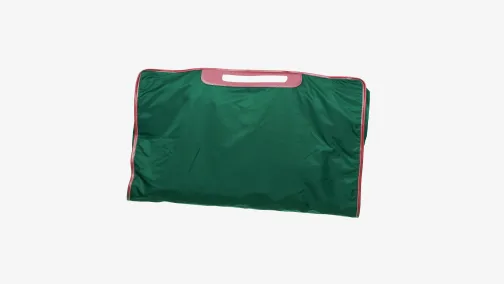
Foldable Transit Enclosures


Substrate Mechanics and Structural Protection

The primary function of a nonwoven garment bag is textile preservation[cite: 11]. Our manufacturing process utilizes 60–120 GSM PP spunbond nonwoven, which inherently repels dust while maintaining high air permeability[cite: 11]. We integrate smooth-glide nylon zipper tracks and reinforced hanger apertures using precision overlock stitching[cite: 11]. This ensures the enclosure withstands dynamic tension during retail handling and consumer transit without seam failure[cite: 11].


Commercial Printing and Brand Amplification

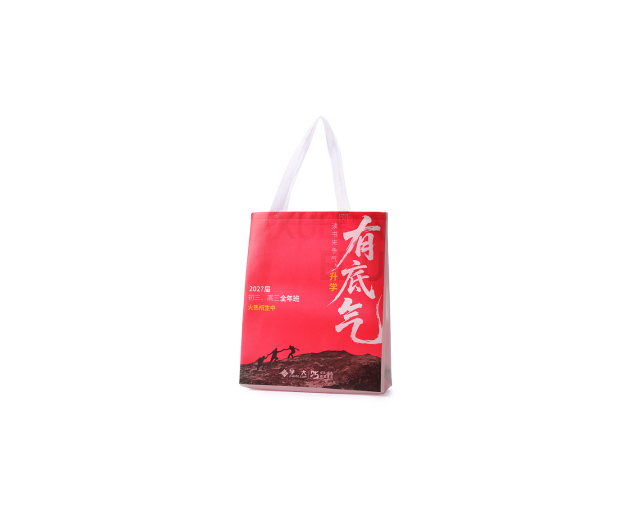
In commercial apparel logistics, the garment cover functions as a mobile marketing asset[cite: 11]. We deploy high-opacity silkscreen printing for precise Pantone (PMS) matching of corporate vector logos on standard spunbond surfaces[cite: 11]. For waterproof capabilities or complex photorealistic imagery, we utilize 7-color gravure lamination[cite: 11]. This robust ink application guarantees sustained brand visibility throughout the packaging's reusable lifecycle[cite: 11].


Customization and Hardware Integration

Customization Parameters for Industrial Sourcing

Specification ParameterEngineering Options
Dimensional SizingConfigurable lengths and volumetric 3D gusset expansion[cite: 11]
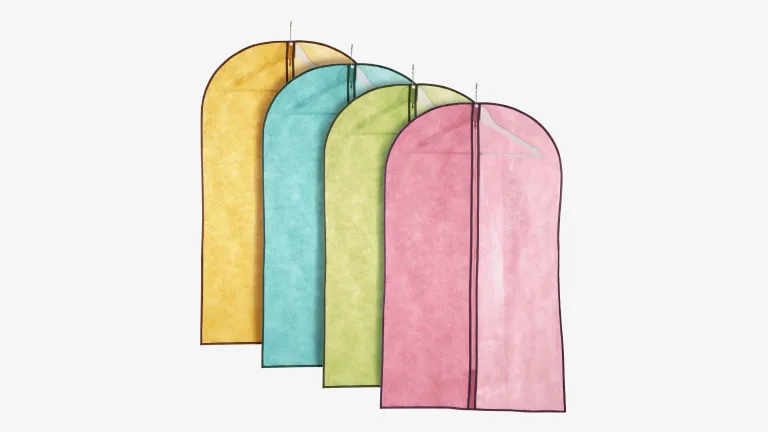
Substrate ColorMasterbatch dyed to exact corporate brand identities[cite: 11]
Closure HardwareNylon center tracks, asymmetrical side zips, or dual-slider setups[cite: 11]
Visual Integration0.15mm clear PVC display panels, transparent ID sleeves[cite: 11]
Transit AccessoriesStamped metal grommets and cross-stitched webbing handles[cite: 11]


Commercial Deployment Projects

logo
logo
logo
logo
logo
logo
logo
logo
logo

About Changyuan Nonwoven

We are a nonwoven fabric and bag manufacturer based in Changzhou, China, running a full production line from raw material to finished goods since 2012. Our factory handles fabric extrusion, 7-color gravure printing, lamination, and bag making in-house, serving clients in 20+ countries with a daily output of 200,000 pieces.

Company factory how we work

FAQs

What is the technical advantage of nonwoven fabric over plastic for garment storage?

Polyethylene (PE) plastics trap condensation, accelerating mildew formation on natural fibers[cite: 11]. PP spunbond nonwoven fabric is highly permeable, allowing continuous air circulation while actively blocking particulate ingress, making it optimal for long-term textile preservation[cite: 11].

How is visual identification managed without breaking the packaging seal?

We integrate 0.15mm-0.20mm clear PVC viewing windows or transparent ID card sleeves directly into the substrate[cite: 11]. This allows retail staff and consumers to visually verify the enclosed garment without opening the zipper track and exposing the textile to dust[cite: 11].

What structural modifications enable secure travel and transit?

For logistics and business transit, we engineer foldable configurations featuring cross-stitched carrying handles and a reinforced metal eyelet at the base[cite: 11]. The bag folds vertically, allowing the internal hanger to anchor through the eyelet, converting the long cover into a secure, balanced tote[cite: 11].

How is the appropriate GSM determined for heavy textile storage?

Fabric density must correlate with the garment's mass and volume. While 80 GSM is the industry standard for standard suits, heavy bridal gowns and winter coats require 100-120 GSM substrates coupled with wide bottom gussets to prevent fabric crushing and seam blowouts[cite: 11].

What printing methods are supported for corporate branding?

We utilize flatbed silkscreen for standard spot-color logos and BOPP gravure lamination for edge-to-edge, photorealistic graphics[cite: 11]. Both methods utilize SGS-certified inks strictly calibrated to target Pantone Matching System (PMS) values for absolute corporate consistency[cite: 11].

Are nonwoven garment bags environmentally compliant for enterprise use?

Yes. Manufactured from virgin spunbond polypropylene, these covers function as highly durable, multi-cycle secondary packaging[cite: 11]. They replace single-use plastic dry-cleaning bags and are compatible with standard Type 5 polymer recycling streams at the end of their operational lifespan[cite: 11].

Technical Guide: Specifying Nonwoven Garment Covers

In the commercial apparel sector, secondary packaging must balance textile preservation with brand amplification[cite: 11]. Specifying wholesale garment covers requires precise alignment of the substrate material, dimensional architecture, and hardware integration to meet specific logistical requirements[cite: 1, 11].

Air Permeability and Moisture Mitigation

Polyethylene (PE) plastics trap condensation, accelerating mildew formation and odor retention on natural fibers[cite: 11]. Conversely, PP spunbond nonwoven fabrics permit continuous air circulation while actively blocking airborne particulates[cite: 11]. This structural porosity prevents moisture accumulation during extended closet storage or maritime shipping, making it the mandated standard for high-end tailoring and bridal boutiques[cite: 11].

Structural Architecture: Flat vs. Volumetric Profiles

The internal dimensions of the cover must be calibrated to the garment's spatial footprint to prevent fiber crushing[cite: 11].

Structural ProfileDimensional CharacteristicsPrimary B2B Application
Standard Flat Envelope2D profile (typically 40"–48" in length) with minimal depth[cite: 11].Menswear retail, standard suits, dry-cleaning logistics[cite: 11].
Volumetric Gusseted BaseIntegrates a 3D flared bottom gusset (up to 72" in length)[cite: 11].Bridal boutiques, evening gowns, voluminous theatrical costumes[cite: 11].
Foldable Transit ConfigFeatures cross-stitched handles and a base metal eyelet[cite: 11].Business travel retail, mobile tailoring, airline transport[cite: 11].

Procurement Verification Parameters

When executing bulk procurement for a retail network, buyers must verify the exact placement of the nylon zipper track (center vs. off-center bias) to ensure ergonomic access[cite: 1, 11]. If rapid inventory identification is required without breaking the packaging seal, the integration of 0.15mm clear PVC window panels or transparent ID card pockets must be explicitly requested[cite: 11]. Utilizing in-house manufacturing ensures these dimensional tolerances remain uniform across massive production runs[cite: 1, 11].