
Introduction: The Financial Imperative of Commercial Surface Protection
In commercial construction, large-scale remodeling, and facility maintenance, surface damage is a primary driver of margin erosion. Replacing a scratched marble slab, refinishing newly cured hardwood due to chemical stains, or deep-cleaning carpet exposed to heavy foot traffic induces severe delays and massive rework costs. General contractors and procurement teams cannot rely on improvised protection like standard corrugated cardboard, which lacks liquid resistance and presents a severe slip hazard, or thin drop cloths that bunch under equipment. Engineered surface protection is a technical necessity. This specification guide dissects the material architecture, adhesion mechanics, and operational deployment metrics of professional-grade painters fleece and self-adhesive polyethylene floor films, providing B2B buyers with the empirical parameters required to protect high-value substrates safely and efficiently.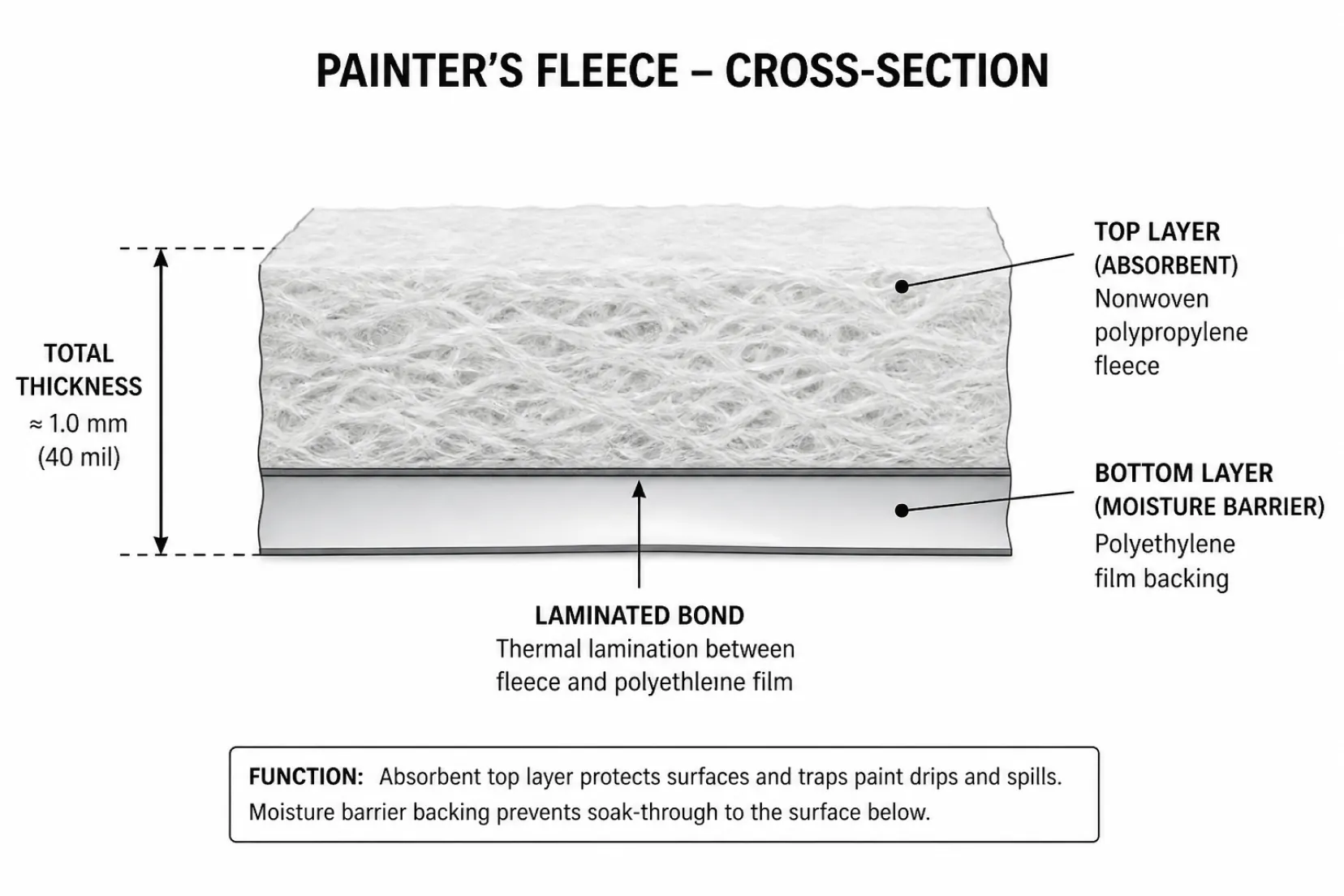
1. Material Architecture of Nonwoven Painter's Fleece
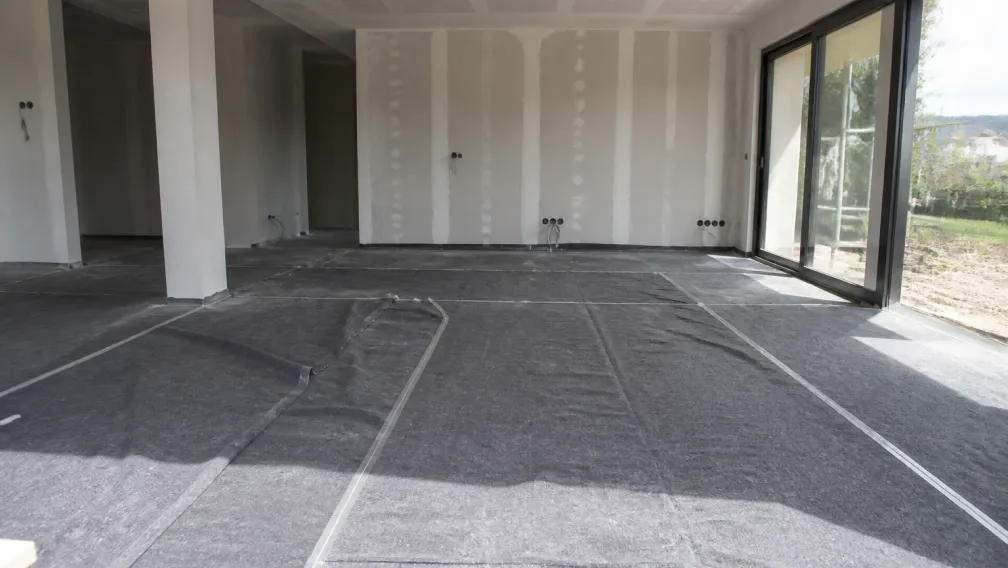
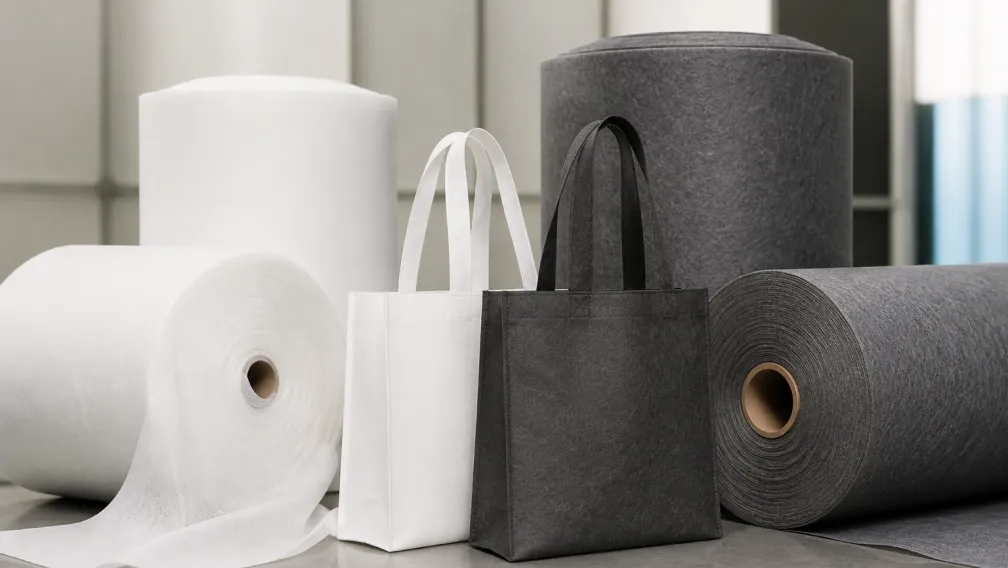
Painter's fleece, commonly known in European markets as Malervlies or Abdeckvlies, is a composite material engineered specifically to manage liquid spills while providing mechanical shock absorption. It consists of two distinct layers laminated together through a thermal or adhesive bonding process.
The upper layer is a needle-punched nonwoven fabric, typically constructed from a blend of recycled cotton and synthetic polyester fibers. This nonwoven matrix functions as an extreme absorbent. When paint, solvents, or water spill onto the surface, the capillary action of the synthetic and natural fibers rapidly pulls the liquid laterally, preventing it from pooling and creating a slip hazard for workers. The weight of this layer is measured in grams per square meter (GSM). Commercial specifications mandate a minimum of 180gsm for light remodeling, while heavy-duty job sites require 250gsm to 280gsm to absorb heavy impacts from dropped tools or scaffolding poles.
The bottom layer is a high-density polyethylene (HDPE) or low-density polyethylene (LDPE) film backing. This film serves two critical functions. First, it acts as an absolute liquid barrier, ensuring that the chemicals absorbed by the top fleece layer never penetrate through to the finished floor below. Second, the polymer film is extruded with a slight tack or texture, dramatically increasing the dynamic coefficient of friction against hard surfaces like tile or wood, anchoring the fleece securely in place without the use of chemical adhesives.
2. PE Floor Protection Films: Tensile Strength and Adhesion Mechanics
For applications where non-moving, absolute surface conformity is required, such as protecting carpets during high-traffic painting operations or shielding factory-finished hardwood, self-adhesive floor protection films are the standard. The performance of these films is dictated by the polymer substrate and the chemical formulation of the adhesive system.
The base film is typically an LLDPE (Linear Low-Density Polyethylene) blend, chosen for its exceptional elongation at break. Standard commercial films range from 50 microns (2 mil) to 100 microns (4 mil) in thickness. The high tensile strength ensures that the film does not tear when subjected to the shearing force of heavy work boots or rolling cart wheels. Furthermore, the film is highly resistant to standard construction solvents, preventing chemical bleed-through.
The critical engineering component is the adhesive layer. Floor films utilize water-based acrylic pressure-sensitive adhesives (PSA). Unlike rubber-based hot melts which leave heavy residues, acrylic adhesives are formulated for clean removal. The peel adhesion strength is calibrated specifically to the target surface. A carpet protection film utilizes a highly aggressive tack (often exceeding 600g/25mm peel strength) to grip individual carpet fibers. Conversely, a hard surface film utilizes a low-tack formulation (around 150g/25mm) to ensure it grips smooth tile or vinyl without risking delamination of the floor's finish upon removal.
3. Breathability Requirements and the Threat of Moisture Entrapment
One of the most frequent and costly errors in commercial surface protection is the misapplication of impermeable barriers over curing substrates. Freshly poured concrete, newly installed stone with wet mortar, and recently finished site-applied hardwood floors continuously release moisture vapor as they cure.
Applying a non-breathable PE adhesive film over a curing hardwood floor is catastrophic. The impermeable plastic traps the escaping moisture vapor, forcing it back into the wood grain or the curing polyurethane finish. This results in the "ghosting" or "blushing" of the finish (a permanent white, cloudy discoloration) and can cause the wood planks to cup or warp. For these specific applications, highly breathable nonwoven fleeces without the continuous LDPE backing must be specified, or specialized vapor-permeable membrane papers must be deployed. Procurement teams must clearly define the curing status of the target substrate before authorizing the deployment of absolute vapor barriers.
4. Managing Mechanical Stress: Puncture Resistance and Impact Distribution
Job sites are dynamic environments characterized by heavy mechanical stress. Surface protection must prevent concentrated point loads from transferring energy to the fragile substrate below.
A dropped hammer generates significant kinetic energy concentrated over a very small surface area (the hammerhead). Thin PE films, while excellent against liquid and dirt, offer zero shock absorption; the impact transfers directly through the film, cracking the ceramic tile or denting the hardwood below. Heavy-duty painter's fleece (280gsm and above) provides a dense structural cushion. The needle-punched fibers compress upon impact, distributing the kinetic energy laterally across a wider area, drastically reducing the concentrated point load. For extreme impact zones—such as under heavy masonry work or high-reach aerial lifts—fleece should be augmented with rigid corrugated plastic boards (Correx) to completely negate puncture risks.
5. Operational Logistics: Reverse-Wound Deployment and Labor Efficiency
In massive commercial spaces, the time required to deploy and remove surface protection directly impacts labor budgets. Packaging engineering plays a crucial role in installation speed.
Commercial PE floor films are engineered as reverse-wound rolls. The adhesive layer is coated on the outside of the roll rather than the inside. This allows a single worker to drop the roll on the floor, step on the leading edge, and simply kick or push the roll across the corridor. The film unwinds and adheres to the surface simultaneously without the need for manual unrolling or bending over, cutting deployment time by up to 70% compared to standard wound films. For painter's fleece, rolls are supplied in optimized widths (typically 1 meter by 50 meters) that align perfectly with standard commercial hallway dimensions, minimizing the need for exact cutting and excessive overlapping.
6. UV Resistance and Adhesive Residue Prevention
When protecting surfaces exposed to direct sunlight, such as exterior glazing, outdoor patios, or floors adjacent to large commercial curtain walls, the chemical stability of the adhesive becomes the primary failure vector. Standard acrylic adhesives break down rapidly under ultraviolet (UV) radiation.
If a non-UV-rated film is left in direct sunlight for an extended period, the UV rays degrade the polymer film and bake the adhesive directly into the substrate. Upon removal, the plastic film tears into micro-fragments, and a thick layer of hardened glue remains bonded to the floor or glass, requiring aggressive chemical solvents to remove. Commercial specifications for sun-exposed environments mandate UV-inhibited LLDPE films combined with UV-stabilized adhesives, which guarantee a clean, residue-free removal even after 45 to 60 days of direct solar exposure.
7. B2B Procurement QA and Acceptance Testing
Before standardizing a surface protection asset across a nationwide construction fleet, procurement departments must conduct rigorous Acceptable Quality Limit (AQL) testing to verify supplier specifications. Critical verification protocols include:
- Hydrostatic Head Testing: For painter's fleece, subjecting the LDPE backing to sustained water pressure to verify absolute zero liquid penetration over a 24-hour period.
- Dynamic Friction Profiling: Measuring the slip resistance of the fleece backing against polished concrete to ensure it meets workplace safety standards (OSHA compliance) for preventing slip-and-fall accidents.
- Adhesive Transfer Testing: Applying the PE floor film to various test substrates (glass, cured polyurethane, aluminum), subjecting them to accelerated thermal aging in an environmental chamber at 50°C (122°F) for 72 hours, and confirming zero adhesive transfer upon 180-degree peel removal.
- Elmendorf Tear Testing: Utilizing ASTM D1922 standards to measure the force required to propagate a tear in the PE film, ensuring it can withstand the heavy shearing forces of rolling scaffolding.
Conclusion
Specifying the correct surface protection is a technical exercise in matching material physics to the exact hazards of the job site. Nonwoven painter's fleece provides the absolute liquid absorption and kinetic impact resistance required for heavy remodeling and painting, while engineered PE floor films deliver rapid, zero-slip protection for high-traffic corridors and carpets. By strictly differentiating between breathable requirements for curing floors and aggressive adhesion requirements for carpets, and by enforcing rigorous AQL testing for UV stability and clean removal, construction operations can eliminate rework liabilities and protect their margins. Contact our technical team to define your substrate requirements and request physical samples for site-specific testing.