
Introduction: Mailer Selection as a Fulfillment Cost Variable
For e-commerce sellers and B2B distributors shipping small parcels, the mailer bag functions as both protective packaging and a postage cost driver. The wrong specification raises damage rates, inflates carrier surcharges, and weakens brand presentation at the doorstep. Two constructions dominate the light-parcel segment: the poly bubble mailer and the kraft padded envelope. Although procurement teams often treat them as interchangeable, the two formats differ in material composition, cushioning behavior, moisture resistance, printability, and recycling pathways. This guide breaks down the engineering differences between poly bubble mailers and padded envelopes, then provides a selection framework and bulk sourcing checklist for fulfillment operations.
1. Construction and Material Composition
1.1 Poly Bubble Mailers
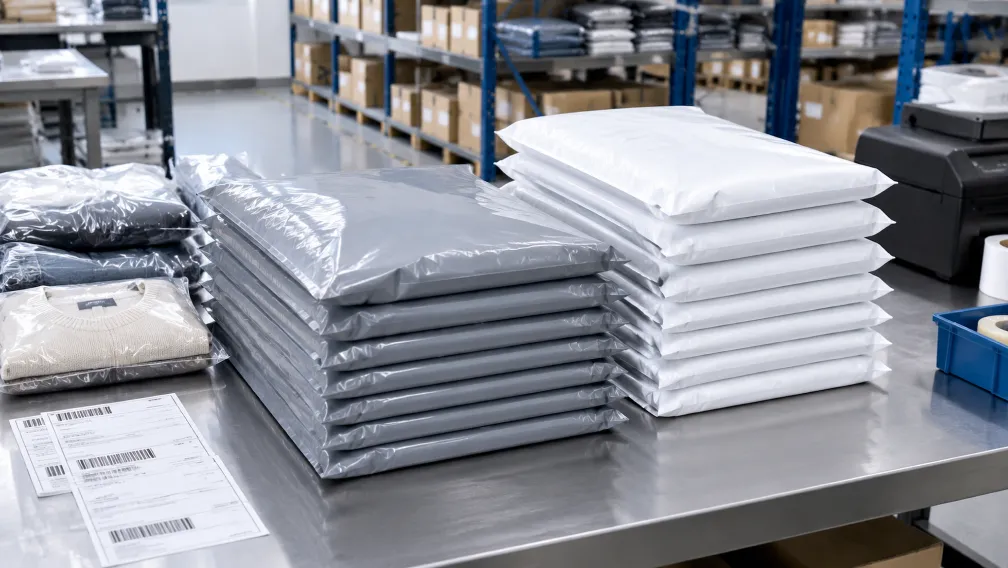
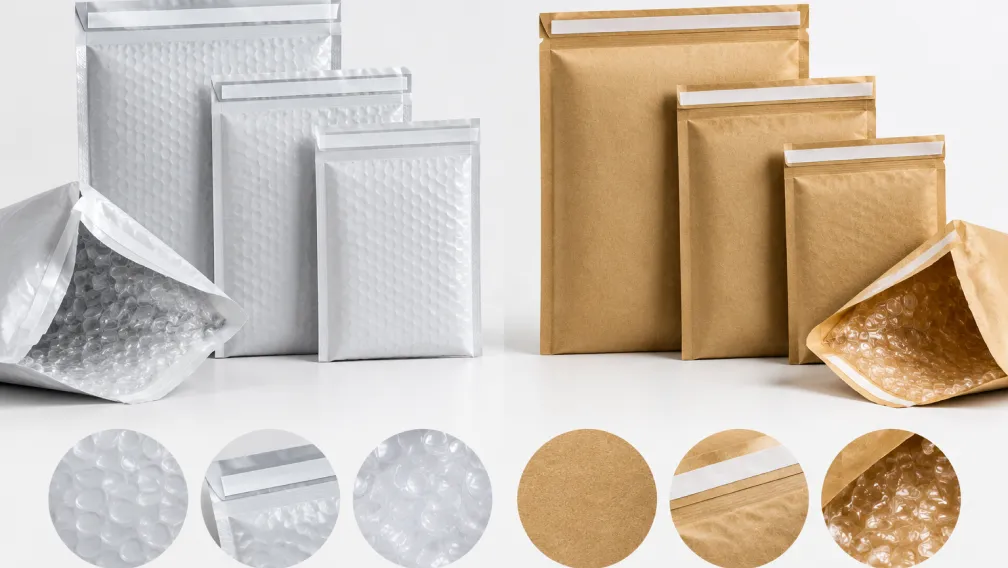
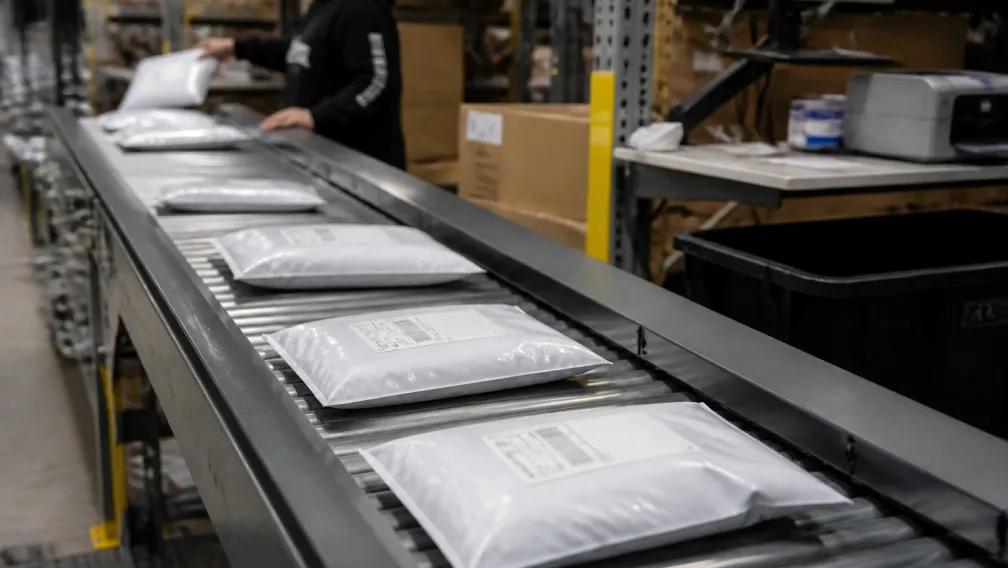
A poly bubble mailer is a two-layer polyethylene system. The outer shell is co-extruded LDPE/LLDPE film, typically 50-70 microns thick, which supplies tensile strength, puncture resistance, and a printable surface. The inner liner is air-bubble cushioning film with a standard 10 mm bubble diameter, laminated to the shell at the seams. The closure uses a hot-melt self-seal adhesive strip; tamper-evident and dual-seal (returnable) configurations are common in apparel fulfillment. Because the entire structure is polyethylene-based, the mailer is inherently waterproof and chemically inert.
1.2 Kraft Padded Envelopes
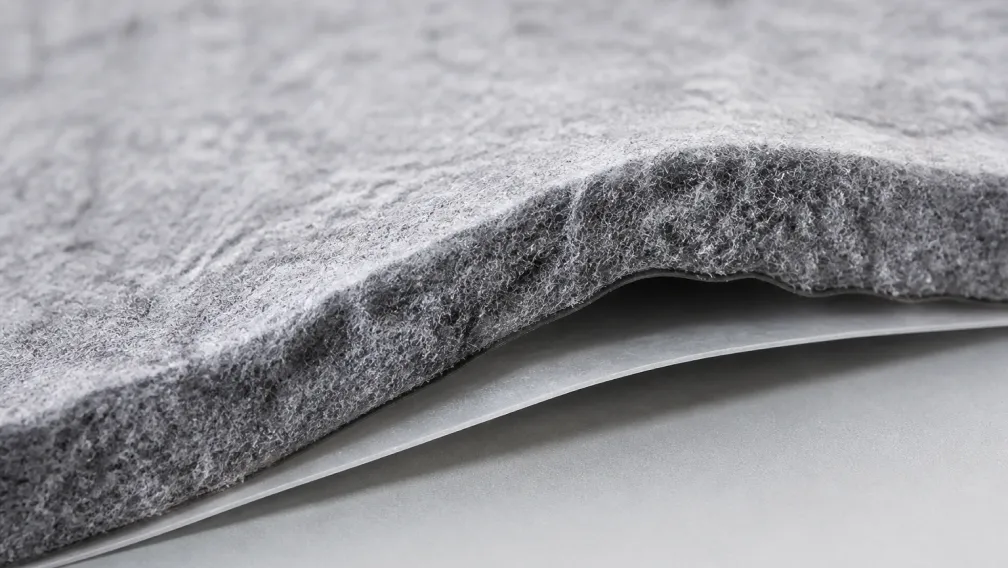
Kraft padded envelopes use a paper shell, normally 70-100 gsm virgin or recycled kraft, combined with one of two cushion types. Fiber-padded versions, the original Jiffy-style construction, contain macerated paper fiber that traps air between the kraft plies. Kraft bubble versions bond a polyethylene bubble liner inside the paper shell, combining a paper exterior with air-cell cushioning. The kraft surface accepts ink readily and presents a natural matte appearance, but the paper shell absorbs moisture and loses mechanical strength when wet.
2. Protective Performance: Puncture, Tear, and Cushioning
Protective performance must be evaluated across three failure modes rather than a single strength figure.
- Puncture resistance. Co-extruded poly film elongates under point load instead of rupturing, so sharp product corners and metal fittings are less likely to penetrate the shell. Kraft paper has low elongation; once a corner breaches the surface, the tear propagates quickly along the fiber direction.
- Tear propagation. A small nick at a kraft mailer edge can run across the full panel under sorting-belt tension. Poly film localizes damage at the nick point, which keeps the contents enclosed even after minor shell damage.
- Cushioning behavior. Air-cell bubbles recover after compression and maintain thickness across multiple drops. Macerated fiber padding compresses permanently on first impact; after one hard drop, the padded zone thins out and protection drops with it.
For fragile or high-value contents, ISTA 1A drop testing on packed samples is the practical benchmark before committing to a bulk specification.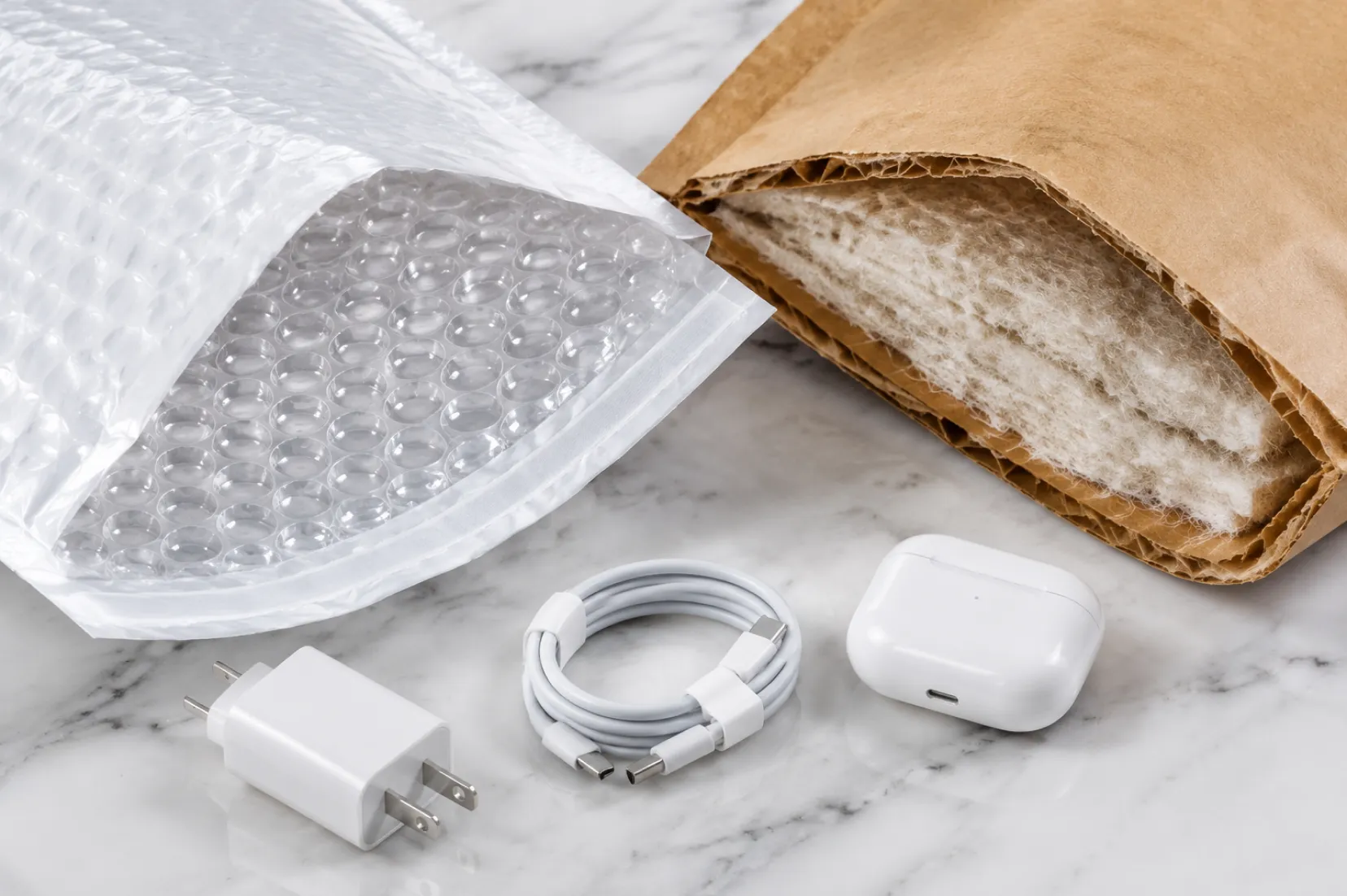
3. Moisture and Weather Exposure
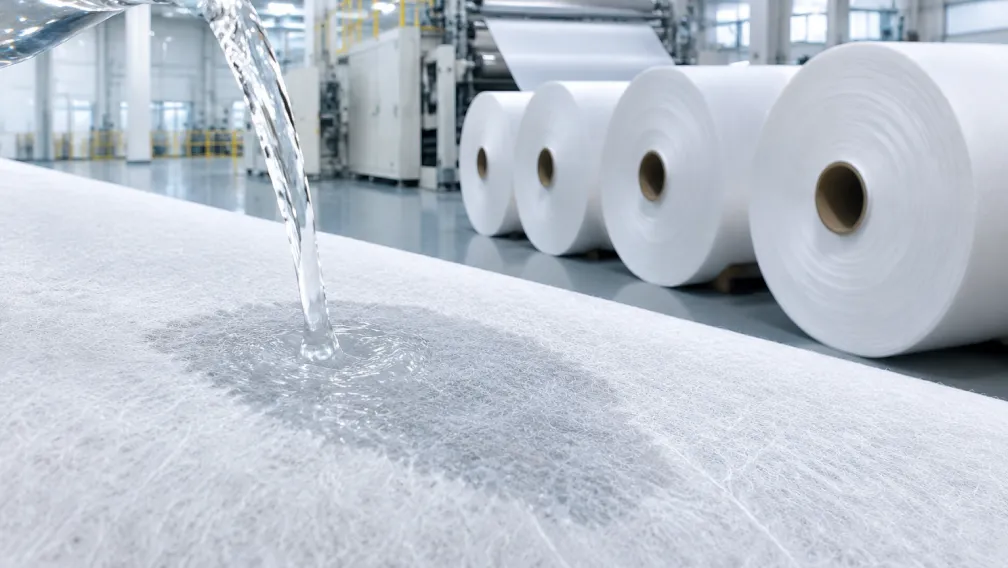
Last-mile parcels routinely sit on wet doorsteps, in open sorting cages, and in unprotected delivery vehicles. Poly mailers are effectively waterproof: the sealed polyethylene shell blocks rain and condensation, and the adhesive closure resists humidity without delaminating. Kraft padded envelopes absorb water through the shell and the closure flap; wet kraft loses 50% or more of its tensile strength, and fiber padding holds moisture against the product. Shipments containing paper documents, electronics, or textiles moving through humid climates face real damage risk in paper-shell mailers unless a secondary poly bag is added inside.
4. Weight, Dimensions, and Postage Economics
Mailer tare weight matters at volume because postal and courier pricing is bracket-based. A #2 poly bubble mailer typically weighs 12-15 g, while a comparable kraft padded envelope runs 22-30 g. The 10-15 g difference is small per unit, but on 100,000 annual shipments it represents 1-1.5 metric tons of mailer weight, and at bracket boundaries it can move a parcel into a cheaper tier outright. Poly mailers also pack flatter before use, reducing inbound freight volume and warehouse storage per thousand units. Dimensional weight is rarely the binding constraint for mailers, but the lower profile of a poly bubble mailer helps parcels qualify for letter-post and large-letter rate categories where kraft padded envelopes exceed thickness limits.
5. Branding and Printability
Kraft shells accept water-based flexographic ink directly, which makes short-run single-color printing economical and produces the natural eco aesthetic many brands want. Polyethylene film requires corona treatment before printing because the polymer surface is low-energy; once treated, it accepts flexo and digital printing in full CMYK with photographic quality. For premium branded mailers, reverse printing beneath a gloss film layer protects the graphic from scuffing in transit, an option available on custom bubble mailers at commercial quantities. Pantone-matched spot colors are achievable on both substrates, though color consistency across batches is tighter on white poly film than on natural kraft, where the brown base shifts ink appearance.
6. Sustainability and End-of-Life Pathways
End-of-life performance depends on local recycling infrastructure, and procurement claims should reflect that reality. Fiber-padded kraft envelopes with no plastic liner can enter paper recycling streams in many regions. Kraft-bubble and poly bubble mailers are classified as film plastics (LDPE, resin code #4) and are accepted through store drop-off programs in North America rather than curbside bins. Disposal guidance printed on the mailer improves actual recovery rates. Buyers operating under plastic-reduction policies or EU packaging regulations increasingly specify recycled-content poly film, commonly 50-80% PCR, or switch to fiber-cushion formats; both routes are available at production scale and should be evaluated against the damage-rate cost of a weaker shell.
7. Application-Based Selection Matrix
The table below maps common fulfillment categories to the better-performing mailer construction, based on the mechanical and economic factors above.
| Shipment Category | Recommended Mailer | Primary Reason |
|---|---|---|
| Apparel, soft goods | Poly bubble | Waterproofing, low tare weight, dual-seal returns |
| Books, printed documents | Kraft padded (fiber) | Rigidity protects corners; contents already moisture-managed |
| Small electronics, accessories | Poly bubble | Puncture resistance and moisture barrier |
| Cosmetics, jars, bottles | Poly bubble | Leak containment and chemical resistance |
| Jewelry, small valuables | Poly bubble (opaque) | Tamper evidence and contents concealment |
| Eco-positioned brand shipments | Kraft padded (fiber) | Paper-stream recyclability, natural brand aesthetic |
| Humid-climate or international parcels | Poly bubble | Shell strength retention when wet |
8. Bulk Sourcing Specification Checklist
Purchase orders for mailers should define measurable parameters rather than relying on generic size labels. The following checklist reflects the parameters that drive field performance and landed cost.
| Parameter | Typical Specification Range | Why It Matters |
|---|---|---|
| Size (US #000-#7) | 4 x 8 in to 14.25 x 20 in usable | Match to product dimensions with under 1 in clearance |
| Outer film / paper | 50-70 um PE film; 70-100 gsm kraft | Determines puncture and tear baseline |
| Bubble diameter / height | 10 mm diameter, 3-4 mm height | Cushioning capacity and air retention |
| Closure | Hot-melt self-seal, tamper-evident, or dual-seal | Seal peel strength; return logistics |
| Printing | Up to 8 colors flexo; CMYK digital | Brand presentation; plate cost amortization |
| QC benchmarks | ISTA 1A drop test; seal peel over 2.5 N/15 mm | Verifies protection and closure integrity |
Sampling before mass production is standard practice: request pre-production samples, run packed drop tests with the actual product, and confirm seal behavior under real packing-line conditions before releasing the balance of the order.
9. Opacity, Tamper Evidence, and Shipment Security
Security performance is a practical selection factor for anything with resale value. Poly bubble mailers are produced in fully opaque film, typically with a gray or black inner layer, so contents cannot be identified through the shell under backlight. Combined with a hot-melt tamper-evident closure that tears the film on opening, the format gives a clear visual indication of interference. Kraft padded envelopes are opaque as well, but the paper shell can be slit along a seam and re-taped with less visible damage. For jewelry, electronics accessories, pharmaceuticals, and confidential documents, the standard procurement specification is an opaque poly mailer with a tamper-evident strip; dual-seal versions add a second adhesive strip so the same mailer handles the customer return leg without a replacement bag.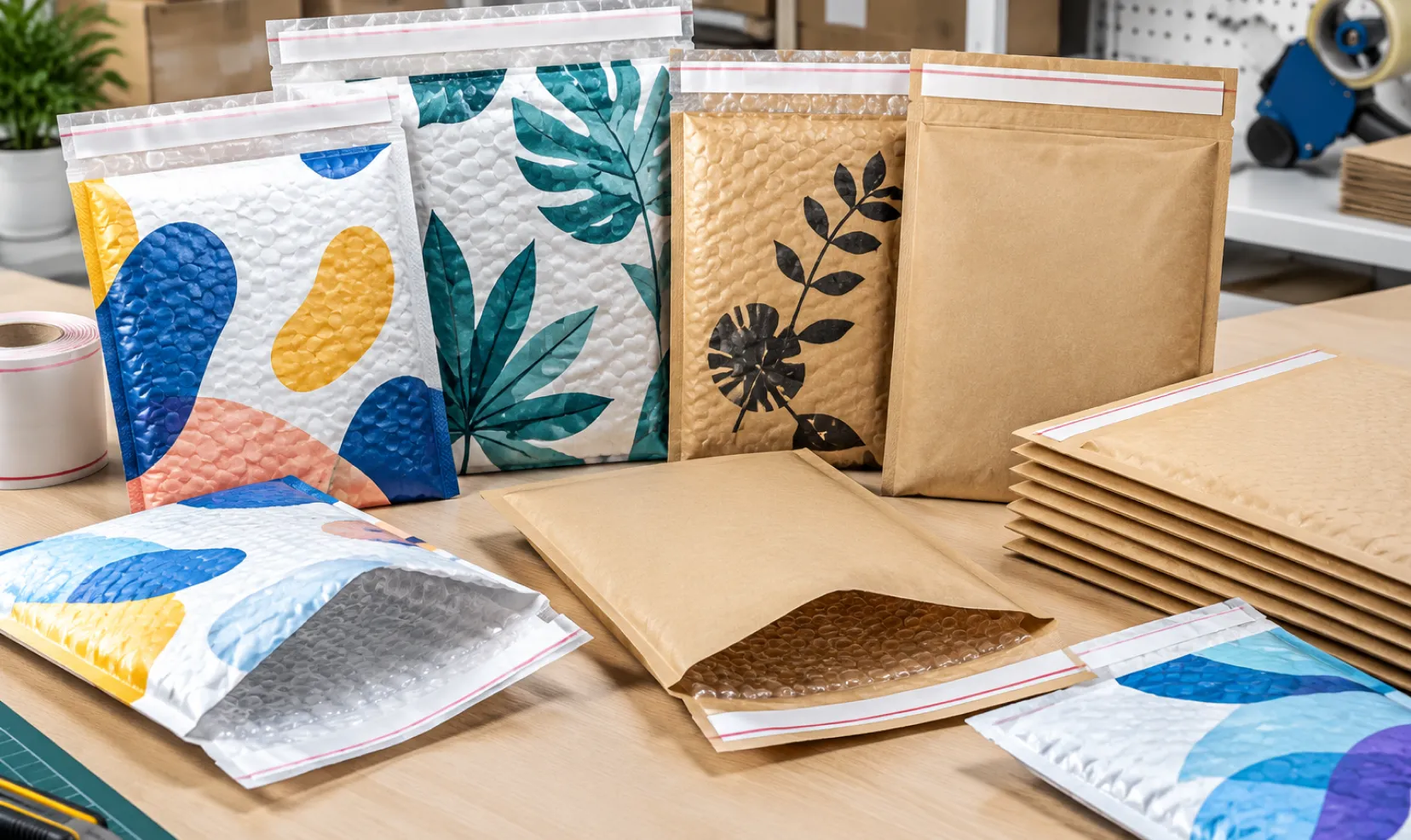
Conclusion
Poly bubble mailers deliver the stronger technical profile for most e-commerce categories: waterproofing, puncture resistance, lower tare weight, and full-color branding. Kraft padded envelopes hold a legitimate position where paper-stream recycling, rigid corner protection for books, or a natural brand aesthetic is the priority. Specifying the correct construction, with defined film gauge, bubble size, closure type, and QC benchmarks, reduces damage claims and total fulfillment cost per parcel.
Source protective mailers at production scale. Avanor Pack produces poly bubble mailers, kraft padded envelopes, and custom-printed mailer programs with OEM sizing and Pantone-matched printing. Contact our packaging engineers with your product dimensions and monthly volume for a specification sheet, samples, and a quotation.