
Introduction: The Engineering Precision of Reusable Nonwoven Packaging
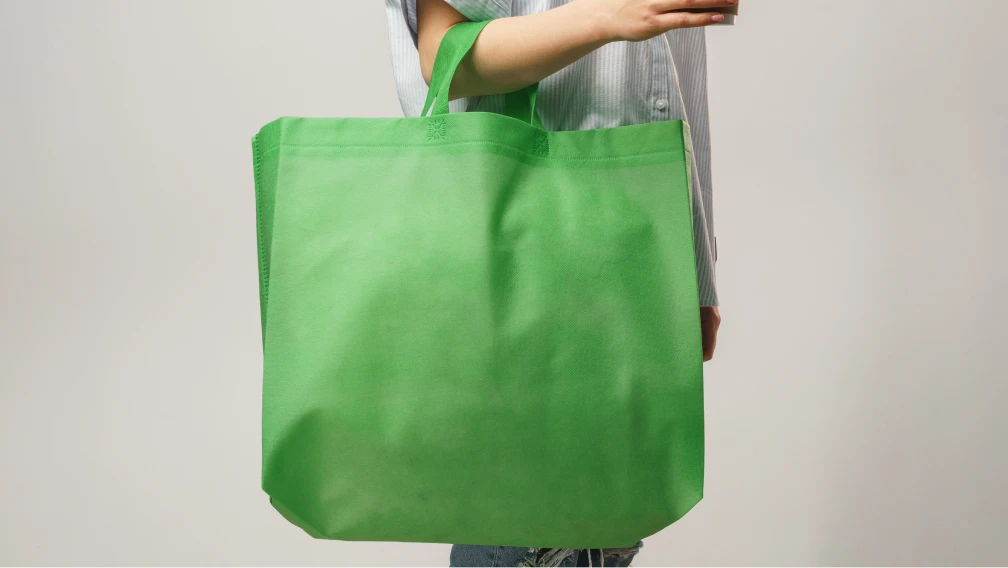
In retail merchandising, corporate promotion, and high-volume grocery distribution, the reusable nonwoven bag has evolved far beyond a simple commodity giveaway. It is an engineered transit asset subjected to specific load dynamics, mechanical stress cycles, and stringent environmental regulations. Procuring custom packaging requires corporate buyers to move beyond superficial aesthetic choices and analyze the fundamental polymer physics governing structural integrity. Substandard fabric density, improper handle attachment methods, and inaccurate GSM specifications lead to premature field failure, directly damaging brand reputation. This technical specification guide dissects the extrusion dynamics, GSM optimization logic, handle stress engineering, and automated quality assurance protocols required to configure high-performance nonwoven bags at scale.
1. Polymer Extrusion and Spunbond Matrix Mechanics
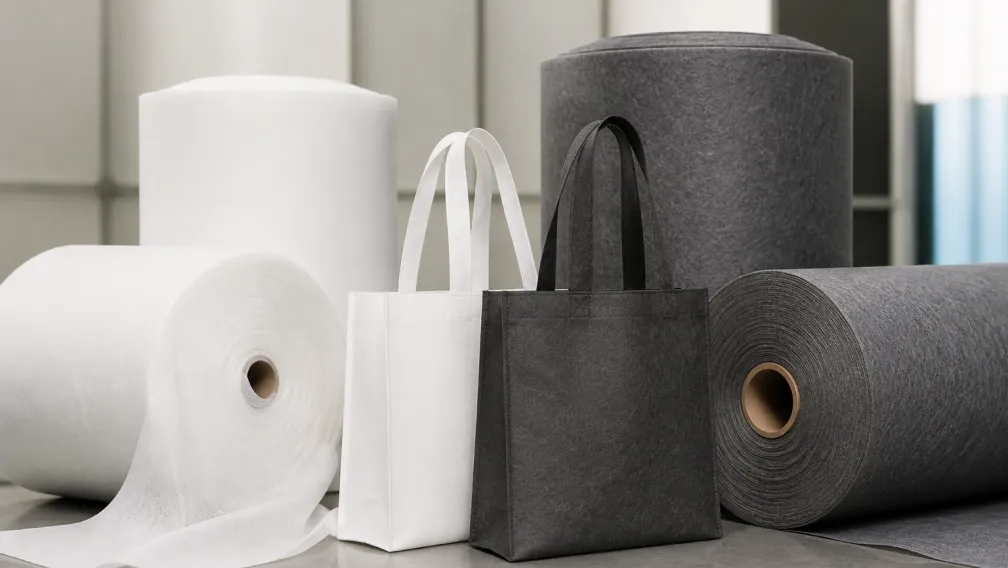
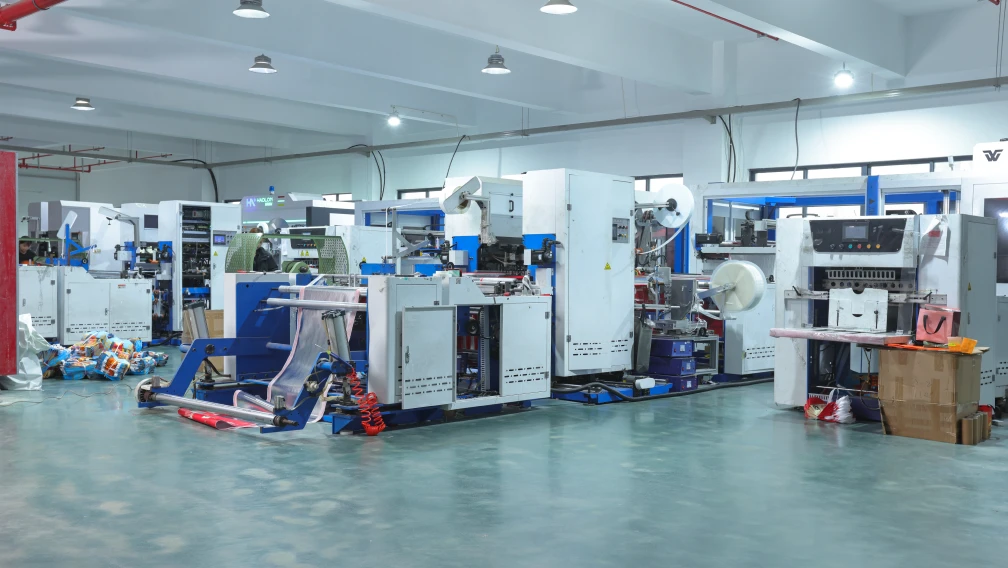
The structural foundation of any custom nonwoven bag begins with the polymer extrusion process. Utilizing virgin polypropylene (PP) resin melted at high temperatures, the polymer is forced through precision spinnerets to form continuous filaments. These filaments are aerodynamically drawn and randomly deposited onto a moving collection belt to form a web.
Unlike woven textiles that rely on intersecting warp and weft threads which can fray or slip under tension, spunbond nonwoven matrices utilize thermal bonding. Heated calender rolls apply precise pressure and temperature to fuse the cross-over points of the polypropylene filaments together. This thermal point-bonding creates an isotropic web—meaning the tensile strength is distributed uniformly across multiple directional axes. Understanding this matrix is critical for procurement teams evaluating how a bag handles multi-directional pulling forces during retail loading.
2. GSM Optimization: Balancing Tensile Strength and Cost
Grams per Square Meter (GSM) is the primary metric defining fabric weight, thickness, and load capacity. Specifying the correct GSM requires aligning the bag's structural parameters with its intended retail payload.
| Fabric GSM Range | Structural Characteristics | Primary Commercial Application |
|---|---|---|
| 60gsm – 70gsm | Lightweight, highly flexible, low tensile yield. | Lightweight trade show giveaways, single-item apparel packaging, and promotional pouches. |
| 80gsm – 100gsm | The commercial baseline. Optimal balance of tear resistance and cost-efficiency. | Supermarket grocery totes, standard retail shopping bags, and corporate onboarding kits. |
| 110gsm – 140gsm+ | High density, rigid structure, exceptional puncture resistance. | Heavy-duty utility totes, wine bottle carriers, and multi-season retail transit bags. |
Opting for an underweight fabric to reduce initial unit costs often results in high field failure rates. Conversely, over-specifying GSM beyond the payload requirement inflates inbound freight and material budgets unnecessarily. A standard 80gsm to 100gsm specification provides the optimal equilibrium for standard retail environments requiring moderate load-bearing capability.
3. Handle Engineering and Load-Bearing Anchor Mechanics
The primary failure vector for any shopping tote is the handle attachment point. When a consumer lifts a loaded bag, the entire payload weight concentrates on the handle anchors. Standard straight-line stitching or basic thermal welding along the top hem will rapidly tear through the nonwoven web under dynamic loads exceeding 5 kilograms.
Industrial manufacturing mandates reinforced handle architectures:
- X-Box Cross-Stitching: For heavy-duty printed nonwoven bags carrying dense items, handles must utilize a stitched box-with-cross pattern. This geometry distributes the vertical pulling stress diagonally across a wider surface area of the bag body, preventing localized tearing.
- Extended Webbing Straps: Rather than attaching short handles solely to the top rim, high-capacity bags utilize continuous polypropylene webbing straps that extend down the side panels and wrap entirely underneath the bottom gusset, cradling the physical weight.
- Ultrasonic Heat Sealing: For lightweight automated production lines, high-frequency acoustic vibrations fuse thermoplastic handles directly to the body without thread, delivering high processing speed for promotional giveaways.
4. Gusset Logic and Volumetric Optimization
The spatial geometry of a custom bag is defined by its gusset configuration. An improperly proportioned bag causes contents to shift, creating instability during transport.
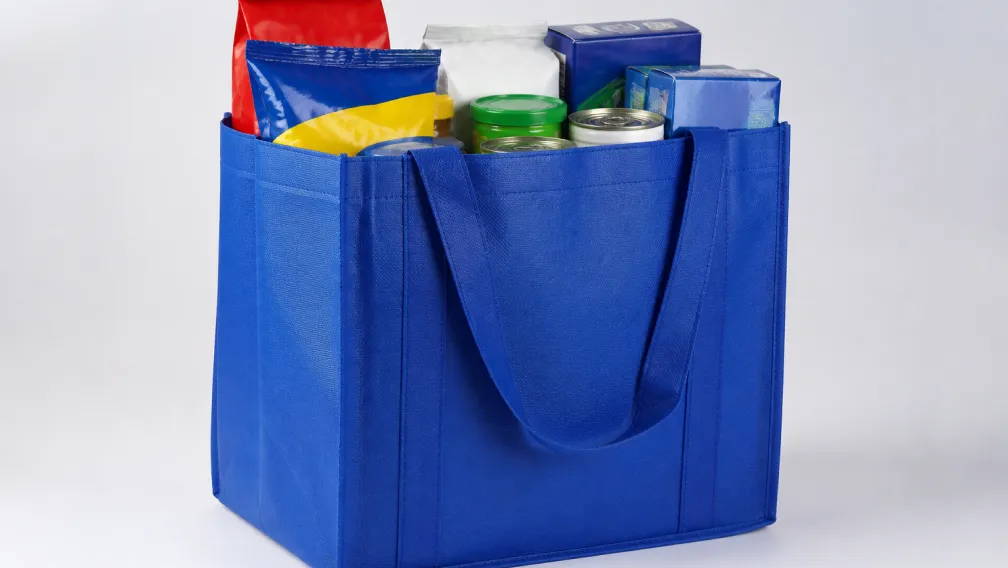
Flat-stitch bags (zero gussets) are restricted to thin, flat items such as documents or single garments. To accommodate bulky retail merchandise, a bottom gusset or full side-and-bottom gussets must be specified. A full-gusset configuration creates a three-dimensional rectangular cavity, allowing boxes, containers, and spherical items to sit flat on a reinforced base without distorting the exterior branding panels.
5. Printing Technologies for Long-Term Brand Impact
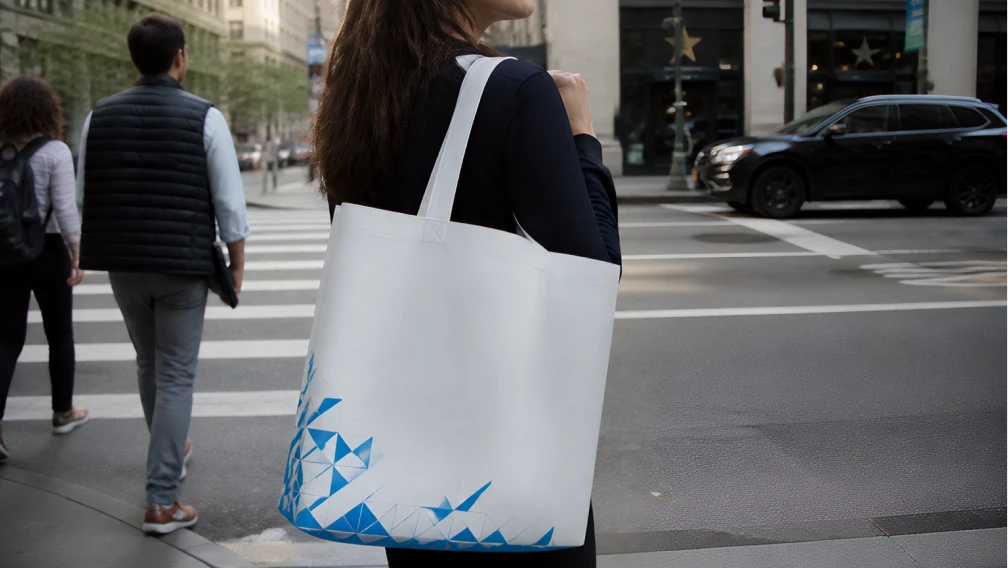
Because reusable bags circulate in public environments for months, they function as high-frequency mobile billboards. Selecting the appropriate printing technology depends on the complexity of the brand artwork and the base fabric texture.
Silk-screen printing is the most cost-effective method for solid, spot-color logos (1 to 4 colors) on raw nonwoven fabric, yielding opaque and durable graphics. For complex photographic gradients, full-bleed imagery, or multi-color corporate patterns, manufacturers utilize BOPP (Biaxially Oriented Polypropylene) lamination. In this process, a thin, waterproof printed film is thermally laminated over the nonwoven base. This not only achieves high-resolution gravure printing quality but also adds a wipeable, highly water-resistant exterior layer that significantly increases the bag's operational lifespan.
6. Quality Assurance and AQL Testing Protocols
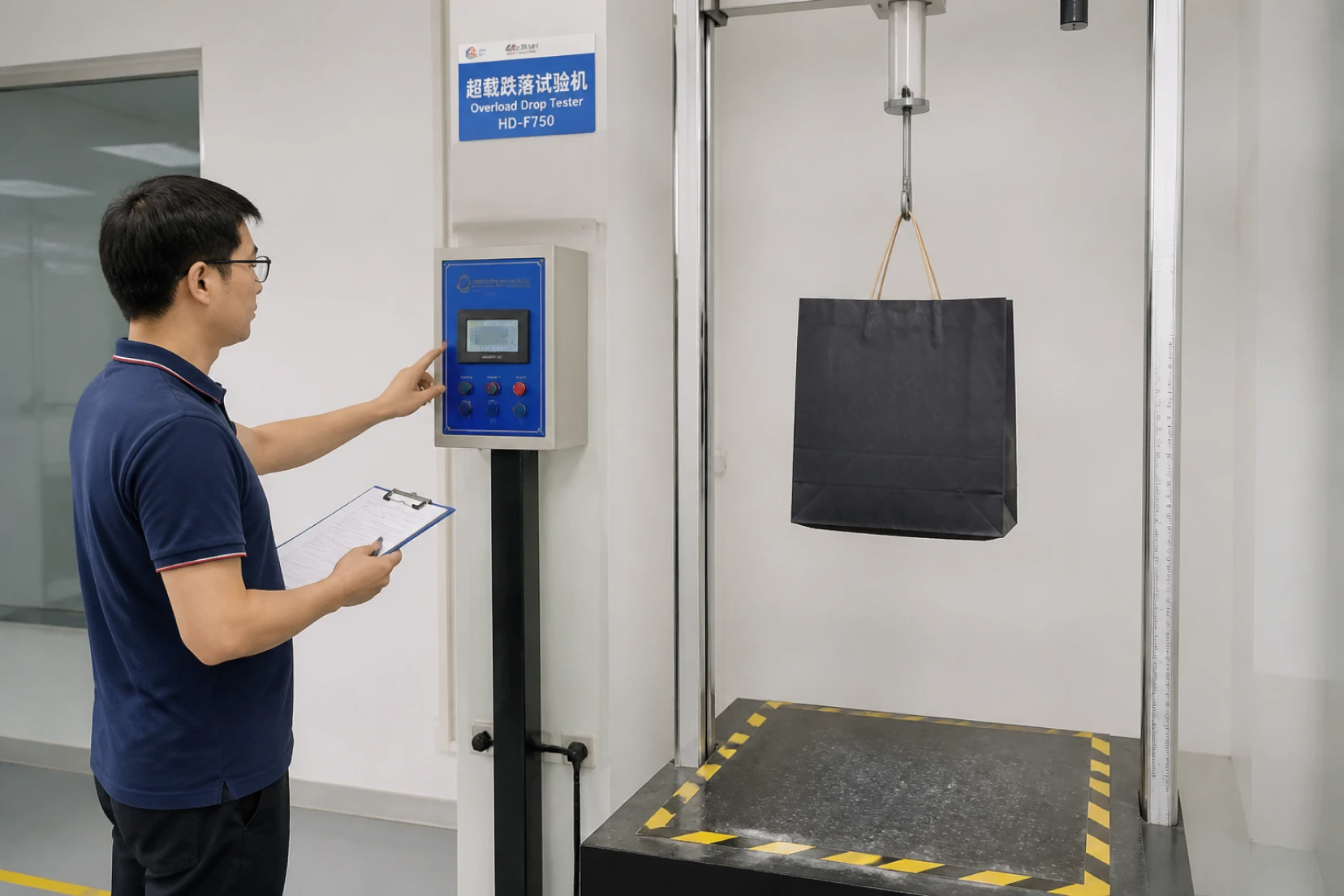
Bulk manufacturing runs must pass rigorous Acceptable Quality Limit (AQL) inspections before export clearance. Key verification protocols include:
- GSM Calibration Testing: Weighing precise die-cut fabric samples to ensure the material density matches contractual specifications within a ±3% tolerance window.
- Dynamic Load Drop Testing: Loading sample units with 150% of their rated payload and subjecting them to repetitive drop cycles to verify handle anchor and seam integrity.
- Ink Adhesion Scrub Testing: Evaluating printed graphics against chemical and mechanical abrasion to ensure logos do not flake or fade during extended consumer use.
Conclusion
Configuring custom nonwoven packaging requires an engineering-driven approach that balances fabric GSM, handle anchor mechanics, and structural gusset dimensions. By specifying the correct material parameters and enforcing strict AQL verification protocols, enterprise buyers can deploy durable, high-impact retail assets that protect brand equity and maximize return on investment. Contact our packaging engineering team to submit your exact payload specifications, volume requirements, and branding assets for professional prototyping.