Technical Guide: Specifying Nonwoven Wine Packaging
In the beverage retail sector, transitioning from single-use paper sleeves to reusable nonwoven wine totes[cite: 1] significantly lowers supply chain breakage rates and elevates brand retention[cite: 12]. The specification process mandates a precise alignment between fabric density, internal architecture, and expected retail payloads[cite: 12].
Structural Engineering for Kinetic Load Distribution
Unlike standard grocery carriers, wine bags must accommodate dense, concentrated vertical mass while mitigating lateral impact forces[cite: 12].
| Bag Configuration | Mechanical Characteristics | Primary B2B Application |
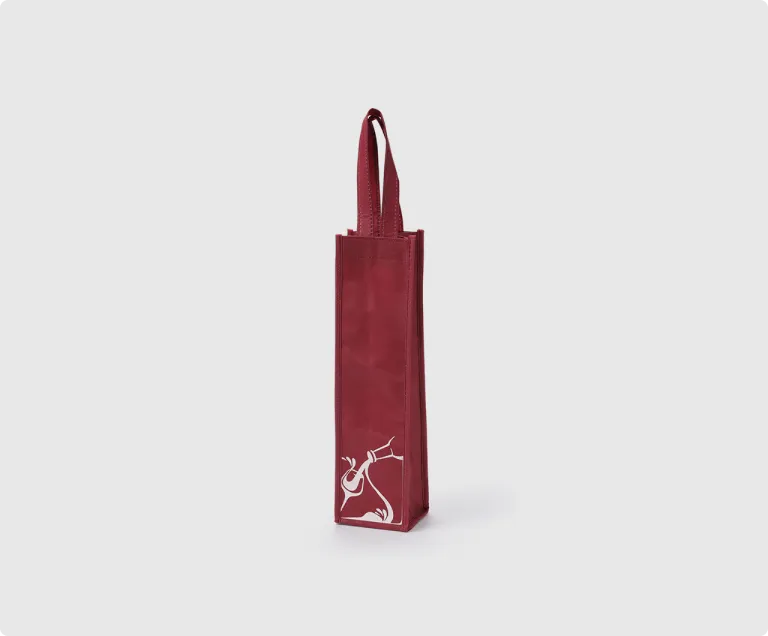
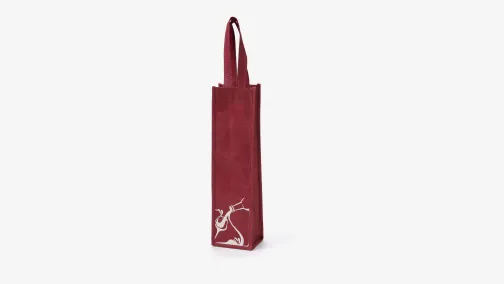
| Single Bottle Profile | Tall, narrow footprint with a flat base, maintaining center of gravity.[cite: 12] | Standard retail checkout, individual corporate gifting.[cite: 12] |
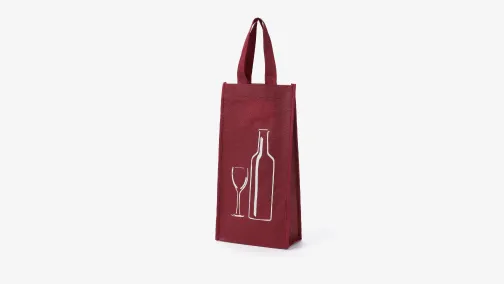
| 2-Bottle Carrier | Integrates a fixed central divider to prevent glass collision during transit.[cite: 12] | Tasting room pairings, boutique wine sets.[cite: 12] |
| 4 & 6-Bottle Box Totes | Features cross-stitched handles and a fully segmented internal grid structure.[cite: 12] | Vineyard club distribution, supermarket bulk purchasing.[cite: 12] |
Optimizing Grammage (GSM) for Bottle Payloads
Specifying the exact substrate density is critical to preventing handle tear-out and bottom seam blowout under dynamic stress[cite: 12].
| Fabric Density | Substrate Behavior | Recommended Usage |
| 80–100 GSM | Optimal balance of cost and structural stability.[cite: 12] | Single and 2-bottle retail configurations.[cite: 12] |
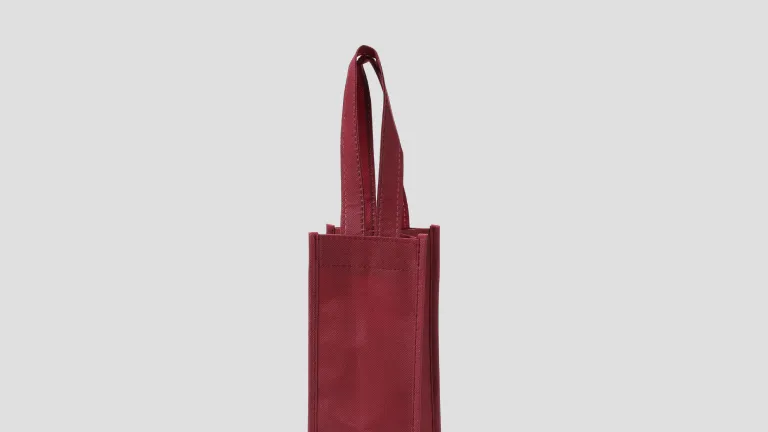
| 120–150 GSM | Maximum tensile endurance, requires heavy-duty overlock stitching.[cite: 12] | 4 and 6-bottle multi-pack carriers supporting up to 12 kg.[cite: 12] |
Procurement Verification Parameters
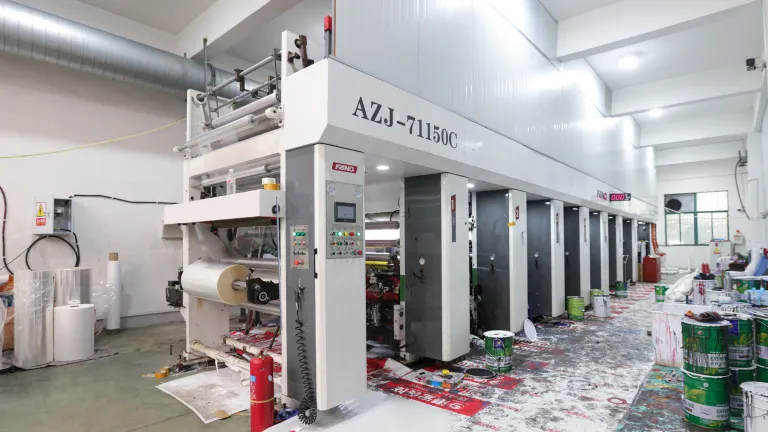
When executing bulk wine bag orders, buyers must specify the exact dimensions to accommodate varying bottle diameters (e.g., wider Pinot Noir vs. standard Cabernet profiles). For environments handling chilled wines, we mandate the application of BOPP lamination[cite: 1] to provide a critical hydrophobic barrier against moisture condensation, ensuring the packaging structure remains uncompromised.[cite: 12] Utilizing our in-house manufacturing facility[cite: 1] ensures that internal dividers and handle anchoring points are uniformly reinforced across large-scale production runs.[cite: 12]