Technical Guide: Specifying D-Cut Handle Architecture
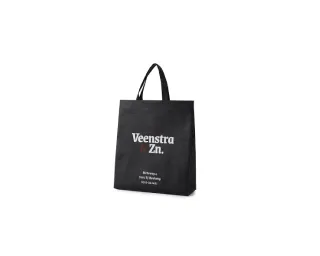
In enterprise procurement, balancing corporate branding objectives with aggressive budgetary constraints dictates the transition to ultrasonically sealed D-cut bags.[cite: 1, 15] The specification process demands alignment between the substrate density and the intended promotional payload to prevent handle distortion.[cite: 15]
Manufacturing Mechanics and Unit Economics
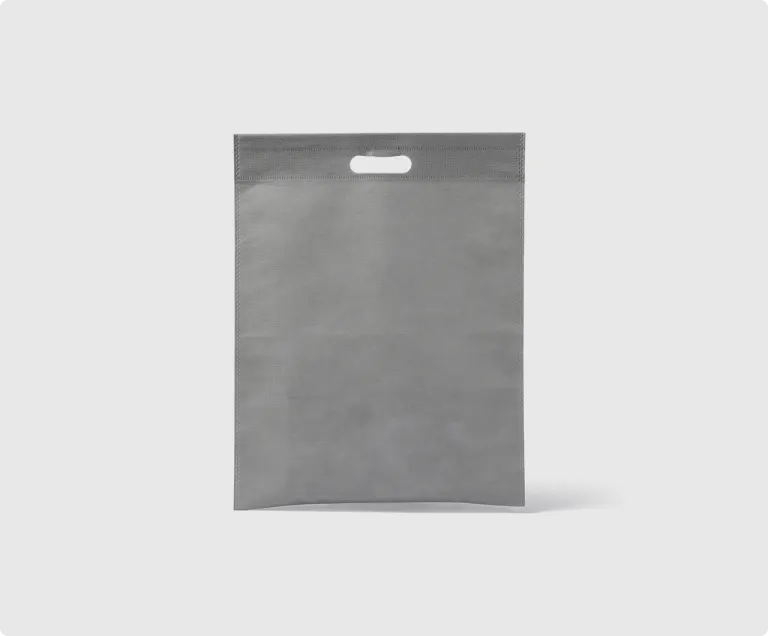
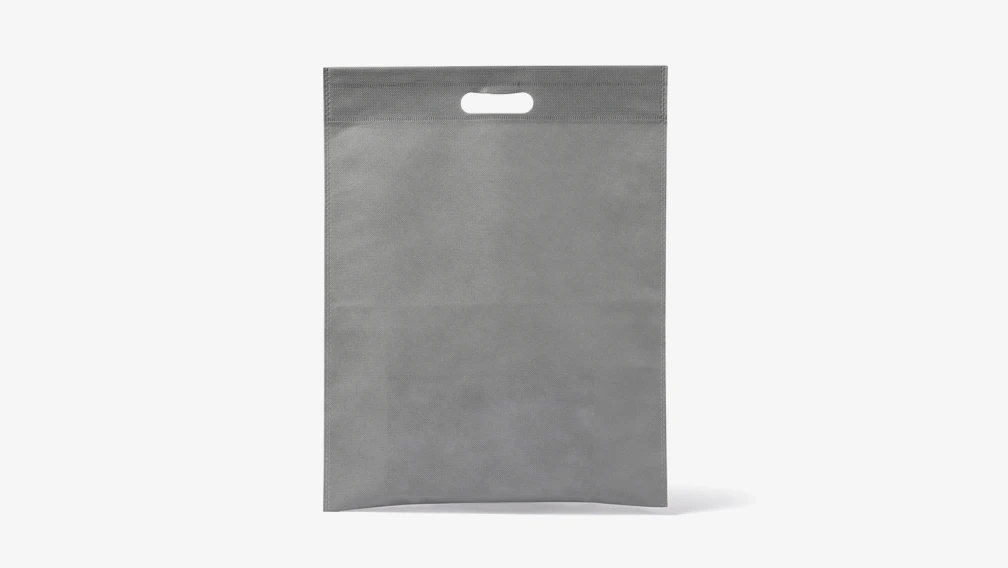
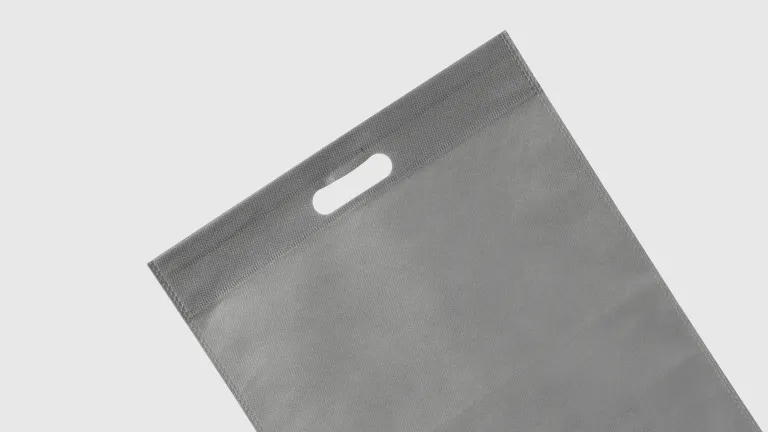
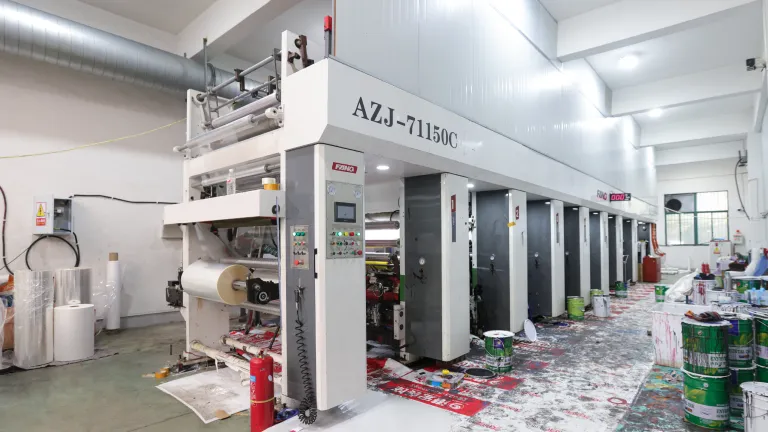
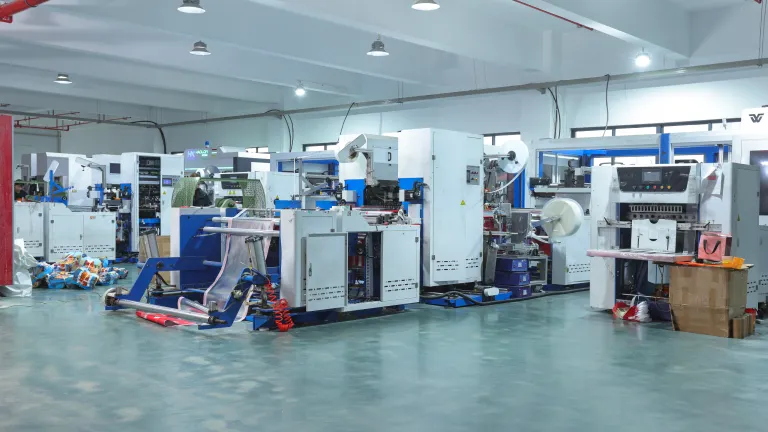
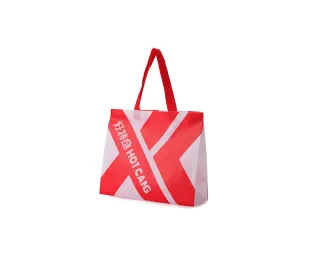
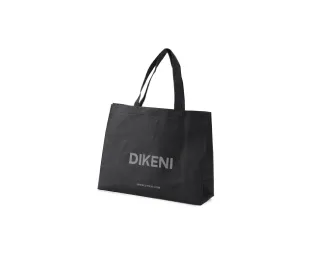
Unlike sewn handle bags[cite: 1], which require manual labor to attach external webbing, the D-cut architecture is continuously formed on high-speed automated lines.[cite: 15] High-frequency ultrasonic vibrations thermally fuse the nonwoven fibers, creating a seamless, tear-resistant perimeter without thread or adhesive binders.[cite: 15] The handle aperture is simultaneously die-cut into the upper margin.[cite: 15] This streamlined engineering drastically accelerates production throughput, establishing the D-cut profile as the most cost-effective multi-cycle asset for mass promotional kitting.[cite: 15]
Substrate Density (GSM) Calibration
Specifying the correct fabric density is critical, as the dynamic load is borne entirely by the die-cut aperture within the primary substrate.[cite: 15]
| Fabric Density | Substrate Behavior | Recommended Usage |
| 40–60 GSM | Highly pliable, lowest unit cost baseline.[cite: 15] | Lightweight event brochures, exhibition literature, single-day giveaways.[cite: 15] |
| 70–80 GSM | Optimal balance of structural yield and print opacity.[cite: 15] | Pharmacy distribution, light boutique retail, general corporate gifting.[cite: 15] |
| 90–100 GSM | Maximum tensile endurance around the die-cut apex.[cite: 15] | Premium retail checkout requiring flat profiles without sewn handles.[cite: 15] |
Procurement Verification Parameters
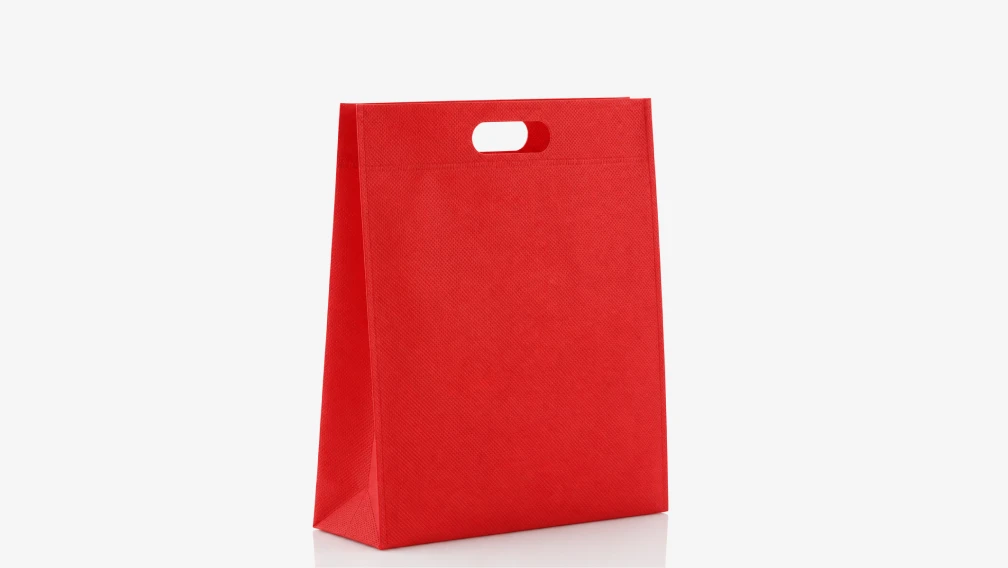
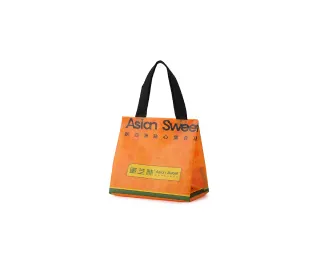
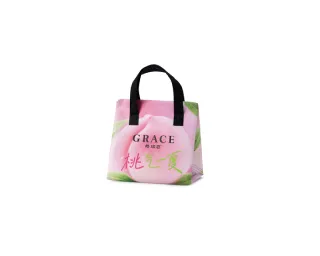
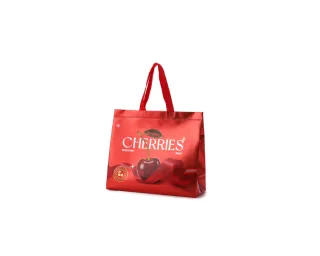
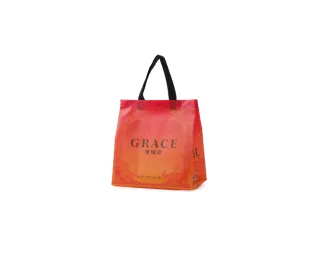
When executing bulk orders for marketing campaigns, procurement teams must verify the intended payload.[cite: 15] D-cut bags are engineered for two-dimensional, lightweight items.[cite: 15] If the payload exceeds 5 kg or involves bulky, rigid cartons, buyers must upgrade to high-capacity structural bags[cite: 1] with sewn webbing or side gussets.[cite: 15] For campaigns demanding photorealistic imagery or deployment in wet environments, specifying BOPP lamination over the spunbond base is mandated to achieve a waterproof, high-fidelity branding surface.[cite: 15]