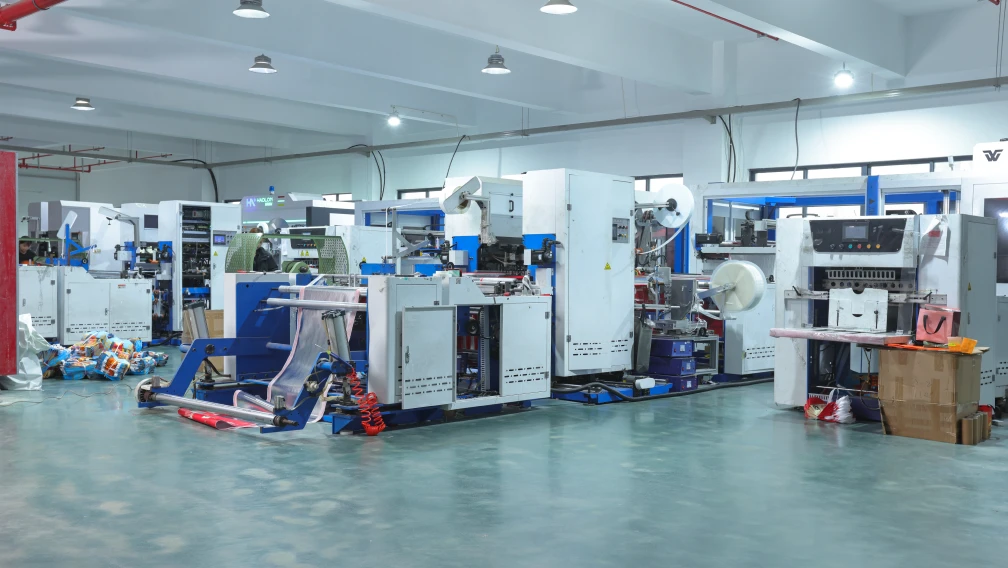

Introduction: Polymer Sourcing in Corporate ESG Frameworks
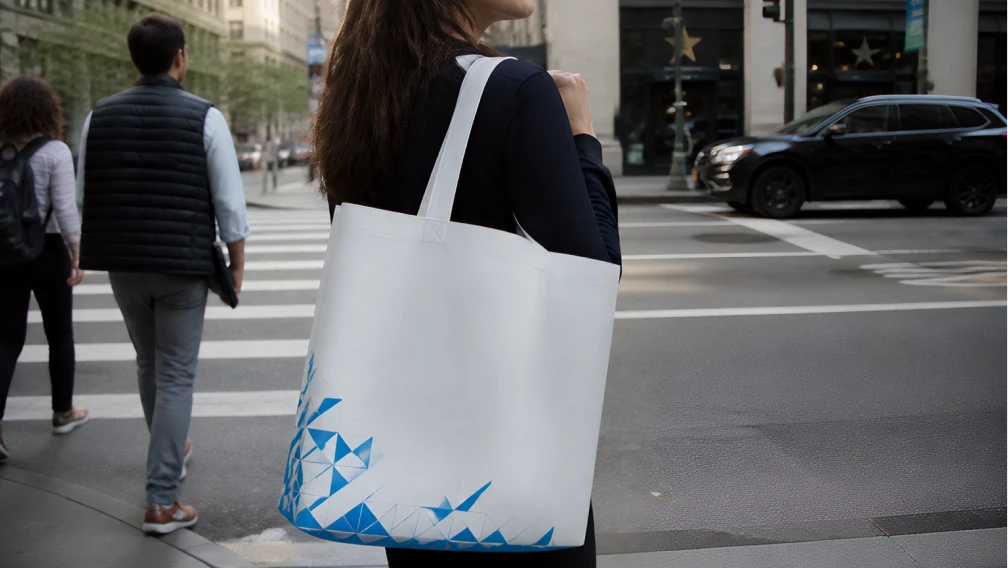
Corporate sustainability mandates and regional legislative bans on single-use plastics are forcing retail procurement teams to reassess their secondary packaging supply chains. Transitioning to reusable assets requires specifying the correct polymer substrate. While polypropylene (PP) dominates the commercial reusable sector, buyers must choose between virgin resin and recycled variants (RPP or RPET). This decision impacts mechanical durability, printing tolerances, food-contact compliance, and unit economics. This specification guide analyzes the physical, chemical, and regulatory differences between virgin and recycled polypropylene, providing B2B engineers with the empirical data required to source nonwoven bags that satisfy both operational load requirements and corporate Environmental, Social, and Governance (ESG) targets.
1. Polymer Extrusion: Virgin PP vs. PCR Resins
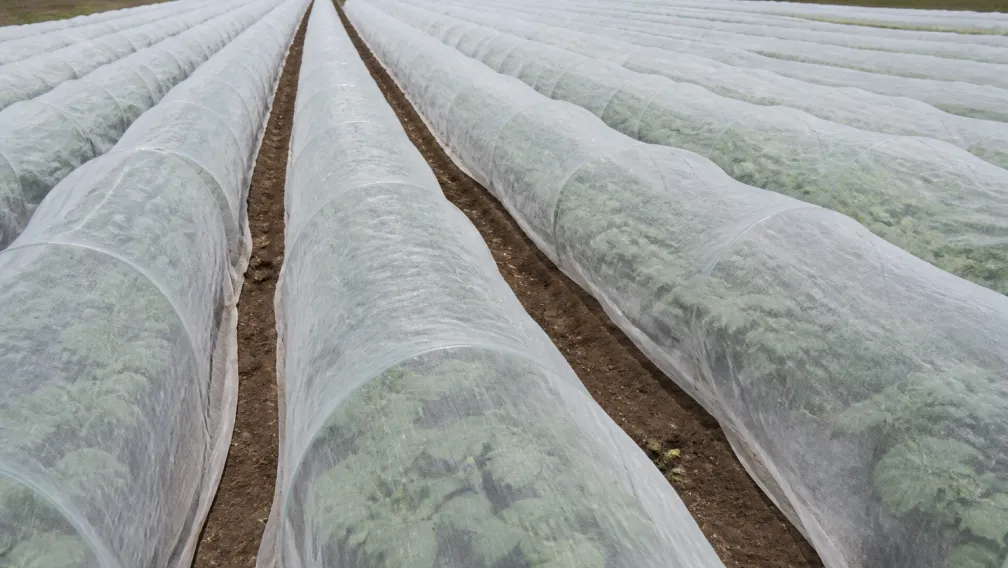
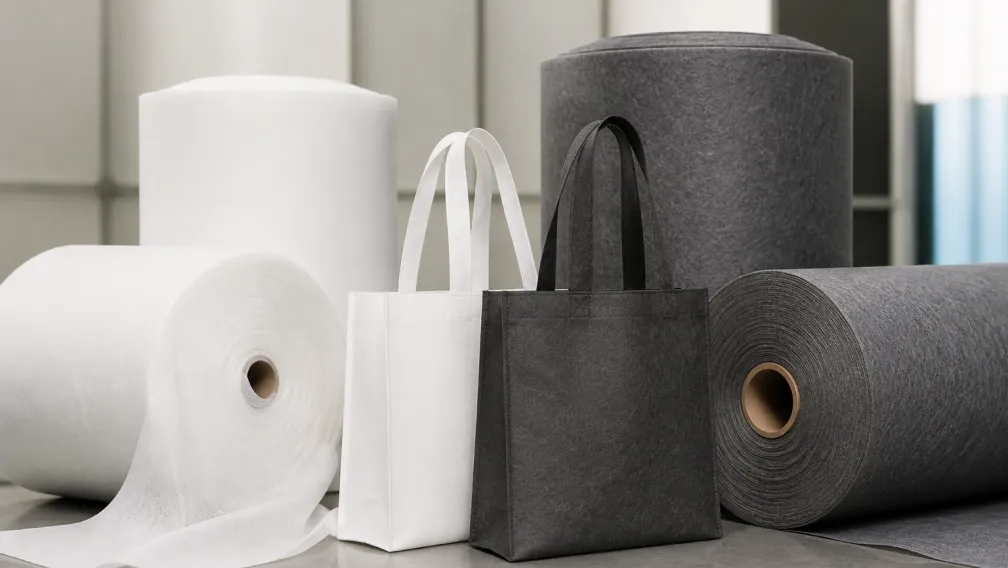
Virgin polypropylene is synthesized directly from petrochemical feedstocks. The resulting polymer chains are uniform, structurally intact, and free of chemical impurities. When extruded through spinnerets to form PP non-woven fabric, virgin resin yields continuous, highly predictable filaments that thermal point-bond with exact consistency.
Recycled nonwovens utilize either Post-Industrial Resin (PIR) or Post-Consumer Resin (PCR). PIR is generated from clean manufacturing scrap that is melted and re-extruded. PCR is derived from reclaimed consumer products, requiring rigorous sorting, washing, and pelletizing. The mechanical recycling process inherently subjects the polymer to high thermal and shear stresses, causing polymer chain scission. This shortening of the molecular chains alters the melt flow index and crystalline structure of the recycled resin, requiring precise extruder calibration to form a stable nonwoven web.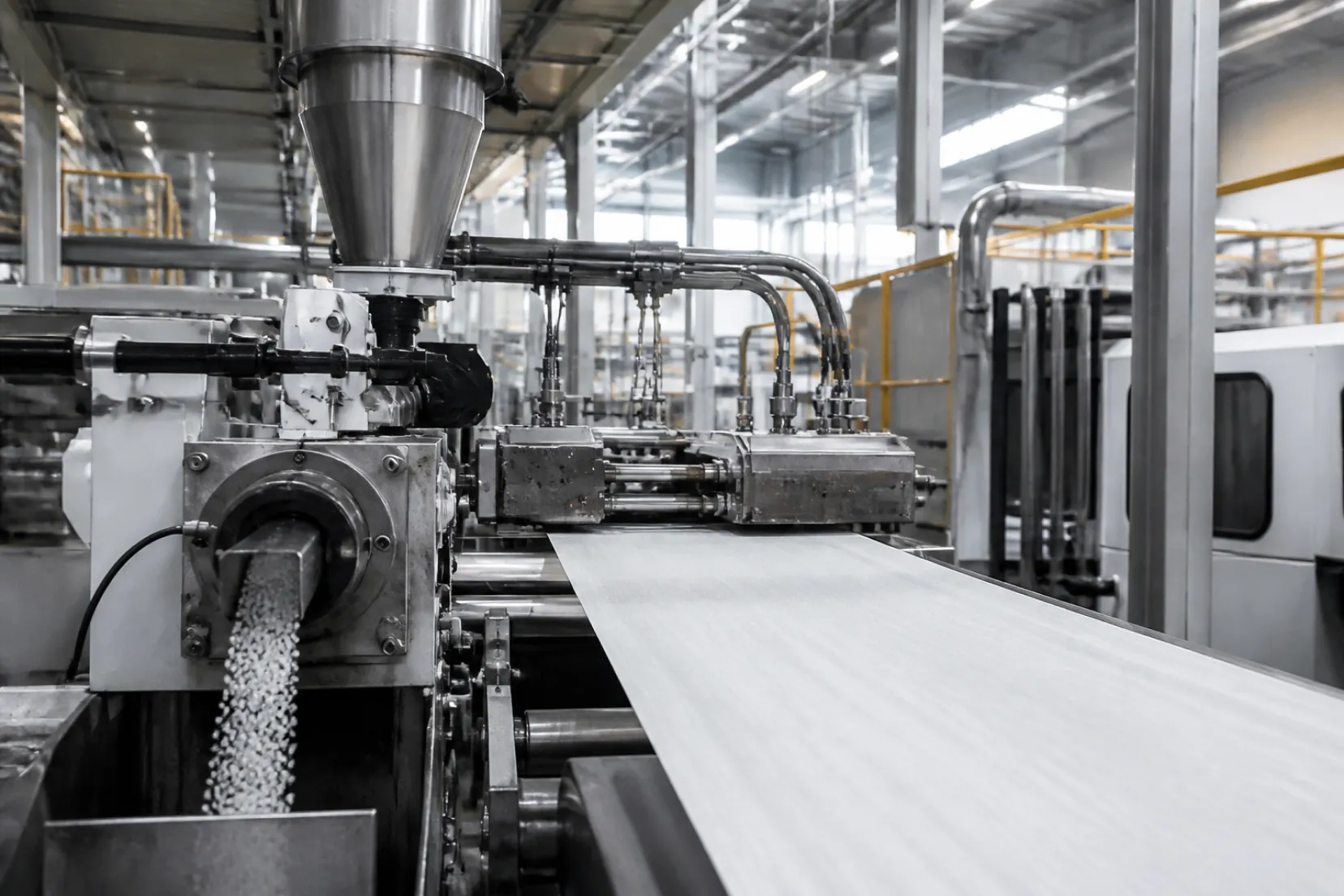
2. Tensile Strength and Mechanical Degradation
The primary engineering compromise when utilizing recycled polymers is a reduction in tensile yield. Because mechanical recycling shortens the polymer chains, the resulting spunbond fabric exhibits lower Machine Direction (MD) and Cross Direction (CD) tear resistance compared to a virgin equivalent.
Empirical testing indicates that a 100% recycled PP nonwoven fabric may experience a 15% to 20% reduction in ultimate tensile strength versus virgin PP of the same weight. To mitigate this mechanical degradation and prevent handle tear-out under heavy retail payloads, procurement engineers must adjust the GSM (grams per square meter) specification. If an application requires a 80gsm virgin nonwoven bag to support 10 kilograms, specifying a 100gsm recycled fabric restores the necessary kinetic load capacity and ensures the asset survives multiple reuse cycles.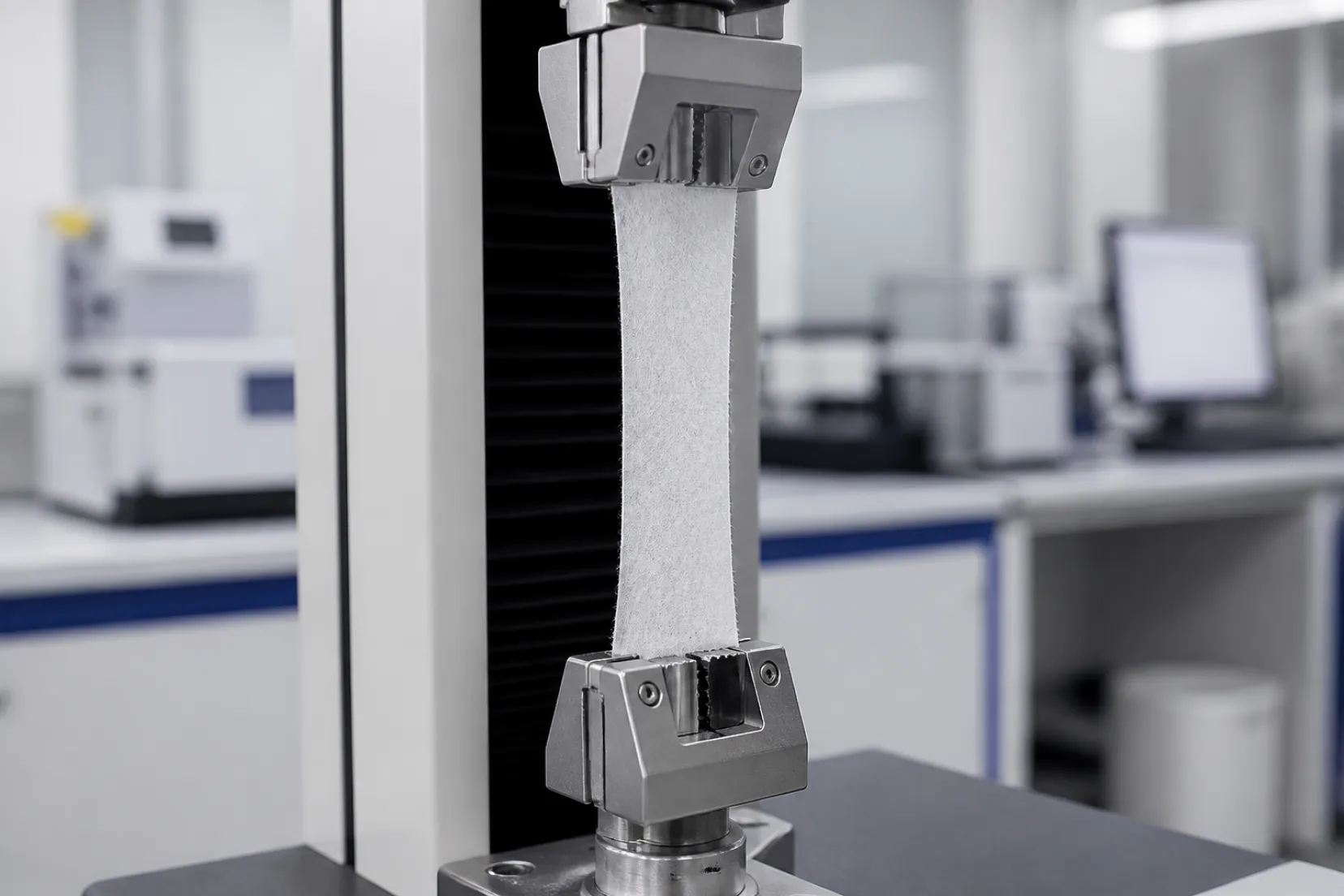
3. Surface Energy, Impurities, and Printing Tolerances
High-volume commercial packaging demands consistent visual branding. Virgin PP presents a pure, uniform substrate. Following standard corona treatment to elevate the surface dyne level, it accepts spot-color silkscreen inks and multi-color rotogravure films flawlessly.
Recycled resins, particularly high-percentage PCR blends, contain trace impurities and exhibit slight variations in base color (often appearing slightly off-white or grey). These microscopic inconsistencies can alter the surface tension across the fabric web. If not strictly monitored, this causes uneven ink adhesion or localized flaking. When specifying printed nonwoven bags utilizing recycled content, QA protocols must enforce strict dyne-level testing post-corona treatment. For complex photographic branding on recycled substrates, applying a virgin BOPP lamination layer over the recycled core masks substrate impurities and guarantees a flawless printing surface.
4. Food Contact Compliance and Regulatory Restrictions
For supermarket chains and food delivery networks, hygiene and regulatory compliance govern material selection. Virgin polypropylene is Generally Recognized As Safe (GRAS) by the FDA and equivalent European agencies for direct food contact. It contains zero unknown contaminants and safely transports raw produce or bakery items.
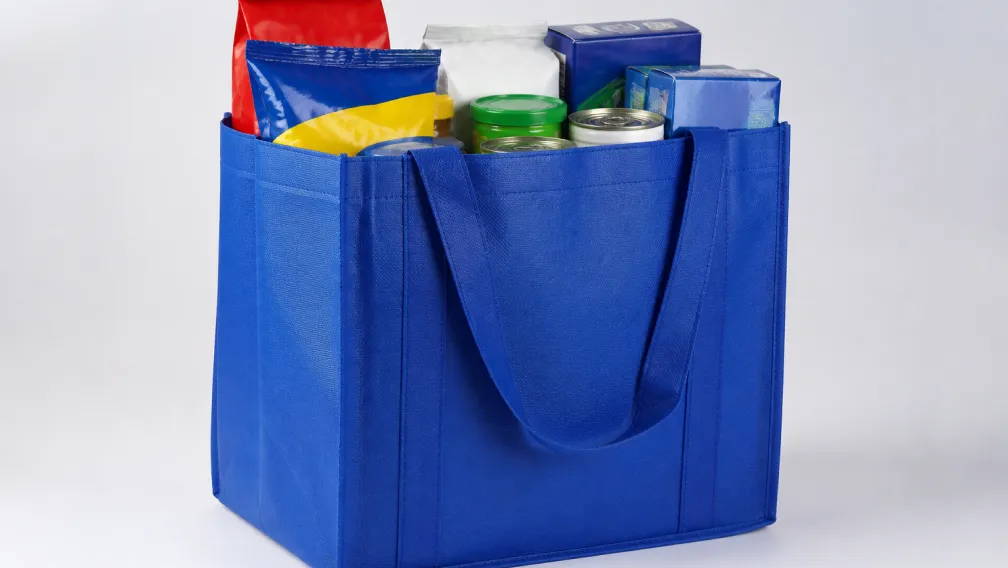
Recycled polymers face severe regulatory hurdles regarding food safety. Because the origin of PCR material is highly variable, there is a statistical risk of chemical migration from previous polymer uses (e.g., pesticide containers or non-food grade industrial plastics). Unless the recycled resin undergoes an expensive, certified super-cleaning process approved by the FDA (such as a Letter of Non-Objection), 100% recycled nonwoven fabric cannot legally be used for direct food contact. Supermarkets utilizing recycled bags must designate them strictly for secondary packaging (carrying sealed boxes, cans, or wrapped items) and include distinct internal labeling to prevent direct food placement.
5. ESG Reporting and GRS Certification Logistics
The primary commercial driver for specifying recycled materials is ESG compliance. Retailers face increasing taxation on virgin plastics in markets like the EU and UK. Transitioning to recycled packaging offsets these taxes and provides verifiable data for corporate sustainability reports.
However, simply claiming a product is recycled is insufficient for B2B auditing. Procurement teams must mandate Global Recycled Standard (GRS) certification from their manufacturing partners. GRS provides third-party verification of the exact percentage of recycled content (e.g., 30%, 50%, or 100%), enforces strict social and environmental production practices, and establishes a chain of custody from the recycling facility to the final stitched bag. Products lacking GRS certification expose the purchasing brand to allegations of greenwashing.
Conclusion
Balancing structural performance with sustainability mandates requires a calculated procurement strategy. Virgin polypropylene remains the definitive specification for applications demanding maximum tensile strength, pristine print surfaces, and direct food-contact compliance at the lowest unit cost. Recycled nonwovens satisfy critical ESG requirements and mitigate plastic taxation, provided buyers engineer around the material's lower tensile limits by increasing fabric GSM and restricting usage to secondary, non-food-contact packaging. By demanding GRS certification and enforcing rigorous AQL drop testing, enterprises can deploy sustainable assets without compromising operational reliability. Contact our technical team to specify the exact virgin or recycled ratio required for your specific load capacities and corporate compliance targets.