Technical Guide: Volumetric Efficiency in Retail Bag Procurement
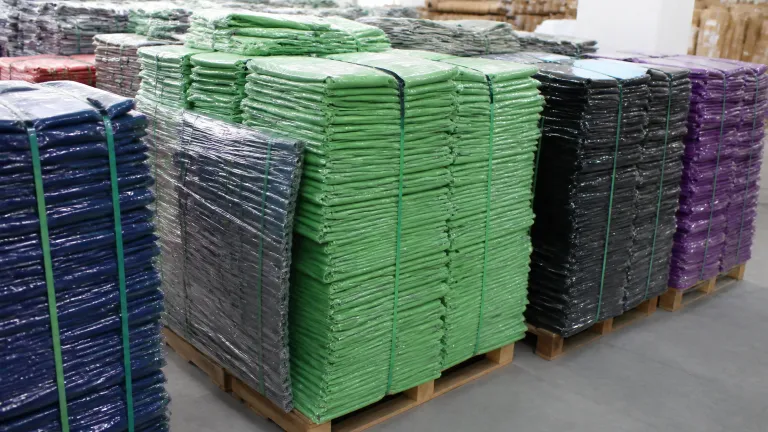
For corporate procurement, the transition from standard totes to foldable structures is driven by supply chain mathematics. A polypropylene spunbond bag is lightweight but volumetrically expansive. By introducing a folding architecture, manufacturers eliminate empty air in shipping cartons, directly reducing the landed cost under DDP or FOB terms.
Structural Folding Architectures
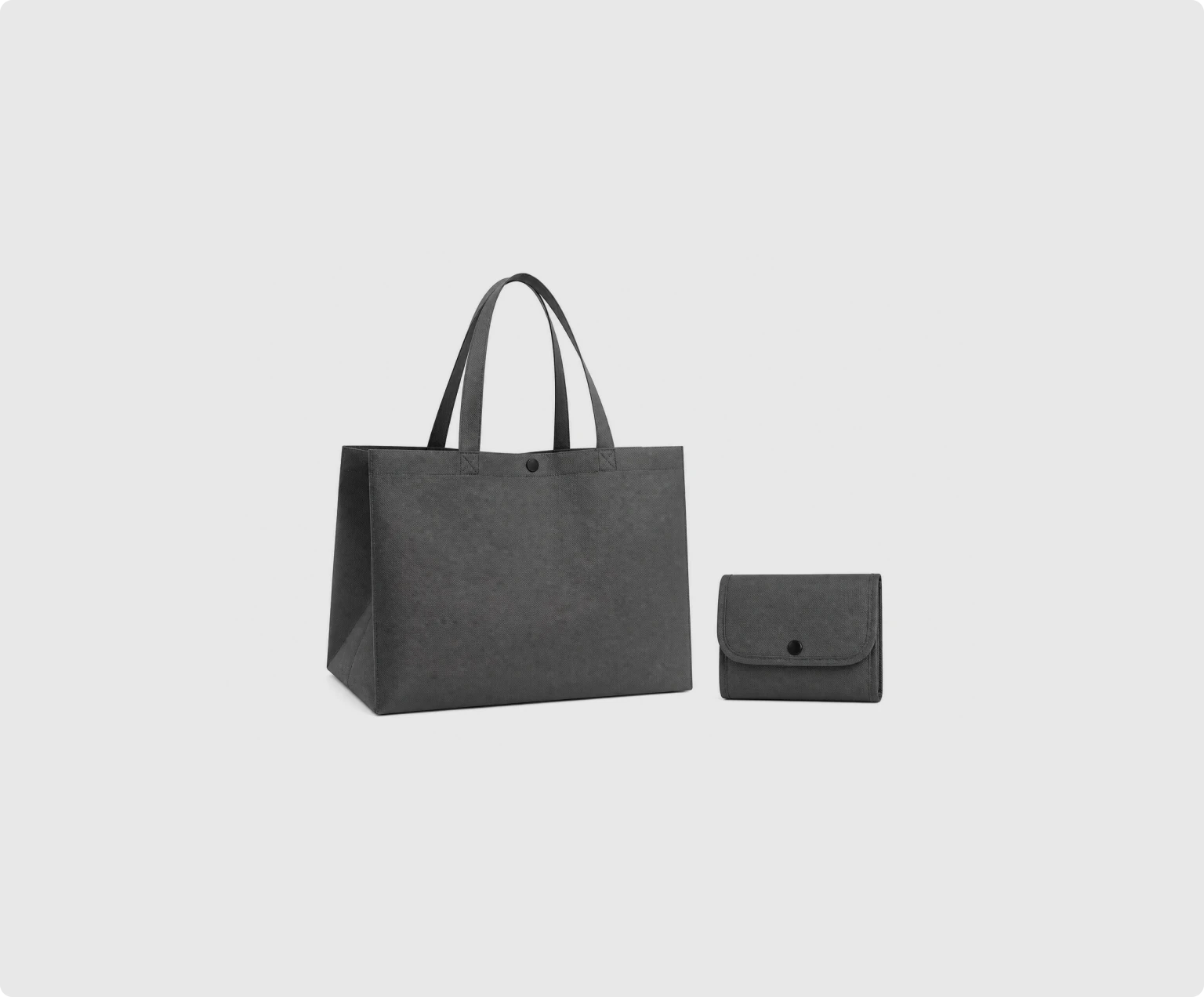
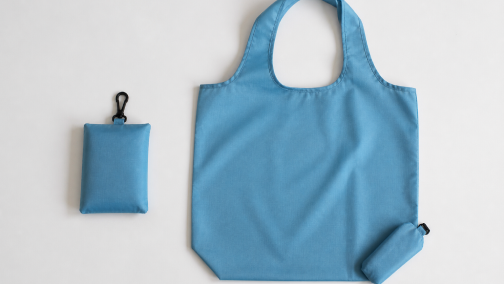
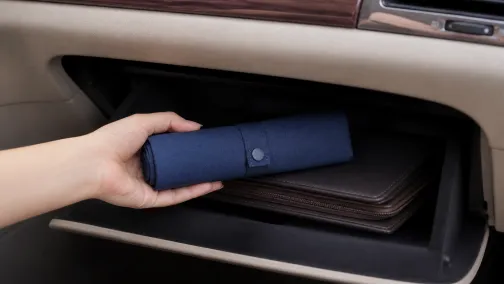
The folding mechanism dictates both the pack-down dimensions and the end-user interaction. We standardize production across three primary architectures:
| Architecture | Mechanism of Action | Primary B2B Application |
| Integrated Pouch Fold | Body collapses into a permanently stitched external or internal pocket. | High-volume supermarket checkout programs. |
| Cylindrical Roll-Up | Body is vertically rolled and secured with a sewn snap or hook-and-loop strap. | Automotive, travel, and promotional giveaways. |
| Corner-Gusset Fold | Folds flat into a square, preserving complex base gusset structures. | Premium retail requiring structured box-totes. |
Optimizing Grammage (GSM) for Foldable Substrates
Specifying the fabric weight requires a strict balance. The material must possess enough flexural endurance to withstand repeated folding without creasing or delaminating, yet retain sufficient tensile strength to support the dynamic load of retail goods. We refer buyers to our engineering parameters for high-capacity bags for detailed load metrics.
| Grammage | Material Behavior | Recommended Usage |
| 70 GSM | High flexural tolerance; minimizes folded footprint. | Mass promotional events, light pharmaceutical retail. |
| 80 GSM | The industry baseline; balances load capacity and compression. | Standard grocery checkout, apparel retail. |
| 90–100 GSM | High tensile strength; requires larger hardware to secure the fold. | Heavy load environments, hardware stores. |
Procurement Verification Parameters
When executing bulk orders for foldable nonwoven bags, buyers must define the fastening hardware. We utilize POM (polyoxymethylene) snap buttons to prevent rust in humid storage conditions, or industrial-grade hook-and-loop fasteners for rapid closure. Additionally, the pre-production proofing phase must confirm that the logo placement aligns perfectly with the exposed panels once the bag is fully compressed.