Search

Enter keywords to search for products, blog posts, and more.


Home > Custom Nonwoven Handle Bags

Custom Nonwoven Handle Bags

Custom Nonwoven Handle Bags

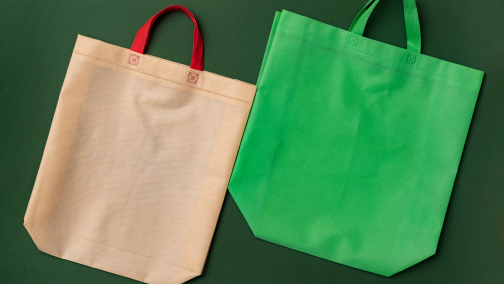
Commercial-grade spunbond polypropylene tote bags featuring reinforced handle architectures, engineered for heavy-duty retail packaging and promotional distribution.[cite: 10]

A custom nonwoven handle bag[cite: 1] functions as a high-tensile, multi-cycle carrying unit utilizing cross-stitched webbing or integrated soft loops to disperse dynamic loads securely.[cite: 10] Manufactured from 70–120 GSM virgin PP spunbond fabric, these units offer superior tear resistance compared to standard die-cut alternatives, making them optimal for premium retail environments and heavy boutique packaging.[cite: 10]

What defines an industrial nonwoven handle bag? It is a reusable packaging asset where the transport mechanism (the handle) is mechanically anchored or thermally bonded directly into the substrate body, preventing tear-out under heavy payloads.[cite: 10] Available in both flat-dimensional and side-gusseted configurations, these bags provide expansive, highly stable surfaces for commercial spot-color or full-color BOPP laminated branding.[cite: 10]

  • 100% virgin PP substrate ensuring structural integrity across multiple use cycles[cite: 1, 10]
  • Handle architectures: flat sewn webbing or ergonomic soft-loop nonwoven straps[cite: 10]
  • Grammage optimized from 70 GSM (promotional) to 120 GSM (heavy retail)[cite: 10]
  • Base structures available in standard flat or volumetric side-gusseted profiles[cite: 10]
  • High-opacity spot-color silkscreen or full-color BOPP gravure lamination[cite: 10]
  • SGS-certified eco-inks ensuring compliance with international retail standards[cite: 10]
  • Direct OEM manufacturing supporting scalable, factory-direct B2B procurement[cite: 10]

Technical Specifications

ParameterSpecification
Substrate Material100% Virgin Spunbond Polypropylene (PP)[cite: 10]
Fabric Grammage70–120 GSM, calibrated for high-tensile structural integrity[cite: 10]
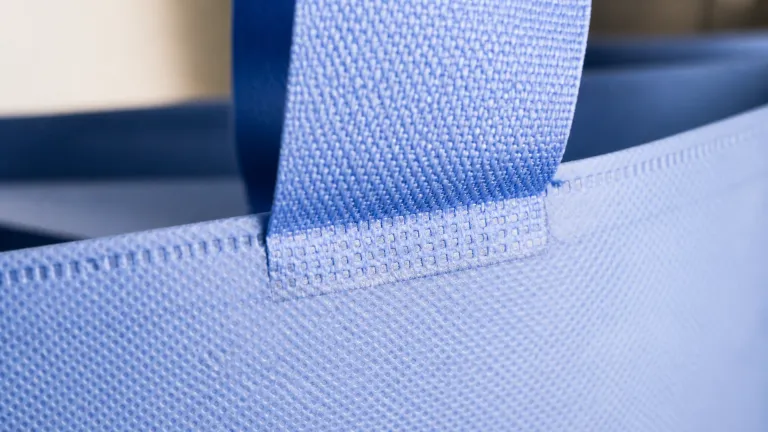
Handle ArchitectureCross-stitched flat webbing or ultrasonic soft-loop configurations[cite: 10]
Dynamic Load Capacity5–10 kg standard (scalable via increased GSM and reinforced stitching)[cite: 10]
Structural ProfilesStandard flat dimensional or side-gusseted cubic box architectures[cite: 10]
Seam EngineeringUltrasonic heat-sealed nodes or heavy-duty mechanical overlock stitching[cite: 10]
Commercial BrandingSpot-color silkscreen[cite: 1], thermal transfer, or BOPP gravure lamination[cite: 10]
Color CalibrationFull masterbatch dyeing utilizing exact Pantone (PMS) matching standards[cite: 10]
Testing & ComplianceISO 9001 facility manufacturing with SGS-certified, heavy-metal-free ink formulas[cite: 10]


Commercial Handle Configurations

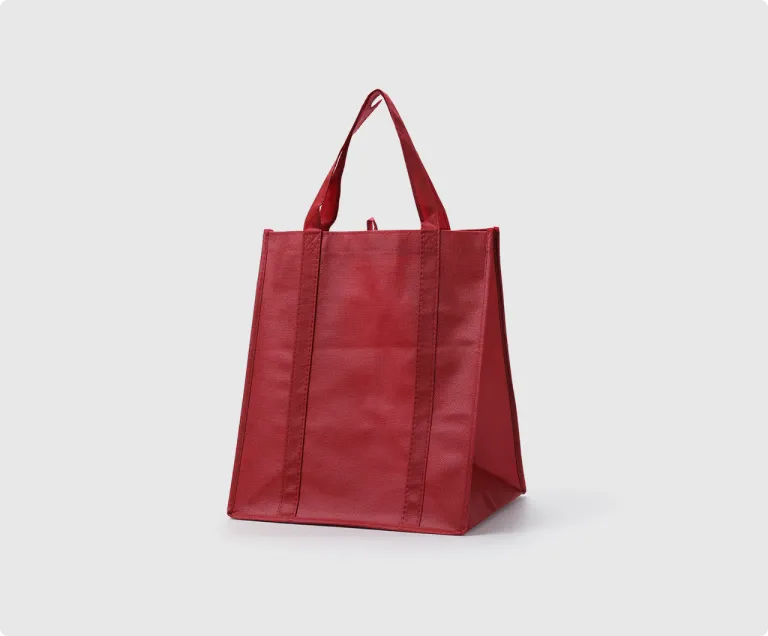
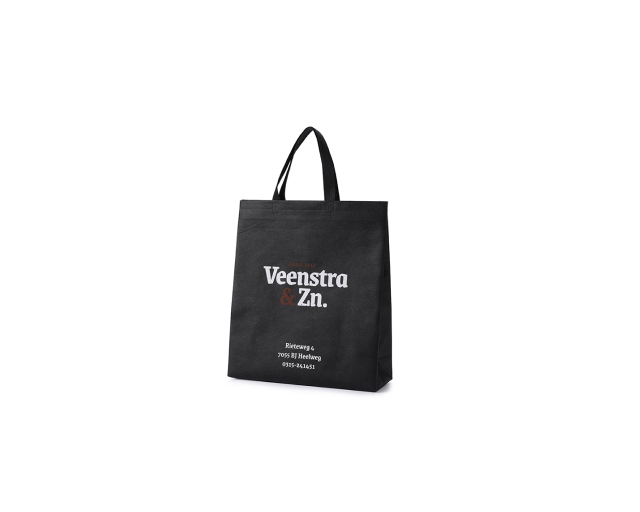
Flat Webbing Sewn Totes

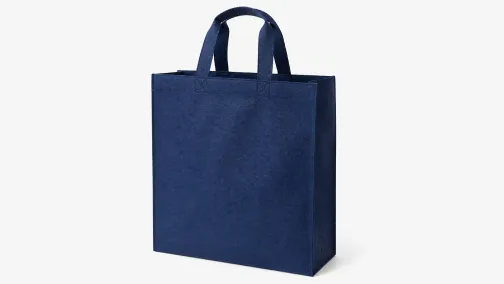
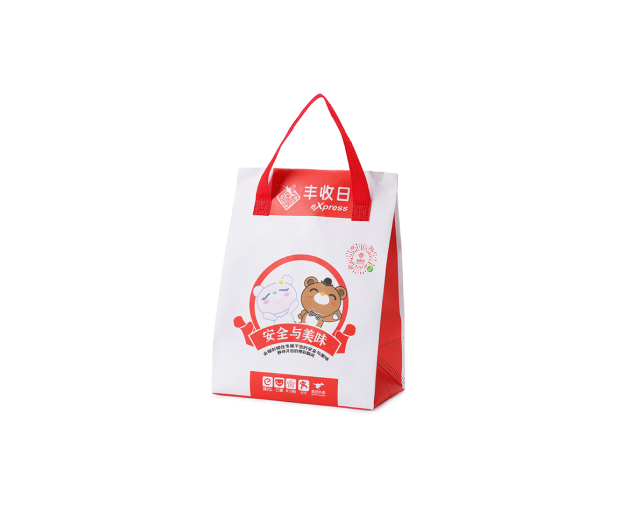
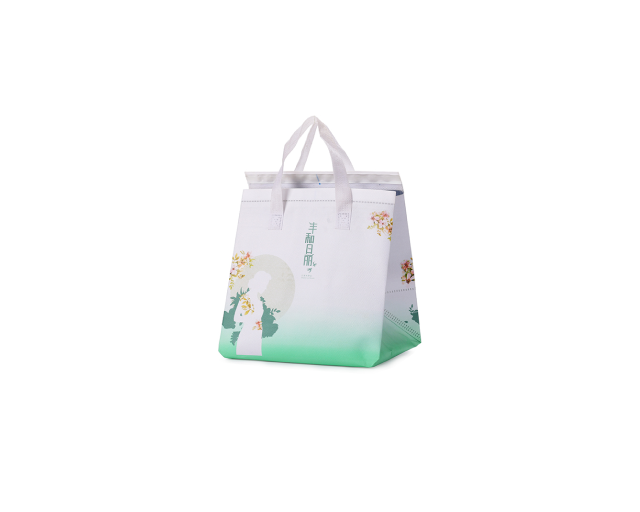
Ergonomic Soft-Loop Bags

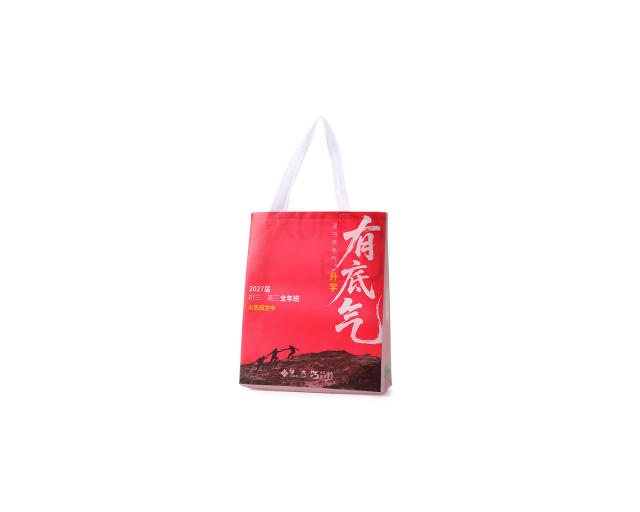
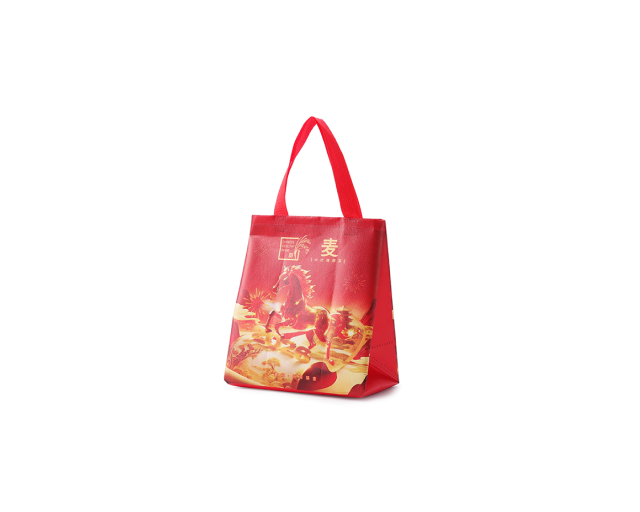
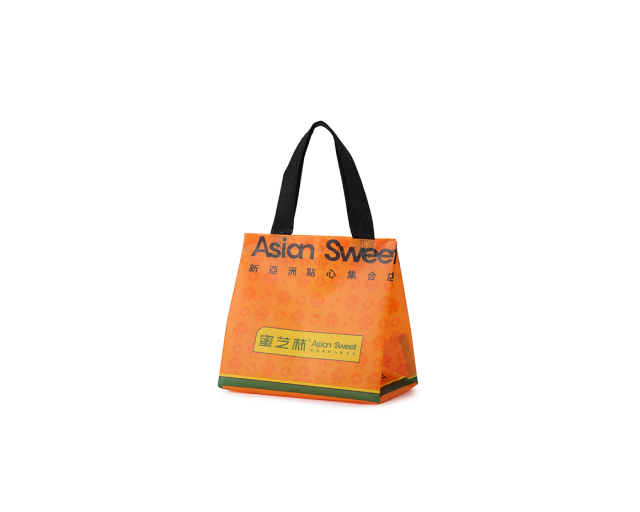
Gusseted Volumetric Totes

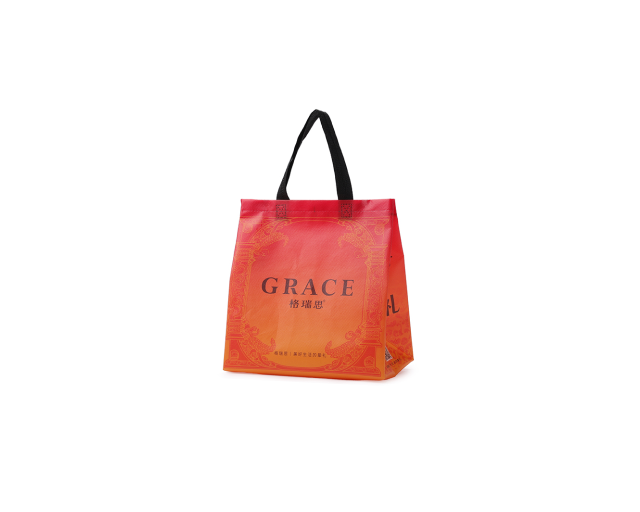
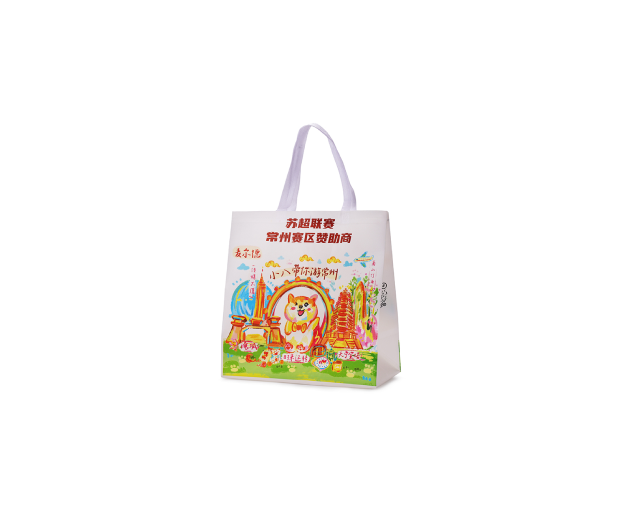
BOPP Laminated Handle Bags


Ergonomic Soft-Loop Integration

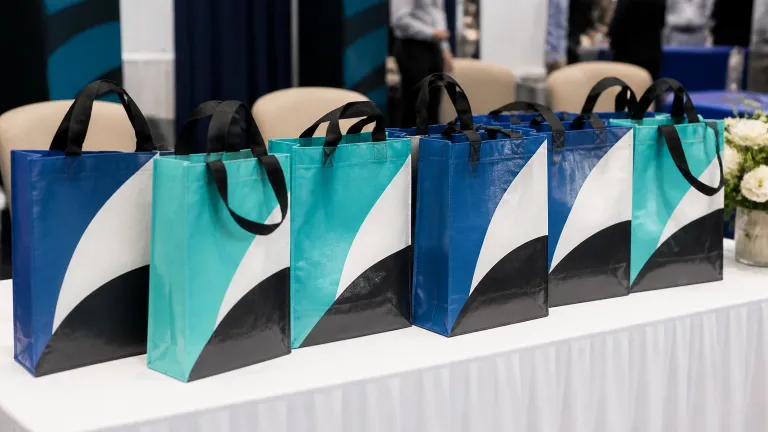
The soft-loop handle architecture utilizes a wide strap of congruent spunbond fabric, mechanically or thermally anchored into the bag's body.[cite: 10] This design optimizes kinetic load distribution across the carrier's hand, significantly reducing tactile fatigue during extended transport.[cite: 10] Consequently, it remains the standard specification for premium boutique retail, high-end apparel chains, and corporate exhibition deployments where consumer comfort directly correlates with brand perception.[cite: 10]


High-Fidelity Corporate Branding

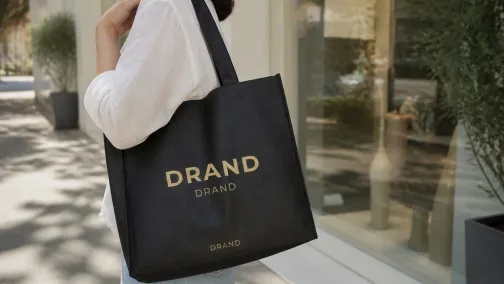
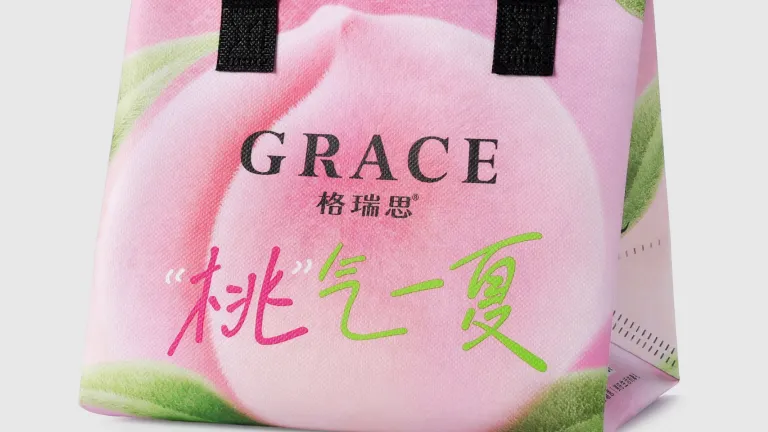
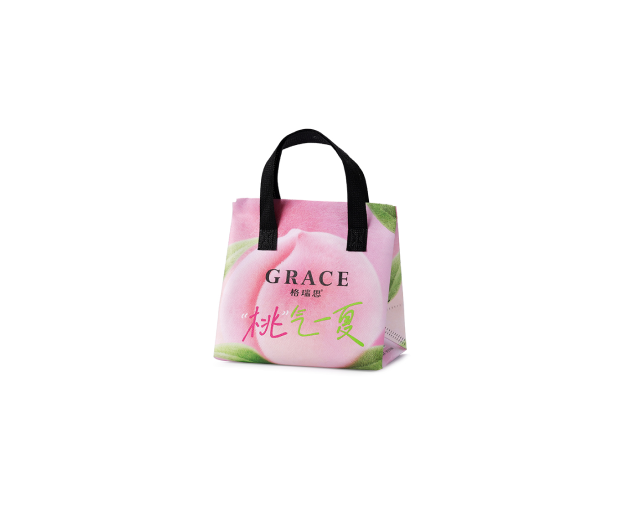
Handle bags provide an expansive, stable planar surface highly conducive to commercial printing technologies.[cite: 10] We deploy spot-color silkscreen processes for high-opacity vector logos, or full-surface BOPP gravure lamination for complex, photorealistic imagery.[cite: 10] By standardizing all color targets against the Pantone Matching System (PMS)[cite: 1], we ensure absolute visual consistency.[cite: 10] This durable ink application guarantees the corporate logo remains vibrant and intact across hundreds of consumer reuse cycles.[cite: 10]


Volumetric Gift and Promotional Packaging

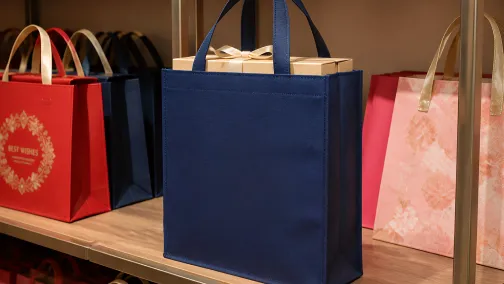
For promotional kitting and premium gift presentation, the gusseted handle bag[cite: 1] fulfills dual operational roles: durable transit enclosure and high-end retail packaging.[cite: 10] The integrated flat base permits the unit to stand independently, accommodating rigid boxed goods without structural distortion.[cite: 10] Coupling this volumetric design with a gloss or matte laminated finish yields a highly retentive promotional asset that consumers actively repurpose for domestic storage.[cite: 10]

Commercial Handle Projects

logo
logo
logo
logo
logo
logo
logo
logo
logo

About Changyuan Nonwoven

We are a nonwoven fabric and bag manufacturer based in Changzhou, China, running a full production line from raw material to finished goods since 2012. Our factory handles fabric extrusion, 7-color gravure printing, lamination, and bag making in-house, serving clients in 20+ countries with a daily output of 200,000 pieces.

Company factory how we work

FAQs

What differentiates a sewn handle bag from a standard die-cut carrier?

A sewn or soft-loop handle is an independent strapping mechanism mechanically cross-stitched or ultrasonically bonded into the main substrate.[cite: 10] This distinct engineering provides superior kinetic load distribution compared to a die-cut handle, which is merely a perforated aperture within the bag body, making handle bags the optimal choice for heavier payloads.[cite: 10]

What printing technologies are supported for handle bag branding?

We support high-opacity flatbed silkscreen for standard spot-color branding and BOPP gravure film lamination for edge-to-edge, photorealistic full-color graphics.[cite: 10] All ink formulations are SGS-certified and strictly calibrated to specific Pantone (PMS) reference codes to guarantee brand uniformity.[cite: 10]

How is the dynamic load capacity determined for a nonwoven tote?

Load capacity is a function of the fabric grammage (GSM) and the handle anchoring technique.[cite: 10] A standard 80 GSM unit accommodates routine retail weights (5-10 kg), whereas 100-120 GSM substrates coupled with heavy-duty cross-stitching support significantly higher mass for hardware or bulk grocery applications.[cite: 10]

Do you manufacture both flat-dimensional and volumetric gusseted profiles?

Yes. Our production lines output both flat, two-dimensional profiles designed for economical soft-goods transport, and complex side-gusseted cubic architectures engineered to support rigid boxed items and maintain an upright posture for retail shelving.[cite: 10]

What are the standard customization parameters and minimum order volumes?

Clients exert total control over the dimensional footprint, substrate GSM, handle architecture, base gussets, and applied print technologies.[cite: 10] Minimum Order Quantities (MOQ) scale dynamically based on these variables, and we issue physical pre-production samples prior to initiating wholesale bulk runs.[cite: 10]

Are spunbond handle bags compliant with enterprise sustainability goals?

Yes. Constructed entirely from virgin spunbond polypropylene, these handle bags function as highly durable, multi-cycle transit units that directly replace single-use polyethylene bags.[cite: 10] They align with global Extended Producer Responsibility (EPR) mandates and are compatible with standard Type 5 polymer recycling streams.[cite: 10]

Technical Guide: Specifying Nonwoven Handle Architectures

In enterprise procurement, substituting standard disposable carriers with spunbond nonwoven handle bags[cite: 1] significantly extends post-sale brand visibility while increasing dynamic load safety.[cite: 10] The specification process demands precise alignment between the handle attachment methodology, fabric density, and the expected retail payload.[cite: 10]

Handle Mechanics and Attachment Integration

Unlike die-cut bags[cite: 1] which rely on substrate perforation, handle bags distribute kinetic stress across anchored attachment nodes.[cite: 10]

Handle ArchitectureMechanical CharacteristicsPrimary B2B Application
Flat Sewn WebbingHigh tensile strength, cross-stitched directly into the upper hem for load dispersion.[cite: 10]Everyday branded retail, heavy grocery, and hardware transport.[cite: 10]
Soft-Loop IntegrationUltrasonic heat-sealed nonwoven loops providing ergonomic weight distribution.[cite: 10]Boutique apparel packaging, luxury gifting, and exhibition giveaways.[cite: 10]

Optimizing Grammage (GSM) for Retail Payloads

Specifying the correct fabric density is critical to maintaining bag structure and preventing substrate fatigue under stress.[cite: 10]

Fabric DensitySubstrate BehaviorRecommended Usage
60–70 GSMHigh flexibility, cost-effective baseline.[cite: 10]Lightweight promotional soft-loop distribution.[cite: 10]
80 GSMStandard retail grade, optimal print opacity.[cite: 10]General apparel and supermarket checkout programs.[cite: 10]
100–120 GSMMaximum structural rigidity, rigid drape.[cite: 10]Heavy retail loads, premium boutique packaging, and corporate gifting.[cite: 10]

Procurement Verification Parameters

When executing bulk retail orders, procurement teams must verify that handles are mechanically sewn or ultrasonically bonded down into the main body fabric, rather than superficially tacked to the top edge.[cite: 10] Furthermore, if products are boxed or require volumetric stability, buyers must specify a full side-gusseted architecture to ensure proper shelf presentation.[cite: 10] We recommend utilizing our in-house manufacturing capabilities[cite: 1] to guarantee consistency across multi-cycle bulk production.[cite: 10]