
Introduction: Mitigating Liability in Commercial Construction and Renovation
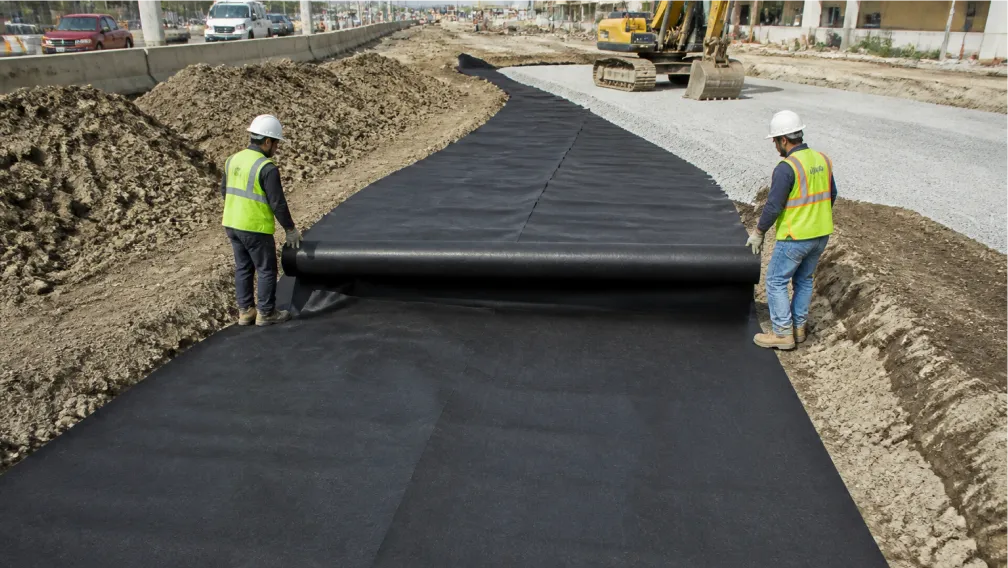
In commercial construction, architectural renovation, and heavy industrial maintenance, the physical protection of finished substrates represents a critical phase of project management. Unprotected flooring, millwork, and transit corridors are highly susceptible to catastrophic damage from dropped scaffolding tools, heavy machinery tracks, abrasive particulate matter, and chemical spills. The financial liability associated with repairing or replacing premium polished concrete, cured hardwood, or commercial-grade carpeting far exceeds the procurement cost of engineered surface protection. Traditional passive barriers, such as woven canvas drop cloths or unreinforced rosin paper, exhibit severe performance deficits; they lack structural moisture barriers, slide under lateral force, and fail to dissipate localized kinetic energy. Modern job sites demand advanced composite materials. This technical specification guide analyzes the engineering principles behind painters fleece, the fluid dynamics of needle-punched nonwovens, the adhesion chemistry of protective polymer films, and the B2B procurement metrics required to eliminate substrate damage during high-traffic construction phases.
1. Dual-Layer Composite Architecture: Needle-Punched Nonwovens
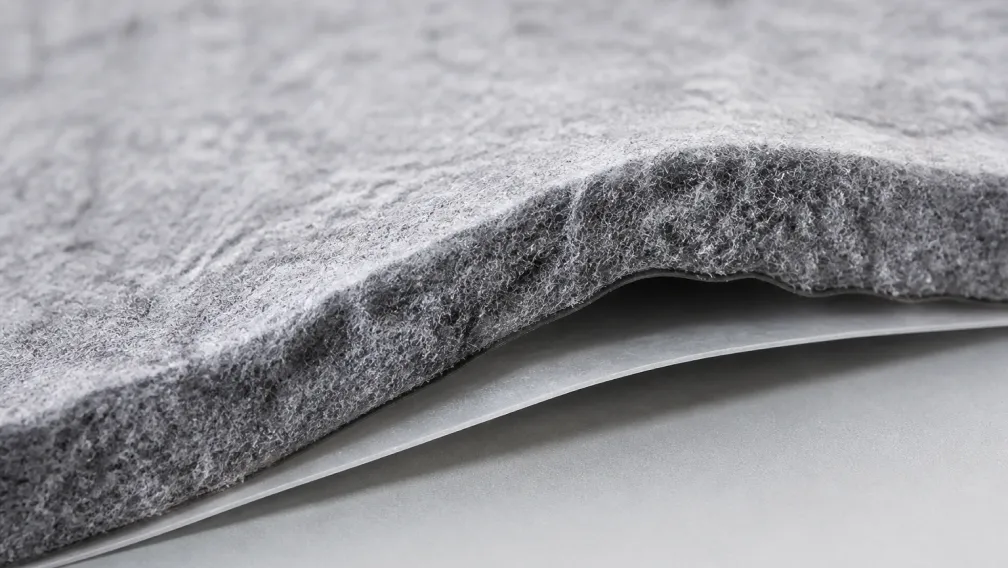
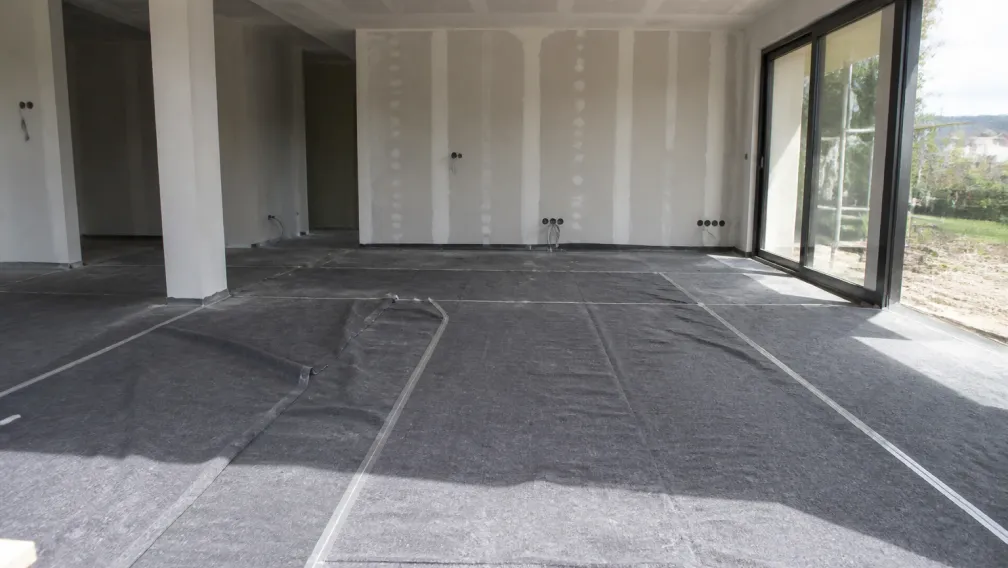
The structural foundation of premium painter's fleece is its dual-layer composite architecture, combining a highly absorbent textile matrix with an impermeable polymer base. This is achieved through the industrial manufacturing of laminated nonwoven fabric, a process that mechanically and thermally bonds two distinct materials to execute two distinct physical functions.
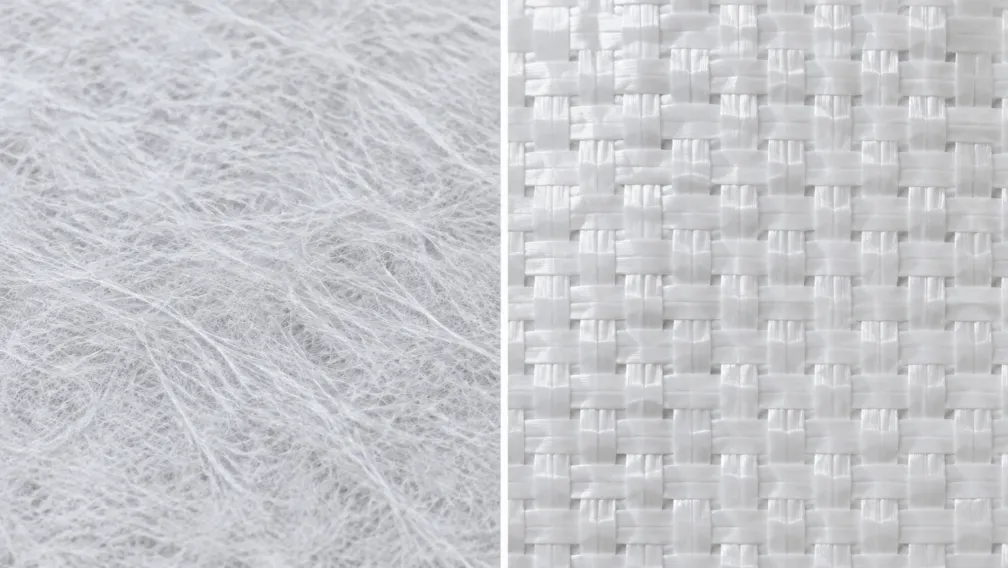
The upper layer consists of a needle-punched nonwoven textile. Unlike spunbond fabrics which are thermally extruded, needle-punched fabrics are manufactured by mechanically entangling short staple fibers (frequently recycled cotton, polyester, and acrylic blends) utilizing thousands of barbed needles. This intensive mechanical entanglement creates a dense, three-dimensional fibrous web with massive internal void space. This specific geometry provides exceptional kinetic shock absorption, effectively acting as a compression spring to dissipate the energy of falling objects, such as hammers or metal fittings, before the force can fracture the rigid flooring substrate below.
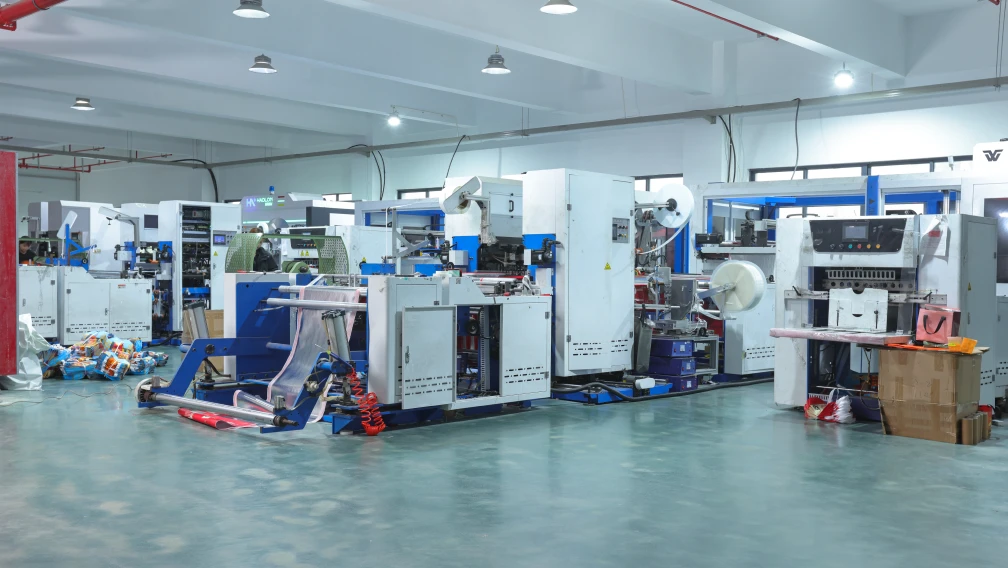
The bottom layer involves the thermal lamination of a continuous polyethylene (PE) or low-density polyethylene (LDPE) film directly onto the nonwoven web. This extrusion lamination occurs under high heat and heavy calendering pressure at our manufacturing factory, ensuring the polymer film anchors permanently into the bottom fibers without delaminating under heavy foot traffic. This film transforms the porous textile into a monolithic moisture barrier, isolating the subfloor from any liquids introduced to the job site.
2. Capillary Action and Industrial Fluid Management
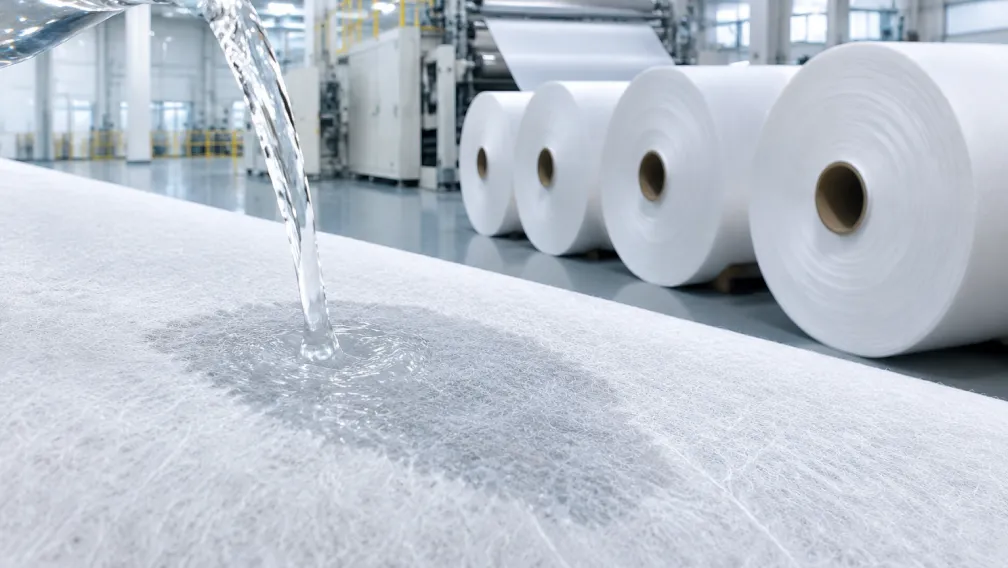
The primary function of the needle-punched top layer is rapid fluid sequestration. In commercial painting, plastering, or plumbing operations, accidental spills of high-viscosity latex paints, low-viscosity industrial solvents, or water are inevitable. When a liquid strikes the surface of the fleece, the hydrophilic properties of the cotton/synthetic fiber blend immediately engage.
Through the physical principle of capillary action, the liquid is rapidly drawn away from the point of impact and wicked laterally throughout the micro-channels of the nonwoven matrix. This lateral dispersion prevents the fluid from puddling on the surface. By locking the liquid within the internal fiber structure, the fleece prevents workers from stepping into wet paint and tracking it across unprotected zones of the facility. The underlying PE film guarantees that, regardless of the volume of liquid absorbed by the top layer, zero moisture penetrates through to the cured hardwood or porous stone beneath.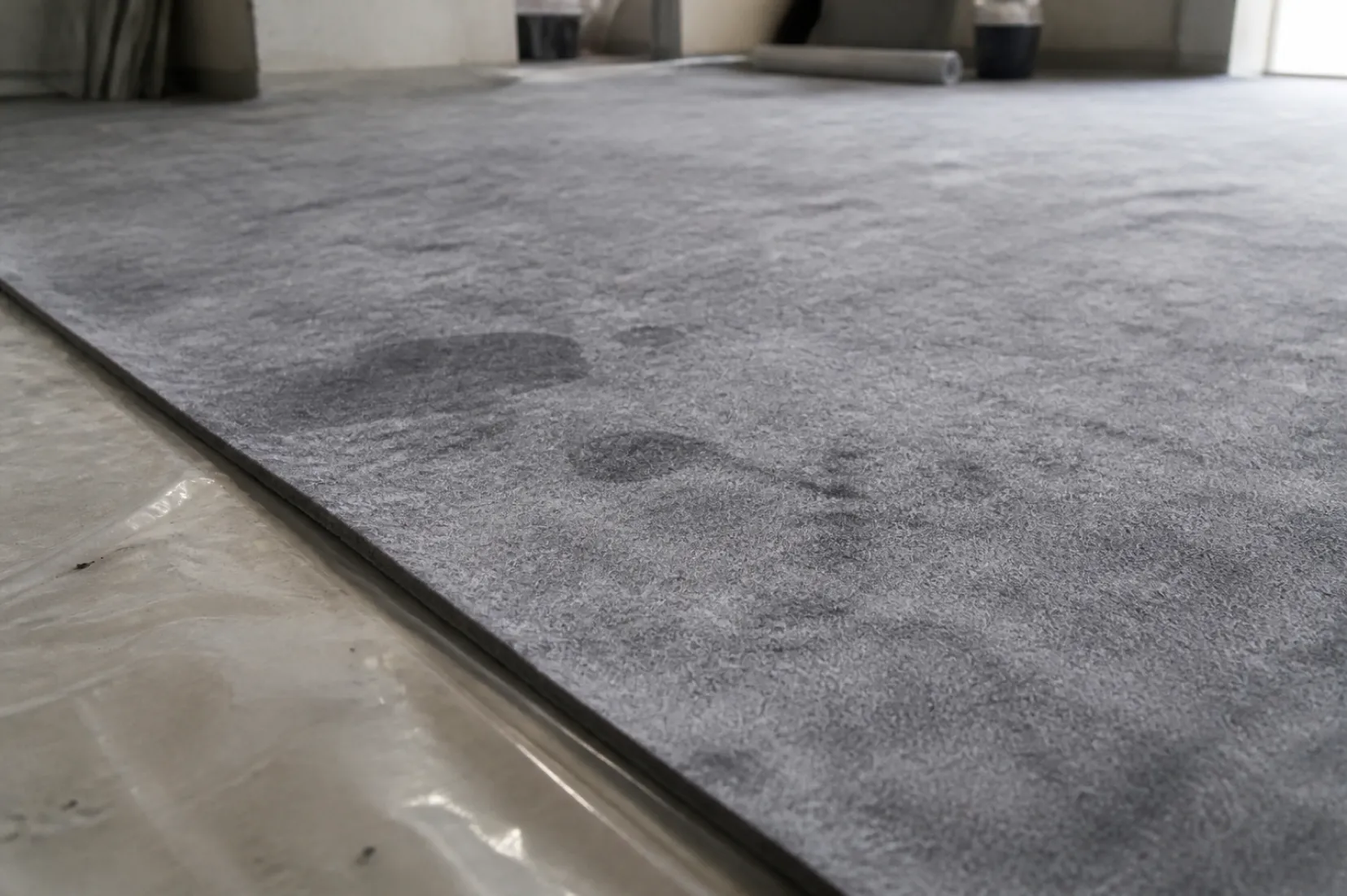
3. Tribology and Anti-Slip Polyethylene Backing
Job site safety protocols strictly govern the deployment of temporary flooring covers. Woven canvas cloths and loose plastic sheeting create extreme slip-and-fall hazards due to their low coefficient of friction (CoF) against smooth substrates. The tribological interaction between the protective cover and the floor is a critical engineering variable.
The PE film laminated to the underside of painter's fleece is specifically formulated with a high-tack, anti-slip surface texture. This polymer backing grips smooth surfaces—such as polished marble, glazed ceramic tile, and finished hardwood—creating high shear resistance. When workers apply lateral force while carrying heavy loads or pushing equipment carts, the fleece remains entirely stationary. This high CoF is achieved mechanically through the micro-texture of the calendering rollers during extrusion, requiring zero chemical adhesives. Consequently, the fleece can be deployed, repositioned, and entirely removed without leaving any chemical residue or Ghosting marks on chemically sensitive floor finishes.
4. Chemistry of Self-Adhesive Polymer Films
For applications where localized, seamless surface adhesion is required—particularly on stairs, continuous hallways, or soft substrates—contractors utilize extruded polyethylene films coated with pressure-sensitive adhesives (PSAs). The formulation of these acrylic adhesives dictates the film's application suitability.
Protecting commercial textiles requires specialized carpet protection films. Carpet possesses a massive, irregular surface area composed of synthetic loops or cut piles. To achieve reliable anchorage, carpet films utilize a high-tack acrylic adhesive formulation, typically measuring between 12 to 16 ounces per inch of peel adhesion. This aggressive tack ensures the film bonds securely to individual carpet fibers, preventing the plastic from shifting or tearing under the wheels of heavy material carts.
Conversely, hard surfaces demand fundamentally different chemistry. Standard floor protection film designed for cured polyurethane hardwood, vinyl composition tile (VCT), or laminate must utilize a low-tack to medium-tack adhesive (typically 3 to 5 ounces per inch). If a high-tack carpet film is incorrectly applied to hardwood, the adhesive bond will exceed the tensile strength of the floor's clear coat, resulting in catastrophic delamination of the finish upon removal. B2B procurement teams must strictly specify the correct adhesive tack based on the architectural schedule and the curing times of the underlying finishes.
5. Vertical Surface and Fixture Protection
Surface protection extends beyond the horizontal plane. During the final stages of interior fit-outs, expensive architectural elements such as custom millwork, elevator cabs, and solid-core doors are exposed to high traffic from moving crews and furniture installation. Rigid corrugated plastics are often too abrasive, scratching the very surfaces they are meant to protect.
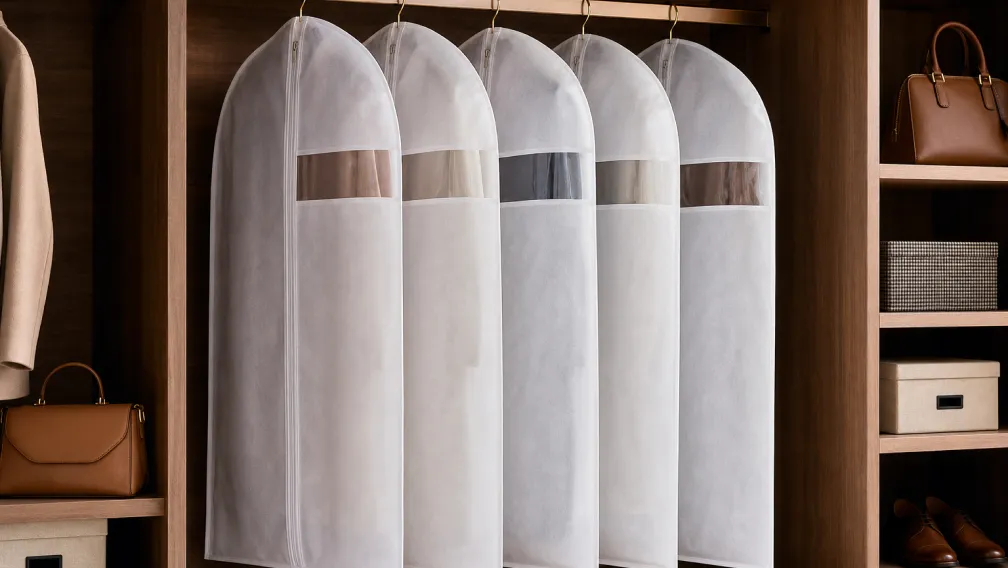
Contractors utilize specialized custom fabric door covers engineered from the same nonwoven principles. These covers utilize a soft, spunbond or lightly needle-punched internal face, often manufactured using premium PP non woven fabric to ensure structural integrity, that glides safely over high-gloss paints and wood veneers. The exterior face is heavily reinforced to withstand scuffing and impact from transit operations. Deploying these fitted, reusable fabric sheaths over vertical fixtures eliminates the labor-intensive process of taping cardboard or foam to delicate architectural details, standardizing the protection process across hundreds of units in commercial high-rise developments.
6. Density Specifications (GSM) and Mechanical Impact Resistance
The protective capability of painter's fleece is mathematically quantifiable through its mass per unit area, expressed in Grams per Square Meter (GSM). Procurement specifications must align the GSM density with the anticipated mechanical threat level of the specific construction phase.
| Fleece Density (GSM) | Structural Characteristics | Target Commercial Application |
|---|---|---|
| 180g - 200g / m² | Lightweight, highly flexible, standard fluid absorption. | Residential painting, light dust containment, final stage inspections. |
| 220g - 250g / m² | Medium-duty compression resistance, high fluid capacity. | Commercial plastering, plumbing refits, moderate equipment traffic. |
| 280g - 350g / m² | Extreme kinetic shock absorption, maximum tear resistance. | Heavy demolition zones, scaffolding deployment, masonry and concrete work. |
A 350gsm fleece contains a vastly denser fiber matrix. When a heavy steel tool impacts this surface, the kinetic energy is radially dispersed through the fiber entanglement, significantly reducing the point-load pressure transmitted to the floor. Specifying lightweight 180gsm fleece for heavy scaffolding operations will result in immediate material puncture and subsequent floor damage.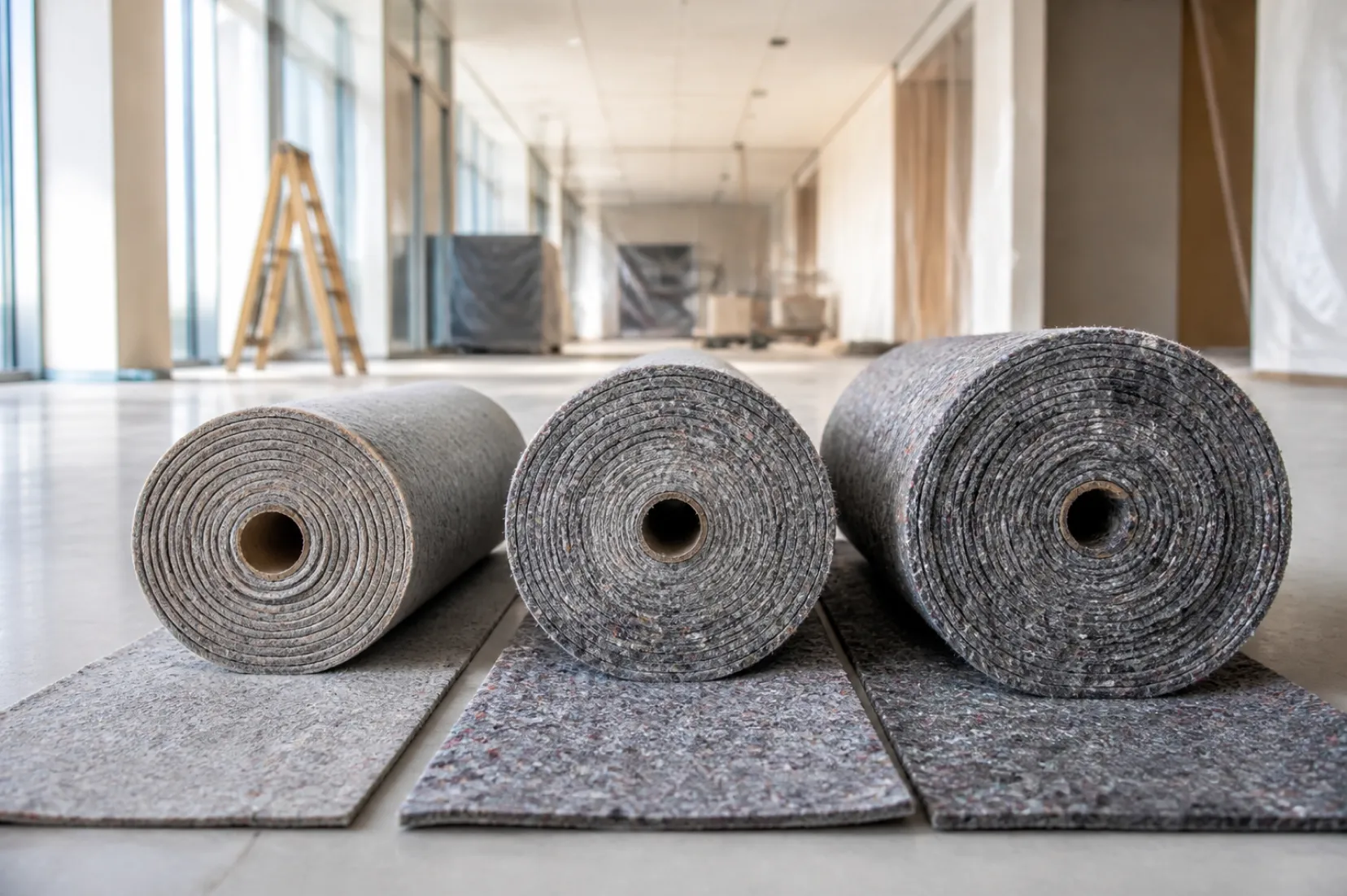
7. Lifecycle Economics and Sustainable Redeployment
The upfront procurement cost of laminated painter's fleece is higher than single-use kraft paper or raw plastic sheeting; however, the lifecycle return on investment (ROI) heavily favors the engineered composite. Standard unreinforced paper tears within hours of heavy foot traffic, requiring continuous labor expenditure to patch, replace, and re-tape the barriers throughout a multi-week project.
Heavy-duty painter's fleece exhibits extreme dimensional stability and tear propagation resistance. At the conclusion of a project phase, the material can be swept, vacuumed, rolled, and transported to the next job site. This reusability drastically reduces the aggregate volume of landfill waste generated by a commercial contracting firm, aligning with modern LEED certification requirements for construction waste management. Furthermore, the reliance on post-industrial recycled textiles for the nonwoven top layer lowers the overall carbon footprint of the packaging asset.
Conclusion
Preventing substrate damage in commercial construction requires abandoning passive coverings in favor of engineered protective materials. By understanding the distinct material sciences—the kinetic absorption of needle-punched nonwovens, the impermeable barrier of PE films, and the precise tribology of acrylic adhesives—contractors can specify the exact parameters required for their job site. Deploying the correct GSM density and adhesive tack guarantees fluid containment, eliminates slip hazards, and ensures pristine architectural finishes upon project handover. Contact our engineering team to request technical data sheets, evaluate roll yields, and secure wholesale surface protection solutions for your upcoming commercial developments.