
Introduction: Lamination Turns a Fabric Into a Barrier Material
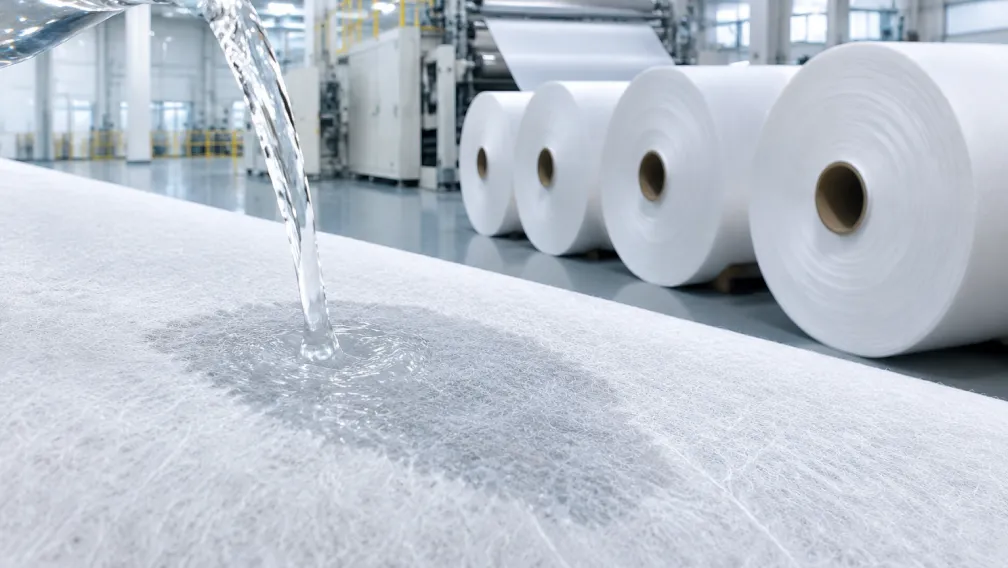
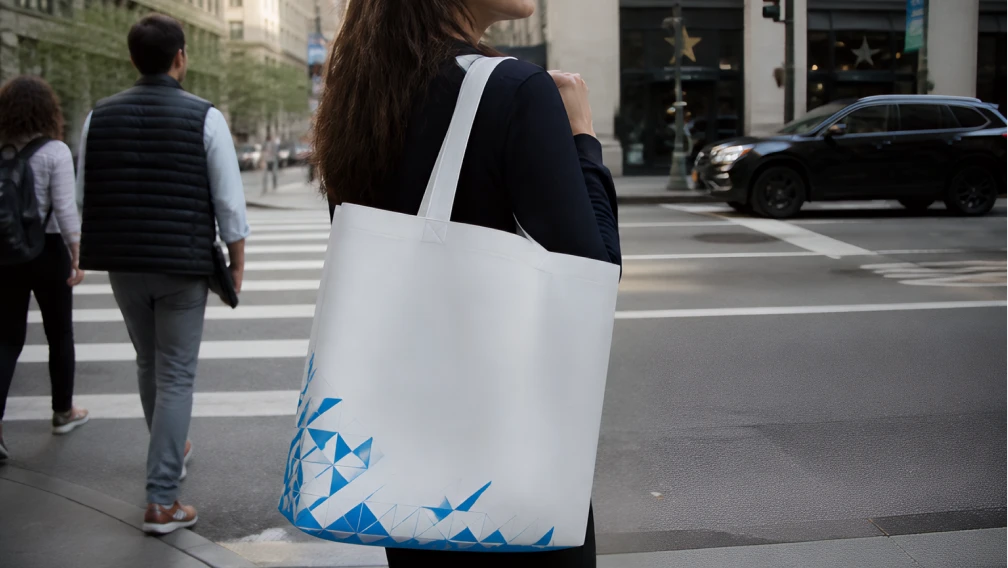
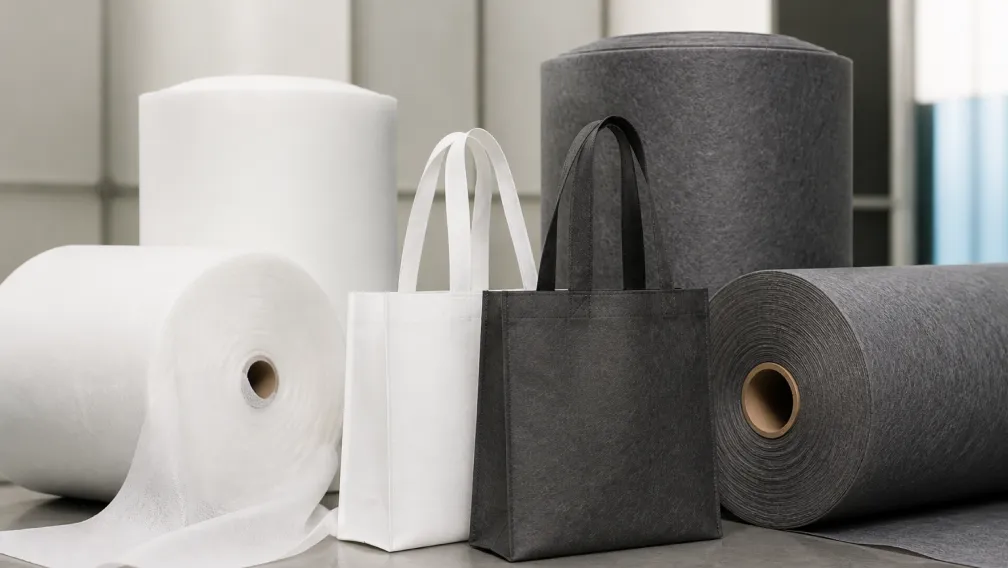
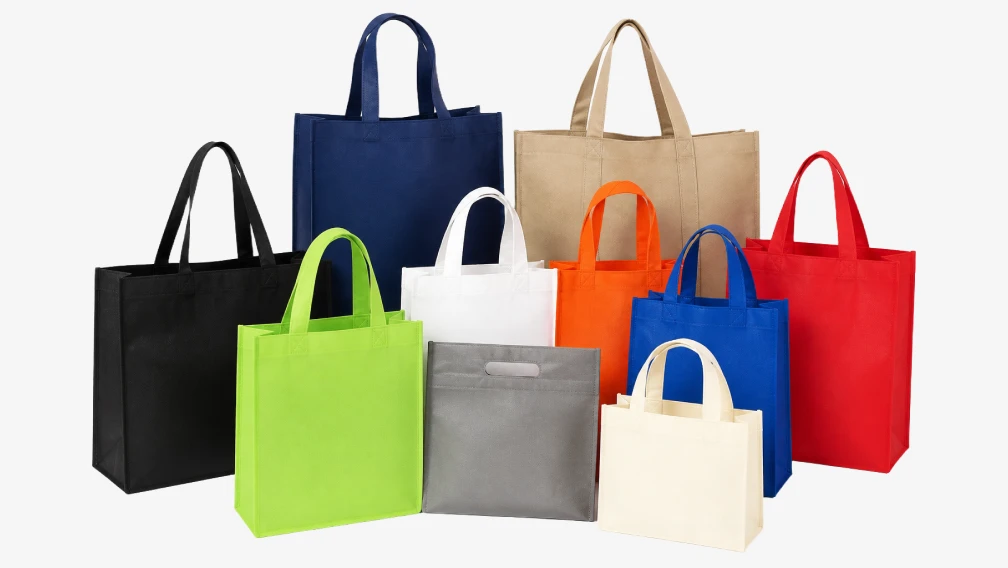
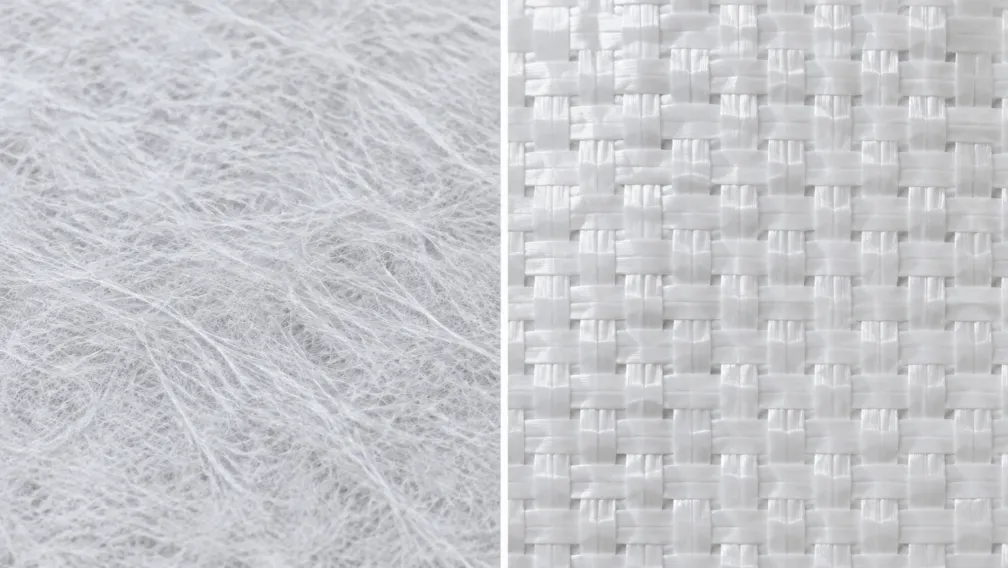
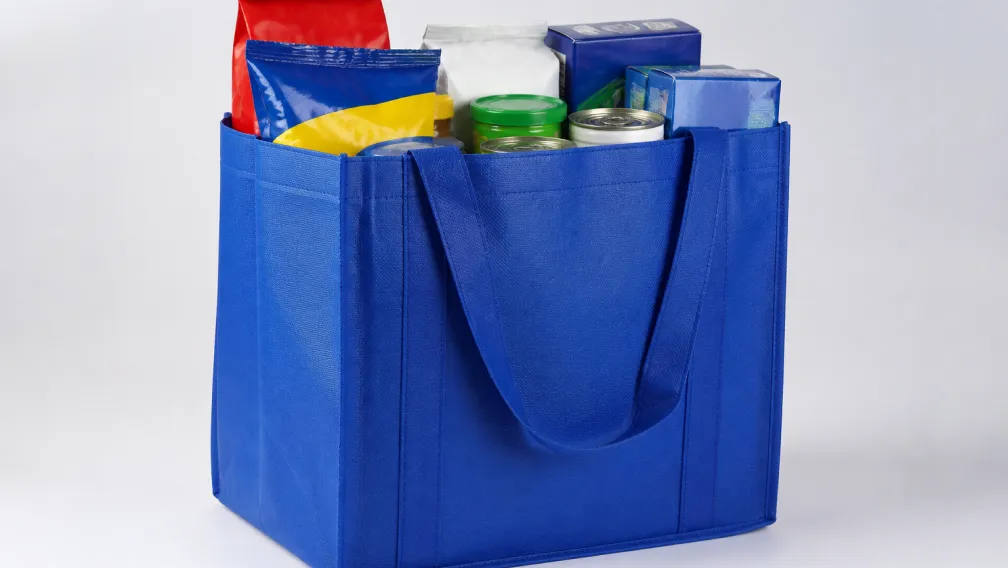
Raw spunbond nonwoven is breathable, soft, and porous. Those properties serve hygiene and agricultural applications well, but they disqualify the material wherever a product must block water, resist scuffing, carry photographic print, or survive repeated wiping. Lamination closes that gap. By bonding a continuous polymer film onto the nonwoven web, converters produce a composite that keeps the drape and tear resistance of the fabric while adding the impermeability and surface quality of plastic film. The laminated format is what makes full-color reusable shopping bags possible, what gives medical drapes their fluid barrier, and what protects insulation liners inside cooler bags. This guide examines how laminated nonwoven fabric is manufactured, which process parameters determine bond quality, and how the composite is specified across its main application fields.
1. How Laminated Nonwoven Is Manufactured
1.1 Extrusion Coating and Extrusion Lamination
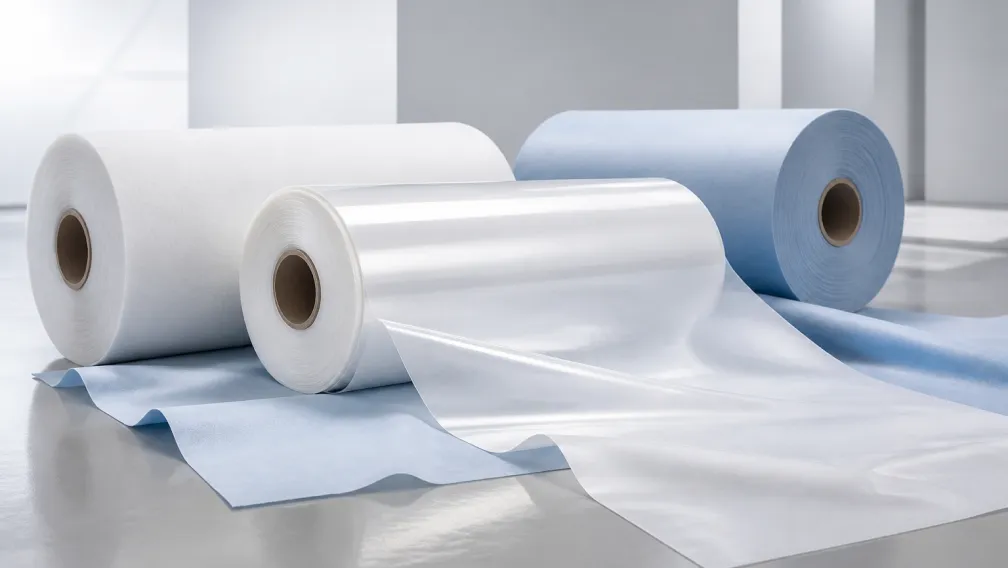
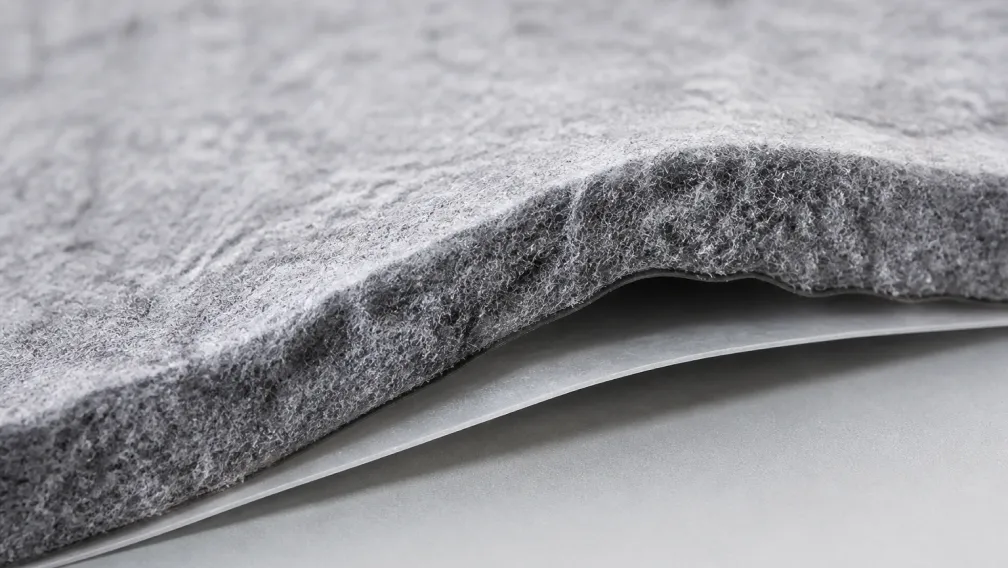
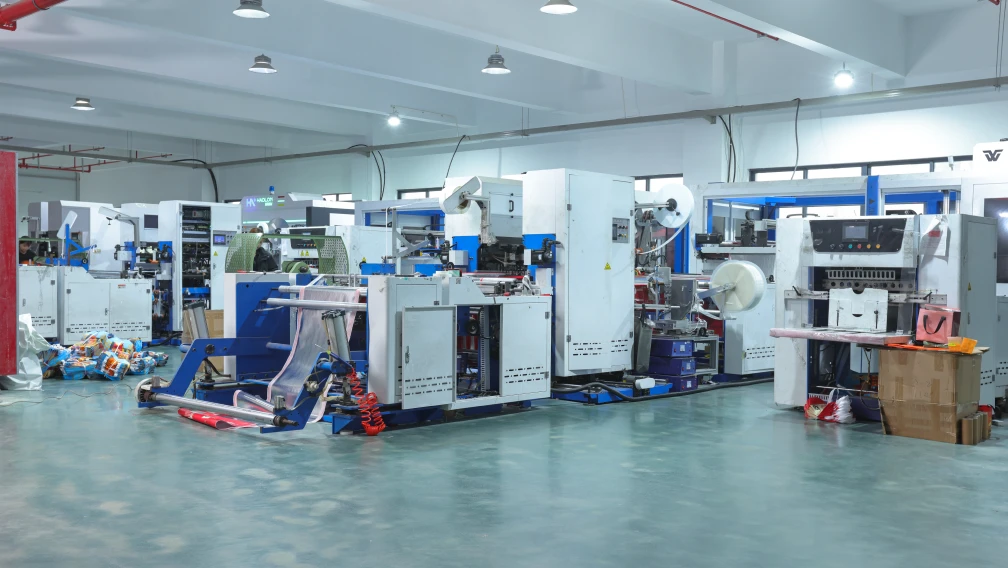
The dominant industrial process is extrusion lamination. A thin layer of molten polyethylene, typically at 280-330 degrees C, is extruded through a flat die directly onto the moving nonwoven web, or between the nonwoven and a pre-made film, and the sandwich is pressed together at a chilled nip roller. The molten layer acts as both the adhesive and part of the barrier. When the laminate carries a pre-made BOPP film, the construction is a three-layer system: nonwoven base, PE melt tie layer, BOPP surface film. Direct extrusion coating, where the melt lands on the fabric alone, produces a simpler two-layer composite used for medical and protective applications.
1.2 Thermal and Adhesive Bonding of Pre-Made Film
Lower-volume routes bond a pre-made film to the web using heated calendar rolls or a thin adhesive layer. Thermal bonding works when both layers share compatible melt behavior; adhesive lamination handles dissimilar materials but adds cost and introduces solvent-free adhesive as an additional variable. For high-volume bag material, extrusion lamination remains the standard because it runs at 150-300 m/min with no drying stage.
2. Film Types and Construction Variants
The surface film defines the composite's appearance and much of its function.
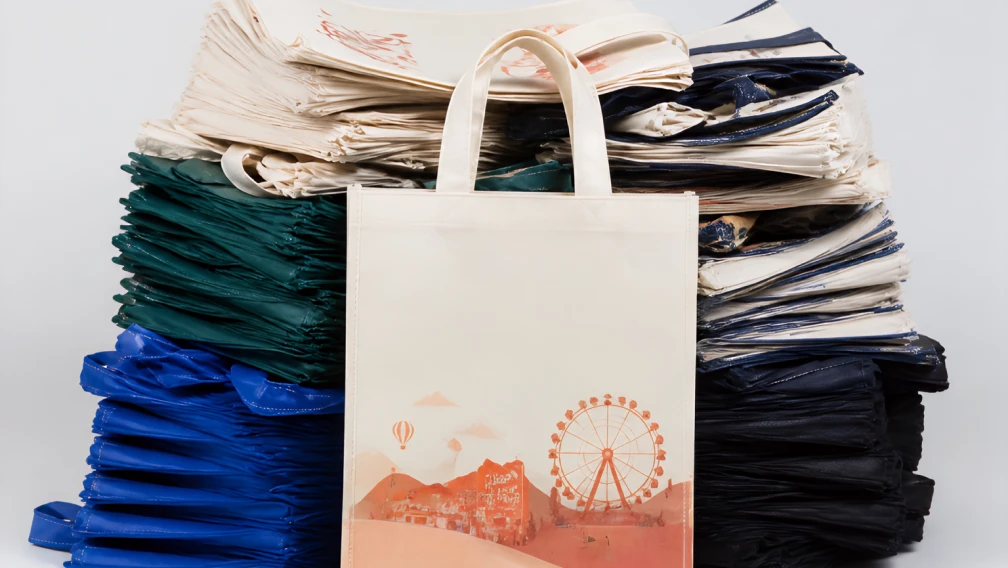
- Gloss BOPP. The standard surface for laminated shopping bags. Reverse-printed by rotogravure before lamination, the film protects the ink layer completely, because the print sits sealed between film and tie layer.
- Matte BOPP. Same construction with a matte-finish film, producing the muted premium surface used in fashion retail bags. Matte films cost slightly more and scuff differently, which matters at high-friction retail handling.
- PE film. Direct polyethylene coating for fluid-barrier duty: medical drapes, disposable protective wear, and agricultural covers where print quality is secondary to impermeability.
- Microporous breathable film. A stretched PE film with engineered pore channels that block liquid water while passing water vapor. This variant serves medical and hygiene barrier products where heat stress from a fully sealed film is unacceptable.
Single-side lamination is standard for bags and covers. Double-side lamination appears in insulated packaging and heavy-duty protective textiles where both faces need wipeable, moisture-proof surfaces.
3. The Performance Changes Lamination Delivers
Lamination alters four property groups, and each should be verified with test data rather than assumed.
| Property Group | Unlaminated Spunbond | Laminated Composite |
|---|---|---|
| Water resistance | Porous; passes liquid freely | Impermeable; hydrostatic head limited only by pinholes |
| Print surface | Textured; spot colors only | Smooth film; full CMYK photographic quality |
| Abrasion and scuff | Fiber surface fuzzes under friction | Film face resists scuffing; wipeable |
| Stiffness and handle | Soft, drapable | Stiffer; holds shape in box-bag constructions |
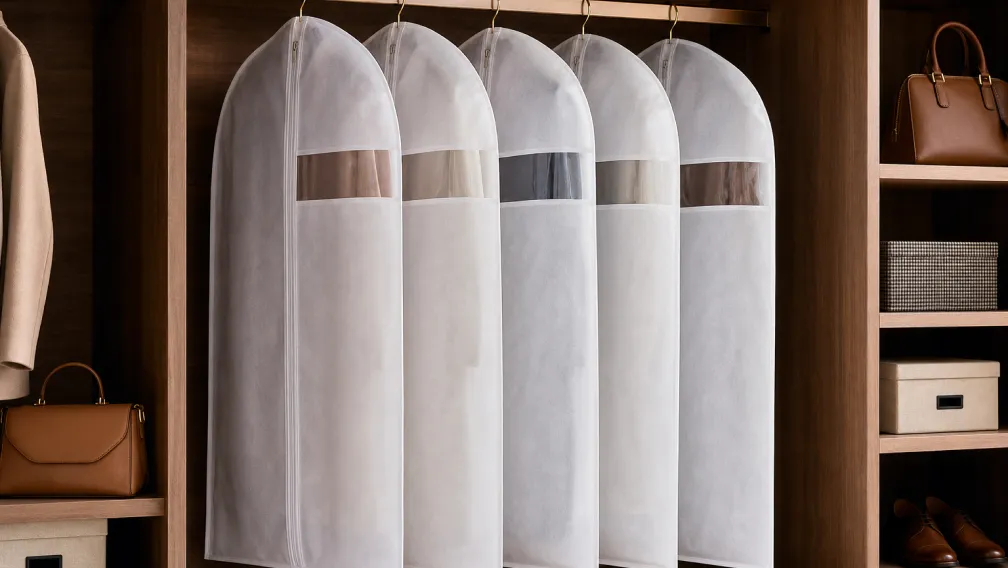
Two qualifications keep these gains honest. First, barrier performance is only as good as film integrity: a single pinhole or a cracked crease line restores leak paths, so flex durability matters for bags that fold. Second, lamination adds stiffness and reduces drape, which is desirable in a structured shopping bag and undesirable in a garment cover. Construction choice follows the end product's handling behavior.
There is also a breathability trade-off to state plainly. A fully laminated fabric no longer passes air or vapor, so applications that relied on the nonwoven's porosity, such as crop covers or hygiene layers, lose that function entirely under a continuous film. Where partial barrier is enough, dot or pattern lamination bonds the film at discrete points and preserves some airflow, at the cost of a lower hydrostatic rating.
4. Process Parameters That Define Bond Quality
Lamination failures in the field, delamination at folds and edges, trace back to a short list of process variables. Melt temperature and nip pressure govern how deeply the molten PE anchors into the fiber surface; too cold or too light, and the film peels; too hot, and the fabric's own tensile strength degrades. Web corona treatment before coating raises the fabric surface energy so the melt wets the fibers instead of sitting on them. Film gauge, typically 12-30 microns for bag material, trades stiffness and barrier margin against material cost. Bond quality is verified by peel testing, where a specified force per unit width separates the film from the fabric; a laminate that peels cleanly at low force will delaminate in service. Buyers should request peel strength and flex-test data, and the underlying fabric should still meet its own specification, as covered in our PP spunbond technical specifications guide.
5. Application Mapping
The laminated composite serves distinct industries with distinct specification priorities.
| Application | Typical Construction | Priority Specification |
|---|---|---|
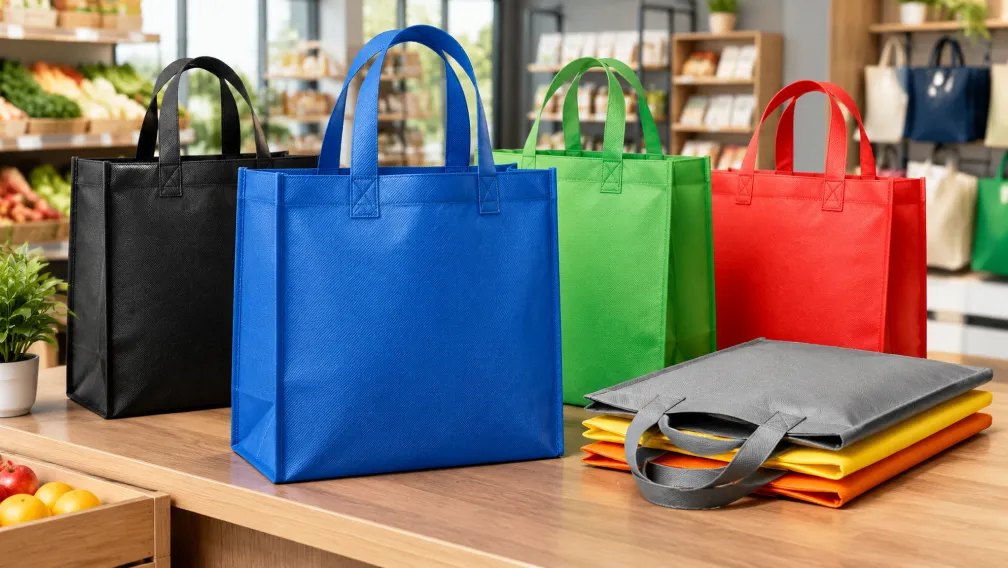
| Reusable shopping and promotional bags | 100-120 gsm NWPP + printed BOPP | Print quality; flex durability; scuff resistance |
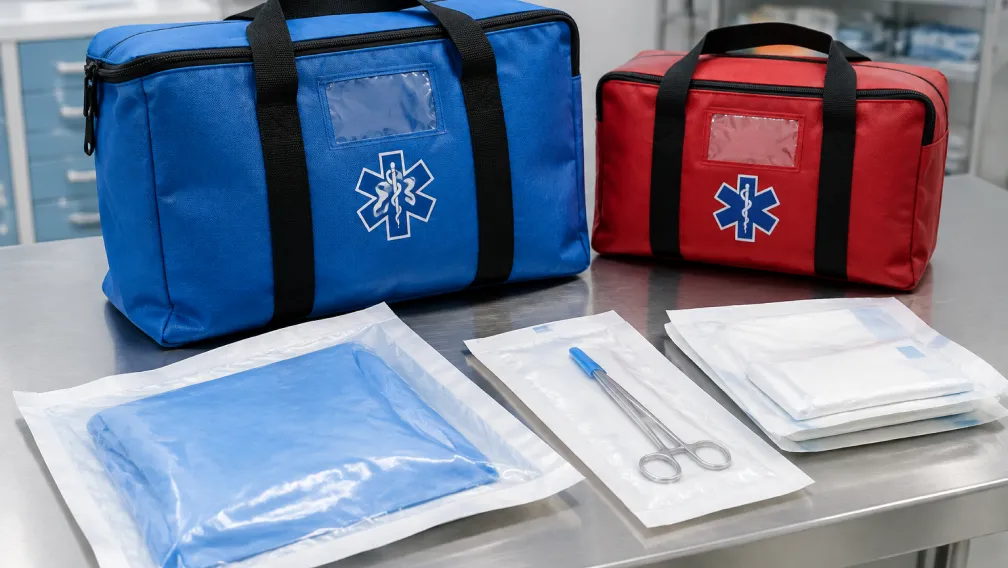
| Medical drapes and barrier wear | SMS or spunbond + PE coating | Fluid barrier; lint; sterilization compatibility |
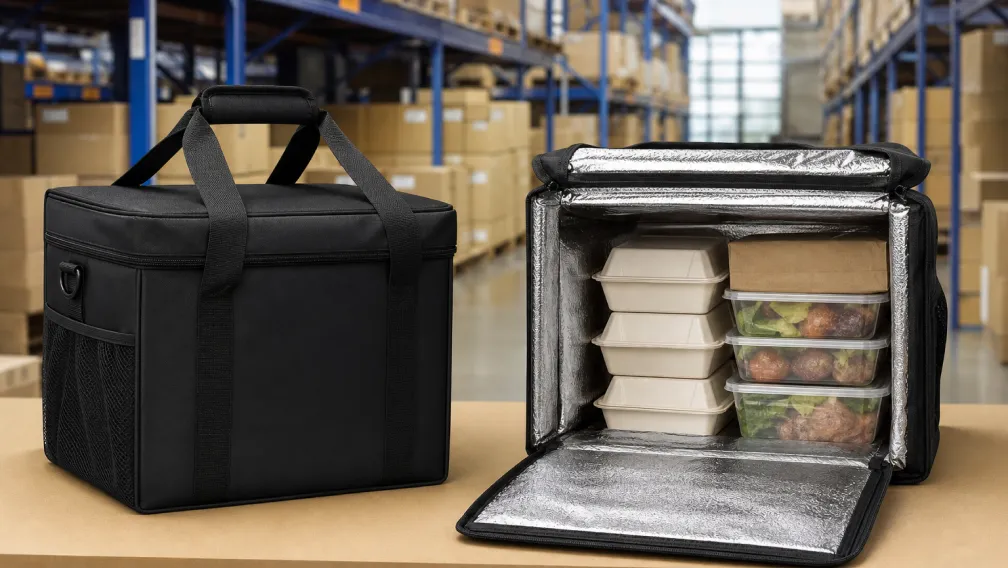
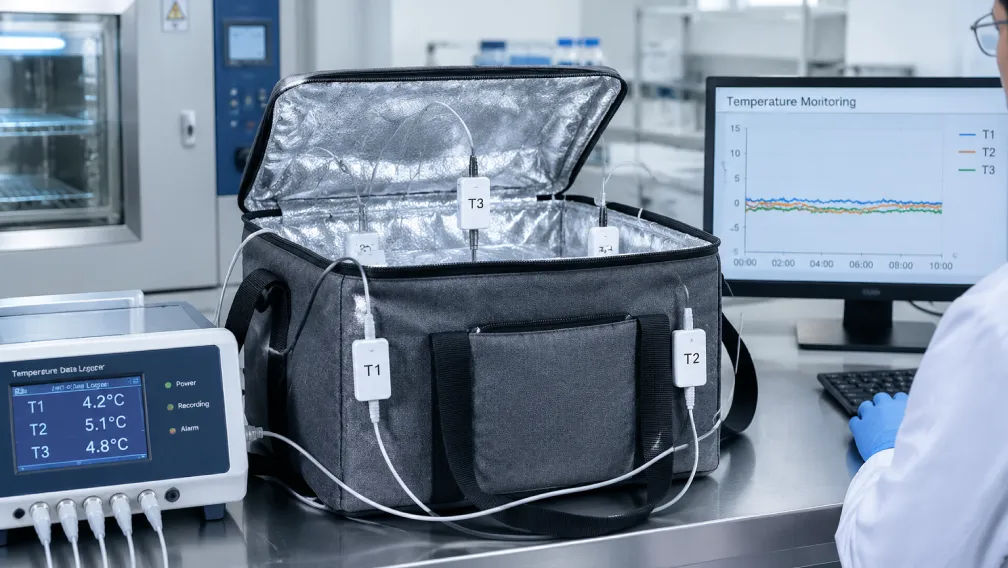
| Insulated cooler bag outers | Laminated NWPP over foam core | Wipeable surface; seam weldability |
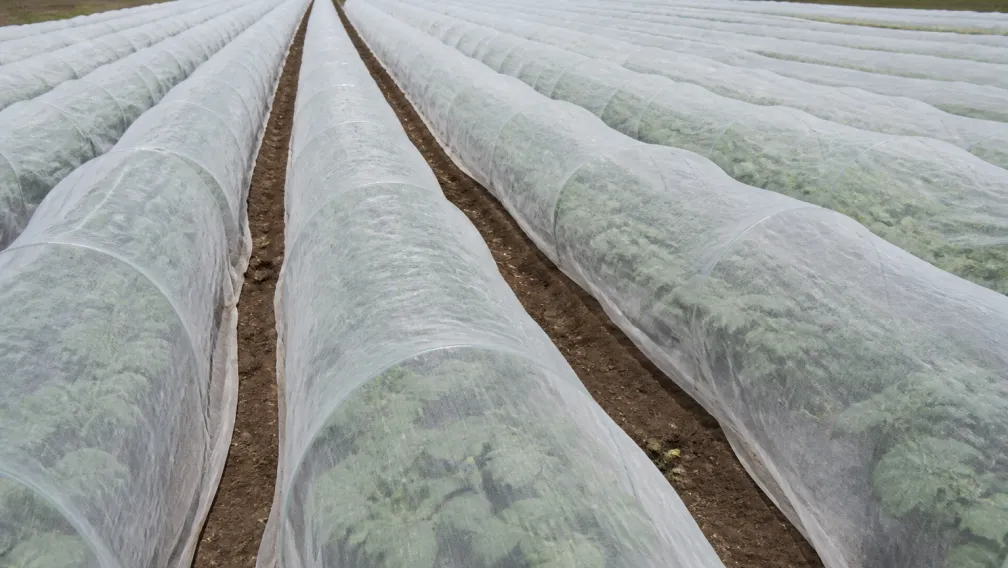
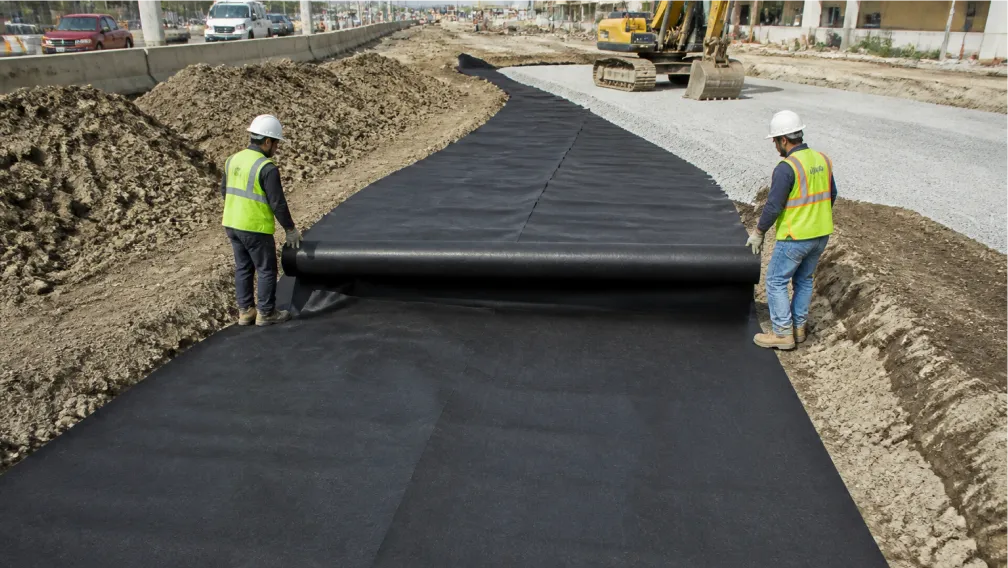
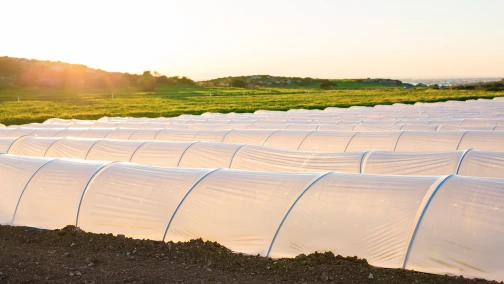
| Agricultural and protective covers | UV-stabilized NWPP + PE film | Weather resistance; UV package life |
For insulated packaging, the laminated face provides the cleanable food-contact-adjacent surface used across insulated cooler bags, while in bag applications the laminate is what carries the photographic branding examined in our printed nonwoven bags category.
6. Recyclability and Material Selection
Lamination changes the end-of-life profile of the fabric, and procurement teams face questions on this point. The standard bag laminate is a mono-polyolefin system: polypropylene fabric, polyethylene tie layer, and BOPP film are all polyolefins, so the composite can enter mechanical recycling streams that accept flexible polyolefin film. The picture changes when the base fabric is polyester or when adhesive lamination introduces non-polyolefin chemistry, because those combinations are effectively unrecyclable and should be avoided in programs with recyclability commitments. Recycled-content PP base fabric is available for laminated constructions, though the laminate film itself remains virgin material in most supply chains, and printed BOPP surfaces complicate any recycled-content claim that covers the whole product. Accurate claims describe the components separately.
7. Sourcing Checklist
Purchase specifications for laminated nonwoven should fix the base fabric grade, the film type and gauge, the bond strength requirement with its test method, flex durability expectations, surface finish, and roll dimensions. Widths follow the base spunbond line, commonly up to 2.4-3.2 m with slitting to order. Pre-production samples should be creased, rubbed, and soaked before approval, because these three quick tests expose delamination, scuff, and pinhole problems before mass production. Certificates should cover both layers: fabric basis weight and tensile data, plus film gauge and laminate peel strength.
Cost structure follows the film route. Lamination adds a fixed per-square-meter cost for the film and the coating pass, so laminated fabric runs roughly 40-80% above the base spunbond price depending on film gauge and whether the BOPP arrives pre-printed. Rotogravure cylinders for printed film carry setup costs that amortize only at volumes above roughly 10,000 bag-equivalents, which is why unprinted PE-coated constructions dominate price-sensitive barrier applications while printed BOPP laminates concentrate in branded retail programs.
Conclusion
Laminated nonwoven fabric is a defined composite, and its performance is predictable when the specification covers both layers and the bond between them. Film type sets appearance and barrier class, process control sets delamination resistance, and the base fabric sets the mechanical foundation. Specifying the composite as a system, with peel and flex data on every lot, separates material that carries a laminated label from material that survives retail handling and field service.
Specify laminated nonwoven as a tested composite. Avanor Pack supplies extrusion-laminated nonwoven in gloss, matte, and PE-coated constructions with lot-level peel strength and film gauge reports. Send your application and target construction for samples and a quotation.