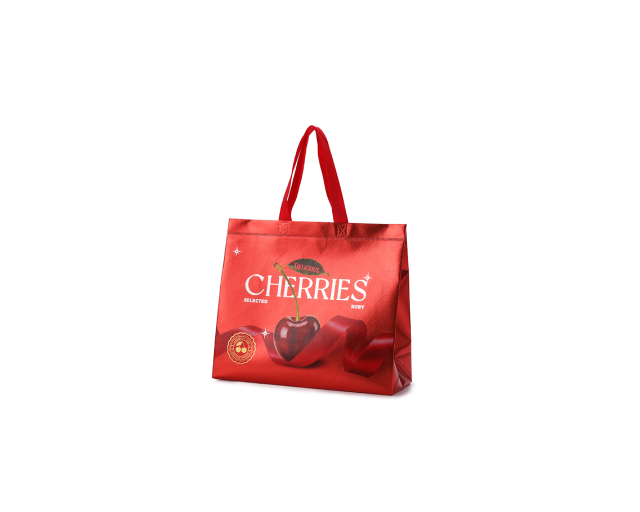
Technical Guide: Specifying Print Methods for Nonwoven Bags
Selecting the correct printing technology for custom bags dictates the final visual resolution, unit cost, and production lead time. Because polypropylene (PP) nonwoven fabric possesses a porous, textured surface, print methods must be strictly matched to both the artwork requirements and the physical constraints of the substrate.
Comparing Commercial Printing Technologies
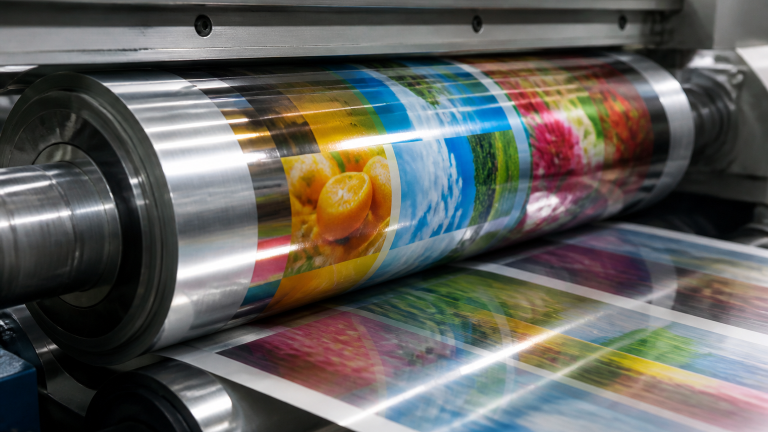
Our production lines operate three primary printing systems. The table below outlines the technical parameters for each to assist in corporate procurement planning.
| Parameter | Silkscreen | Heat Transfer | Gravure Lamination |
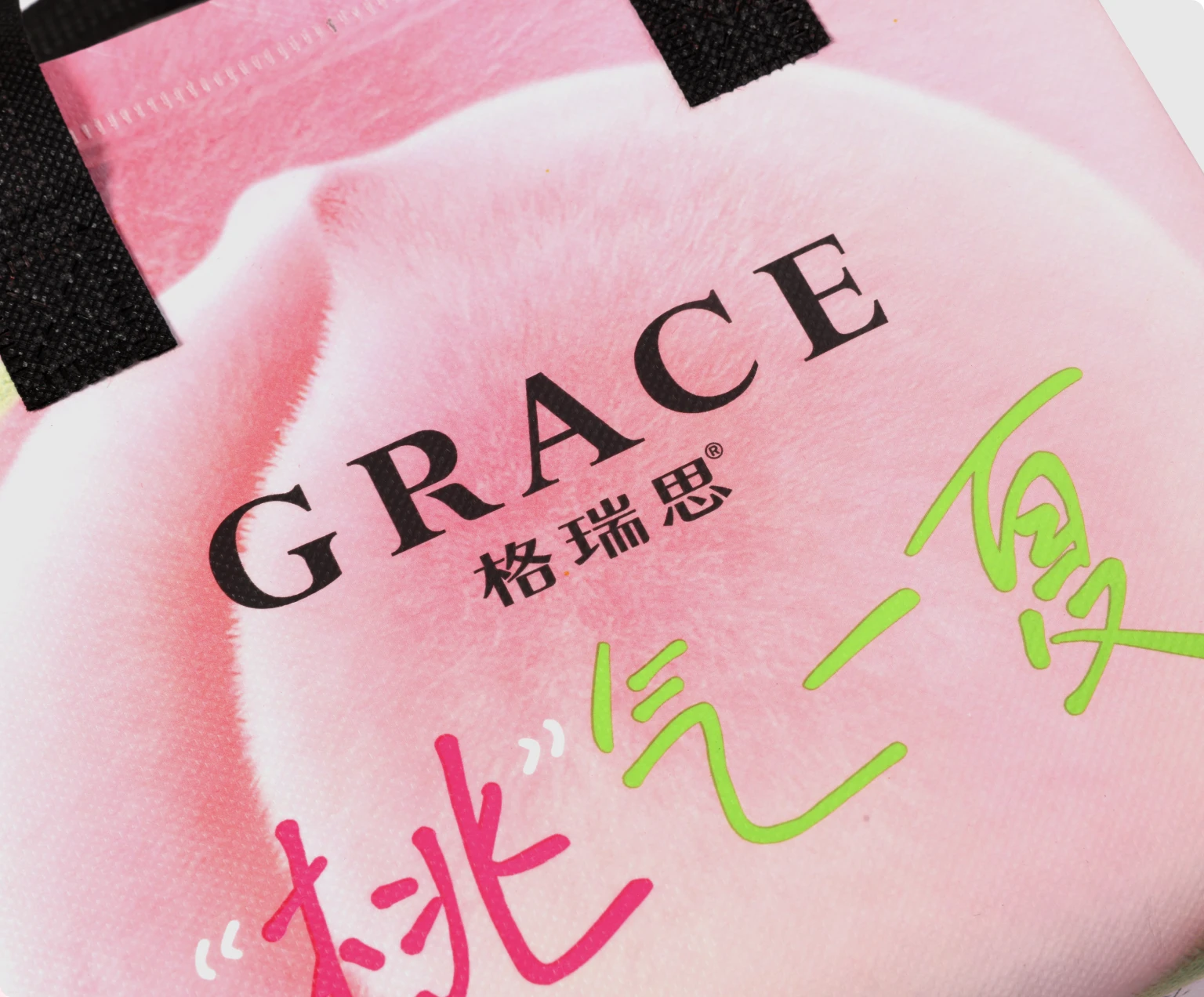
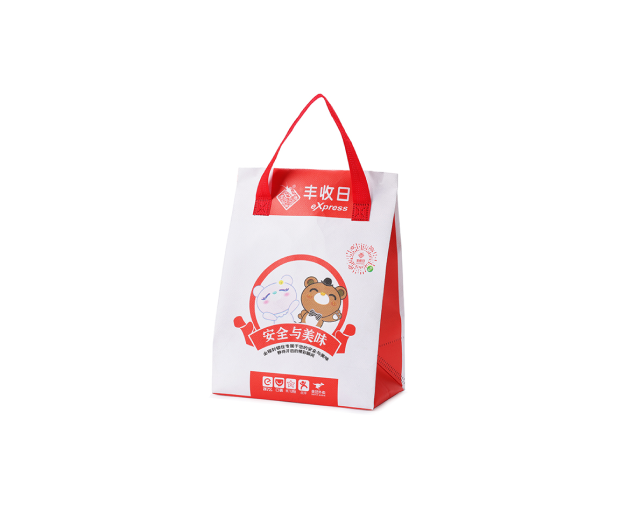
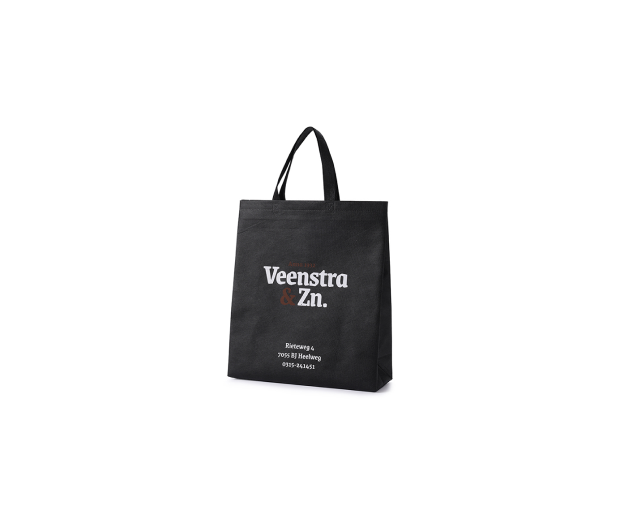
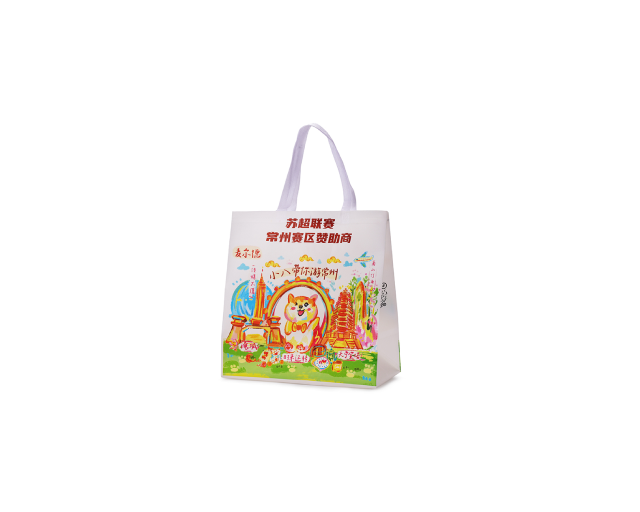
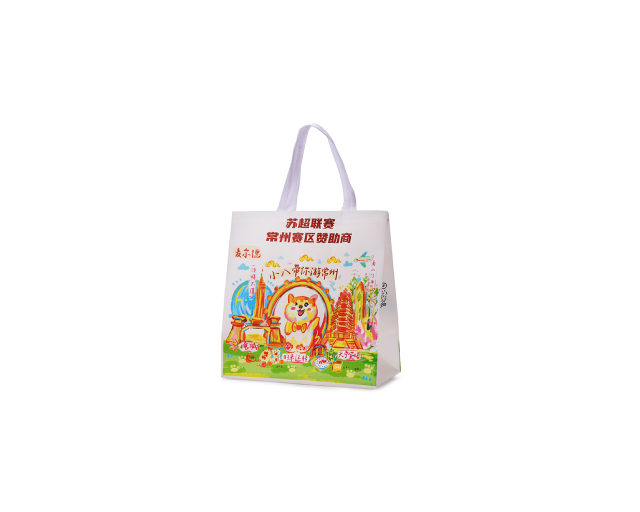
| Color Capability | 1-4 Spot Colors (PMS) | Full Color (CMYK) | Full Color (CMYK + White Base) |
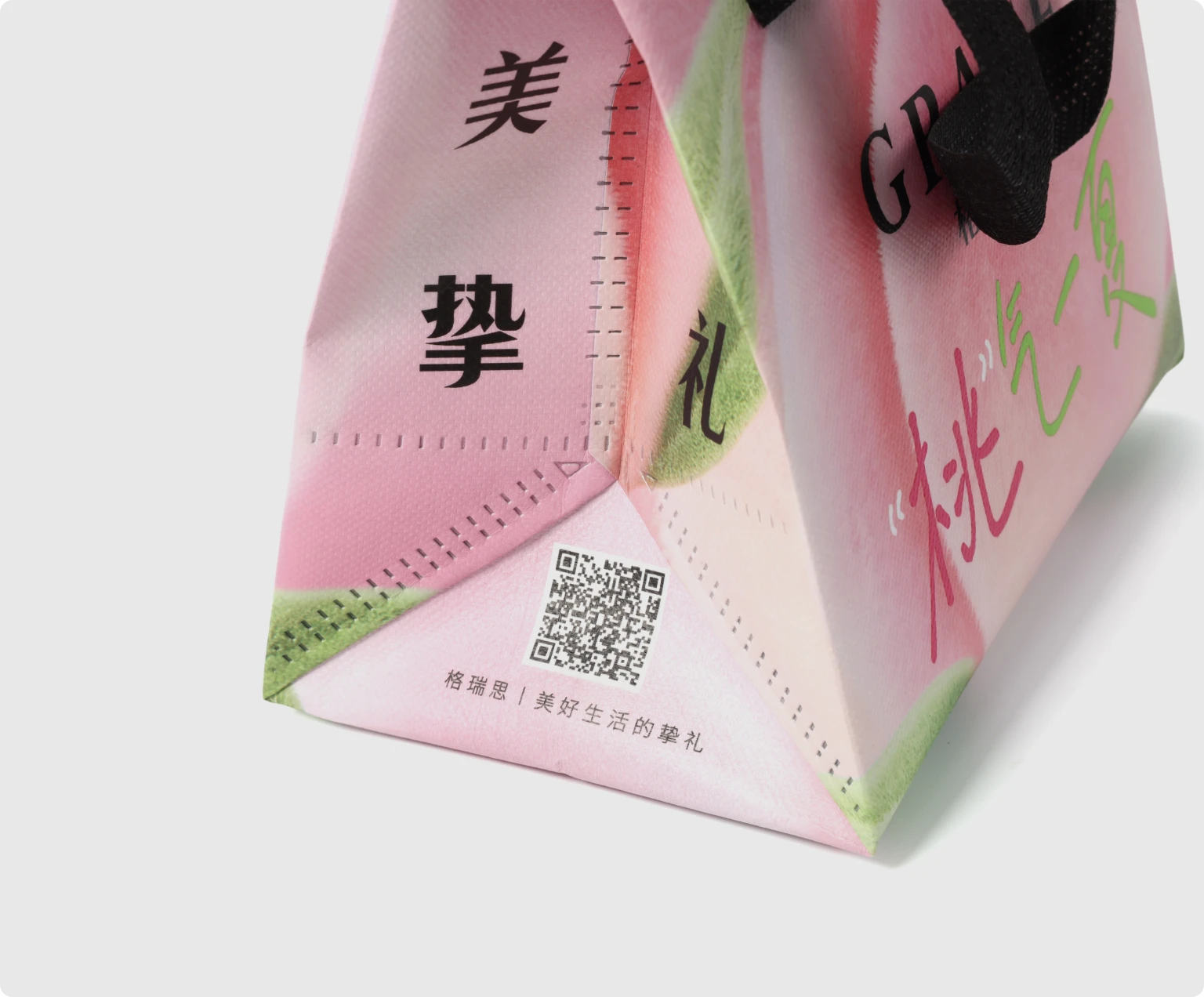
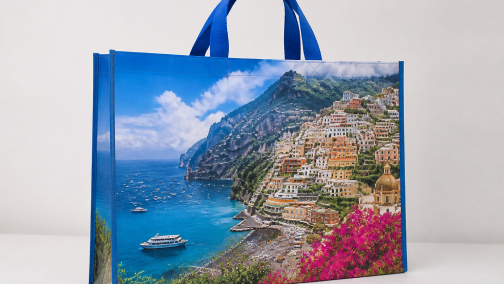
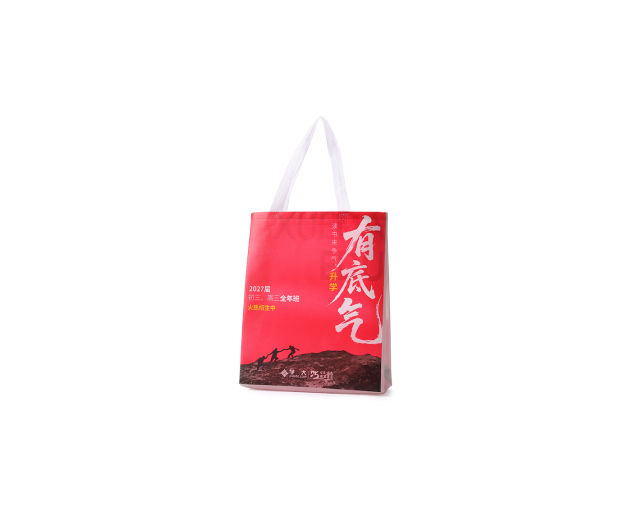
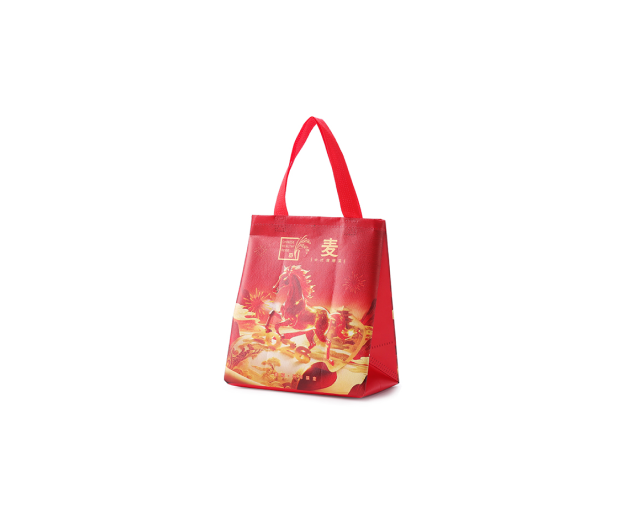
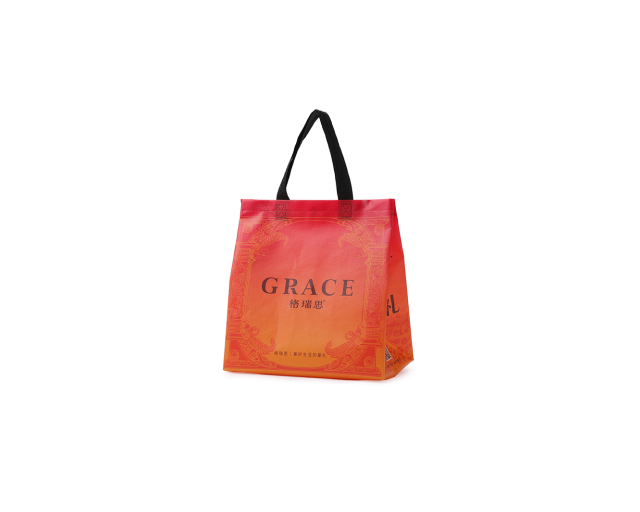
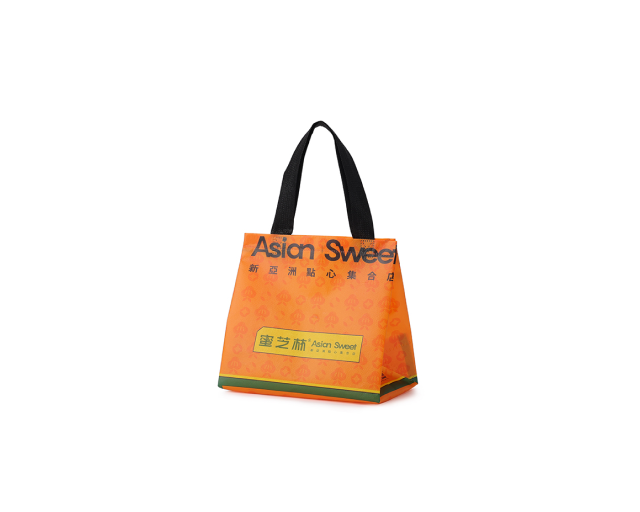
| Coverage Area | Localized (Center/Panel) | Localized | Edge-to-Edge (100%) |
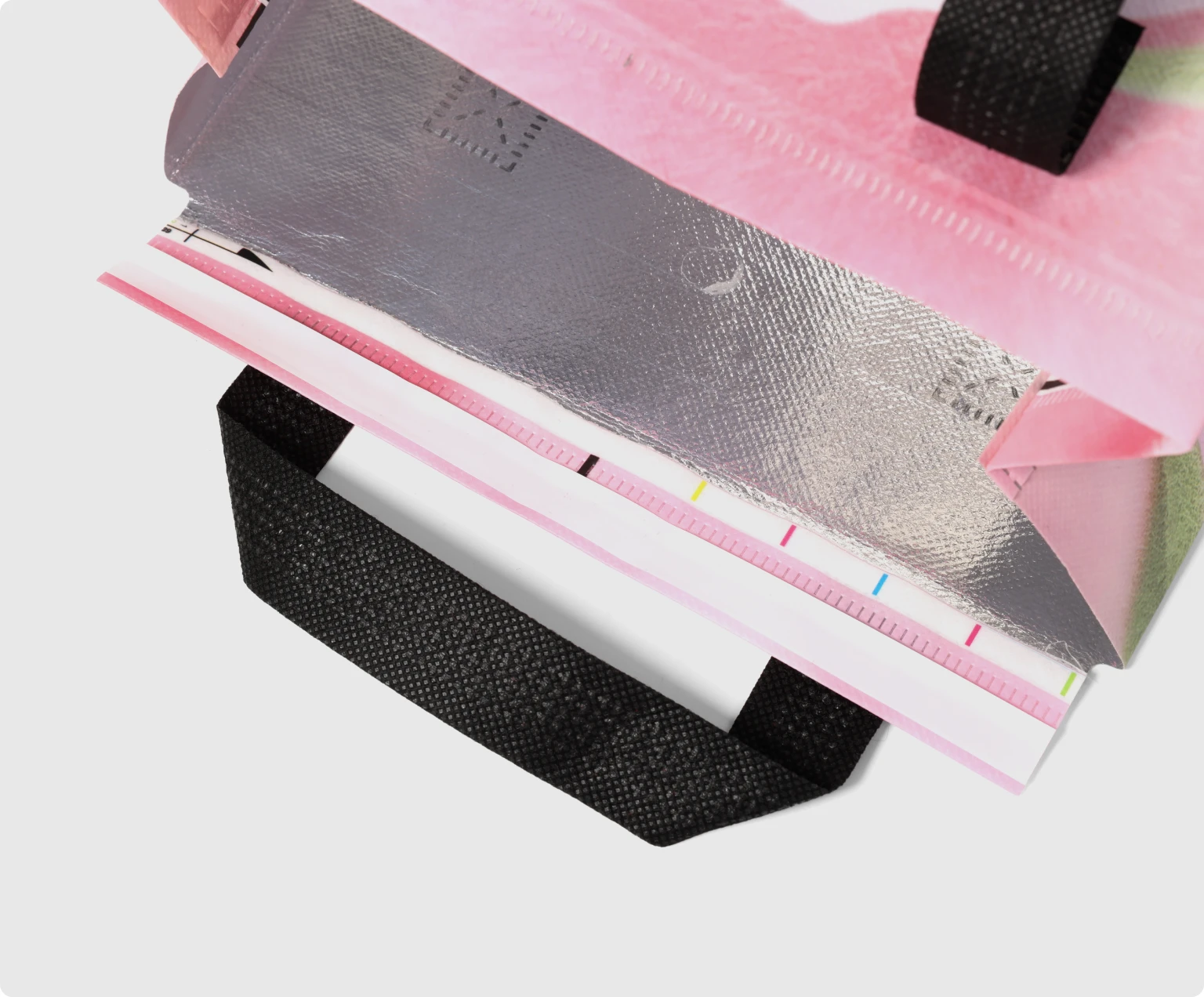
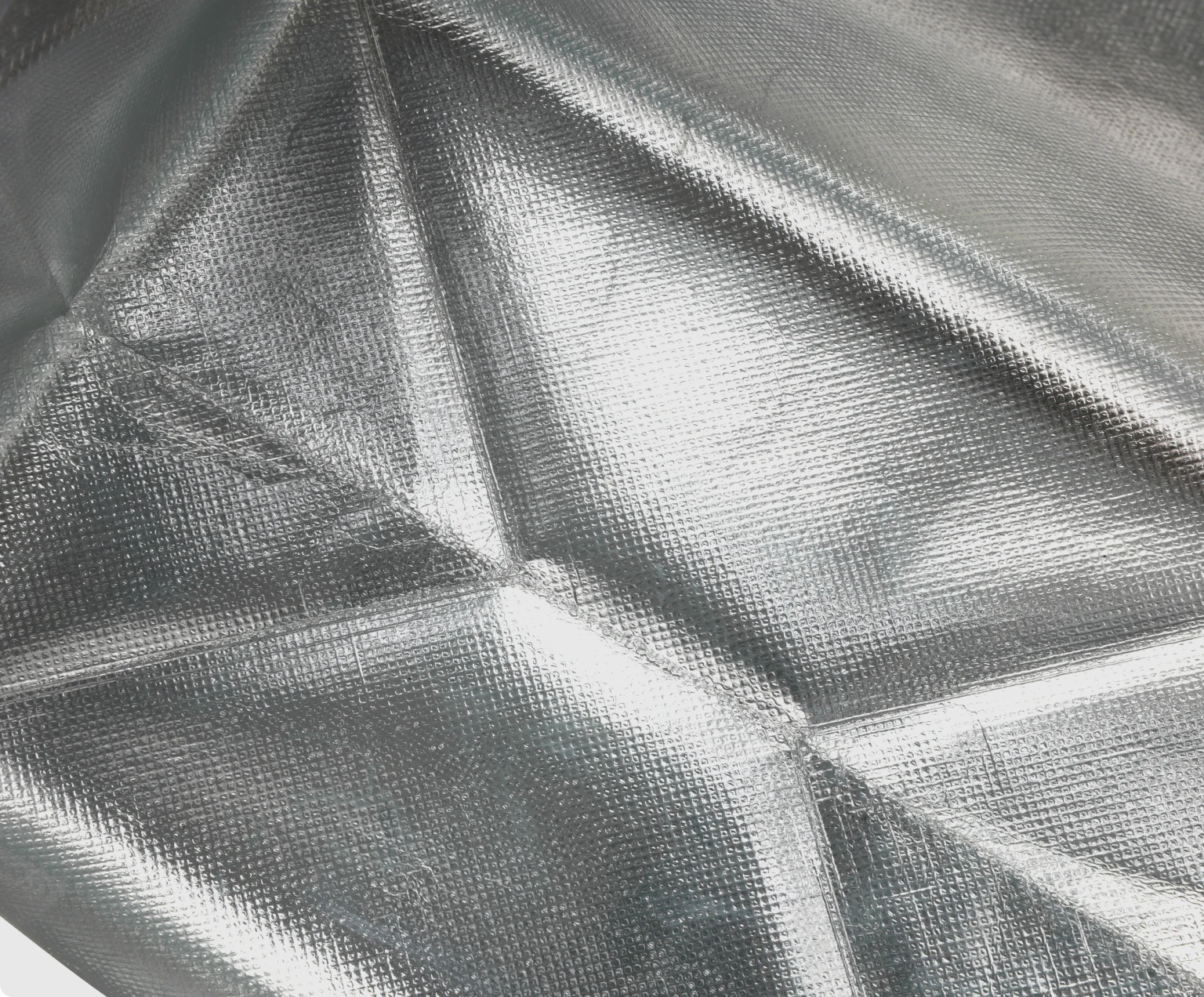
| Substrate State | Direct to Nonwoven | Direct to Nonwoven | Printed on BOPP Film |
| Unit Cost (High Vol) | Low | Medium | Low (Offset by Cylinder Cost) |
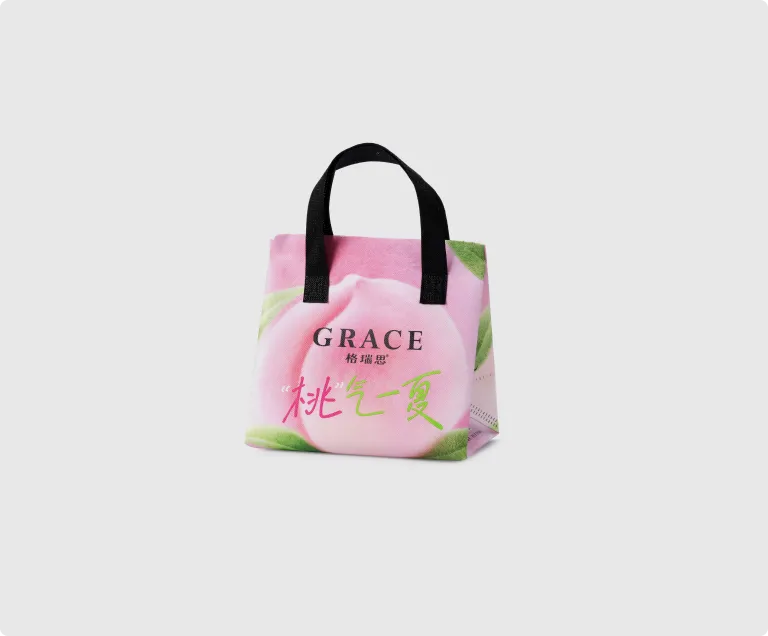
| Optimal Bag Style | D-Cut Bags, T-Shirt Bags | Retail Promos | Heavy-duty Shopping Totes |
Ink Adhesion and Registration Tolerances
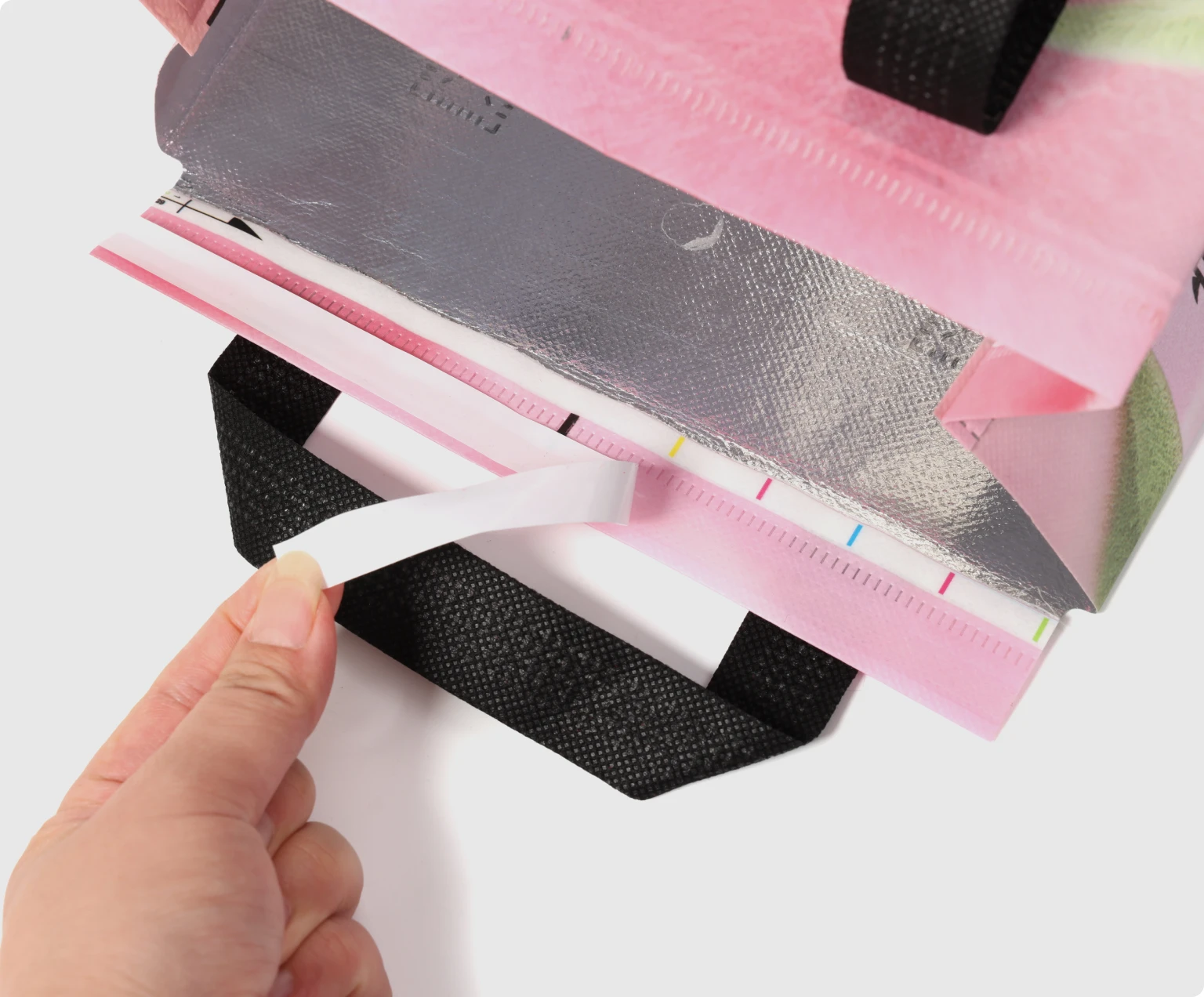
What factors determine print quality on nonwoven textiles? Print quality relies heavily on substrate tension control and ink viscosity. Nonwoven fabric stretches under tension during roll-to-roll processing. Our automated lines maintain precise web tension to ensure that multi-color prints do not suffer from misregistration. Standard registration tolerance is maintained within ±0.1 mm on our gravure lamination lines.
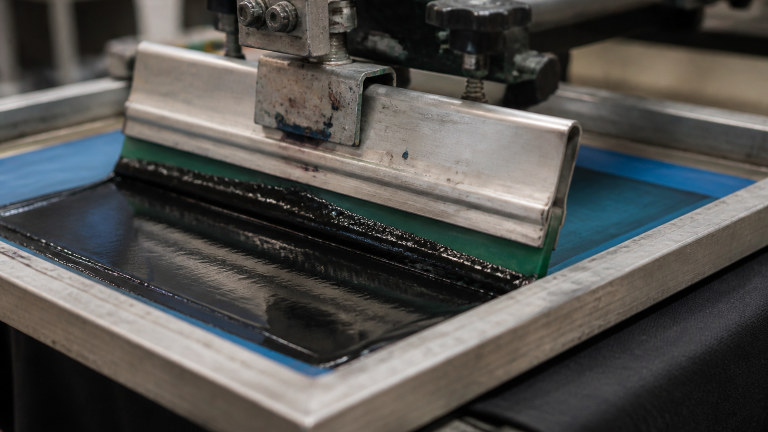
For direct fabric printing (silkscreen), the ink must bridge the gaps between the spunbond fibers without bleeding. We utilize specially formulated, SGS-certified inks that cure rapidly at lower temperatures, preventing thermal distortion of the PP fabric.
Pre-Production Requirements
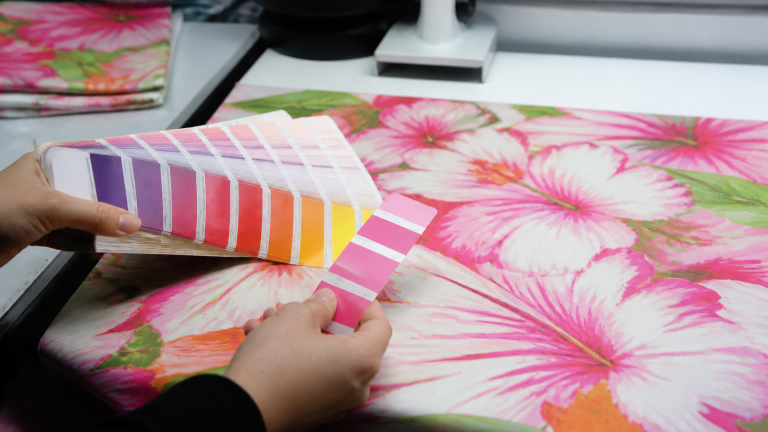
To initiate a production run, buyers must supply artwork in vector format (.ai, .eps, or .pdf) for silkscreen applications, or high-resolution raster files (minimum 300 DPI at physical size) for transfer and lamination. All color targets must reference solid coated Pantone (PMS) values. We advise reviewing our custom bag specification guide to determine the correct fabric GSM required to support your chosen print method and payload capacity.