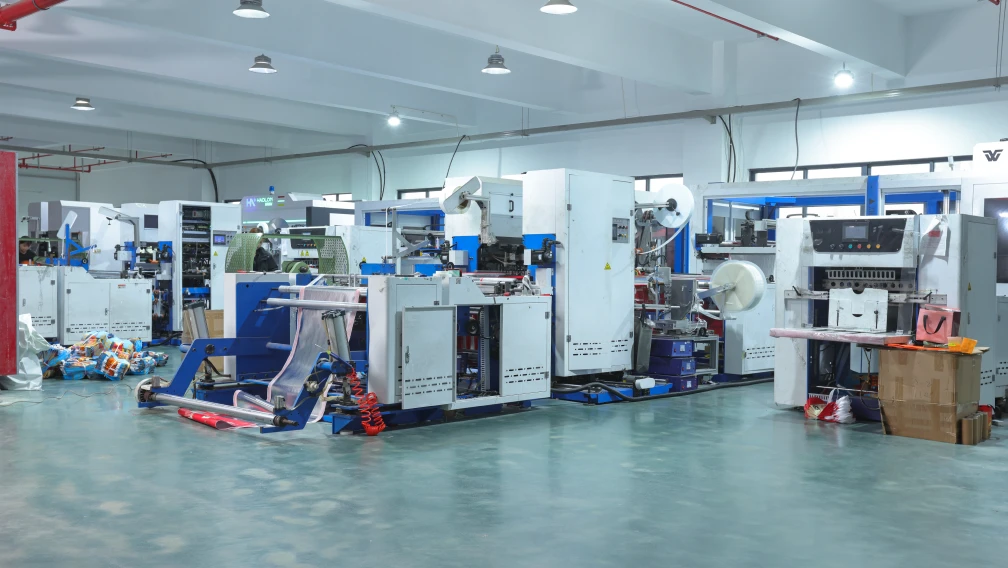

Introduction: The Engineering Shift in E-commerce Fulfillment
In high-volume e-commerce fulfillment and third-party logistics (3PL) operations, protective packaging must execute three primary functions: eliminate product damage during automated sortation, minimize packaging tare weight, and aggressively compress dimensional (DIM) weight to reduce freight overhead. The historical reliance on corrugated cartons for small, non-fragile items results in shipping excess empty air, directly inflating carrier costs. Flexible protective packaging solves this logistical inefficiency. However, procurement teams face a critical structural decision when defining their baseline shipping asset: specifying co-extruded polymer films or heavy-duty paper substrates. This technical guide analyzes the material architecture, structural burst strength, moisture vapor transmission resistance, and automated fulfillment compatibility of poly bubble mailers versus traditional kraft paper variants, providing supply chain engineers with the empirical data required to standardize their outbound packaging operations.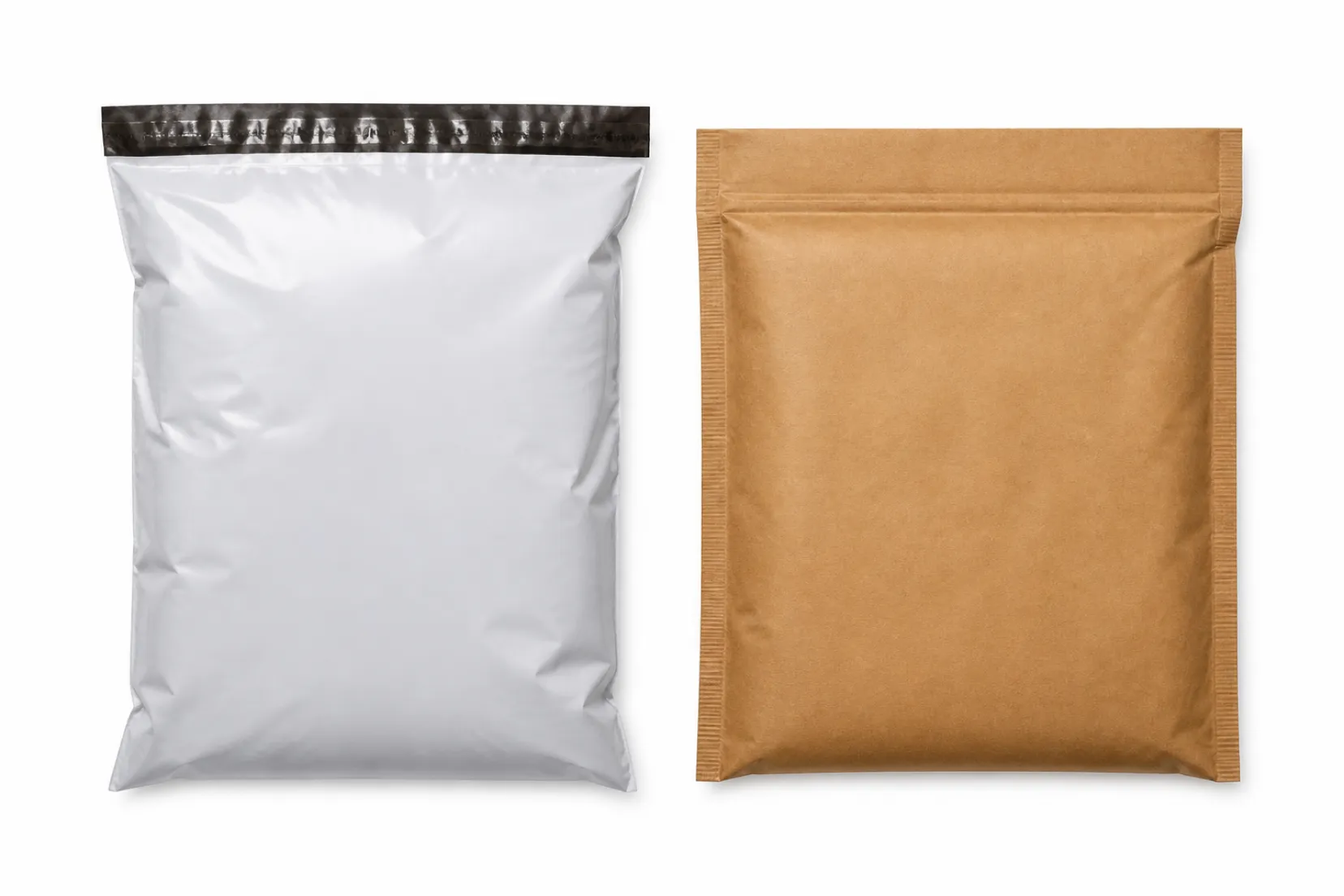
1. Material Architecture: Co-Extruded Polyethylene vs. Kraft Substrates
The protective capability of a mailer is dictated by its exterior shell. The material composition determines how the package handles puncture threats, shear friction on conveyor belts, and environmental degradation.
Co-extruded poly mailers utilize a multi-layered polymer architecture. The external shell is typically engineered from a proprietary blend of Low-Density Polyethylene (LDPE) and Linear Low-Density Polyethylene (LLDPE). LDPE provides a smooth, opaque, and highly printable surface required for barcode scannability and brand application. LLDPE is injected into the extrusion mix to provide extreme tensile strength and elongation capabilities. This means that when a sharp object presses against the interior wall, the co-extruded film stretches rather than punctures. The multi-layer extrusion also ensures complete opacity, preventing the contents from being identified and reducing the risk of transit theft.
Conversely, traditional padded envelopes utilize a heavy golden or white kraft paper exterior, typically rated between 70gsm and 90gsm. Kraft paper provides high initial rigidity, which is beneficial for shipping documents, softcover books, or flat items that require resistance against bending. However, kraft paper lacks the inherent elasticity of LLDPE. Under severe localized pressure, the paper fibers snap, leading to a direct puncture. While kraft offers a distinct rustic aesthetic and perceived environmental benefits, its structural performance is rigid rather than adaptive.
2. Cellular Cushioning Mechanics and Air Retention
Regardless of the outer shell, the interior shock absorption relies on a cellular air retention layer—the bubble core. Industrial standard mailers utilize a 3/16-inch (approx. 4.8mm) high bubble profile. The physics of impact protection dictate that the air must remain trapped within the cellular chamber at the moment of kinetic impact.
Substandard bubble linings utilize a single layer of standard polyethylene film. Under the heavy compressive loads common in freight cages, standard PE allows air to slowly permeate out of the bubble, flattening the protective layer before the package reaches the consumer. High-grade commercial mailers utilize barrier-bubble technology. This involves co-extruding a thin layer of nylon or a specialized retention polymer within the polyethylene bubble film. The nylon layer acts as an impermeable barrier to air molecules, ensuring the cellular structure retains its inflation and shock-absorbing capacity over prolonged transit periods and extreme pressure variances (such as in unpressurized cargo holds).
3. Edge Weld Integrity and Burst Strength Analysis
The most common failure point in flexible protective packaging is the perimeter seal. When a package is crushed under heavier parcels, the internal air is forced outward, placing massive stress on the side seams.
Poly-based mailers achieve their edge seals through direct thermal welding. Heat plates apply precise temperatures and pressure to fuse the LDPE/LLDPE layers directly to the bubble lining, creating a homogeneous polymer bond. A correctly calibrated thermal weld possesses a tear strength nearly equivalent to the base film itself. In laboratory burst testing, a properly welded poly mailer will frequently experience film distortion or stretching in the center of the bag before the edge weld fails.
Kraft paper mailers cannot be thermally welded to themselves. The perimeter seal relies on applied industrial adhesives to bond the paper shell to the internal bubble layer. While modern hot-melt adhesives are highly resilient, the bond between porous paper fibers and smooth plastic bubbles creates a dissimilar material joint. Under extreme kinetic shock or prolonged compression, this adhesive joint is statistically more likely to delaminate or burst compared to a homogeneous polymer thermal weld.
4. Moisture Vapor Transmission Rates (MVTR) and Weather Resistance
Last-mile delivery environments subject packaging to uncontrolled environmental conditions, including rain, snow, and high humidity during porch drops. The Moisture Vapor Transmission Rate (MVTR) measures how rapidly water vapor permeates a packaging barrier.
Polyethylene is inherently hydrophobic. A co-extruded poly shell functions as an absolute moisture barrier, preventing both liquid water and ambient humidity from reaching the enclosed product. This is a mandatory specification for shipping apparel, electronics, pharmaceuticals, and printed media that are sensitive to moisture degradation. If a poly mailer is submerged or left in heavy rain, the contents remain entirely dry.
Kraft paper is hydrophilic. Without the application of expensive secondary chemical coatings, standard kraft paper actively absorbs moisture from the environment. When kraft absorbs water, the paper fibers swell and lose their structural integrity, causing the envelope to easily tear under its own weight when handled by the recipient. While the interior bubble layer provides a secondary defense for the product itself, a degraded exterior shell ruins barcode scannability, leading to misrouting, and presents a highly unprofessional unboxing experience for the end consumer.
5. Tamper-Evident Closure Systems: Adhesive Shear Dynamics
A secure fulfillment operation requires packaging that immediately indicates if tampering has occurred during transit. The closure flap of a protective mailer relies on a synthetic rubber-based hot melt adhesive protected by a silicone release liner.
The engineering requirement for a commercial closure is defined as a "destructible bond." This means the shear strength of the hot melt adhesive must exceed the tensile strength of the mailing envelope's substrate. When an unauthorized party attempts to peel the flap open, the adhesive must not yield; instead, the polymer film (or kraft paper) must stretch, tear, and permanently deform. Co-extruded poly films excel in this metric. Once the high-tack adhesive cures (typically within seconds of application at the fulfillment station), opening the package requires destroying the poly shell, providing immediate visual evidence of tampering.
6. Dimensional Weight (DIM) Economics in High-Volume Fulfillment
The primary financial driver for transitioning to flexible protective mailers is the mitigation of dimensional weight (DIM) charges. Major carriers (UPS, FedEx, USPS) calculate shipping costs based on the amount of cubic space a package occupies, rather than its actual physical weight, if the volumetric calculation yields a higher number.
Corrugated boxes possess rigid geometry. A small item placed in a standard 8x8x8 inch box dictates a fixed cubic volume, regardless of the empty space inside. Flexible mailers conform directly to the geometry of the product. An apparel item or a small electronic component shipped in a flexible envelope occupies a fraction of the cubic volume of a rigid box. By deploying correctly sized flexible mailers, high-volume fulfillment centers routinely reduce their outbound freight expenditures by 15% to 35% simply by eliminating the cost of shipping air and dunnage (void fill materials).
7. Automation Compatibility: Surface Friction and Label Adhesion
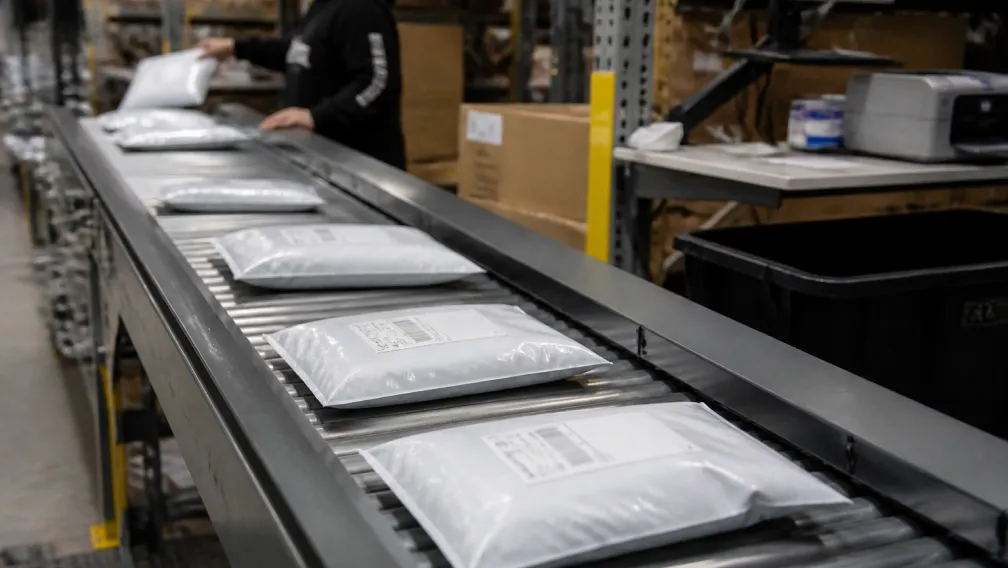
In modern 3PL facilities, packaging must interact flawlessly with automated conveyor systems, dimensioning scanners, and print-and-apply labeling machines.
The exterior shell of a poly mailer must be engineered with a specific Coefficient of Friction (COF). If the plastic is too smooth, mailers will slide backward on inclined conveyor belts, causing jams in the sortation facility. Manufacturers introduce specialized slip additives during the film extrusion process to achieve a matte, slightly textured finish that grips rubber conveyor belts while allowing packages to slide past each other in gravity chutes without static cling.
Label adhesion is another critical parameter. Thermal transfer shipping labels use specific acrylic adhesives. Co-extruded poly films are often corona-treated during manufacturing—a process that uses a high-frequency electrical discharge to increase the surface energy of the plastic. This high surface energy ensures that shipping labels bond instantly and permanently to the plastic shell, preventing lost packages due to label detachment.
8. Pre-Shipment Quality Assurance and AQL Testing
For enterprise procurement, bulk packaging orders must be validated against Acceptable Quality Limit (AQL) standards before deployment onto the fulfillment floor. Standard QA protocols include:
- Opacity Testing: Inserting high-contrast printed materials into the mailer under 1000-lumen lighting to ensure absolute zero visibility from the exterior.
- Drop Testing: Loading the mailer with a standardized 2kg steel mass and dropping it from a height of 1.5 meters onto a concrete surface to verify edge weld integrity and bubble shock absorption.
- Adhesive Curing Time: Applying the closure flap and attempting to forcefully peel it after a 30-second dwell time to confirm a destructible bond has formed.
- Caliper Measurement: Using digital micrometers to ensure the extruded film thickness and bubble height meet the specified mil (thousandth of an inch) tolerances, preventing unauthorized material downgrading by the production facility.
Conclusion
Specifying outbound e-commerce packaging is a precise engineering calculation balancing material physics, freight logistics, and product protection. While kraft padded variants provide rigid structural support for specific flat-media applications, co-extruded polymer mailers represent the definitive standard for flexible fulfillment. Their inherent moisture resistance, high-elongation puncture tolerance, homogeneous thermal edge welds, and tamper-evident closures ensure high-value products survive the mechanical and environmental stresses of the global courier network. By standardizing asset specifications based on verified bubble barrier technology and specific COF extrusion parameters, fulfillment operations can drastically reduce damage rates while optimizing DIM weight freight expenditures. Contact our packaging engineering team to request technical data sheets, physical samples, and pricing for your bulk fulfillment requirements.