
Introduction: The Engineering Behind Soft-Sided Thermal Transit
Commercial thermal packaging is defined by measurable performance metrics, not aesthetics. For grocery delivery networks, pharmaceutical distribution, and corporate promotional programs, an insulated cooler bag must manage heat transfer, resist physical abrasion, and maintain structural integrity under heavy payloads. The failure of a thermal bag usually occurs in one of three ways: thermal bridging at the seams, interior lining puncture leading to bacterial growth, or catastrophic handle detachment under load. Procuring insulated cooler bags requires understanding the layered architecture that dictates these outcomes. This specification guide dissects the materials, construction methods, and thermal physics necessary for B2B buyers to configure a bag that meets their specific payload and retention requirements.
1. The Physics of Thermal Retention in Soft Coolers
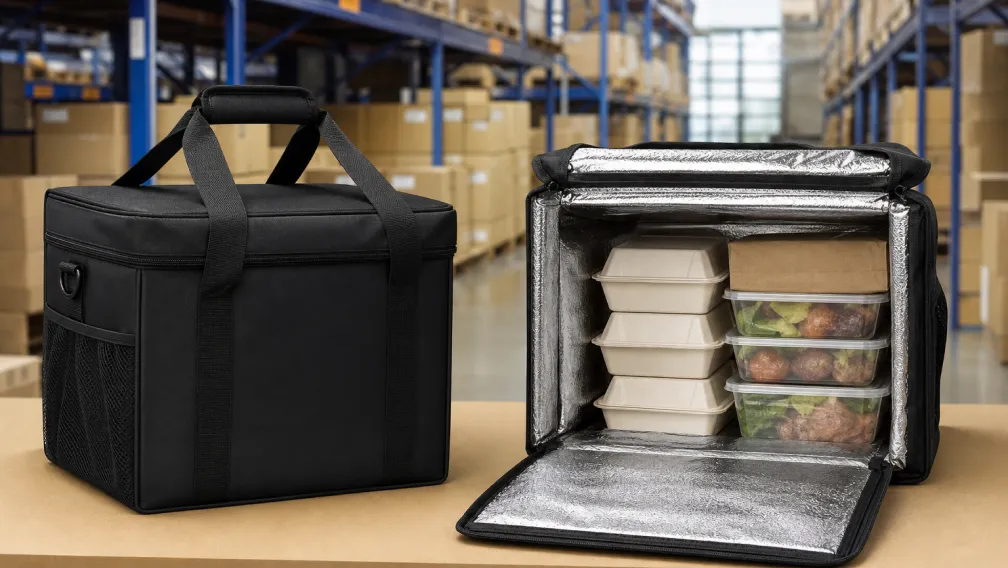
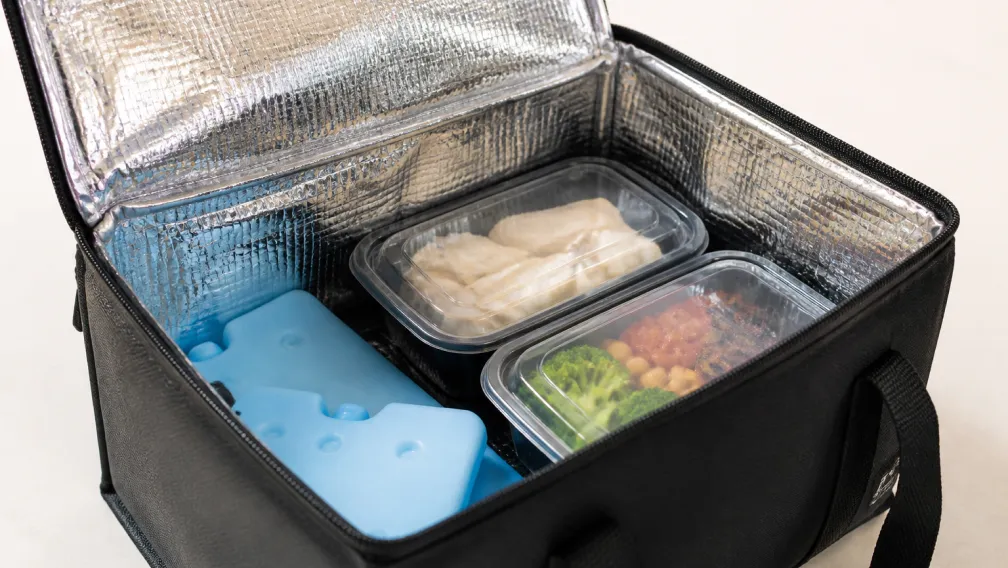
Before specifying materials, it is necessary to establish how heat enters a closed system. Heat transfers through three mechanisms: conduction (direct contact through the bag walls), convection (air circulation through unsealed zippers and gaps), and radiation (electromagnetic heat transfer). Soft-sided cooler bags mitigate these forces through a distinct three-layer architectural stack:
- The Outer Shell: Serves as the primary barrier against physical abrasion, UV degradation, and initial convective heat flow. It dictates the overall durability and printability of the unit.
- The Insulation Core: A closed-cell structure that interrupts conductive heat transfer. The thickness and density of this layer directly correlate with the hours of thermal retention.
- The Interior Lining: Functions either as a radiant barrier (reflecting heat away) or an impermeable waterproof membrane to trap chilled air and prevent liquid ingress into the foam core.
A specification that over-engineers the outer shell while compromising on foam thickness will result in a durable bag that fails its primary thermal objective. Balanced specification across all three layers is mandatory.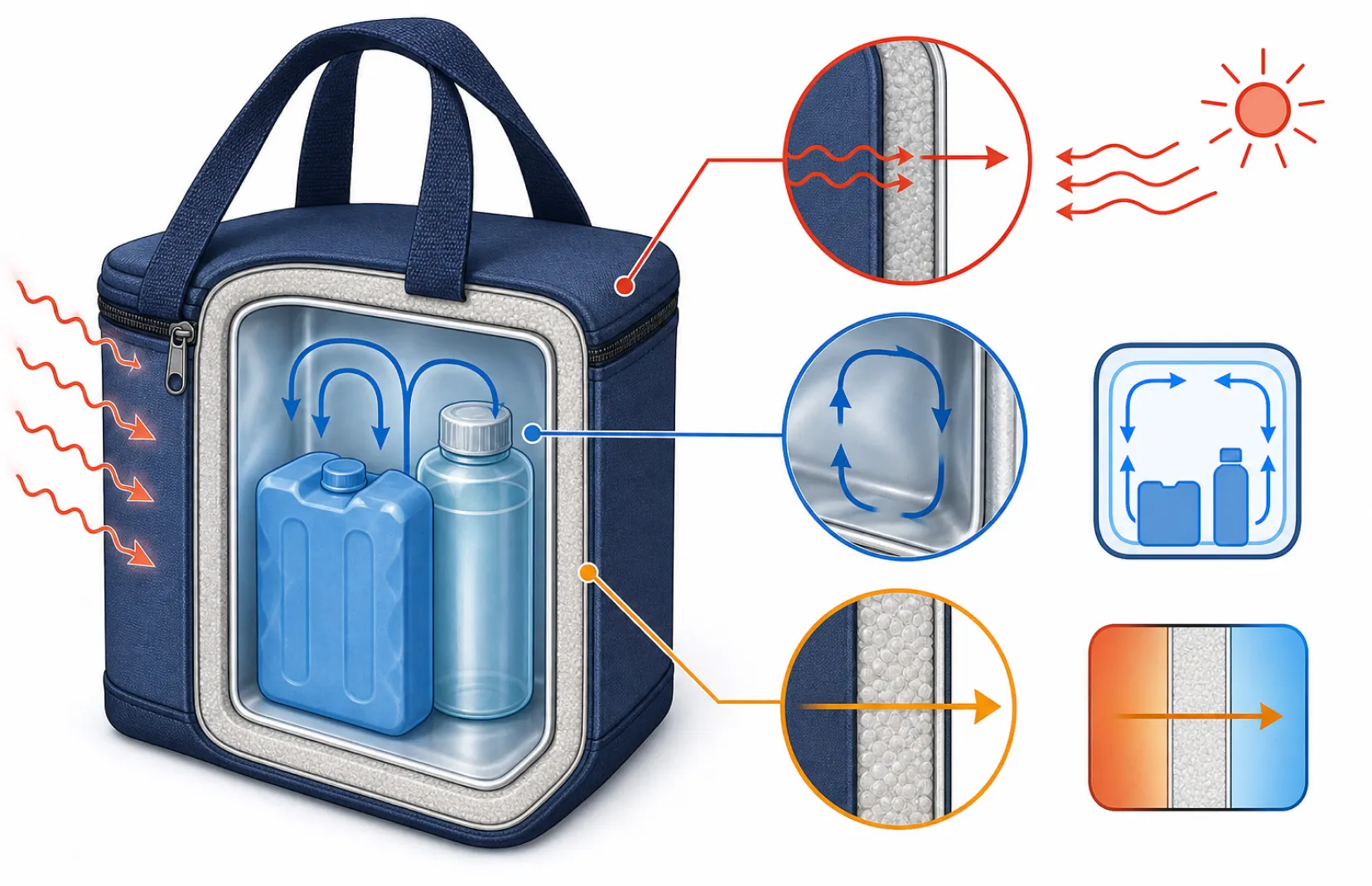
2. Insulation Core Specification: EPE vs. EVA and PU
The core insulation is the engine of the cooler bag. Thermal resistance depends entirely on trapping pockets of gas within a cellular matrix. Three materials dominate commercial production:
| Material Type | Standard Thickness | Thermal Conductivity | Application Profile |
|---|---|---|---|
| EPE (Expanded Polyethylene) | 2mm – 8mm | Low (Standard) | The commercial standard. Lightweight, highly flexible, and cost-effective. Suitable for 2 to 12 hours of transit depending on thickness. |
| EVA (Ethylene-Vinyl Acetate) | 5mm – 10mm | Very Low | Higher density and rigidity than EPE. Used in premium soft coolers and high-end outdoor recreation models. Better impact resistance. |
| PU (Polyurethane) Foam | 10mm – 20mm+ | Exceptional | Used in rigid coolers and specialized medical transit. Difficult to fold, highly bulky, but provides multi-day thermal retention. |
For standard B2B applications—grocery delivery, meal prep subscriptions, and promotional goods—EPE foam is the definitive choice. The variable to specify is thickness. A 2mm EPE foam core is adequate for short supermarket runs (1-2 hours). Commercial food delivery networks standardizing on multi-stop routes typically mandate 5mm to 8mm EPE. Anything below the specified thickness will accelerate thermal loss logarithmically, leading to compromised cold-chain compliance.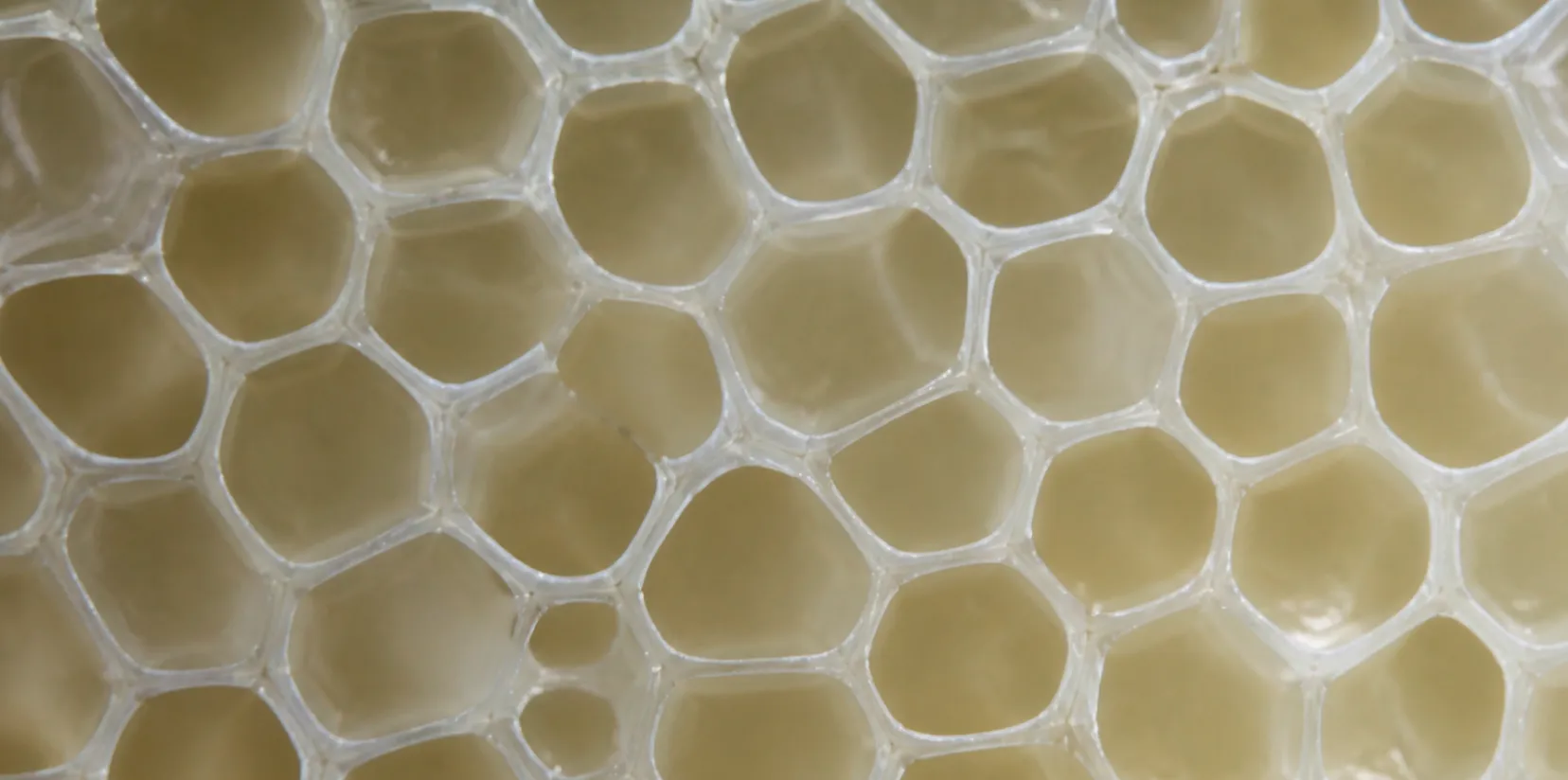
3. Interior Linings: Radiant Barriers vs. Waterproof Membranes
The interior lining determines how the bag handles moisture, spills, and radiant heat. It is the layer exposed to the highest mechanical stress from sharp containers and ice packs. Buyers must choose between two distinct material paths:
- Aluminum Foil: A laminated metalized film that acts as an excellent radiant heat reflector. It is cost-effective and performs well for dry goods and short-term thermal retention. However, aluminum foil must be stitched together. Stitched seams create micro-perforations where liquids can seep into the EPE foam, rendering the bag unhygienic and prone to mold.
- PEVA (Polyethylene Vinyl Acetate): A non-chlorinated, food-safe vinyl. PEVA is highly flexible, puncture-resistant, and entirely waterproof. Most importantly, PEVA allows for ultrasonic welding (or high-frequency heat sealing). This process melts the edges of the PEVA panels together without needles or thread, creating a seamless, 100% leak-proof internal basin.
If the application involves loose ice, condensation from frozen goods, or potential liquid spills (such as soup containers in restaurant delivery), a sonic-welded PEVA lining is a non-negotiable specification.
4. Exterior Shell Fabrics: Managing Abrasion and Cost
The outer shell dictates the aesthetic presentation, the branding surface, and the bag's resistance to environmental abrasion. The selection here drives a significant portion of the unit cost.
| Shell Material | Weight / Denier | Characteristics and Best Use |
|---|---|---|
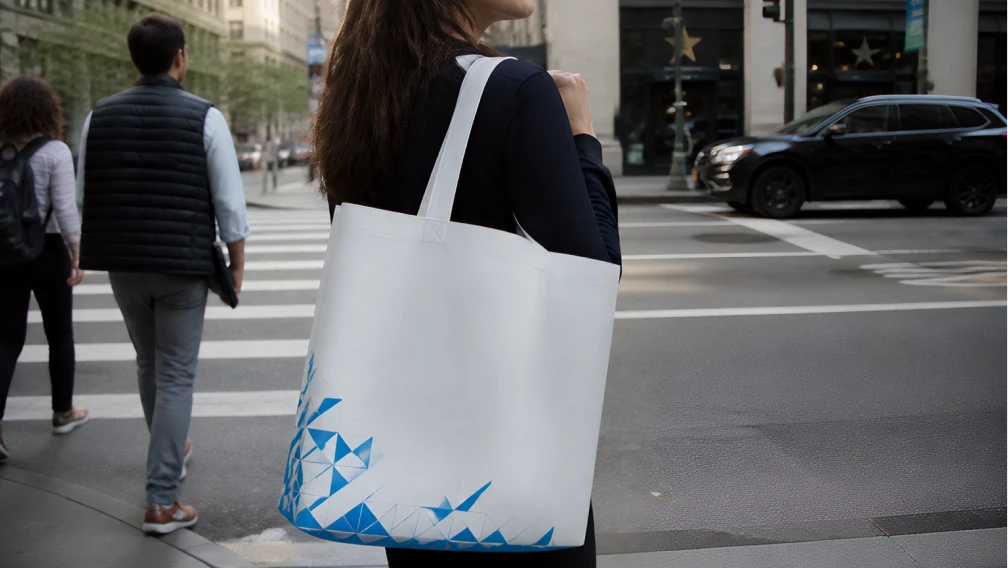
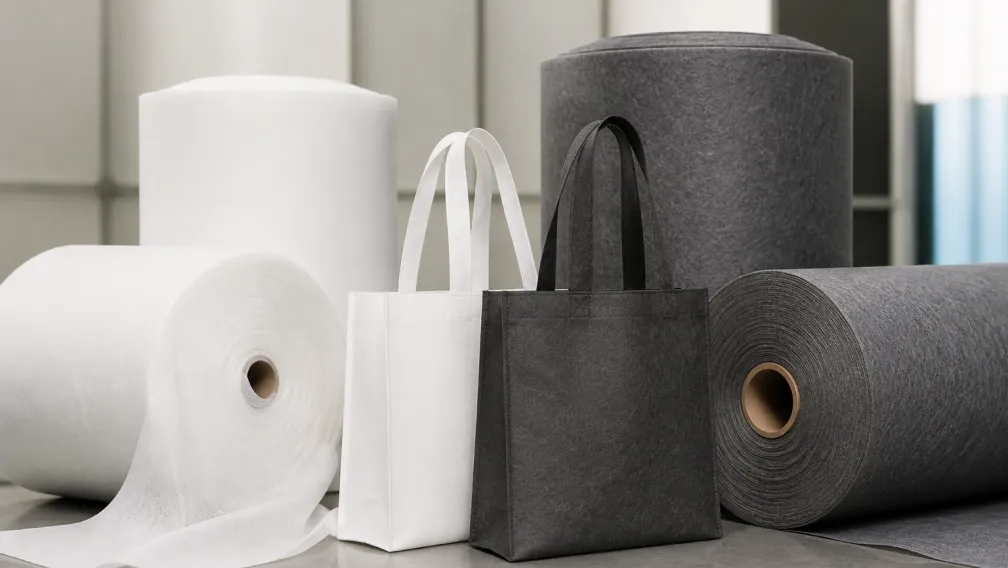
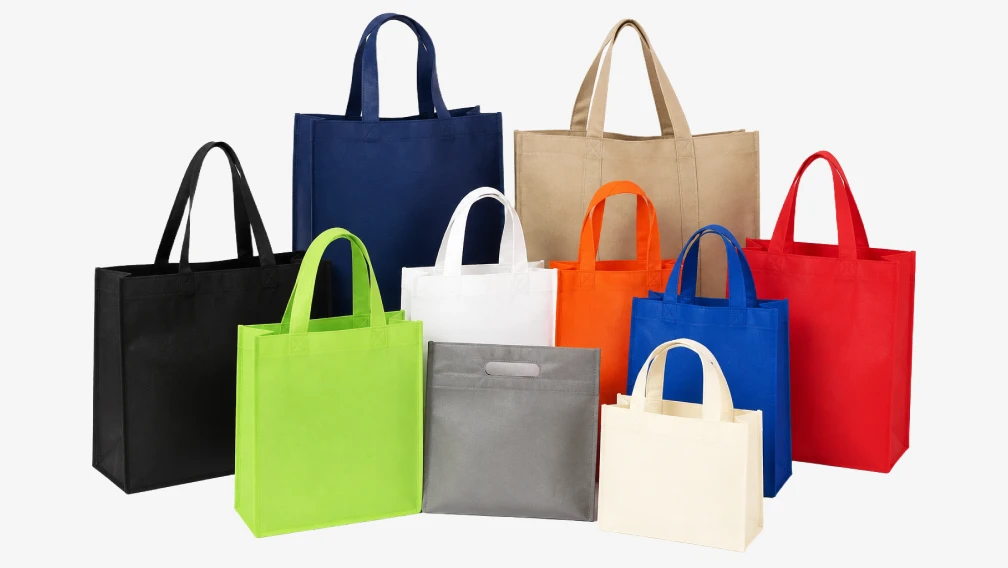
| Nonwoven Polypropylene | 80gsm – 120gsm | Extremely cost-effective. Used for high-volume promotional giveaways and entry-level supermarket thermal totes. Can be silk-screened easily. Review our custom nonwoven bags for material baselines. |
| Polyester (Oxford Cloth) | 420D – 600D | High tensile strength and abrasion resistance. The standard for gig-economy delivery bags and heavy-duty retail units. Supports complex heat-transfer and sublimation printing. |
| RPET (Recycled PET) | Various (Usually 420D equivalent) | Manufactured from post-consumer plastic bottles. Meets strict corporate sustainability and ESG requirements. Offers similar structural integrity to virgin polyester at a slight cost premium. |
| Tarpaulin (PVC Coated) | 500D (Coated) | Fully waterproof exterior, easily wipeable, and highly durable. Specified for heavy-duty commercial food delivery and extreme outdoor use. |
When specifying 600D polyester, buyers should ensure the fabric features an internal PU or PVC coating. This coating prevents environmental moisture (rain) from soaking through the shell and degrading the insulating foam's performance.
5. Structural Engineering and Load Capacity
Thermal bags are subjected to significant dynamic loads. A bag loaded with 15 kilograms of frozen goods experiencing the kinetic shock of being carried requires engineered stress points. Poor handle construction is the leading cause of premature field failure.
Standard straight-stitching at the handle attachment point will tear through nonwoven or polyester shells under heavy load. Industrial specifications mandate X-box cross-stitching at all anchor points. For heavy-duty applications (exceeding 10kg payloads), the webbing must not terminate at the top edge of the bag; instead, the nylon webbing should extend down the sides and fully cross underneath the bottom panel. This transfers the payload weight directly to the high-tensile webbing rather than relying on the shear strength of the outer fabric.
6. Zipper Systems and Thermal Bridging
A closed cooler bag is only as effective as its weakest thermal point, which is invariably the zipper closure. A standard #3 or #5 nylon coil zipper allows convective air transfer through the teeth. To optimize thermal retention:
- Ensure the zipper tape is sewn flush with the insulation.
- Specify a 'baffle' or internal lip—a flap of insulated material positioned directly beneath the zipper track. When the bag is zipped closed, the baffle seals against itself, blocking the thermal bridge created by the plastic zipper teeth.
- For waterproof or marine applications, airtight waterproof zippers (similar to those used in dry bags) can be specified, though they significantly increase unit cost and require periodic lubrication.
7. Sizing Logic for Specific B2B Applications
Dimensions must be reverse-engineered from the intended payload. A bag with excessive empty air space performs poorly, as the chilled items must cool the ambient air within the cavity. Sizing logic falls into specific industry formats:
- Grocery / Supermarket Totes: Typically feature a flat, wide gusset (e.g., 8 to 10 inches) designed to accommodate standard meat trays and frozen pizza boxes horizontally.
- Restaurant Delivery: Designed around standard takeout container dimensions. Usually cubic (e.g., 14x14x14 inches) to prevent food displacement.
- Pharmaceutical Transit: Highly compact, low-volume chambers designed strictly to hold specific vial boxes alongside gel-based phase change materials (PCMs) with zero lateral movement.
8. Pre-Order Verification and Quality Assurance
Before executing a bulk purchase order for custom insulated bags, the procurement team should verify the following parameters on pre-production samples:
- Foam Caliper Test: Cut a sample open and measure the EPE foam with calipers to ensure it matches the specified millimeter thickness, avoiding unauthorized downgrading.
- Seam Leakage Test (for PEVA): Fill the interior basin with water and suspend it for 12 hours. Any moisture on the exterior indicates a failure in the ultrasonic welding process.
- Dynamic Load Test: Load the sample with 150% of the maximum rated payload and subject it to drop and jerk testing to verify X-box stitching integrity.
- Zipper Actuation: Cycle the zipper rapidly 100 times to check for coil separation or fabric snagging at the corners.
Conclusion
Procuring a commercial cooler bag is a structural and thermal specification exercise. B2B buyers must align the EPE foam thickness with their temperature retention window, choose between radiant aluminum or waterproof PEVA linings based on moisture risk, and select an outer shell that balances durability with unit cost. By defining load-bearing handle construction and eliminating thermal bridges at the closure, businesses can deploy thermal packaging that protects product integrity and brand reputation. Define your payload dimensions, thermal requirements, and branding parameters, and our engineering team will provide the exact material architecture required. Contact us to initiate your custom cooler bag specification.