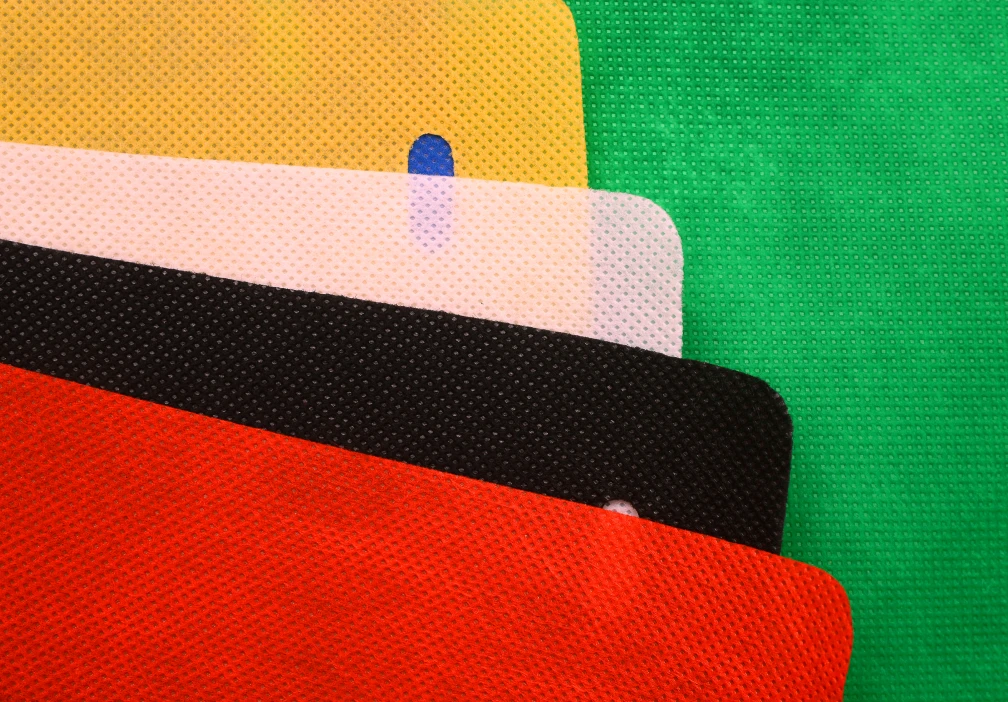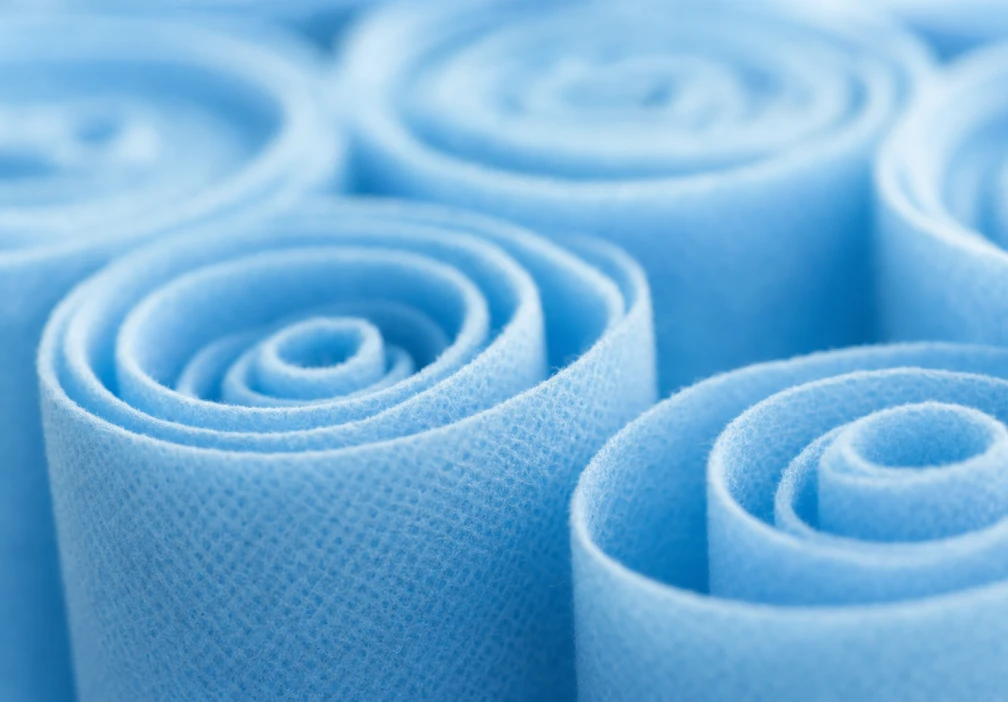
The bag uses a three-layer structure: an inner aluminum foil lining, a middle non-woven layer, and an outer BOPP film. This combination provides long-lasting thermal insulation for both hot and cold contents.
Gravure-printed non-woven bags use a "laminated non-woven" process — the design is first printed onto a film, which is then laminated onto the non-woven fabric. The number of colors determines the number of plates required. The plate fee is calculated based on the cylinder dimensions quoted by the printing factory.
Production lead time is approximately 20 days. Sample lead time is approximately 7 days. Final timing depends on the factory's production schedule.
MOQ is 10,000 to 20,000 pieces.
Yes. There is a price difference between 10,000 and 100,000 units, and a further reduction at 300,000 units. Plate fees are waived for orders of 200,000+ pieces (2–3 colors) or 300,000+ pieces (4 colors).
Common options are 80g, 90g, and 100g. Virgin material is more durable with a cleaner white appearance. Recycled material is lower cost but more brittle.
Gravure printing has relatively small color variation. Minor adjustments may occur between production batches, but overall consistency is well-controlled.
Standard non-woven bags are not suitable for direct food contact. Please specify food-grade requirements at the time of inquiry if needed.
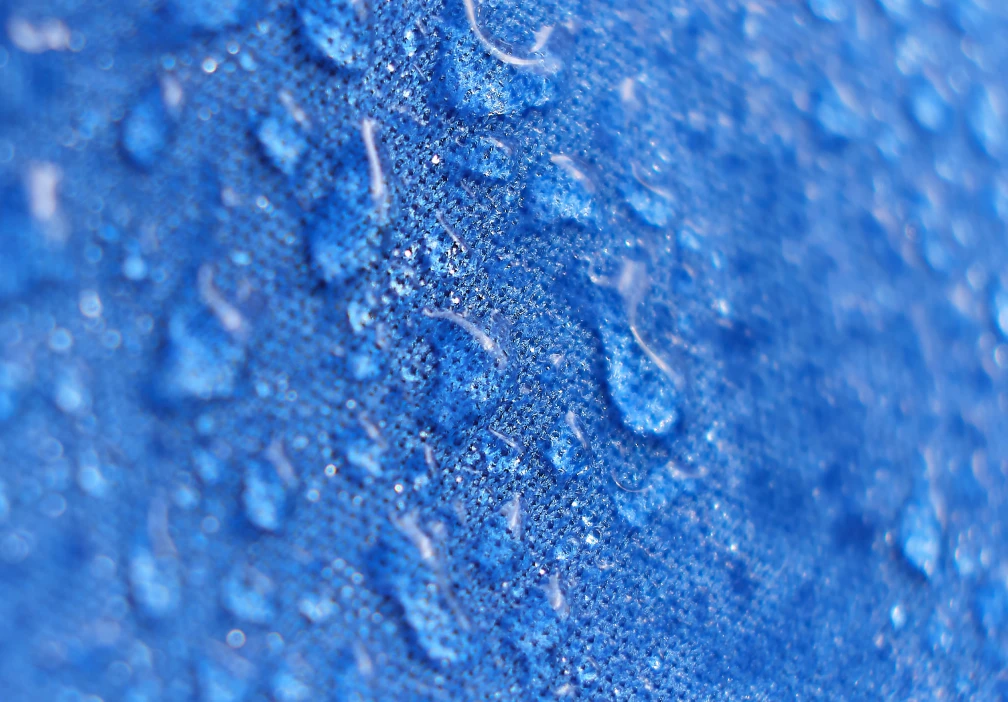
Laminated bags offer sharper print quality and are waterproof, but are not biodegradable. Standard non-woven bags are more eco-friendly but have coarser print quality.
Yes, samples are available. Please provide vector files in AI, CDR, or PDF format. If you do not have a design, we can assist with artwork development.
Every order undergoes quality inspection before shipment. If issues such as blurry printing or structural defects are found, we will arrange a reprint or resolve the matter according to your requirements.