
Introduction: Logistics Optimization Through Flexible Packaging
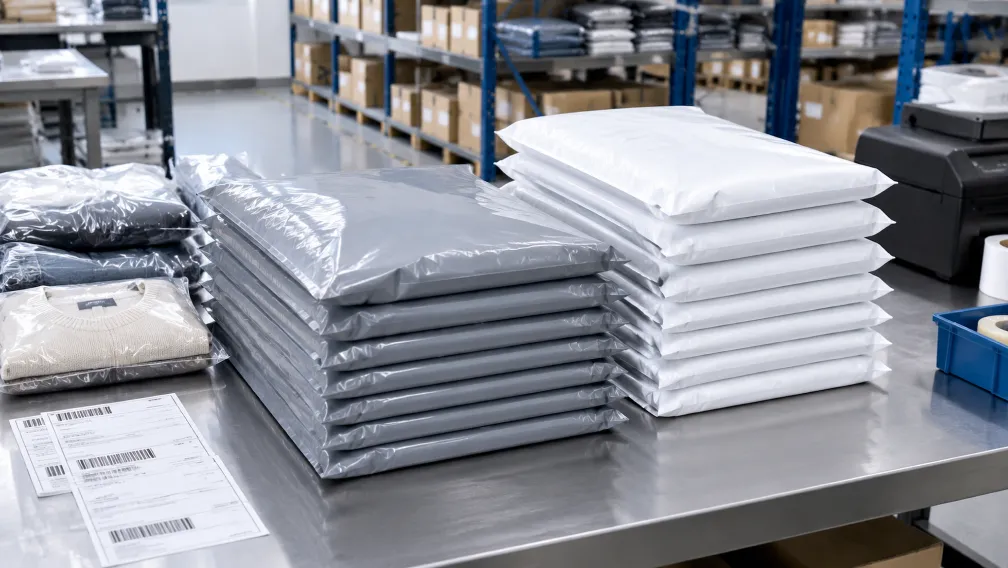
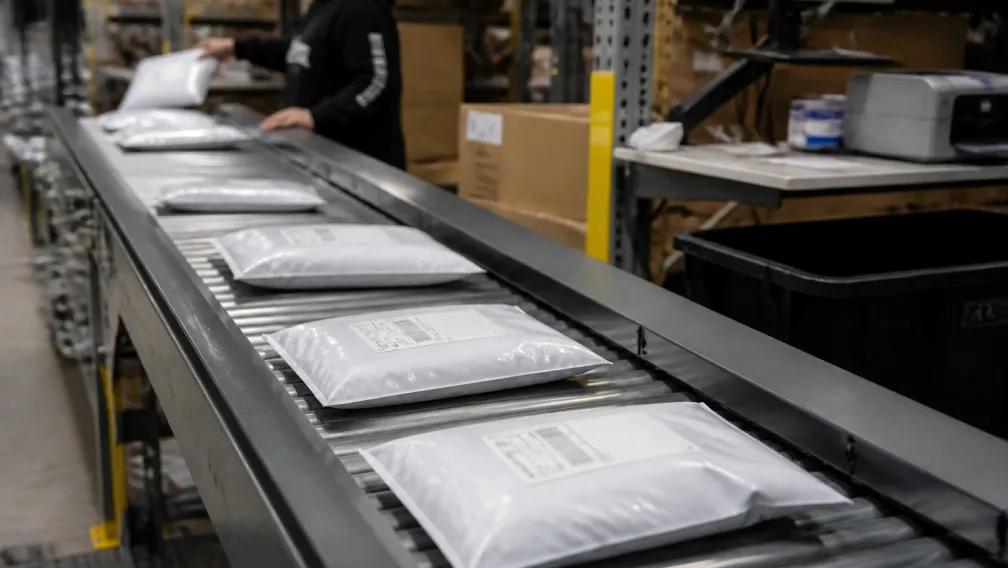
Global e-commerce supply chains require packaging solutions that optimize both transit protection and freight economics. Traditional corrugated cartons provide high structural rigidity but frequently introduce excessive volumetric weight and mandate the use of supplementary internal void fill. Co-extruded polyethylene mailers engineered with internal cellular cushioning deliver a highly efficient structural alternative for semi-fragile and non-fragile merchandise, serving as critical solutions for global supply chains. These integrated packaging units combine a weather-resistant polymer exterior with a precision-engineered air pocket matrix. Procurement departments and fulfillment center managers evaluate these flexible packaging assets based on strict technical criteria, including film puncture resistance, hot-melt adhesive seal integrity, and dimensional consistency across mass production batches. This technical document examines the underlying material science of flexible transport packaging, detailing the multi-layer extrusion processes, mechanical impact testing protocols, and logistical variables that dictate performance in high-volume, automated fulfillment environments.
1. Material Architecture: Co-Extruded Polyethylene (PE) Film
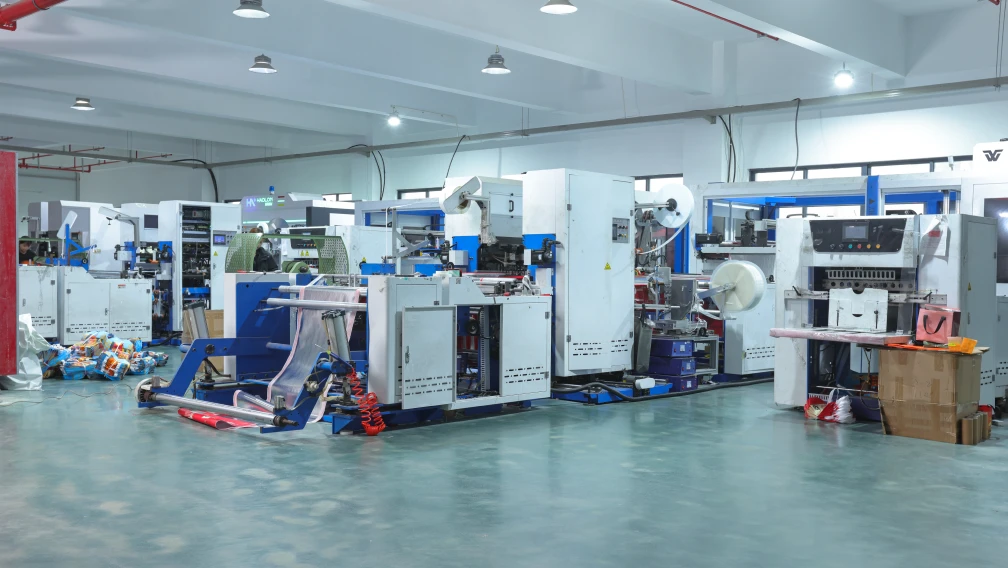
The exterior shell of a flexible mailer dictates its fundamental resistance to external environmental hazards, mechanical abrasion, and sharp force punctures during transit sorting. High-performance poly bubble mailers utilize a multi-layer co-extruded polyethylene (PE) film architecture. At our advanced factory, this specific manufacturing process involves extruding two or more distinct polymer melts simultaneously through a single circular or flat die, resulting in a unified, multi-layered film that compounds the mechanical strengths of different resins.
Typically, the outermost layer is formulated with low-density polyethylene (LDPE) to provide a smooth, printable surface exhibiting high tensile strength and favorable surface energy for shipping label adhesion. The inner structural layers incorporate linear low-density polyethylene (LLDPE), a polymer configuration known for exceptional tear propagation resistance and elongation metrics. The aggregate thickness of this outer protective envelope generally ranges from 2.0 to 3.0 mils (50 to 75 microns), depending on the specific durability requirements of the logistics network.
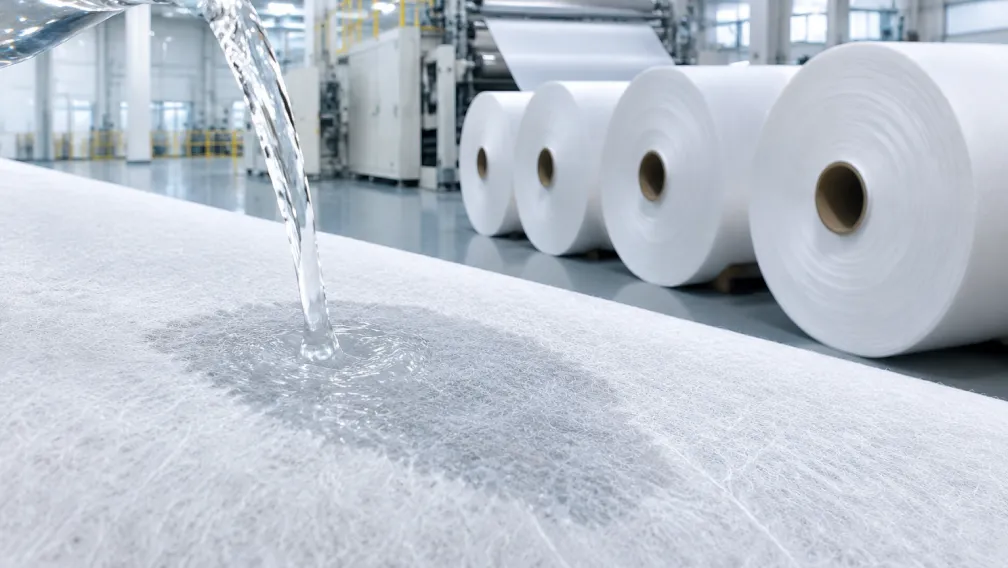
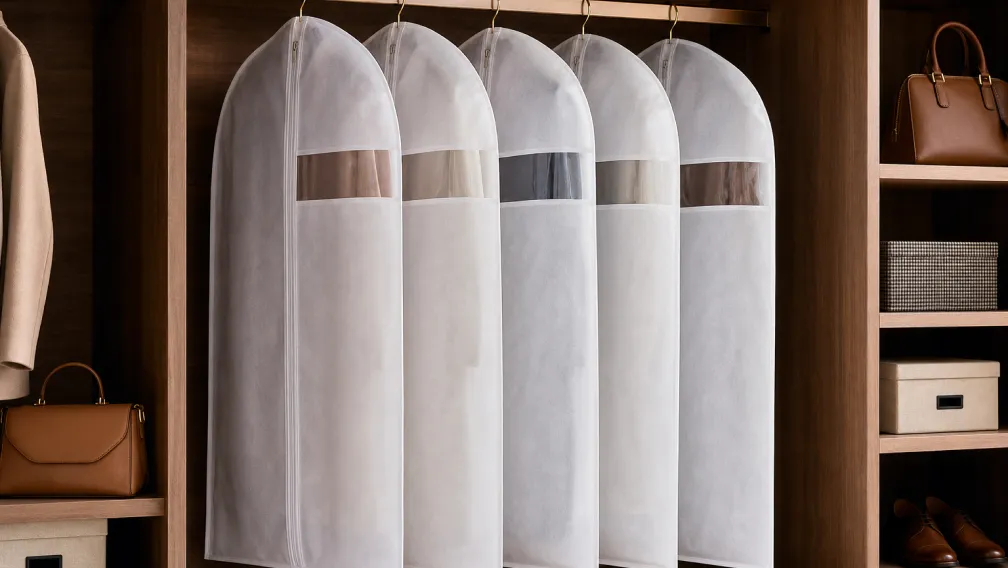
The co-extrusion methodology also enables precise optical control. By integrating highly concentrated masterbatch pigments—predominantly grey or black carbon derivatives—into the intermediate film layers, manufacturers achieve complete 100% opacity. This structural opacity blocks optical scanning devices and visual inspection of the enclosed retail contents, addressing critical loss-prevention requirements for high-value electronic or apparel distribution, similar to the protection required for garment bags. Furthermore, the inherent hydrophobic characteristics of the PE film ensure the package remains strictly impervious to precipitation, extreme humidity fluctuations, and liquid chemical spills throughout the logistics cycle.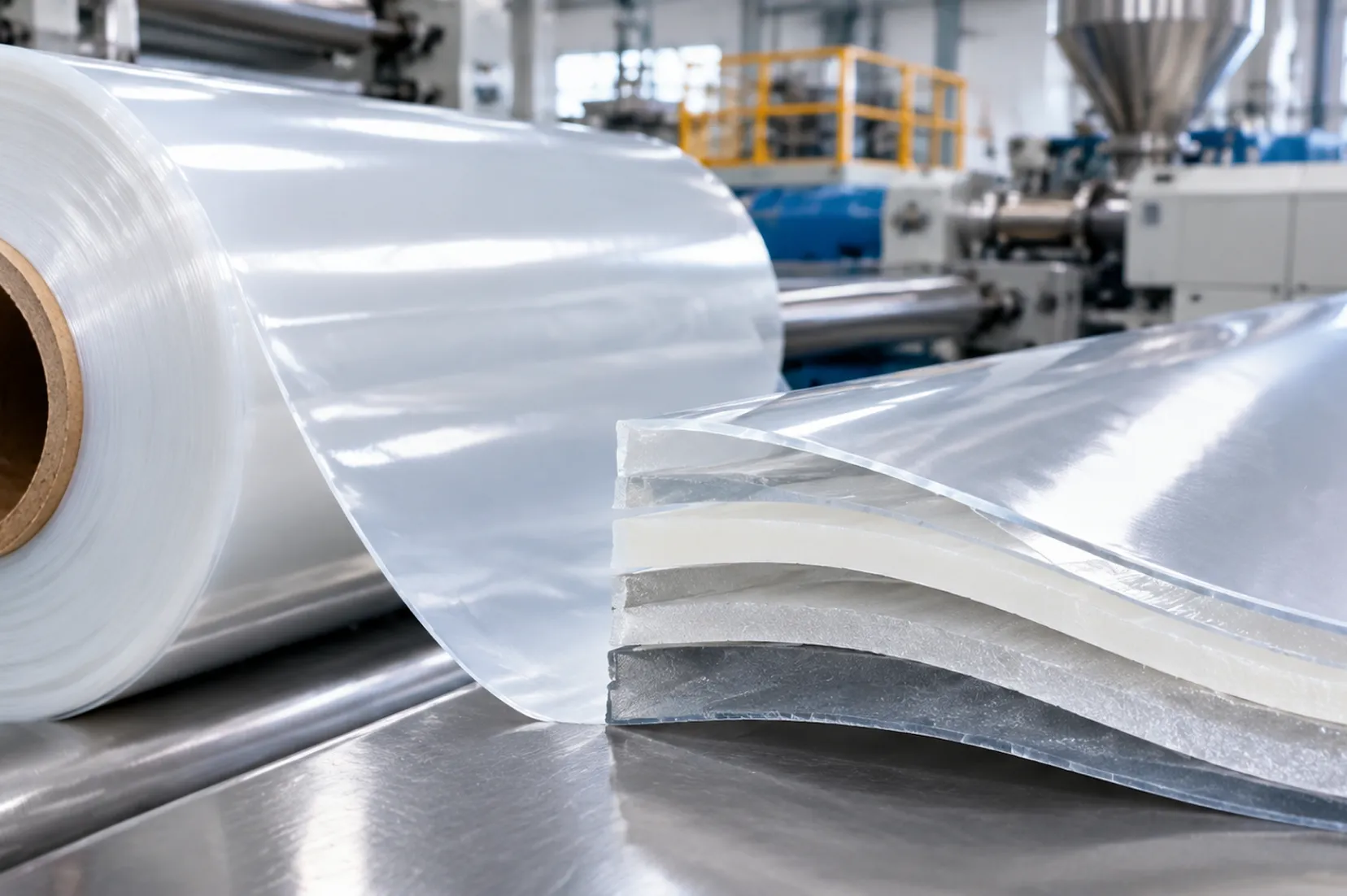
2. Cellular Cushioning: Bubble Extrusion and Air Retention Mechanics
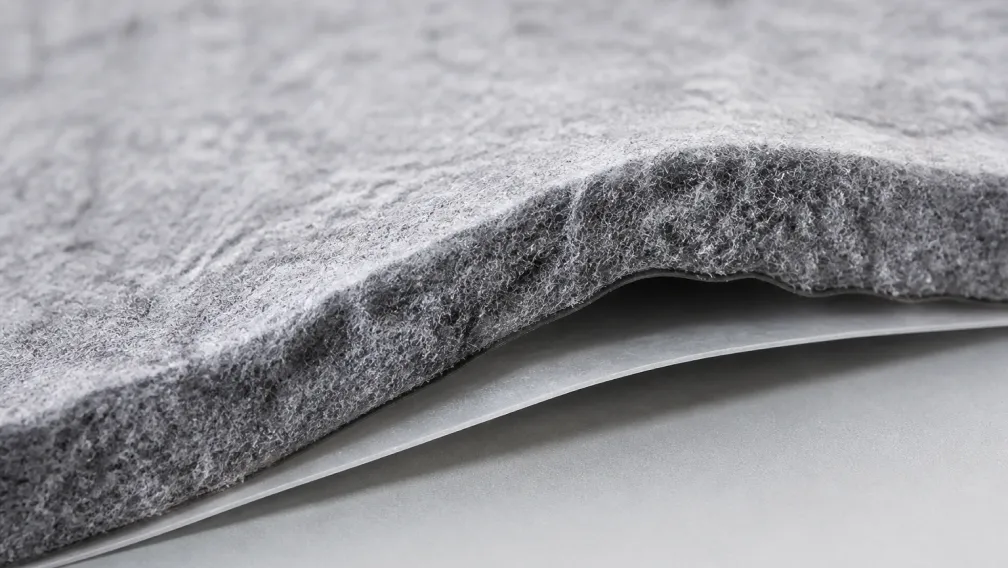
Kinetic shock absorption and vibration dampening are governed entirely by the internal bubble lining. The manufacturing of this cellular matrix involves thermoforming a heated polyethylene sheet into an array of precise hemispherical cavities on a vacuum forming cylinder. These cavities are immediately laminated with a secondary flat PE sheet, permanently trapping ambient air within each individual cell.
The long-term efficacy of this cushioning relies heavily on the gas retention capability of the polymer web. Industrial-grade bubble mailers utilize barrier-sealed bubble technology. A specialized high-density polymer, or in specialized cases an ethylene vinyl alcohol (EVOH) co-extruded layer, is integrated directly into the bubble film structure to drastically reduce the gas transmission rate. This barrier prevents the trapped atmospheric air from permeating through the polyethylene matrix during extended warehouse storage periods or under sustained compressive loads in transit consolidation hubs.
Cellular height and diameter profiles are standardized to meet specific impact resistance requirements. For standard direct-to-consumer applications, a 3/16-inch (4.8mm) bubble height provides the optimal mathematical balance between physical shock absorption and internal volume conservation. The uniform distribution of these pressurized air cells dissipates kinetic energy from accidental drops, automated sorting impacts, and conveyor vibrations across a vastly wider surface area, thereby protecting the merchandise from highly localized mechanical stress. The thermal lamination bonding this bubble layer to the outer poly envelope must remain consistent and fully integrated to prevent internal delamination when workers insert rigid, angular, or sharply cornered products.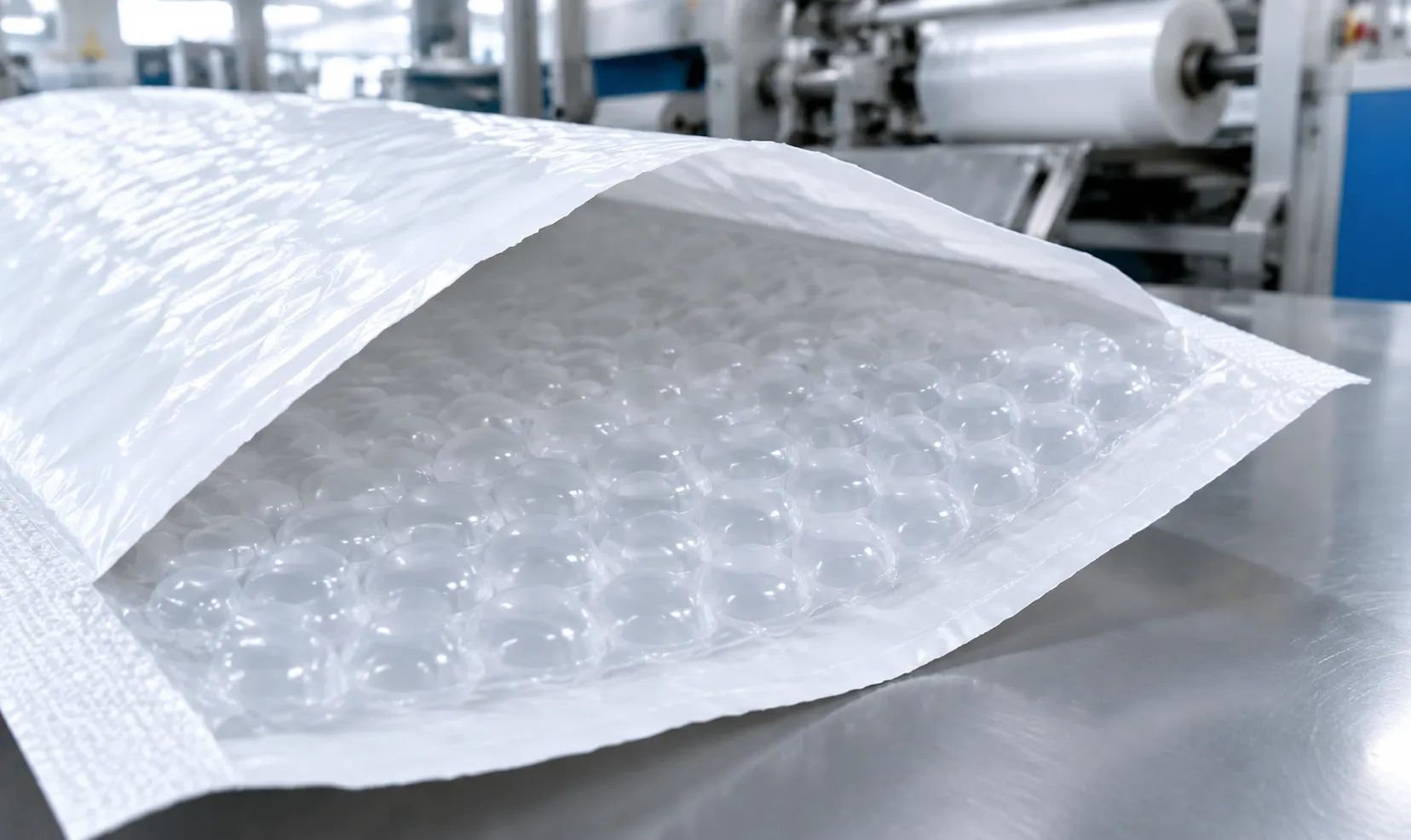
3. Adhesive Technologies and Tamper-Evident Security Protocols
The primary closure mechanism represents the most critical potential failure point in any flexible packaging system. Industrial standard mailers rely on a pressure-sensitive hot melt adhesive track applied directly to the closure flap, protected prior to use by a silicone-coated release liner.
The specific adhesive formulation is engineered to bond aggressively and permanently with the co-extruded PE surface upon initial contact and manual compression. Once the flap is folded and pressure is applied, the hot melt synthetic rubber adhesive initiates a destructive bond at the molecular level. Any subsequent attempt to open the mailer will result in visible tearing, extreme material elongation, or the complete catastrophic destruction of the polymer film. This inherent tamper-evident characteristic is a mandatory compliance requirement for pharmaceutical, secure document, and high-value consumer goods shipments.
Adhesive coat weight and track width are strictly monitored variables during mass production. A standard minimum adhesive width of 0.5 inches (12.7mm) ensures sufficient surface area for the polymer bond to anchor. Additionally, the cross-linked adhesive must maintain its aggressive tack and shear strength across a severe temperature gradient, typically certified to perform flawlessly from -20°C to +60°C. This thermal stability accommodates the extreme varied environmental conditions encountered within uninsulated global air freight cargo holds and overland ground transport networks.
4. Volumetric Weight and Freight Cost Optimization Metrics
Fulfillment economics and how we work with modern carrier pricing models dictate that transport costs are calculated based on the greater value between the actual physical weight and the dimensional (volumetric) weight of the parcel. Flexible polymer packaging directly resolves this specific logistical and financial challenge.
Unlike rigid corrugated boxes or traditional box bags that maintain fixed dimensions regardless of the contents, flexible mailers conform closely to the exact physical profile of the enclosed product. This structural conformity completely eliminates unnecessary internal void space and drastically reduces the final external package dimensions. By substituting a small cardboard carton with a fitted flexible mailer, logistics operators frequently transition the package from an expensive dimensional weight penalty bracket back down to the baseline actual weight tariff, generating immediate operational cost savings.
Additionally, the inherent physical tare weight of a poly bubble mailer is minimal—frequently weighing less than 1 ounce (28 grams) for standard apparel sizes, which makes them ideal for shipping clothing that might otherwise be placed in basic t-shirt bags. This extreme reduction in packaging mass yields aggregate compounding savings in fuel consumption metrics and carrier base fees across high-volume distribution operations. The flat, highly stackable nature of unfulfilled mailer inventory also reduces inbound freight costs from the manufacturer and severely cuts the warehouse rack storage footprint when directly compared to palletized, unassembled corrugated materials.
5. Comparative Technical Analysis: Polymer Films vs. Kraft Paper Substrates
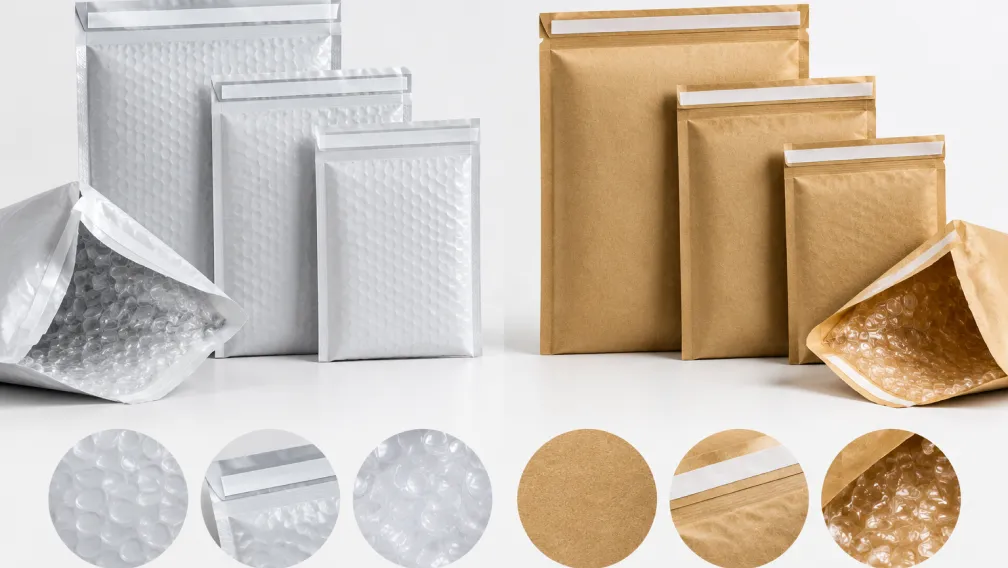
Specifying the appropriate flexible packaging asset requires objective evaluation of the designated operational environment. The logistics industry relies primarily on two distinct variants: polymer-based mailers and paper-based padded envelopes. Understanding the material differences dictates proper procurement.
Moisture and Liquid Resistance: Polymer mailers offer absolute inherent waterproof properties resulting directly from the inert PE film structure. Kraft paper envelopes require supplementary chemical coatings to achieve even basic water resistance and remain highly susceptible to structural degradation when exposed to rain or transit moisture.
Tear Propagation and Puncture Strength: The co-extruded LLDPE layers formulated into polymer mailers provide superior physical elasticity and resistance against sharp, angular, or heavy mechanical products. Conversely, standard kraft paper exhibits extremely low tensile elasticity, making it highly prone to bursting or tearing under heavy mechanical stress during automated conveyor sorting.
Internal Cushioning Mechanism: Polymer mailers rely on fixed, trapped air cells that maintain consistent material thickness under continuous load. Traditional paper padded envelopes frequently utilize macerated recycled paper dust as the primary cushioning agent. This loose material can settle and shift during transit vibration, potentially leaving the upper edges or corners of the envelope completely unprotected against impact.
Surface Adhesion for Logistics Labels: Smooth polyethylene provides a chemically optimal surface for direct thermal and thermal transfer label application, ensuring permanent adhesion of mandatory shipping manifests. Raw kraft paper surfaces, if dusty or heavily textured from the paper milling process, may compromise adhesive label adherence, leading to lost packages in transit.
6. Quality Assurance and ASTM Mechanical Testing Protocols
Enterprise procurement mandates objective, repeatable performance verification before deploying bulk packaging materials into active, live fulfillment streams. Standardized laboratory testing protocols strictly quantify the physical failure limits of flexible mailers.
Pneumatic burst strength testing applies controlled internal air pressure to the cavity of a fully sealed mailer until catastrophic material failure occurs. This metric verifies the exact tensile strength of the ultrasonic side welds and the shear strength of the adhesive closure. Drop testing, strictly executed following ASTM D5276 standards, evaluates the absolute shock absorption capacity of the internal bubble matrix by subjecting fully packed mailers to controlled free-falls onto rigid concrete or steel surfaces from specific heights and multiple geometric angles.
Furthermore, tear resistance is measured utilizing Elmendorf pendulum tear testing equipment to precisely determine the kinetic force required to propagate an existing microscopic slit in the PE film. Strict adherence to these demanding manufacturing tolerances ensures that the mailers will perform predictably in the field, actively minimizing merchandise damage rates and the heavy financial burden associated with reverse logistics and customer returns. For more details on our testing parameters, please review our FAQ.
7. Environmental Considerations and Mono-Material Recyclability
The sustainability profile of logistics packaging remains under intense global regulatory scrutiny. Modern extrusion advancements have significantly improved the environmental lifecycle metrics of flexible mailers. Advanced manufacturing facilities now integrate precise ratios of post-industrial recycled (PIR) and post-consumer recycled (PCR) resin pellets directly into the core layers of the co-extruded film, measurably reducing the reliance on virgin petrochemical feedstocks. Despite the incorporation of recycled content, strict quality control systems ensure the mechanical integrity and tear resistance of the final envelope remain uncompromised.
Crucially, mailers manufactured entirely from homogenous polyethylene—encompassing both the external co-extruded film and the internal thermoformed bubble lining—are classified as single-stream recyclable materials under SPI resin identification code 4 (LDPE). This deliberate mono-material construction allows end consumers to deposit the packaging directly at standardized store drop-off film recycling points without the difficult requirement to mechanically separate the inner cushioning layer from the outer shell. Designing packaging architecture for end-of-life circularity is a critical procurement mandate for brands aiming to meet modern environmental compliance regulations.
Conclusion
Engineered flexible packaging represents a technically refined logistics solution designed specifically to minimize volumetric freight costs while maximizing dynamic transit protection. A comprehensive understanding of the polymer extrusion parameters, gas barrier properties, adhesive chemistry, and mechanical testing standards allows supply chain professionals to specify the exact packaging requirements necessary to safeguard their high-volume product distribution networks. Contact our technical team to evaluate your logistics infrastructure and upgrade from traditional rigid materials to advanced co-extruded flexible structures for measurable improvements in operational efficiency.