
Introduction: The Reusable Bag as a High-Frequency Mobile Billboard
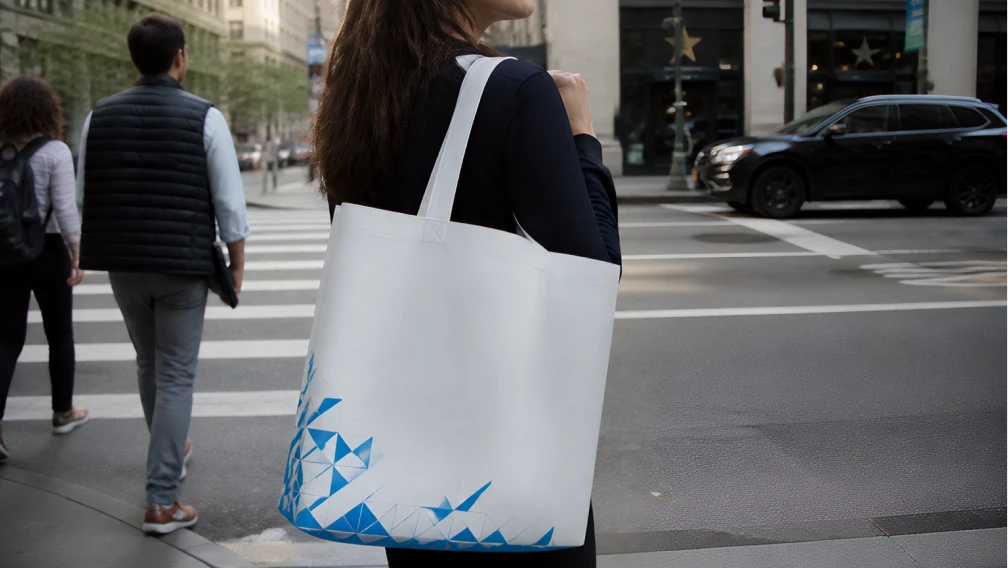
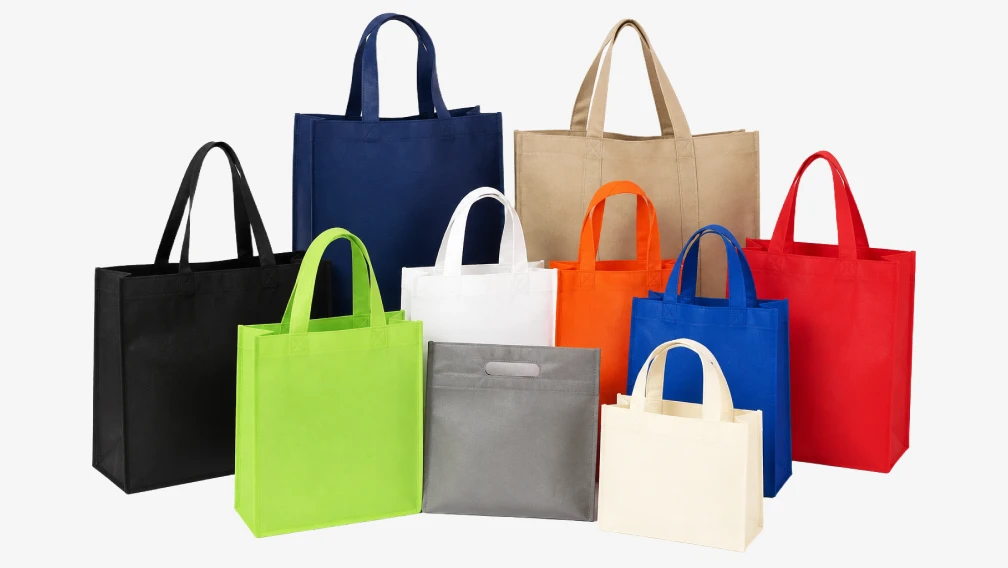
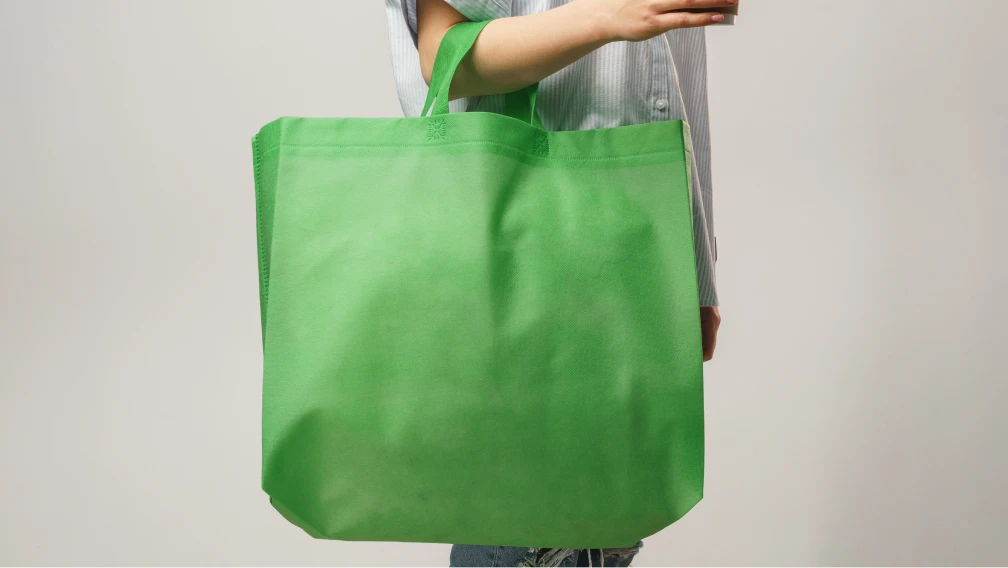
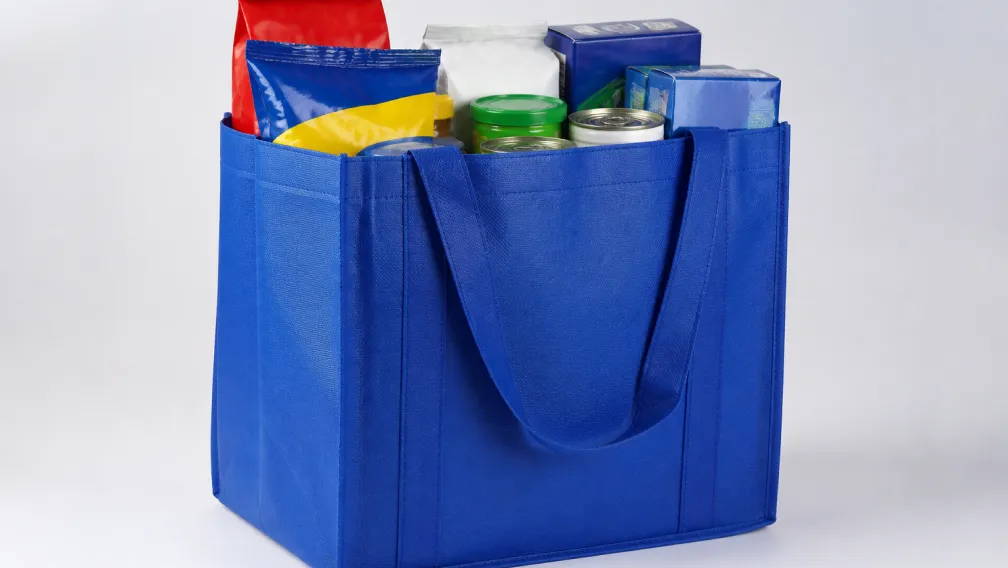
In contemporary retail marketing and corporate branding, packaging serves a dual function: it must provide structural utility for transit, and it must act as a persistent visual asset in the public sphere. Unlike single-use paper or plastic bags that are discarded immediately after unboxing, a high-durability reusable bag circulates through urban environments for months, functioning as a mobile billboard. Executing a successful branded packaging campaign requires aligning the visual design requirements with the mechanical properties of the nonwoven substrate. Substandard print adhesion, color bleeding, or ink cracking under mechanical flex compromise corporate brand equity. This specification guide analyzes the technical parameters of screen printing, rotogravure lamination, ink adhesion chemistry, and artwork preparation for enterprise-grade printed nonwoven bags.
1. Silk-Screen Printing Mechanics for Spot-Color Branding
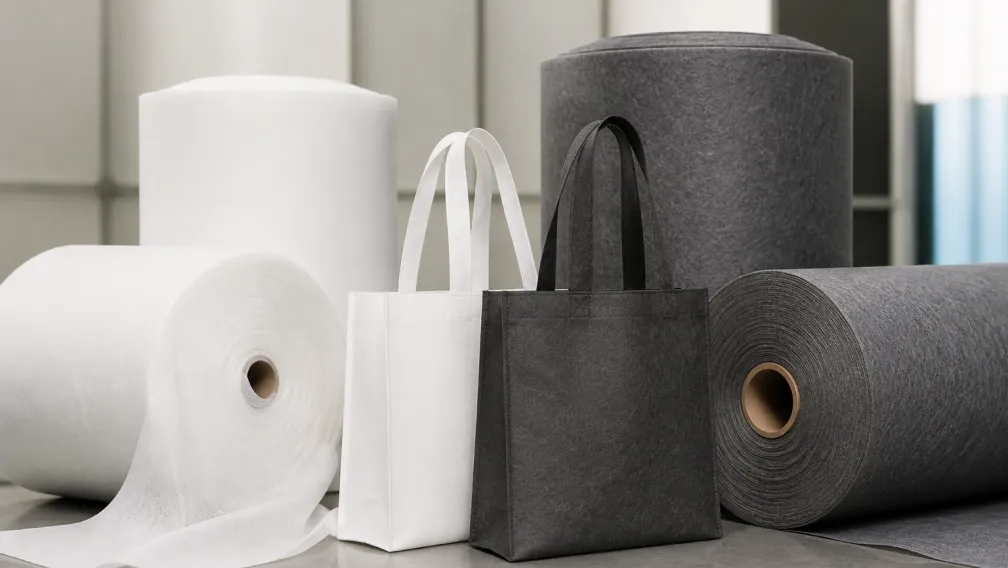
Silk-screen printing (serigraphy) remains the industry standard for cost-effective, spot-color branding on raw nonwoven polypropylene (NWPP) fabrics. The process involves creating a stencil on a fine mesh screen and using a squeegee to force ink through the mesh directly onto the porous nonwoven surface.
Because raw spunbond fabric possesses a textured, micro-porous matrix rather than a completely smooth sheet, screen printing requires specialized plastisol or high-opacity water-based inks. These inks must possess high viscosity to bridge the microscopic gaps between the thermally bonded polypropylene filaments without bleeding along the fibers. Silk-screening is optimal for logos ranging from one to four spot colors, delivering thick ink deposits that result in sharp, vibrant lines and high UV fade resistance during prolonged outdoor exposure.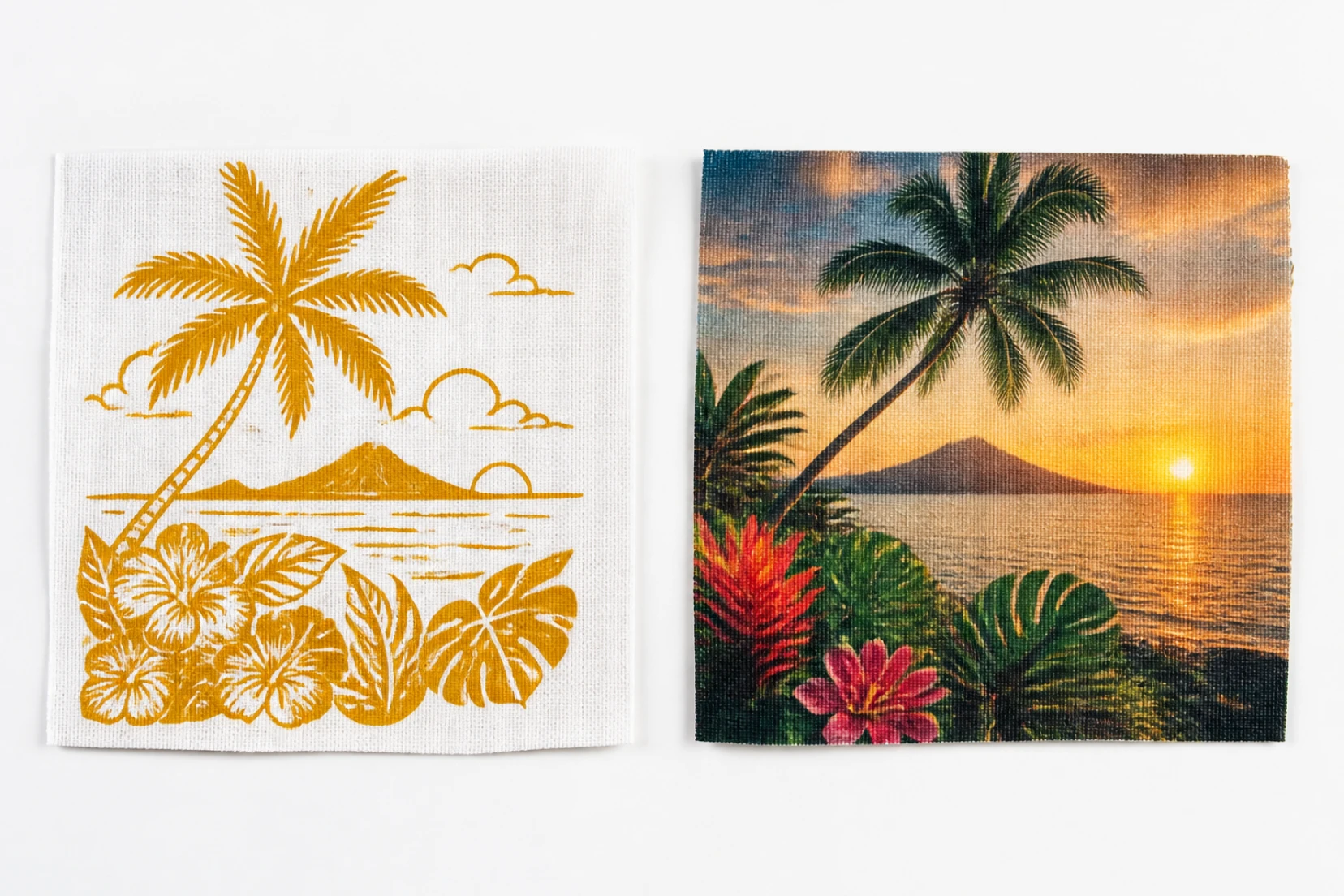
2. Rotogravure Printing and BOPP Lamination for Photographic Quality
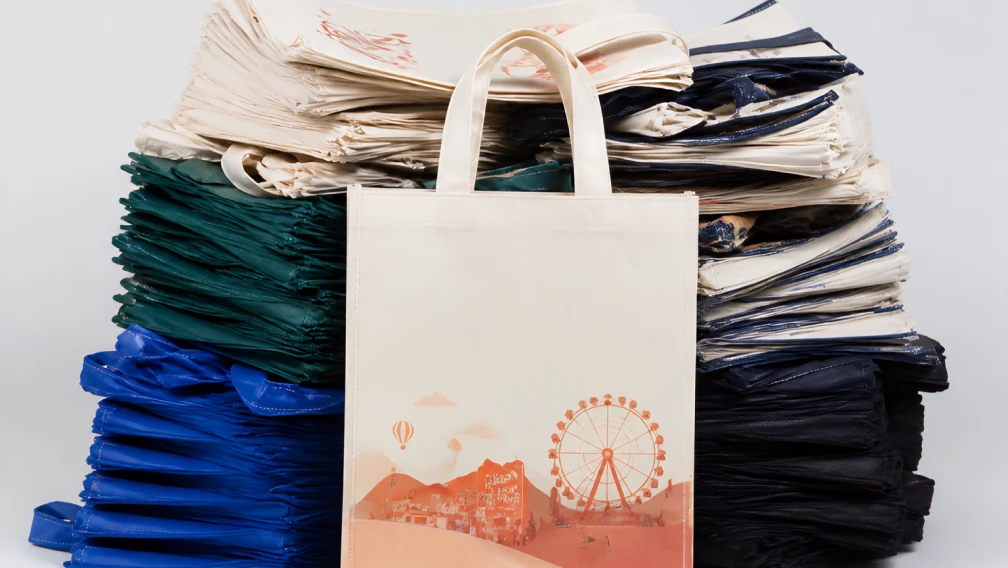
When brand guidelines demand full-bleed imagery, complex color gradients, or high-resolution photographic graphics, traditional screen printing reaches its technical limits. To achieve photographic fidelity, manufacturers utilize rotogravure printing combined with BOPP (Biaxially Oriented Polypropylene) film lamination.
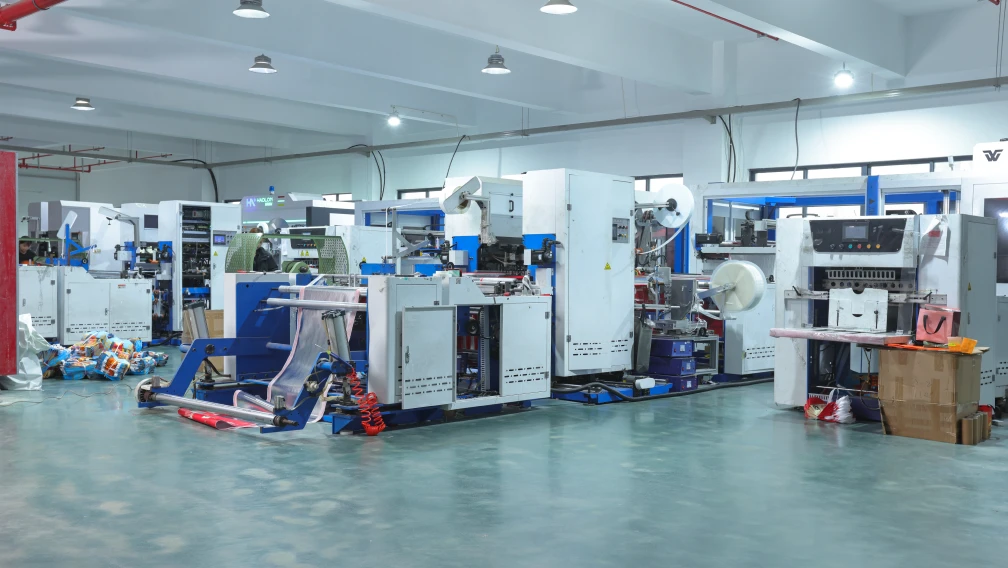
In this workflow, the artwork is engraved onto copper printing cylinders using high-precision laser etching. CMYK inks are transferred at high speeds onto a thin, transparent BOPP film layer. Once printed, this film is thermally laminated directly over the nonwoven base fabric. The BOPP film seals the print beneath a protective barrier, protecting the graphics from scuffing, chemical exposure, and moisture degradation while delivering a brilliant gloss or matte finish that significantly enhances retail shelf appeal.
3. Ink Adhesion Chemistry and Corona Treatment Parameters
Polypropylene is an inert, non-polar polymer with low surface energy. If ink is applied directly to raw, untreated polypropylene film or fabric, the surface tension prevents proper wetting, causing the ink to bead up, flake, or rub off under minimal friction.
To guarantee permanent ink bonding, polymer substrates undergo corona treatment prior to printing. This process exposes the fabric or film web to a high-frequency electrical discharge, oxidizing the surface and raising its dyne level (surface energy). This chemical modification allows ink molecules to anchor securely into the polymer matrix. Quality control protocols utilize dyne pens to test surface energy levels on the production line, ensuring ink adhesion exceeds industrial standards and withstands mechanical abrasion.
4. Artwork Preparation and Pre-Press Technical Standards
Translating corporate vector assets onto flexible packaging requires adherence to strict pre-press engineering rules. Miscalculations during artwork preparation lead to distorted logos and misaligned multi-color panels during mass production.
Vector Scalability: All brand graphics must be supplied in vector formats (Adobe Illustrator .AI or high-resolution .EPS) with all text converted to outlines to prevent font substitution errors during international file transfer.
Bleed and Margin Tolerances: A minimum 5mm bleed margin must be maintained around all bag panel edges to account for automated cutting and sewing tolerances, ensuring no critical branding elements are stitched into the side seams.
Pantone Color Matching: Spot colors must be specified using exact Pantone Matching System (PMS) swatches to ensure absolute color consistency across international manufacturing batches and varied regional lighting environments.
5. Durability Testing and Post-Print Quality Assurance
Printed packaging assets must endure rigorous mechanical stress during consumer use. Enterprise procurement teams must enforce strict post-print testing protocols before approving bulk export shipments:
Rub and Friction Testing: Utilizing mechanical crocking meters to simulate the rubbing friction of hands, clothing, and opposing bags, verifying that ink does not transfer or smudge.
Tape Adhesion Testing: Applying high-tack industrial pressure-sensitive tape across printed graphic areas and executing a rapid 90-degree pull test to confirm zero ink lifting or delamination from the substrate.
Flex-Cracking Evaluation: Bending printed nonwoven panels repeatedly under controlled laboratory conditions to ensure inks do not crack or craze along folding creases.
Conclusion
Configuring a professional printed packaging program requires balancing visual fidelity with substrate chemistry. Whether utilizing direct silk-screening for clean spot-color corporate logos on raw nonwoven fabric or employing rotogravure BOPP lamination for photographic retail display, strict adherence to corona treatment parameters and pre-press standards ensures long-term brand integrity. Contact our packaging engineering team to review your brand asset files, select the optimal printing technology, and initiate sample production for your upcoming retail rollout.