
Introduction: Polymer Engineering in Commercial Agriculture
Modern commercial agribusiness is fundamentally reliant on yield predictability. Extreme weather fluctuations, unseasonal frost events, and aggressive weed proliferation pose constant threats to harvest margins. Historically, managing these variables required intensive chemical interventions or highly rigid, capital-intensive infrastructure like glass greenhouses. The widespread adoption of spunbond nonwoven polymers has altered the economics of crop protection. By manipulating the extrusion parameters of polypropylene, agricultural engineers can deploy vast, lightweight membranes that actively modulate field microclimates, block weed photosynthesis, and deter insect vectors without chemical residues. This specification guide analyzes the thermodynamics, fluid dynamics, and mechanical durability required to configure commercial-grade agricultural nonwoven crop covers and weed barrier fabrics.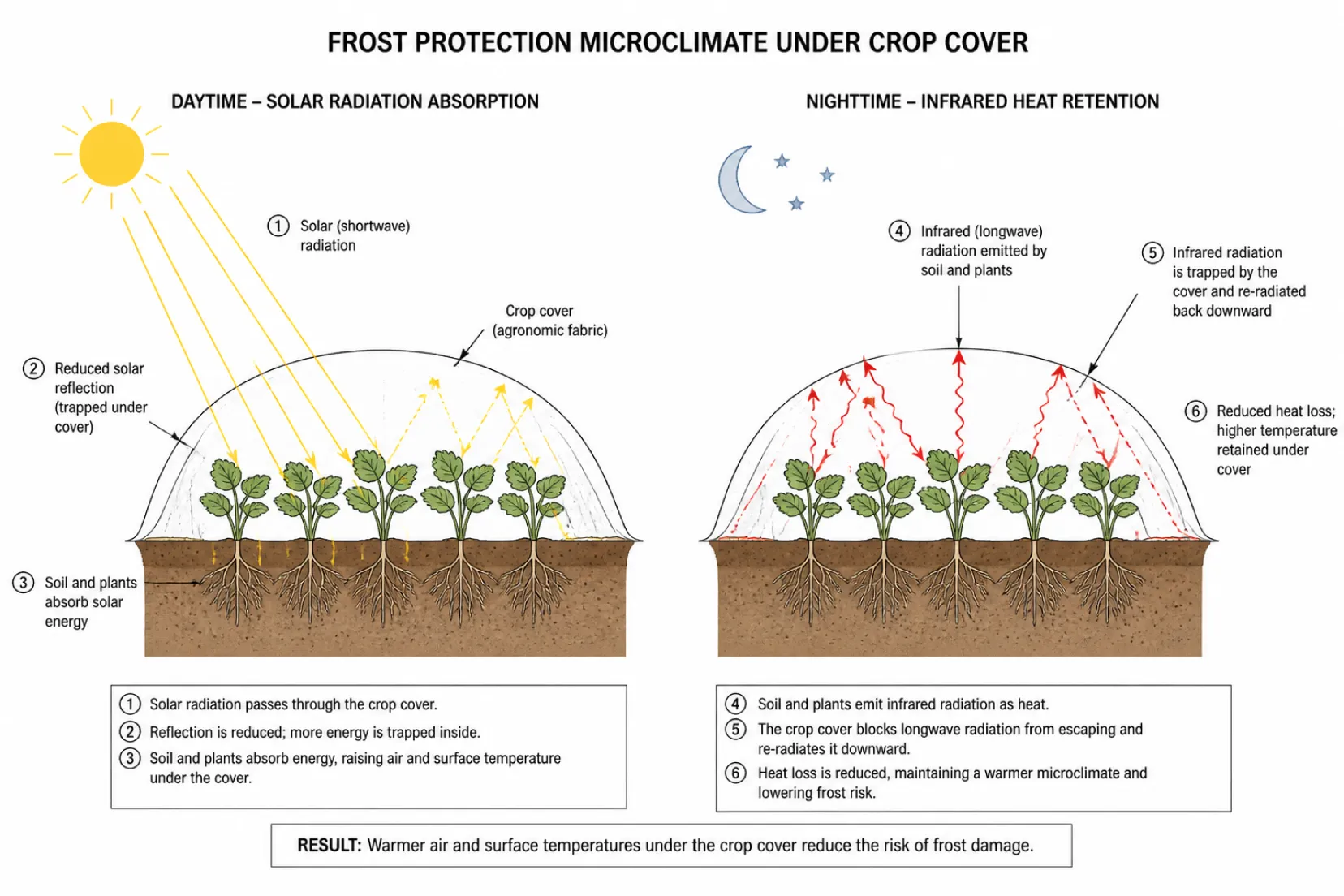
1. Thermodynamics of Frost Protection Crop Covers
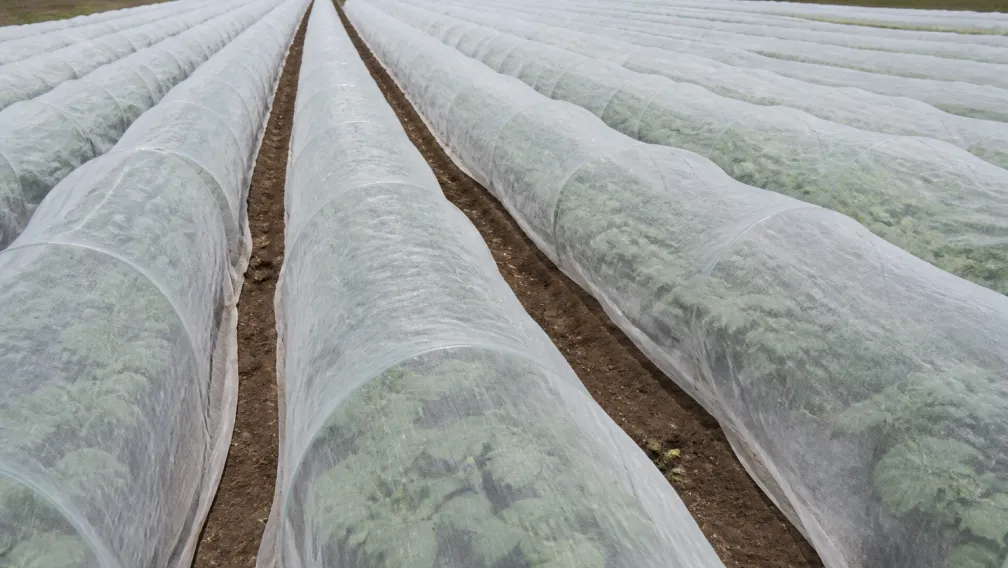
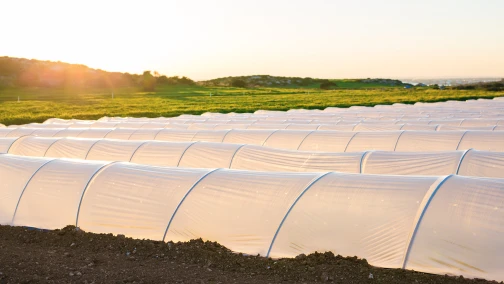
The primary function of a lightweight agricultural crop cover (often referred to as floating row cover) is to prevent cellular frost damage to tender crops during sudden temperature drops. The mechanism is entirely thermodynamic, relying on the creation of a microclimate.
During the day, shortwave solar radiation passes through the semi-transparent nonwoven web and is absorbed by the soil. At night, the soil releases this stored energy as longwave infrared radiation. A correctly specified spunbond polypropylene (PP) fabric acts as an insulation barrier, trapping the escaping infrared heat and preventing the freezing ambient air from settling directly onto the plant canopy. The thermal efficiency is dictated by the fabric's weight (GSM - grams per square meter).
A 17gsm to 20gsm nonwoven fabric is the commercial standard for standard frost protection, yielding a temperature differential (Delta T) of approximately 2°C to 3°C (4°F to 6°F) higher than the ambient external air. For extreme overwintering applications in harsher climates, growers specify heavier weights between 30gsm and 50gsm. However, increasing the GSM to maximize thermal retention inherently compromises the transmission of sunlight, necessitating a precise calculation based on the specific crop's biological light requirements.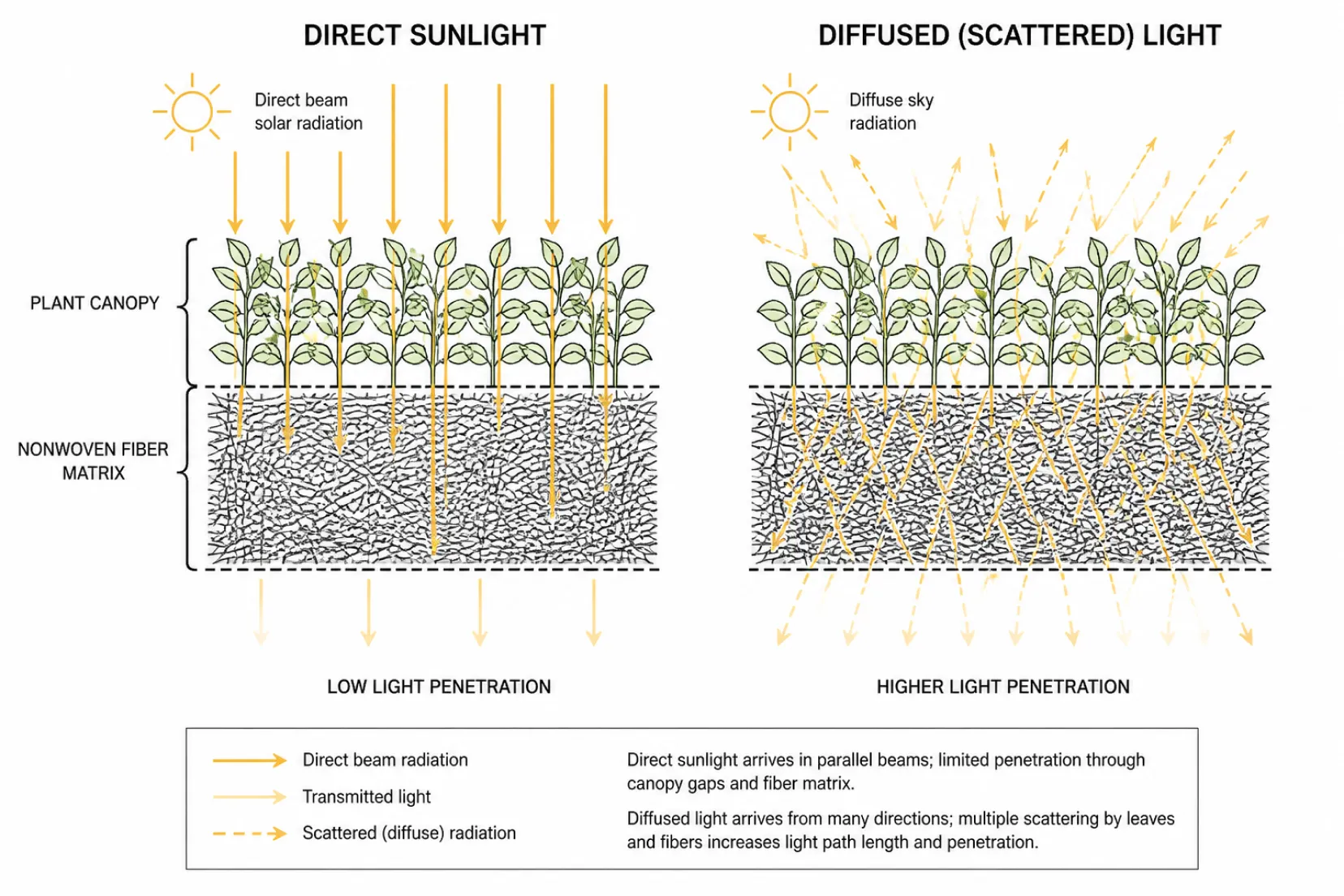
2. Light Transmission and Photosynthetic Active Radiation (PAR)
Crop covers must protect plants without starving them of the light necessary for photosynthesis. Agronomists measure this capacity through the transmission of Photosynthetic Active Radiation (PAR)—the specific spectral range of solar radiation from 400 to 700 nanometers that plants utilize.
A high-quality 17gsm nonwoven crop cover permits approximately 80% to 85% light transmission. Crucially, the nonwoven structure alters the physical behavior of the light. Unlike clear greenhouse plastic, which allows direct, concentrated sunlight that can cause leaf burn, the random fiber matrix of spunbond PP scatters the incoming light rays. This creates diffused light. Diffused light penetrates deeper into the plant's structural canopy, illuminating lower leaves that would otherwise be shaded, thereby optimizing overall photosynthetic efficiency across the entire crop volume while preventing localized thermal shock.
3. Hydrophilic Extrusion Treatments for Irrigation Compatibility
Polypropylene, in its natural chemical state, is highly hydrophobic (water-repellent). If raw spunbond PP is deployed as a floating row cover, rain or overhead sprinkler irrigation will simply pool on the surface of the fabric. The accumulating weight of the water will rapidly crush the delicate crops beneath the membrane, causing catastrophic mechanical damage.
To solve this, commercial agricultural covers require a specialized extrusion additive. During the manufacturing process, a hydrophilic surfactant is compounded directly into the polymer melt. This chemical modification alters the surface tension of the extruded fibers. When water strikes the fabric, it immediately breaks its beaded tension, wicking through the micro-pores of the nonwoven web and falling gently onto the soil below. Procurement teams must explicitly specify hydrophilic treatments for any nonwoven fabric intended for overhead irrigation environments.
4. Landscape Weed Barriers: UV Deprivation and Soil Respiration
While crop covers maximize light transmission, weed control fabrics utilize the exact opposite engineering objective: total light deprivation. Chemical herbicides face severe regulatory restrictions and consumer backlash, driving large-scale orchards, vineyards, and organic farms toward physical weed suppression methods.
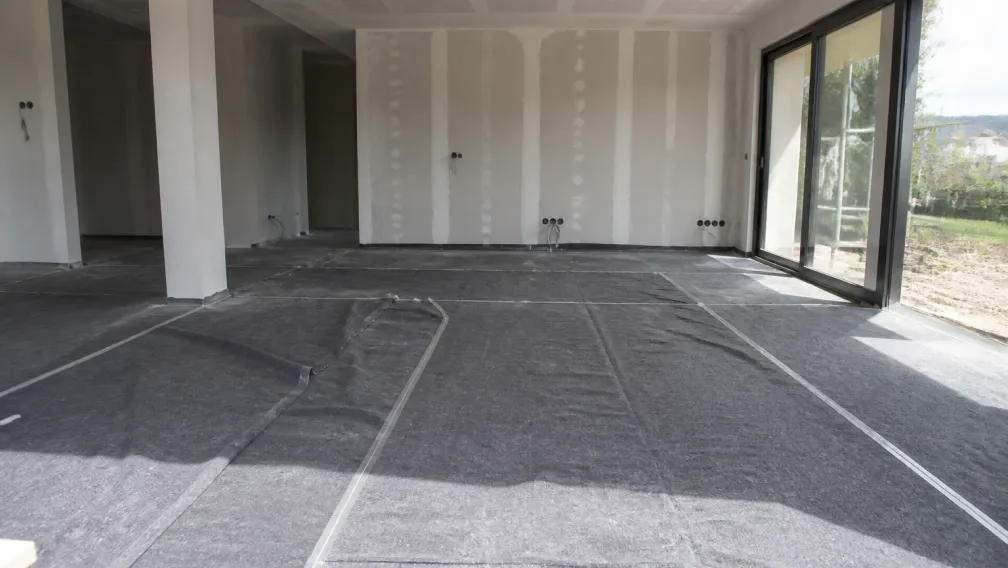
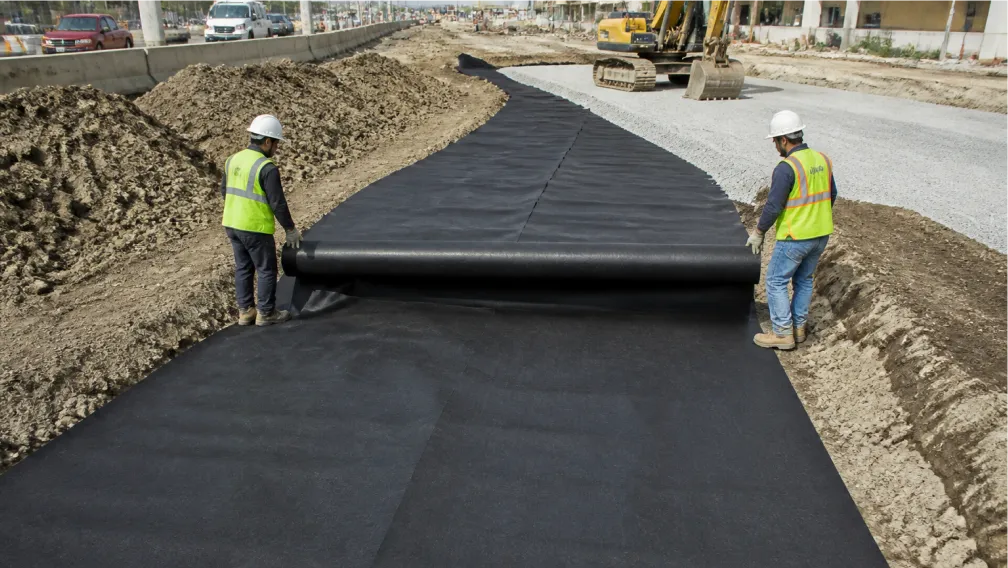
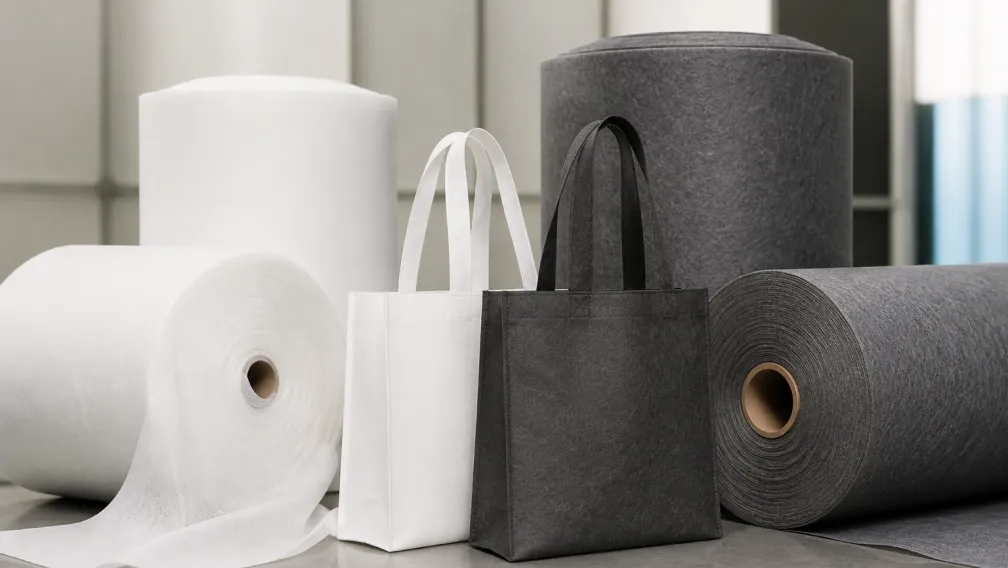
A commercial nonwoven landscape fabric operates by blocking PAR, preventing weed seeds in the soil from achieving photosynthesis. To achieve 100% opacity, the polypropylene is extruded with a high concentration of carbon black pigmentation. Unlike impermeable solid plastic sheeting (PE film), which suffocates the soil and causes anaerobic root rot, nonwoven weed barriers maintain high porosity. The fibrous structure allows oxygen to reach the root zone and permits liquid fertilizers and irrigation water to drain freely into the soil. Standard specifications for heavy-duty landscape weed barriers range from 80gsm to 150gsm, providing the puncture resistance necessary to withstand foot traffic, wheelbarrows, and sharp gravel top-dressings without tearing.
5. UV Stabilization and Polymer Degradation Kinetics
The harshest enemy of any polymer deployed in open agriculture is ultraviolet (UV) radiation. Unprotected polypropylene undergoes rapid photo-oxidation when exposed to direct sunlight. The UV photons possess enough energy to break the molecular chains of the polymer, causing the fabric to lose its tensile strength, become brittle, and shatter into microplastic dust—a phenomenon known in the industry as "dusting."
An untreated crop cover will disintegrate in the field within 14 to 30 days. To ensure the fabric survives an entire growing season—or multiple seasons for heavier weed barriers—manufacturers must integrate UV inhibitors. The standard industrial additive is a Hindered Amine Light Stabilizer (HALS). HALS acts as a chemical scavenger, neutralizing the free radicals generated by UV exposure before they can sever the polymer chains. For multi-season commercial use, procurement specifications must mandate a 2% to 3% UV additive ratio by weight. This guarantees that nonwoven fabric rolls maintain their structural integrity throughout prolonged solar exposure, ensuring the asset justifies its initial deployment cost.
6. Tensile Strength and Tractor-Mounted Deployment Logistics
Deploying fabric over hundreds of acres requires mechanized spooling systems mounted to tractors. This process subjects the nonwoven web to severe longitudinal stress. The fabric must not snap or permanently deform under the pulling tension of the machinery.
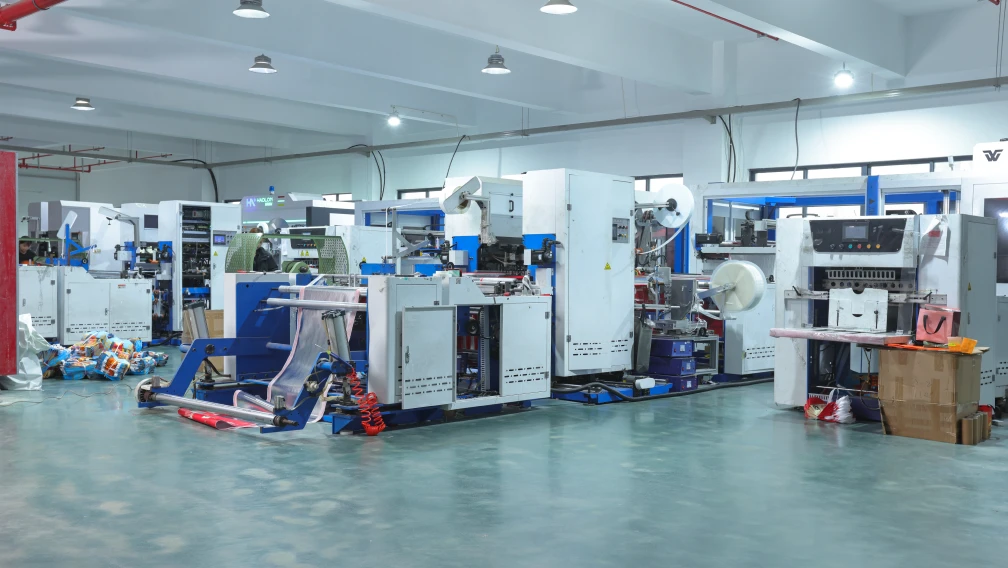
Quality assurance protocols focus on Machine Direction (MD) and Cross Direction (CD) tensile strength. Because spunbond fibers are laid down on a moving conveyor during manufacturing, the fabric is inherently stronger in the direction the machine was moving (MD). For mechanized deployment, a high MD tensile strength is critical to prevent the roll from tearing as it is pulled tight over crop hoops or flat fields. Furthermore, commercial agriculture requires ultra-wide coverage to minimize labor-intensive overlapping. Standard extrusion dies are typically limited to 3.2 or 4.2 meters in width. To achieve massive field widths (e.g., 10 to 16 meters), manufacturers utilize continuous ultrasonic welding to splice multiple rolls together, creating seams that are actually stronger than the base fabric itself.
7. B2B Procurement and AQL Verification Protocols
Procuring agricultural nonwovens at scale requires rigorous supply chain verification to prevent crop loss due to substandard material failure. Corporate agricultural buyers must mandate strict Acceptable Quality Limit (AQL) testing before accepting bulk shipments:
- GSM Tolerance Verification: Utilizing digital precision scales to weigh 10cm x 10cm die-cut samples across the width of the roll. A variance exceeding ±5% indicates poor extruder calibration, leading to uneven thermal protection in the field.
- Hydrophilic Penetration Test: Dispensing a controlled volume of water onto the fabric surface and measuring the absorption time in seconds. Delays indicate insufficient surfactant application, risking water pooling.
- Accelerated Weathering (QUV Chamber): Exposing fabric samples to intense, concentrated UV light and high temperatures in a laboratory chamber to simulate months of field exposure, subsequently testing the remaining tensile strength to verify the presence of HALS additives.
- Ultrasonic Seam Shearing: Subjecting spliced seams on ultra-wide rolls to lateral mechanical pull tests to ensure the weld does not separate under wind loads.
Conclusion
The deployment of nonwoven agricultural fabrics is a calculated exercise in microclimate engineering. Whether utilizing 17gsm hydrophilic spunbond to protect delicate seedlings from unseasonal frost and insect vectors, or deploying 120gsm carbon-black landscape fabric to eliminate chemical herbicide usage in commercial orchards, the base polymer must be engineered for its specific environmental duty. By strictly controlling parameters such as UV stabilization, light diffusion, and mechanized tensile strength, agribusinesses can secure crop yields, reduce labor overhead, and comply with increasingly stringent environmental regulations. Contact our agricultural packaging team to specify the exact GSM, width, and UV parameters required for your specific field geometry and climate zone.