
Introduction to Commercial Packaging Substrates
The specification of base materials for large-scale commercial packaging and reusable retail transport directly dictates product lifecycle, unit economics, and operational scalability. Enterprise procurement managers frequently evaluate two distinct textile categories: traditional woven fabrics (such as cotton, canvas, or woven polypropylene) and advanced nonwoven composites, specifically Polypropylene (PP) spunbond. While woven textiles have historically dominated the heavy-duty reusable sector, advancements in polymer extrusion and thermal calendering have positioned PP spunbond as the technically superior substrate for high-volume deployments. This technical analysis provides a comparative evaluation of the structural genesis, tensile dynamics, surface engineering, and supply chain economics between woven and spunbond nonwoven textiles within the B2B packaging matrix.
1. Manufacturing Velocity and Structural Genesis
The fundamental divergence between woven and nonwoven materials occurs at the genesis of their physical structure. This initial manufacturing methodology permanently defines their respective mechanical limitations and production scalability.
1.1 Woven Textile Looming Dynamics
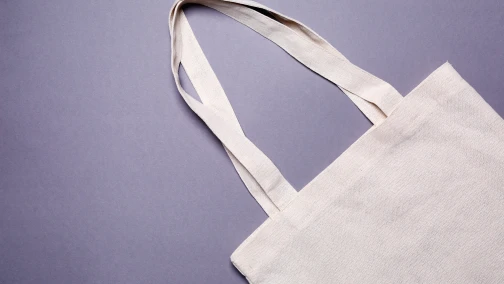
Traditional woven fabrics require a highly fragmented, multi-stage manufacturing sequence. Raw staple fibers must first be carded, drafted, and spun into continuous yarns. These yarns are subsequently loaded onto mechanical or air-jet looms, where they are interlaced at exact right angles, forming the characteristic warp (longitudinal) and weft (transverse) structure. This process is mechanically constrained. The sheer friction of the interlacing process limits the maximum operational velocity of the loom. Consequently, the production of woven textiles is inherently slow, capital-intensive, and highly susceptible to supply chain bottlenecks when dealing with massive commercial orders.
1.2 Continuous Spunbond Extrusion
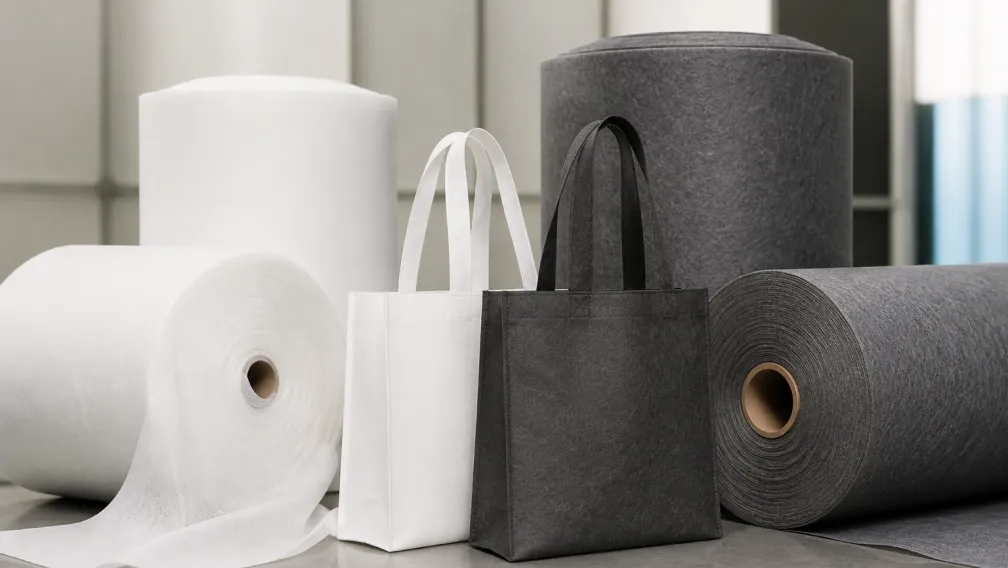
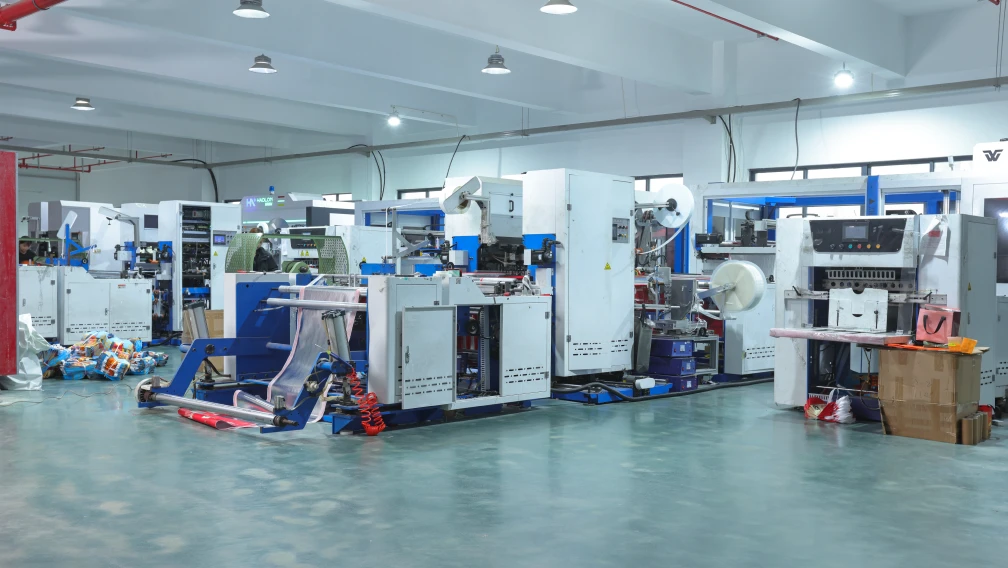
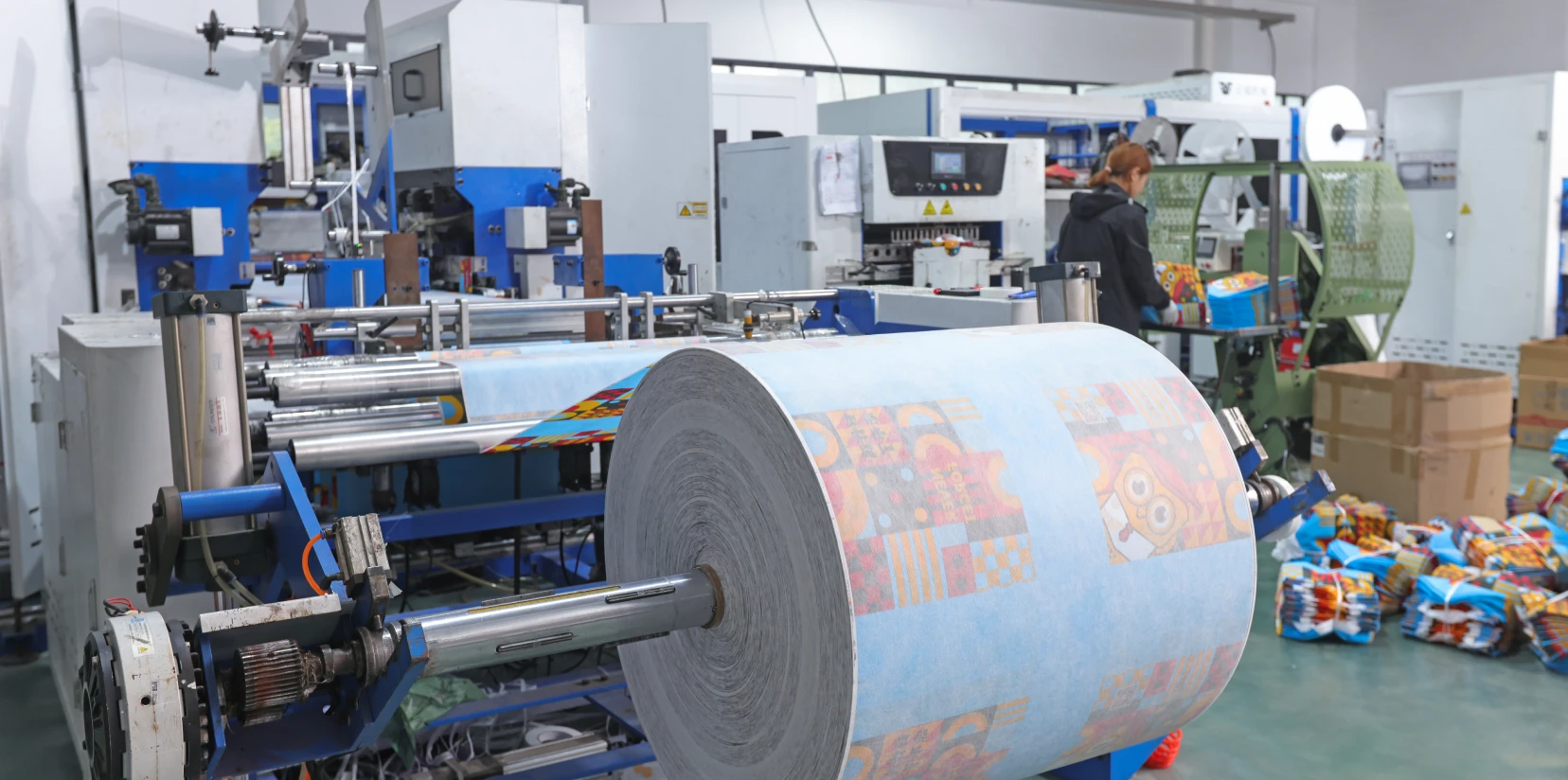
In direct contrast, PP spunbond nonwoven manufacturing bypasses the entire yarn spinning and looming phase. The process is a continuous, high-velocity thermo-mechanical operation. Virgin isotactic polypropylene resin pellets are melted and extruded directly through precision spinnerets to form continuous micro-filaments. These filaments undergo immediate aerodynamic drafting before being deposited randomly onto a moving conveyor belt and thermally fused via heavy calendering rollers. A modern spunbond line can output finished roll stock at velocities exceeding hundreds of meters per minute. This direct-to-web methodology provides vertically integrated factories with an immense throughput advantage, allowing them to scale production instantaneously to fulfill enterprise-level packaging requirements without the lead-time latency associated with traditional textile mills.
2. Tensile Dynamics: Orthotropic vs. Anisotropic Matrices
The structural load-bearing capacity of a commercial tote bag or transport sack is a direct function of its underlying fiber matrix. Woven and nonwoven materials behave fundamentally differently when subjected to dynamic mechanical stress.
2.1 Orthotropic Strength in Woven Fabrics
Woven textiles exhibit orthotropic mechanical properties. Their maximum tensile strength is highly concentrated along two strict axes: parallel to the warp yarns and parallel to the weft yarns. While they demonstrate extreme resistance to linear pulling forces along these specific vectors, their structural integrity is compromised when stress is applied diagonally (on the bias). If a sharp object punctures a woven substrate, the resulting tear will rapidly propagate along the linear path of the broken yarn, potentially leading to catastrophic failure of the entire packaging unit under load.
2.2 Engineered Anisotropic Strength in Spunbond
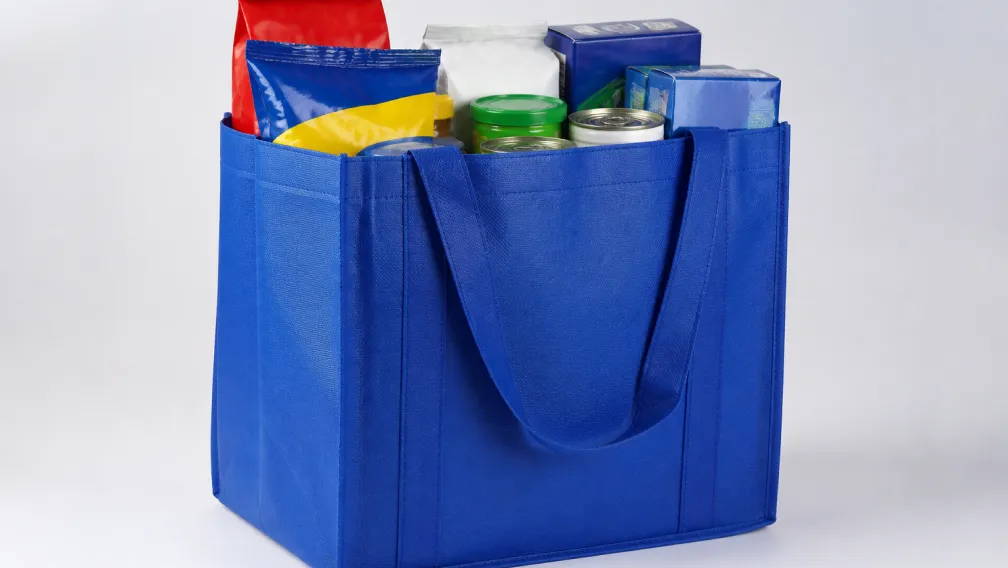
PP spunbond fabric consists of a randomly deposited, continuous filament matrix. This creates an anisotropic structure, meaning the mechanical properties vary depending on the direction of measurement, but the variance is intentionally engineered. Advanced aerodynamic laydown systems optimize the Machine Direction (MD) and Cross Direction (CD) tensile strength ratio, aiming for a highly balanced structural web. Because the continuous PP filaments are thermally fused at millions of microscopic intersection points during the calendering phase, the fabric exhibits exceptional multi-directional tear resistance. If a spunbond material is punctured, the random fiber entanglement localizes the damage, preventing the linear tear propagation that plagues woven textiles. This characteristic is critical for heavy-duty retail grocery bags subjected to sharp-cornered boxes and asymmetric loading.
3. Surface Topography and Graphic Reproduction
Enterprise retail relies heavily on reusable packaging as a primary vector for continuous out-of-home brand visibility. The substrate's surface topography directly limits the available printing technologies and the final resolution of corporate graphics.
3.1 High-Relief Woven Topography
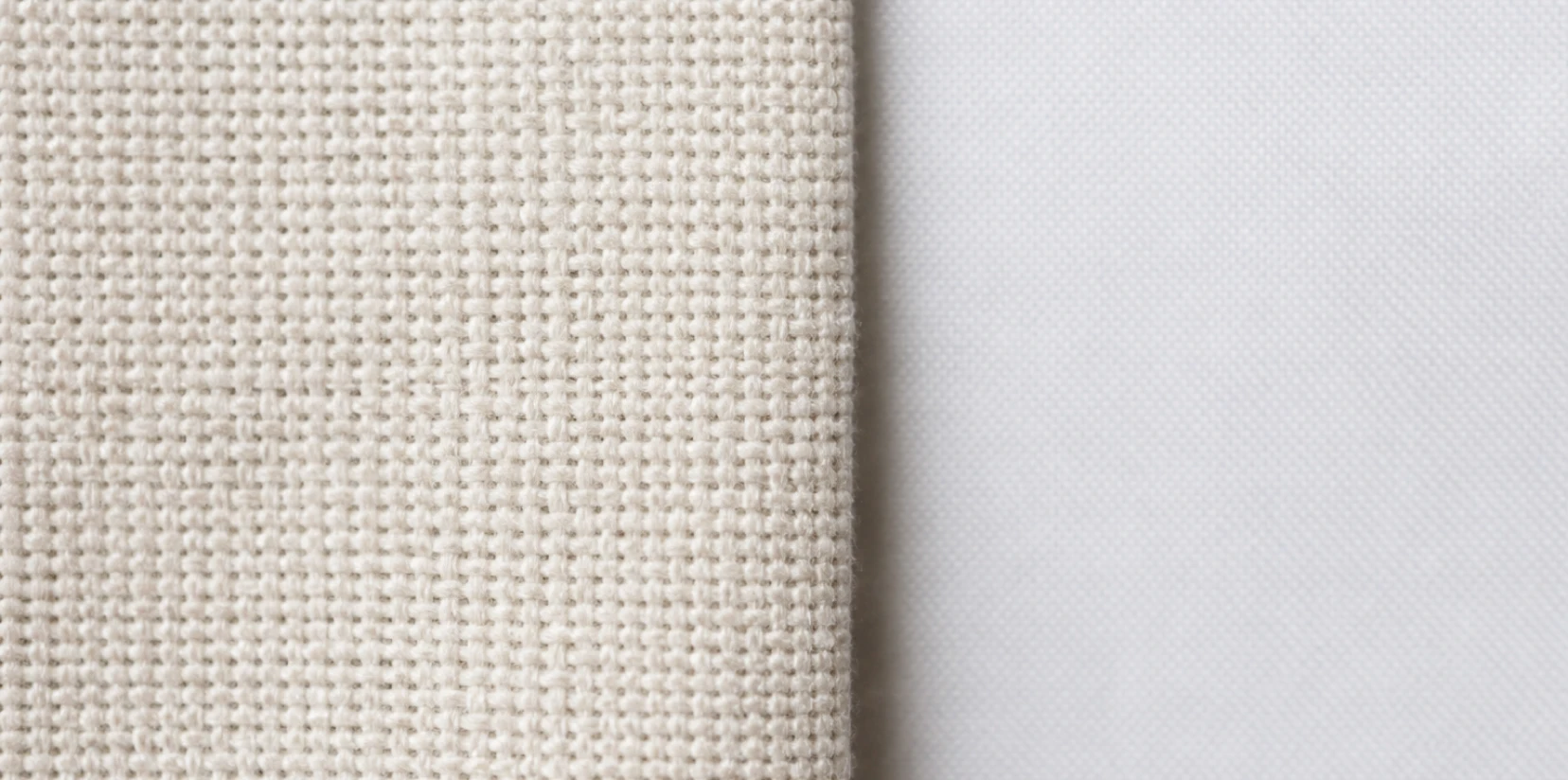
Woven textiles possess a highly textured, macro-relief surface topography created by the physical overlapping of warp and weft yarns. This uneven surface is inherently hostile to high-fidelity printing. Attempting to apply complex, multi-colored graphics directly to woven canvas or cotton requires thick, viscous plastisol inks or expensive dye-sublimation processes. Standard industrial printing methods struggle to achieve sharp edge definition or precise Pantone color matching on woven surfaces, resulting in degraded brand presentation and high ink consumption.
3.2 Flat Calendered Surfaces and Gravure Compatibility
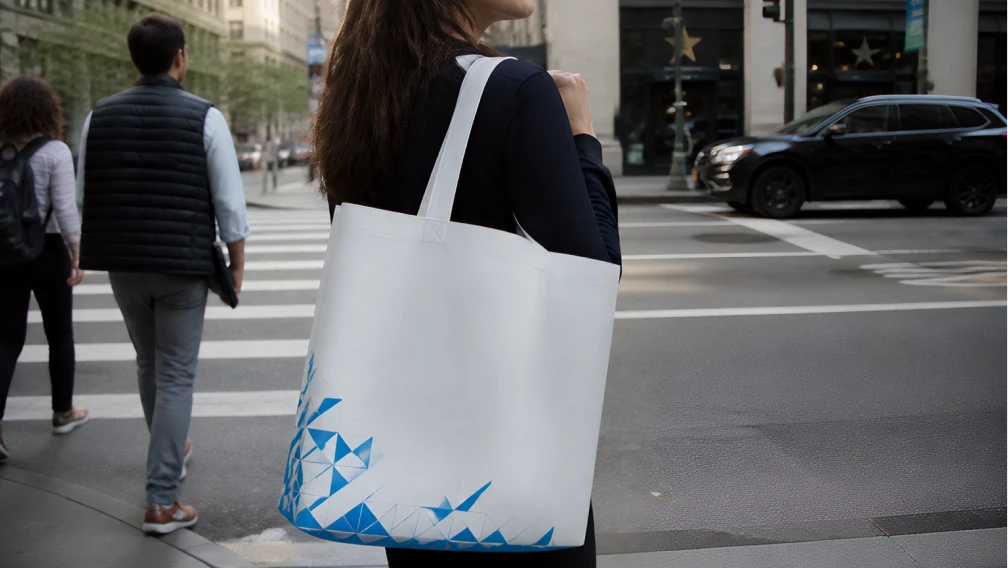
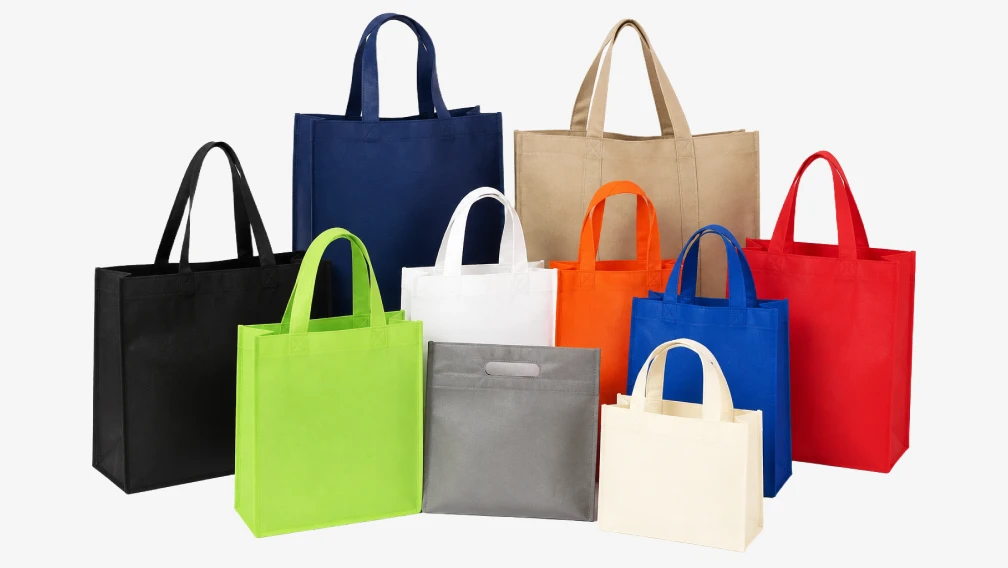
PP spunbond fabric features a highly uniform, flat surface topography, a direct result of the heavy thermal calendering process. This smooth baseline is engineered specifically for advanced graphic transfer. When combined with inline high-voltage Corona Discharge Treatment to elevate the polymer's surface energy (dynes), the nonwoven web becomes fully compatible with 7-color rotogravure printing technology. Gravure utilizes photochemically engraved steel cylinders to deposit micro-volumes of ink with absolute precision. This enables B2B buyers to execute complex, photographic-quality graphics, sharp typography, and exact brand color reproduction across millions of units—a standard unachievable on raw woven substrates.
4. Hydrophobicity and Environmental Resistance
Commercial transport vessels operate in unpredictable environments, facing exposure to precipitation, condensation, and chemical spills. The material's inherent resistance to moisture and biological degradation determines its functional lifespan.
4.1 Hydrophilic Vulnerabilities in Natural Wovens
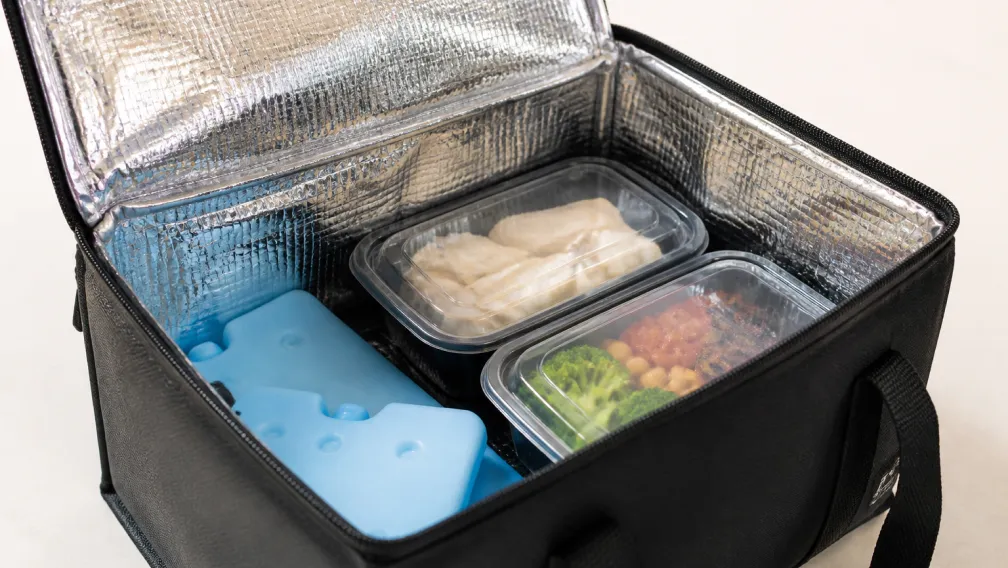
Traditional woven fabrics derived from natural fibers, such as cotton or jute, are heavily hydrophilic. They rapidly absorb ambient moisture, liquid spills, and condensation. In commercial food delivery or agricultural sectors, this absorption creates a micro-environment conducive to rapid bacterial proliferation, mold colonization, and subsequent structural rotting. Maintaining the hygiene of a woven cotton bag requires continuous mechanical laundering, which rapidly degrades the fiber integrity and fades applied graphics.
4.2 Polypropylene Inertness and Barrier Extrusion
PP spunbond nonwoven is intrinsically hydrophobic and chemically inert. It naturally repels immediate liquid penetration and completely resists microbial attacks. For applications requiring absolute liquid barriers, such as commercial catering or heavy-duty retail, the spunbond substrate undergoes secondary thermal lamination. A continuous, impermeable layer of Biaxially Oriented Polypropylene (BOPP) or Polyethylene (PE) film is extruded directly onto the fabric surface. This composite structure achieves 100% waterproof performance, allowing the bags to be rapidly sanitized with harsh chemical wipe-downs without compromising the structural matrix or the gravure-printed graphics protected beneath the clear film layer.
5. Supply Chain Economics: Total Cost of Ownership (TCO)
Evaluating packaging materials requires looking beyond the single-unit price and calculating the Total Cost of Ownership across the entire enterprise supply chain deployment.
5.1 The Capital Drain of Woven Procurement
The slow, labor-intensive looming process, combined with the high cost of raw agricultural fibers (cotton) or heavy woven polymer tapes, dictates that woven bags carry a significantly higher initial unit cost. For a national retail chain attempting to distribute millions of reusable bags annually to comply with single-use plastic bans, standardizing on woven textiles requires an unsustainable capital expenditure. Furthermore, the fragmented nature of woven textile mills increases the risk of lead-time delays and quality inconsistencies across massive order volumes.
5.2 The Economic Optimization of PP Spunbond
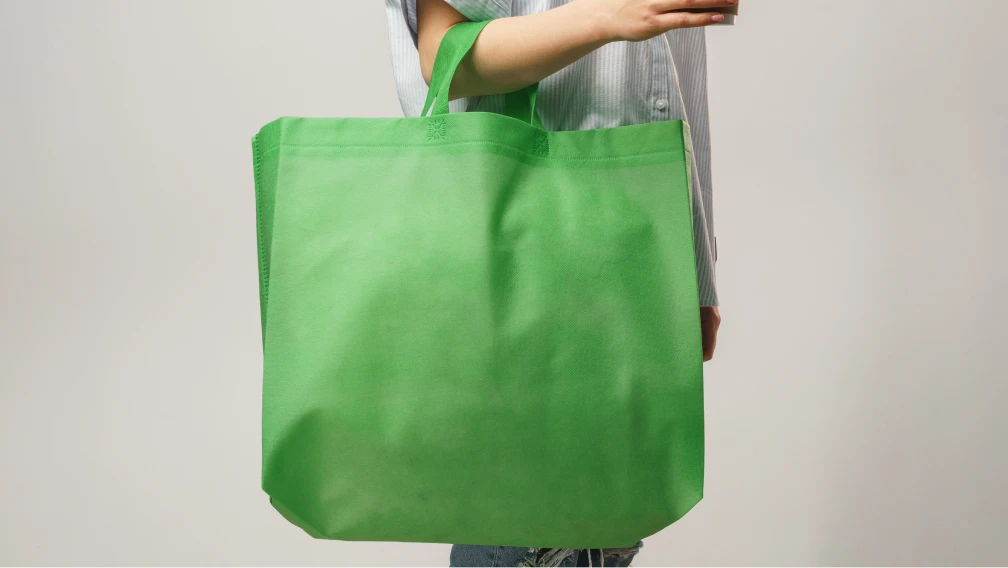
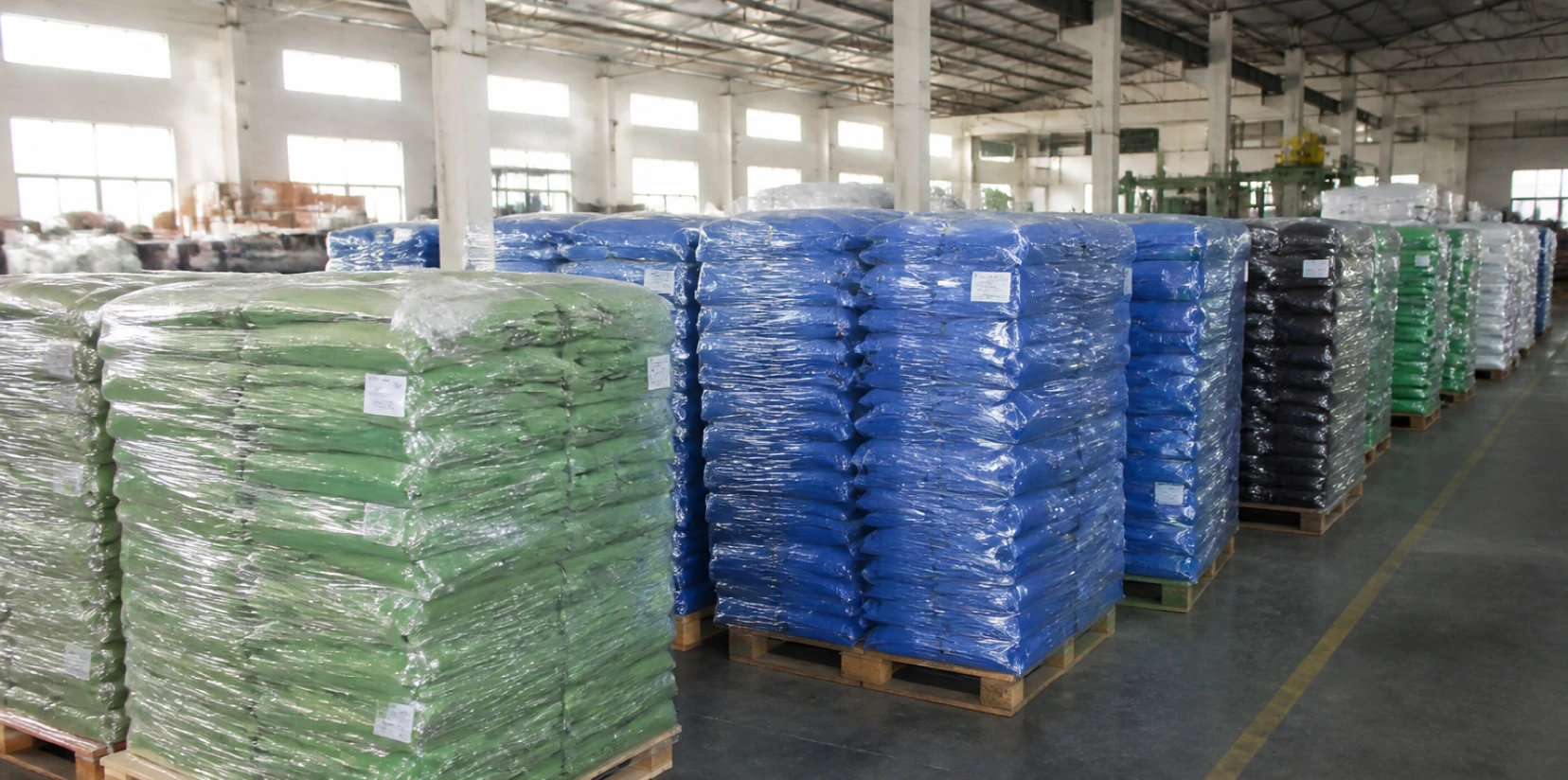
Vertically integrated nonwoven manufacturing dramatically alters the economic equation. By consolidating polymer extrusion, surface engineering, gravure printing, and automated ultrasonic converting within a single facility, the manufacturing overhead is drastically reduced. PP spunbond provides the exact structural durability required for heavy-duty commercial applications at a fraction of the unit cost of woven alternatives. This optimal balance of high tensile strength and aggressive cost efficiency allows enterprise retailers to execute massive, multi-region reusable bag rollouts without compromising their operational budgets.
6. Lifecycle Metrics and Material Recyclability
Corporate sustainability mandates require procurement departments to thoroughly audit the end-of-life viability of their selected packaging substrates.
6.1 Contamination in Woven Blends
While natural woven fibers are technically biodegradable, commercial woven bags frequently utilize mixed material blends (e.g., poly-cotton) or employ heavy chemical dyes and plastisol inks that render the final product non-recyclable in standard municipal streams. Woven PP sacks are recyclable, but their heavy physical mass makes transportation for recycling less efficient.
6.2 Thermoplastic Recyclability
Polypropylene spunbond nonwoven is manufactured from a single thermoplastic polymer family (Resin Identification Code #5). Assuming the bags are constructed using ultrasonic sealing rather than mixed-material threads, and utilize heavy-metal-free inks, the entire unit remains 100% recyclable. At the end of its commercial lifespan, the nonwoven bag can be shredded, re-melted, and extruded into secondary industrial plastic products, fully aligning with enterprise circular economy directives and regional environmental compliance regulations.
Conclusion
The comparative analysis between PP spunbond nonwoven and traditional woven textiles reveals a clear technical superiority for the nonwoven substrate in large-scale commercial packaging applications. Spunbond engineering eliminates the structural vulnerabilities of orthotropic yarn matrices, providing superior multi-directional tear resistance through continuous filament bonding. Furthermore, the combination of high-velocity extrusion economics, flat surface topography for high-fidelity gravure printing, and inherent hydrophobicity establishes PP spunbond as the definitive material choice. By partnering with a vertically integrated nonwoven manufacturer, enterprise procurement teams can secure a reliable, cost-optimized, and structurally superior packaging supply chain capable of executing massive global deployments.