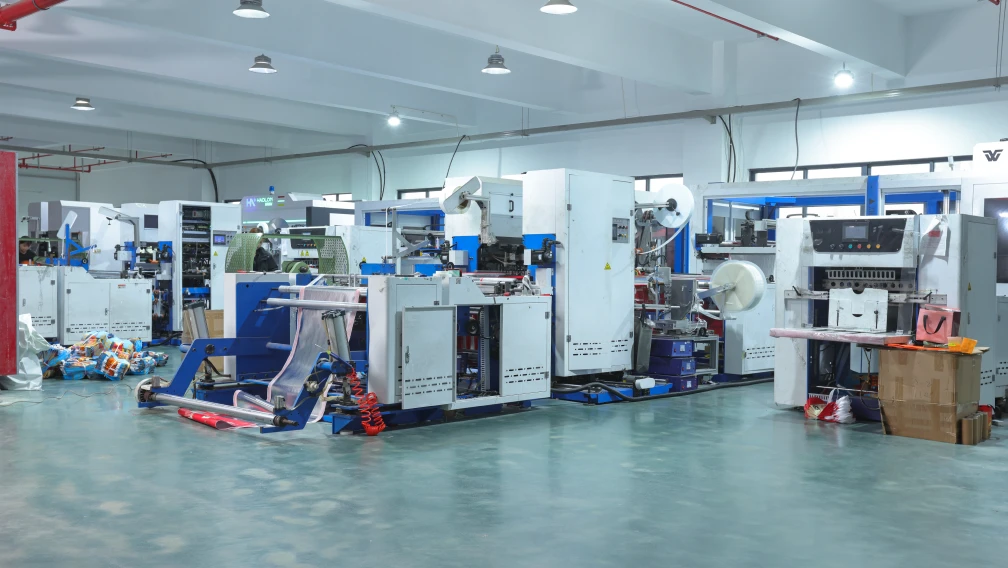

Introduction: Structural Mechanics in Retail Transit Packaging
In high-volume commercial retail and supermarket logistics, secondary packaging must transition from a lightweight promotional vessel to a heavy-duty transit asset. Procuring nonwoven bags capable of sustaining 10kg to 20kg payloads requires an exact understanding of polymer mechanics, anchor geometries, and seam architectures. When a bag is fully loaded, kinetic motion introduces severe shear stress and point loads that cause standard ultrasonic seams and low-density fabrics to fail instantaneously. This technical specification guide analyzes the engineering principles governing high-capacity nonwoven packaging, detailing the fabric densities, gusset structures, and reinforced stitching protocols required to deploy fail-proof assets in demanding retail environments.
1. Substrate Density and Tensile Yield Thresholds
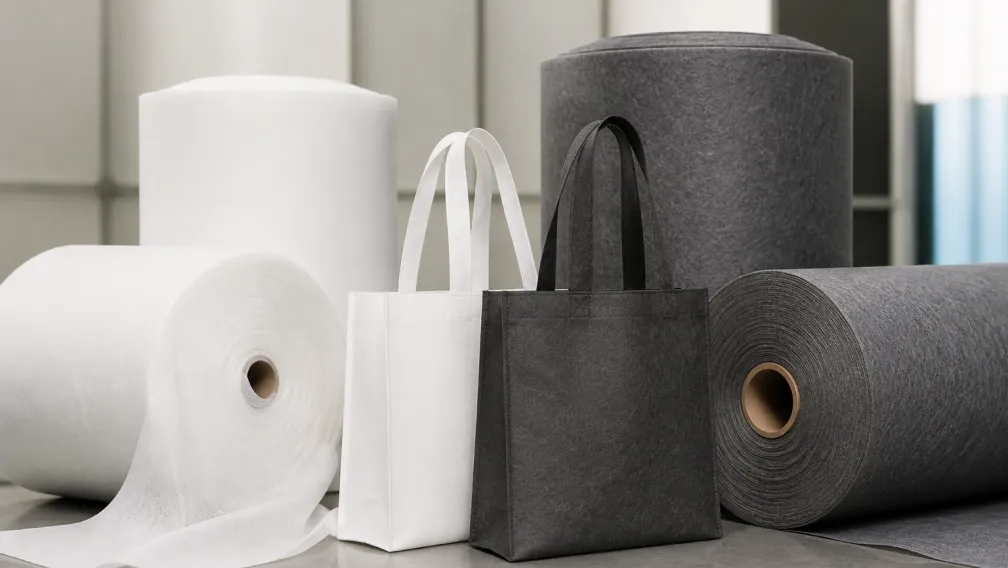
The structural foundation of any high-capacity bag relies on the base polymer web. Polypropylene (PP) spunbond fabric generates its tensile strength through the thermal point-bonding of continuous extruded filaments. For lightweight promotional distribution, a 60gsm to 80gsm density is sufficient. However, these weights lack the cross-direction (CD) tear resistance required for heavy retail payloads.
Engineering a high-capacity bag mandates a minimum PP non-woven fabric density of 100gsm to 120gsm. This increased mass directly translates to a higher concentration of thermal bond points per square inch, raising the ultimate tensile yield of the material. When subjected to the dynamic dropping forces of canned goods or heavy liquids, the 120gsm matrix absorbs and distributes the kinetic energy without tearing. For extreme industrial applications, procurement engineers frequently specify 150gsm substrates or laminate the fabric with BOPP film to further increase puncture resistance.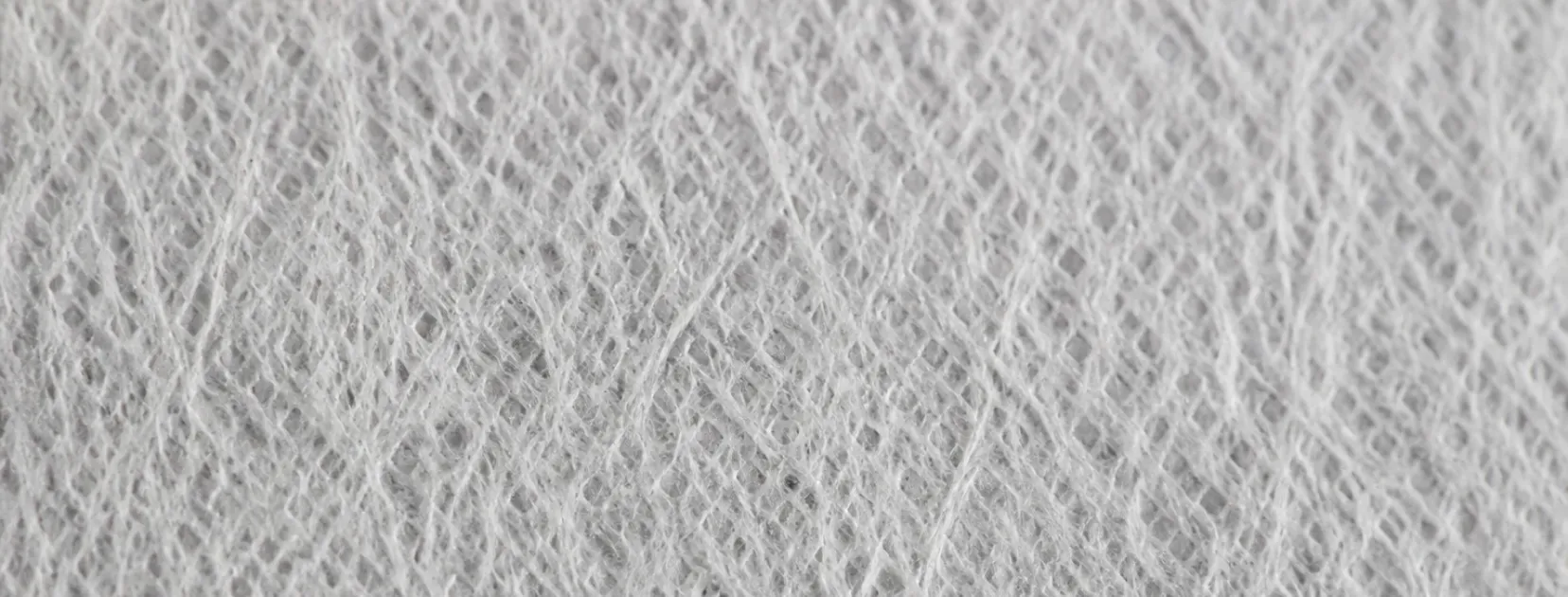
2. Anchor Mechanics: Ultrasonic vs. X-Box Cross-Stitching
The primary failure vector in any loaded tote is the handle attachment point. The entire vertical weight of the payload concentrates localized shear stress where the handle meets the bag body.
Standard automated production relies on ultrasonic welding, which uses high-frequency acoustic vibrations to melt the thermoplastic handle directly to the body. While highly cost-effective, an ultrasonic bond creates a rigid, brittle polymer joint. Under dynamic loads exceeding 5 kilograms, this joint experiences shear fracture, tearing entirely away from the substrate.
High-capacity specifications explicitly prohibit ultrasonic handle anchors. Instead, they require spun-polyester webbing handles secured via heavy-duty industrial sewing. The specific geometric requirement is the X-box cross-stitch. By sewing a square with a diagonal cross through the center, the vertical pulling force is distributed diagonally across a much larger surface area of the fabric matrix. This architectural distribution prevents localized fiber separation, allowing the bag to safely support payloads exceeding 15 kilograms.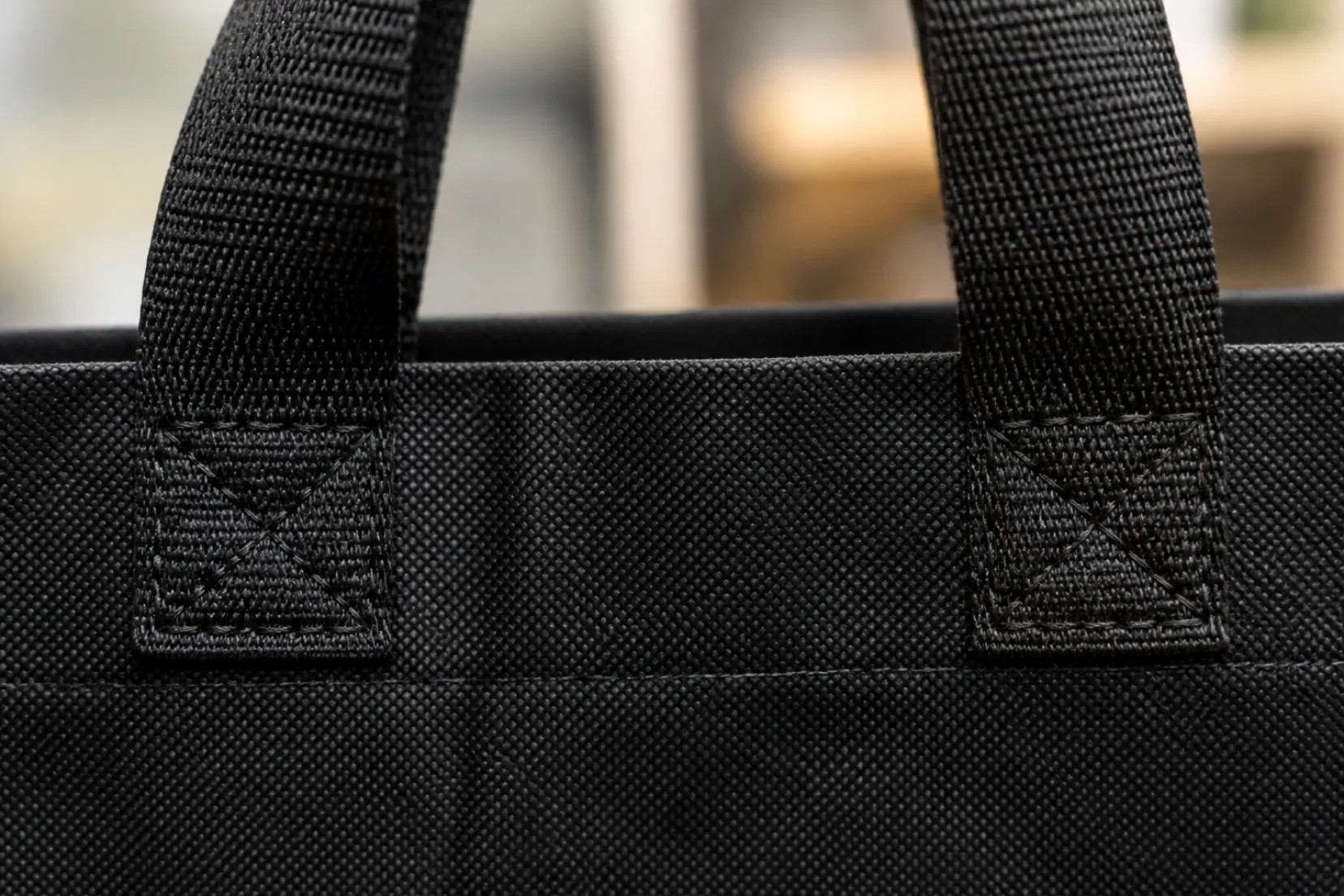
3. Gusset Geometry and Volumetric Distribution
The spatial geometry of the bag dictates how the internal payload weight interacts with the base fabric. A flat-stitched bag (zero gussets) forces 3D objects to bulge against the side panels, placing immense lateral strain on the vertical seams and distorting the corporate branding.
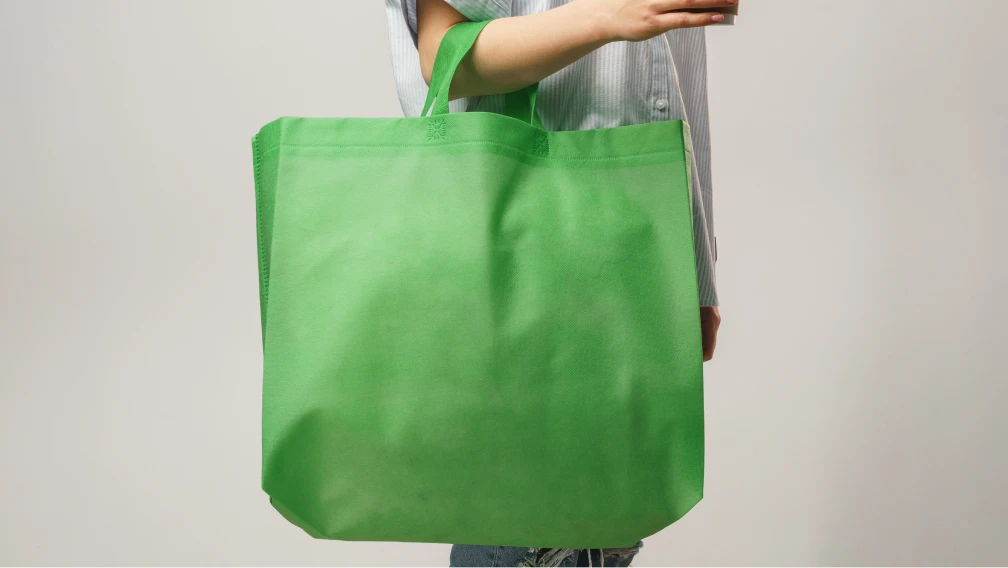
Heavy-duty applications require a full side-and-bottom gusset configuration. This geometry creates a structured, three-dimensional cubic cavity. When loaded with rectangular boxes or heavy rigid containers, the weight settles evenly across the flat bottom panel rather than pushing against the side walls. This uniform weight distribution lowers the center of gravity, stabilizes the bag during transport, and maintains the exact 90-degree angles necessary for scanning barcode logistics or presenting flat branding surfaces.
4. Defeating Point Loads: Rigid Base Board Integration
Even with high GSM fabrics and full-gusset geometries, heavy retail goods present puncture hazards. The corners of cardboard boxes, metal cans, and sharp plastic packaging create concentrated point loads. When the bag is lifted, these point loads press violently into the nonwoven base, initiating micro-tears that rapidly expand into catastrophic failure.
To neutralize point loads, high-capacity specifications integrate a rigid internal base board. Typically manufactured from 2mm extruded Polyethylene (PE) or corrugated plastic, this board is inserted freely into the bottom of the bag or sewn directly into a base sleeve. The rigid board intercepts the sharp corners of the payload and distributes their downward force evenly across the entire surface area of the bottom gusset. This simple mechanical addition effectively doubles the puncture resistance of the bag.
5. Edge Binding and Overlocked Seam Architecture
The perimeter seams of a heavy-duty bag must contain the outward lateral pressure of the shifting payload. Simple single-needle stitching leaves the raw cut edges of the nonwoven fabric exposed on the interior. Under severe friction, these raw edges will fray and separate past the stitch line.
Commercial engineering specifications require folded edge binding (piping) combined with overlocked stitching. In this process, a separate strip of nonwoven fabric is folded entirely over the raw edges of the main panels. An industrial multi-thread overlock machine then stitches through all layers simultaneously. This binds the raw edges permanently inside a protective envelope, ensuring the seam possesses higher tensile strength than the surrounding fabric panels.
6. AQL Verification and Dynamic Drop Testing
Procuring assets for enterprise logistics requires strict adherence to Acceptable Quality Limit (AQL) standards. You cannot visually verify the shear strength of an X-box stitch or the tensile yield of a polymer matrix. Validation requires destructive mechanical testing.
Before exporting bulk shipments from our factory, sample units are subjected to dynamic drop testing. A bag is loaded with dead steel weights equating to 150% of its maximum rated payload (e.g., loading 22.5kg for a bag rated at 15kg). The bag is then hoisted and subjected to rapid, jerking vertical drops. This simulates the kinetic shock of a consumer lifting a heavy grocery load rapidly from the floor. If the handle anchors, edge binding, or fabric matrix exhibit any fiber separation, the production batch fails QA. We mandate these protocols to guarantee zero defect rates upon deployment. Contact our engineering team to define the exact payload parameters and drop-test requirements for your upcoming retail packaging rollout.
Conclusion
Designing a high-capacity nonwoven bag is a strict exercise in structural engineering. Upgrading the fabric density to 120gsm provides the necessary base tensile yield, but the asset's true survival depends entirely on load distribution. By mandating X-box cross-stitched handles, integrating rigid PE base boards to defeat point loads, and securing the perimeter with overlocked edge binding, procurement teams eliminate the risk of mechanical failure. Refer to our nonwoven substrate comparison for further material data, and enforce rigorous dynamic drop testing to ensure your retail packaging securely transports heavy commercial goods while protecting your brand's integrity.