
Introduction: Thermal Packaging as Delivery Infrastructure
For restaurant delivery networks, grocery and meal-kit services, seafood distributors, and beverage brands, the insulated bag is the last temperature-controlled link in the cold chain. Once an order leaves the refrigerated kitchen or warehouse, product quality depends entirely on the passive thermal performance of the carrier until handoff. Programs that specify this link by guesswork face measurable losses: melted frozen goods, rejected deliveries, health-code exposure on hot holding, and brand damage that concentrates on social channels. Programs that treat the insulated bag as engineered equipment, with defined hold-time targets, liner standards, and quality control, convert the same spend into a repeatable logistics asset. This solution guide maps the major commercial applications of insulated cooler bags, defines the construction system behind thermal performance, and sets out the procurement framework for custom programs.
1. The Insulated Bag as a Three-Layer System
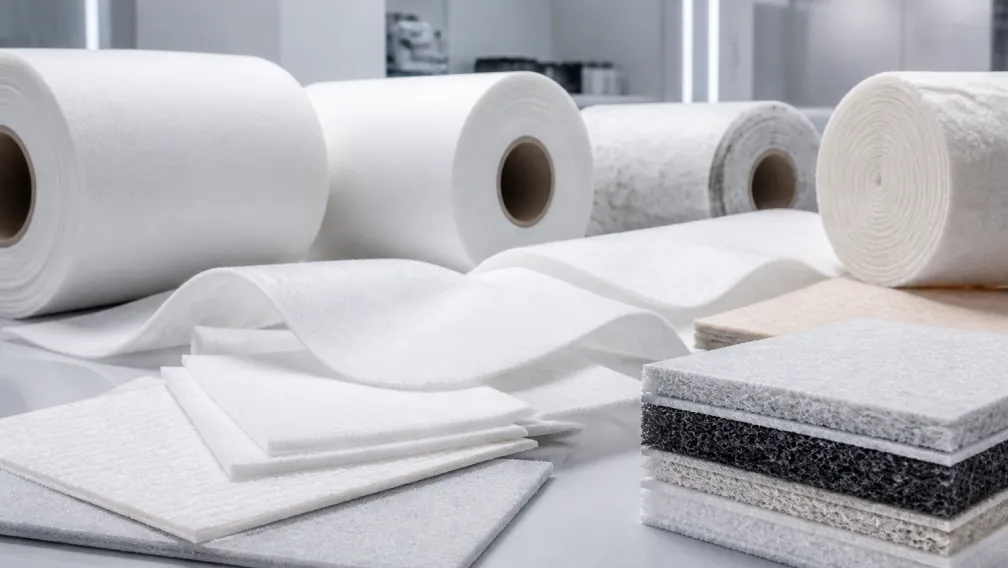
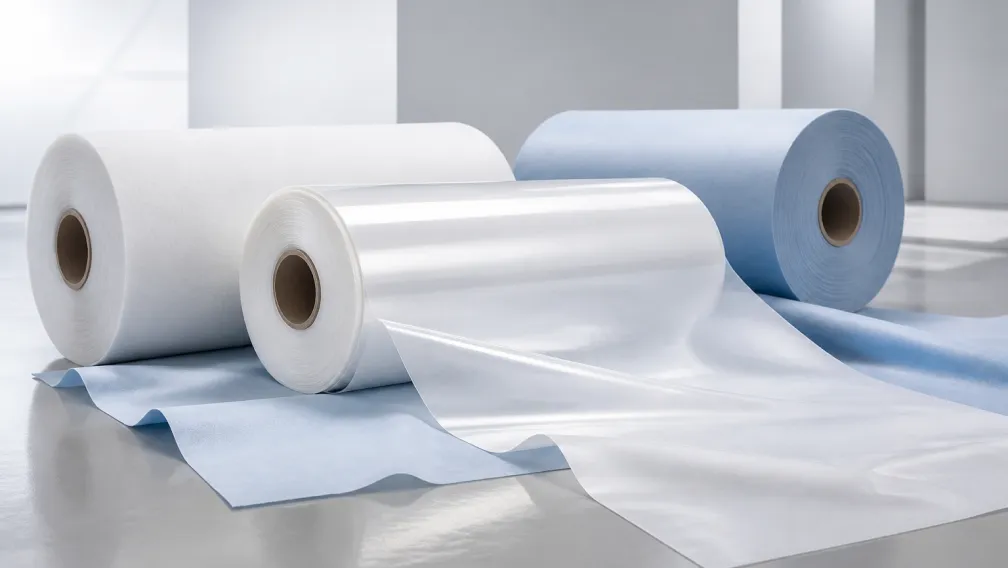
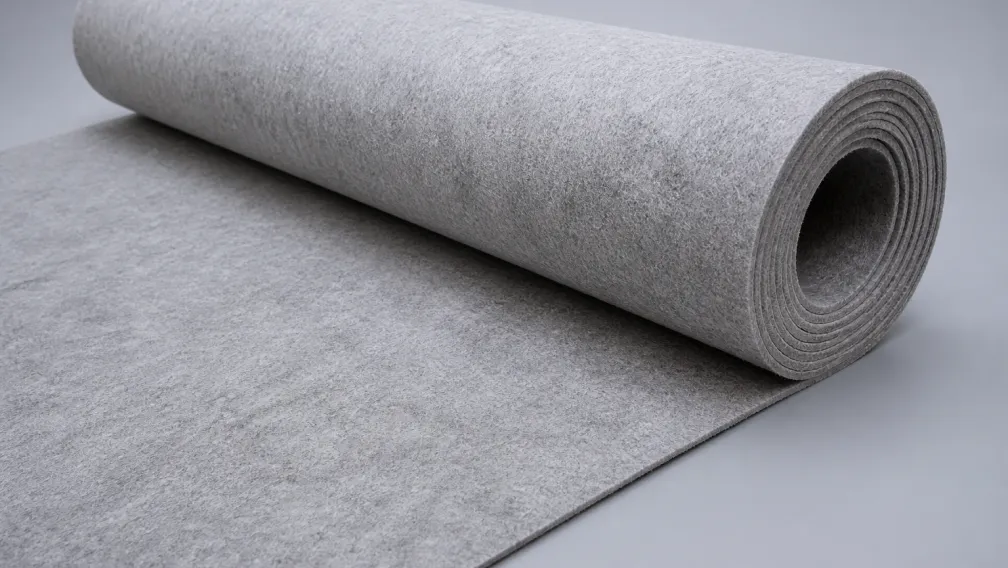
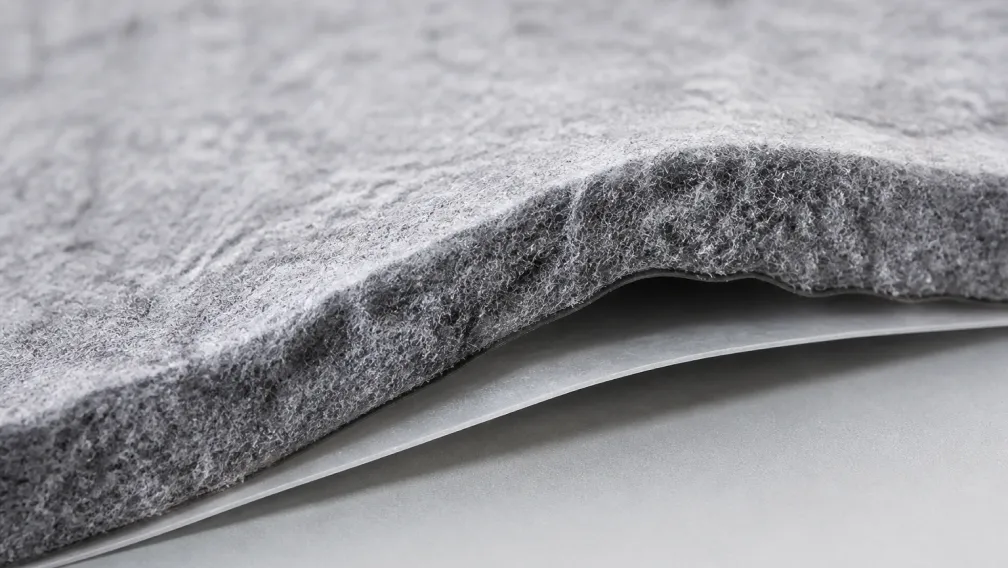
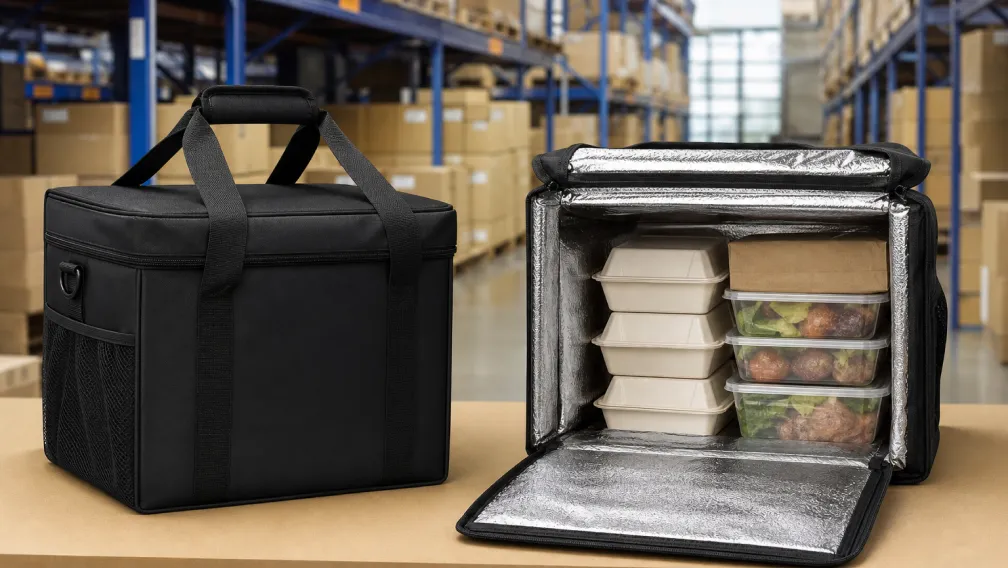
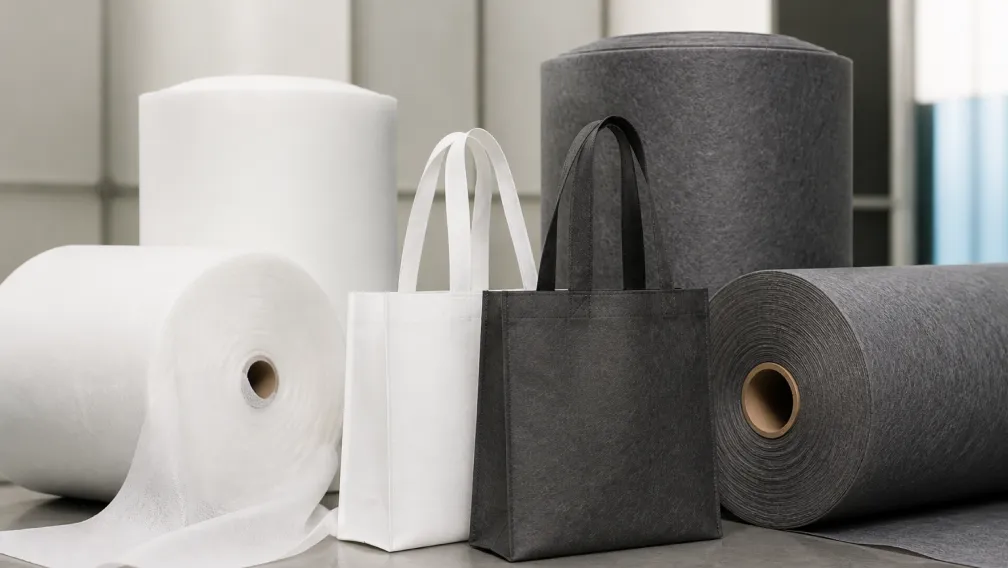
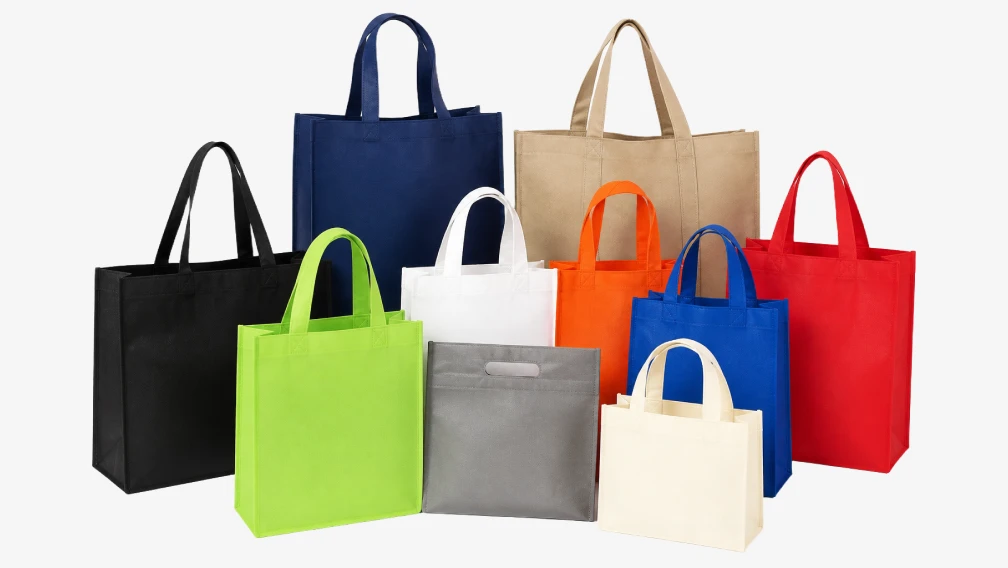
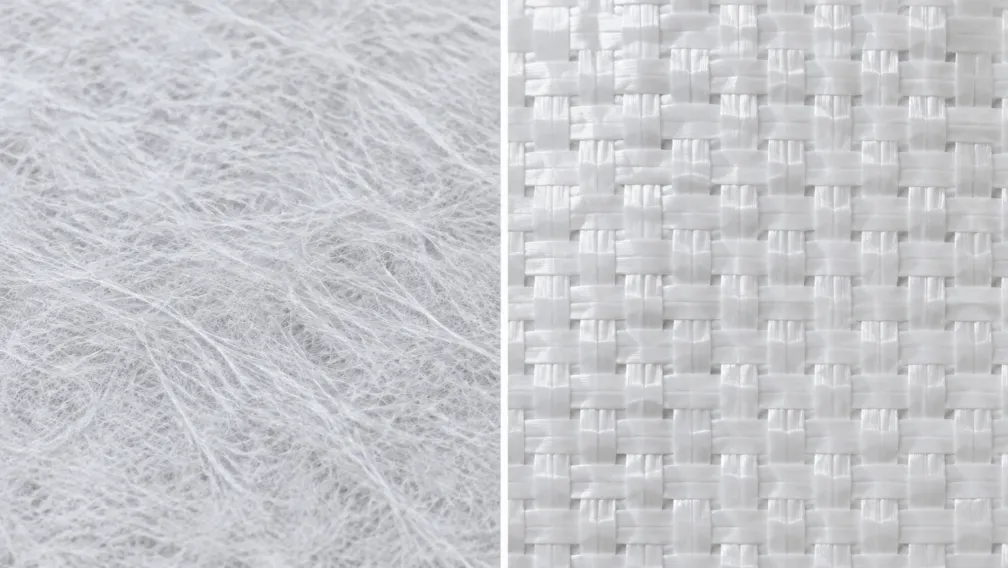
Every commercial insulated bag is a three-layer thermal system, and specification means specifying each layer. The outer shell provides abrasion resistance, print surface, and structure; laminated nonwoven polypropylene and coated polyester oxford are the two standard shells, with the laminated option dominant in printed delivery programs. The insulation core is closed-cell EPE foam, typically 3-8 mm thick, whose trapped air cells resist conductive heat transfer; foam thickness and coverage continuity, including at seams and the closure, set the performance ceiling. The inner liner manages food contact and leak containment: welded PEVA or aluminum-foil-faced liners are standard for food duty because sewn seams leak, while heat-welded liners create a basin that contains spills. Thermal testing across these constructions, including ice-retention and hold-time benchmarks, is documented in our insulated bag thermal retention testing guide.
2. Industry Solution Mapping
Insulated bag specification follows the duty cycle of the industry it serves. The table maps the major program types to constructions that perform in each.
| Program Type | Recommended Construction | Key Specification Focus |
|---|---|---|
| Restaurant and platform delivery | Rigid-wall delivery bags and backpacks, 5-8 mm EPE | 2-4 h hot/cold hold; stackable interior; driver ergonomics |
| Grocery and meal-kit distribution | Folding hot-cold totes with foil liners | Cold hold with gel packs; flat-pack return logistics; wipe-clean liner |
| Seafood and angling retail | Heavy-duty fishing coolers, welded liners | Leak-proof basin; ice retention 24 h+; UV-resistant shell |
| Wine and beverage retail | Divided bottle coolers, laminated shell | Bottle separation; carry comfort; retail print quality |
| Outdoor and promotional retail | Soft coolers and lunch bags | Brand print area; unit cost at volume; zipper durability |
3. Construction by Duty Class
3.1 Delivery Duty: Rigid and Backpack Formats
Delivery duty punishes equipment: dozens of open-close cycles per shift, curb drops, rain exposure, and vehicle vibration. Rigid-wall bags with corrugated or foam-board reinforcement keep their shape under stacking loads, and insulated cooler backpacks serve bicycle and foot couriers where two free hands and balanced load distribution decide delivery speed. Closures on delivery bags must seal fully; a gap at the lid line is the single largest thermal leak in most field failures, which is why commercial designs use full-perimeter zippers or overlapping flap closures with hook-and-loop secondary seals. The operational design of food delivery and catering carriers is covered in depth in our commercial insulated bags guide for food delivery and catering.
3.2 Retail and Grocery Duty: Folding Totes and Hot-Cold Formats
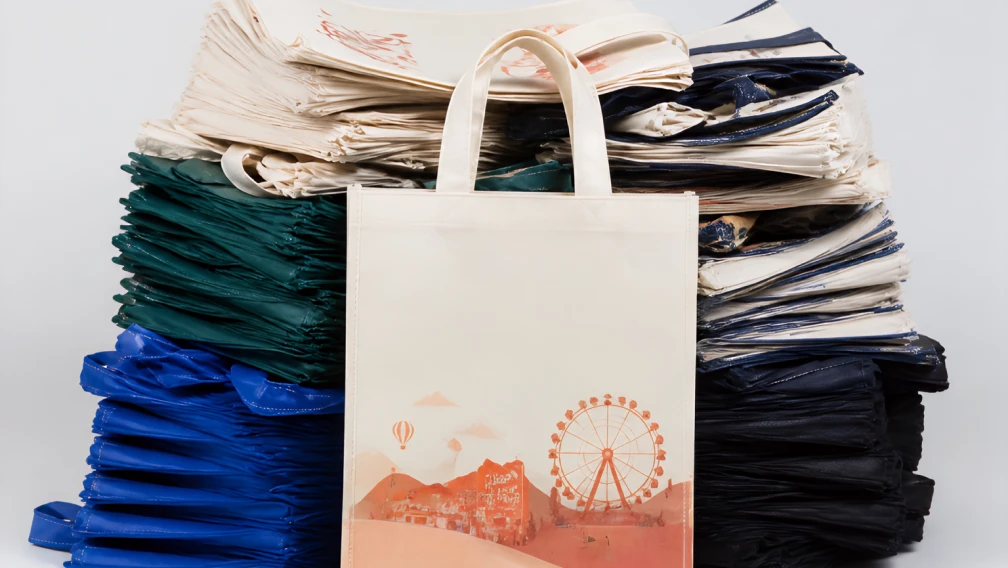
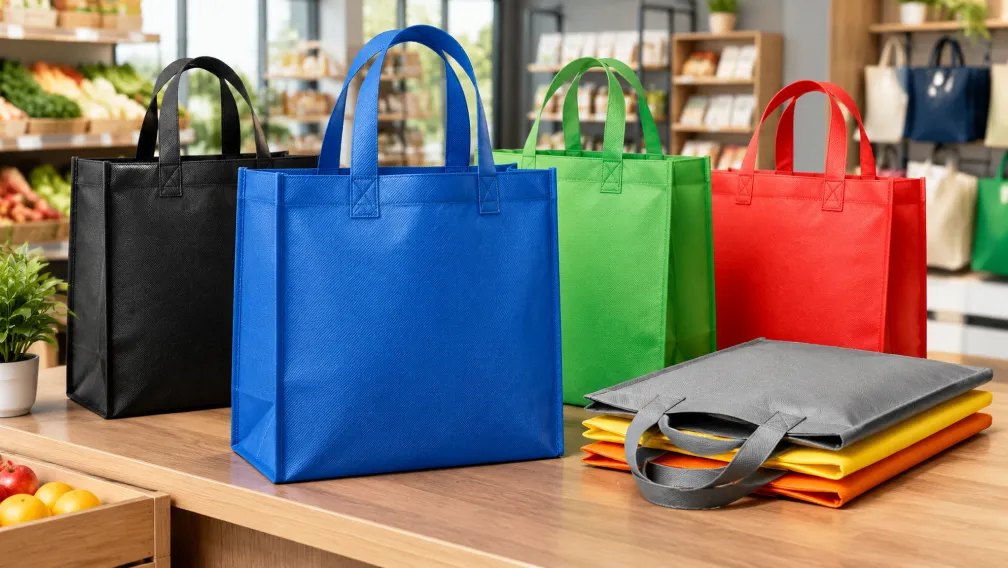
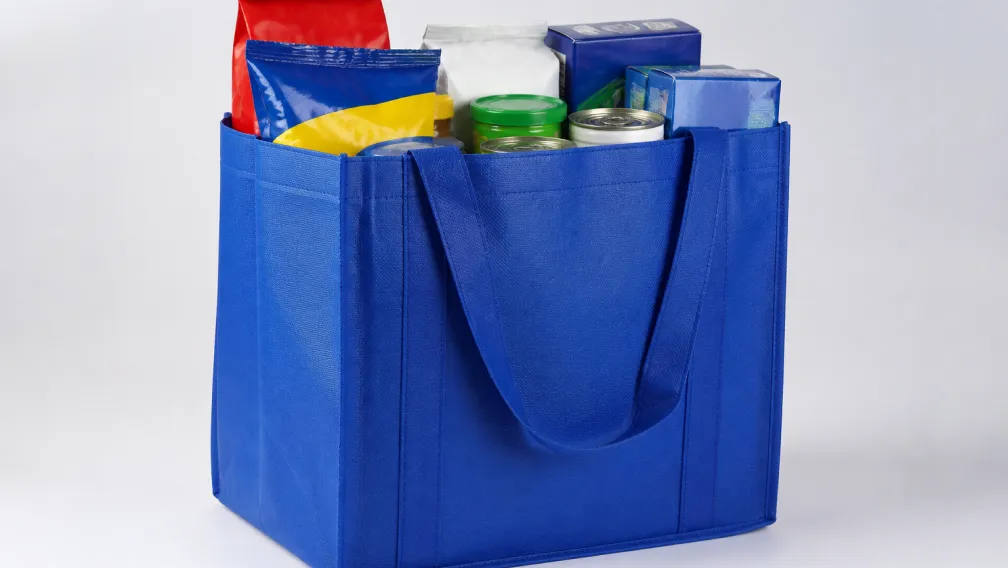
Grocery programs run on volume economics. Hot-cold bags with aluminum-foil-faced liners give shoppers 1-3 hours of thermal protection for the trip home, which covers the realistic grocery transit window at the lowest unit cost in the category. Folding construction matters for the retailer as much as the shopper: flat-packing bags store at checkout density and ship at a fraction of the freight volume of rigid formats. Insulated bags for food in this class carry the store brand at 3,000-unit order volumes with single or two-color screen printing on the laminated shell.
3.3 Specialty Formats: Fishing, Wine, and Lunch Programs
Specialty formats follow product geometry. Insulated fishing cooler bags run long and low to take caught fish lengthwise, with welded leak-proof liners and drain-friendly bases, and shell fabrics rated for UV and saltwater exposure. Insulated wine cooler bags use divided one, two, or six-bottle layouts that prevent glass contact and hold serving temperature from cellar to table. Insulated lunch bags anchor corporate gifting and promotional programs, where compact format and full-front print area drive the specification more than extended hold times.
4. Specifying Thermal Performance
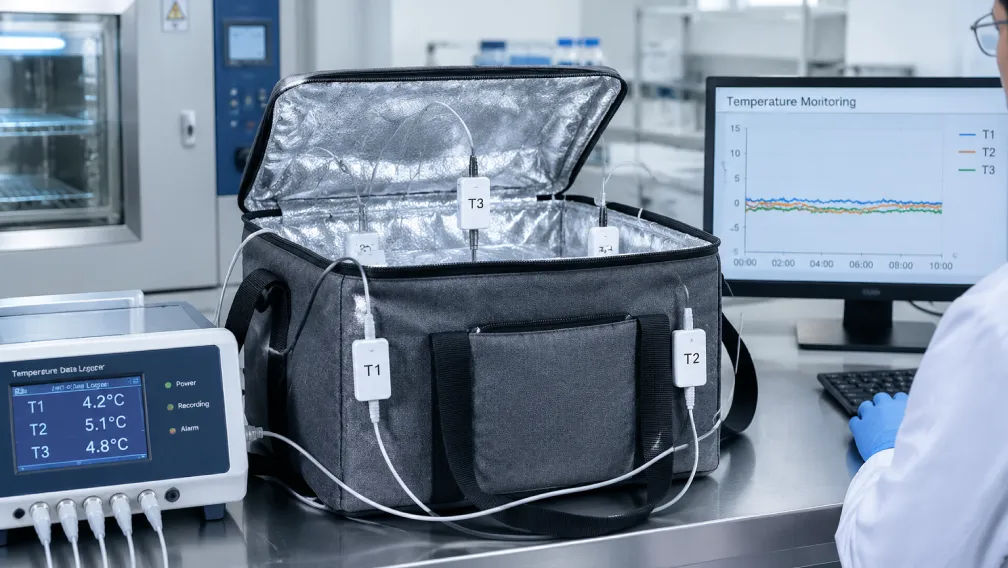
Hold time is a system property, not a fabric property. A bag's thermal performance depends on foam thickness, closure integrity, liner reflectivity, and how the bag is loaded; the same bag that holds 4 hours fully loaded with pre-chilled contents may hold under 2 hours half-empty. Procurement specifications should therefore state the use scenario: target hold time, ambient range, payload thermal mass, and whether gel packs or ice are part of the system. Validation is straightforward: load the production sample with the real payload at the real starting temperature, instrument it with a probe thermometer, and record the time to the limit temperature. Suppliers should provide third-party or in-house test reports against this scenario before mass production.
5. Liner Food Safety and Hygiene Compliance
Food-contact-adjacent liners belong in the specification document, not in assumptions. PEVA and food-grade aluminum-foil-faced liners are the standard because they are PVC-free, odorless, and cleanable; buyers serving the US market should confirm FDA 21 CFR compliance documentation for the liner film, while EU programs reference Framework Regulation (EC) 1935/2004 on food-contact materials. Hygiene performance degrades when liners are sewn rather than welded, because stitch holes wick spills into the foam core where they cannot be cleaned. Programs should also define a cleaning protocol: welded liners tolerate daily wipe-down with food-safe sanitizer, and delivery fleets that skip scheduled cleaning fail health inspections on the bag rather than the kitchen.
6. Branding and Customization
The laminated shell accepts silk-screen printing in spot colors and full-color gravure printing under BOPP lamination for retail-facing programs. Delivery fleets typically print one or two spot colors for durability and cost, while retail and promotional programs justify full-coverage photographic print because the bag functions as a brand asset at point of sale. Woven labels, custom zipper pulls, and colored shell fabrics extend brand execution without print-plate costs. Artwork should be supplied as vector files with Pantone references, and print placement must account for seam lines and gusset folds that interrupt large graphics.
7. Program Procurement Framework
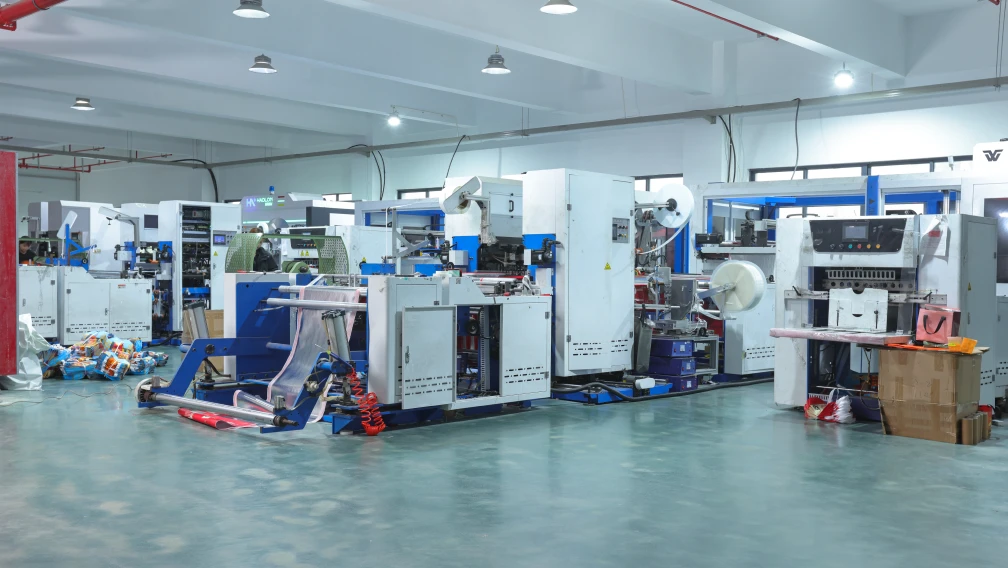
Custom insulated bag programs typically start at 1,000-3,000 units depending on construction complexity, with lead times of 30-40 days for new designs and 25-30 days for repeats. Quality control on insulated bags adds thermal and leak checks to the usual textile inspection: liner weld integrity is tested by water-fill, zippers are cycle-tested, and seam strength is verified under loaded drop. Sampling discipline pays for itself on the first order: approve a pre-production sample against the real duty scenario, then hold mass production to the approved construction with an agreed AQL level. Carton configuration matters at volume because foam-filled bags ship bulky; compressed or nested packing can cut freight cost per unit materially and should be settled at quotation stage.
Fleet economics favor durability over unit price. A delivery bag at twice the unit cost that survives 18 months of daily shifts costs less per delivery than a budget bag replaced every 4 months, and it avoids the service interruptions that concentrate at peak meal hours. Procurement scoring should therefore weight zipper cycle ratings, seam construction, and shell abrasion data alongside price.
Conclusion
An insulated bag program succeeds when the construction is matched to the industry's duty cycle: foam thickness and closure design set the thermal ceiling, liner construction decides food safety and leak behavior, and shell material carries the brand. Specifying each layer explicitly, validating hold time against the real use scenario, and enforcing liner and closure QC turns a commodity purchase into reliable cold-chain infrastructure.
Build your insulated bag program on tested specifications. Avanor Pack supplies custom insulated bags for delivery, grocery, seafood, beverage, and promotional programs from 1,000 units upward, with thermal test reports and food-safe liner options. Send your use scenario and target quantity for construction recommendations, samples, and a quotation.