Search

Enter keywords to search for products, blog posts, and more.


Home > Insulated Bags for Food

Insulated Bags for Food

Insulated Bags for Food

Insulated bags for food Food delivery bags Thermal catering bags Grocery cold chain bags

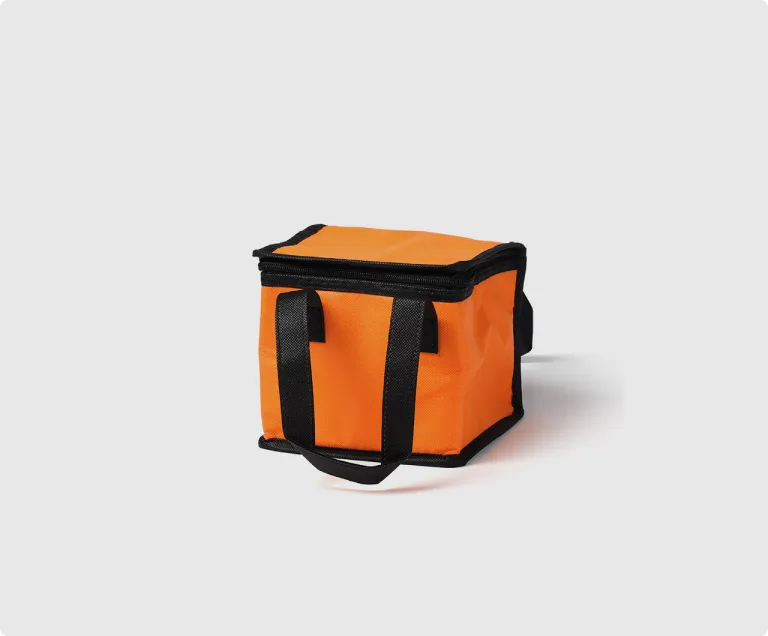
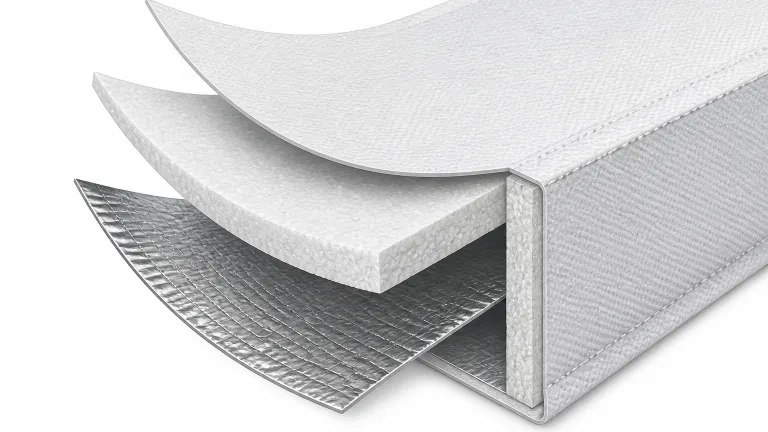
We manufacture insulated bags for food delivery, catering, and grocery cold chain programs. The structure is a BOPP-laminated PP nonwoven shell with a 2–3 mm EPE foam core and a food-grade aluminum foil lining: the foil reflects radiant heat, the foam slows conductive transfer, and the laminated shell blocks airflow and moisture. Bags fold flat for storage and ship compressed, which matters when a delivery fleet or supermarket chain is storing thousands of units between uses.


•    Three-layer build: BOPP shell, EPE foam core, foil lining

•    80–150 gsm fabric; cross-stitched handles for heavy loads

•    Zipper or Velcro closure; box or tote structure

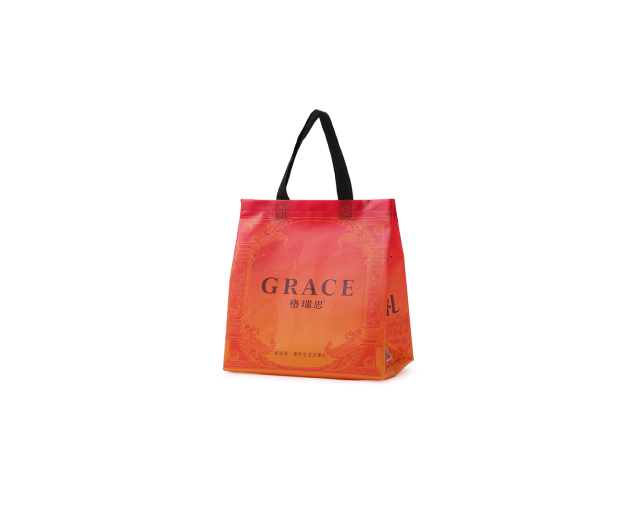
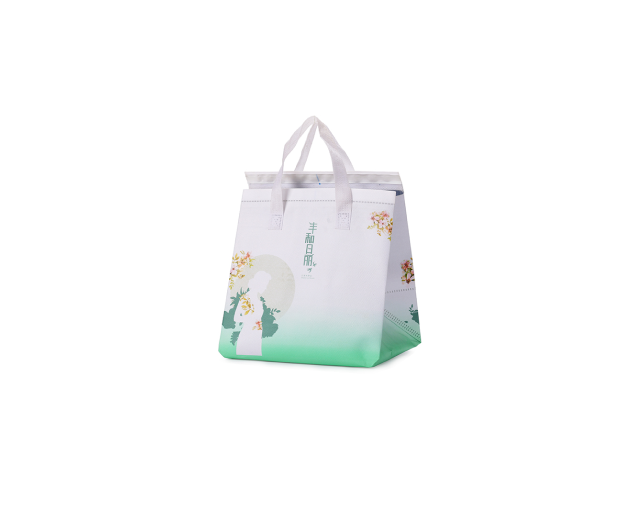
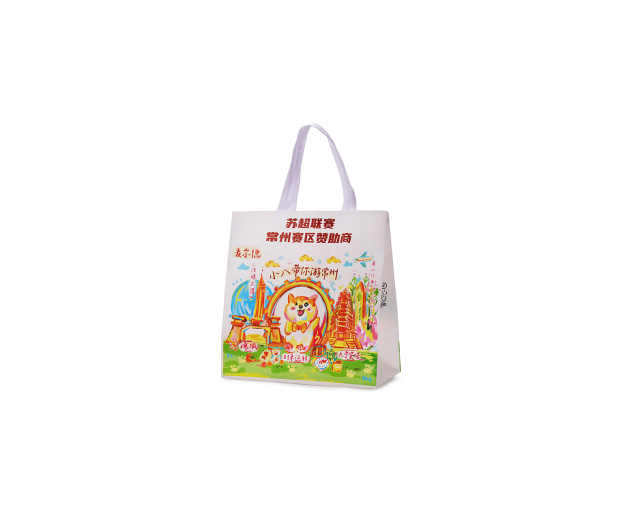
•    Gravure laminated branding up to 7 colors

•    Folds flat; dense bulk packing for warehousing

•    Wipe-clean foil interior

Service & Delivery

OEM & ODM accepted
Free artwork support
Sample available before bulk order

Insulated Food Bag Specifications

ParameterDetails
MaterialBOPP laminated film over PP spunbond nonwoven
Fabric Weight80–150 gsm, matched to payload
Insulation2–3 mm closed-cell EPE foam
Inner LiningFood-grade aluminum foil (reflective barrier)
ClosureNylon coil zipper (single or double pull) / Velcro flap
StructureFlat-bottom box, standard tote, or custom 3D shape
PrintingGravure lamination, up to 7 colors
ApplicationsCatering delivery, supermarket cold chain, grocery pickup
MOQ5,000–10,000 pieces per design; 10,000–20,000 pieces for laminated / rotogravure printing (cylinder setup). Trial orders negotiable when fabric is in stock
Lead TimeSamples: 3–5 days (unprinted) / 7–10 days (printed); Bulk: 20–30 days after sample approval and deposit

Insulated Bags by Food Application

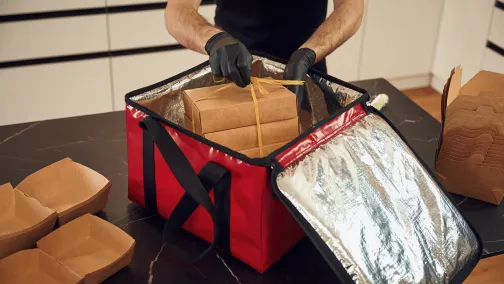
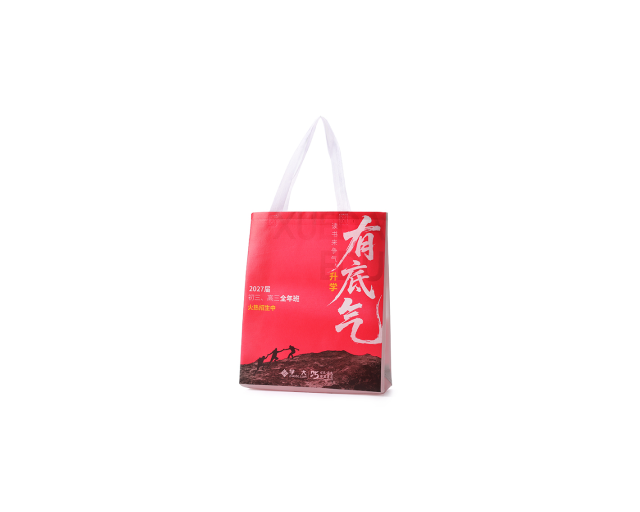
Restaurant Catering & Delivery Bags

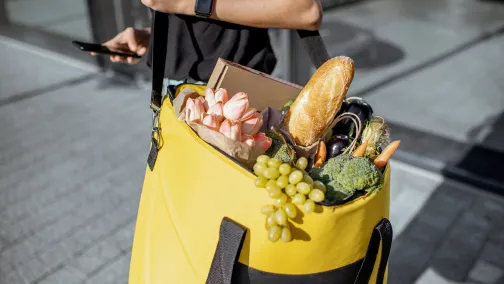
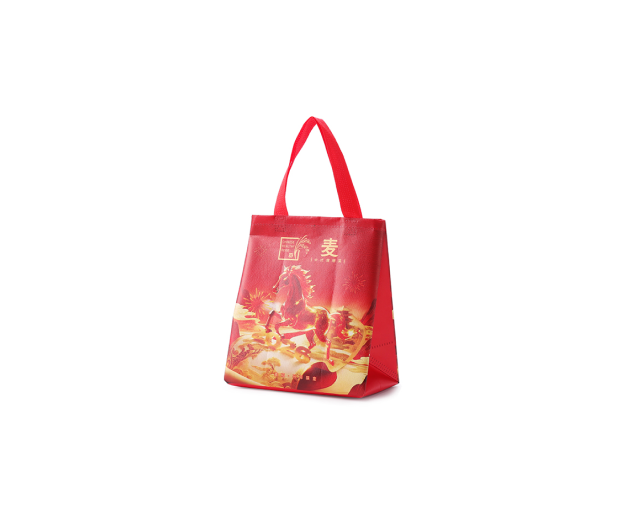
Supermarket Grocery Cooler Bags

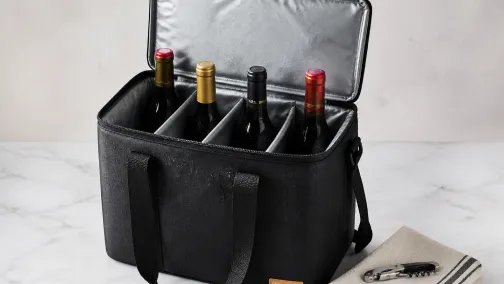
Beverage & Wine Transport Bags


How Long the Bags Hold Temperature

Insulation time comes from the layer stack working together. The aluminum foil lining reflects radiant heat in either direction — holding heat in for hot food, keeping it out for cold. The EPE foam core slows heat moving through the bag wall by conduction, and the laminated outer shell stops airflow and outside moisture. How long a bag holds temperature in practice depends on payload volume, starting temperature, ambient conditions, and how often the bag is opened — which is why we recommend testing a sample under your real delivery conditions before setting a fleet specification.


Branding and Construction Details

Branding is printed on the BOPP film by gravure — up to 7 colors — before the film is laminated to the nonwoven shell, so the artwork sits under a waterproof, scratch-resistant surface that survives daily wiping and loading. Bags are then cut and sewn on automated lines, with cross-stitching at the handle anchors where a full food load concentrates its weight. The same printing setup is used across our printed nonwoven range, so multi-product fleets keep one artwork standard.

Showcase

logo
logo
logo
logo
logo
logo
logo
logo
logo

About Changyuan Nonwoven

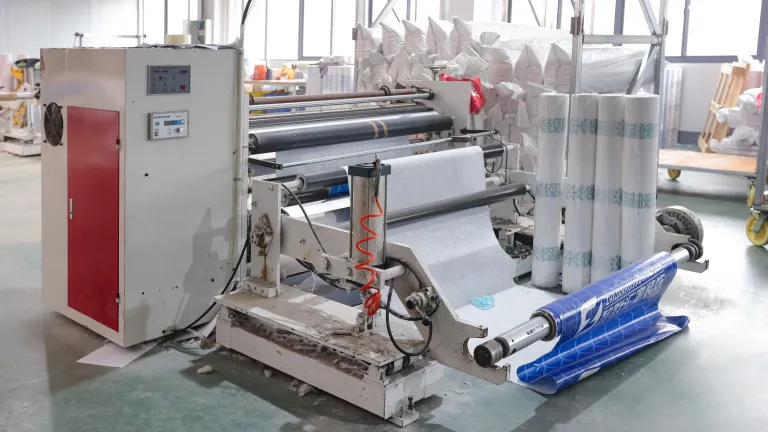
We are a nonwoven fabric and bag manufacturer based in Changzhou, China, running a full production line from raw material to finished goods since 2012. Our factory handles fabric extrusion, 7-color gravure printing, lamination, and bag making in-house, serving clients in 20+ countries with a daily output of 200,000 pieces.

Company factory how we work

FAQs

Can the foil lining be sanitized between deliveries?

Yes. The foil lining is smooth and non-porous, so it wipes clean with standard commercial sanitizing solutions or a damp cloth. Food spills and condensation can be removed between delivery cycles.

Which closure holds temperature longer?

A continuous nylon zipper outperforms Velcro for temperature retention. The zipper closes the bag completely and restricts convective air exchange, which is the main driver of temperature loss in transit. Velcro is faster to operate and suits short, high-frequency pickup routes.

Can the bags hold loose ice directly?

No. The shell, foam, and foil are water-resistant, but the stitched seams are not hermetically sealed — melted ice will find the needle holes. For active cooling, specify sealed gel packs or dry ice bricks instead of loose ice.

How do the bags ship and store in bulk?

The bags fold flat and pack densely into export cartons, which keeps dimensional shipping weight and warehouse footprint low. Compressed cartons stack efficiently for distribution centers storing fleet inventory between uses.

Insulated Bags for Food Delivery and Grocery Programs

What the Bag Has to Do on a Delivery Route

A delivery bag has one job: slow temperature change long enough for the food to arrive inside its safe window. The foil lining handles radiant heat, the foam core slows conduction, and the closed shell limits air exchange. No soft bag stops heat transfer completely — retention time is set by payload volume, starting temperature, outside conditions, and how often the bag is opened. Fleet buyers should test samples on actual routes before locking a specification: a bag that performs in a warehouse demo can fall short on a 40-minute summer route with ten stops.

Soft Bags Versus Rigid Coolers for Fleet Operations

Rigid coolers insulate well but fail on logistics: they occupy the same volume empty as full, which inflates warehouse space and inbound freight together. Soft insulated bags compress flat — a single pallet holds thousands of collapsed units — and flex into the gaps between orders in a delivery vehicle. For operations running hundreds or thousands of bags, the storage and freight difference between rigid and soft formats is usually larger than the per-unit price difference.

Service Life and Cleaning

Reusable only works if the bag survives repeated cleaning. The foil lining is non-porous and wipes down with standard sanitizing solution between runs; the laminated shell keeps spilled liquids on the surface. Seams are stitched rather than welded, so the bags are not waterproof at the needle holes — loose ice will leak through, and sealed gel packs are the correct specification for active cooling. With normal handling, fleets typically get months of daily service before bags need replacement; contact us for sample testing and fleet volume scheduling.

linkedin facebook instagram youtube