Search

Enter keywords to search for products, blog posts, and more.


Home > Hot Cold Bags

Hot Cold Bags
Hot Cold Bags

Hot Cold Bags

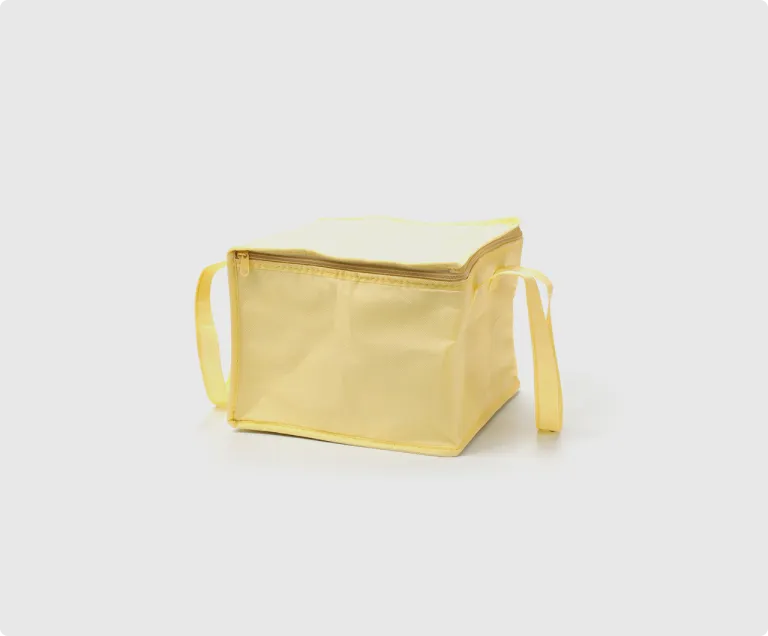
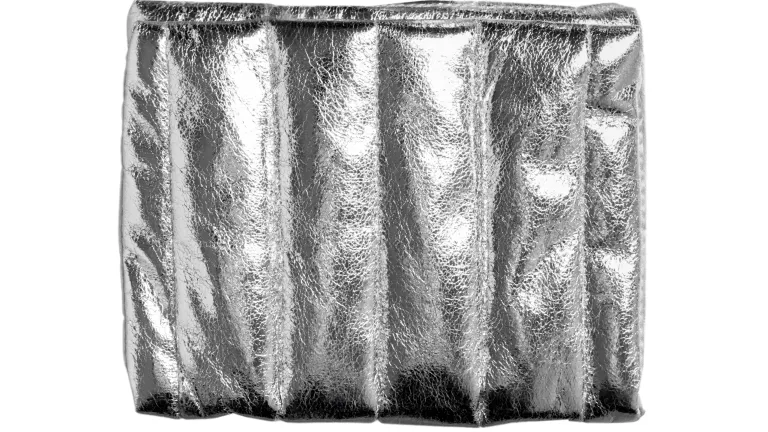
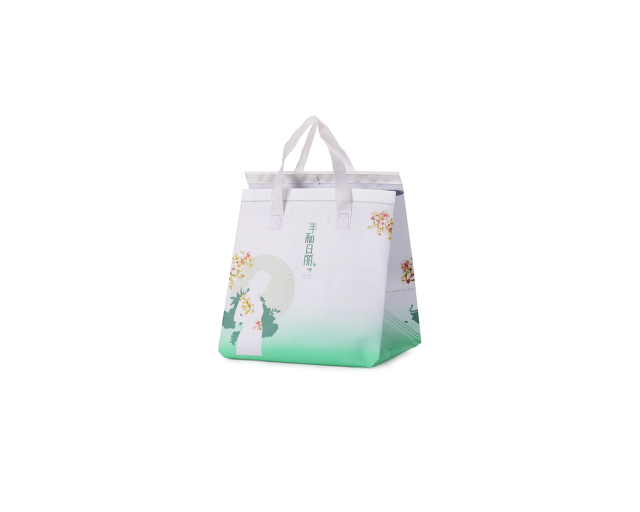
Engineered thermal packaging designed to manage bidirectional temperature retention for commercial transit logistics.[cite: 16] The structural architecture utilizes a three-tier material composite.[cite: 16] The exterior features a waterproof BOPP laminated film, the core provides structural tensile strength via PP spunbond nonwoven fabric, and the interior integrates 2mm to 3mm EPE foam bonded with reflective aluminum foil.[cite: 10, 16] This configuration allows a single asset class to transport heated catering payloads or frozen grocery goods effectively.[cite: 16] Supplied directly to logistics fleets and commercial kitchens, these bags are fully customizable in volumetric dimensions, foam caliper, and rotogravure exterior printing.[cite: 16]

  • Three-tier construction: BOPP lamination, PP nonwoven, EPE foam, and radiant aluminum foil.[cite: 16]
  • Bidirectional thermal efficiency: Metallic interior reflects ambient heat or retains internal radiant heat.[cite: 16]
  • Moisture barrier: Laminated exterior repels environmental liquids and prevents condensation leakage.[cite: 16]
  • Storage format: Collapsible fabric architecture reduces warehouse storage footprint.[cite: 16]
  • Closure mechanisms: Configurable with nylon zippers to arrest convective air exchange.[cite: 16]
  • Factory direct bulk manufacturing for B2B procurement.[cite: 10, 16]

Thermal Bag Technical Data

ComponentEngineering Specification
Exterior SubstrateBOPP Laminated Film thermally bonded to Spunbond PP Nonwoven[cite: 16]
Fabric Density80gsm to 150gsm (calibrated for specific payload mass)[cite: 16]
Thermal Core2mm to 3mm Closed-Cell EPE (Expanded Polyethylene) foam[cite: 16]
Interior MembraneRadiant Aluminum Foil coating[cite: 16]
Closure SystemNylon coil zippers or hook-and-loop flap configurations[cite: 16]
Structural GeometryFlat-bottom box base or standard tote architecture[cite: 16]
Print TechnologyRotogravure lamination (up to 7 continuous color channels)[cite: 16]
Application ScopeCommercial catering, grocery cold chain logistics, pharmaceutical transit[cite: 16]


Standard Configurations for Transport

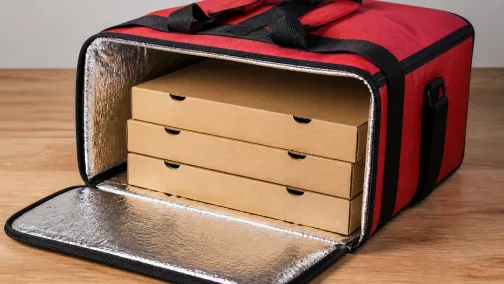
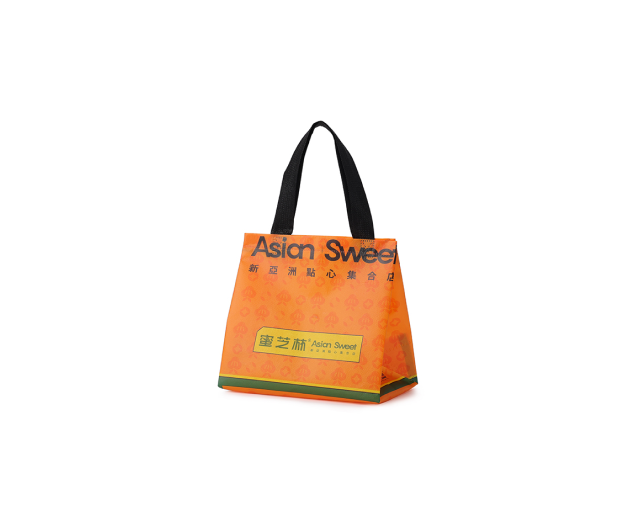
Commercial Delivery and Catering Containers

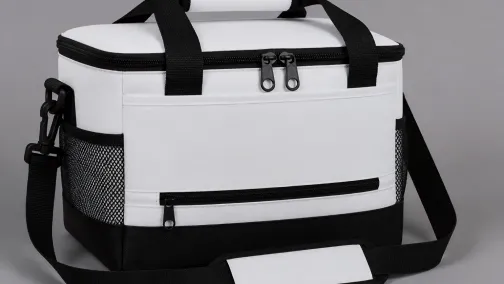
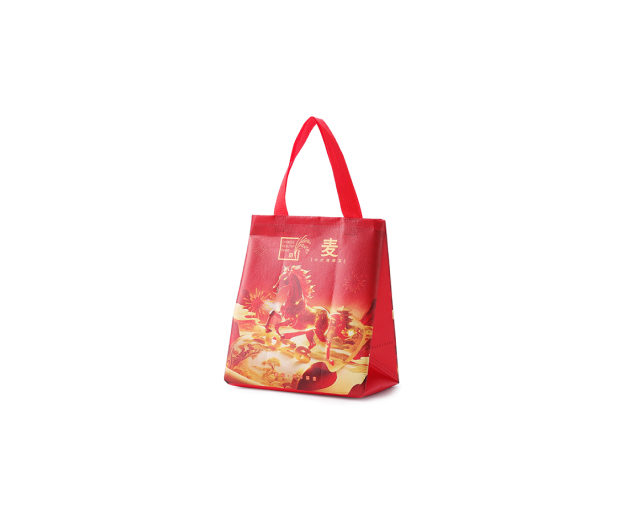
Supermarket Cold Chain Logistics Totes

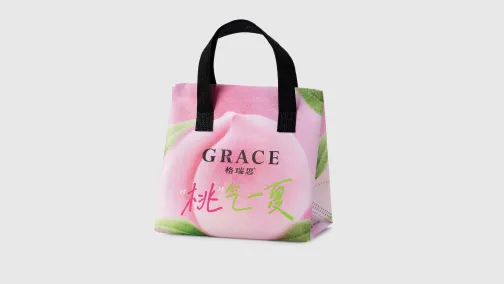
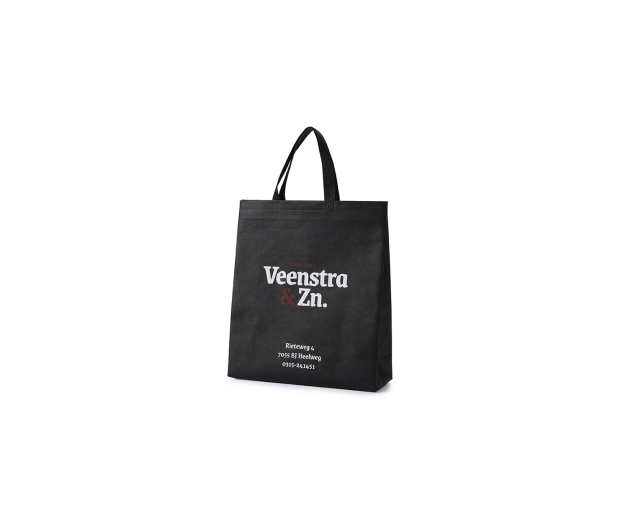
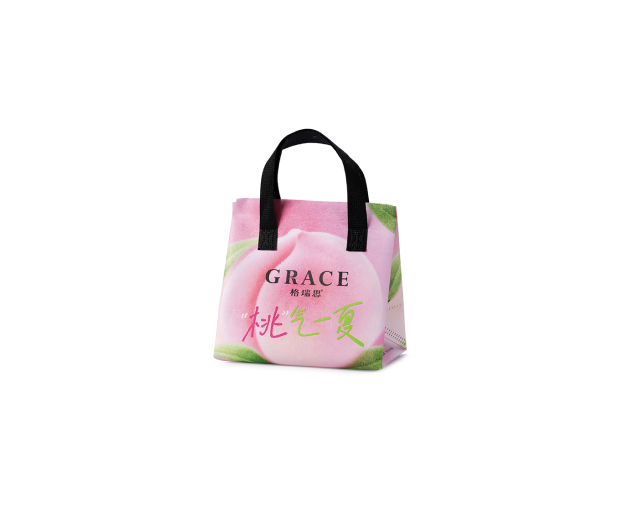
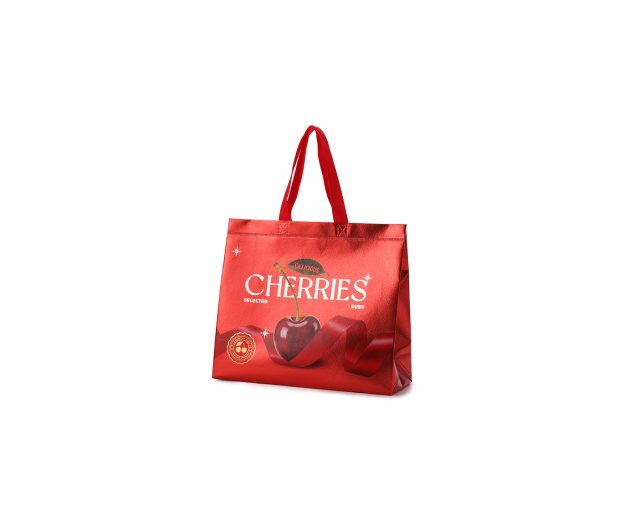
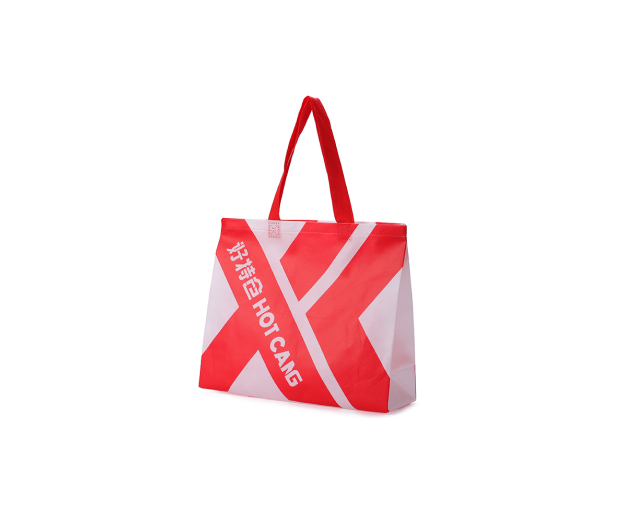
Promotional and Retail Transit Bags


Dual-Directional Thermal Barrier Mechanics

The thermodynamic efficiency of hot cold bags relies on the aluminum foil lining acting as a radiant barrier.[cite: 16] When transporting heated payloads, the foil reflects radiant heat back toward the food.[cite: 16] For chilled items, it reflects external ambient heat away from the internal compartment.[cite: 16] The adjacent EPE foam layer suppresses conductive heat transfer, stabilizing internal temperatures.[cite: 16]


Structural Integrity and Payload Capacity

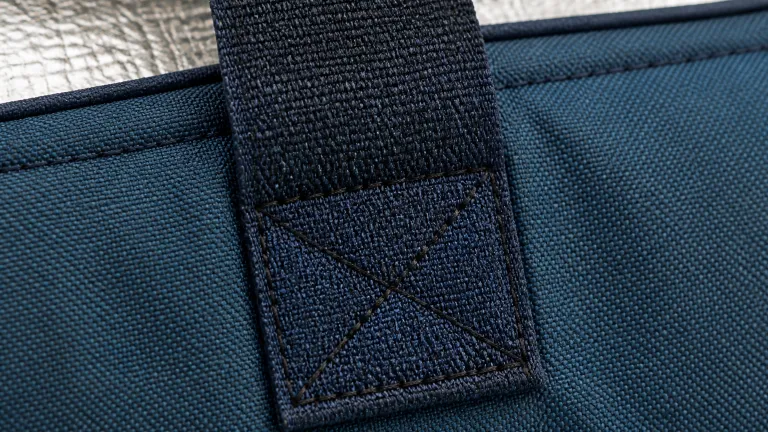
Commercial transport subjects bags to heavy loads and continuous friction.[cite: 16] The structural core utilizes PP spunbond nonwoven fabric, providing high machine-direction tensile strength.[cite: 16] Heavy-duty nylon webbing handles are cross-stitched down the vertical height of the bag, allowing large insulated cooler bags to support dense catering trays without seam failure.[cite: 10, 16]


Absolute Waterproofing and Sanitation Protocols

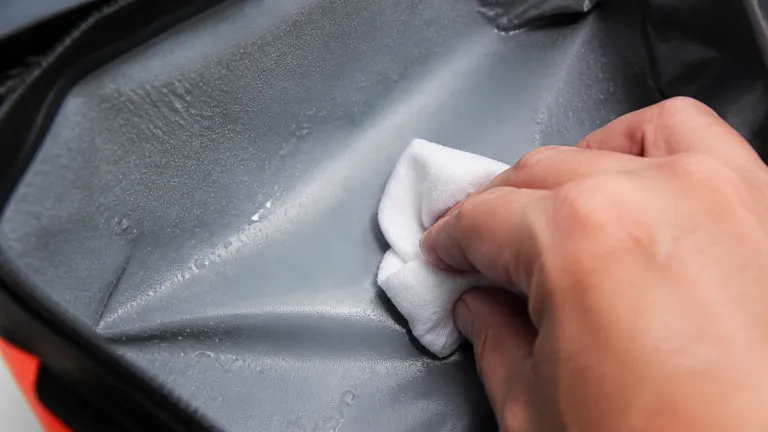
Food logistics require strict hygiene compliance.[cite: 16] The bag's exterior is sealed with a BOPP laminated film, creating an absolute waterproof barrier against environmental contaminants.[cite: 16] Internally, the aluminum foil provides a non-porous surface.[cite: 16] In the event of payload leakage, the interior can be rapidly wiped clean and sanitized for the next delivery cycle.[cite: 16]

Showcase

logo
logo
logo
logo
logo
logo
logo
logo
logo

About Changyuan Nonwoven

We are a nonwoven fabric and bag manufacturer based in Changzhou, China, running a full production line from raw material to finished goods since 2012. Our factory handles fabric extrusion, 7-color gravure printing, lamination, and bag making in-house, serving clients in 20+ countries with a daily output of 200,000 pieces.

Company factory how we work

FAQs

Do these bags require ice packs for cold transport?

The bags provide passive thermal insulation, delaying temperature equalization.[cite: 16] For extended transit times exceeding standard delivery windows, sealed gel packs or ice bricks are required.[cite: 16] Loose ice is prohibited as the sewn seams are not designed for absolute hydrostatic containment.[cite: 16]

Can a single bag transport hot and cold items simultaneously?

No. A single enclosed compartment will physically equalize the temperature of its contents.[cite: 16] Separate thermal bags must be deployed to transport heated and chilled payloads independently.[cite: 16]

What is the recommended cleaning procedure for commercial use?

Both the BOPP exterior and the aluminum foil interior feature wipeable, non-porous surfaces.[cite: 16] Operators should use a damp cloth with standard food-safe sanitizing solutions.[cite: 16] Machine washing is strictly prohibited as mechanical agitation will fracture the EPE foam core.[cite: 16]

How is the corporate logo printing applied to the exterior?

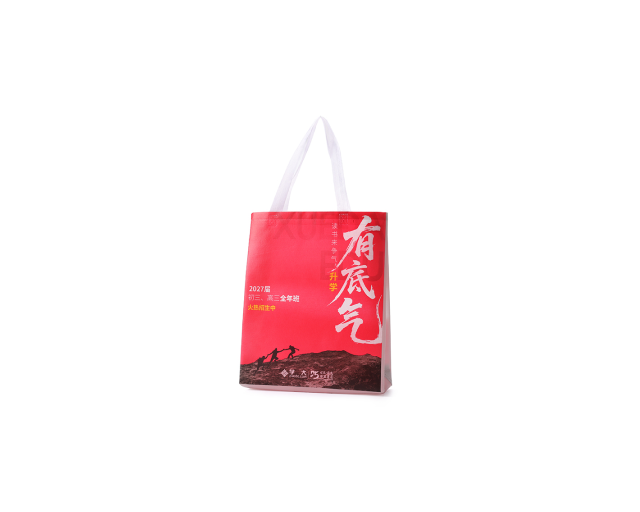
We utilize a rotogravure lamination process.[cite: 16] The ink is printed onto the reverse side of a transparent BOPP film before it is thermally bonded to the nonwoven fabric base.[cite: 16] This subsurface printing protects the corporate graphics from external abrasion and chemical moisture.[cite: 16]

B2B Procurement Specifications for Dual-Temperature Transit Packaging

Passive Thermodynamics in Food Delivery Logistics

Commercial food delivery networks operate within strict 30 to 45-minute transit windows.[cite: 16] Passive temperature control relies on material architectures to restrict heat flow without mechanical refrigeration.[cite: 16] By integrating reflective aluminum foil with closed-cell EPE foam, these hot cold bags manage convection, conduction, and radiation simultaneously.[cite: 16] This material combination ensures logistics providers can maintain safe food consumption temperatures across varying ambient conditions.[cite: 16]

Transitioning to Reusable Logistics Assets

Regulatory shifts and waste reduction mandates require the phase-out of single-use EPS foam coolers.[cite: 16] Fabric-based thermal packaging offers a high-durability alternative.[cite: 16] The PP nonwoven core and BOPP exterior resist mechanical tearing and environmental degradation, allowing the bags to endure hundreds of commercial delivery cycles.[cite: 16] Supermarkets transitioning to reusable nonwoven bags effectively amortize initial procurement costs while minimizing packaging waste.[cite: 10, 16]

Volumetric Storage Efficiency

For grocery distributors and catering operators, packaging inventory occupies measurable warehouse footprint.[cite: 16] Rigid coolers consume maximum cubic volume continuously.[cite: 16] Soft-sided thermal bags are engineered with flexible geometries.[cite: 16] When empty, they fold flat along predefined structural creases.[cite: 16] This flexibility allows thousands of units to be palletized efficiently, lowering inbound freight costs for high-volume purchasers.[cite: 16] Review our manufacturing processes for detailed production workflows.[cite: 10, 16]