Search

Enter keywords to search for products, blog posts, and more.


Home > Insulated Fishing Cooler Bags

Insulated Fishing Cooler Bags

Insulated Fishing Cooler Bags

Engineered marine-grade fish kill bags. Constructed with closed-cell thermal insulation, RF-welded leak-proof linings, and puncture-resistant PVC exteriors for commercial and recreational offshore applications.

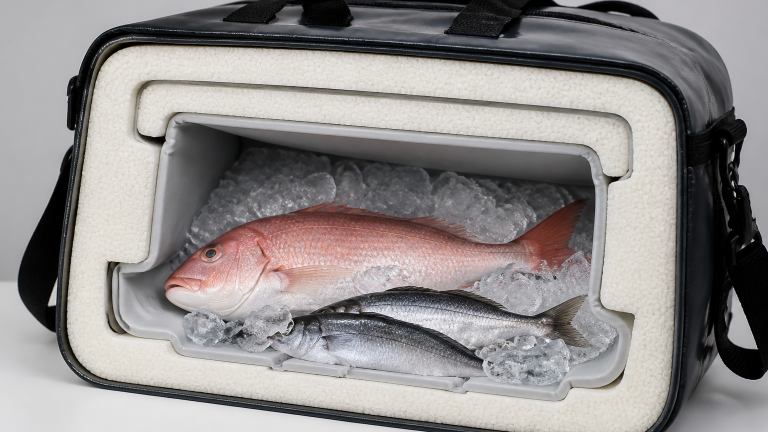
A commercial fishing cooler bag acts as a critical thermal isolation asset. Unlike standard insulated cooler bags designed for dry retail transport, a fish kill bag must manage severe biological environments. It isolates the catch from high deck temperatures while containing fish blood, slime, and melting ice. The architecture relies on an exterior shell of 500D+ marine-grade PVC or tarpaulin, engineered to resist UV degradation, saltwater corrosion, and the puncturing force of dorsal fins. Inside, high-density closed-cell foam provides the thermal resistance required to hold ice for up to 48 hours without absorbing water.

Hygiene and structural integrity define the specification. The interior lining is assembled using Radio Frequency (RF) welding rather than industrial sewing. This melts the polymer into a seamless, completely leak-proof basin, preventing organic matter from contaminating the foam core. A heavy-duty threaded drain plug allows operators to evacuate contaminated water efficiently. Handles are constructed from high-tensile spun polyester anchored with X-box stitching to support payloads exceeding 50kg. We manufacture these assets to exact dimensional requirements for tackle brands and charter fleets, applying permanent logo graphics through printed nonwoven bags compatible heat-transfer technologies.

  • Marine-grade 500D+ PVC tarpaulin shell
  • Radio Frequency (RF) welded seamless interior lining
  • High-density closed-cell EPE foam for maximum thermal retention
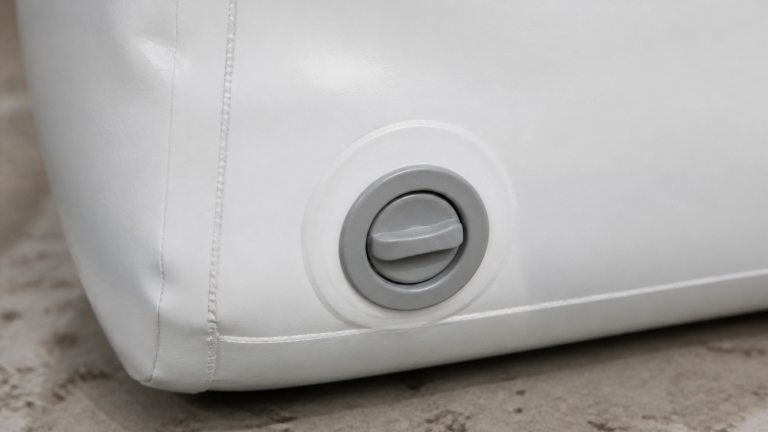
  • Integrated ABS threaded drain plug for rapid evacuation
  • X-box stitched heavy-duty webbing handles
  • Antimicrobial, odor-resistant, and easy to sanitize
  • Custom dimensional scaling and corporate Pantone branding
  • Manufactured under strict AQL load-testing standards

Fishing Cooler Bag Specifications

ComponentEngineering Specification
Exterior Shell500D+ Marine-grade PVC or Tarpaulin; UV-inhibited and saltwater resistant
Insulation Core10mm-15mm High-density closed-cell EPE/EVA foam (zero water absorption)
Interior LiningRadio Frequency (RF) welded TPU/PEVA; 100% leak-proof, antimicrobial
Closure SystemHeavy-duty non-corrosive resin zipper; airtight thermal seal
EvacuationThreaded ABS plastic drain valve for rapid ice-melt clearing
Structural BaseFlat, wide-gusset geometry; self-standing on boat decks
Load AnchorsSpun-polyester webbing with X-box cross-stitching
Storage FormatCollapsible/roll-up design to minimize deck footprint when empty
DimensionsCustomizable from 30-inch kayak profiles to 72-inch offshore pelagic bags
BrandingSilkscreen or heat transfer; high-adhesion marine inks with Pantone matching
AQL StandardsDynamic load drop testing and hydrostatic seam testing prior to export


Fishing Cooler Bag Styles We Make

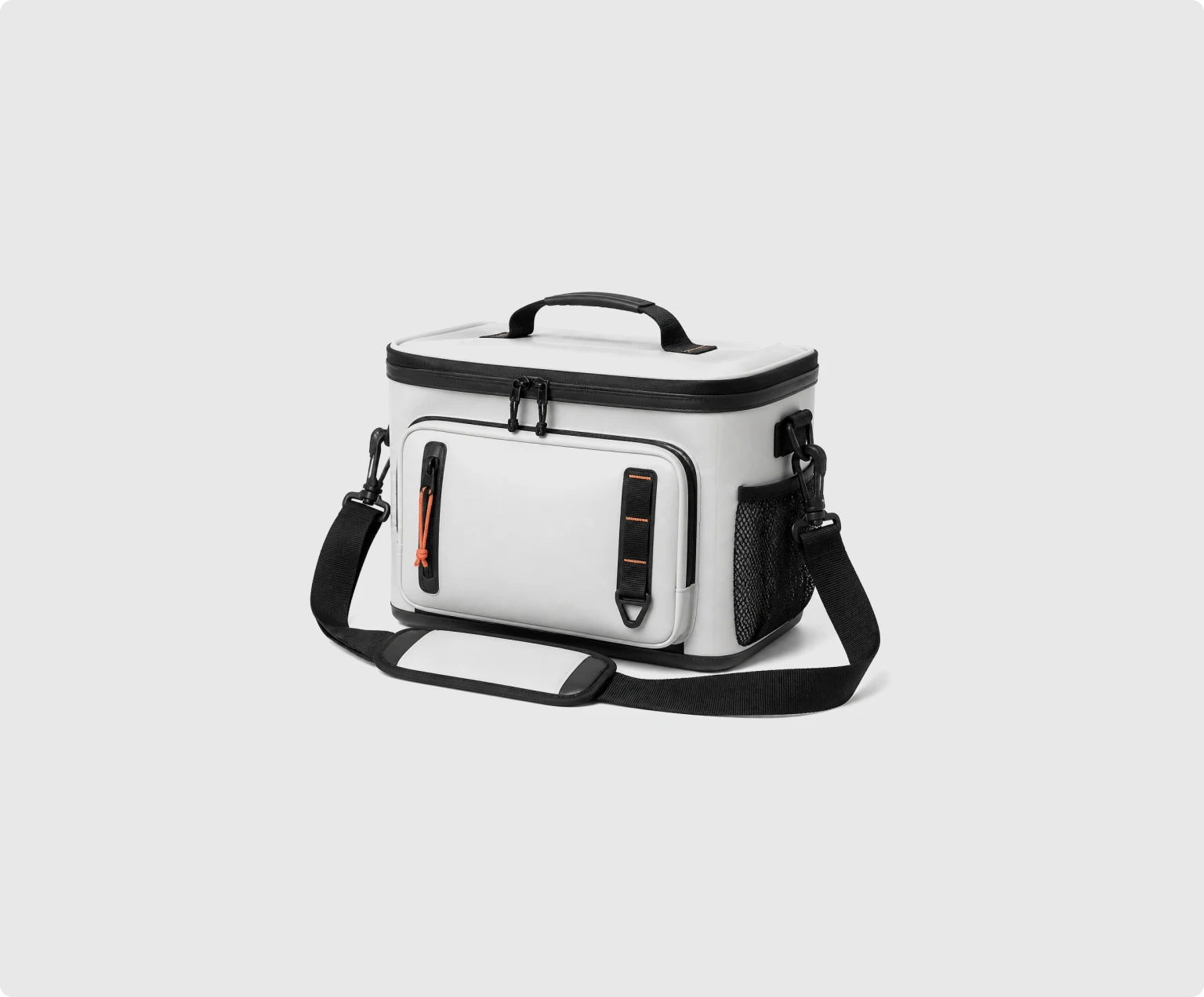
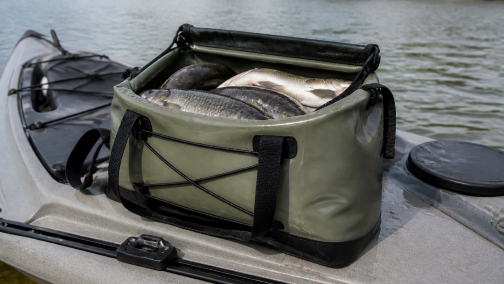
Compact Kayak & Shore Fishing Coolers

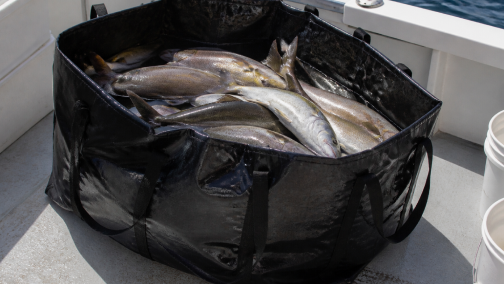
Offshore Heavy-Duty Boat Kill Bags

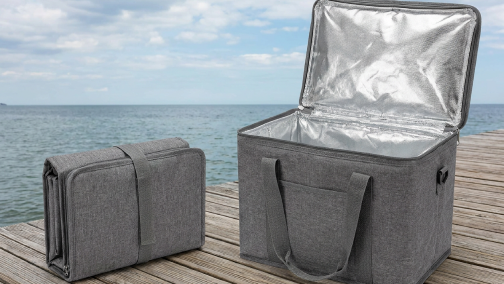
Collapsible Space-Saving Fish Bags

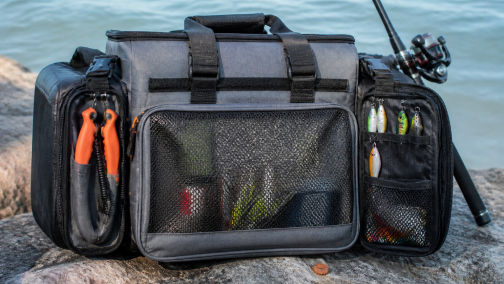
Integrated Gear & Catch Transit Bags


Thermal Retention Mechanics

The core of a commercial fish bag relies on high-density closed-cell foam. Unlike standard open-cell materials, closed-cell structures do not absorb water or compress under weight. This ensures the thermal resistance (R-value) remains constant, holding ice for 24 to 48 hours to maintain the catch below critical spoilage temperatures.


Absolute Leak Prevention via RF Welding

Fish transit introduces blood, slime, and seawater. Standard stitched seams fail by allowing organic matter to penetrate the insulation. Our bags utilize Radio Frequency (RF) welding, which melts the polymer lining into a continuous, seamless basin. A heavy-duty drain plug allows rapid evacuation of contaminated ice water, ensuring compliance with hygiene standards.


Structural Load Capacity and OEM Branding

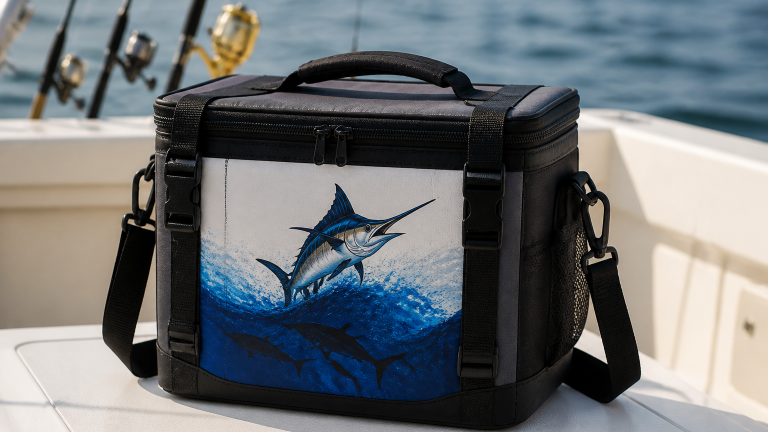
Transporting large pelagic species requires industrial load engineering. Our straps utilize high-tensile spun polyester anchored with X-box cross-stitching, distributing weight across the bag's structural panels. For B2B clients, the exterior PVC shell supports permanent silk-screen or heat-transfer printing for highly visible brand placement.

Fishing Cooler Projects

logo
logo
logo
logo
logo
logo
logo
logo
logo
logo
logo
logo
logo

About Changyuan Nonwoven

We are a nonwoven fabric and bag manufacturer based in Changzhou, China, running a full production line from raw material to finished goods since 2012. Our factory handles fabric extrusion, 7-color gravure printing, lamination, and bag making in-house, serving clients in 20+ countries with a daily output of 200,000 pieces.

Company factory how we work

FAQs

What is the thermal retention duration of a commercial fishing cooler bag?

Thermal retention depends on ambient temperature and foam thickness. Bags engineered with 10mm to 15mm closed-cell foam typically maintain stable internal temperatures for 24 to 48 hours when properly loaded with ice, preventing catch spoilage during extended offshore trips.

Why is RF welding necessary for fish kill bags?

Radio Frequency (RF) welding eliminates needle punctures. Stitched seams allow fish blood and melted ice to seep into the insulation, creating an unsanitary environment where bacteria incubate. Welded seams create a 100% leak-proof, seamless interior basin.

How do you clean and sanitize the interior lining?

The non-stick, welded interior is chemically resistant. Operators can open the integrated drain plug to evacuate water, then scrub the interior with standard marine-grade detergents or mild bleach solutions. The closed-cell foam will not absorb the cleaning liquids.

What sizes are available for wholesale procurement?

We manufacture a complete dimensional range, from compact 30-inch bags designed for kayak decks to massive 72-inch offshore kill bags built for tuna and pelagic species. Dimensions can be reverse-engineered to fit specific boat deck footprints.

Can the exterior tarpaulin be custom printed with our brand?

Yes. The marine-grade PVC or tarpaulin exterior accepts highly durable silk-screen printing or heat transfer applications. We match corporate Pantone colors to ensure consistent brand representation for tackle shops and outdoor equipment brands.

What are the minimum order quantities (MOQ) and production standards?

MOQ varies based on custom dimensions and material specifications. We operate under ISO 9001 standards, performing strict AQL testing on handle load capacity, seam waterproofing, and zipper durability before global EXW, FOB, or DDP export.

Procurement Specifications for Commercial Fishing Coolers

Defining the Marine Thermal Asset

In the commercial fishing and marine charter sectors, preserving the catch requires strict thermal control. A fishing cooler bag (often termed a fish kill bag) operates under fundamentally different mechanical stress than standard insulated bags for food. It must withstand direct exposure to harsh UV radiation, resist saltwater degradation, and handle abrasive contact with sharp fish fins and rough boat decks. The engineering stack relies on heavy-duty marine PVC, dense closed-cell insulation, and specialized welding techniques to ensure absolute fluid containment.

The Engineering of Leak-Proof Containment

Two manufacturing processes separate a professional-grade fish bag from a substandard recreational cooler:

SpecificationMechanical FunctionOperational Impact
Radio Frequency (RF) WeldingMelts polymer seams without needlesPrevents blood and bio-fluids from entering the foam core, stopping bacteria incubation.
Closed-Cell Foam MatrixInsulates without capillary absorptionMaintains stable R-value; the bag does not become waterlogged or heavy over time.
ABS Threaded Drain ValveAllows controlled liquid evacuationPermits operators to drain melted ice and rinse the interior quickly while on deck.
X-Box Handle AnchorsDistributes vertical load tensionPrevents strap tear-out when lifting payloads exceeding 50kg to 100kg of catch.

Reverse-Engineering Dimensions for Deck Geometry

Optimizing the cooler's dimensions is critical for maintaining thermal efficiency. Dead air space inside a cooler acts as a heat sink, accelerating ice melt. Procurement teams should specify sizes based on the target species and vessel footprint. Compact 30-inch models feature flat bases to rest securely on kayak decks. Mid-size units accommodate standard day-trip catches, while 72-inch heavy-duty bags are required for large offshore pelagic species like tuna or wahoo. To minimize space consumption when empty, the materials are engineered to be highly flexible, allowing the bags to be rolled and stowed in dry hatches.

Quality Assurance in B2B Procurement

  • Verify that the interior lining utilizes RF high-frequency welding. Stitched seams are a critical hygiene failure point in marine applications.
  • Ensure the exterior shell utilizes 500D or higher PVC tarpaulin to withstand puncture threats.
  • Specify minimum foam thicknesses (10mm to 15mm) based on expected ambient temperatures and trip durations.
  • Confirm handle webbing extends beneath the base of the bag to cradle the load, rather than relying solely on top-hem stitching.

We manufacture these assets vertically, controlling the extrusion, welding, and printing processes. This allows B2B buyers to contact our engineering team and specify custom dimensions, foam densities, and corporate branding with absolute consistency across high-volume production runs.