
Introduction to Commercial Thermal Transport
Temperature regulation remains the most critical operational variable in the commercial food delivery and catering sector. The transit phase introduces significant risks to food safety, culinary quality, and compliance with strict health department regulations due to rapid ambient temperature fluctuations. Commercial insulated bags mitigate these specific risks by functioning as portable, passive thermal management systems. Unlike standard consumer totes, these specialized delivery vessels must withstand extreme daily wear, resist liquid penetration, and maintain internal temperature gradients for extended periods. This technical guide examines the material science, structural engineering, hygiene protocols, and B2B procurement metrics relevant to thermal bags used in high-volume food transport operations.
1. Thermal Insulation Mechanics and Material Science
The primary function of a catering delivery bag is to inhibit conductive, convective, and radiant heat transfer between the internal environment and the external atmosphere. This objective is achieved through a specialized, multi-layered composite material architecture.
1.1 Expanded Polyethylene (EPE) Foam Matrix
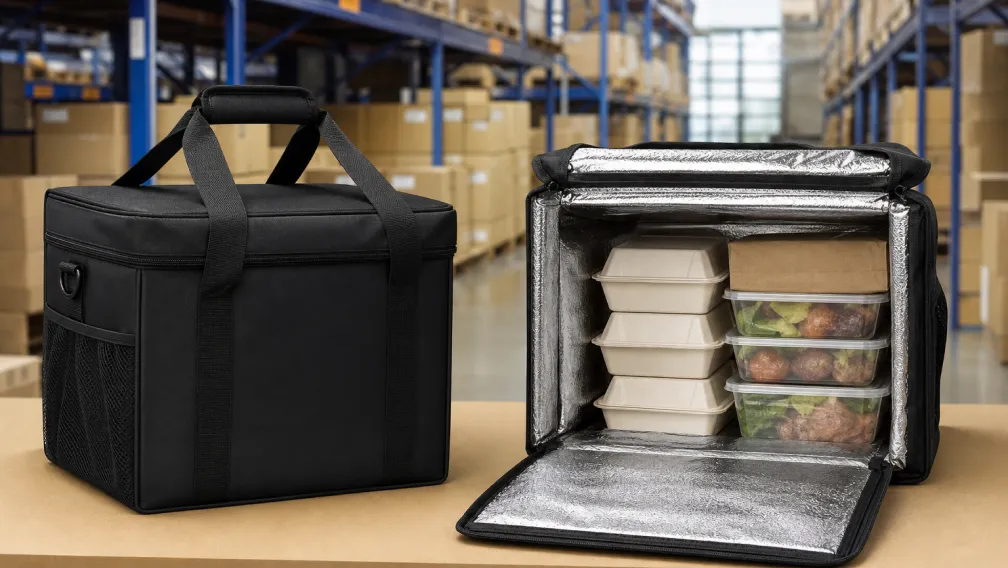
Standard commercial thermal bags utilize Expanded Polyethylene (EPE) foam as the primary conductive insulation layer. EPE foam consists of a matrix of closed air cells that significantly reduce the rate of heat transfer. The thickness of this EPE layer directly correlates with the duration of thermal retention and the physical rigidity of the bag. Commercial specifications generally require a minimum of 3mm EPE foam for standard restaurant-to-consumer deliveries operating within a 30-minute radius. High-capacity catering operations, which transport larger volumes of prepared food over longer distances, demand 5mm to 8mm EPE foam configurations to maintain safe temperature zones for periods exceeding 120 minutes. The structural density of the foam also provides necessary impact resistance, protecting delicate culinary presentations from mechanical shock during transport.
1.2 Aluminum Foil Radiant Barrier
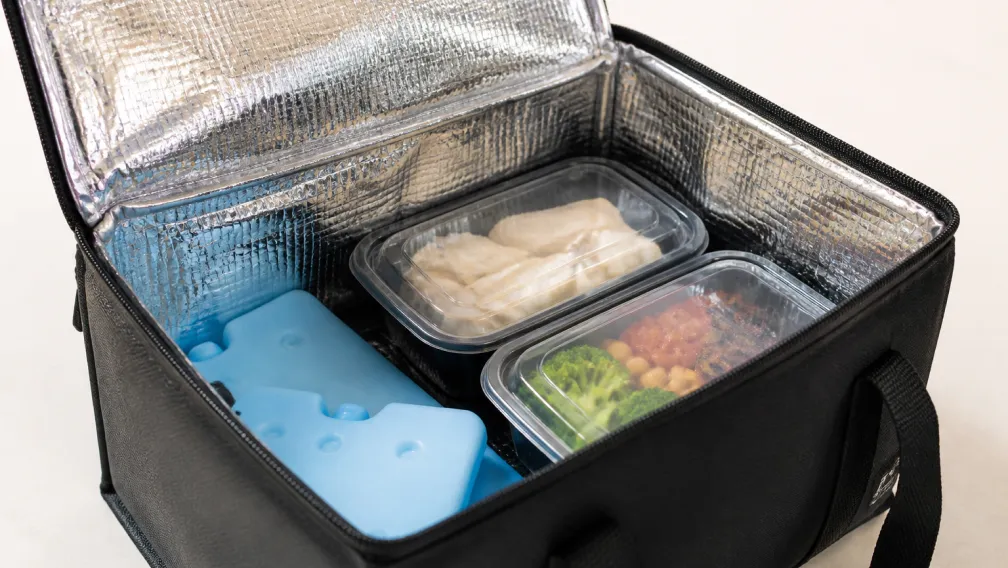
The interior lining is constructed from highly reflective aluminum foil or metalized PET film. This specialized layer serves as a radiant barrier, reflecting infrared thermal radiation back toward the hot food items. In cold chain applications, such as the transport of frozen desserts or raw seafood, the reflective surface works inversely to deflect external ambient heat away from the chilled contents. The structural continuity of this foil layer is essential. Tears, punctures, or degraded seams in the foil create thermal bridges that rapidly compromise internal temperature stability.
1.3 External Substrate: PP Spunbond Nonwoven Fabric
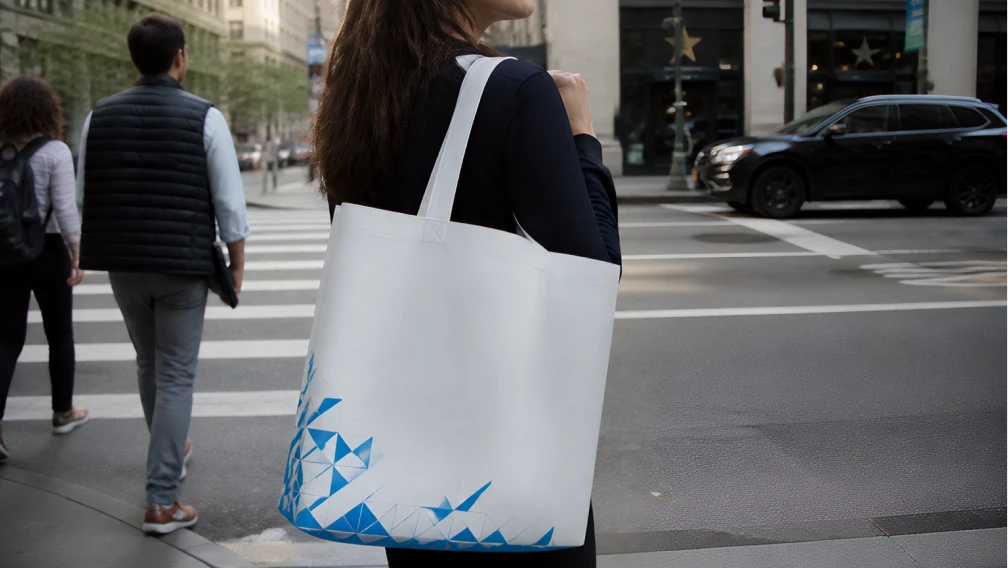
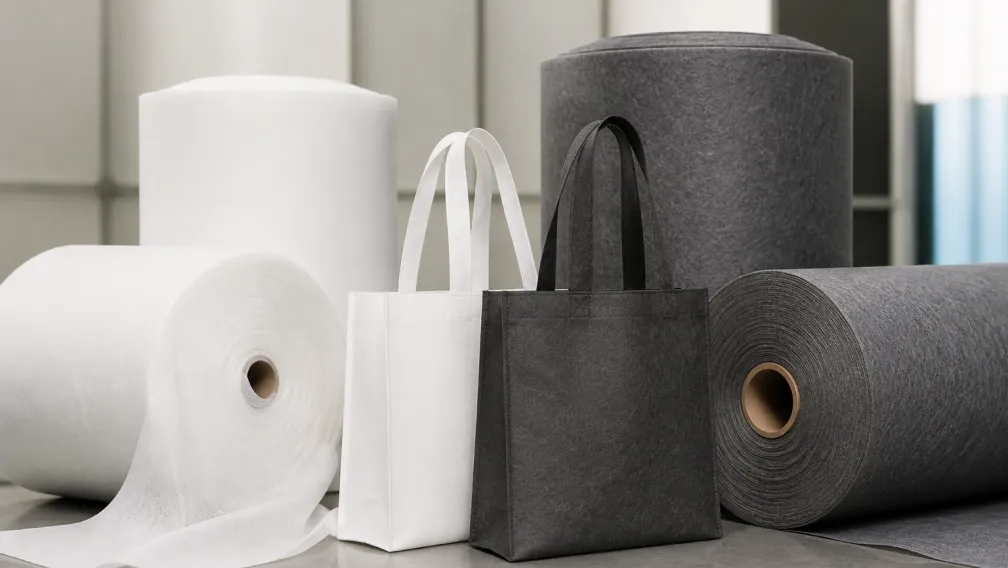
The outer layer dictates the bag's mechanical durability, overall weight, and visual presentation capabilities. Polypropylene (PP) spunbond nonwoven fabric has emerged as the dominant choice for scalable commercial fleet operations. It offers exceptional tensile strength and tear resistance at a significantly lower grammage compared to traditional woven textiles like canvas or heavy Oxford cloth. Furthermore, PP nonwoven is highly hydrophobic, providing a baseline level of moisture resistance against light precipitation and environmental condensation. From a procurement standpoint, it offers the optimal balance of unit cost, lifecycle longevity, and superior ink adhesion for branding purposes.
2. Structural Engineering for Heavy-Duty Applications
Commercial catering applications involve transporting exceptionally dense loads, including multi-tiered stainless steel food pans, bulk liquid containers, and large stacks of rigid pizza boxes. The structural integrity of the insulated bag must prevent catastrophic failure under continuous dynamic stress.
2.1 Load Distribution and Ergonomic Support
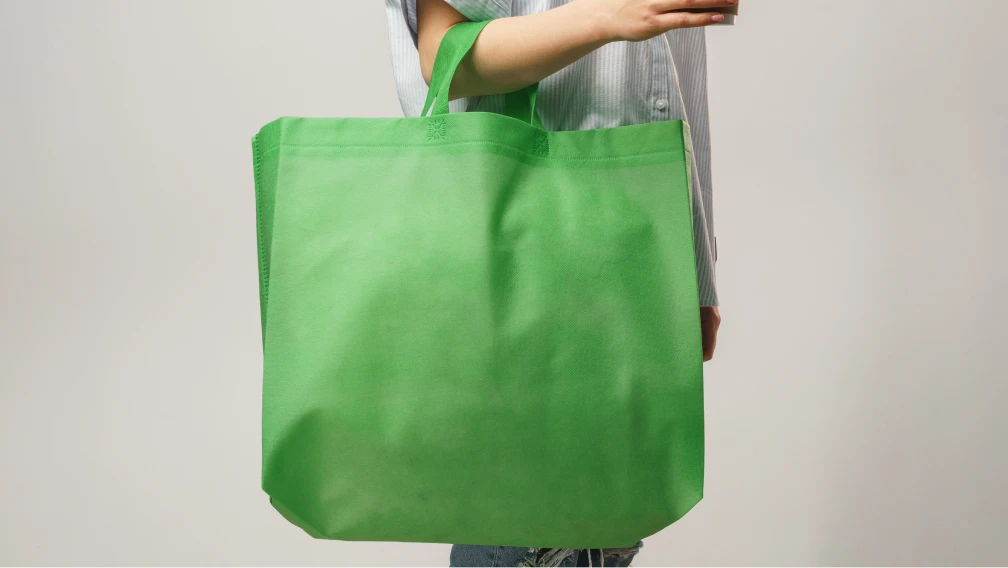
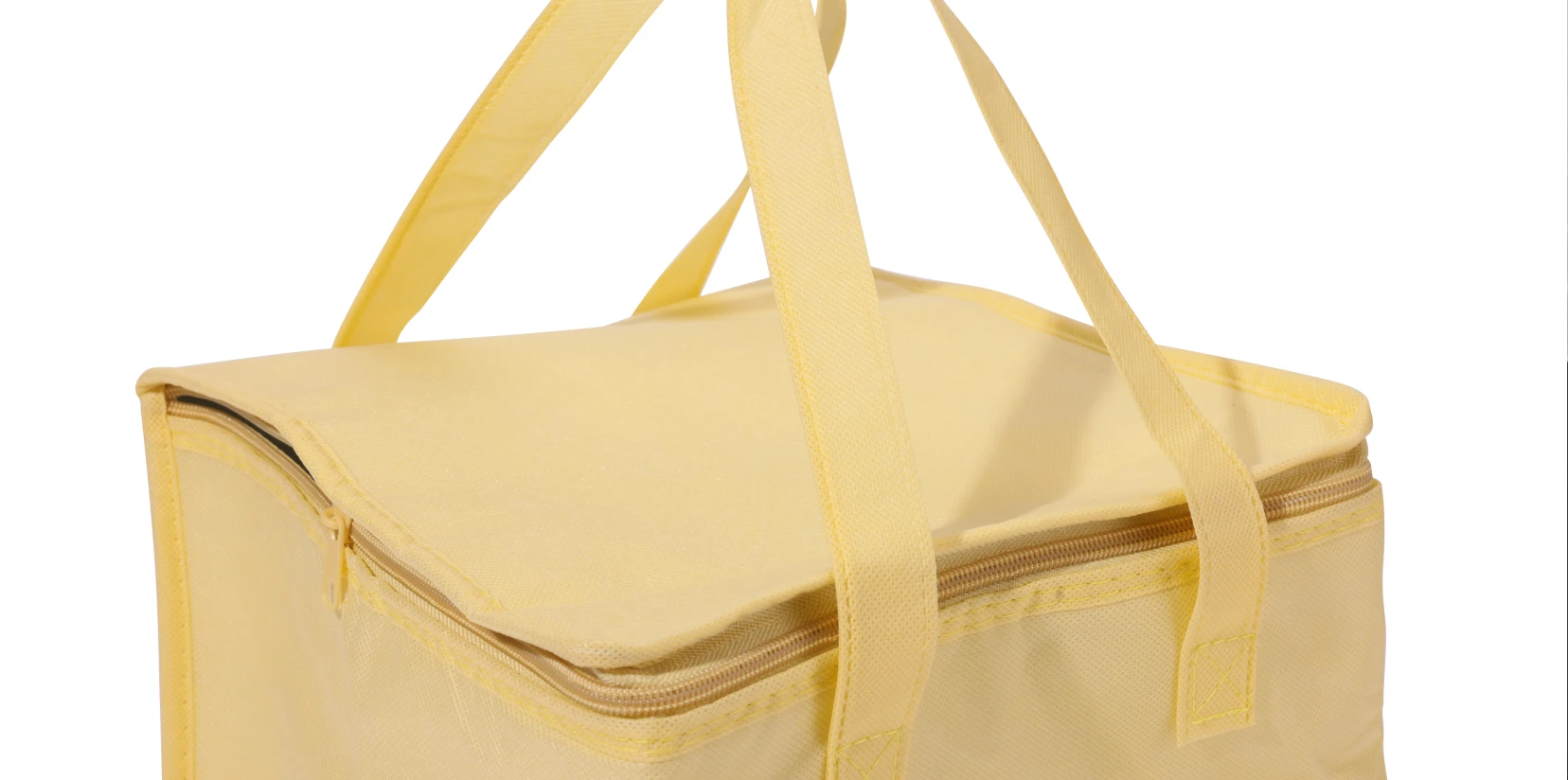
Handle webbing must extend down the vertical sides and traverse the entire bottom plane of the bag. This continuous loop configuration distributes the payload weight comprehensively across the entire load-bearing structure rather than concentrating it solely at the top edge seams. Cross-stitching, commonly referred to as X-box stitching, at all handle attachment points provides essential reinforcement against the sheer forces generated during manual carrying and rapid vehicular loading.
2.2 Spatial Configuration and Dimensional Standards
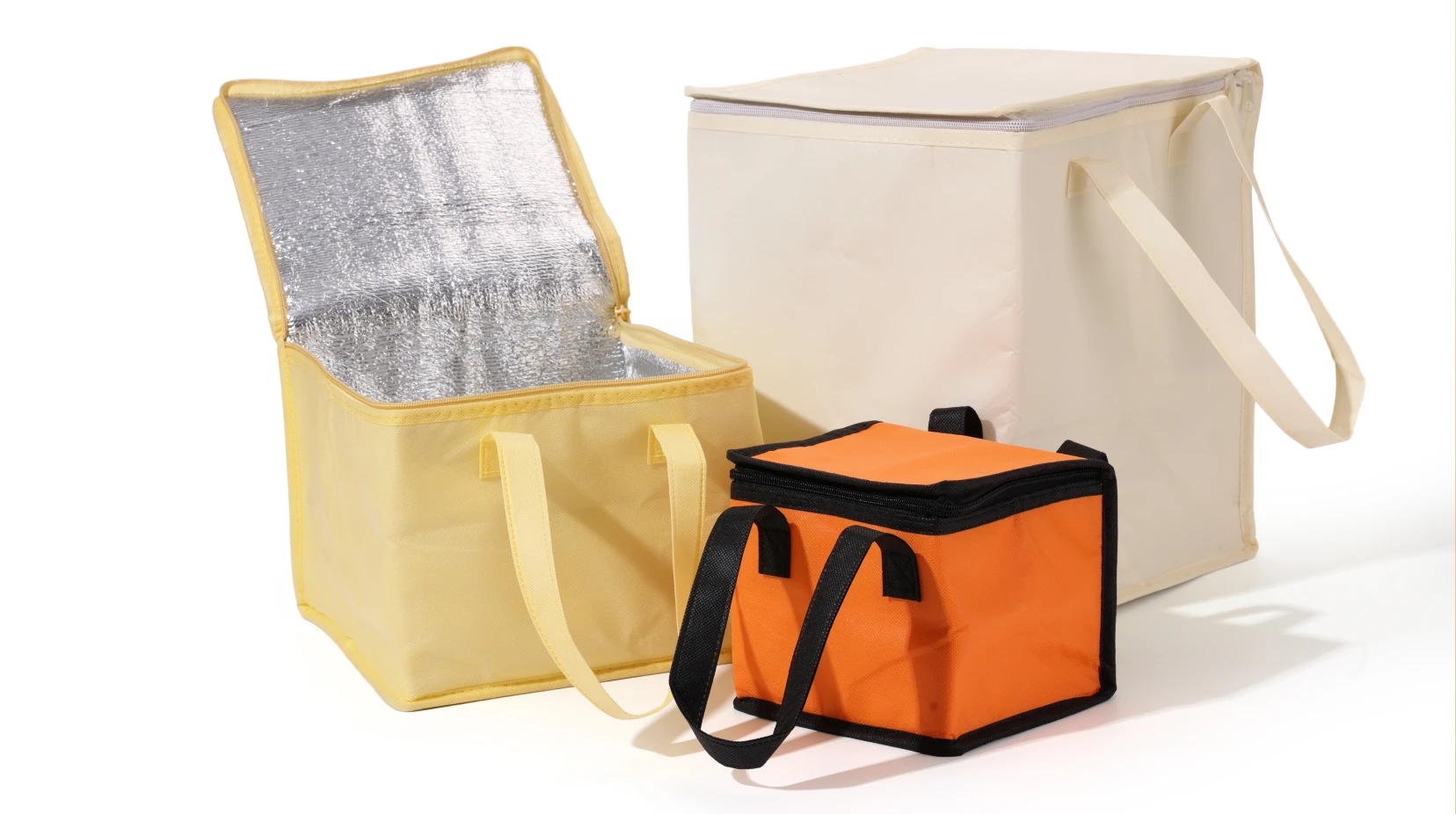
Standardization of internal dimensions streamlines the loading process and prevents internal cargo shift. Commercial bags are engineered for specific form factors:
- Gastronorm (GN) Pan Compatibility: Professional catering bags are precisely dimensioned to accommodate standard GN 1/1, GN 1/2, or GN 1/3 stainless steel pans securely.
- Pizza Delivery Optimization: Pizza transport requires a rigid, square footprint with internal stiffening panels to keep boxes flat, preventing ingredient migration.
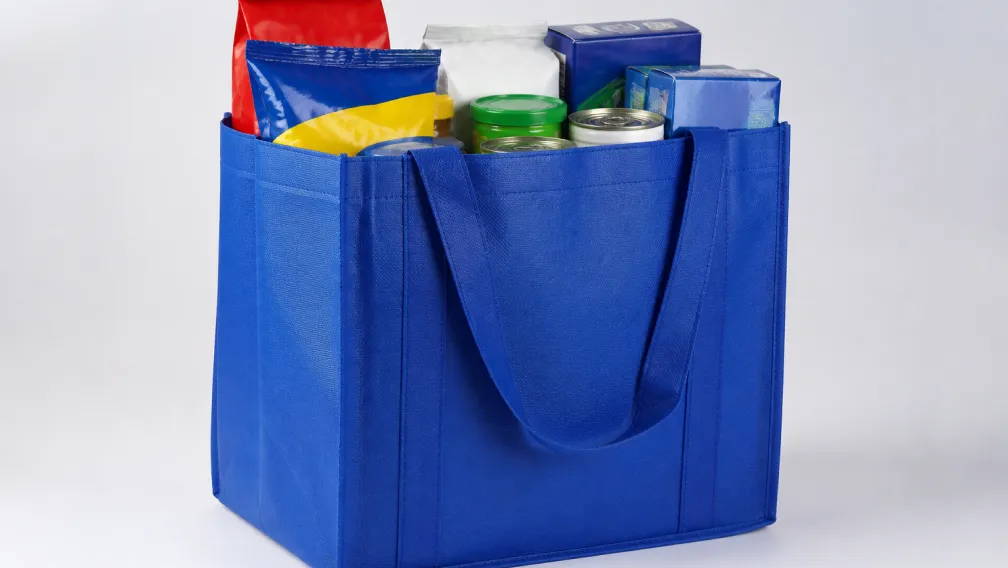
- Grocery and Meal Prep: Vertical alignment with flat bottoms accommodates standard paper grocery sacks or stacked meal-prep containers without crushing fragile items.
2.3 Fastening and Sealing Mechanisms
The closure system represents the most vulnerable point for both thermal efficiency and mechanical durability. Commercial grade bags require heavy-duty nylon coil zippers (typically size #5 or #8) or robust industrial hook-and-loop closure strips. To maintain optimal insulation, high-quality bags integrate internal fabric flaps, known as draft tubes, located directly behind the zipper line to minimize thermal bridging and block convective air exchange.
3. Hygiene, Sanitation, and Maintenance Protocols
Food transport vessels operate in environments subject to strict public health and safety standards. Accidental spills, grease accumulation, and internal condensation are unavoidable operational realities.
3.1 Waterproofing and Leak Prevention
The interior aluminum foil lining must be entirely waterproof and structurally continuous. Seams inside the main compartment are often minimized or ultrasonically sealed to prevent liquid penetration into the EPE foam core. This prevents the accumulation of food particles in crevices, which can lead to rapid bacterial growth and cross-contamination.
3.2 Chemical Sanitization Compatibility
Routine maintenance requires internal surfaces that can withstand harsh chemical sanitizers without chemical degradation or delamination. The smooth, non-porous surface of the foil lining allows for rapid wipe-downs between delivery cycles, ensuring compliance with local health department regulations and maintaining a professional, odor-free internal environment.
4. Customization and Brand Visibility for Delivery Fleets
For restaurant chains, commercial caterers, and third-party delivery platforms, insulated bags function as mobile out-of-home advertising assets. Consistent and highly visible brand presentation is required across the entire delivery fleet.
4.1 High-Fidelity 7-Color Gravure Printing
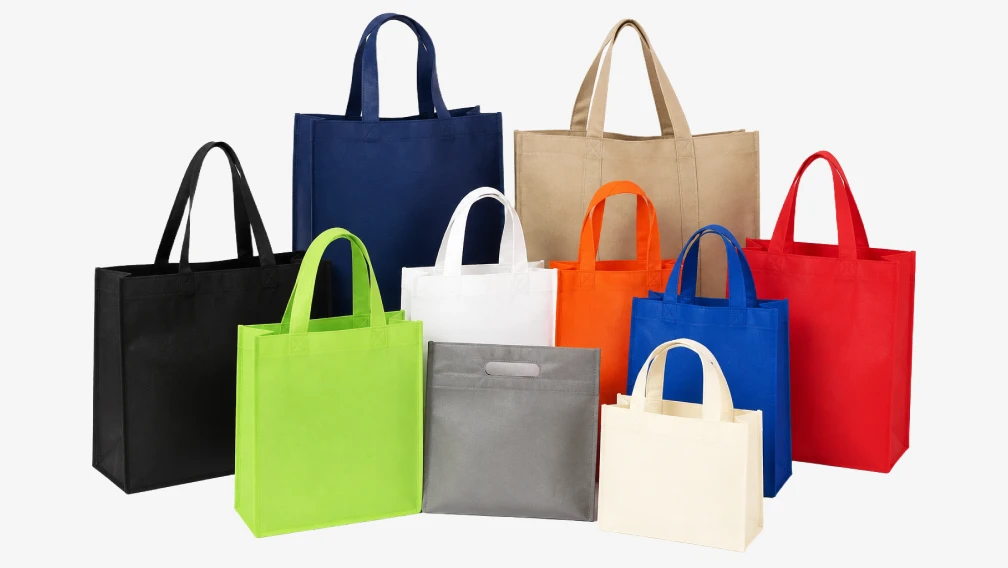
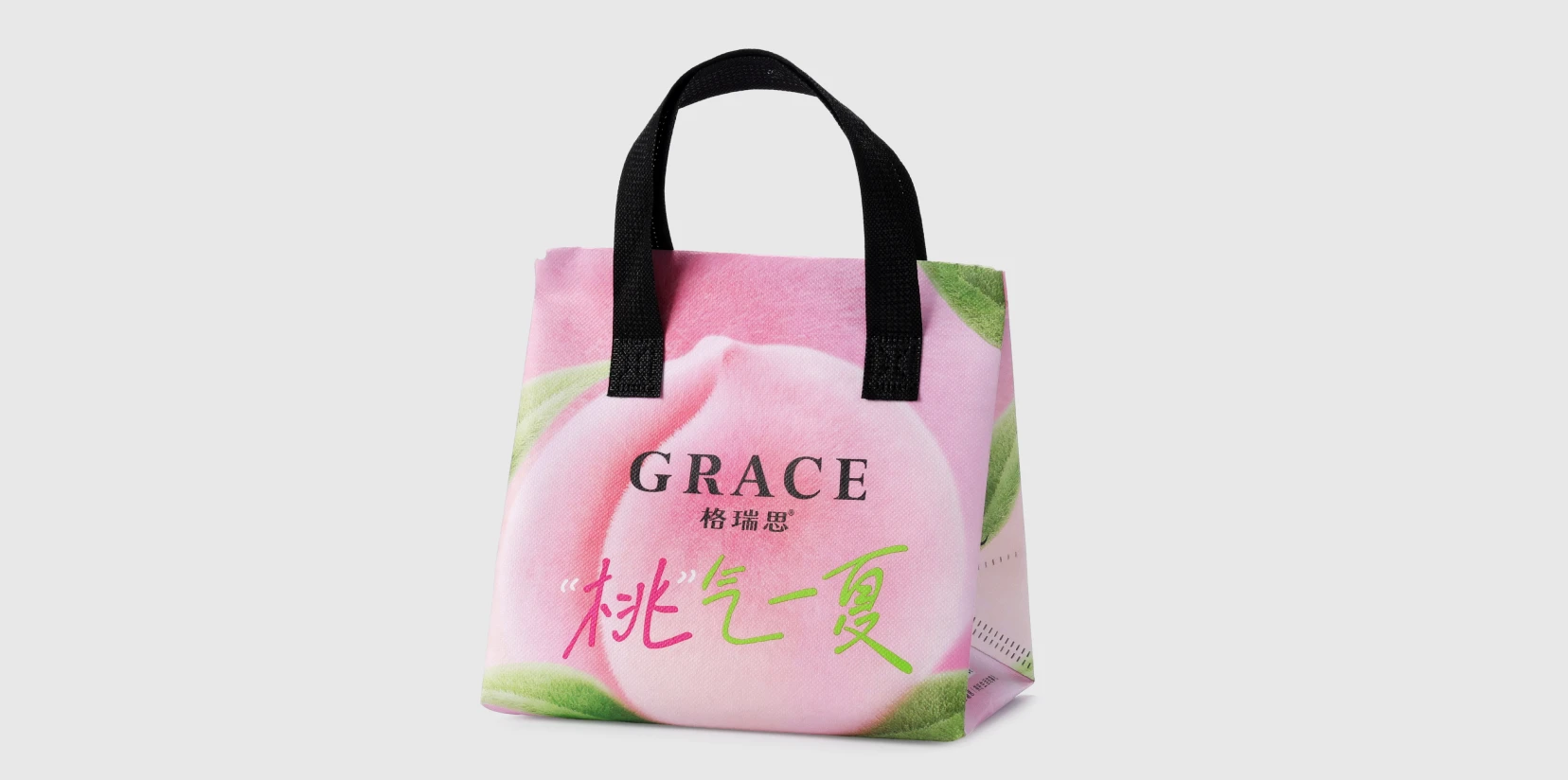
Transferring complex brand graphics onto PP nonwoven fabric requires advanced industrial printing equipment. 7-color gravure printing provides precise Pantone color matching and extremely sharp graphic reproduction. This level of printing technology ensures that complex corporate logos, typography, and promotional imagery remain legible, vibrant, and visually striking over the entire operational lifespan of the bag, resisting fading from UV exposure and physical abrasion.
5. B2B Procurement Metrics and Supplier Evaluation
Executing a successful large-scale deployment of thermal bags requires a rigorous evaluation of manufacturing partners. B2B buyers must analyze supply chain capabilities to ensure consistent quality and reliable delivery schedules.
5.1 Vertical Integration and Scale
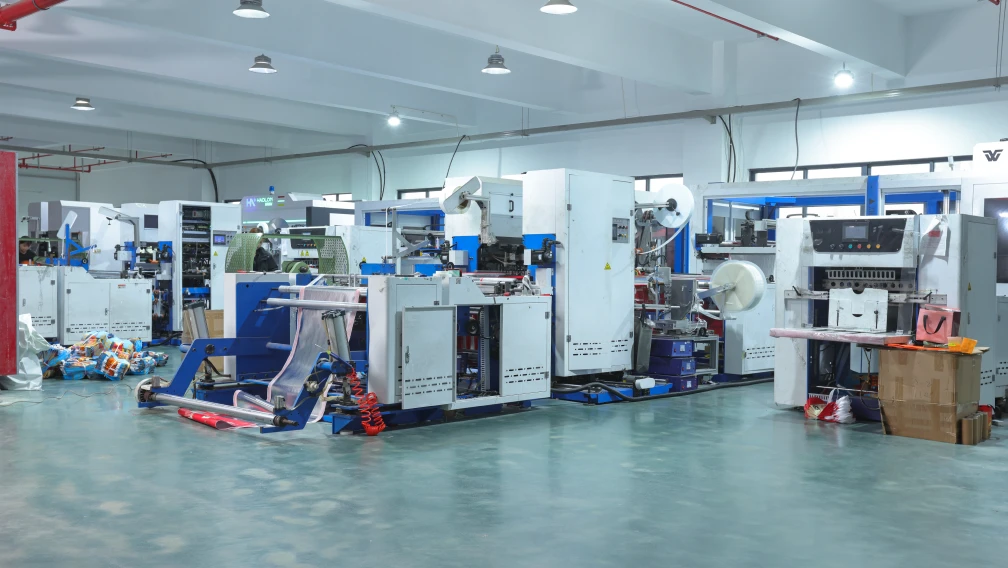
Evaluating B2B suppliers requires assessing their raw material handling and manufacturing infrastructure. Vertical integration—where raw material extrusion, fabric forming, lamination, printing, and bag construction occur within a single, unified facility—drastically reduces supply chain friction and quality variance. Buyers should mandate ISO 9001 certification to ensure standardized quality control protocols across massive production runs. A facility demonstrating a daily output capacity exceeding 200,000 units indicates the industrial scale necessary to support aggressive, multi-region rollout schedules for national restaurant chains.
5.2 Total Cost of Ownership (TCO)
While heavy-duty Oxford fabric bags offer high initial durability, their extreme cost per unit restricts mass deployment capabilities. Custom PP spunbond nonwoven bags offer a vastly superior Total Cost of Ownership. This economic advantage allows delivery platforms and restaurants to regularly replace, cycle, and sanitize their equipment fleet without incurring excessive capital expenditure, ensuring that drivers always carry clean, high-performing thermal equipment.
6. Regulatory Compliance and Material Safety
Safety extends beyond temperature control to the physical materials comprising the bag. Components in direct or indirect contact with food packaging must comply with rigorous regional safety directives. Manufacturers must utilize FDA-compliant or equivalent non-toxic adhesives and heavy-metal-free inks. This guarantees that no toxic chemical migration occurs from the interior foil or exterior dyes, even when the bag is subjected to the high-heat conditions typical of freshly packaged cooked meals.
Conclusion
The selection and procurement of commercial insulated bags require a technical understanding of material capabilities and supply chain mechanics. By prioritizing appropriate EPE foam density, secure structural stitching, hygienic internal linings, and reliable manufacturing scale, food service operators can protect their product quality, ensure regulatory compliance, and enhance their brand visibility in the field. Contact our manufacturing engineering team to specify custom dimensions, insulation configurations, and gravure branding requirements for your upcoming commercial thermal bag deployment.