B2B Procurement Specifications for Personal Thermal Packaging
Understanding the Multi-Layer Thermodynamic Architecture
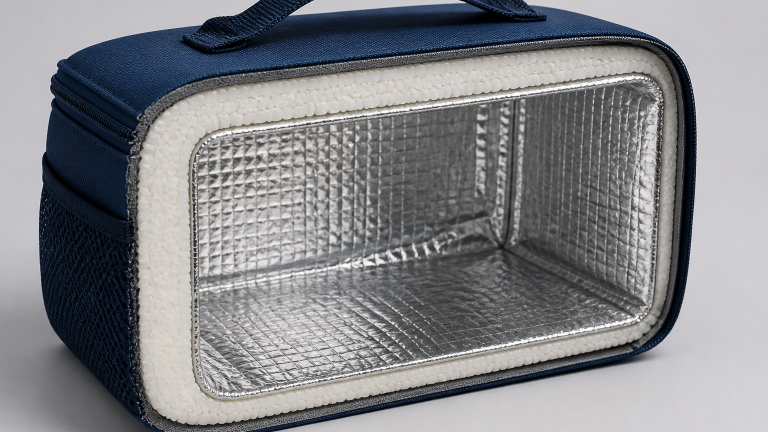
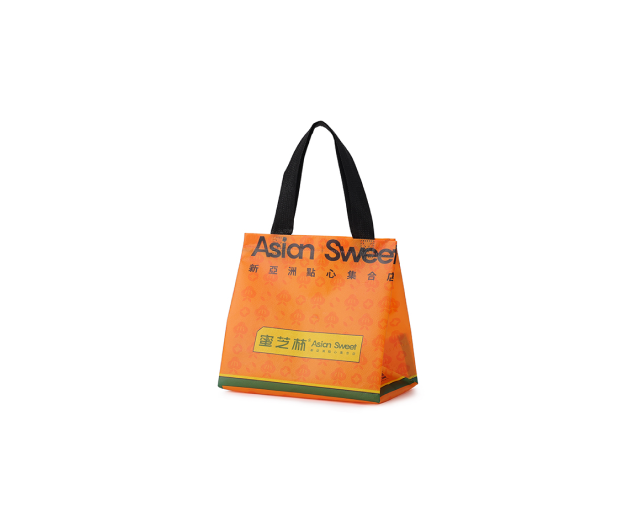
Procuring personal thermal packaging requires specifying a precise material stack. The operational success of insulated bags for food relies on interrupting thermal bridging while preventing physical degradation. The outer layer (Oxford, Canvas, or Nonwoven) provides structural geometry and tear resistance. The middle layer, typically 3mm to 5mm of closed-cell EPE foam, acts as the primary insulator by trapping air within a dense cellular matrix, significantly slowing heat conduction. Changing the caliper thickness of this foam directly correlates to the bag's thermal retention duration.
Interior Membrane Specification: PEVA vs. Aluminum Foil
The interior lining must be matched to the specific transit payload. Procurement teams must choose between two primary membrane technologies:
| Membrane Material | Mechanical Property | Optimal Application |
| Aluminum Foil | Functions as a radiant barrier reflecting thermal energy | Dry meals, corporate promotional giveaways, and cost-optimized high-volume retail. |
| Food-Grade PEVA | Flexible polymer; permits High-Frequency (HF) welding | Wet environments, liquid containment, premium retail bags requiring absolute leak prevention. |
| Composite Foil/PEVA | Combines radiant reflection with welded fluid sealing | High-performance industrial or extended-shift meal transport bags. |
Exterior Substrates and Cost Optimization
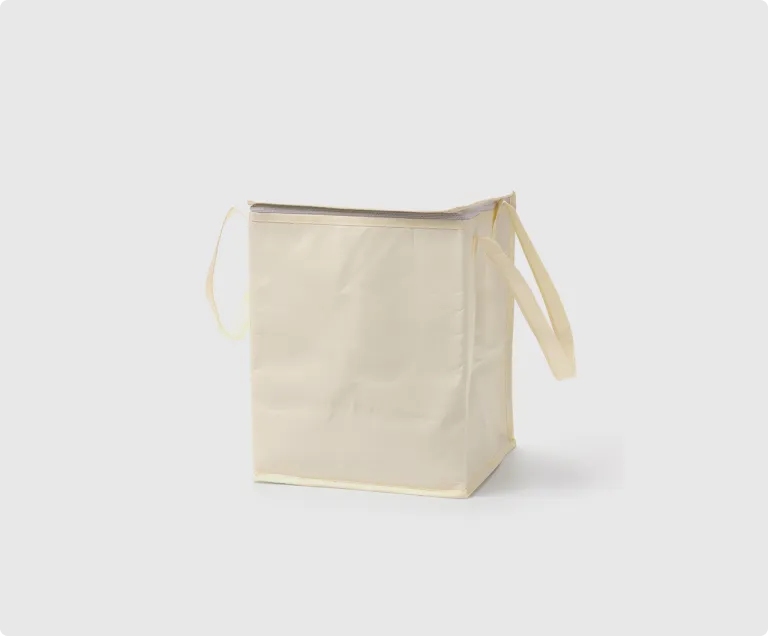
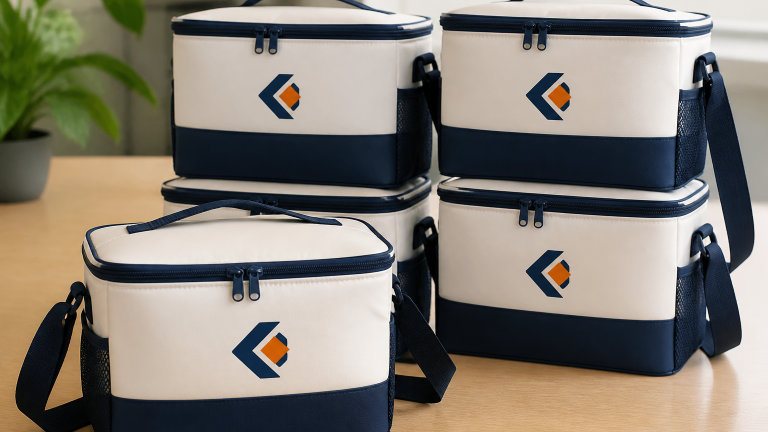
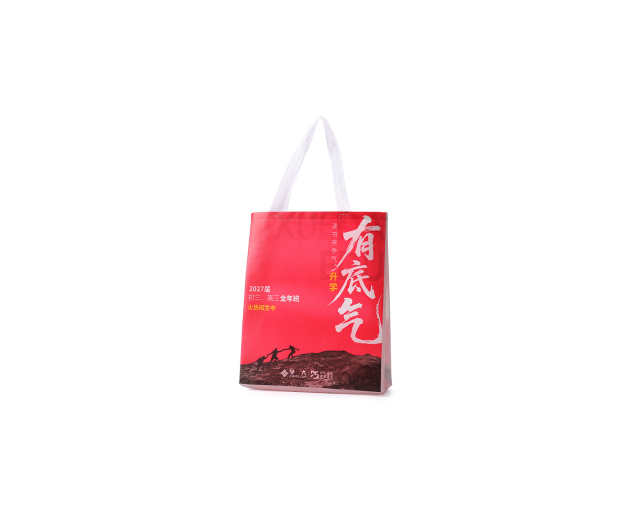
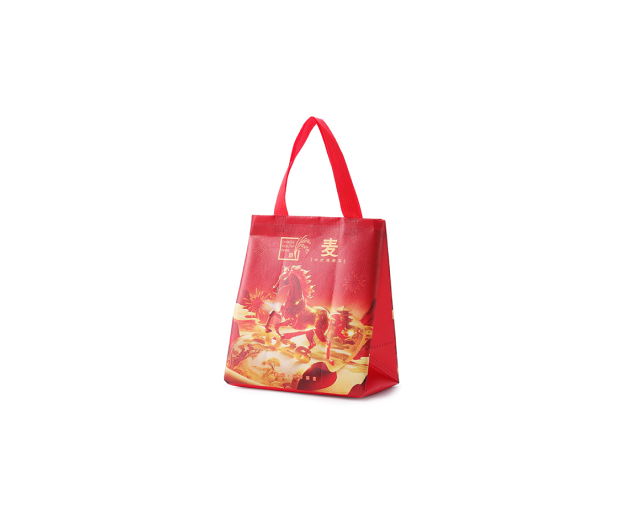
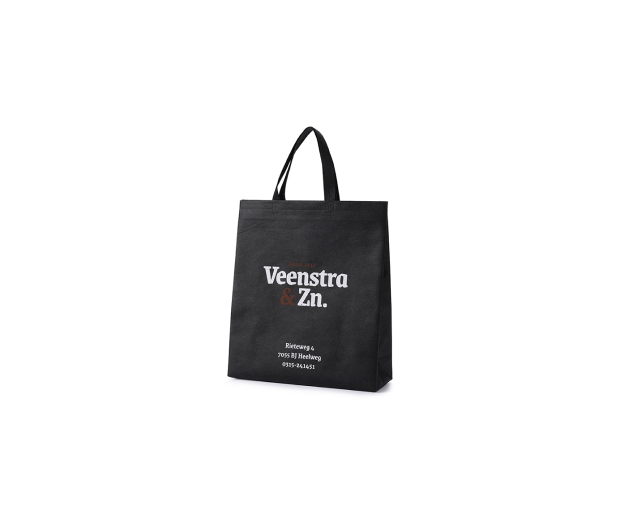
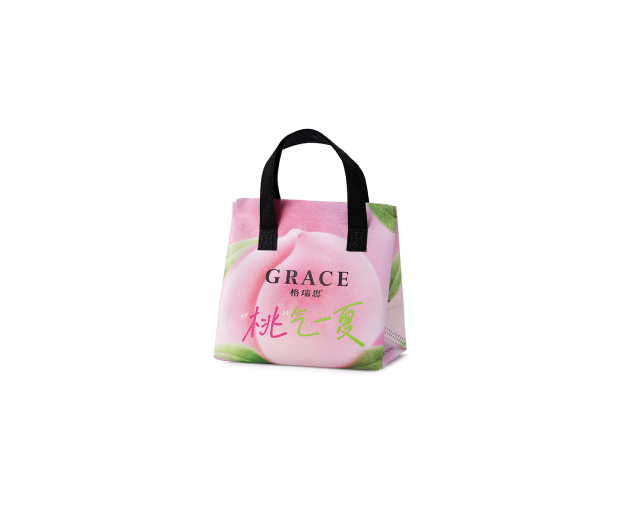
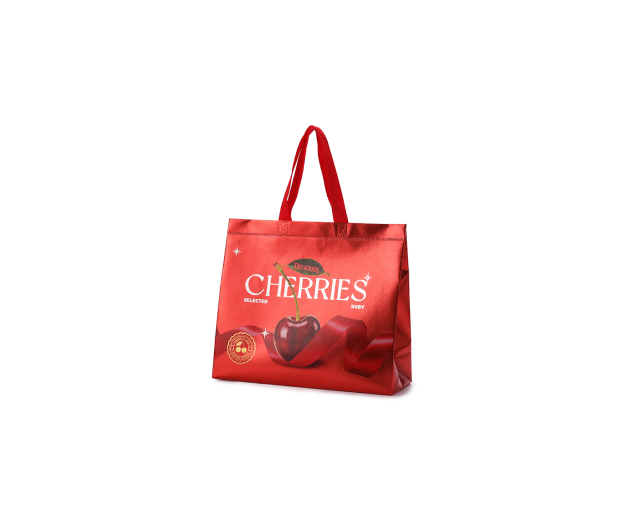
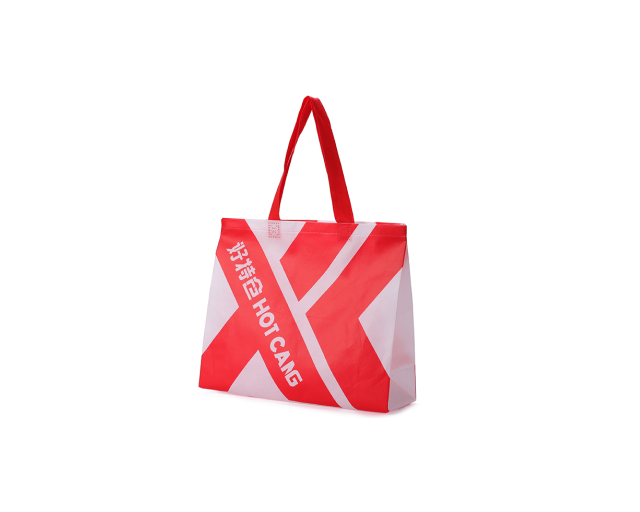
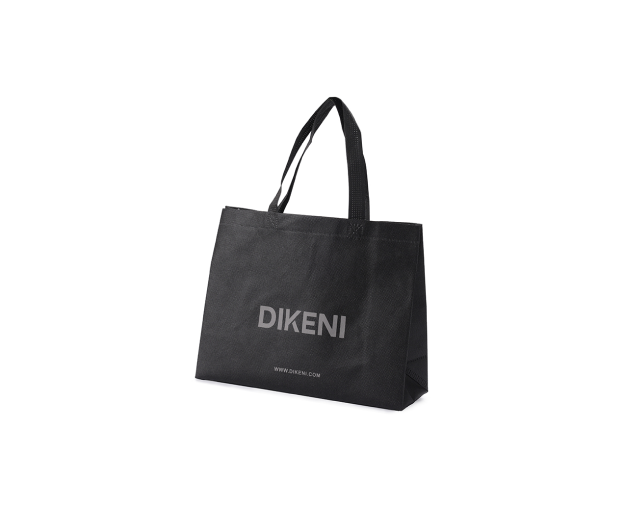
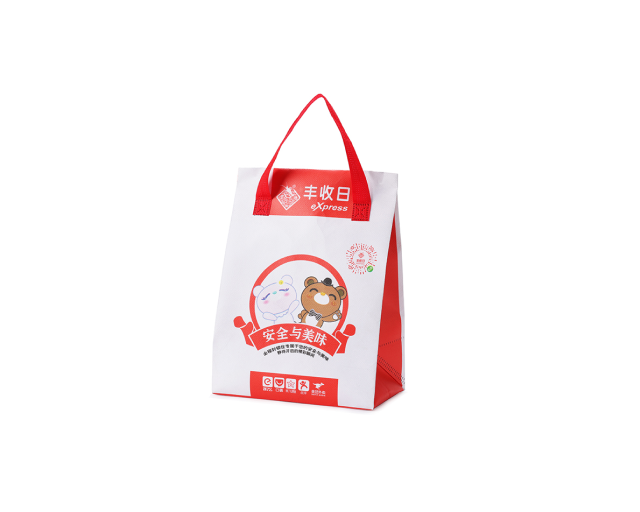
The selection of the exterior substrate dictates both the unit cost and the brand application method. For massive promotional rollouts, spunbond PP nonwoven provides exceptional cost-efficiency while supporting sharp 1-to-4 spot color silkscreening. For premium corporate gifting or retail lines, 600D Oxford polyester delivers high tensile strength and supports full-color heat-transfer lamination for photographic graphics.
Quality Assurance in Volume Manufacturing
- Verify that EPE foam thickness matches the specified millimeter tolerance to ensure contracted thermal performance.
- Ensure PEVA linings are completely HF-welded rather than needle-stitched to guarantee leak-proof fluid containment.
- Conduct dynamic pull testing on handle anchor points to prevent seam failure under daily load stress.
- Confirm all interior membranes comply with FDA standards for direct food contact.
We operate vertically integrated manufacturing lines, allowing us to control the material stack precisely. Contact our engineering team to define your specific foam density, membrane requirements, and vector branding assets for your next commercial order.