B2B Procurement Specifications for Wine Transit Packaging
Managing Thermodynamic Stability and Kinetic Stress
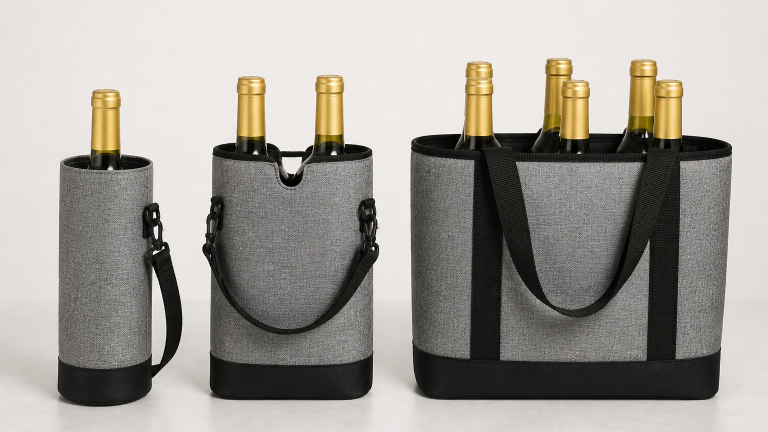
Transporting glass bottles requires packaging that manages both thermodynamic stability and severe kinetic stress. Unlike standard insulated cooler bags designed for soft food items, wine carriers must prevent localized impact fractures while maintaining the specific temperature parameters required for viticulture products. The engineering stack relies on high-density foams, rigid geometries, and specialized fluid containment mechanisms.
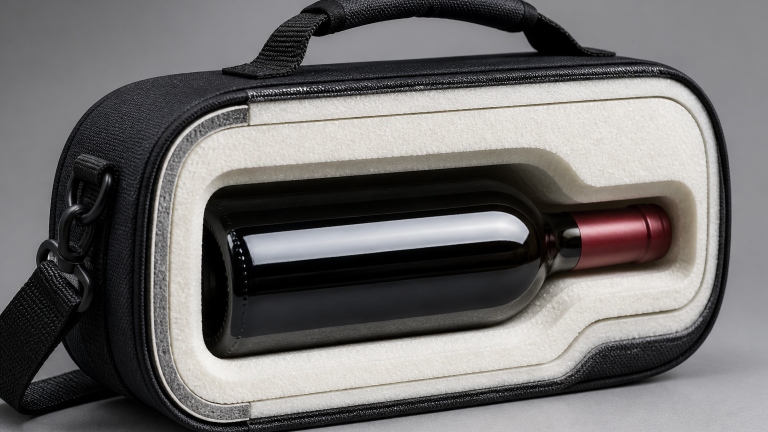
Kinetic Shock Absorption and Base Geometry
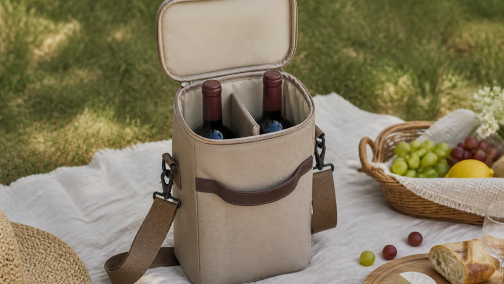
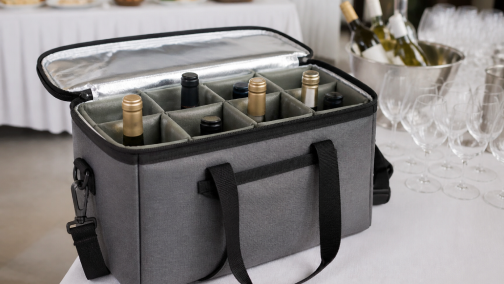
To mitigate transit damage, the carrier's architecture must physically isolate each bottle. The structural integration includes the following technical parameters:
| Component | Engineering Function | Commercial Impact |
| 5mm Padded Dividers | Eliminates lateral glass-to-glass contact | Drastically reduces breakage rates during multi-bottle retail transport. |
| Rigid PE Base Board | Distributes concentrated vertical load | Prevents bottom-out failure and maintains an upright stance on flat surfaces. |
| High-Density EPE Foam | Absorbs external kinetic energy | Protects the fragile glass matrix from accidental drops and collisions. |
Fluid Containment and Hygiene Mechanics
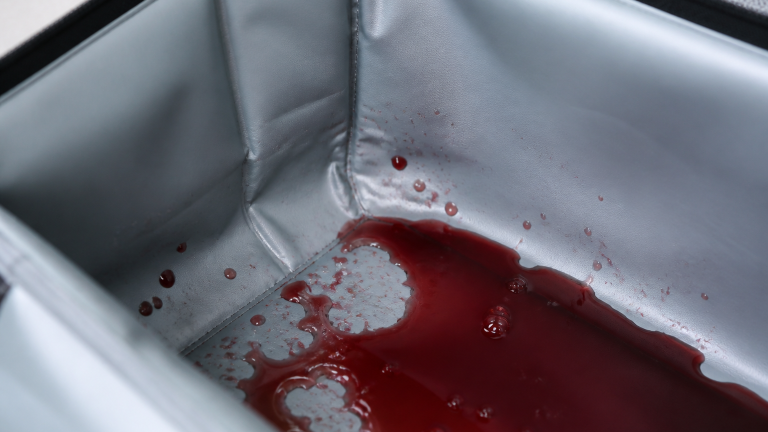
A compromised cork or accidental drop inevitably leads to internal liquid spills. If the interior lining relies on standard needle stitching, acidic wine or melted ice will seep into the insulation core, causing permanent organic staining and bacterial degradation. Commercial specifications mandate High-Frequency (HF) welded PEVA linings. This process uses high-frequency acoustics to fuse the polymer edges into a monolithic, seamless barrier. The resulting basin is 100% leak-proof, highly resistant to chemical stains, and can be rapidly sanitized with standard wiping.
Scaling Corporate Branding and Volume Sourcing
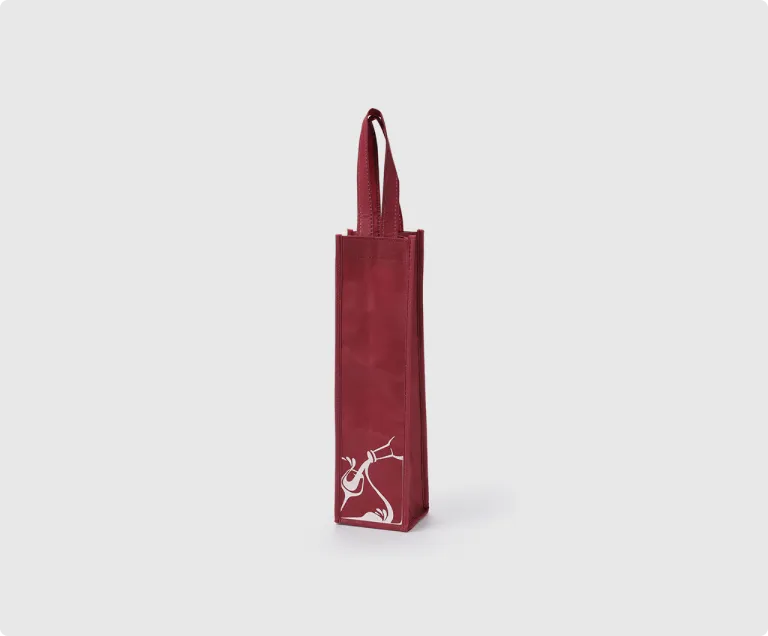
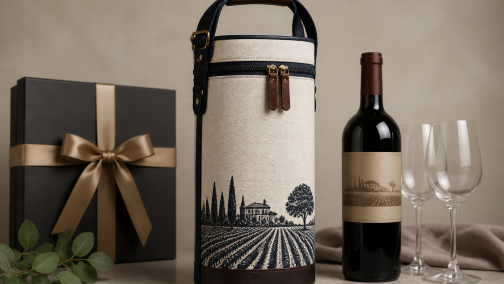
Wine bags function as high-retention corporate gifts and premium retail packaging. The exterior substrate is engineered for high ink adhesion. By strictly matching Pantone (PMS) coordinates and utilizing high-opacity silkscreen or full-color BOPP lamination, brands ensure exact visual consistency across production runs. Contact our packaging engineering team to specify your exact bottle capacity, foam density requirements, and vector branding assets for your next commercial viticulture rollout.