Search

Enter keywords to search for products, blog posts, and more.


Home > Insulated Cooler Backpacks

Insulated Cooler Backpacks

Insulated Cooler Backpacks

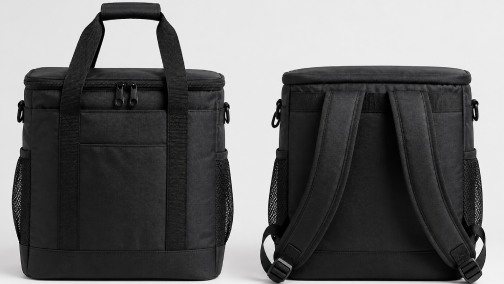
Engineered hands-free thermal transit assets. Constructed with high-density EPE foam cores, HF-welded PEVA linings, and ergonomic EVA load distribution systems for prolonged outdoor logistics.

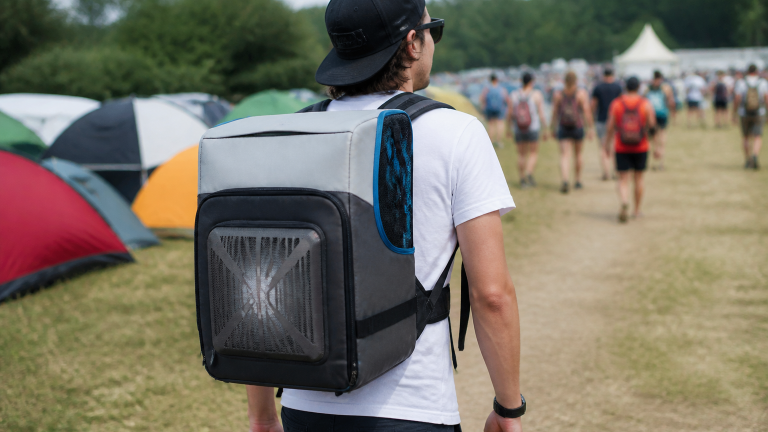
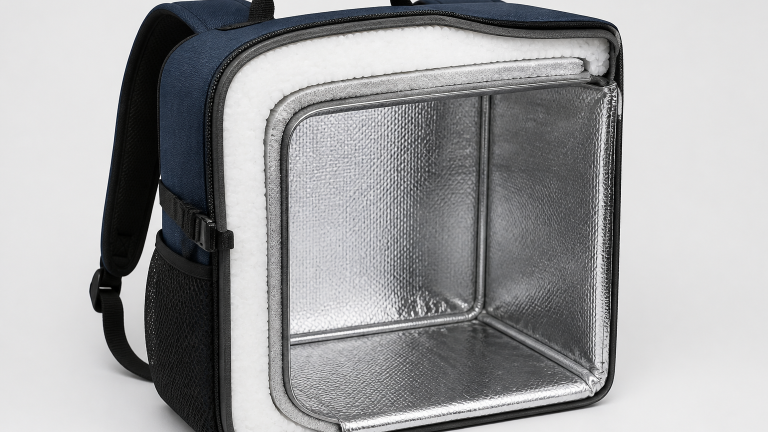
An insulated cooler backpack executes a specific mechanical function: transporting heavy, temperature-sensitive liquid payloads over varied terrain while freeing the operator's upper extremities. Carrying 15 kilograms of canned beverages and ice in a standard hand-tote rapidly induces localized muscular fatigue. The backpack architecture resolves this by utilizing padded EVA shoulder straps and a structural back panel to transfer the physical mass directly to the body's center of gravity. Thermal isolation is achieved through an 8mm to 10mm closed-cell EPE foam core, which arrests conductive heat transfer from direct solar exposure.

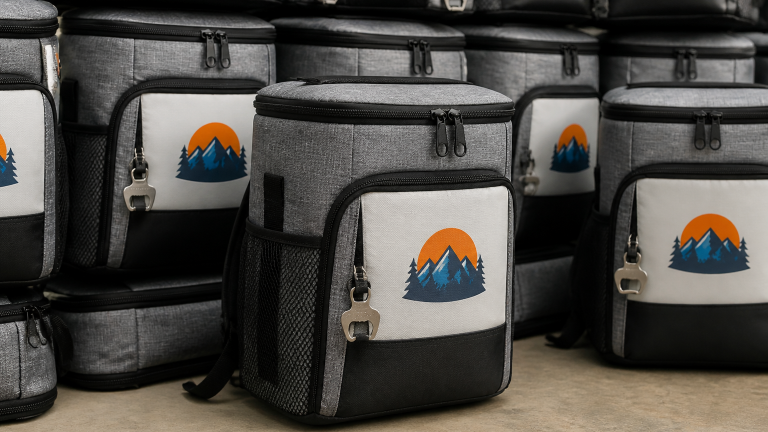
Fluid containment and hygiene remain critical engineering parameters. The interior thermal basin utilizes food-grade PEVA assembled via High-Frequency (HF) welding. This creates an absolute fluid barrier, preventing melting ice and internal condensation from soaking through the back panel and saturating the wearer. The exterior shell, utilizing 600D Oxford polyester or high-denier nylon, provides extreme resistance to mechanical abrasion. These exterior substrates are optimized for ink adhesion, allowing B2B procurement teams to apply durable corporate branding via printed nonwoven bags technologies for high-visibility promotional and retail campaigns.

  • 8mm to 10mm closed-cell EPE foam for maximum thermal retention
  • High-Frequency (HF) welded PEVA lining for absolute leak-proof containment
  • Ergonomic EVA padded shoulder straps with sternum stabilization
  • Breathable, multi-layer mesh back panel blocks condensation transfer
  • PU-coated Oxford polyester exterior for high abrasion resistance
  • Dual-zone compartmentalization separating dry gear from wet ice
  • Custom volumetric scaling and precise Pantone corporate branding
  • Manufactured under strict AQL dynamic drop-testing protocols

Cooler Backpack Specifications

ComponentEngineering Specification
Exterior Substrate600D/900D Oxford Polyester or PP non-woven fabric; PU coated for abrasion resistance
Thermal Core8mm – 10mm Closed-cell EPE foam matrix
Interior MembraneFood-grade PEVA or Aluminum foil; High-Frequency (HF) welded
Closure SystemWaterproof TPU-coated zippers to arrest convective heat loss
Ergonomic AnchorsEVA padded shoulder straps with adjustable sternum cross-straps
Back PanelMulti-layer breathable mesh over rigid PE board (prevents condensation transfer)
Thermal StabilityMaintains internal target temperature for 12-18 hours with ice packs
CompartmentalizationDual-zone configuration (isolated dry top; HF-welded wet bottom)
Volumetric CapacityConfigurable up to 30 liters (supports heavy liquid payloads)
Print TechnologyHigh-adhesion silkscreen or full-color heat transfer
AQL StandardsDynamic drop testing (15kg mass) and hydrostatic seam verification


Cooler Backpack Configurations

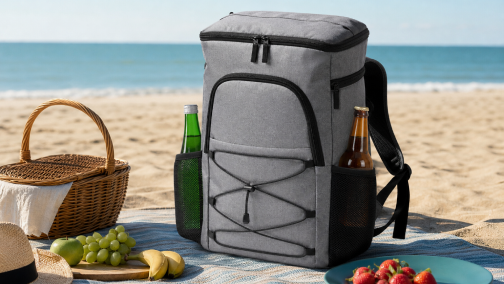
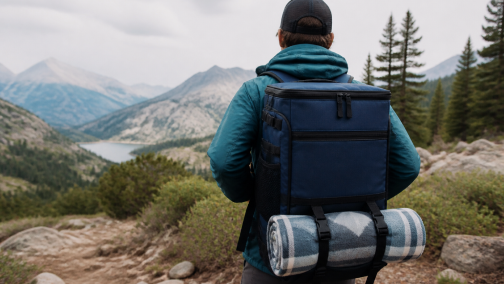
High-Capacity Outdoor Trekking Cooler

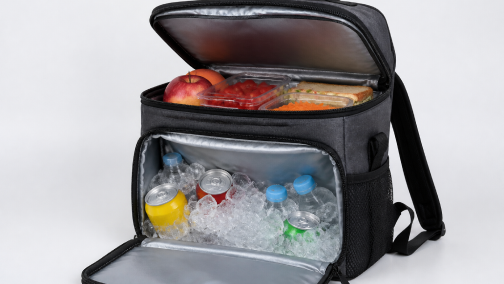
Dual-Compartment Transit Backpack

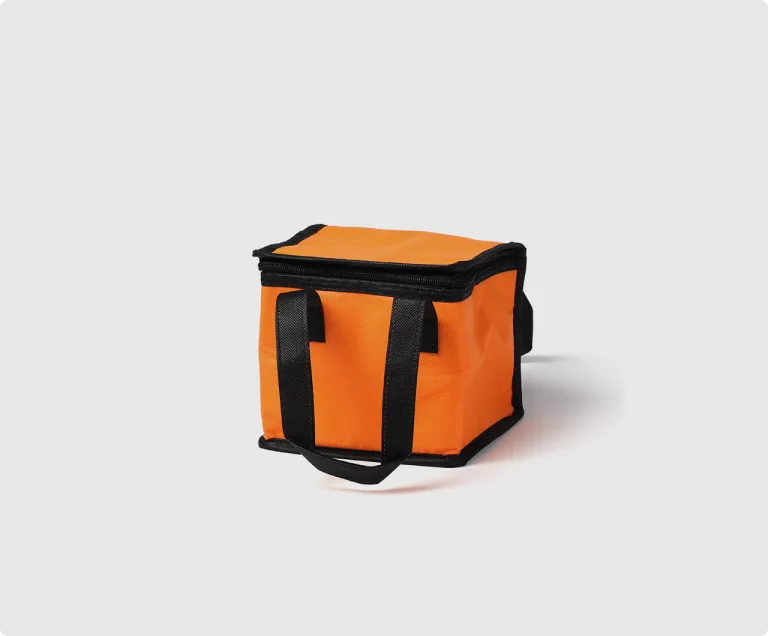
Lightweight Promotional Cooler Pack

Convertible Tote-to-Backpack Hybrid


Ergonomic Load Distribution Systems

Transporting heavy liquid payloads over extended distances requires advanced ergonomics. Our cooler backpacks utilize EVA padded shoulder straps and breathable mesh back panels. This architecture transfers the physical weight to the body's center of gravity, reducing lumbar fatigue compared to a standard insulated cooler bag.


Absolute Fluid Containment via HF Welding

The interior relies on a food-grade PEVA membrane assembled via High-Frequency (HF) welding. This creates a seamless, 100% leak-proof basin that prevents melted ice or condensation from soaking through the back panel onto the wearer. Waterproof exterior zippers complete the thermal seal.


Corporate Branding and Volume Sourcing

The exterior substrates, including 600D Oxford and high-denier nylon, are selected for their high ink adhesion properties. This allows B2B procurement teams to apply durable silk-screen or rotogravure branding, converting the functional backpack into a persistent mobile billboard for outdoor promotional campaigns.

Cooler Backpack Projects

logo
logo
logo
logo
logo
logo
logo
logo
logo

About Changyuan Nonwoven

We are a nonwoven fabric and bag manufacturer based in Changzhou, China, running a full production line from raw material to finished goods since 2012. Our factory handles fabric extrusion, 7-color gravure printing, lamination, and bag making in-house, serving clients in 20+ countries with a daily output of 200,000 pieces.

Company factory how we work

FAQs

What determines the thermal hold time of an insulated backpack?

Thermal retention is dictated by the thickness of the closed-cell EPE foam core. A standard 8mm to 10mm specification, when combined with ice packs, arrests conductive heat transfer and maintains internal temperatures for 12 to 18 hours during outdoor exposure.

How does the backpack prevent condensation from wetting the wearer's back?

We engineer the interior with an HF-welded PEVA lining to contain liquids. Additionally, the backpack structure incorporates a multi-layer back panel featuring EPE foam and breathable mesh, which acts as a physical barrier against internal condensation and thermal transfer to the body.

What is the maximum load capacity for commercial cooler backpacks?

Commercial load capacity depends on the strap attachment architecture. By utilizing spun-polyester webbing anchored with reinforced X-box cross-stitching, our heavy-duty models safely support fluid payloads exceeding 15 kilograms without seam failure.

Can the backpack feature multiple isolated temperature zones?

Yes. We manufacture dual-compartment models featuring an insulated lower basin for ice and beverages, separated by a thermal divider from an upper dry-storage compartment designed for ambient temperature goods or electronics.

What printing methods are applied to the backpack exterior?

The high-density polyester exterior supports multiple branding technologies. We utilize silkscreen printing for durable spot-color logos and heat-transfer lamination for complex, full-color corporate graphics, ensuring exact Pantone (PMS) matching.

What quality control testing is conducted prior to bulk export?

Our AQL protocols include dynamic drop testing with maximum rated payloads to verify shoulder strap anchor integrity, hydrostatic testing of the HF-welded PEVA lining to guarantee zero leakage, and zipper actuation cycling.

B2B Procurement Specifications for Thermal Backpacks

Load Distribution and Ergonomic Architecture

Procuring a cooler backpack requires evaluating structural ergonomics alongside thermal performance. When fully loaded with beverages and ice, a 30-liter cooler functions as a dense liquid mass, frequently exceeding 15 kilograms. Standard strap attachments will fail under this kinetic load, and poorly designed back panels will induce severe spinal fatigue. The engineering specification must mandate high-tensile spun polyester webbing anchored with X-box cross-stitching. The back panel must incorporate a rigid PE (Polyethylene) board insert overlaid with EVA foam and breathable mesh. This structural stack prevents the internal rigid cans from pressing into the wearer's spine while simultaneously creating an air gap that mitigates conductive heat transfer from the body to the cooler compartment.

Fluid Containment and Thermal Bridging

Unlike an insulated lunch bag, a cooler backpack operates in a state of continuous kinetic motion. Loose ice and liquids shift aggressively during pedestrian transit. The internal lining dictates the bag's operational success:

Engineering ComponentMechanical FunctionOperational Benefit
HF-Welded PEVA BasinEliminates needle perforations on the interiorProvides 100% leak-proof containment; prevents liquids from soaking the wearer.
Waterproof TPU ZippersSeals the primary opening apertureArrests convective heat loss and stops sloshing water from escaping the top.
Multi-Layer Back PanelActs as a thermal and moisture barrierStops internal condensation from transferring through the fabric to the human body.

Volumetric Configuration and B2B Customization

High-end commercial models utilize dual-compartment architecture. This features an HF-welded, highly insulated lower basin dedicated to ice and beverages, physically separated from an upper dry-storage compartment designed for ambient temperature goods or electronics. This modularity increases the asset's utility for the end-user, extending the lifecycle of the promotional or retail product. Contact our packaging engineering team to define your precise volumetric capacities, strap geometries, and custom Pantone branding requirements for your upcoming corporate distribution.