
Introduction to Polypropylene Spunbond Nonwoven Fabric
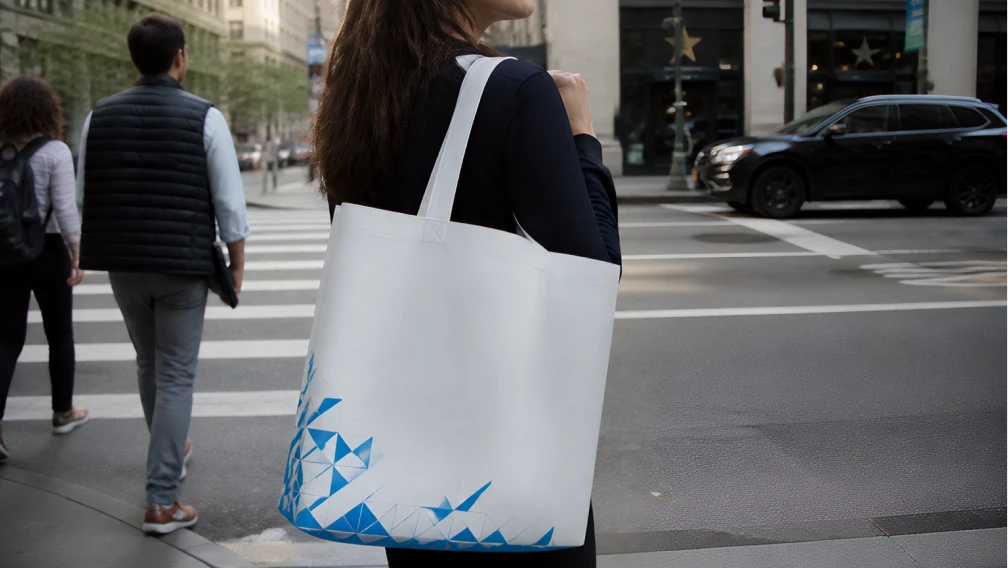
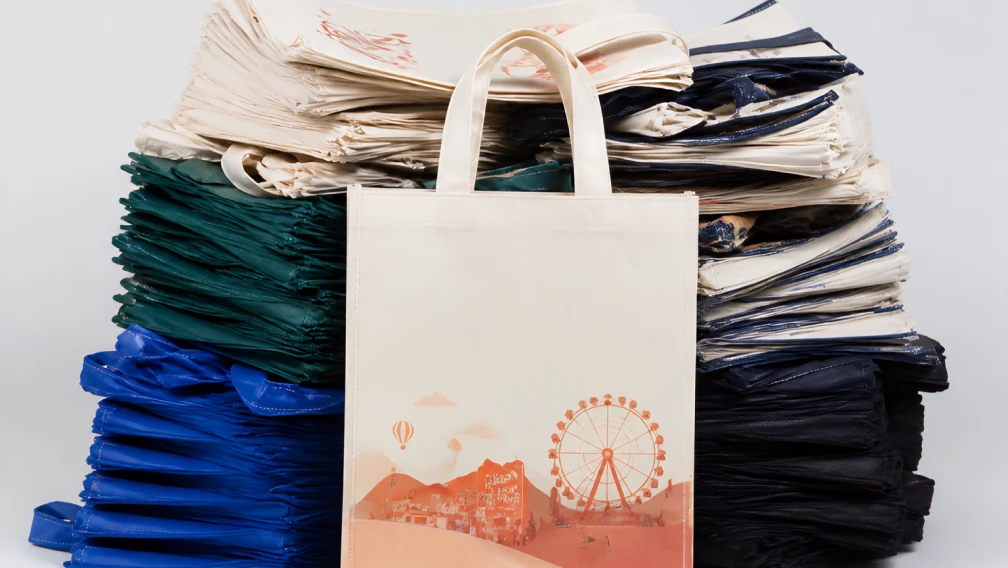
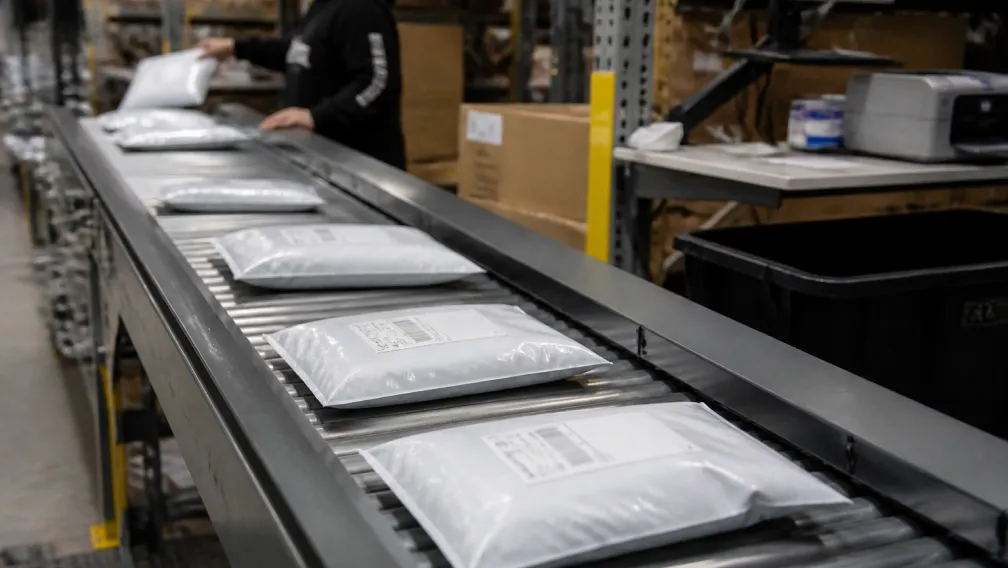
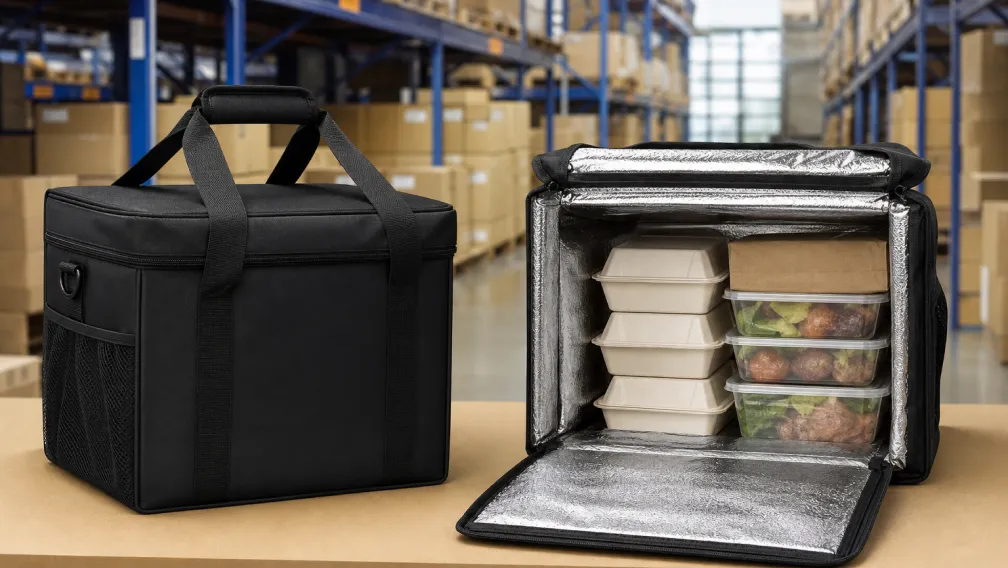
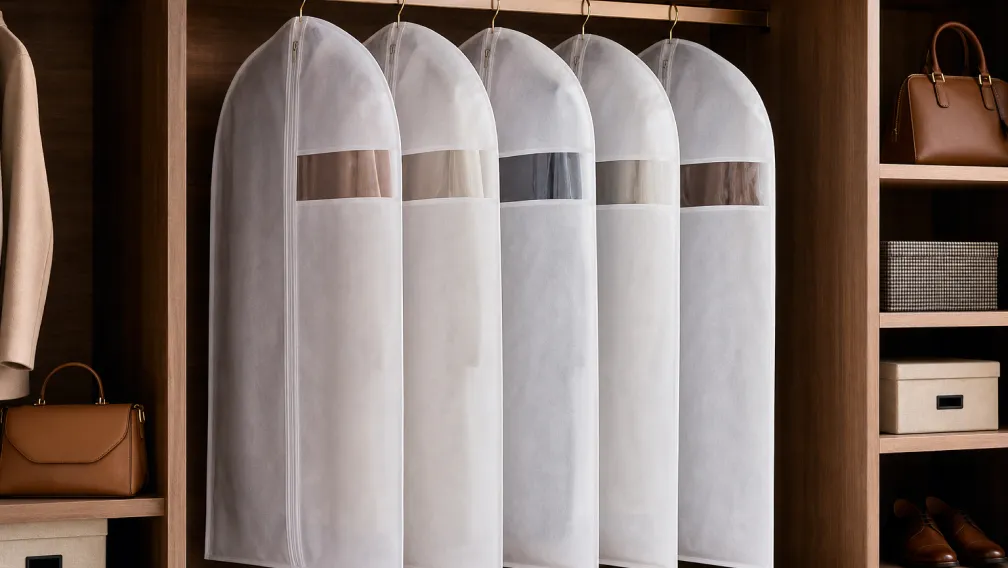
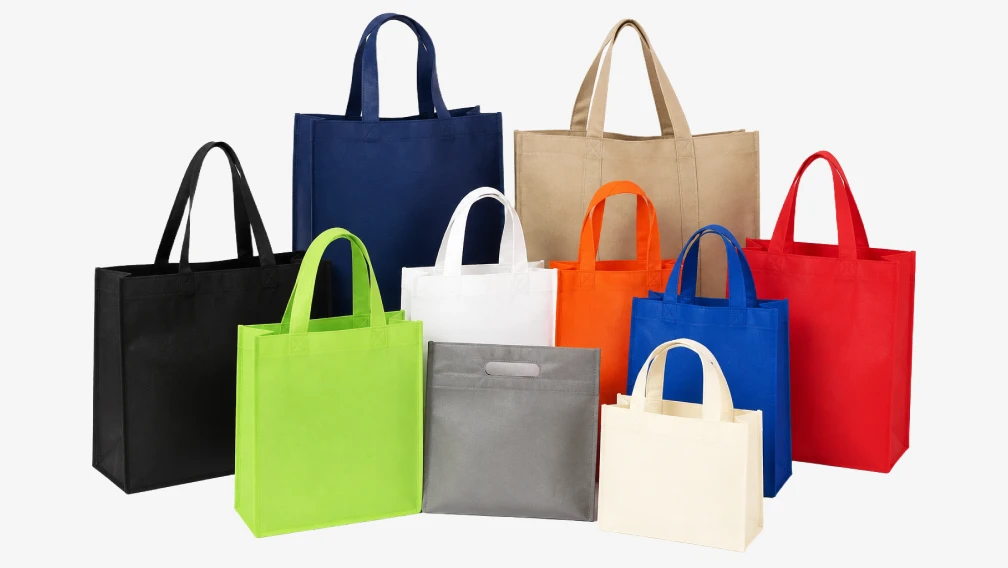
Polypropylene (PP) spunbond nonwoven fabric constitutes the structural foundation for multiple global industries, ranging from sterile medical device packaging and commercial agriculture to heavy-duty furniture construction and customized retail tote bags. Unlike traditional woven textiles, which require time-intensive yarn spinning and mechanical loom weaving, nonwoven fabrics are engineered through a continuous, high-velocity thermo-mechanical process. This direct-to-web methodology transforms raw polymer resin into a cohesive fabric matrix within seconds. The resulting material exhibits a highly optimized weight-to-tensile-strength ratio, excellent chemical resistance, and precise dimensional stability. This technical specification guide breaks down the polymer extrusion mechanics, web consolidation processes, structural testing metrics, and specialized chemical treatments required for B2B industrial nonwoven procurement.
1. Polymer Science and the Spunbond Extrusion Process
The physical properties of the final nonwoven fabric are intrinsically linked to the molecular characteristics of the raw polymer and the thermodynamic control maintained during the extrusion phase. Polypropylene is the preferred thermoplastic resin due to its low specific gravity, superior flexural fatigue resistance, and hydrophobic baseline.
1.1 Resin Selection and Melt Flow Index (MFI)
Industrial spunbond manufacturing begins with virgin isotactic polypropylene pellets. A critical parameter in resin selection is the Melt Flow Index (MFI), which measures the viscosity of the polymer in its molten state. Spunbond operations typically require PP resins with an MFI ranging from 25 to 40 g/10 min. This specific viscosity ensures that the polymer can be extruded through microscopic capillary orifices without fracturing, while maintaining sufficient molecular entanglement to generate high-tensile continuous filaments.
1.2 Extrusion, Quenching, and Aerodynamic Drafting
The manufacturing process operates as a continuous, synchronized system. The raw PP resin is fed into a heated extruder where it is melted and homogenized. A precision gear pump forces the molten polymer through a spinneret—a massive metal die containing thousands of microscopic holes. As the continuous polymer filaments exit the spinneret, they enter a quenching chamber. Here, controlled, chilled air rapidly cools and solidifies the molten threads. Immediately following the quenching phase, high-velocity air streams draft (stretch) the filaments. This aerodynamic drafting process is critical; it aligns the internal molecular chains of the polypropylene, exponentially increasing the tensile strength of the individual fibers before they are randomly deposited onto a moving porous conveyor belt to form the unbonded web.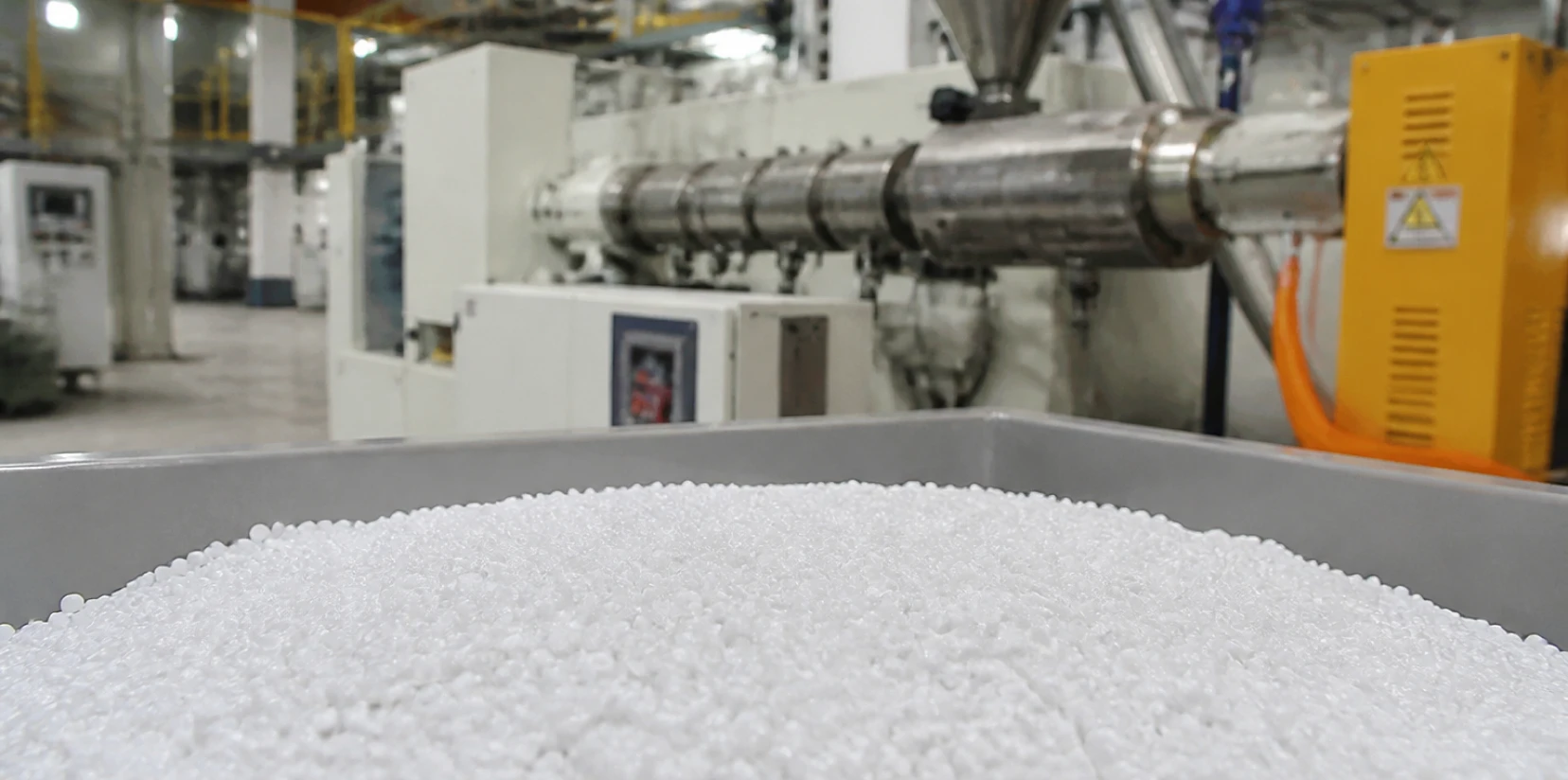
2. Structural Web Consolidation and Calendering
The loose web of drafted filaments possesses no structural integrity upon initial deposition. The fibers must be permanently fused together to create a usable fabric. In PP spunbond manufacturing, this is achieved through thermal point bonding, also known as calendering.
2.1 Thermal Point Bonding Mechanics
The unbonded web is drawn between two massive, heated steel rollers (calenders). Typically, one roller is smooth, while the other is engraved with a specific geometric micropattern (often diamond, oval, or sesame seed shapes). As the fabric passes through the nip point between the rollers, the combination of precise thermal energy and extreme mechanical pressure melts the polypropylene fibers exclusively at the raised points of the engraved roller. This fuses the overlapping filaments together at these discrete intersections.
2.2 Balancing Bond Area and Mechanical Properties
The engraved pattern dictates the total Bonded Surface Area, which usually ranges from 15% to 20% of the fabric's total surface. This percentage is an engineered compromise. A higher bonding area creates a stiffer, more rigid fabric with higher tensile strength but lower tear resistance, as the material becomes brittle. Conversely, a lower bonding area yields a softer, more drapable fabric with higher tear resistance but lower overall tensile strength. Manufacturers must select the correct calendering pattern based on the intended end-use application of the roll stock.
3. Key Performance Indicators (KPIs) and Technical Metrics
B2B procurement of nonwoven roll stock requires strict adherence to standardized technical metrics. Manufacturers utilize rigorous laboratory testing protocols to guarantee lot-to-lot consistency across mass production runs.
3.1 Basis Weight (GSM) Tolerances
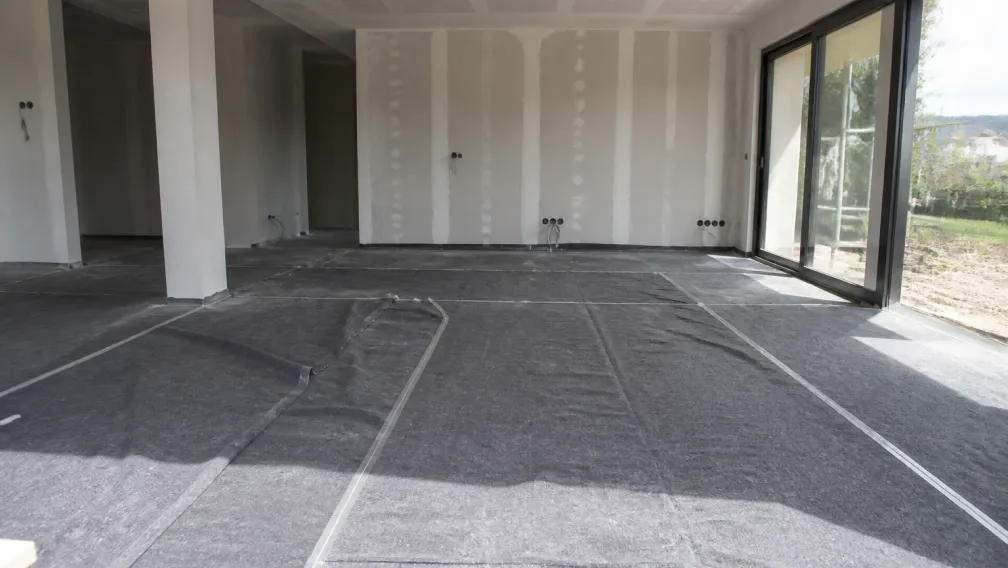
The primary classifying metric for nonwoven fabric is Grams per Square Meter (GSM). Spunbond PP can be manufactured in a wide range of weights, typically from extremely lightweight 9gsm (used in hygiene products) to heavy-duty 200gsm (used in geotextiles and floor protection). A highly controlled manufacturing environment will maintain a GSM variance of less than ±5% across the entire width and length of a master roll. Inconsistent GSM leads to structural weak points and catastrophic failures in automated downstream converting machinery.
3.2 Tensile Strength and Elongation (MD vs. CD)
Due to the directional movement of the conveyor belt during fiber deposition, nonwoven fabrics exhibit anisotropic mechanical properties. Tensile strength and elongation must be measured in two distinct vectors:
- Machine Direction (MD): The strength parallel to the continuous length of the roll. MD tensile strength is naturally higher due to fiber alignment along the axis of movement.
- Cross Direction (CD): The strength perpendicular to the roll's length.
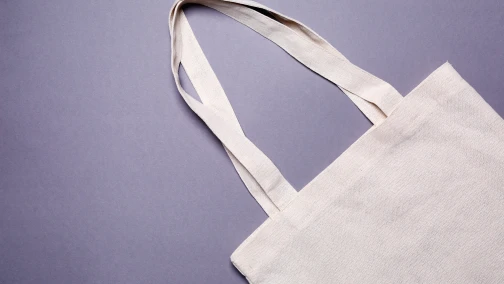
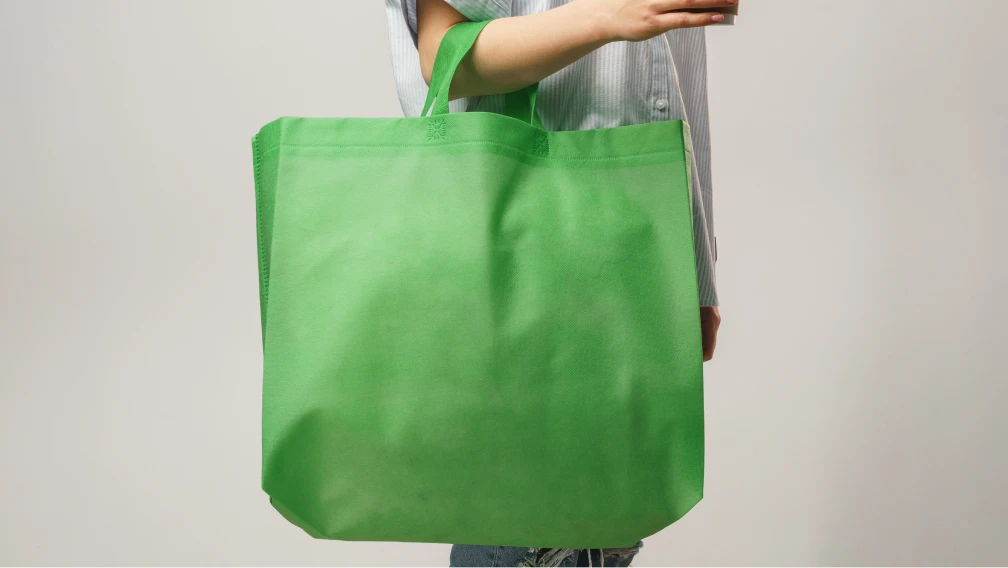
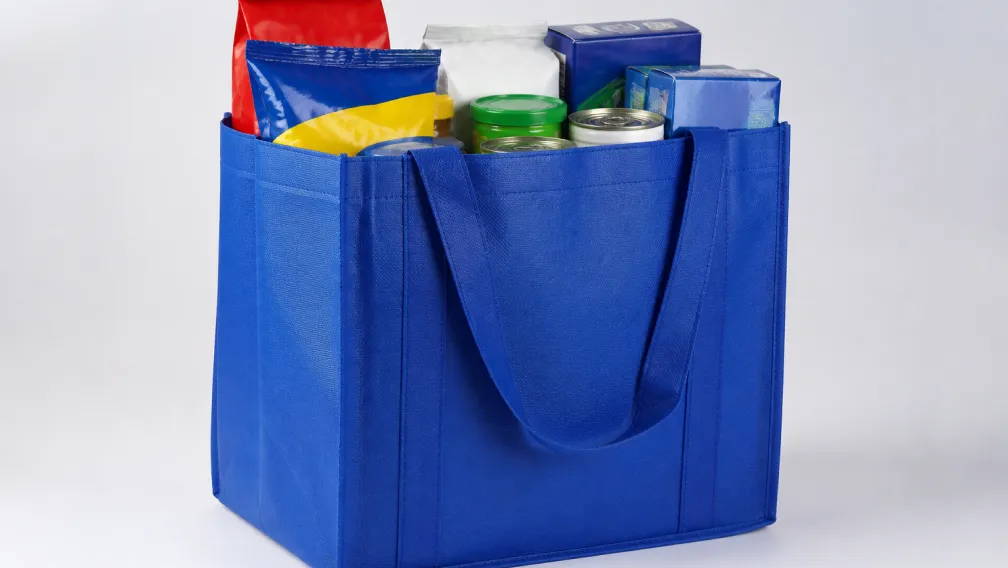
Advanced aerodynamic laydown systems strive to achieve an isotropic web, bringing the MD/CD strength ratio as close to 1:1 as possible. A balanced MD/CD ratio is critical for multidirectional load-bearing applications, such as the base structural panels in upholstered furniture or the handles of heavy-duty reusable tote bags.
4. Secondary Finishing and Chemical Additive Treatments
While standard PP spunbond is highly versatile, specialized industrial environments demand engineered performance modifications. These alterations are achieved by introducing precise chemical masterbatches during the raw extrusion phase, ensuring the additive is permanently locked within the molecular structure of the fiber.
4.1 UV Stabilization for Agricultural and Geotextile Applications
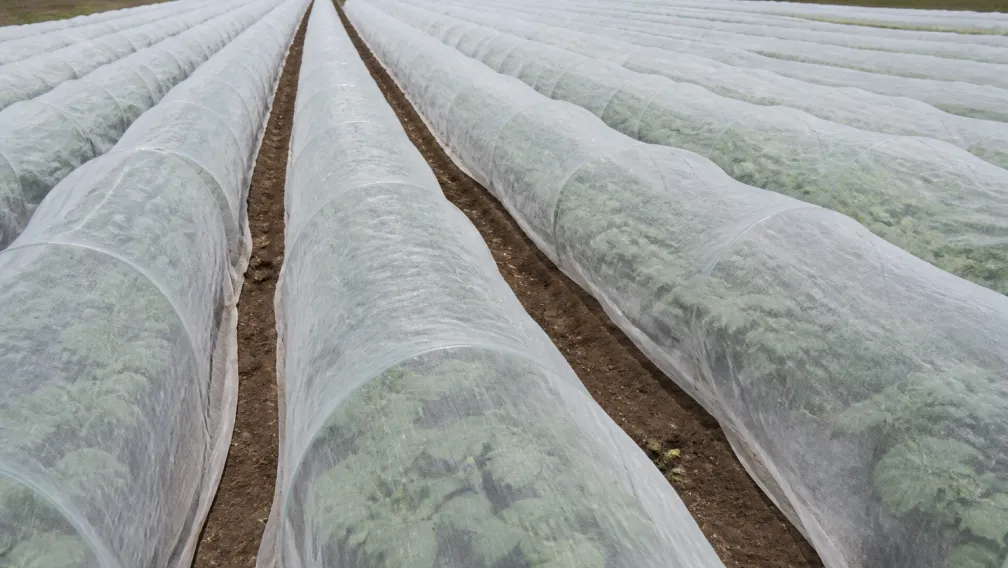
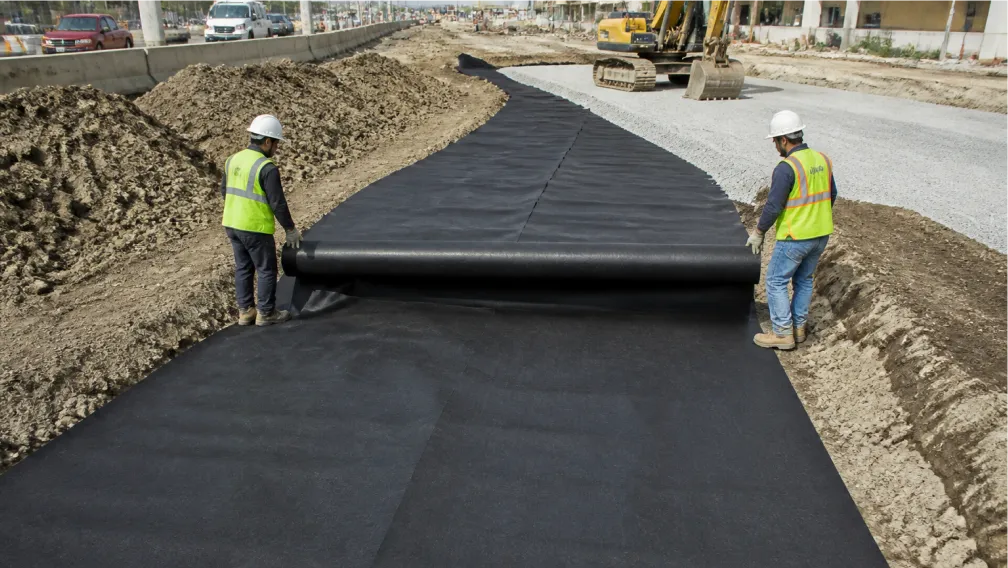
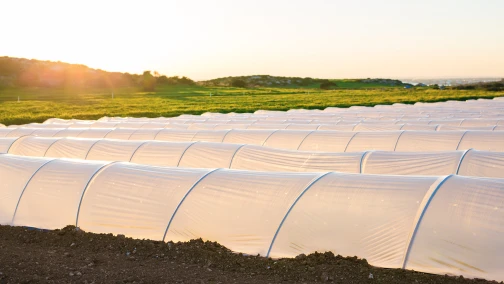
Standard polypropylene is highly susceptible to photodegradation; prolonged exposure to ultraviolet (UV) radiation rapidly breaks down the polymer chains, causing the fabric to turn brittle and disintegrate. For agricultural crop covers, frost blankets, and landscape weed barriers, UV-stabilizing additives (such as Hindered Amine Light Stabilizers - HALS) are injected into the polymer melt. This treatment significantly extends the field life of the fabric from a few weeks to multiple agricultural seasons under direct solar exposure.
4.2 Flame Retardant (FR) Masterbatches
Applications in automotive interiors, commercial aviation, and residential mattress construction are governed by strict fire safety codes (e.g., FMVSS 302 or CFR 1632). Specialized FR masterbatches interrupt the combustion cycle. When exposed to an open flame, these chemically treated nonwovens will shrink away from the heat source and self-extinguish immediately upon removal of the flame, preventing the propagation of fire across the fabric surface.
4.3 Hydrophilic Surface Modification
Untreated PP is inherently hydrophobic (water-repellent). However, in specific sectors such as medical hygiene (surgical drapes, absorbent pads) and specialized liquid filtration, the fabric must rapidly transmit moisture. Hydrophilic surfactants are added to alter the surface tension of the fibers, allowing liquid water to pass through the nonwoven matrix instantaneously without compromising the structural integrity of the web.
5. Supply Chain Economics and Master Roll Logistics
Procuring raw nonwoven roll stock at scale involves optimizing physical dimensions for global freight logistics and streamlining secondary converting operations.
5.1 Master Roll Slicing and Width Optimization
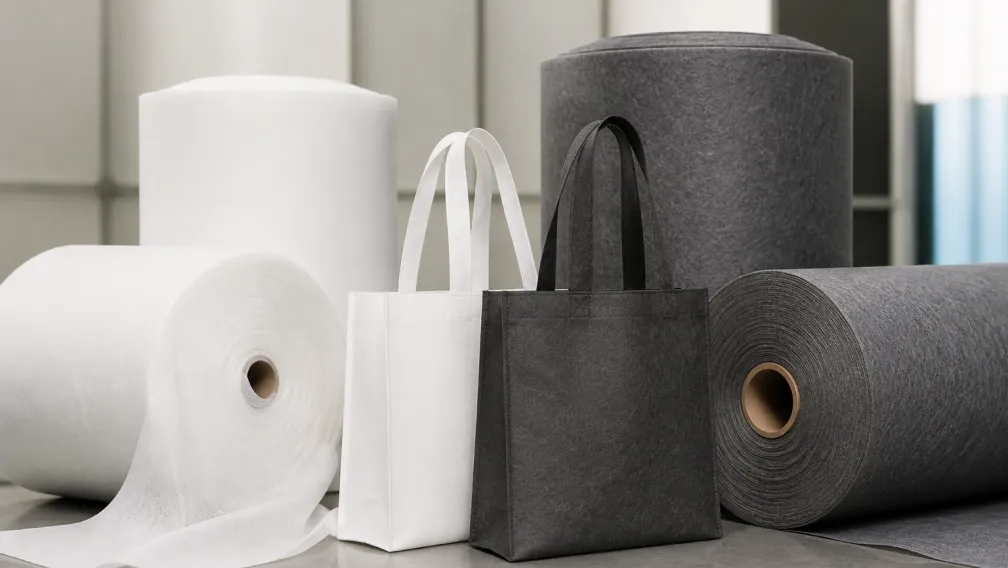
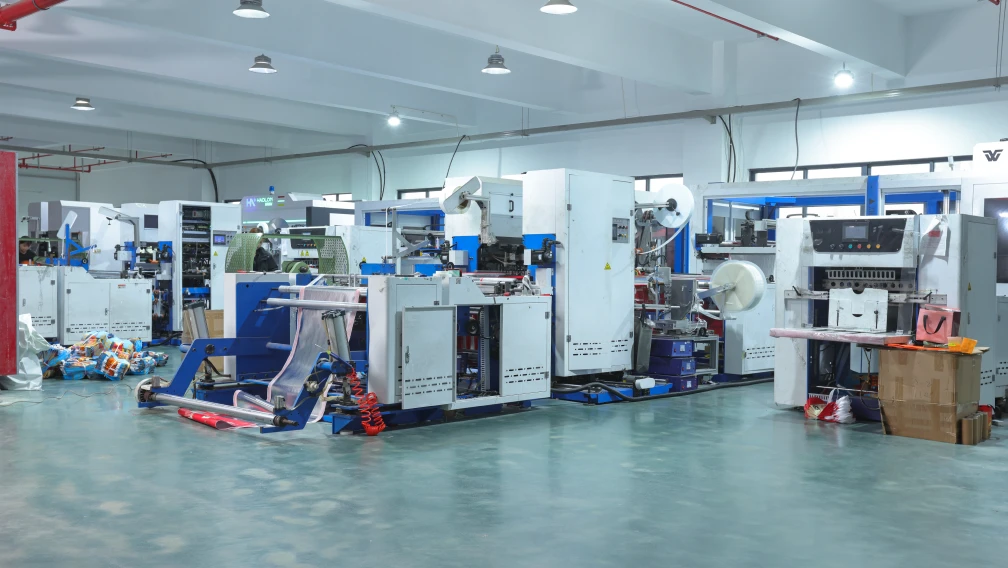
Large-scale production lines output parent rolls that can exceed 3.2 meters in width. To accommodate the specific feed requirements of client converting machinery (such as automated bag-making machines or mask assembly lines), these parent rolls undergo precision slitting. Rotary shear knives slice the parent roll into customized, exact-width sub-rolls. Maintaining tight dimensional tolerances during the slitting phase prevents tracking errors and material jams in the client's automated production lines.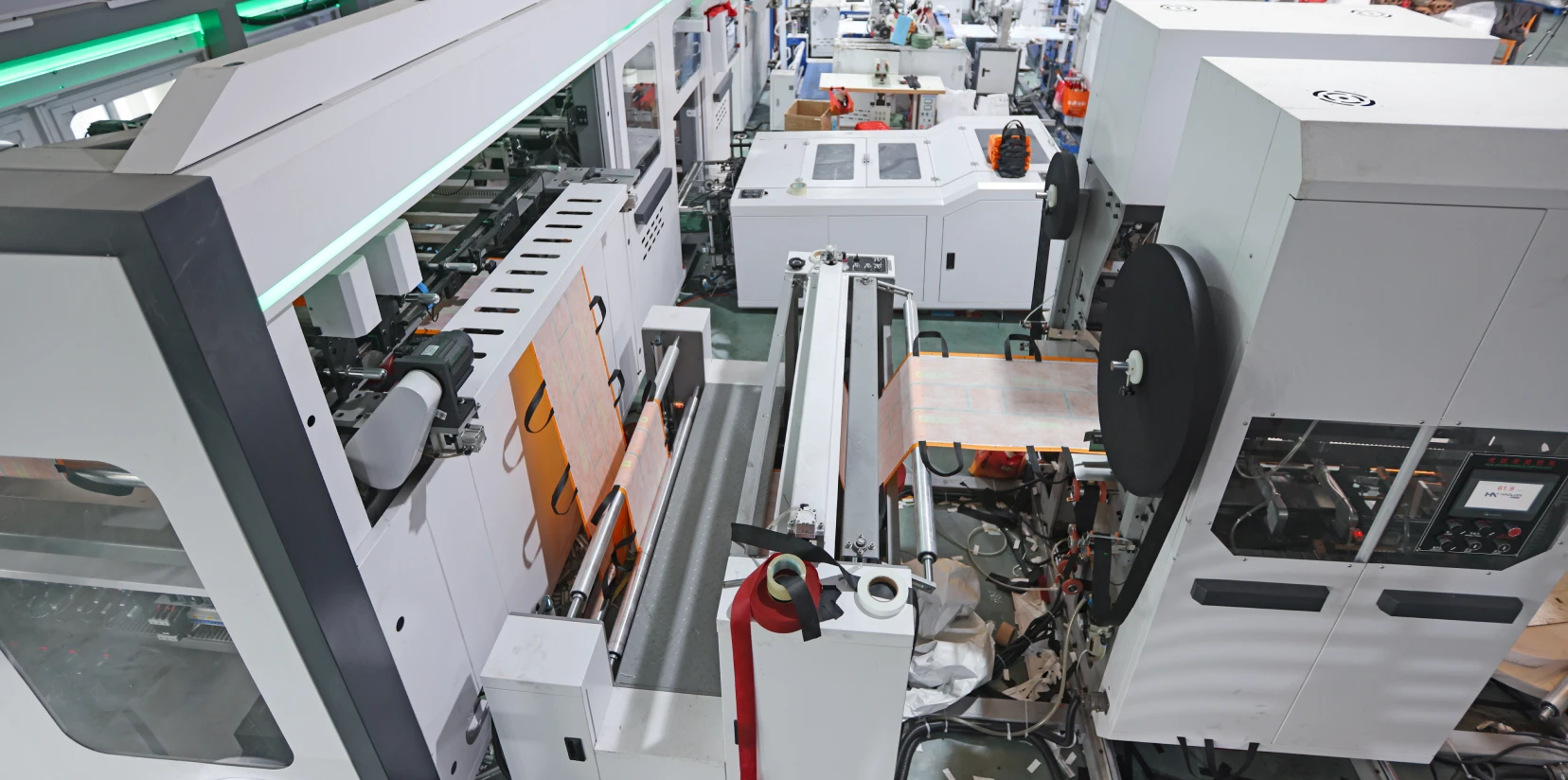
5.2 Colorimetric Consistency and Masterbatch Dyeing
Unlike woven textiles that undergo post-production liquid dye baths, spunbond nonwoven is colored using a dope-dyeing process. Color pigment masterbatches are mixed directly with the molten PP resin prior to extrusion. This results in the color being integrated uniformly throughout the entire cross-section of every individual fiber. This method guarantees absolute colorfastness, zero risk of color bleeding in wet environments, and extreme lot-to-lot color matching consistency—a critical requirement for maintaining strict corporate brand identities across millions of custom tote bags.
Conclusion
Polypropylene spunbond nonwoven fabric represents a triumph of polymer engineering, offering unparalleled manufacturing velocity and highly customizable structural properties. By mastering the variables of melt flow index, aerodynamic fiber drafting, thermal calendering patterns, and targeted chemical additives, manufacturers can engineer roll stock tailored to exact industrial specifications. Procurement professionals must critically evaluate their supplier's capacity for strict GSM control, optimal MD/CD tensile ratios, and precise logistical roll slitting. Partnering with a vertically integrated nonwoven facility ensures supply chain stability, technical compliance, and structural reliability for all downstream commercial applications.