Technical Guide: Specifying Laminated Nonwoven Substrates
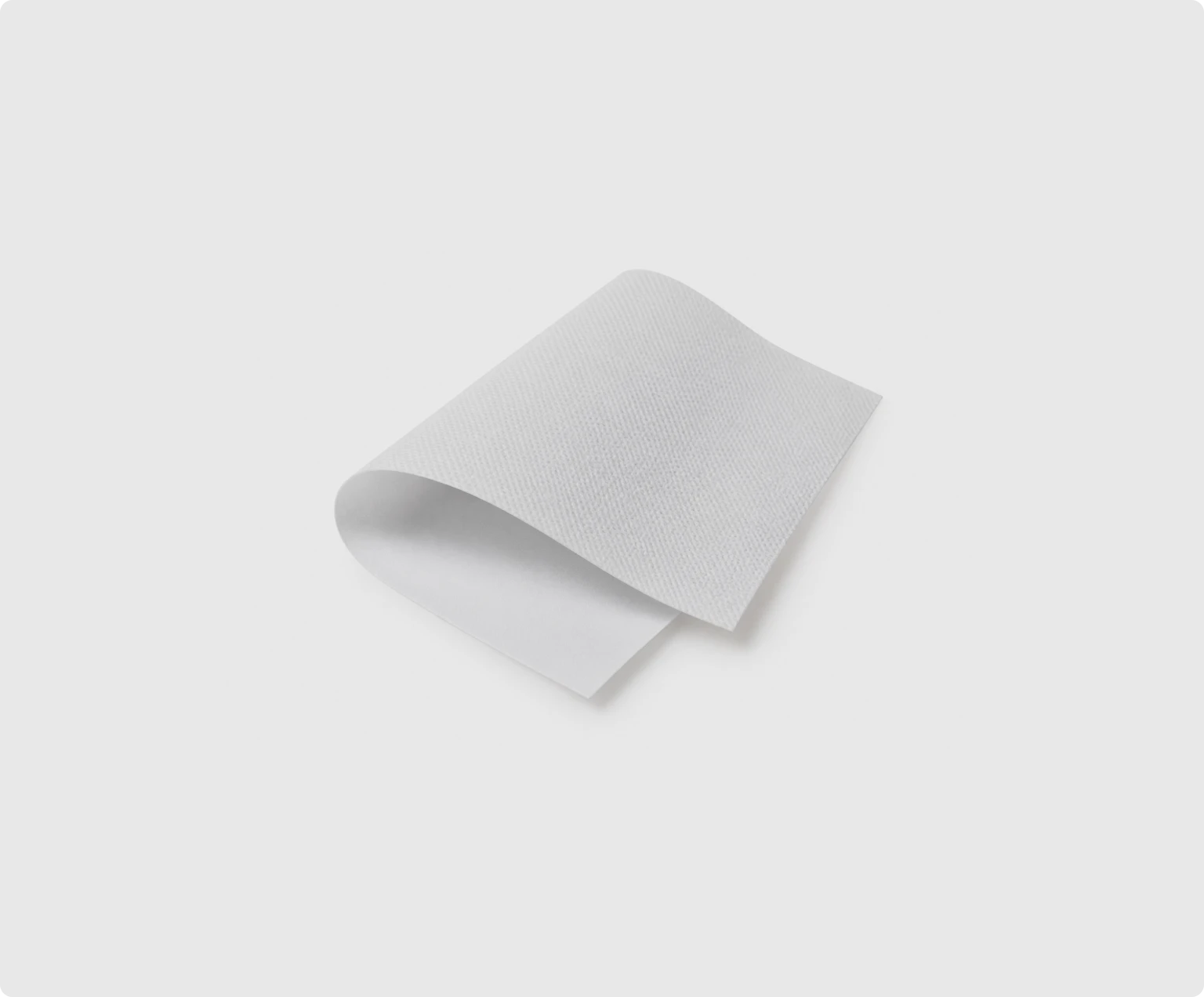
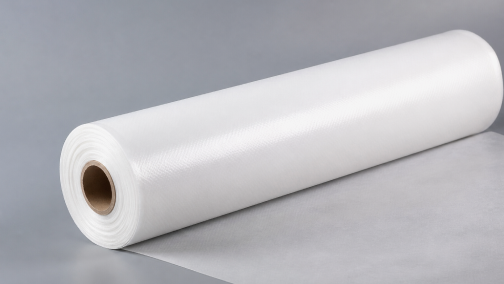
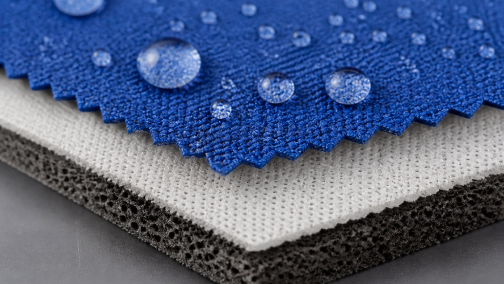
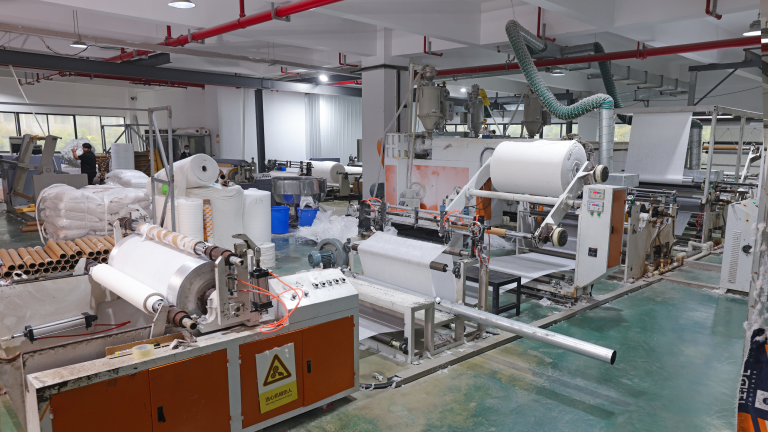
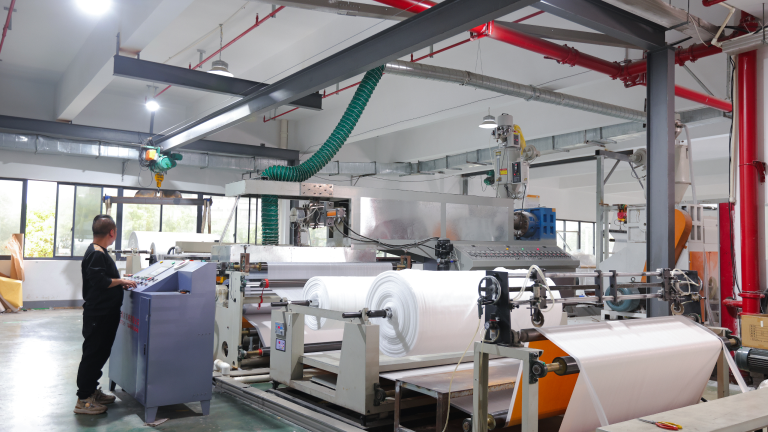
In B2B industrial sourcing, selecting the appropriate laminated nonwoven fabric requires precise alignment between the base polymer and the extruded film[cite: 1, 17]. The lamination process fuses a molten polyethylene (PE) layer or a Biaxially Oriented Polypropylene (BOPP) film to the PP spunbond base[cite: 17]. This transforms the textile into a high-barrier waterproof material capable of supporting complex converting operations across medical, packaging, and agricultural sectors[cite: 17].
PE Coating vs. BOPP Film Lamination
The applied film chemistry dictates the substrate's mechanical properties and intended industrial application[cite: 17].
| Lamination Technology | Mechanical Characteristics | Primary B2B Application |
| PE-Coated Extrusion | High fluid barrier, high flexibility, total waterproof sealing[cite: 17]. | Medical isolation gowns, hygiene drapes, agricultural covers[cite: 17]. |
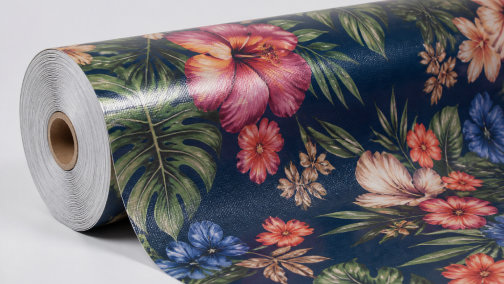
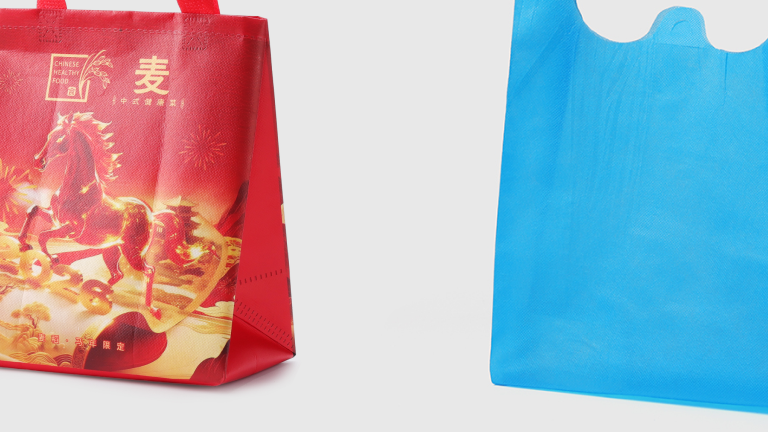
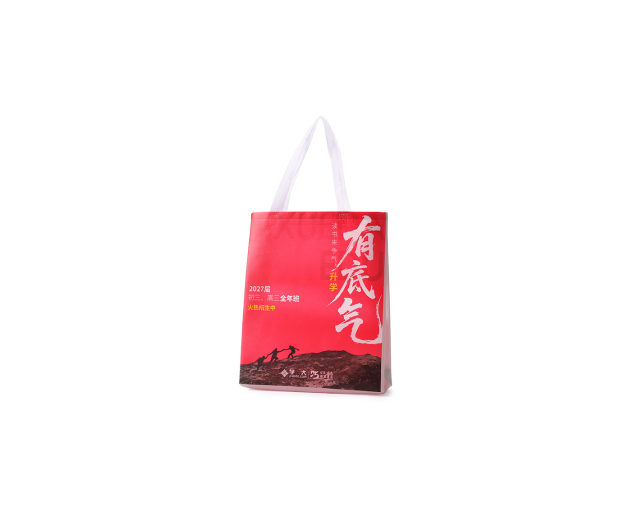
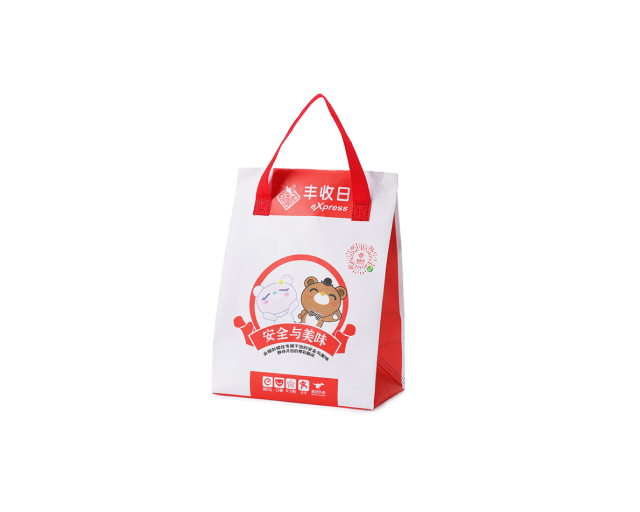
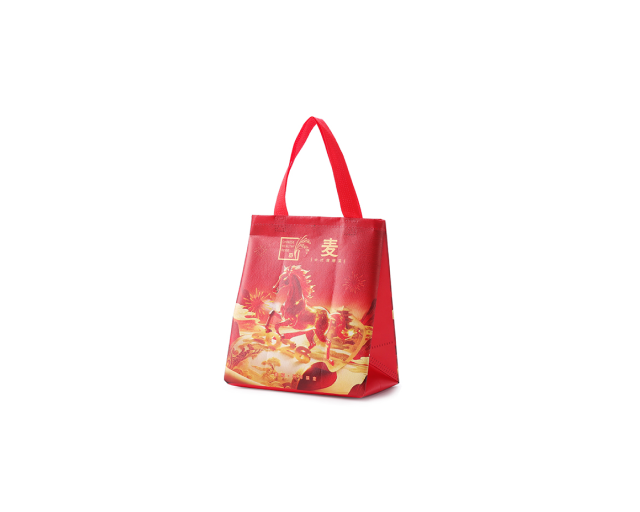
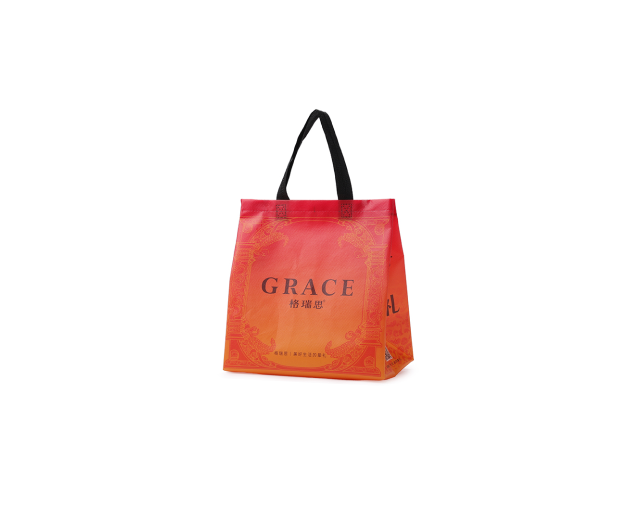
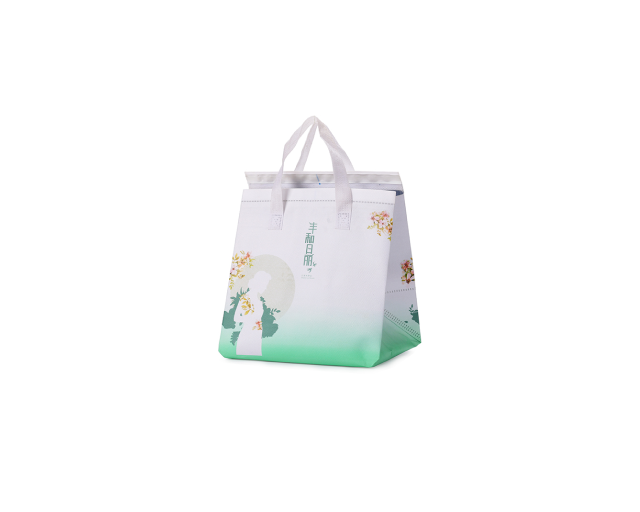
| BOPP Film Integration | High tensile strength, smooth planar surface, full-color printability[cite: 17]. | Laminated retail bags, premium packaging substrates[cite: 17]. |
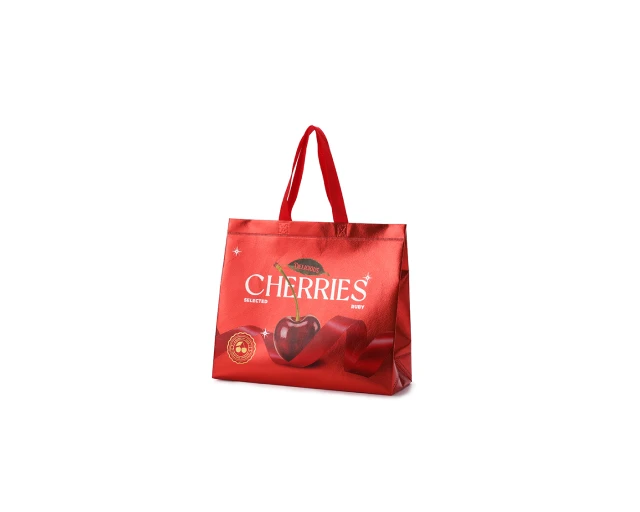
| Metallic BOPP Film | High thermal reflectivity, decorative aesthetic barrier[cite: 17]. | Industrial insulation barriers, high-impact packaging[cite: 17]. |
Barrier Engineering: Waterproof vs. Micro-Porous Breathability
Standard PE and BOPP laminates are inherently non-breathable, providing the absolute maximum moisture and fluid barrier required for critical packaging and medical containment[cite: 17]. However, for protective apparel and specific agricultural covers requiring thermodynamic exchange, we engineer micro-porous breathable laminates[cite: 17]. This specialized process maintains the waterproof macro-barrier while permitting the microscopic transmission of air and water vapor, preventing heat stress for biological subjects[cite: 17].
Procurement Verification Parameters
When specifying laminated rolls for automated conversion, procurement teams must define the base fabric weight, the applied film weight, and the desired surface finish (matte, gloss, or metallic)[cite: 1, 17]. Industrial buyers may also specify secondary chemical modifications, including anti-static, anti-aging, UV, or flame-retardant treatments to meet specific regulatory compliance standards[cite: 17].