Floor Protection for Renovation and Construction
Why Floor Covering Belongs in the Job Budget
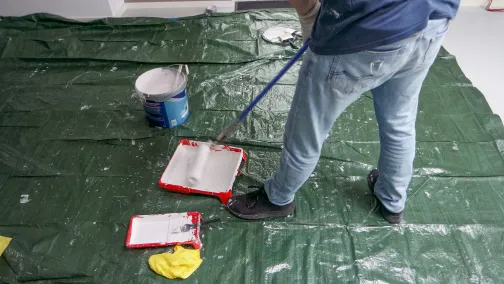
Flooring is usually the most expensive finish in a renovation, and it goes in before the trades that are hardest on it — painting, drywall, cabinetry, appliance delivery. A carpet protection film or temporary floor cover is standard practice on professional jobs because the repair cost of a scratched hardwood floor or stained carpet far exceeds the cost of the material. An anti-slip backing also reduces on-site slip risk, which matters for crew safety and for liability alike.
Matching the Cover to the Surface
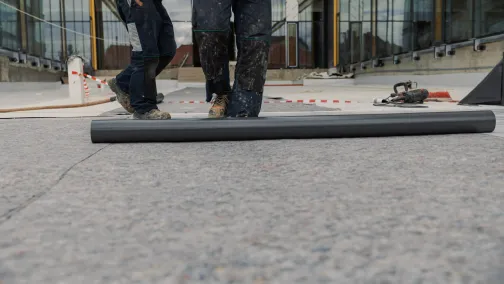
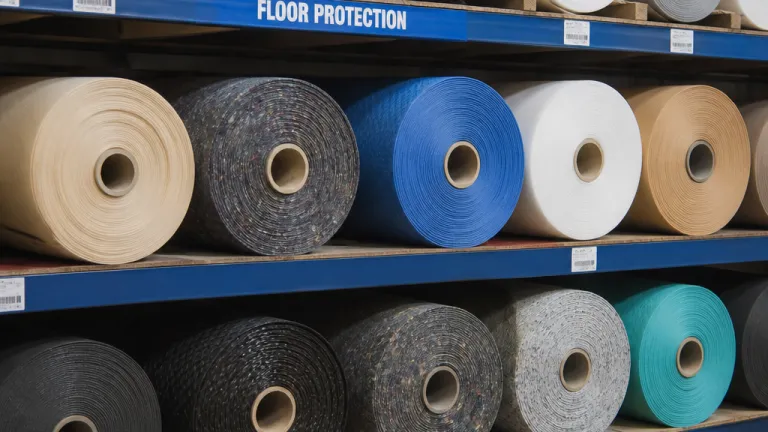
Hard floors and carpet need different products. Hard surfaces take self-adhesive PE film or breathable fleece; carpet pile needs a sticky-backed film that bonds to the fibers and stays flat under traffic. For stairs and high-traffic corridors, adhesive-backed versions are effectively mandatory — a loose sheet on a staircase is a trip hazard that no site manager should sign off. Specifying by surface type at the estimating stage avoids the mid-job patchwork of tape and cardboard.
Custom Printed Protection as Site Signage
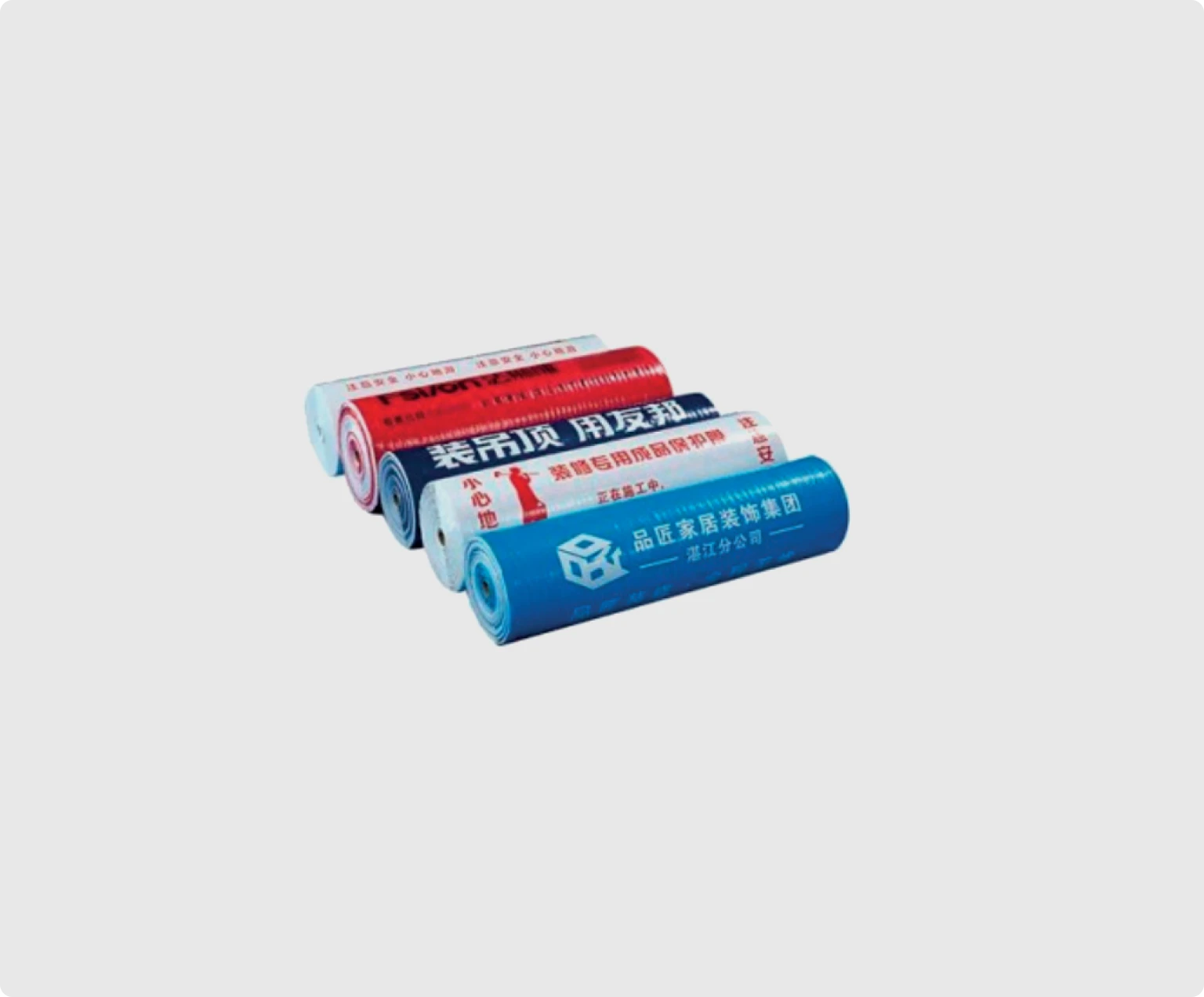
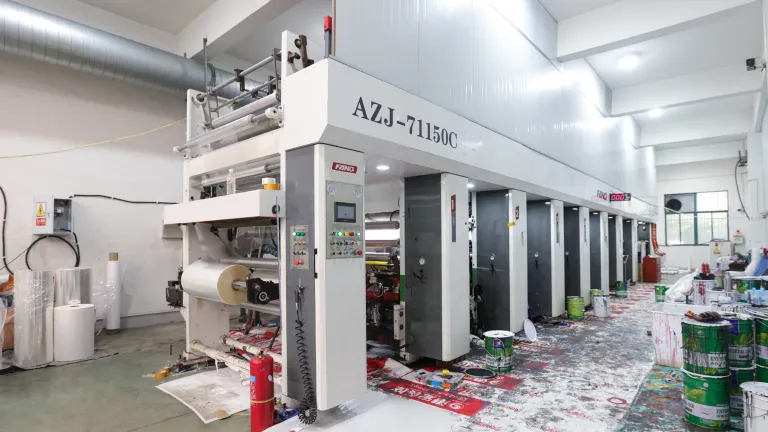
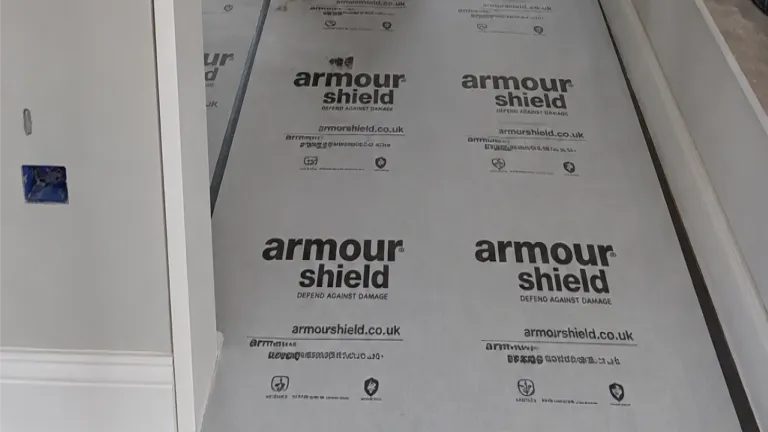
Printed floor protection does a second job on residential and commercial jobs: it identifies the contractor. A printed painters fleece carrying a company name and phone number stays visible to the client, the neighbors, and anyone photographing the site for the full duration of the project — repeated exposure that a one-time sign at the curb cannot deliver. For contractors running repeat work in occupied buildings, that exposure lands exactly where the next client lives.