Technical Guide: Specifying PP Non Woven Fabric
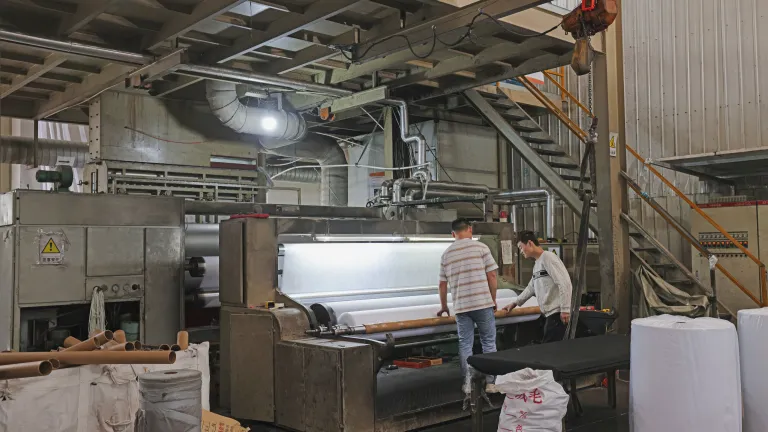
In B2B procurement, transitioning from traditional woven textiles to spunbond non woven polypropylene[cite: 1, 21] drastically accelerates production velocities and reduces overhead[cite: 21]. The specification process demands precise alignment of the polymer's surface tension, fabric density (GSM), and mechanical roll dimensions to ensure zero disruption on automated converting lines[cite: 21].
Polymer Chemistry and Functional Adaptability
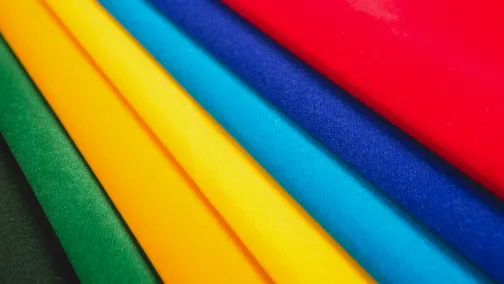
The inherent property of spunbond polypropylene is hydrophobicity (water repellency), which establishes it as the standard fluid barrier for medical isolation gowns[cite: 1] and construction wraps[cite: 21]. However, material engineering allows us to manipulate the polymer chemistry during extrusion[cite: 21]. By integrating specific surfactants or masterbatch additives, the identical base substrate can be transformed into a highly hydrophilic fabric[cite: 1] for sanitary diapers, a UV-stabilized mesh for agricultural shading[cite: 1], or an anti-static barrier for sensitive electronic packaging[cite: 21].
Optimizing Grammage (GSM) for Industrial Applications
Fabric density directly dictates the substrate's flexural tolerance and load-bearing capacity[cite: 21].
| Fabric Density | Mechanical Behavior | Primary B2B Application |
| 10–30 GSM | Extreme porosity, low kinetic resistance, highly pliable.[cite: 21] | Medical face masks (structural layers), light agricultural frost covers.[cite: 21] |
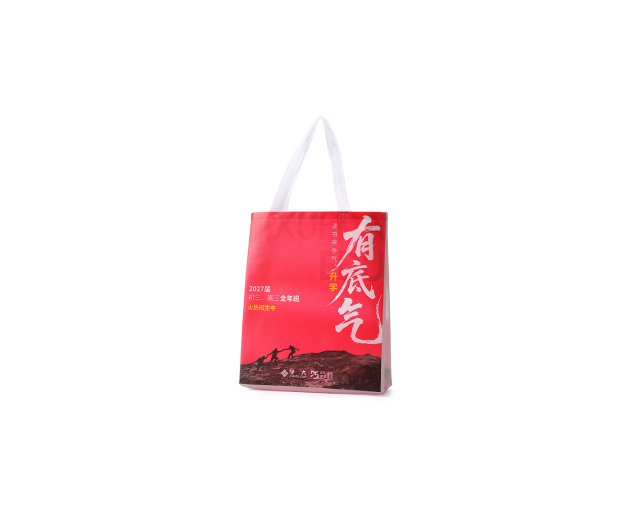
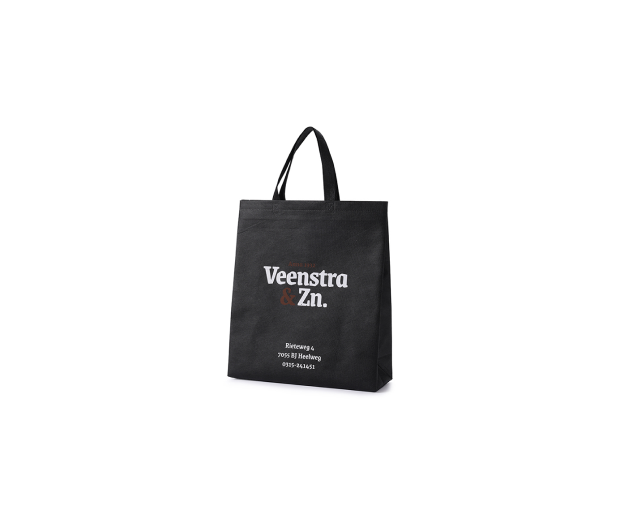
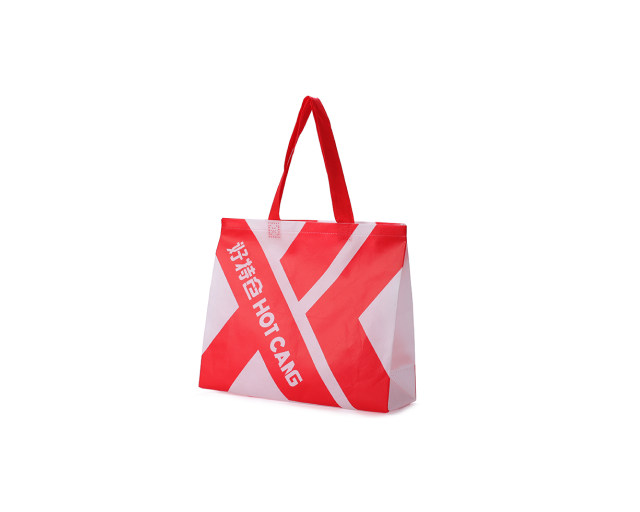
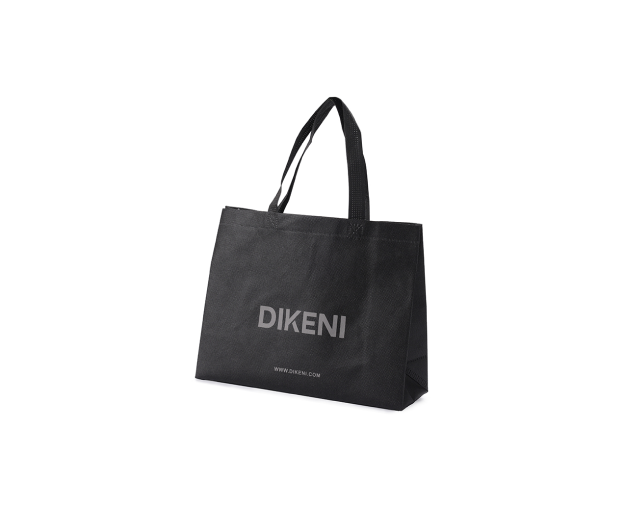
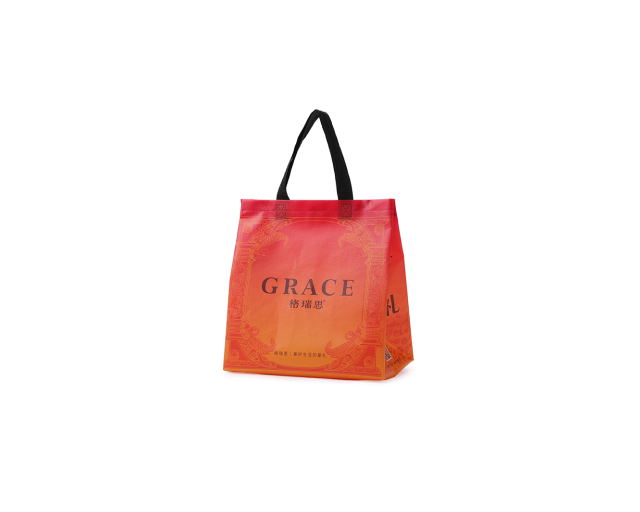
| 40–70 GSM | Balanced tensile strength and high-speed folding tolerance.[cite: 21] | Promotional T-shirt bags, automated secondary packaging.[cite: 21] |
| 80–150 GSM | Rigid drape, maximum puncture and tear resistance.[cite: 21] | Heavy-duty retail totes, furniture backing, spring mattress pocketing.[cite: 21] |
Procurement Verification Parameters for Converters
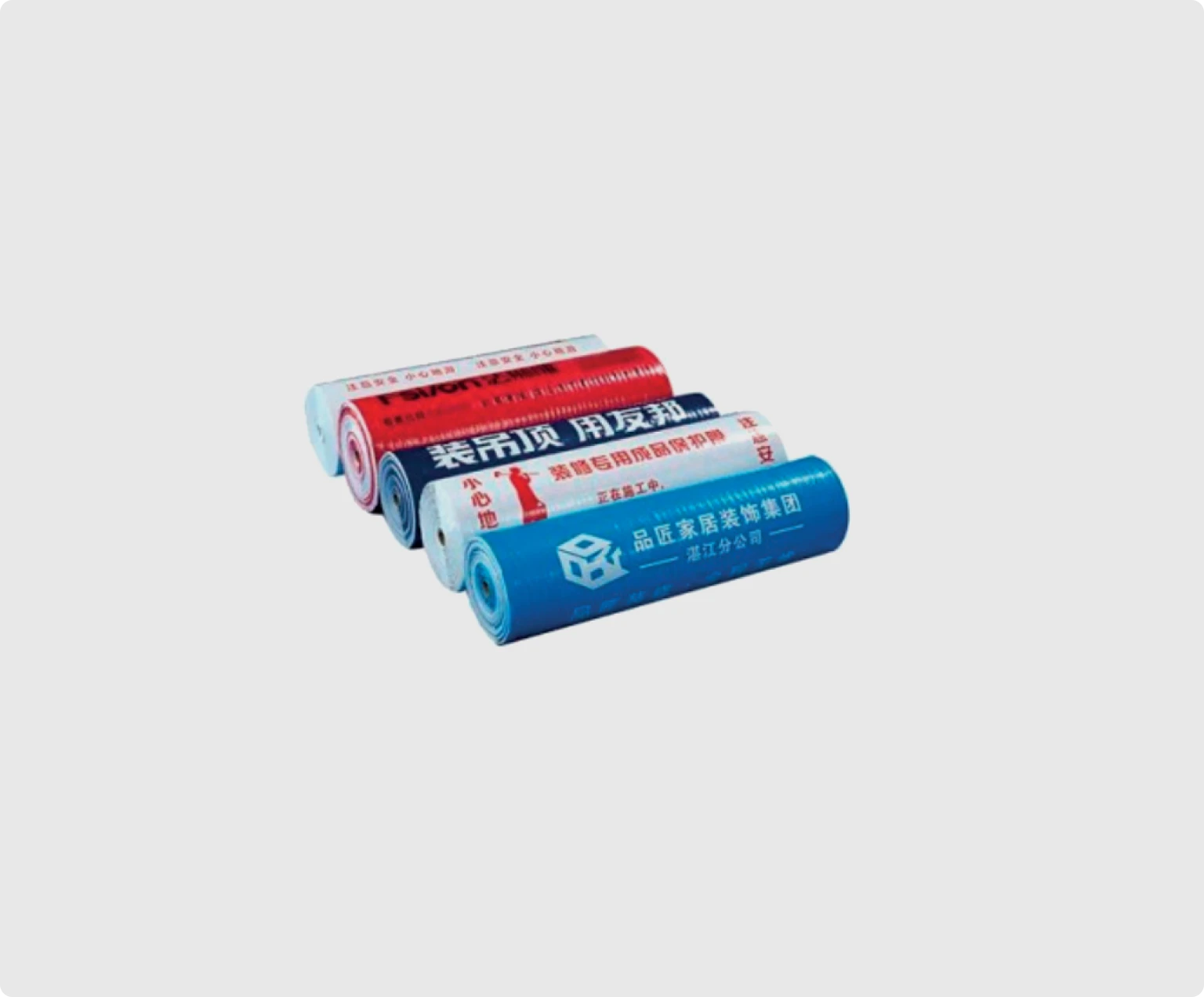
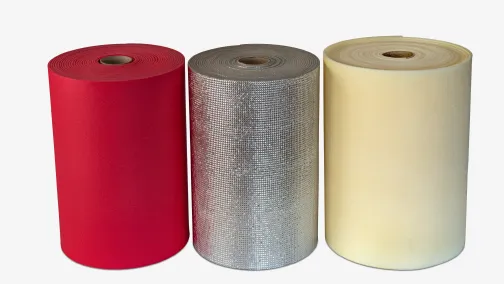
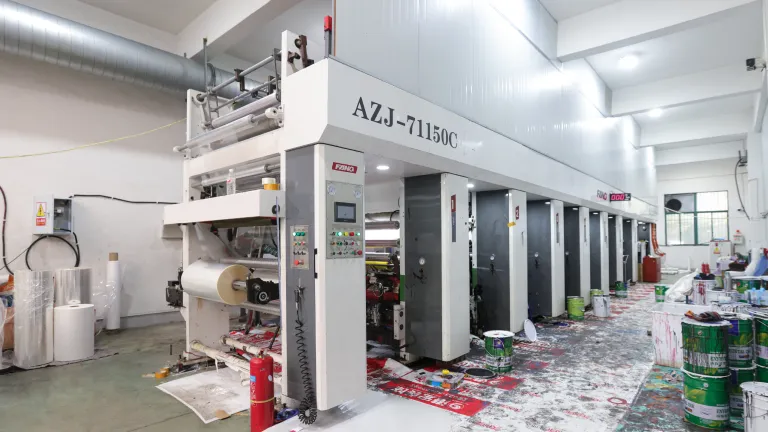
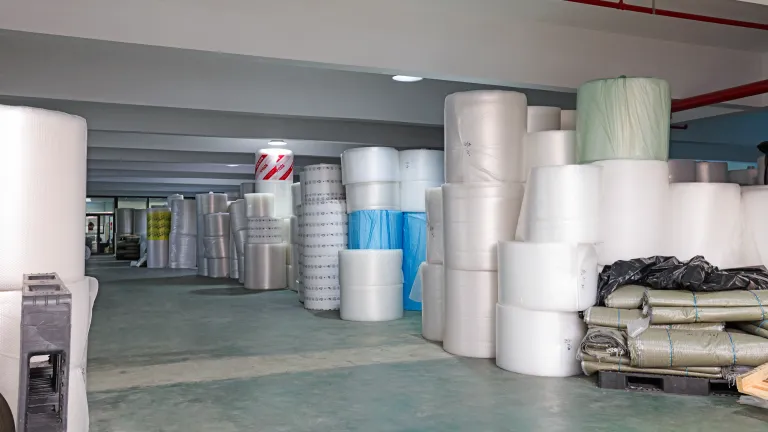
For OEMs manufacturing consumer goods, the uniformity of the raw material is paramount[cite: 21]. A nonwoven fabric roll[cite: 1] must possess strict MD/CD tensile limits to prevent tearing during rapid ultrasonic welding or mechanical pleating[cite: 21]. We precisely calibrate the surface tension to guarantee optimal ink adhesion for converters utilizing high-speed silkscreen or gravure printing presses[cite: 21]. Furthermore, our in-house slitting capabilities[cite: 1] allow us to supply exact roll widths up to 2.4 meters, eliminating manual trimming and minimizing machine downtime for roll changeovers[cite: 21].