Carpet Protection for Renovation and Construction
Why Carpet Needs Dedicated Protection
Carpet is among the most expensive surfaces to replace in a building, and the hardest to clean after construction. Tracked-in mud grinds into the pile under foot traffic; spilled latex paint bonds to the fibers. Standard dust sheets shift and let debris underneath; a dedicated carpet shield stays in place and blocks both. Repairing or replacing a stained carpet at handover typically costs far more than the protection material — and it is a common source of end-of-project disputes with property owners.
Choosing the Self-Adhesive Film
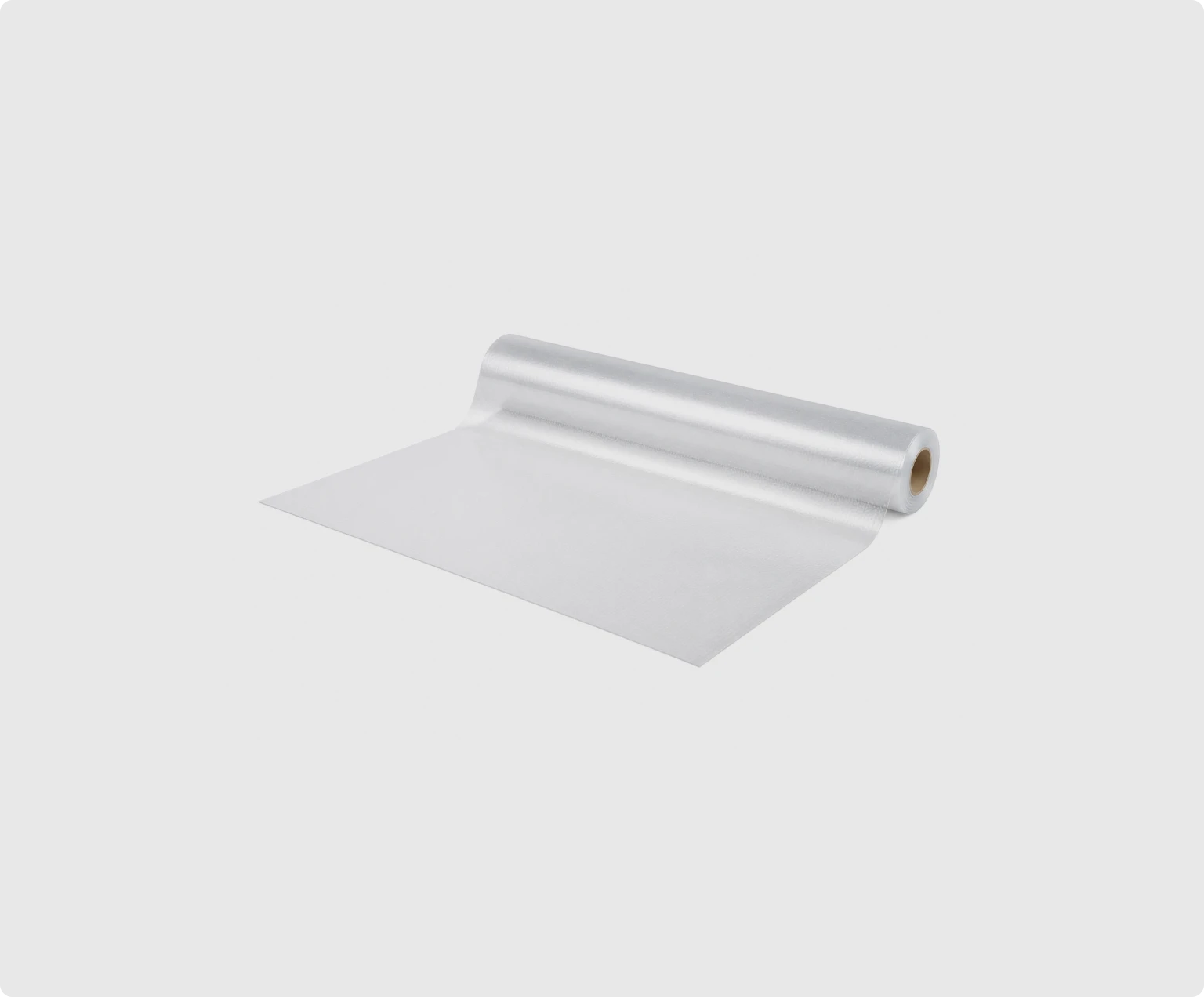
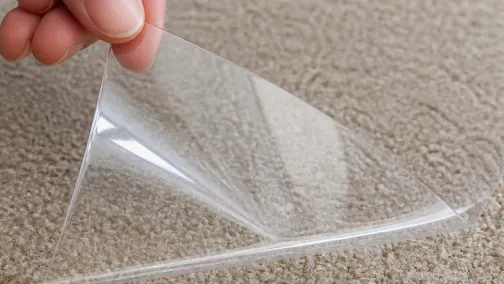
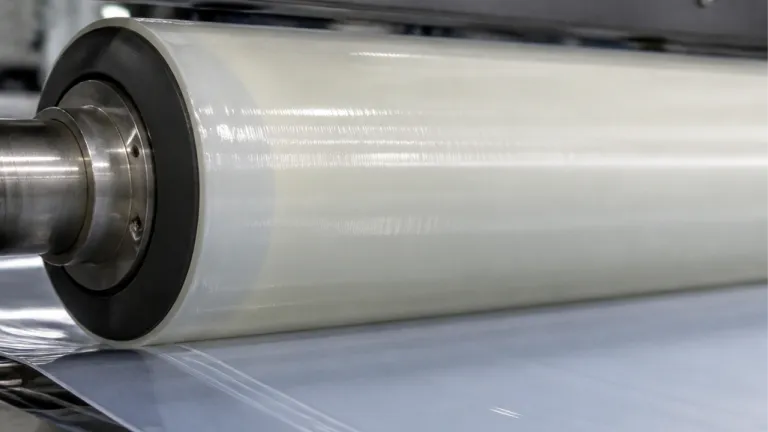
For hallways, stairs, and any area with constant movement, the self-adhesive version is the practical choice. A loose drop cloth slides over carpet pile and becomes a trip hazard on stairs; the sticky-backed film bonds directly to the fibers, rolls out flat, and stays flat. Rolls are reverse-wound so one person can kick the roll along the floor to unroll it. Crews carrying materials up and down stairs keep full footing, and the film peels off without residue at the end of the job.
Film Versus Drop Cloths
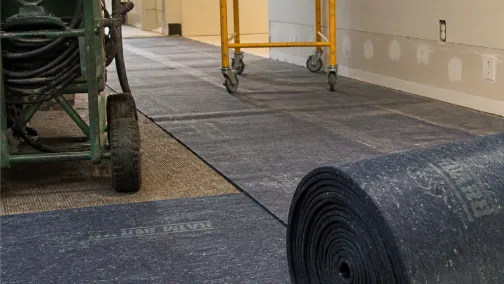
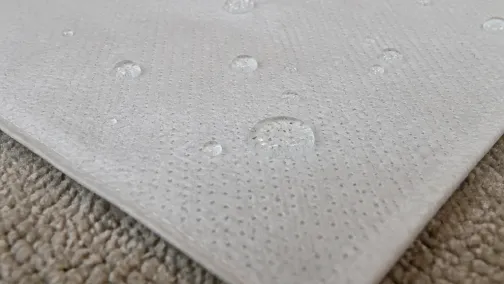
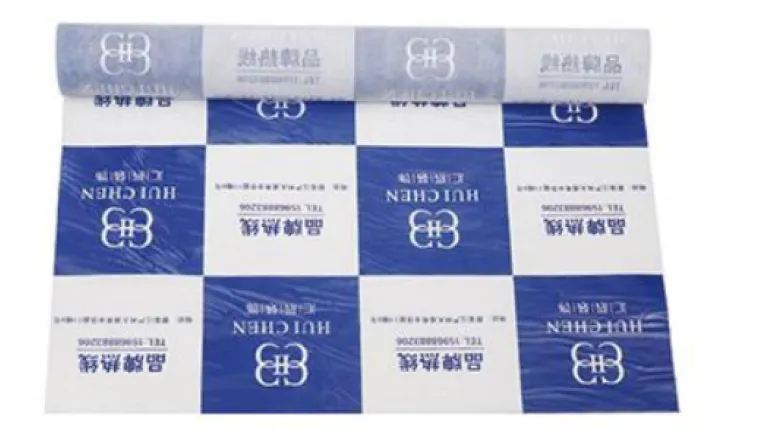
Canvas drop cloths absorb small spills but are porous — thinners and paint eventually soak through to the carpet. Carpet protection film and PE-coated nonwoven rolls give a complete liquid barrier. Rolls are cut to room dimensions, so a crew can prep a room in minutes instead of cutting and taping sheets. For wholesale programs — printed rolls, recurring supply across multiple sites — see how we work for ordering, sampling, and lead times.