Procurement Specifications for Commercial Surface Protection
Material Mechanics of Composite Fleece
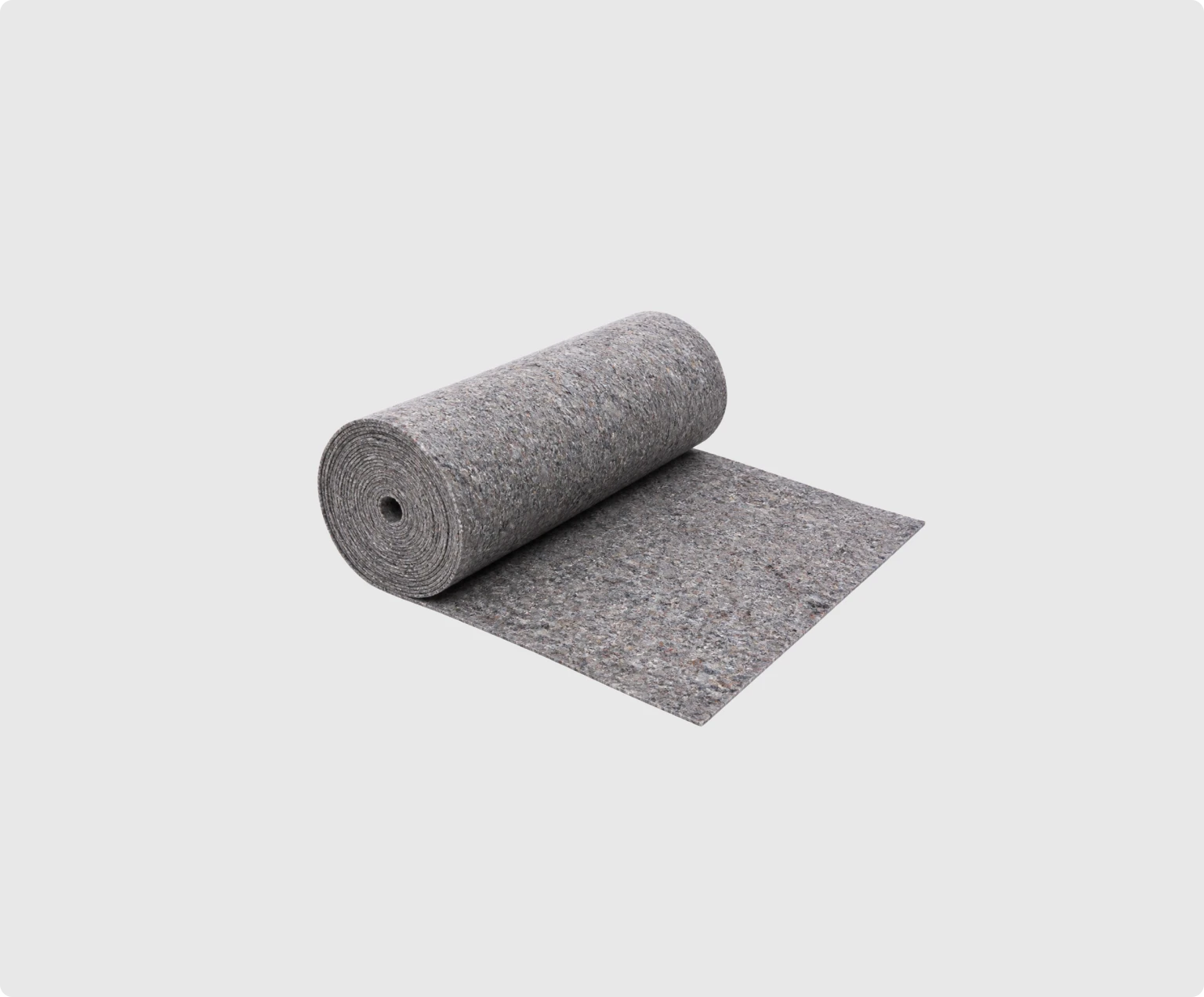
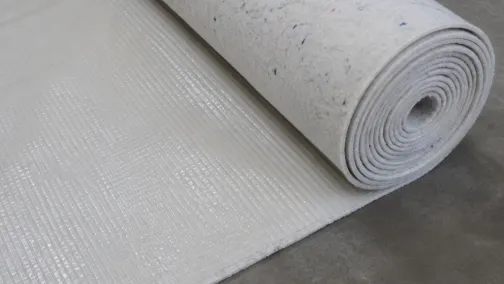
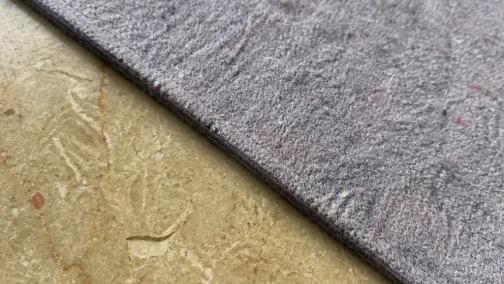
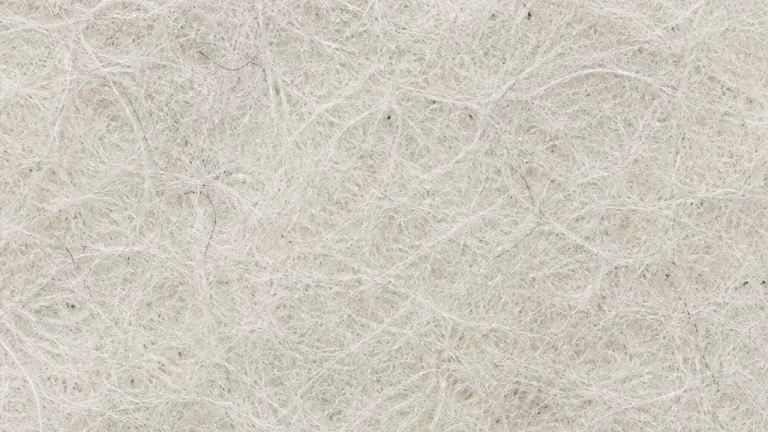
Protecting high-value flooring during commercial construction requires managing both chemical spills and kinetic impacts.[cite: 19] Standard plastic sheeting presents severe dynamic friction failures, creating slip hazards for personnel.[cite: 19] Heavy canvas drop cloths absorb paint but lack a hydrostatic barrier, allowing solvents to bleed through to the substrate.[cite: 19] Painters fleece resolves this structural deficiency through thermal lamination.[cite: 19] By bonding a needle-punched cotton matrix to an impermeable PE backing, the material traps liquids via capillary action while the base layer blocks downward penetration.[cite: 19]
Shear Stress Management on Staircases
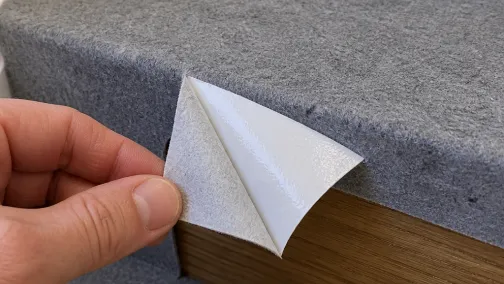
Deploying surface protection on vertical gradients, such as multi-story staircases, introduces significant shear stress.[cite: 19] Unsecured fabrics slip under the weight of descending workers.[cite: 19] To counteract this, we manufacture sticky painters fleece utilizing a water-based acrylic pressure-sensitive adhesive (PSA).[cite: 19] This low-tack formulation anchors the fleece directly to treads and risers without requiring secondary masking tape.[cite: 19] The adhesive is chemically calibrated to maintain shear strength during construction while ensuring zero residue transfer upon removal.[cite: 19]
Operational Logistics and Deployment Efficiency
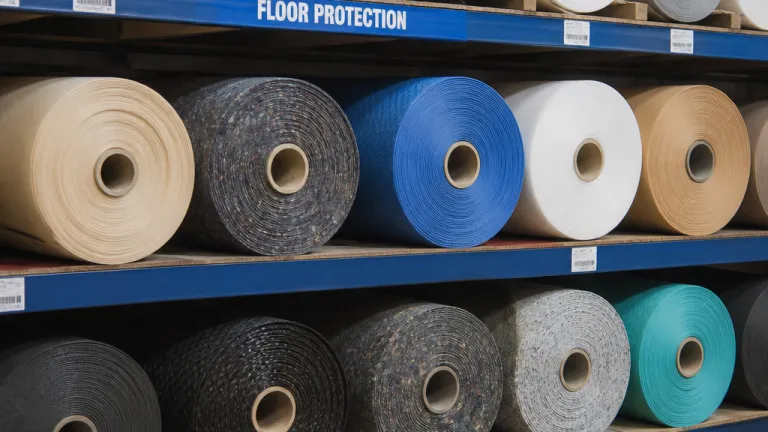
In large-scale contracting, setup time directly impacts labor margins.[cite: 19] Painters fleece rolls are reverse-wound, allowing a single operator to push the roll across a corridor, adhering it continuously to the floor.[cite: 19] This mechanization eliminates the manual unfolding, taping, and adjusting required by traditional drop cloths.[cite: 19] For large-scale procurement, we provide these nonwoven materials in custom widths tailored to specific hallway dimensions, minimizing overlap waste and accelerating site preparation.[cite: 19]