
Introduction: Polymer Engineering in Agronomy and Civil Infrastructure
In modern commercial agriculture and civil engineering, controlling environmental variables is the primary mechanism for mitigating risk and maximizing yield. Unpredictable thermal fluctuations, invasive weed competition, soil erosion, and subgrade aggregate mixing represent systemic vulnerabilities that directly impact the financial viability of large-scale projects. Historically, these challenges were addressed through intensive chemical herbicide applications or the deployment of rigid, impermeable plastic films. However, impermeable films create severe agronomic deficits by blocking atmospheric gas exchange and trapping excessive condensation, which accelerates fungal pathogenesis. The integration of engineered polymer textiles into these sectors has fundamentally altered operational methodologies. By utilizing specific extrusion protocols and chemical additives, manufacturers can dictate the exact thermodynamic, optical, and hydraulic properties of a fabric. This technical guide analyzes the material science underlying commercial agricultural textiles and civil filtration barriers, providing a comprehensive framework for procuring highly specialized solutions designed for severe outdoor environments.
1. Polymer Chemistry and UV Degradation Resistance
The foundational substrate for the vast majority of agricultural and landscape fabrics is PP non woven fabric (Polypropylene). Polypropylene offers an exceptional strength-to-weight ratio and supreme chemical inertness against fertilizers, alkaline soils, and pesticides. However, raw virgin polypropylene is highly susceptible to photo-oxidation. When exposed to the ultraviolet (UV) spectrum of solar radiation, the polymer chains undergo rapid auto-oxidation, leading to chain cleavage, severe embrittlement, and catastrophic structural failure within weeks of outdoor deployment.
To guarantee multi-season longevity, structural longevity is engineered directly into the polymer melt prior to extrusion. For opaque agricultural textiles, high-concentration carbon black masterbatch is heavily integrated into the resin. Carbon black acts as a highly efficient UV absorber, converting destructive photon energy into harmless ambient heat. For translucent crop covers that require maximum light transmission, carbon black cannot be utilized. Instead, the polymer matrix is fortified with Hindered Amine Light Stabilizers (HALS). HALS operate through a complex chemical mechanism that continuously scavenges the destructive free radicals generated by UV exposure, neutralizing them before they can sever the polymer chains. Procurement specifications must explicitly define the required UV stabilization percentage (typically ranging from 1% to 4%) based on the target geographic latitude and anticipated solar irradiance levels of the deployment zone.
2. Optical Physics and Photosynthetically Active Radiation (PAR)
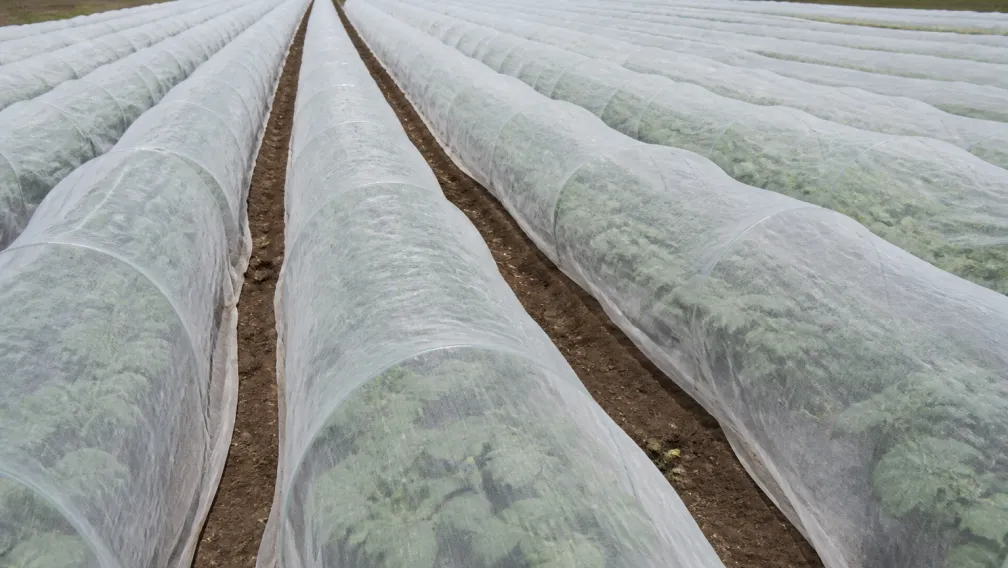
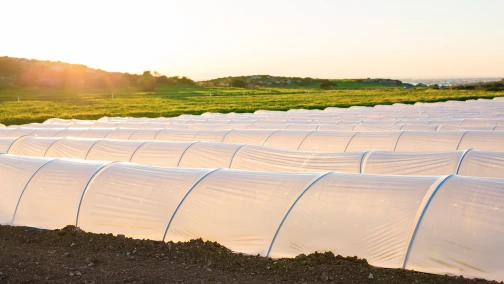
Translucent floating crop covers serve a critical thermodynamic function: establishing an artificial micro-climate that accelerates germination and protects sensitive cash crops from sudden frost events. The architectural design of these covers must balance thermal retention with the transmission of Photosynthetically Active Radiation (PAR)—the specific spectral range (400 to 700 nanometers) required for plant photosynthesis.
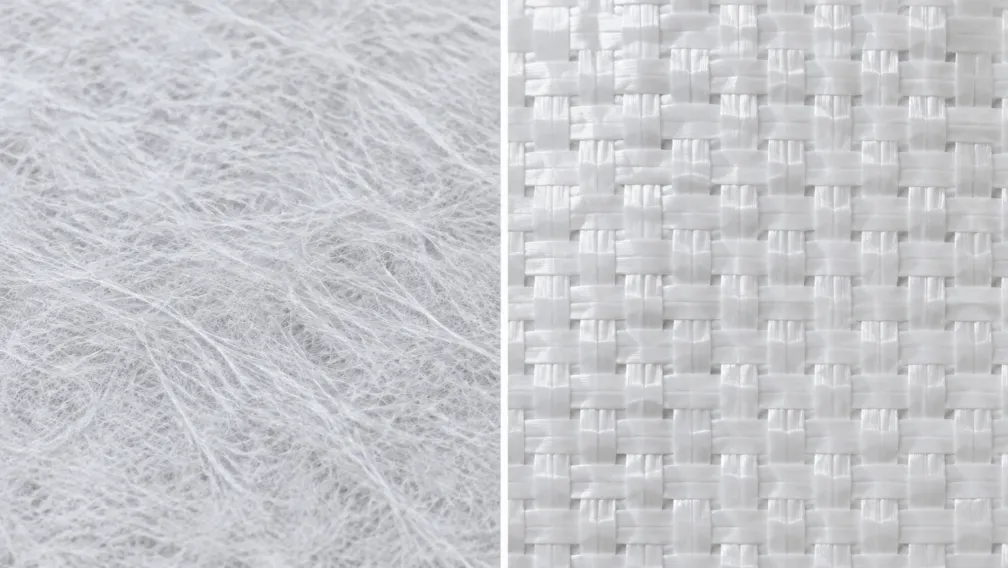
Standard agricultural covers are engineered using an ultra-lightweight spunbond continuous filament process, typically ranging from 15 GSM to 30 GSM. At a 17 GSM specification, the fabric matrix permits approximately 85% light transmission while physically blocking airborne insect vectors such as aphids and whiteflies. Thermodynamically, the fibrous web acts as an infrared shield. During daylight hours, shortwave solar radiation passes through the fabric and warms the underlying soil. At night, the soil emits longwave infrared radiation. The nonwoven matrix traps this longwave thermal energy, maintaining an ambient temperature beneath the cover that is consistently 2°C to 4°C higher than the external environment. This precise thermal management prevents intracellular freezing within the plant tissues during sudden overnight frosts, preserving the entire seasonal yield.
3. Fluid Dynamics and Hydrophilic Surface Modification
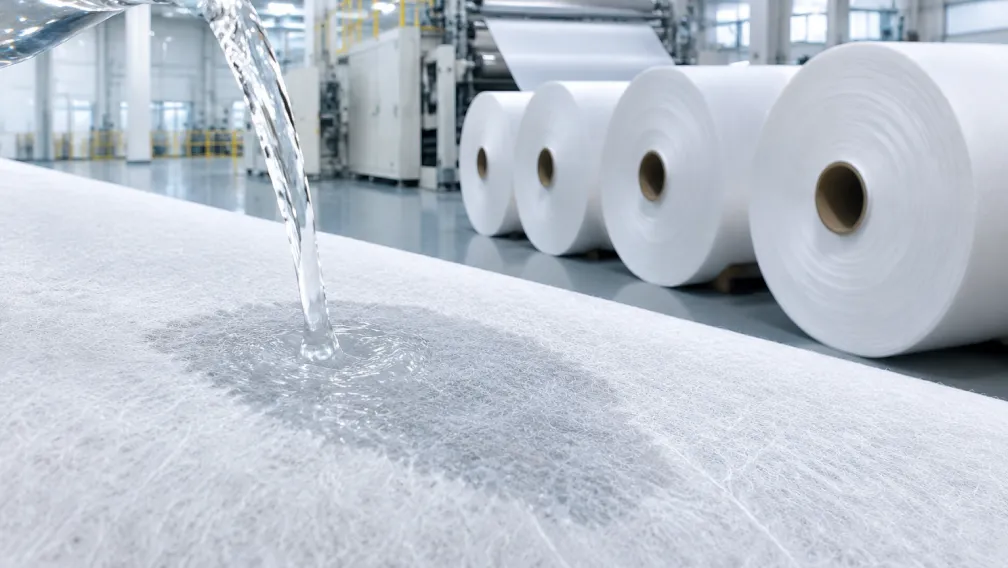
From a strict chemical standpoint, polypropylene is inherently hydrophobic, possessing a low surface energy (approximately 29 dynes/cm). If water is applied to untreated spunbond polypropylene, it will bead upon the surface and run off laterally. This characteristic is highly detrimental for floating row covers or seedbed blankets, as it prevents overhead irrigation or natural precipitation from reaching the root zone.
To overcome this barrier, engineers apply specialized chemical modifications to produce hydrophilic non woven fabric. This is achieved either by integrating a melt-additive directly into the polymer resin prior to extrusion or by applying a topical surfactant via a kiss-roll coating system immediately after the fabric web is formed. These hydrophilic agents significantly raise the surface energy of the filaments, altering the contact angle of water droplets. Consequently, when irrigation strikes the fabric, the water immediately breaks its surface tension and passes rapidly through the microscopic interstitial voids of the textile structure. This controlled permeability ensures uniform moisture distribution across the seedbed while simultaneously allowing the evaporative release of excess humidity, thereby suppressing the development of destructive anaerobic soil pathogens.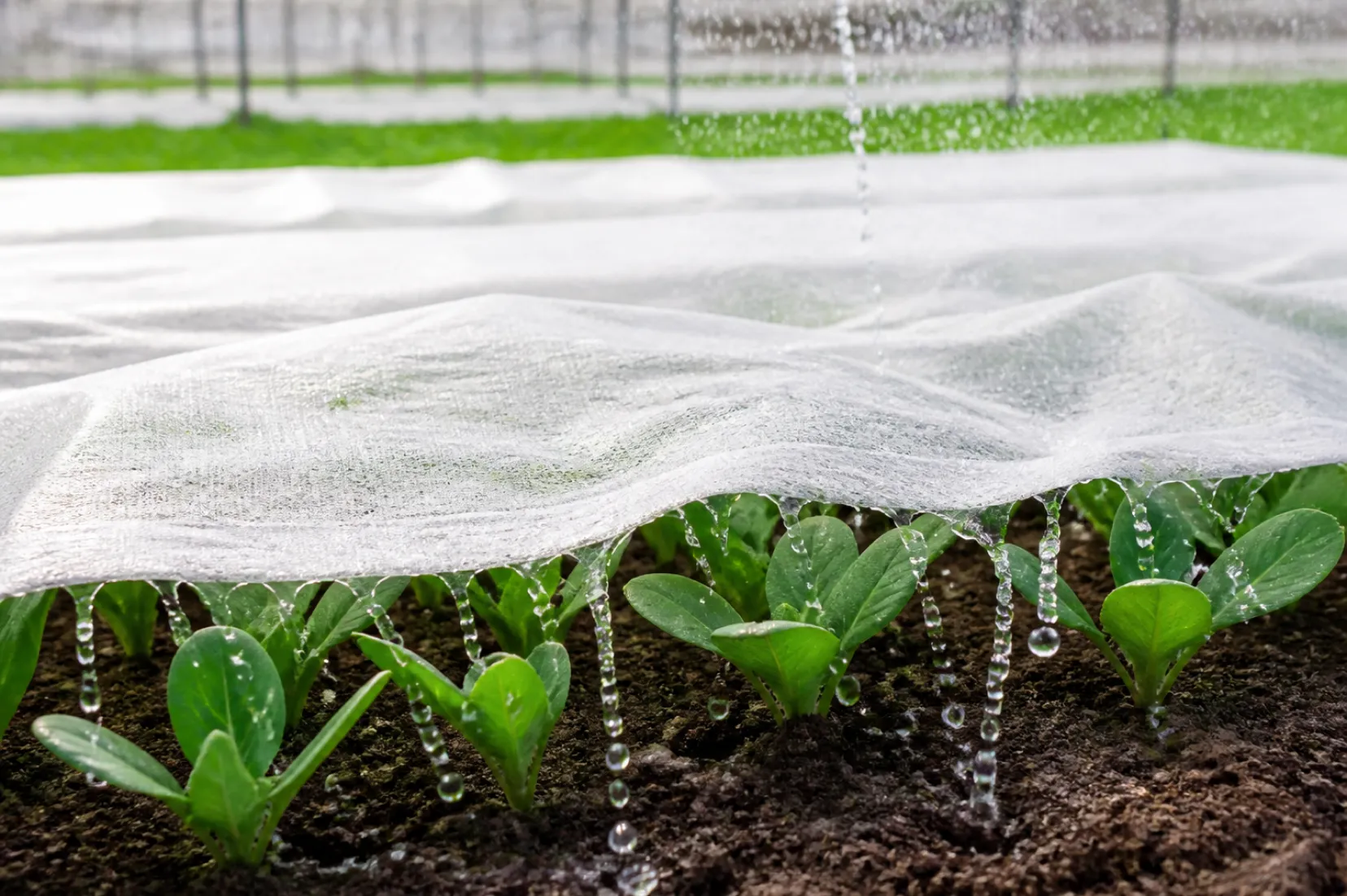
4. Weed Suppression and Landscape Architecture Mechanics
In commercial landscaping and heavy agricultural nurseries, eliminating competitive weed growth without resorting to toxic pre-emergent herbicides is achieved through optical deprivation. Engineered nonwoven landscape fabric acts as a highly efficient physical barrier that completely disrupts the biological lifecycle of sub-surface vegetation.
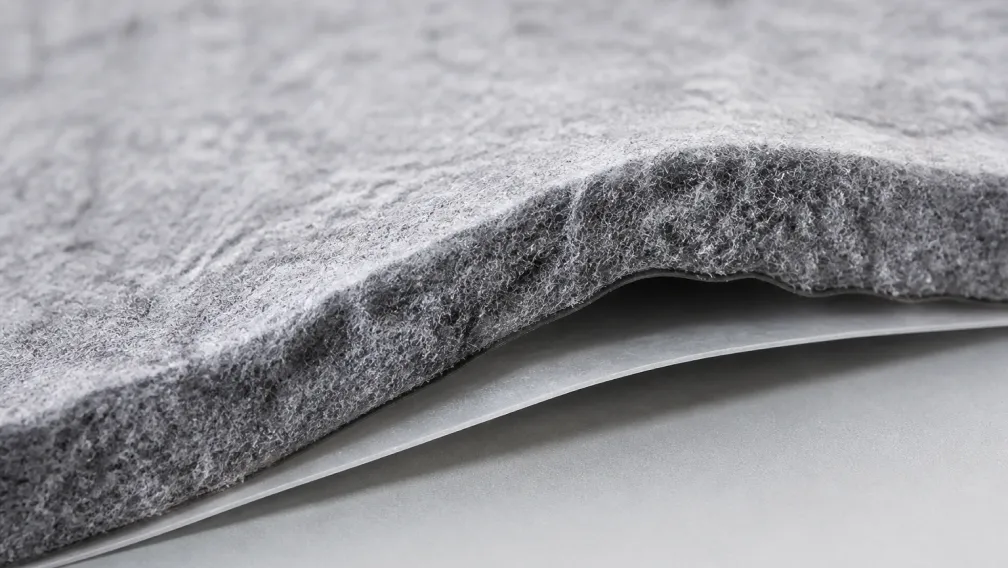
These heavy-duty textiles (typically specified between 80 GSM and 150 GSM) are manufactured using a high-density spunbond or needle-punched process combined with maximum carbon black pigmentation. This configuration yields a 100% opaque barrier that completely blocks the transmission of PAR, preventing weed seeds from initiating photosynthesis. Unlike solid polyethylene films that suffocate the soil matrix, the nonwoven architecture maintains a highly porous structure. This porosity is measured by its Apparent Opening Size (AOS) and water flow rate metrics. It allows atmospheric oxygen to reach the cash crop's root system and permits rapid drainage of surface water, preventing the soil compaction and root rot commonly associated with impermeable plastic barriers. The high tensile strength of these fabrics also resists the upward puncture force of aggressive weed species like nutsedge or bermudagrass.
5. Soil Stabilization and Geotextile Mechanics
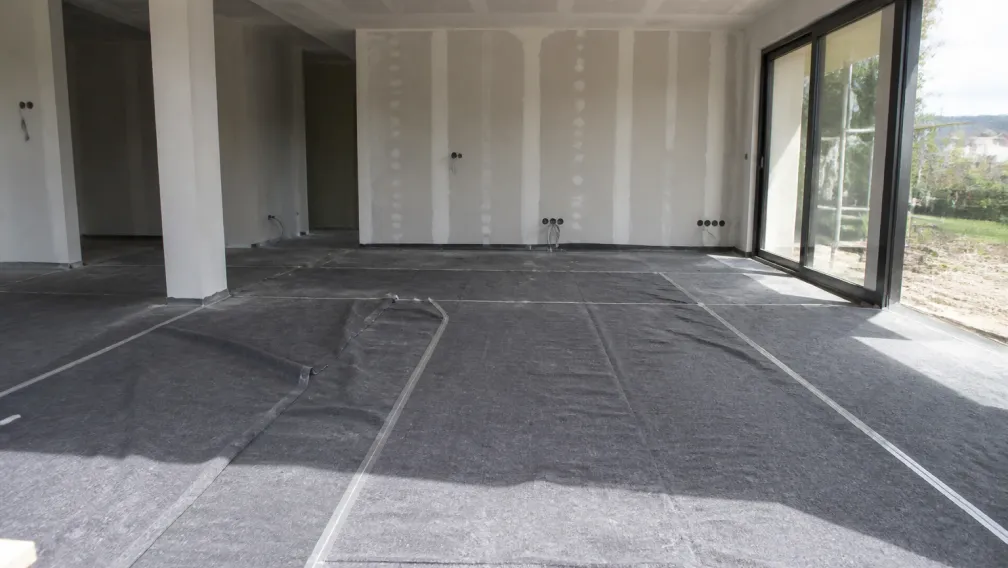
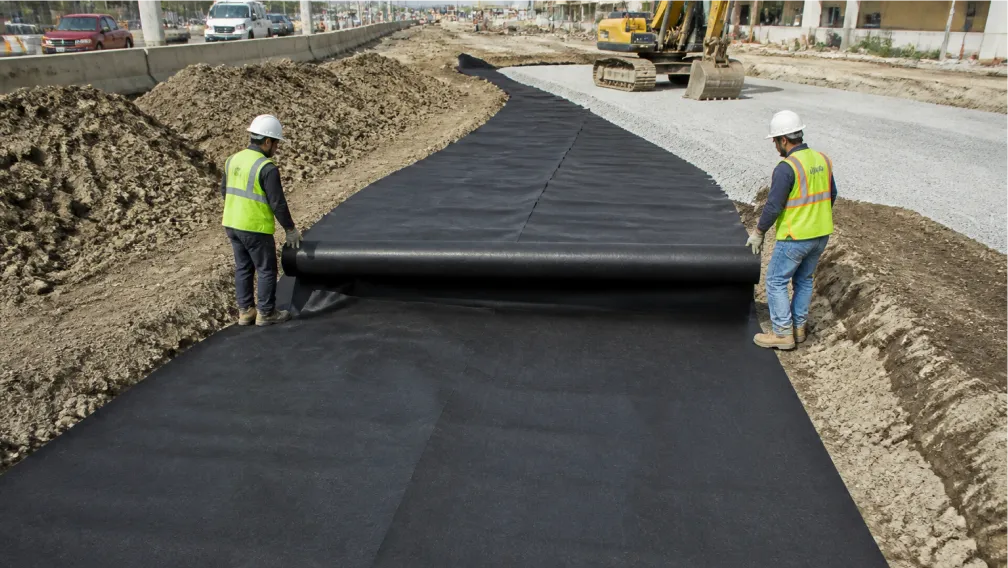
Beyond surface agriculture, heavy nonwoven polymers are the structural backbone of civil infrastructure projects, operating under the classification of geotextiles. When constructing access roads, retaining walls, or French drains, the mechanical interaction between different soil strata dictates the lifespan of the structure. High-density nonwoven geotextile fabric performs three critical engineering functions: separation, filtration, and reinforcement.
Subgrade Separation: When heavy aggregate (gravel) is placed directly onto a soft, saturated clay subgrade, dynamic loads from heavy machinery cause the aggregate to sink and intermix with the mud, instantly destroying the structural integrity of the road base. Deploying a heavy needle-punched geotextile between the layers acts as an impenetrable separator, permanently locking the aggregate in place while distributing the localized wheel loads across a vastly wider surface area.
Filtration and Drainage: In subsurface drainage systems, groundwater must enter a perforated pipe while suspended soil particles must be excluded. The nonwoven fiber web acts as a highly efficient, three-dimensional depth filter. It permits massive volumes of water to pass through while trapping fine silt particles, preventing the drainage system from clogging over a multi-decade lifespan.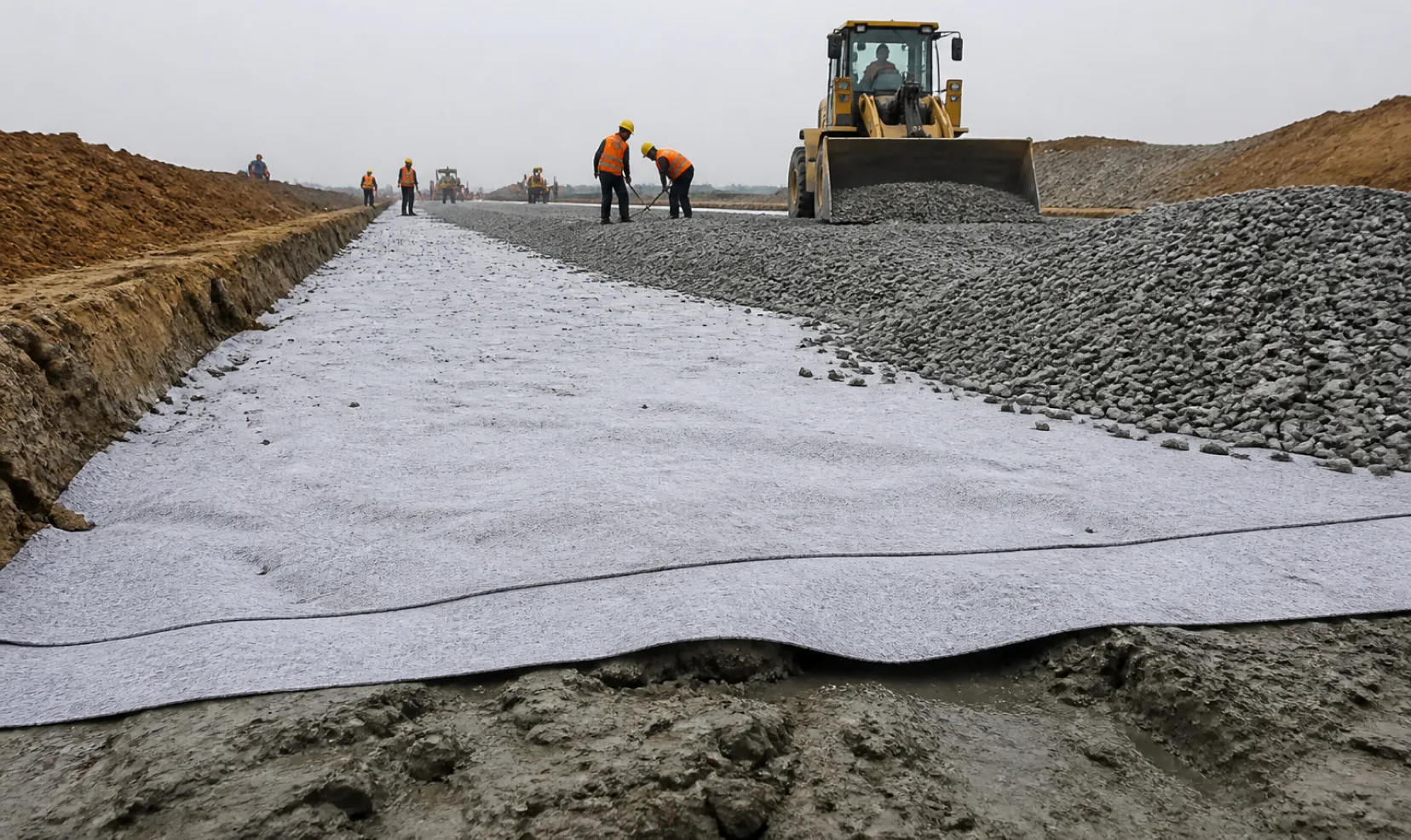
6. Quality Assurance and ASTM Mechanical Testing Protocols
Procurement of agricultural and civil textiles requires strict validation against recognized international engineering standards. Commercial buyers must evaluate materials based on quantitative laboratory metrics rather than subjective visual inspections. Standardized ASTM testing protocols rigorously quantify the physical failure limits of the polymer webs.
Tensile and Elongation (ASTM D4632): The Grab Tensile test measures the ultimate breaking strength of the fabric in both the Machine Direction (MD) and Cross Direction (CD). High elongation metrics are critical for geotextiles, allowing the fabric to stretch and conform to severe subgrade ruts without tearing under dynamic loads.
Puncture Resistance (ASTM D6241): The California Bearing Ratio (CBR) puncture test simulates the exact pressure exerted by sharp, angular crushed stone dropped from a height directly onto the fabric. This metric guarantees that the textile will survive the brutal installation process on civil construction sites.
Trapezoidal Tear (ASTM D4533): This evaluates the fabric's resistance to tear propagation. If the fabric is microscopically nicked by a tractor implement or shovel, high tear resistance ensures the damage remains localized and does not catastrophic split the entire length of the roll.
7. Logistics and Roll Dimension Specifications
Procuring raw materials for vast agricultural tracts requires a deep understanding of manufacturing tolerances and freight logistics. B2B supply chains depend on the highly efficient configuration of nonwoven fabric rolls to minimize landed costs.
| Application Type | Standard Density (GSM) | Roll Width Parameters |
|---|---|---|
| Floating Crop Covers (Frost/Insect) | 15g - 30g / m² | Extruded up to 3.2m. Ultrasonically welded up to 15m+ for broadacre deployment. |
| Landscape Weed Barriers | 80g - 120g / m² | Typically 1.0m to 3.0m. Optimized for manual unrolling in commercial nurseries. |
| Civil Geotextiles | 150g - 400g / m² | Maximum extrusion width (often 3.2m to 5.8m) to minimize overlapping joints on roadbeds. |
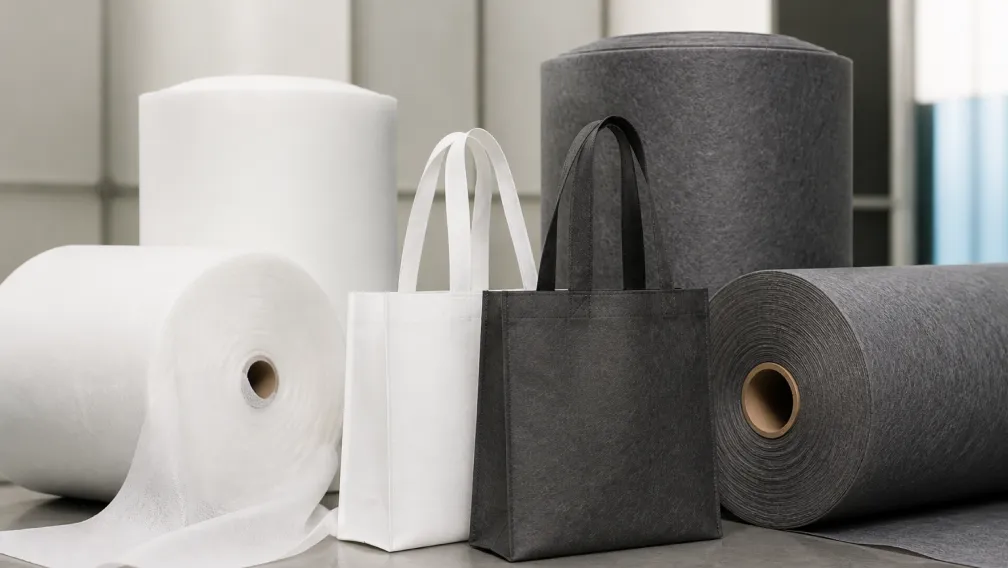
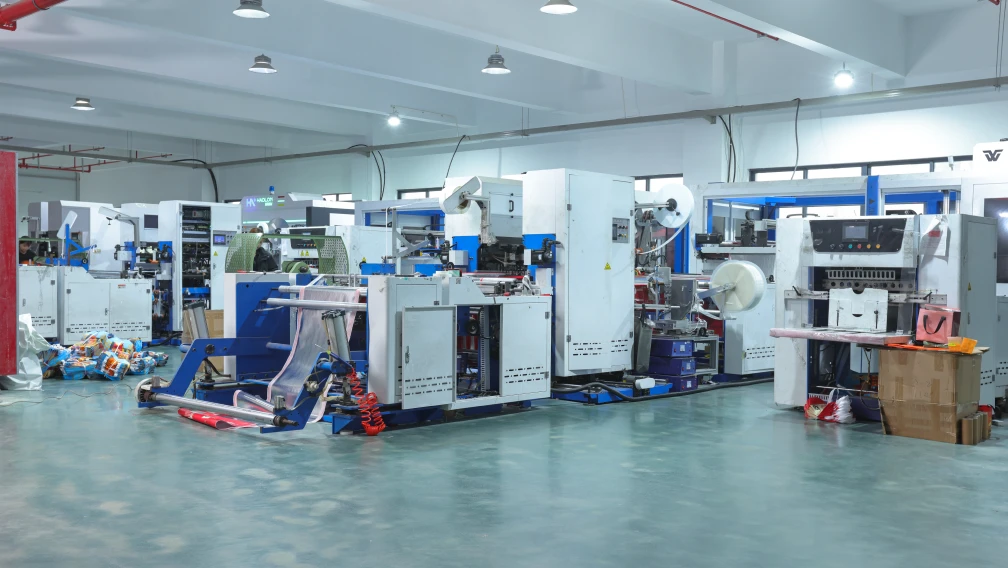
To maximize volumetric efficiency in standard 40-foot High Cube (40HQ) maritime shipping containers, wide-width agricultural fabrics are precisely folded on specialized machinery prior to being wound onto the cardboard core. This automated folding reduces a 10-meter wide crop cover into a highly manageable 2-meter physical roll, facilitating safe, rapid unloading at the destination port and vastly simplifying field deployment for agricultural work crews.
Conclusion
The successful execution of commercial agricultural operations and civil infrastructure development relies heavily on mastering the variables of the natural environment. Engineered nonwoven textiles offer a highly calibrated, scientifically validated mechanism for controlling thermodynamics, hydraulic flow, and mechanical stabilization. By specifying the exact polymer chemistry—including precise UV stabilization, hydrophilic surfactants, and GSM densities—project engineers can deploy barriers that eliminate crop loss and prevent catastrophic structural subsidence. Contact our technical engineering team to analyze your specific climate data, structural load requirements, and acreage dimensions to secure highly customized, industrial-grade textile solutions.