Search

Enter keywords to search for products, blog posts, and more.


Home > Hydrophilic Non Woven Fabric

Hydrophilic Non Woven Fabric

Hydrophilic Non Woven Fabric

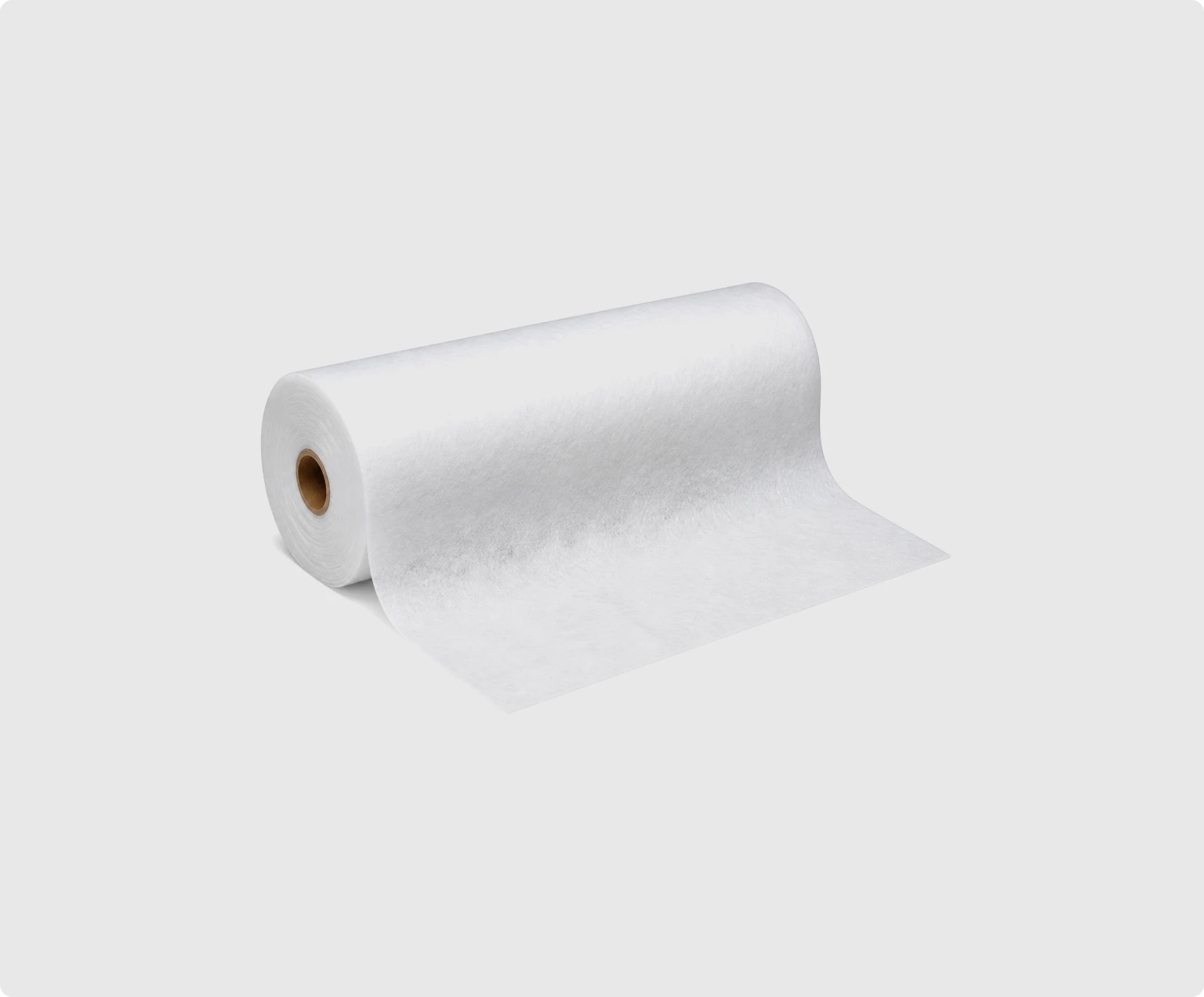
Industrial-grade hydrophilic spunbond polypropylene engineered to accelerate fluid transmission, optimized for high-volume conversion in medical hygiene and absorbent wipe manufacturing.[cite: 23]

A hydrophilic non woven fabric[cite: 1] functions as an active fluid management substrate[cite: 23]. While standard polypropylene is inherently hydrophobic (fluid-repelling), we integrate specialized non-toxic surfactants during the extrusion process[cite: 23]. This chemical modification lowers the surface tension of the fibers, allowing the nonwoven matrix to absorb and transfer liquids instantaneously while maintaining critical structural integrity under saturation[cite: 23].

What defines commercial hydrophilic nonwoven fabric? It is an engineered textile characterized by rapid liquid strike-through rates and minimal moisture rewet[cite: 23]. It serves as the mandated acquisition-distribution layer (ADL) or topsheet in sanitary napkins, adult incontinence products, and surgical isolation gowns, ensuring fluids are rapidly wicked away to maintain a sterile and dry interface against human skin[cite: 23].

  • Surfactant-modified PP substrate ensuring immediate fluid penetration and wicking[cite: 23].
  • Maintains high tensile endurance and tear resistance when fully saturated[cite: 23].
  • Grammage optimized from ultra-light 10 GSM (diaper topsheets) to heavy 100 GSM (industrial wipes)[cite: 23].
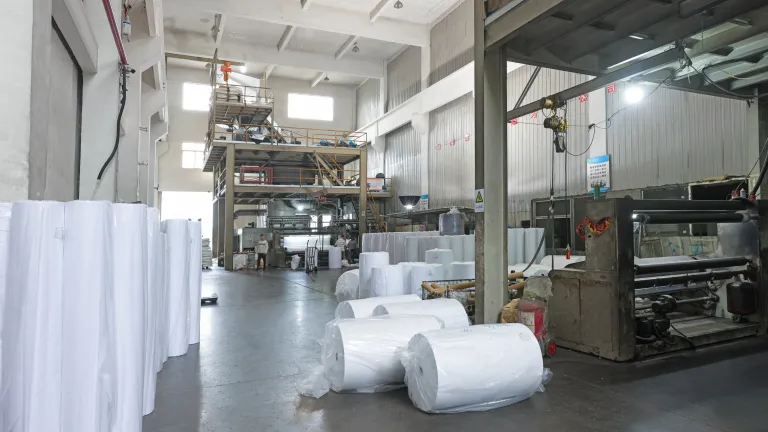
  • Precision slit rolls up to 2.4 meters accommodating automated diaper and wipe converters[cite: 23].
  • Strict laboratory testing for liquid strike-through velocities and dermal safety[cite: 23].
  • Non-toxic and odorless, compliant for direct human skin contact[cite: 23].
  • Direct OEM manufacturing supporting scalable, factory-direct B2B procurement[cite: 23].

Hydrophilic Spunbond Specifications

ParameterSpecification
Substrate Material100% Virgin Polypropylene (PP)[cite: 1, 23]
Manufacturing ProcessSpunbond extrusion with integrated surfactant modification[cite: 23]
Fluid TransmissionAccelerated liquid strike-through and controlled rewet properties[cite: 23]
Fabric Grammage10–100+ GSM, customizable for specific absorption targets[cite: 23]
Mechanical PropertiesMaintains high MD/CD tensile strength under saturated conditions[cite: 23]
Dimensional ProfilesCustom precision slit rolls from 0.1m up to 2.4m widths[cite: 1, 23]
Biological SafetyNon-cytotoxic, non-irritating, compliant for dermal contact[cite: 23]
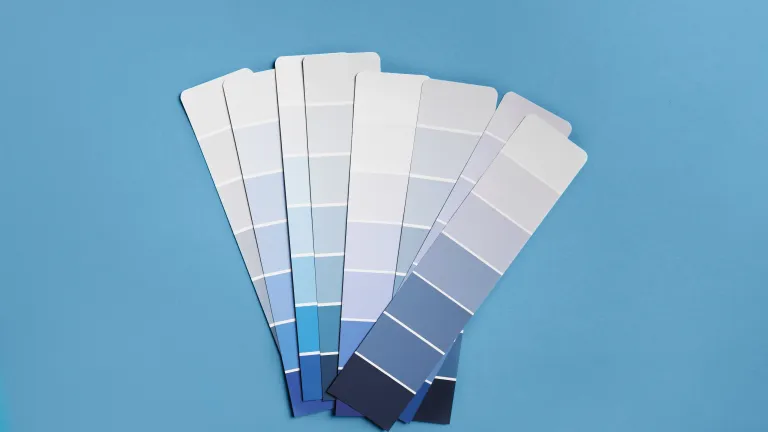
Color CalibrationMedical White, Soft Blue, or customized masterbatch dyes[cite: 23]
Primary B2B ApplicationsMedical apparel, sanitary hygiene products, industrial absorbents[cite: 23]


Commercial Hydrophilic Classifications

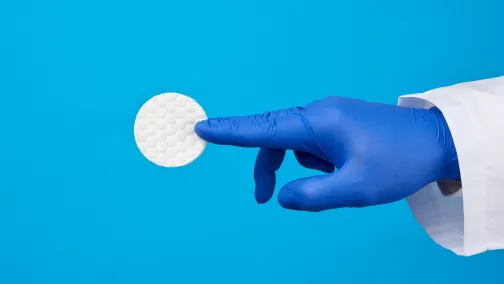
Medical Grade Absorptive Linings

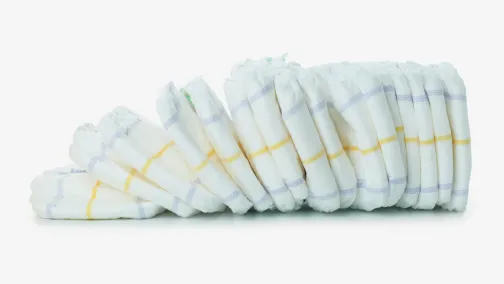
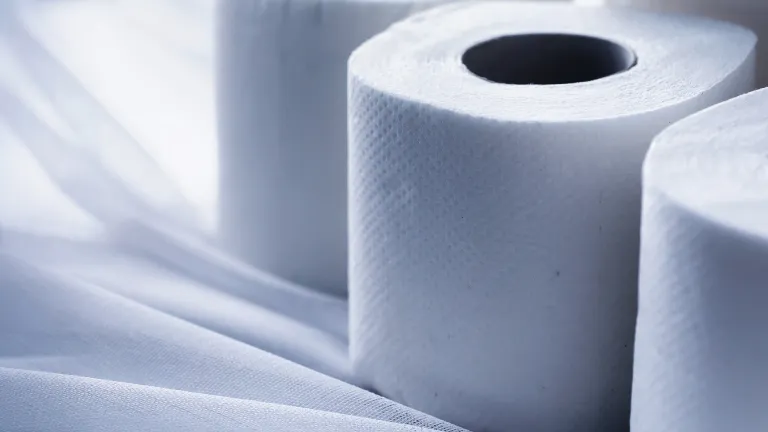
Sanitary & Personal Care Topsheets

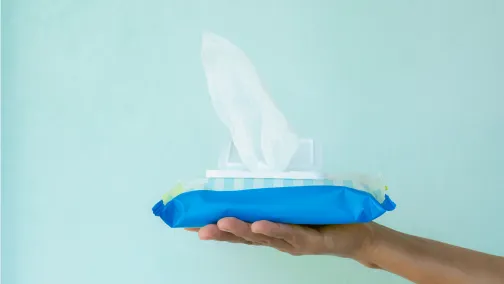
Industrial & Pre-Moistened Wipe Substrates


Homogeneous Surfactant Extrusion Dynamics

The integration of hydrophilic properties occurs simultaneously with the structural extrusion of the fabric[cite: 23]. By injecting specialized surfactants directly into the molten polypropylene before the filaments are laid into a web, we ensure the fluid-absorbing characteristics are distributed homogeneously throughout the entire cross-section of the roll[cite: 23]. This permanent modification prevents the absorbent properties from degrading during transport or prolonged warehouse storage[cite: 23].


Dermal Safety and Medical Compliance

In the hygiene and medical sectors, dermal compatibility is a mandatory compliance metric[cite: 23]. The base polypropylene and the applied surfactant additives are rigorously vetted to be non-cytotoxic, odorless, and non-irritating[cite: 23]. This ensures the resulting hydrophilic fabric[cite: 1] is exceptionally soft and completely safe for direct, prolonged contact with sensitive human skin in products like infant diapers and surgical apparel[cite: 23].


Configuration Parameters for Automated Converters

Customization Parameters for Bulk Roll Procurement

Specification ParameterEngineering Options
Fluid Transmission VelocityAdjustable surfactant concentration to dictate exact liquid strike-through rates.[cite: 23]
Fabric Density (GSM)Scalable from ultra-lightweight (10 GSM) to heavy industrial grades (100+ GSM).[cite: 23]
Precision SlittingExact master roll slitting from 10 cm up to 2.4 meters for automated converting.[cite: 23]
Polymer Color MatchingStandard Medical White, Soft Blue, or dye-in-melt custom corporate colors.[cite: 23]
Logistical PackagingMoisture-proof PE film wrapping to guarantee sterility during international transit.[cite: 23]


Commercial Deployment Projects

logo
logo
logo
logo
logo
logo
logo
logo
logo

About Changyuan Nonwoven

We are a nonwoven fabric and bag manufacturer based in Changzhou, China, running a full production line from raw material to finished goods since 2012. Our factory handles fabric extrusion, 7-color gravure printing, lamination, and bag making in-house, serving clients in 20+ countries with a daily output of 200,000 pieces.

Company factory how we work

FAQs

What differentiates hydrophilic nonwoven fabric from standard spunbond polypropylene?

Standard polypropylene (PP) spunbond is naturally hydrophobic (fluid-repelling) and functions as a moisture barrier[cite: 23]. Hydrophilic nonwoven fabric undergoes a precise chemical modification during extrusion that lowers the fiber's surface tension, allowing liquids to penetrate and be absorbed instantaneously[cite: 23].

How is the rate of fluid absorption controlled during manufacturing?

The fluid transmission velocity—measured by liquid strike-through time—is calibrated by adjusting the concentration of the hydrophilic surfactant injected into the polymer melt[cite: 23]. This allows converters to specify exact absorption rates required for specific hygiene or medical applications[cite: 23].

Is the hydrophilic surfactant safe for direct skin contact in hygiene products?

Yes. We utilize high-grade, non-toxic surfactants that are strictly vetted for biological safety[cite: 23]. The resulting fabric is odorless, non-irritating, and fully compliant for direct dermal contact in sensitive applications such as infant diapers and surgical gowns[cite: 23].

Does the fabric lose its tensile strength when completely saturated with liquid?

No. Because the foundational structure relies on thermally bonded polypropylene filaments rather than soluble chemical binders, the fabric retains exceptional MD/CD tensile strength even when fully saturated, preventing web breaks on high-speed wet wipe production lines[cite: 23].

What roll dimensions are supported for automated diaper and wipe manufacturing?

We maintain in-house slitting capabilities[cite: 23]. Master rolls can be produced up to 2.4 meters in width and then custom-slit to exact dimensional tolerances down to 10 cm, ensuring seamless integration with the client's automated framing and cutting machinery[cite: 23].

Why is spunbond PP preferred over cotton for absorbent industrial wipes?

While cotton is absorbent, it is expensive, sheds lint, and degrades structurally when wet[cite: 23]. Hydrophilic spunbond PP provides rapid fluid management while remaining entirely lint-free and structurally robust under heavy saturation, making it the superior, cost-effective substrate for industrial cleaning[cite: 23].

Technical Guide: Specifying Hydrophilic Nonwoven Media

In B2B procurement for the medical and personal hygiene sectors, specifying absorbent nonwoven cloth[cite: 1, 23] requires exact control over the substrate's fluid dynamics[cite: 23]. The objective is to match the fabric's surface tension modification and density (GSM) to the required absorption velocity of the final converted product[cite: 23].

Polymer Chemistry and Fluid Transmission

The transformation from water-repellent to highly absorbent is governed by surface chemistry[cite: 23]. During the melt-spinning extrusion of the polypropylene filaments[cite: 1, 23], we introduce precise concentrations of hydrophilic surfactants[cite: 23]. This additive molecularly alters the fibers, permitting water molecules to adhere and permeate the web rather than pooling on the surface[cite: 23]. This controlled porosity dictates the fabric's liquid strike-through time (the speed of fluid passage) and its rewet characteristics (the prevention of fluid returning to the surface), which are critical performance metrics for sanitary applications[cite: 23].

Optimizing Grammage (GSM) for Absorption Profiles

Fabric density directly impacts the substrate's absorption capacity and its compatibility with high-speed converting machinery[cite: 23].

Fabric DensityFluid Dynamic BehaviorPrimary B2B Application
10–25 GSMRapid fluid transmission, extremely soft tactile profile.[cite: 23]Diaper topsheets, sanitary pad acquisition layers, medical apparel lining.[cite: 23]
30–60 GSMBalanced fluid retention and mechanical strength.[cite: 23]Pre-moistened wet wipes, surgical drapes, light absorbent pads.[cite: 23]
60–100+ GSMHigh fluid capacity, rigid structure when saturated.[cite: 23]Industrial oil/water spill absorbents, heavy-duty cleaning cloths.[cite: 23]

Procurement Verification Parameters for Converters

For OEMs manufacturing hygiene products, the mechanical stability of the saturated roll is paramount[cite: 23]. An improperly engineered fabric will lose its MD/CD tensile strength when wet, causing catastrophic web breaks on automated diaper or wipe assembly lines[cite: 23]. Our in-house laboratory[cite: 1] conducts rigorous batch testing to certify that the fabric maintains structural integrity under maximum fluid load[cite: 23]. Furthermore, to optimize converting efficiency, we provide custom precision slit rolls[cite: 1] down to 10 cm widths, matching the exact dimensional tolerances of the client's processing equipment[cite: 23].