Technical Guide: Specifying Agricultural Nonwoven Substrates
In commercial agronomy, specifying the correct nonwoven fabric requires analyzing the target microclimate, intended crop cycle, and mechanical deployment methods. The fundamental variables are the fabric's grammage (GSM), pigmentation, and the concentration of UV stabilizers.
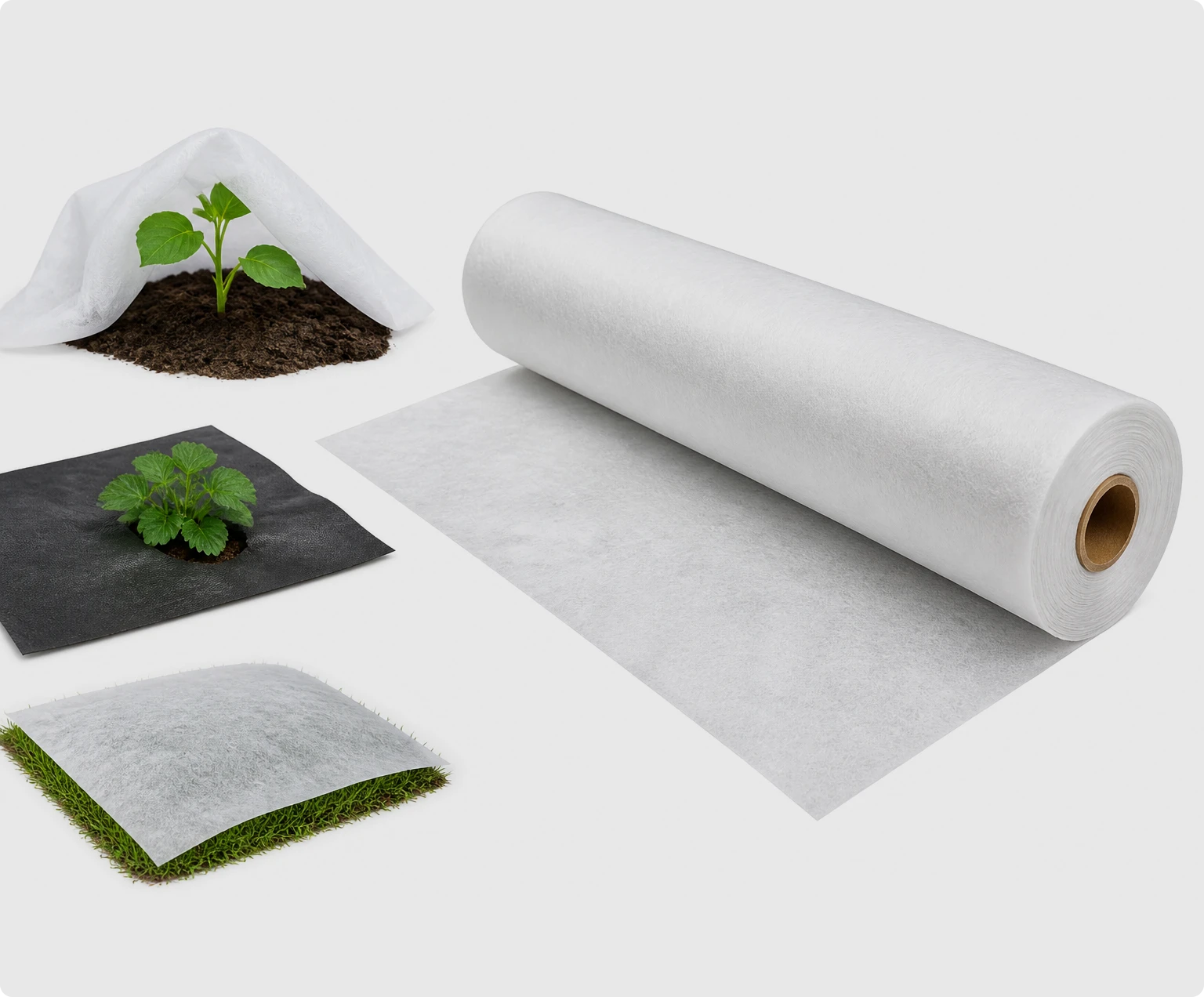
Application Profiles: Aerial Covers vs. Ground Contact
The operational deployment of the fabric dictates its required structural mechanics and light transmission properties.
| Deployment Method | Substrate Characteristics | Primary B2B Application |
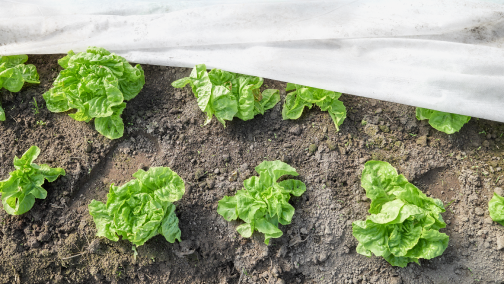
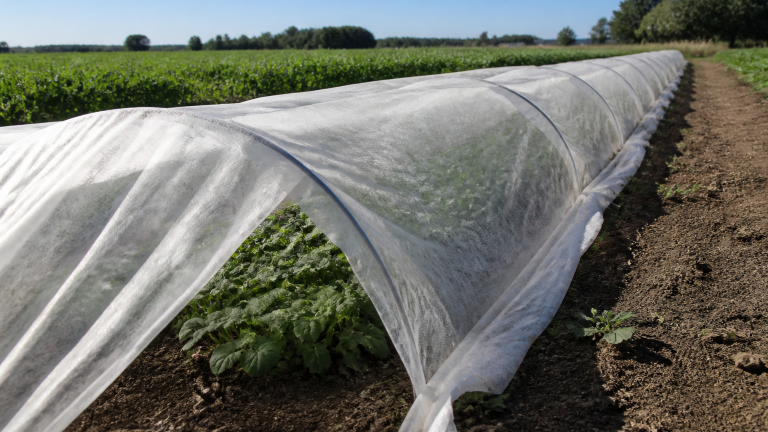
| Aerial Crop Cover (Fleece) | White pigmentation, low GSM (15-30), high light transmission. | Frost mitigation, insect exclusion, micro-tunneling for early yields. |
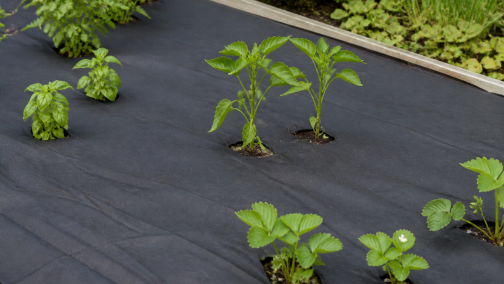
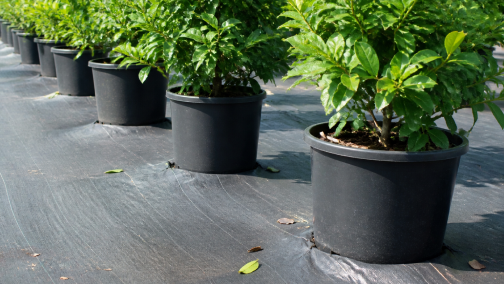
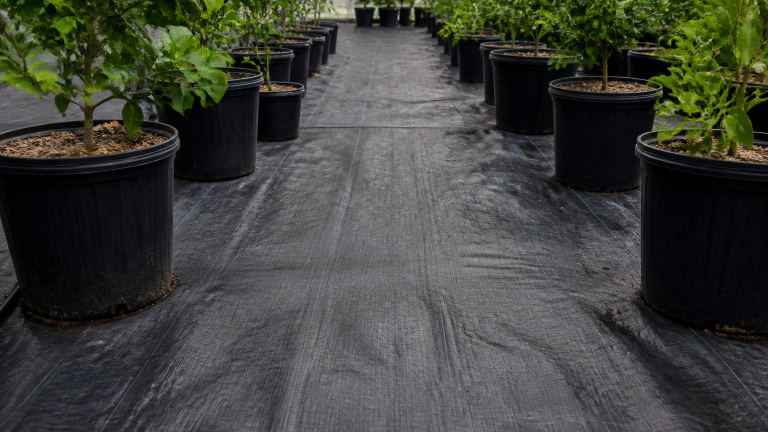
| Weed Control (Ground Cover) | Black pigmentation, high GSM (50-150), zero light transmission. | Herbicide-free weed suppression in nurseries, orchards, and civic hardscapes. |
| Moisture Mulch | Medium GSM, high hydraulic conductivity. | Soil temperature stabilization and evaporation reduction in container yards. |
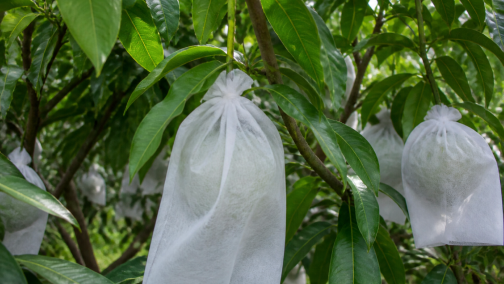
| Fruit Enclosures | Fabricated sleeves or bags. | Physical isolation of ripening fruit from avian and entomological pests. |
Optimizing Grammage (GSM) and UV Formulation
Fabric density directly correlates to the level of thermal insulation and mechanical resistance provided. We advise referencing our agricultural specification guide to align GSM with specific geographic weather patterns.
| Fabric Density | Mechanical Behavior | Recommended Usage |
| 15–20 GSM | Minimal weight penalty on tender shoots, max light penetration. | Pest exclusion and light frost (-1°C to -2°C) mitigation. |
| 30–40 GSM | Increased thermal mass and tensile strength. | Moderate frost (-3°C to -4°C), windbreak, and general mulching. |
| 50–150 GSM | Dense matrix, highly resistant to puncture and tearing. | Severe frost overwintering, hail deflection, and multi-season weed control. |
Procurement Verification Parameters
When executing bulk procurement, the intended lifespan in direct sunlight dictates the required percentage of masterbatch UV inhibitors. Standard formulations support a single growing season, while heavy-duty stabilization is mandated for multi-year orchard installations. Additionally, buyers must specify exact roll dimensions (width and length) to optimize mechanized tractor deployment, minimizing field splicing and operational downtime.