Search

Enter keywords to search for products, blog posts, and more.


Home > Nonwoven Fabric Rolls

Nonwoven Fabric Rolls

Nonwoven Fabric Rolls

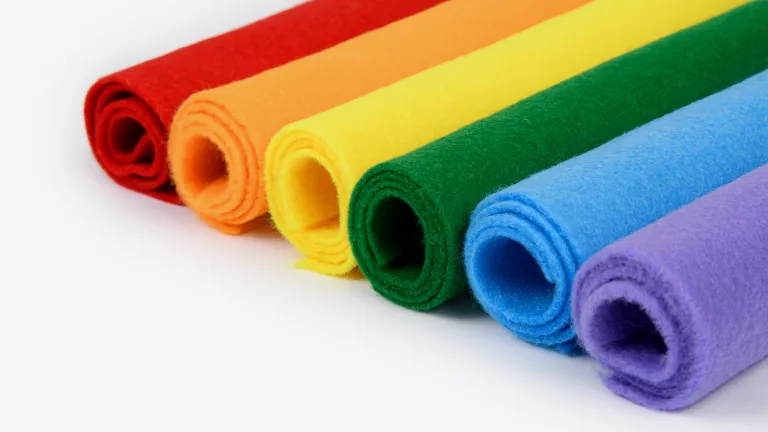
Commercial-grade spunbond polypropylene nonwoven fabric rolls engineered for high-speed automated converting across packaging, medical, and agricultural sectors[cite: 22].

A nonwoven fabric roll serves as the foundational substrate for diverse industrial applications, manufactured via continuous thermal bonding of 100% virgin PP filaments[cite: 22]. This extrusion process eliminates mechanical weaving constraints, yielding a highly uniform, breathable matrix with exceptional MD/CD tensile strength[cite: 22].

What defines an industrial nonwoven fabric roll? It is a highly customizable polymer textile supplied in bulk formats, engineered to withstand the kinetic stress of automated secondary processing[cite: 22]. Available in precision slit widths up to 2.4 meters, these rolls accommodate specific machinery tolerances while supporting functional chemical treatments like hydrophilic modifiers or UV inhibitors[cite: 22].

  • 100% virgin PP substrate ensuring safety and structural integrity[cite: 22].
  • High MD/CD tensile strength to prevent web breaks during automation[cite: 22].
  • Precision slitting capabilities from 0 to 2.4 meters[cite: 22].
  • Functional treatments: Hydrophilic, hydrophobic, anti-static, and UV resistance[cite: 22].
  • Surface engineered for robust ink adhesion and BOPP lamination[cite: 22].
  • 100% recyclable, low-carbon polymer footprint[cite: 22].
  • Direct OEM manufacturing supporting scalable wholesale procurement[cite: 22].

Spunbond Roll Specifications

ParameterSpecification
Substrate Material100% Virgin Polypropylene (PP)[cite: 22]
Manufacturing ProcessContinuous high-temperature melt-spinning and thermal bonding[cite: 22]
Fabric GrammageScalable GSM specifications based on application load requirements[cite: 22]
Dimensional ProfilesCustom precision slit rolls from 0 to 2.4 meters (0-240 cm) in width[cite: 22]
Color CalibrationDye-in-melt masterbatch processing for exact Pantone (PMS) matching[cite: 22]
Mechanical PropertiesHigh Machine Direction (MD) and Cross Direction (CD) tensile endurance[cite: 22]
Chemical TreatmentsHydrophilic[cite: 1], hydrophobic, anti-static, and UV stabilization[cite: 22]
Primary B2B ApplicationsPackaging conversion, medical hygiene, agriculture, home textiles, filtration[cite: 22]


Commercial Fabric Roll Classifications

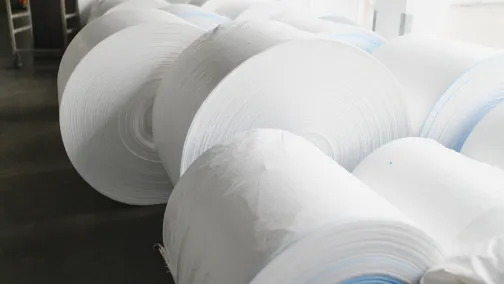
Standard PP Nonwoven Packaging Rolls

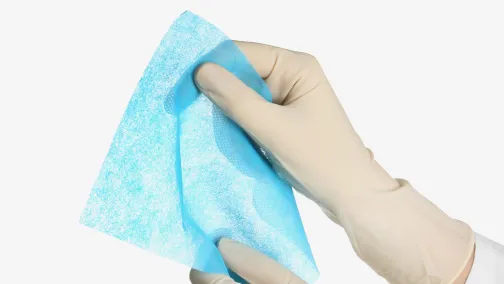
Hydrophilic Medical & Hygiene Substrates

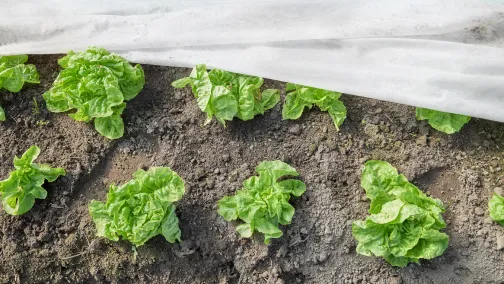
UV-Stabilized Agricultural Cloth


Advanced Thermal Bonding and Filament Extrusion

The structural integrity of a nonwoven roll initiates at the extrusion phase[cite: 22]. Virgin PP pellets are melted at high temperatures and extruded into continuous fine filaments, which are aerodynamically deposited into a uniform web[cite: 22]. This matrix is immediately compressed via heated calender rolls[cite: 22]. This thermal bonding technology fuses the fibers without chemical adhesives, generating a lint-free substrate capable of withstanding the kinetic stress of automated manufacturing[cite: 22].


Surface Optimization for Commercial Printing

Beyond basic structural requirements, the substrate surface must be optimized for secondary commercial applications[cite: 22]. The smooth, fuzz-free texture of our spunbond fabric provides exceptional surface energy, ensuring optimal ink adhesion for large-scale flexographic or silkscreen printing[cite: 1, 22]. Additionally, the material is engineered to tolerate the thermal stress of extrusion coating, allowing converters to seamlessly apply BOPP films[cite: 1] for waterproof packaging[cite: 22].


Configuration Parameters for Industrial Sourcing

Customization Parameters for Bulk Roll Procurement

Specification ParameterEngineering Options
Precision SlittingExact master roll slitting to any operational width up to 2.4 meters.[cite: 22]
Fabric Density (GSM)Adjustable calibration to balance procurement cost against structural durability.[cite: 22]
Functional AdditivesIntegration of UV inhibitors, anti-static compounds, or hydrophilic agents.[cite: 22]
Polymer Color MatchingDye-in-melt masterbatch extrusion for exact corporate Pantone color replication.[cite: 22]
Roll Winding MetricsSpecific core diameters and linear meter lengths engineered for client machinery.[cite: 22]


Commercial Deployment Projects

logo
logo
logo
logo
logo
logo
logo
logo
logo

About Changyuan Nonwoven

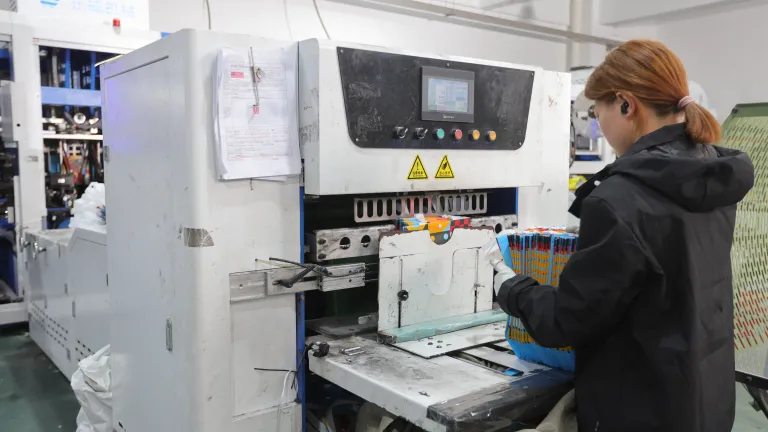
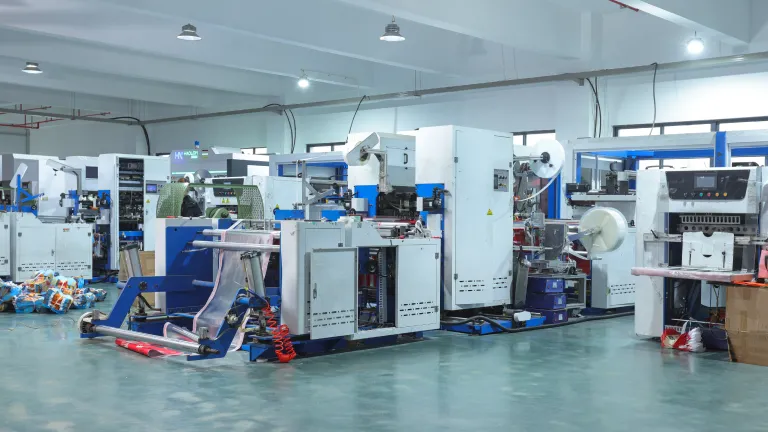
We are a nonwoven fabric and bag manufacturer based in Changzhou, China, running a full production line from raw material to finished goods since 2012. Our factory handles fabric extrusion, 7-color gravure printing, lamination, and bag making in-house, serving clients in 20+ countries with a daily output of 200,000 pieces.

Company factory how we work

FAQs

What is the maximum dimensional width supported for spunbond nonwoven rolls?

Our automated production lines extrude master rolls up to a maximum width of 2.4 meters[cite: 22]. We utilize in-house precision slitting to reduce these master rolls into specific narrow widths, perfectly matching the tolerance requirements of the client's secondary converting machinery[cite: 22].

How does the spunbond nonwoven process differ from traditional woven textiles?

Woven textiles require mechanical interlacing of individual yarns, which limits production speed[cite: 22]. Spunbond nonwoven fabric is manufactured by thermally fusing extruded polymer filaments in a continuous web[cite: 22]. This highly efficient process yields a durable, lightweight, and cost-effective material with superior MD/CD tensile strength[cite: 22].

Can the polymer substrate be modified to absorb liquids for medical applications?

Yes. Base polypropylene is inherently hydrophobic (water-repelling)[cite: 22]. However, by integrating specialized hydrophilic treatments during the extrusion process, the fabric surface tension is altered to absorb liquids rapidly, establishing it as the standard substrate for sanitary pads, diapers, and medical wipes[cite: 22].

What is the environmental impact of utilizing PP nonwoven fabric rolls?

Polypropylene is a low-carbon thermoplastic that is 100% recyclable[cite: 22]. The spunbond manufacturing process requires no water and significantly less energy than cotton or traditional weaving[cite: 22]. Its high durability promotes multi-cycle reuse, aligning with global sustainability and circular economy initiatives[cite: 22].

Does the manufacturer supply finished bags alongside raw material rolls?

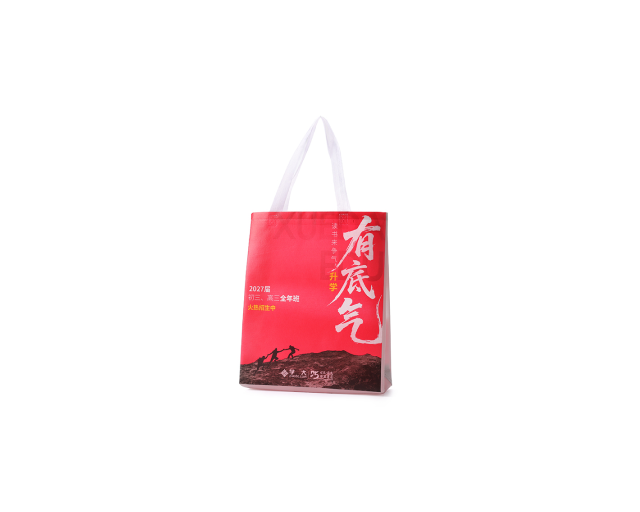
We operate a fully vertically integrated facility[cite: 22]. In addition to supplying wholesale raw nonwoven fabric rolls to global converters, we maintain automated secondary processing lines to manufacture finished retail packaging, including D-cut, T-shirt, and structural box bags[cite: 22].

Technical Guide: Specifying Nonwoven Fabric Rolls for Converting

In B2B procurement, transitioning to spunbond nonwoven rolls accelerates manufacturing velocity and lowers unit costs compared to traditional woven textiles[cite: 1, 22]. The specification process requires exact alignment of the roll dimensions, fabric density (GSM), and surface treatments to ensure seamless integration with automated bag-making or PPE production lines[cite: 22].

Polymer Extrusion and Functional Adaptability

Polypropylene is naturally hydrophobic, establishing it as the standard barrier material for medical isolation garments and protective covers[cite: 22]. However, by modifying the polymer chemistry during extrusion, the identical spunbond substrate can be rendered hydrophilic for sanitary absorption, or UV-stabilized for agricultural crop covers[cite: 1, 22]. This adaptability allows converters to utilize a single manufacturing partner across multiple product sectors[cite: 22].

Mechanical Consistency for High-Speed Automation

For packaging and medical OEMs, the dimensional stability of the raw nonwoven roll is paramount[cite: 22]. Inadequate MD/CD tensile strength or uneven web thickness causes mechanical jamming, tearing, and costly downtime on ultrasonic sealing equipment[cite: 22]. Sourcing directly from a vertically integrated extrusion facility[cite: 1] ensures the fabric possesses uniform fiber distribution, facilitating flawless thermal welding and precise ink adhesion during secondary printing[cite: 22].