Search

Enter keywords to search for products, blog posts, and more.


Home > Nonwoven Geotextile Fabric

Nonwoven Geotextile Fabric

Nonwoven Geotextile Fabric

PP nonwoven geotextile for drainage, filtration, separation, and protection — permeable, high-flow, and made to your weight and width.

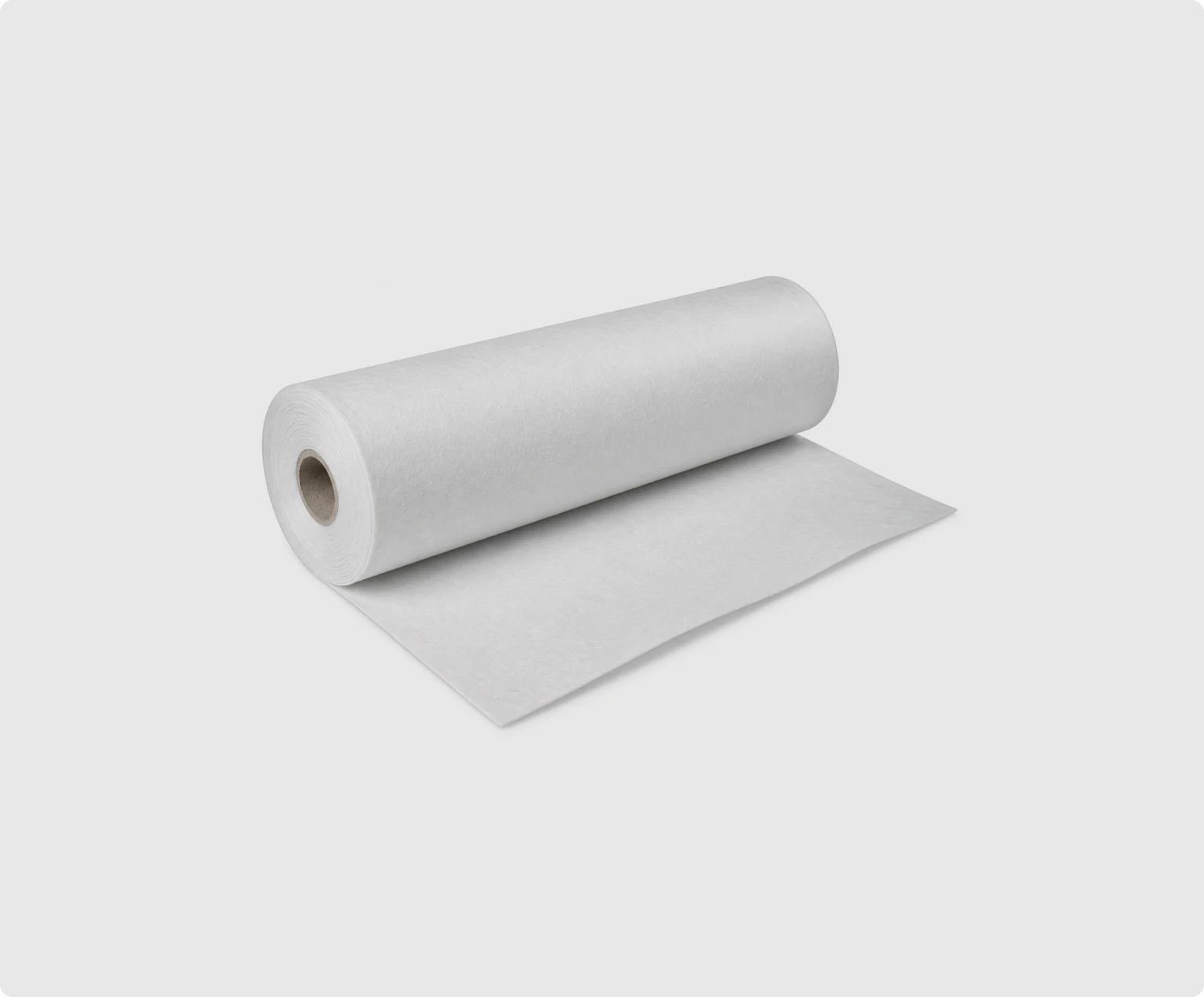
Nonwoven geotextile is a permeable fabric made from bonded PP fibers, used in civil and drainage work to let water through while holding soil back. It handles the four jobs nonwoven does best: separation, filtration, drainage, and protection. Behind a retaining wall, under a road base, around a French drain, or under pavers, it keeps soil layers apart, filters out fines, and lets water flow so the ground drains instead of pooling. We produce it by needle-punching or thermal bonding, in a range of weights and widths, so you can match the fabric to the flow, the soil, and the load on the project.

Nonwoven geotextile is measured by weight, and the weight sets the flow rate, puncture resistance, and strength, so we make it to your spec rather than to one grade. Supplied on the roll in custom widths for contractors, drainage projects, and civil works, with recycled-content options where a tender calls for it.

  • PP nonwoven, needle-punched or thermal bonded
  • Separation, filtration, drainage, protection
  • High permeability and flow rate
  • Custom weight and width
  • Puncture and tear resistant
  • Recycled-content (rPET) option
  • Roll supply for contractors
  • OEM & bulk, flexible MOQ

Fully customizable

  • Weight: light to heavy, by function
  • Width: custom roll widths
  • Construction: needle-punched or thermal bonded
  • Material: PP; polyester on request
  • Treatment: UV-stabilized option
  • Format: rolls or cut sizes

Geotextile Specifications

ComponentSpecification
MaterialPolypropylene (PP); polyester or recycled rPET on request
ConstructionNeedle-punched or thermal-bonded nonwoven
FunctionsSeparation, filtration, drainage, protection
WeightCustom, light to heavy (by GSM or oz)
PermeabilityHigh flow rate; permeable
Tensile / ElongationHigh elongation with reliable tensile strength
Puncture ResistanceHigh, for cushioning geomembranes
WidthCustom roll widths
UVUV-stabilized option for exposed use
ApplicationsDrainage, French drains, retaining walls, roads, pavers, erosion control, landscaping
FormatRolls or cut sizes
MOQ & CustomizationFlexible; weight, width, and material
Export TermsEXW, FOB, or DDP; worldwide


Nonwoven Geotextile We Supply

Drainage Geotextile

Filtration Fabric

Separation Geotextile

Landscape and Weed Fabric


Drainage and Filtration Fabric

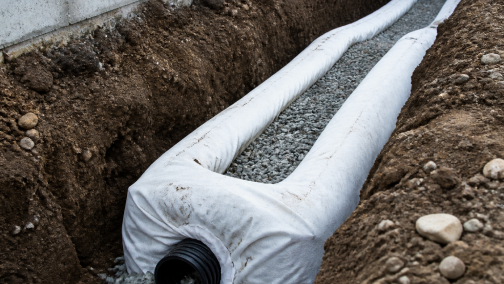
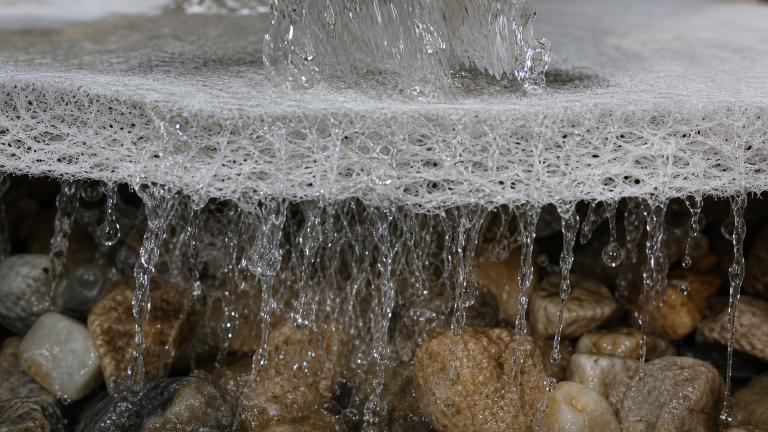
The main reason contractors reach for nonwoven geotextile is water. Its felt-like, porous structure lets water flow through at a high rate while holding back soil fines, so it filters and drains at the same time. Wrapped around a French drain, laid behind a retaining wall, or set over a drainage aggregate, it stops the stone clogging with silt and keeps water moving instead of pooling.


Separation Under Roads and Pavers

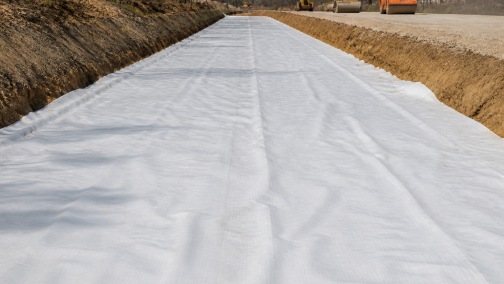
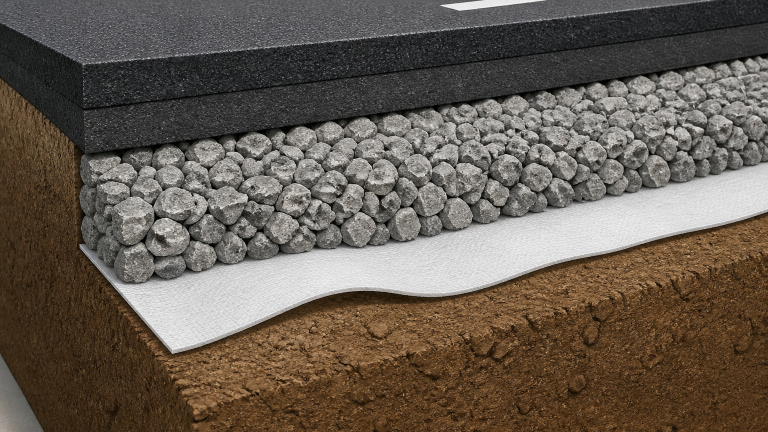
Laid between two soil types, a nonwoven geotextile keeps them from mixing. Under a road base or a paver bed, it stops the aggregate from punching down into soft subgrade, which protects the base and extends the life of the surface. It handles separation and light stabilization while staying permeable, so water still drains through.


Protection and Erosion Control

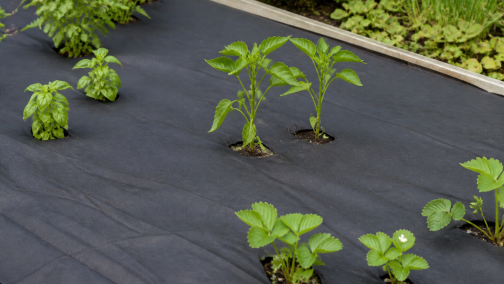
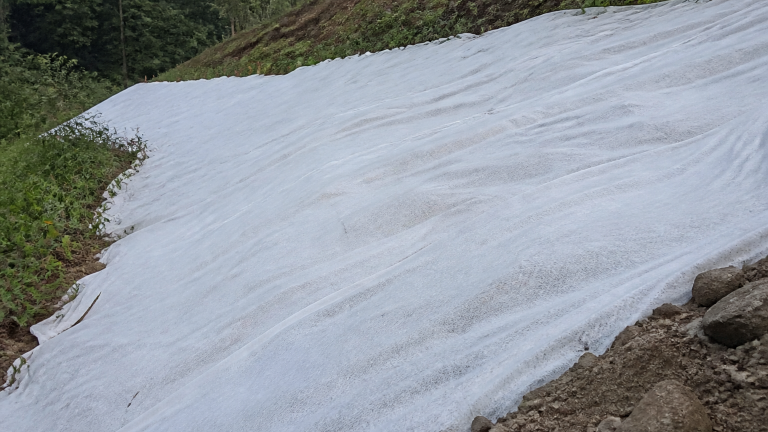
Nonwoven geotextile cushions and protects. Under a pond or landfill liner it takes the puncture load off the geomembrane, and on a slope it holds loose soil and supports planting for erosion control. Because it is flexible and easy to cut, it lays fast over uneven ground on site.

Geotextile Projects

logo
logo
logo
logo
logo
logo
logo
logo
logo

About Changyuan Nonwoven

We are a nonwoven fabric and bag manufacturer based in Changzhou, China, running a full production line from raw material to finished goods since 2012. Our factory handles fabric extrusion, 7-color gravure printing, lamination, and bag making in-house, serving clients in 20+ countries with a daily output of 200,000 pieces.

Company factory how we work

FAQs

What is nonwoven geotextile used for?

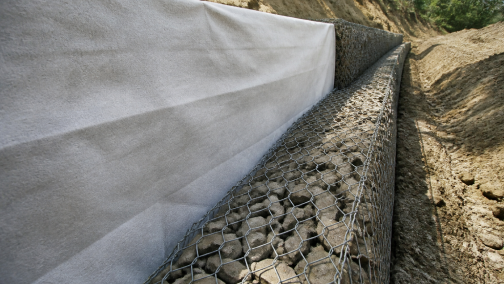
It is used in civil and drainage work for four jobs: separation, filtration, drainage, and protection. Common uses are wrapping French drains, filtering behind retaining walls and gabions, separating subgrade from aggregate under roads and pavers, cushioning pond and landfill liners, and controlling erosion on slopes. It lets water through while holding soil back.

What is the difference between woven and nonwoven geotextile?

Woven geotextile is made from woven tapes and has high tensile strength, so it is used for reinforcement, stabilization, and load-bearing under roads. Nonwoven geotextile is made from bonded fibers, is felt-like and highly permeable, and is used for drainage, filtration, separation, and protection. In short, choose woven for strength and reinforcement, and nonwoven for water flow and filtration.

Is nonwoven geotextile good for drainage?

Yes. Drainage is one of its main strengths. The porous, felt-like structure has a high flow rate, so water passes through quickly while soil fines are held back. That is why it is standard around French drains, behind retaining walls, and over drainage aggregate, where it keeps the stone from clogging and stops water pooling.

What weights and widths do you supply?

We make nonwoven geotextile to your weight and width rather than to a single grade, because the weight sets the flow rate, puncture resistance, and strength for the job. Tell us the application and the soil and water conditions, and we will recommend the weight and supply it in the roll width you need.

What is your minimum order, and do you supply on the roll?

Our minimum order is flexible, and we supply on the roll in custom widths, plus cut sizes on request. We can produce a sample before a bulk order, and we quote on standard export terms, so it suits both project quantities and ongoing contractor supply.

Can you supply recycled or UV-stabilized geotextile?

Yes. We offer UV-stabilized fabric for exposed use, and recycled-content rPET options where a tender or project specifies recycled material. Tell us the requirement and we will match the material and treatment to the spec.

Choosing and Specifying Nonwoven Geotextile

What nonwoven geotextile is

Nonwoven geotextile is a permeable fabric made from polypropylene fibers bonded together by needle-punching or thermal bonding, rather than being woven. It has a felt-like, fuzzy surface, high water flow, and high elongation, and it does not lose strength below ground. Nonwoven geotextiles make up the majority of the geotextile used worldwide, and they cover the four functions the material does best: separation, filtration, drainage, and protection.

The four functions

FunctionWhat It DoesTypical Use
SeparationKeeps soil layers from mixingSubgrade under road base and pavers
FiltrationHolds soil fines, passes waterBehind retaining walls and gabions
DrainageMoves water along and throughFrench drains, land drainage
ProtectionCushions against punctureUnder pond and landfill liners

Woven vs nonwoven geotextile

The two are made and used differently, and mixing them up is the most common sourcing mistake. Woven geotextile is strong but low-flow, so it is for reinforcement and load-bearing; nonwoven is permeable, so it is for water management. For anything involving drainage or filtration, nonwoven is the right choice.

AspectNonwoven GeotextileWoven Geotextile
ConstructionBonded fibers (needle-punched or thermal)Woven slit-film tapes
FeelFelt-like, fuzzyFlat, basket-weave
PermeabilityHigh flow, permeableLow flow, semi-impermeable
StrengthLower tensile, high elongationHigh tensile strength
Best forDrainage, filtration, separation, protectionReinforcement, stabilization, load-bearing

How to spec the right weight

Nonwoven geotextile is specified by weight, and the weight drives flow rate, puncture resistance, and strength. Lighter fabric suits landscaping, separation, and light drainage where flow matters most; heavier fabric suits demanding drainage, protection under liners, and jobs with sharp aggregate or high puncture load. Rather than default to one grade, match the weight to the water flow, the soil, and the load the fabric will take. We make it to spec and supply it in the roll width that fits the site.

What to confirm when sourcing

  • The function: separation, filtration, drainage, or protection, or a combination.
  • The soil and water conditions, so the weight and pore size suit the flow.
  • Whether the fabric will be exposed to sun, which calls for UV stabilization.
  • Any recycled-content requirement in the project spec.
  • Roll width and quantity, and whether cut sizes are needed.

We run the fabric line in-house, so we can set the construction, weight, and width to the project and hold it consistent across a bulk roll order. For contractors and civil suppliers who need the same spec delivered on schedule across a job, that consistency is what keeps the supply reliable.