Search

Enter keywords to search for products, blog posts, and more.


Home > Box Bags

Box Bags
Box Bags

Box Bags

Commercial-grade nonwoven box bags engineered with a 3D cubic architecture and a reinforced flat base to maximize volumetric capacity and structural stability[cite: 13].

A nonwoven box bag[cite: 1], also classified as a 3D or square-bottom tote, functions as a high-tensile packaging unit that stands independently without internal support[cite: 13]. Manufactured from dense 80–150 GSM spunbond polypropylene, these units simulate the structural performance of rigid cardboard while maintaining textile flexibility, significantly increasing automated packing efficiency and load-bearing dynamics[cite: 13].

What defines an industrial nonwoven box bag? It is a highly structural textile container featuring full side gussets and a squared bottom[cite: 13]. This specific geometry distributes downward kinetic pressure evenly across the base, supporting heavy B2B payloads between 8 to 15 kg without localized seam failure or handle tear-out[cite: 13].

  • Stand-up 3D cubic structure optimizing retail shelf presentation and fulfillment speeds[cite: 13].
  • Superior volumetric capacity accommodating rigid takeaway containers and cake boxes[cite: 13].
  • High kinetic load-bearing performance supporting 8 to 15 kg payloads[cite: 13].
  • Premium 80–150 GSM fabric weights ensuring maximum substrate rigidity[cite: 13].
  • High-resolution 7-color BOPP gravure lamination for complex corporate branding[cite: 13].
  • Manufactured utilizing ultrasonic thermal sealing or industrial overlock stitching[cite: 13].
  • Direct OEM manufacturing supporting scalable, factory-direct B2B procurement[cite: 13].

3D Nonwoven Box Bag Specifications

ParameterSpecification
Substrate Material100% Virgin Spunbond Polypropylene (PP)[cite: 1, 13]
Fabric Grammage80–150 GSM, optimized for structural rigidity[cite: 13]
Structural Architecture3D cubic formation featuring full side pleats and a flat square base[cite: 13]
Seam EngineeringUltrasonic thermal sealing or heavy-duty mechanical stitching[cite: 13]
Commercial BrandingSpot-color silkscreen or 7-color BOPP gravure lamination[cite: 1, 13]
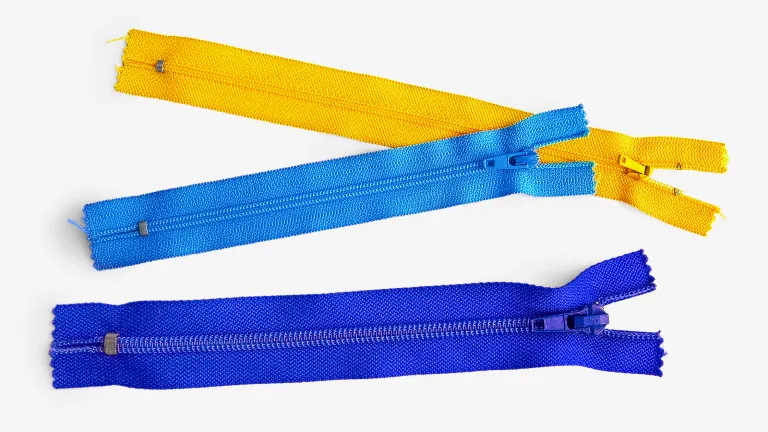
Closure HardwareNylon zipper track, hook-and-loop (Velcro), or open aperture[cite: 13]
Dynamic Load CapacityEngineered for 8 kg to 15 kg kinetic loads dependent on GSM[cite: 13]
Primary B2B ApplicationsFood delivery logistics, beverage packaging, and premium retail[cite: 1, 13]


Commercial Box Bag Configurations

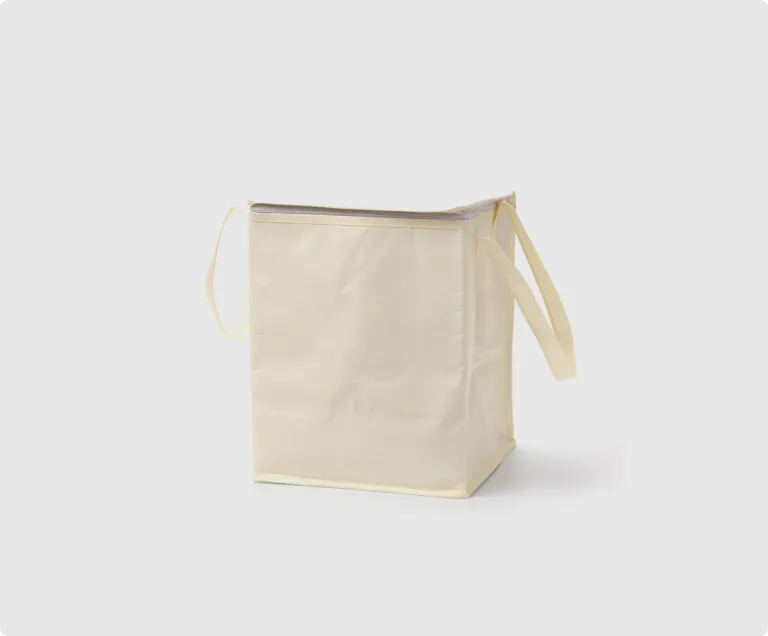
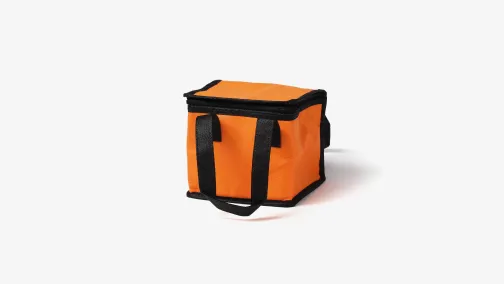
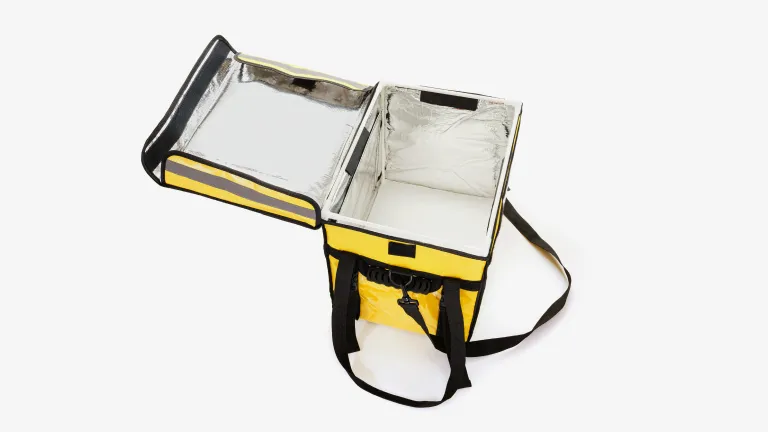
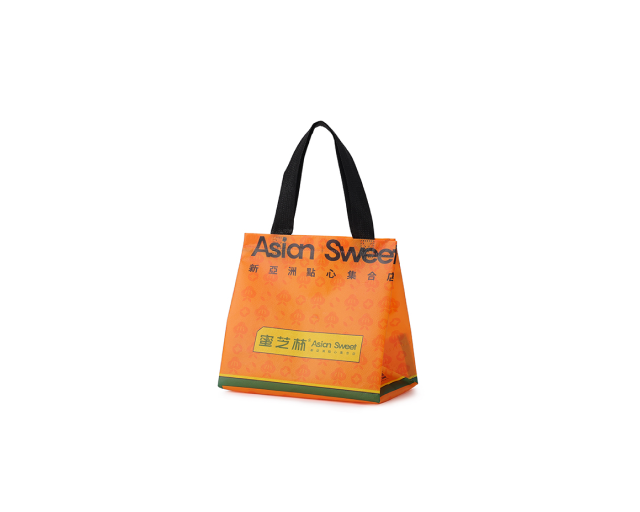
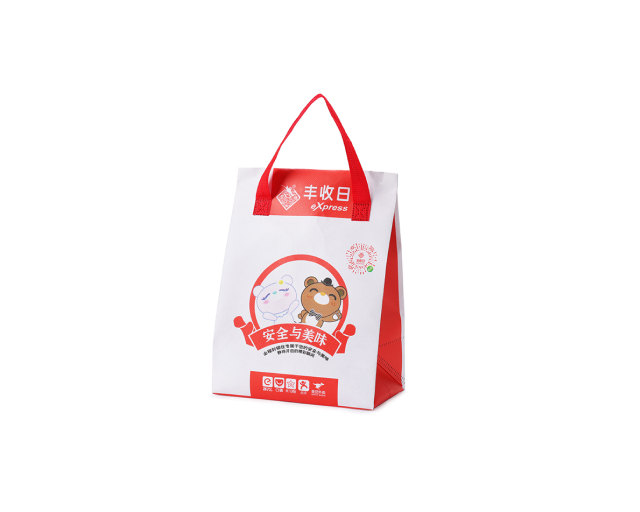
Thermal Insulated Food Delivery Box Bags

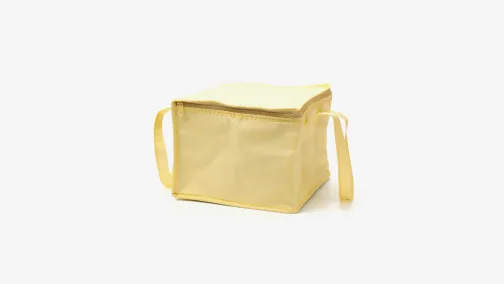
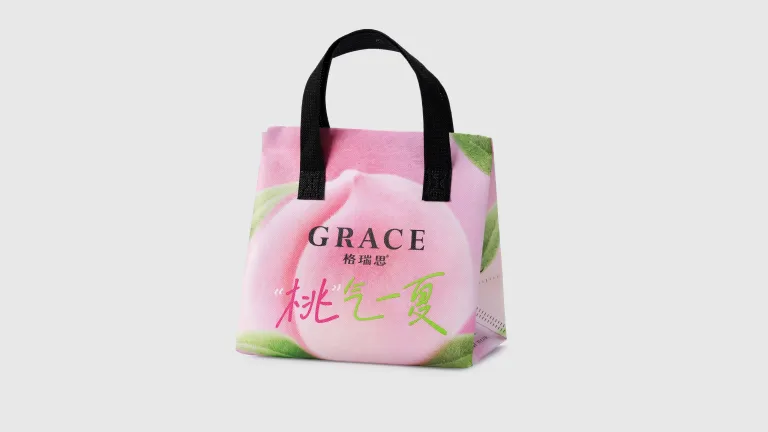
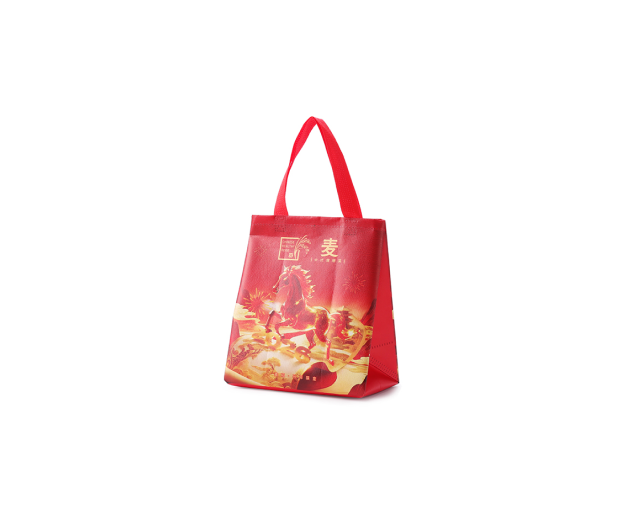
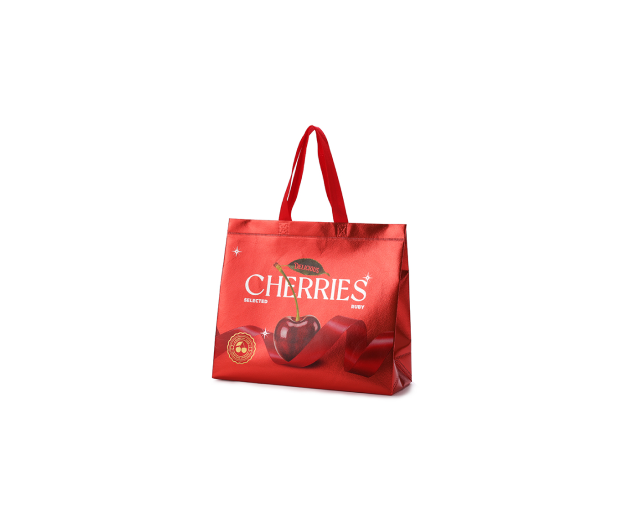
BOPP Laminated Retail Box Bags

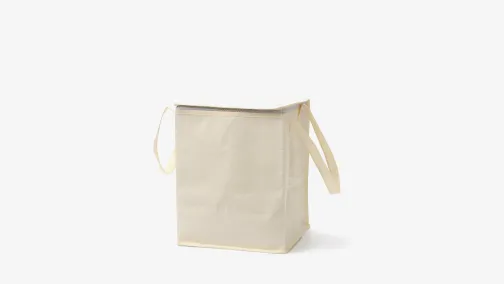
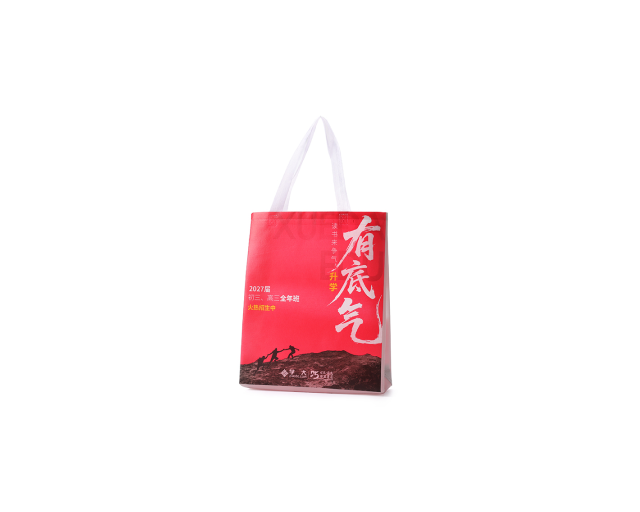
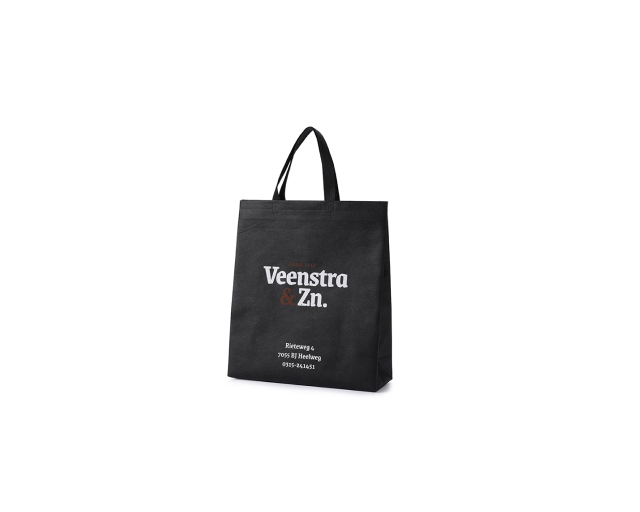
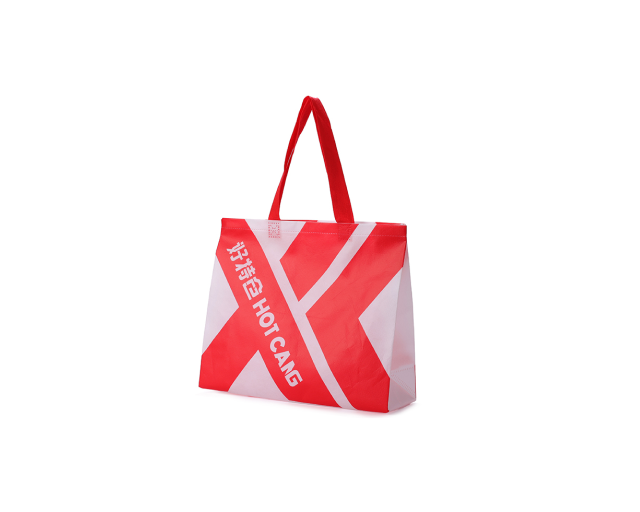
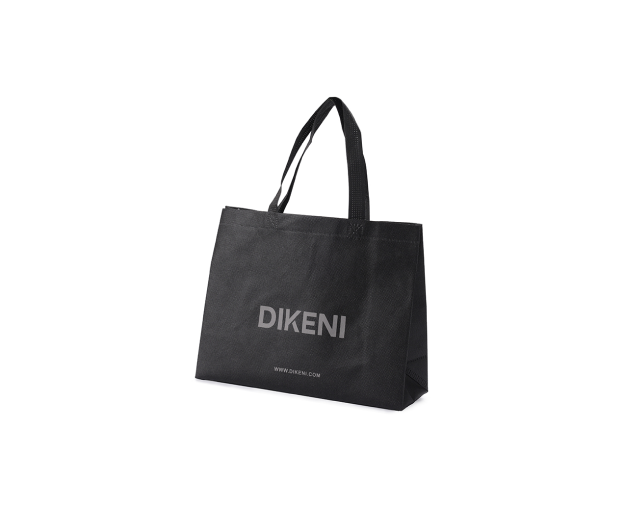
Heavy-Duty Grocery Box Totes


Manufacturing Precision: The 3D Cubic Architecture

The operational advantage of a nonwoven box bag[cite: 1] lies in its specialized forming protocol[cite: 13]. Utilizing high-speed automated equipment, the spunbond substrate is folded and sealed to generate full 3D side pleats and a flat, structural bottom[cite: 13]. This 3D cubic architecture allows the unit to stand independently, accelerating fulfillment times on automated packing lines and maintaining a constant, upright branding profile even when empty[cite: 13].


Advanced BOPP Lamination and Branding

For premium retail deployments, we apply BOPP gravure lamination[cite: 1] over the exterior substrate[cite: 13]. This process fuses a protective, moisture-resistant film directly to the nonwoven base, allowing for high-definition, 7-color photorealistic branding that covers the entire planar surface, including the side and bottom gussets[cite: 13]. This creates a highly durable, scratch-resistant marketing asset that consumers actively retain[cite: 13].


Configuration Parameters for Enterprise Sourcing

Customization Options for B2B Procurement

Specification ParameterEngineering Options
Dimensional SizingFully customized spatial dimensions (Length x Width x Height)[cite: 13].
Gusset ConfigurationFull side pleats and integrated bottom gussets (true 3D structure)[cite: 13].
Fabric DensityScalable GSM variables: 80, 100, 120, or 150 GSM[cite: 13].
Handle IntegrationReinforced hand-held webbing or extended shoulder-length straps[cite: 13].
Auxiliary HardwareNylon zippers, hook-and-loop tape, and rigid plastic bottom inserts[cite: 13].


Commercial Deployment Projects

logo
logo
logo
logo
logo
logo
logo
logo
logo

About Changyuan Nonwoven

We are a nonwoven fabric and bag manufacturer based in Changzhou, China, running a full production line from raw material to finished goods since 2012. Our factory handles fabric extrusion, 7-color gravure printing, lamination, and bag making in-house, serving clients in 20+ countries with a daily output of 200,000 pieces.

Company factory how we work

FAQs

What provides the structural rigidity of a nonwoven box bag?

The rigidity is derived from the combination of high-density spunbond fabric (typically 120-150 GSM) and the geometric folding of the square bottom and side gussets[cite: 13]. This allows the bag to stand upright independently, simulating the performance of a rigid cardboard box on retail displays[cite: 13].

What is the logistical advantage of a 3D box architecture over standard flat totes?

The flat base distributes payload weight evenly, significantly increasing the dynamic load capacity up to 15 kg[cite: 13]. Furthermore, the 3D volumetric design accommodates rigid containers and cake boxes without tilting or compressing the contents during transit[cite: 13].

Can closure hardware be integrated for food transport?

Yes. We can integrate top-mounted nylon zipper tracks or hook-and-loop (Velcro) closures[cite: 13]. This hardware is highly specified for our insulated food delivery bags[cite: 1] to maintain thermal efficiency and secure culinary contents[cite: 13].

How do you determine if 150 GSM fabric is required for a project?

While 80-100 GSM serves standard retail requirements, 150 GSM provides maximum structural stiffness[cite: 13]. It is mandated for heavy beverage transport, premium luxury packaging, and scenarios demanding the longest operational lifecycle from the textile[cite: 13].

Technical Guide: Specifying Volumetric Box Bag Architecture

In the B2B packaging sector, transitioning to 3D nonwoven box bags resolves the volumetric limitations of standard flat totes[cite: 13]. The square-bottom architecture distributes kinetic weight evenly across the base, ensuring internal contents such as cake boxes or retail cartons remain level and undamaged during logistics[cite: 13].

Structural Mechanics and Load Distribution

The load-bearing capacity[cite: 1] of a nonwoven box bag is derived from its base engineering[cite: 13]. By utilizing dense substrates (120-150 GSM) and integrating a defined square base, downward pressure is neutralized and dispersed[cite: 13]. This structural integrity prevents handle tear-out and bottom seam blowouts, making these units the optimal specification for transporting heavy books, wine bottles, and bulk grocery loads[cite: 13].

Substrate Density (GSM) Calibration

Specifying the correct fabric density is critical to maintaining the bag's self-supporting structure and preventing substrate fatigue[cite: 13].

Fabric DensitySubstrate BehaviorRecommended Usage
80–100 GSMCost-effective structural baseline, stands independently.[cite: 13]Standard retail checkout and lightweight promotional kitting.[cite: 13]
120 GSMOptimal balance of rigidity and dynamic load capacity.[cite: 13]Food delivery operations, premium apparel packaging.[cite: 13]
150 GSMMaximum structural stiffness, mimics cardboard rigidity.[cite: 13]Luxury gifting, heavy multi-bottle beverage transport.[cite: 13]

Procurement Verification Parameters

When executing bulk procurement for enterprise networks, buyers must verify the bag forming process[cite: 13]. Ultrasonic sealing provides a clean, modern aesthetic with consistent moisture barriers, whereas mechanical stitching is mandated for maximum payload endurance[cite: 13]. For environments requiring temperature control, such as catering logistics, specifying additional closure hardware like zippers is highly recommended[cite: 13].