Search

Enter keywords to search for products, blog posts, and more.


Home > T-Shirt Bags

T-Shirt Bags
T-Shirt Bags

T-Shirt Bags

Commercial-grade spunbond polypropylene T-shirt bags engineered via automated ultrasonic sealing for high-volume supermarket checkout and retail distribution[cite: 14].

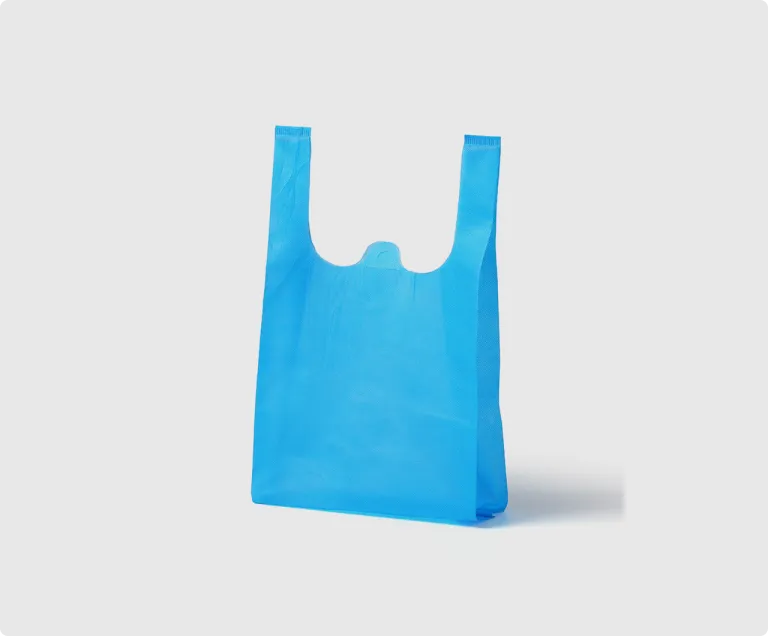
A nonwoven T-shirt bag[cite: 1] (also classified as a vest bag) functions as a high-tensile, reusable packaging unit designed to directly replace single-use polyethylene grocery carriers[cite: 14]. Manufactured from 40–90 GSM virgin PP spunbond fabric, these units integrate die-cut shoulder straps and expanding side gussets to efficiently distribute heavy kinetic loads (3-8 kg) across the substrate body[cite: 14].

What defines an industrial nonwoven T-shirt bag? It is a mass-produced retail consumable utilizing high-speed ultrasonic thermal sealing rather than manual stitching[cite: 14]. This automated forming process significantly reduces unit costs while maintaining superior structural tear resistance[cite: 14]. Compliant with global single-use plastic reduction mandates, these bags offer a highly scalable, multi-cycle transit solution for supermarkets, pharmacies, and fresh food markets[cite: 14].

  • 100% virgin PP substrate ensuring structural integrity across multiple checkout cycles[cite: 1, 14].
  • Die-cut integrated handles preventing stress-point failure under dynamic payloads[cite: 14].
  • Expanding lateral side gussets accommodating bulky grocery items and containers[cite: 14].
  • Thread-free ultrasonic seams engineered for rapid automated production[cite: 14].
  • Grammage optimized from 40 GSM (convenience) to 90 GSM (heavy grocery)[cite: 14].
  • High-opacity spot-color silkscreen or waterproof BOPP gravure lamination[cite: 14].
  • Direct OEM manufacturing supporting highly scalable wholesale procurement[cite: 14].

Technical Specifications

ParameterSpecification
Substrate Material100% Virgin Spunbond Polypropylene (PP)[cite: 1, 14]
Fabric Grammage40–90 GSM, engineered for high-volume automated manufacturing[cite: 14]
Handle ArchitectureDie-cut integrated vest straps maximizing kinetic load distribution[cite: 14]
Structural GussetsExpanding lateral side gussets for increased volumetric capacity[cite: 14]
Seam EngineeringAutomated ultrasonic thermal sealing (thread-free construction)[cite: 14]
Commercial BrandingSpot-color silkscreen or full-color BOPP gravure lamination[cite: 1, 14]
Dynamic Load CapacityEngineered to support 3 kg to 8 kg kinetic retail payloads[cite: 14]
Primary B2B ApplicationsSupermarket checkout, grocery distribution, and regulatory compliance[cite: 14]


Commercial T-Shirt Bag Configurations

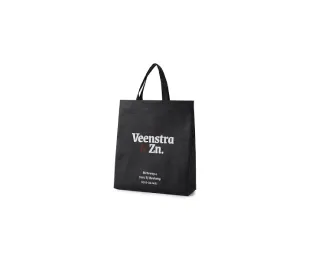
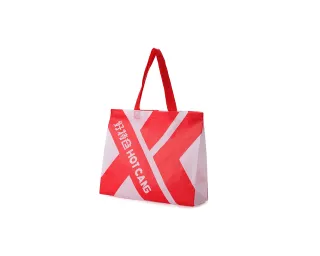
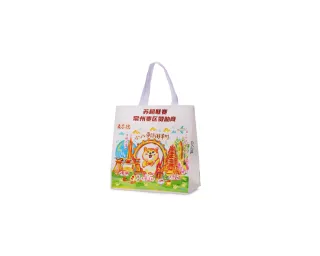
Standard Ultrasonic Vest Bags

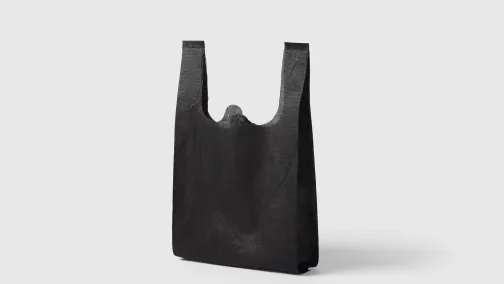
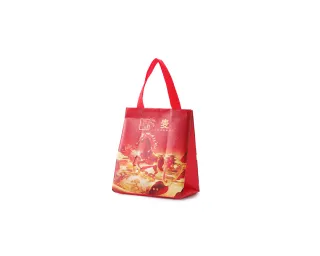
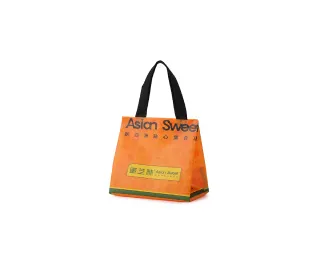
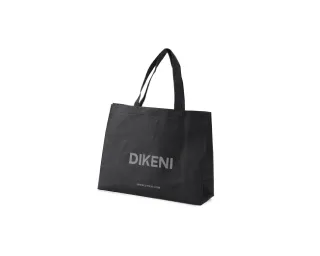
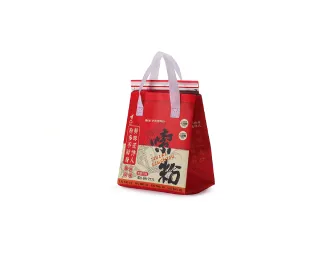
Heavy-Duty Supermarket Carriers

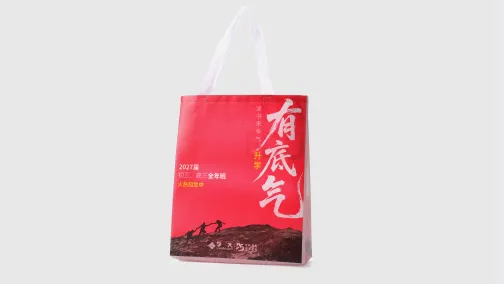
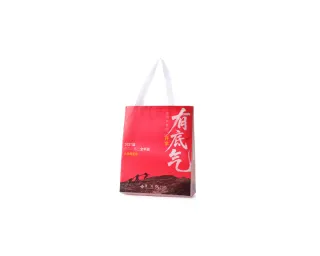
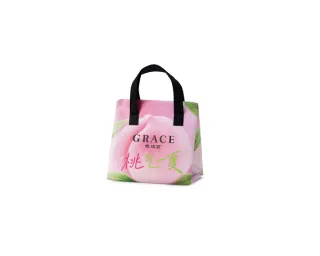
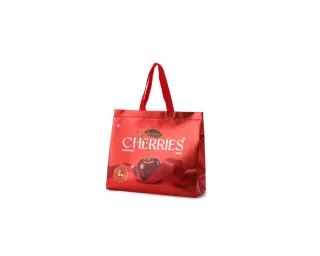
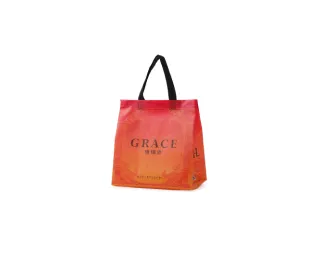
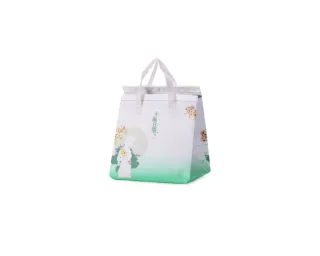
BOPP Laminated T-Shirt Bags


Automated Ultrasonic Manufacturing Efficiency

The operational advantage of nonwoven vest bags[cite: 1] lies in their highly automated forming process[cite: 14]. By utilizing advanced ultrasonic machinery, the seams are fused instantly via high-frequency vibrations rather than manual stitching[cite: 14]. This technology drastically increases production velocity while lowering the wholesale unit cost, making multi-cycle reusable packaging economically viable for daily supermarket operations[cite: 14].


Scalable Branding for Retail Networks

In the competitive retail sector, providing durable secondary packaging functions as an extended marketing asset[cite: 14]. We deploy spot-color silkscreen[cite: 1] for precise, economical application of vector logos[cite: 14]. For national grocery chains requiring maximum visual impact, we utilize BOPP gravure lamination to apply edge-to-edge, full-color graphics[cite: 14]. This laminated layer is easily wiped clean, ensuring the corporate branding remains pristine across dozens of consumer reuse cycles[cite: 14].


Configuration Parameters for Bulk Procurement

Customization Options for Enterprise Sourcing

Specification ParameterEngineering Options
Dimensional SizingFully customized geometry (Width x Height x Lateral Gusset Depth)[cite: 14].
Fabric DensityScalable GSM variables: 40, 50, 60, 70, 80, or 90 GSM[cite: 14].
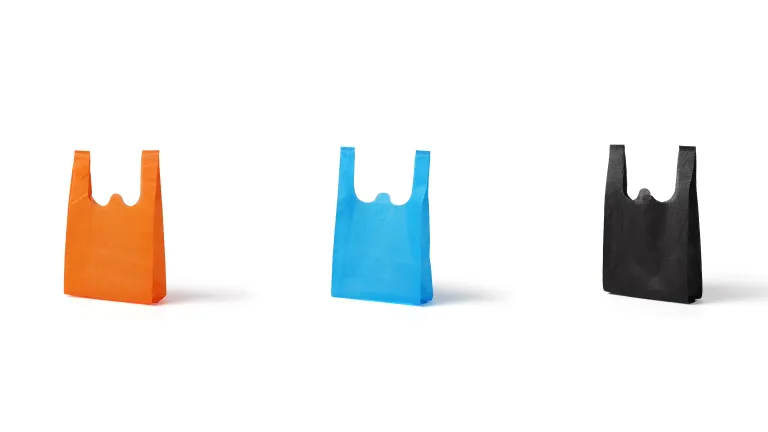
Substrate ColorStandard masterbatch colors or full-surface gravure print[cite: 14].
Structural ArchitectureAlways integrates expanding lateral side gussets for volumetric capacity[cite: 14].
Surface TreatmentStandard matte spunbond or hydrophobic BOPP film lamination[cite: 14].


Commercial Deployment Projects

logo
logo
logo
logo
logo
logo
logo
logo
logo
logo
logo
logo
logo

About Changyuan Nonwoven

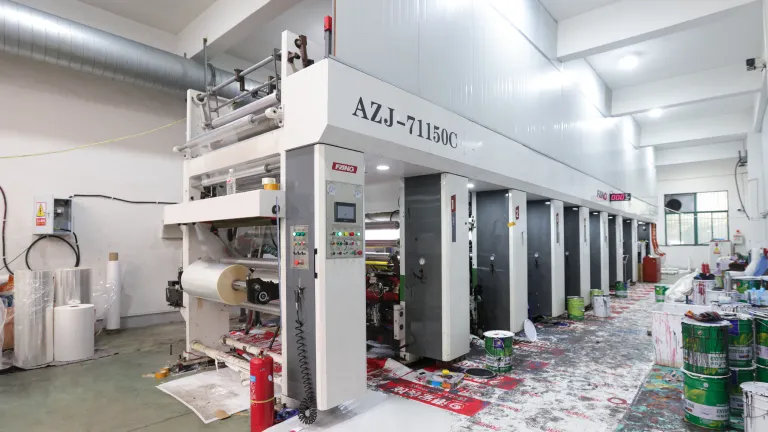
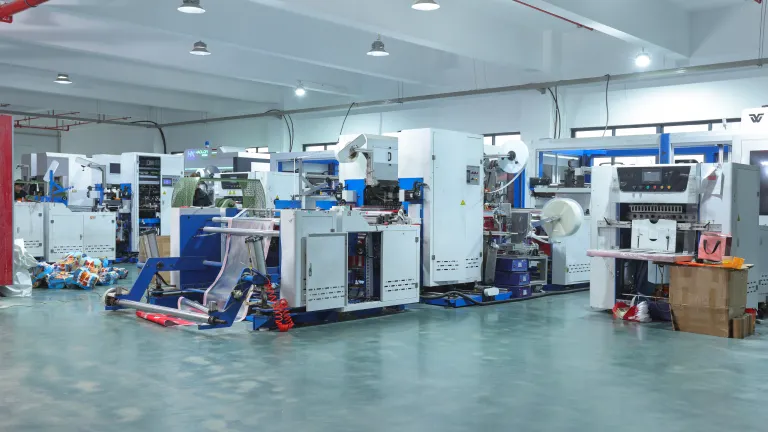
We are a nonwoven fabric and bag manufacturer based in Changzhou, China, running a full production line from raw material to finished goods since 2012. Our factory handles fabric extrusion, 7-color gravure printing, lamination, and bag making in-house, serving clients in 20+ countries with a daily output of 200,000 pieces.

Company factory how we work

FAQs

What distinguishes a nonwoven T-shirt bag from a standard D-cut tote?

A T-shirt (vest) bag integrates an extended shoulder-strap handle and expanding lateral side gussets, mimicking a traditional grocery carrier to provide larger volumetric capacity and higher load-bearing strength (3-8 kg)[cite: 14]. D-cut bags possess a flat profile and punched handles, restricting them to lighter payloads[cite: 14].

How does ultrasonic sealing benefit high-volume retail bags?

Ultrasonic sealing fuses the spunbond fibers via high-frequency vibration, eliminating the need for manual thread stitching[cite: 14]. This automated process ensures rapid, highly scalable production rates and produces a seamless, tear-resistant joint critical for maintaining low B2B unit costs[cite: 14].

What is the dynamic load limit for heavy-duty vest bags?

When engineered with 70-90 GSM nonwoven fabric and subjected to robust ultrasonic edge sealing, these carriers safely distribute and support kinetic payloads ranging from 3 to 8 kg, accommodating canned goods and dense liquids safely[cite: 14].

Do nonwoven T-shirt bags include volumetric gussets?

Yes. The fundamental architecture of a vest bag inherently includes expanding lateral side gussets[cite: 14]. These structural folds deploy when the bag is loaded, providing the necessary cubic volume to hold bulky retail cartons and produce[cite: 14].

How is the appropriate GSM determined for grocery checkout?

GSM is calibrated against payload mass. 40-50 GSM is the economical baseline for light convenience store use[cite: 14]. For supermarket environments managing heavy, rigid products, we mandate 70-90 GSM to ensure maximum substrate endurance and prevent puncture failures[cite: 14].

Are these bags compliant with single-use plastic reduction mandates?

Yes. Manufactured from virgin spunbond polypropylene, these bags function as highly durable, multi-cycle transit units[cite: 14]. They directly replace single-use polyethylene (PE) bags, aligning with global Extended Producer Responsibility (EPR) regulations, and are compatible with standard Type 5 polymer recycling streams[cite: 14].

Technical Guide: Specifying Nonwoven Vest Carrier Bags

In enterprise procurement, transitioning from disposable plastics to reusable nonwoven T-shirt bags[cite: 1] satisfies municipal environmental regulations while maintaining necessary checkout throughput speeds[cite: 14]. The specification process demands a precise calculation of substrate density against anticipated retail payloads to optimize unit economics[cite: 14].

Structural Mechanics and Load Distribution

Unlike standard flat D-cut totes, the architecture of a vest bag mimics traditional supermarket carriers to maximize load efficiency[cite: 14]. The shoulder-strap handles are die-cut continuously from the main body fabric[cite: 14]. This unified structure eliminates mechanical joints at the apex, dispersing kinetic weight evenly across the entire nonwoven matrix[cite: 14]. Combined with automated ultrasonic edge sealing[cite: 1], this thread-free fusion provides exceptional tear resistance, allowing the bag to routinely support 3 to 8 kg of dense consumer goods[cite: 14].

Substrate Density (GSM) Calibration

Specifying the correct fabric density is critical to balancing wholesale procurement costs with operational durability[cite: 14].

Fabric DensitySubstrate BehaviorRecommended Usage
40–50 GSMHighly pliable, lowest unit cost baseline.[cite: 14]Convenience stores, pharmacy checkout, light retail.[cite: 14]
60–70 GSMOptimal balance of structural yield and unit economics.[cite: 14]Standard grocery distribution and fresh food markets.[cite: 14]
80–90 GSMMaximum tensile endurance, resists rigid corner punctures.[cite: 14]Heavy-duty supermarket lines, canned goods, and hardware.[cite: 14]

Procurement Verification Parameters

When executing bulk orders for retail networks, procurement teams must verify the expansion tolerance of the lateral side gussets[cite: 14]. These structural folds must provide sufficient volumetric capacity to accommodate bulky items like cereal boxes or produce without stressing the ultrasonic seals[cite: 14]. For brands requiring complex imagery or deployment in wet environments, specifying BOPP lamination[cite: 1] over the spunbond base is highly recommended to achieve waterproof, photo-quality branding[cite: 14].