
Introduction to Surface Shielding in Construction
Surface damage during the active phases of commercial construction and residential renovation introduces significant financial liabilities and project delays. Finished surfaces, particularly hardwood, natural stone, porcelain tile, and polished concrete, are highly susceptible to mechanical abrasion, blunt impact, and chemical staining from trades operating concurrently on-site. Traditional protection methods, such as corrugated cardboard or thin plastic sheeting, frequently fail under the dynamic loads of wheeled scaffolding, dropped tools, and heavy foot traffic. Nonwoven floor protection films, engineered as multi-layered composite textiles, provide a technically superior, fail-safe barrier. This guide examines the material composition, mechanical properties, specific application protocols, and procurement variables associated with heavy-duty nonwoven surface protection.
1. Material Composite Architecture
The efficacy of a heavy-duty floor protection film relies entirely on its composite layered structure. Manufacturers utilize specific polymer extrusion and thermal bonding processes to merge materials with distinct mechanical functions into a single, cohesive barrier.
1.1 Polypropylene (PP) Nonwoven Base Matrix
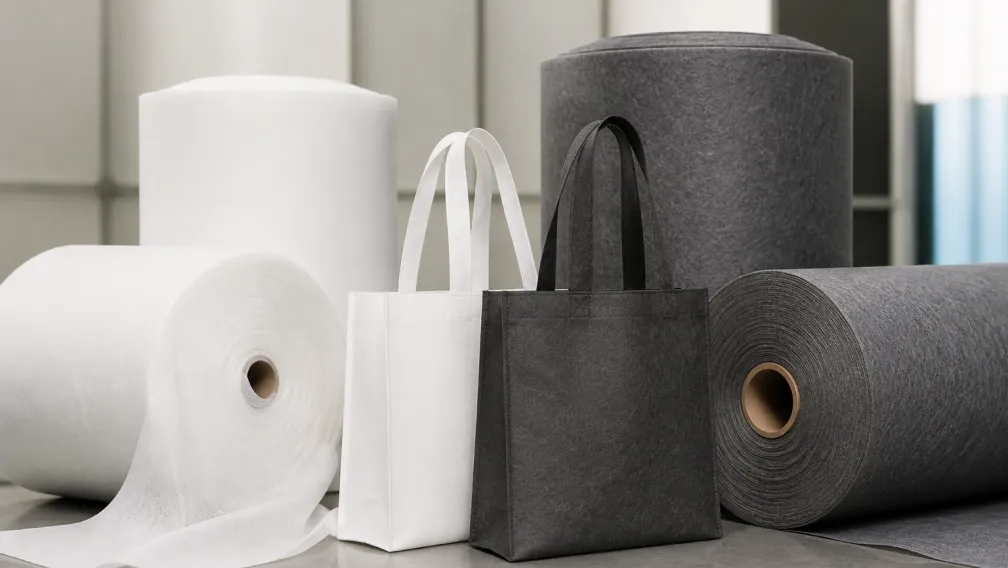
The foundation of the protection film is a high-density, needle-punched or spunbond polypropylene (PP) nonwoven fabric. This layer functions as the primary shock absorber. The random alignment of continuous PP fibers creates a dense, entangled matrix that dissipates kinetic energy from dropped objects—such as hammers, drills, or building materials—preventing the concentrated force from fracturing or denting the underlying substrate. Furthermore, the nonwoven structure possesses inherent acoustic dampening properties, which is advantageous in multi-story residential renovations. For heavy-duty commercial applications, the basis weight of this nonwoven layer is typically specified between 130gsm and 200gsm to ensure adequate puncture resistance against sharp debris.
1.2 Polyethylene (PE) Top Lamination
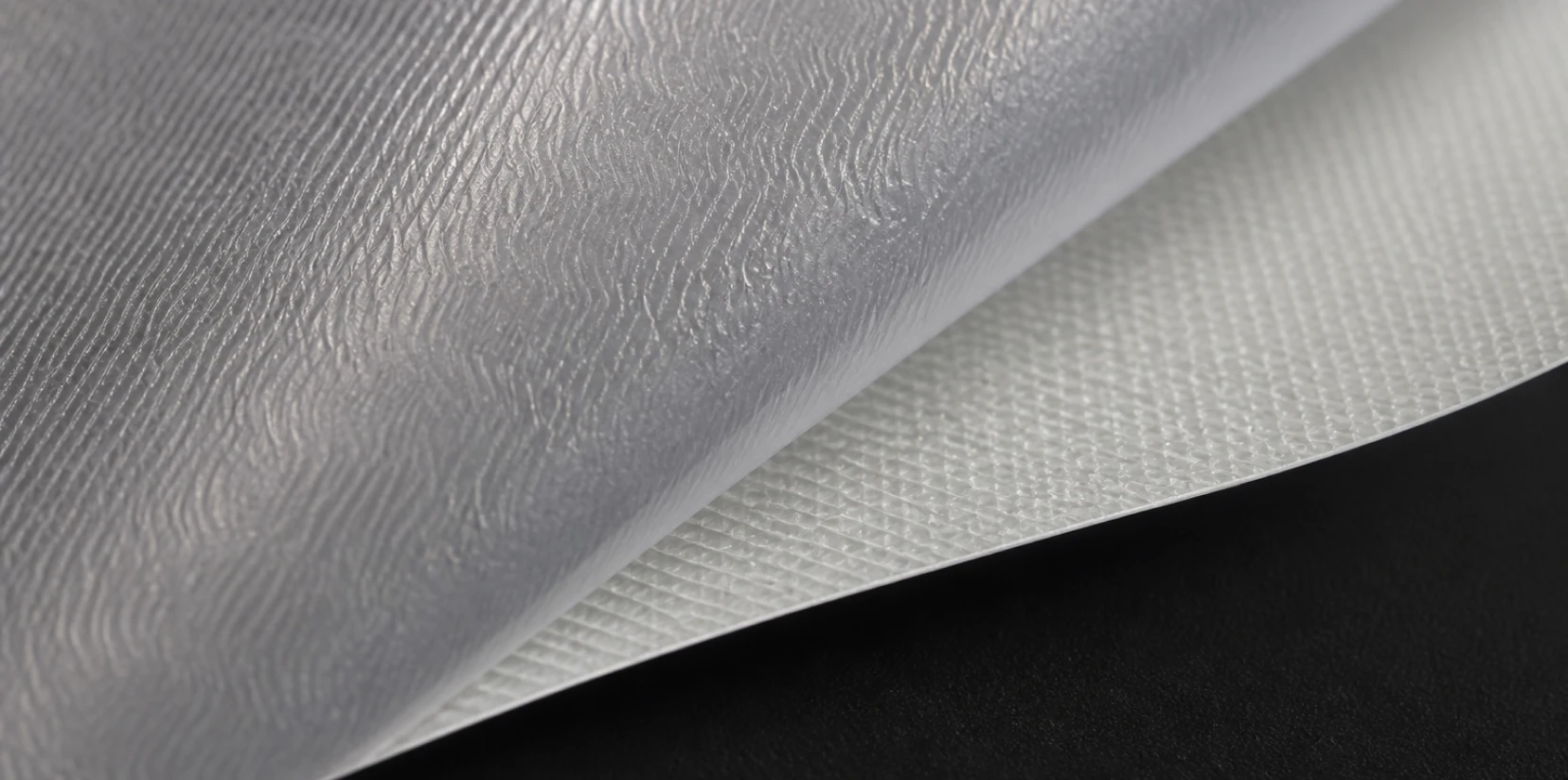
To address the vulnerability of nonwoven fabrics to liquid saturation, a contiguous layer of polyethylene (PE) film is laminated to the top surface. This PE layer acts as an absolute liquid barrier, shielding the protected surface from water, paint spills, drywall mud, epoxy resins, and mild chemical solvents. The lamination process, usually achieved through hot-melt extrusion, ensures a permanent bond between the PE film and the PP base, preventing delamination under sheer stress. The surface of the PE film is often embossed with a micro-texture to provide slip resistance for workers, even when the surface is wet or covered in fine construction dust.
1.3 Specialized Underside Coatings
Maintaining the exact position of the protection film without utilizing mechanical fasteners is a critical requirement. High-quality nonwoven films integrate a specialized underside treatment. This is typically a proprietary, low-tack polymeric coating or a thermally bonded anti-slip texture. The primary engineering challenge here is maximizing the Coefficient of Friction (CoF) against smooth substrates like varnished wood or polished marble, preventing dangerous slipping hazards, while guaranteeing a 100% residue-free release when the film is eventually removed at the project's conclusion.
2. Technical Performance and Testing Metrics
Evaluating floor protection films requires analyzing empirical data rather than relying on qualitative descriptions. Commercial contractors must specify materials based on standardized performance metrics.
2.1 Impact and Tear Resistance
The primary function of the fabric is mechanical protection. Tensile strength and tear resistance are measured using standard grab test methodologies (such as ASTM D5034). High tensile strength ensures that the material will not easily rip when subjected to the pulling forces of dragging heavy equipment or material carts across the floor. Impact resistance is evaluated by testing the material's ability to prevent underlying substrate deformation when subjected to a standardized falling mass. The density of the PP fibers directly dictates the outcome of these impact tests.
2.2 Moisture Vapor Transmission Rate (MVTR) and Breathability
A critical metric for specific applications is the Moisture Vapor Transmission Rate (MVTR). While the PE top layer is generally impermeable to liquid water, certain nonwoven protection products are engineered with micro-perforations. This creates a breathable membrane. Breathability is an absolute requirement when protecting newly finished hardwood floors, freshly poured concrete, or recently laid natural stone. These substrates release curing vapors and latent moisture over several weeks. If a completely impermeable barrier is placed over them, the trapped moisture causes condensation, leading to severe wood warping, finish clouding (blushing), or disrupted concrete curing processes. Contractors must specify breathable nonwoven films for these specific scenarios.
3. Site Application Scenarios
The versatility of nonwoven composites allows them to be deployed across a wide spectrum of construction environments, each presenting unique shielding requirements.
3.1 High-Traffic Commercial Corridors
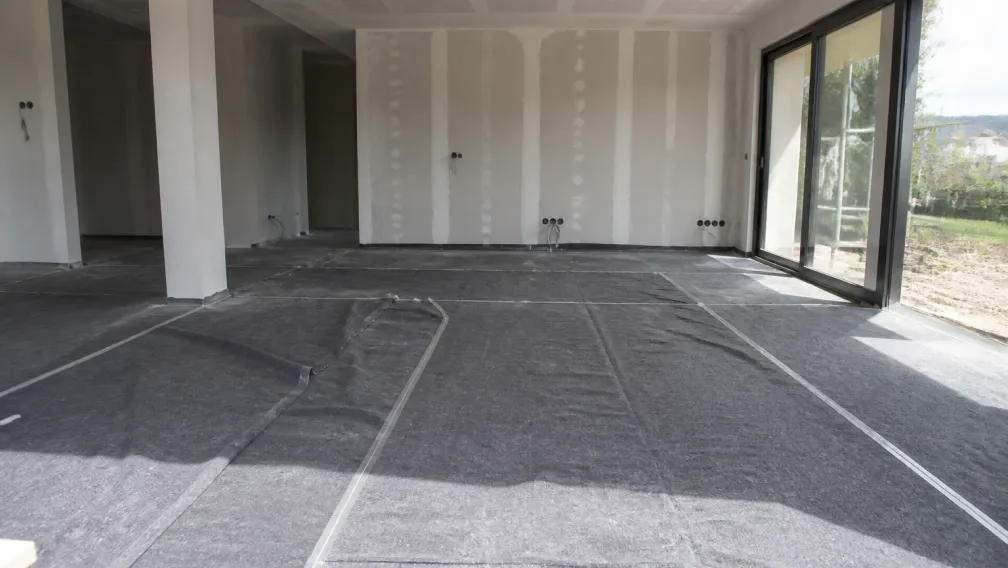
In large-scale commercial developments or hospital renovations, main transit corridors endure relentless foot traffic, pallet jacks, and heavy debris carts. These zones require the highest GSM nonwoven composites, often reinforced with overlapping seams securely taped with heavy-duty contractor tape. The anti-slip underside is crucial here to prevent the entire protective sheet from shifting under the repetitive directional force of rolling loads.
3.2 Staircase and Vertical Surface Protection
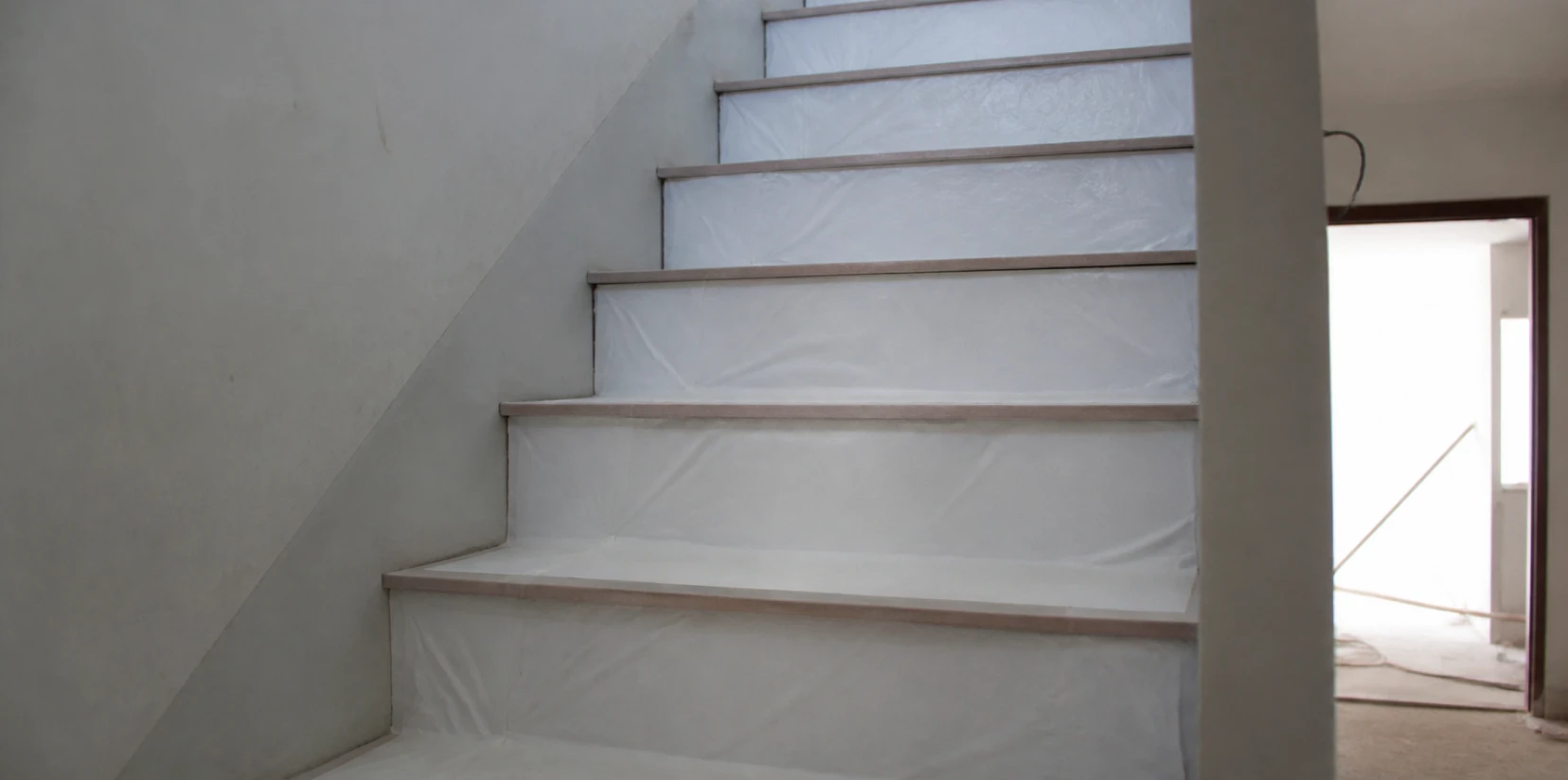
Staircases present complex geometry and significant slip hazards. Traditional cardboard is highly dangerous and difficult to mold to stair treads and nosing. Flexible nonwoven films conform easily to 90-degree angles. The low-tack adhesive backing allows the film to grip the tread and riser securely without introducing a trip hazard. Furthermore, lighter variants of these films (around 80gsm to 100gsm) are utilized to drape over vertical surfaces, such as custom cabinetry, glass partitions, and finished doors, protecting them from airborne paint particulate and dust accumulation.
4. Standardized Installation and Removal Protocols
The effectiveness of the material is heavily dependent on correct installation procedures. Improper application can trap abrasive debris against the finished surface or compromise the liquid barrier.
4.1 Substrate Preparation
Prior to application, the target surface must undergo meticulous cleaning. Industrial vacuums and microfiber tack cloths should be used to remove all silica dust, drywall particles, and grit. If the nonwoven film is applied over debris, the weight of site traffic will grind the abrasive particles into the finished floor, causing severe scratching regardless of the film's protective qualities.
4.2 Layout and Seaming Techniques
The film should be rolled out with the anti-slip/low-tack side facing down. For expansive areas requiring multiple rolls, edges must overlap by a minimum of 50mm to 100mm. These seams must be continuously sealed using a high-adhesion seaming tape. It is imperative that the tape is applied only to the overlapping film layers and never directly to the finished floor, as the aggressive adhesives in contractor tapes will strip varnishes and leave permanent residue.
4.3 Removal and Site Cleanup
Upon project completion, the continuous taped barrier allows the protection film to be rolled up in large sections, effectively trapping accumulated construction dust and debris within the roll. Depending on the level of contamination, heavily soiled films are discarded, while intact, undamaged sections can be swept and retained for reuse on subsequent projects, optimizing material costs.
5. B2B Procurement and Supply Chain Optimization
For large general contractors, tool distributors, and hardware retail chains, the procurement of surface protection materials involves analyzing bulk economics and customization potential.
5.1 Dimensional Standardization
Roll dimensions dictate shipping efficiency and handling ergonomics. Standard commercial rolls are manufactured in widths of 1 meter (39.4 inches) to align with standard doorway widths, minimizing the need for complex cutting during installation. Roll lengths typically span 25 meters to 50 meters. A 50-meter roll of 180gsm composite represents the optimal balance between maximum floor coverage and a manageable physical weight for a single worker to transport and deploy.
5.2 Corporate Branding and OEM Customization
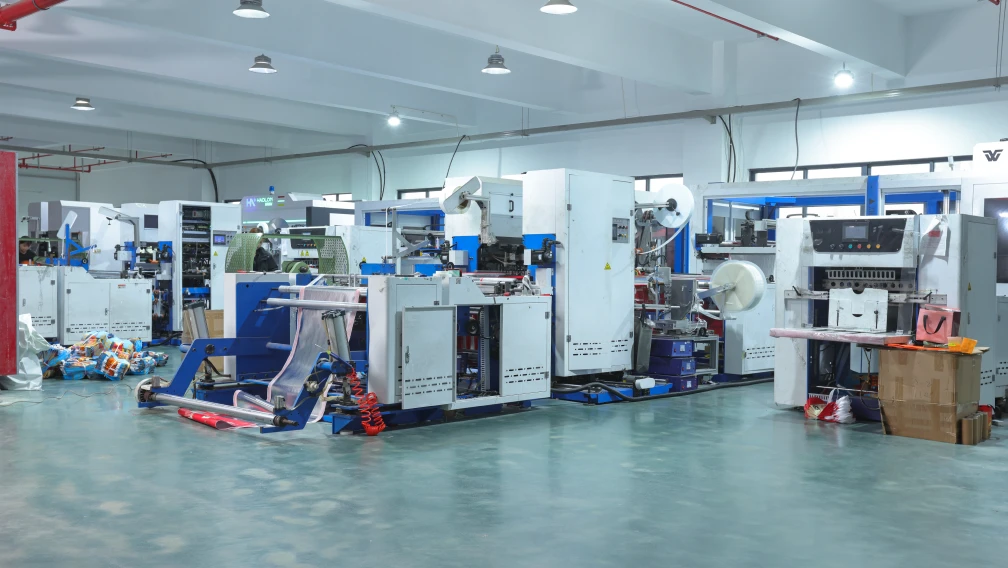
Floor protection offers highly visible real estate on a job site. Vertically integrated manufacturers provide inline flexographic or gravure printing on the PE top layer. This allows large contracting firms to print their corporate logos, contact information, and specific safety warnings across the entire surface of the film. This OEM customization serves as continuous on-site marketing and enforces corporate safety standards without requiring secondary signage.
6. Regulatory Compliance and Environmental Safety
Materials introduced into a construction environment must comply with specific safety regulations, particularly concerning fire hazards and chemical emissions.
6.1 Flame Retardant (FR) Specifications
In high-rise commercial construction, shipbuilding, and hospital environments, fire safety regulations are stringent. Standard PP/PE composites are flammable. Therefore, manufacturers must integrate specialized Flame Retardant (FR) additives into the polymer masterbatch during extrusion. These FR-rated films self-extinguish upon removal of the flame source and prevent the rapid spread of fire across the floor plane, ensuring compliance with standards such as NFPA 701 or equivalent regional fire codes.
6.2 Volatile Organic Compounds (VOC) Mitigation
The materials, particularly any integrated adhesives on the underside, must be strictly free of Volatile Organic Compounds (VOCs). In tightly sealed renovation environments with limited ventilation, VOC off-gassing from protection materials can cause severe air quality degradation, posing health risks to workers and violating green building certification standards like LEED. Reputable manufacturers utilize 100% solid, solvent-free thermal bonding or zero-VOC acrylic adhesives to ensure absolute safety.
Conclusion
Nonwoven floor protection films represent a critical evolution in construction site management. By combining the shock-absorbing properties of polypropylene matrices with the liquid barrier capabilities of polyethylene lamination, these composites offer unparalleled defense for high-value finished surfaces. Contractors and procurement managers must carefully evaluate GSM weight, breathability requirements, slip-resistant coatings, and flame retardant specifications to align the material precisely with the demands of their specific construction environments. Transitioning to standardized nonwoven protection protocols systematically reduces damage liabilities, accelerates site cleanup, and projects a highly professional standard of care to the end client.