
Introduction: Mitigating Thermodynamic Loss in Last-Mile Delivery
In the expanding sectors of commercial catering, online grocery fulfillment, and third-party food delivery, thermal degradation represents a critical operational risk. Fluctuations outside safe temperature zones not only compromise culinary quality but also trigger severe food safety compliance violations. Maintaining a strict thermal environment during the "last mile" of transit requires transitioning from passive, single-layer packaging to engineered thermal barrier systems. Commercial insulated cooler bags operate by actively mitigating the three primary mechanisms of heat transfer: conduction, convection, and radiation. For supply chain directors and catering operators, procuring the correct thermal packaging necessitates a rigorous analysis of insulation density, exterior substrate durability, internal hygienic compliance, and structural load capacity. This solution guide analyzes the material science and structural engineering parameters required to deploy enterprise-grade thermal packaging across commercial logistics networks.
1. The Physics of Insulation: EPE Foam and Radiant Barriers
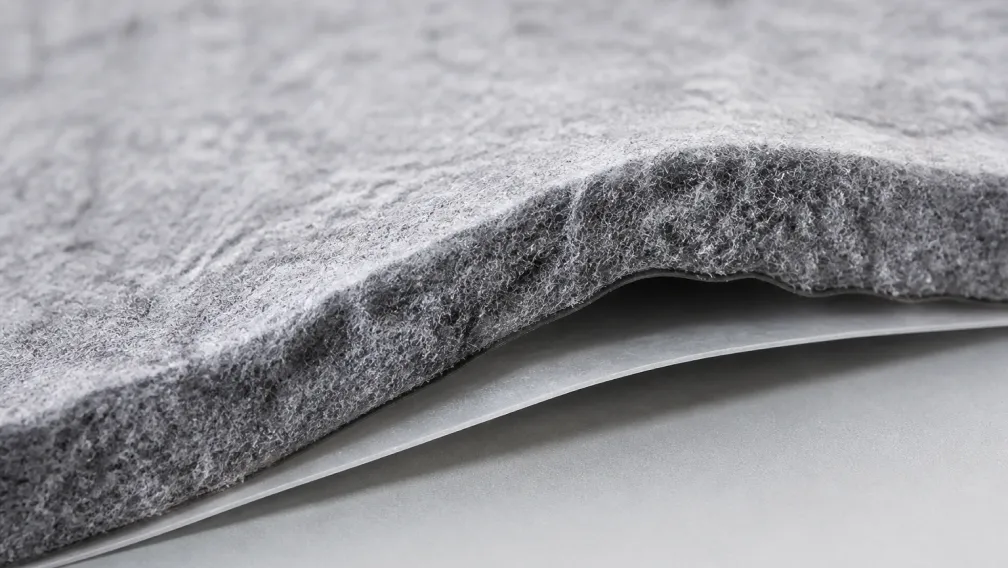
The core efficacy of any thermal bag is dictated by its internal insulation architecture. Standard retail-grade coolers frequently utilize thin polyurethane (PU) foams which degrade rapidly under commercial compression. Enterprise solutions rely on Expanded Polyethylene (EPE) foam, a closed-cell semi-rigid polymer.
EPE foam functions as an extreme thermal resistor. Because the polymer structure encapsulates millions of microscopic, distinct air cells, it prevents the convective transfer of heat through the material matrix. The thickness of the EPE layer directly correlates to the thermal decay curve of the internal payload. For short-radius restaurant delivery (under 45 minutes), a 2mm to 3mm EPE thickness provides adequate retention. However, for multi-drop grocery cold-chain logistics or commercial catering, a minimum 5mm to 8mm EPE density is mandatory to maintain stable temperatures exceeding 120 minutes.
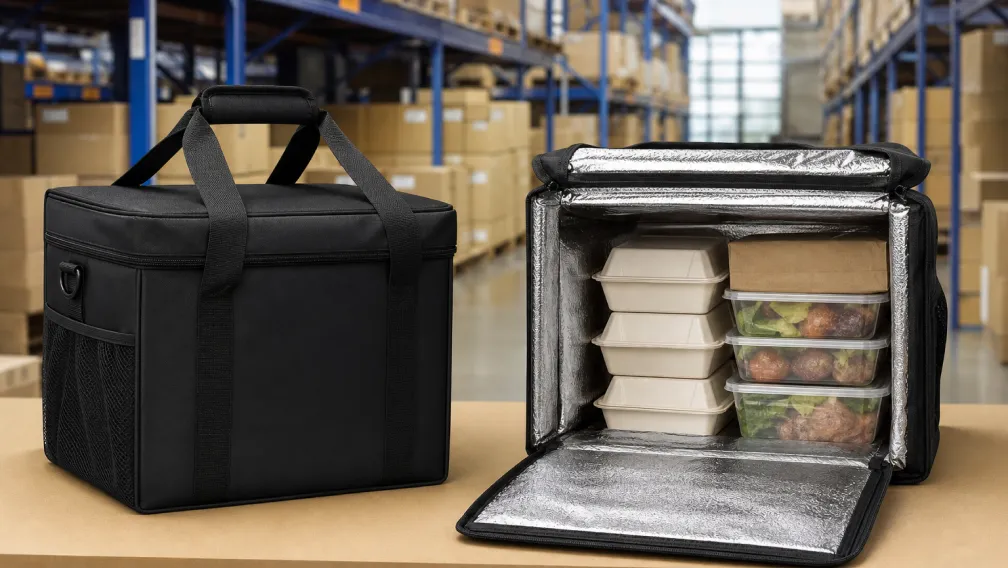
To combat radiant heat transfer, the inner face of the EPE foam is laminated with a metallic foil. This aluminum-based radiant barrier reflects up to 97% of thermal radiation. When transporting hot catering pans, the foil reflects the infrared heat back into the payload zone. Conversely, when transporting frozen goods, the barrier reflects external ambient heat away from the internal cavity. The combination of closed-cell conductive resistance and metallic radiant reflection constitutes the baseline of commercial thermal packaging.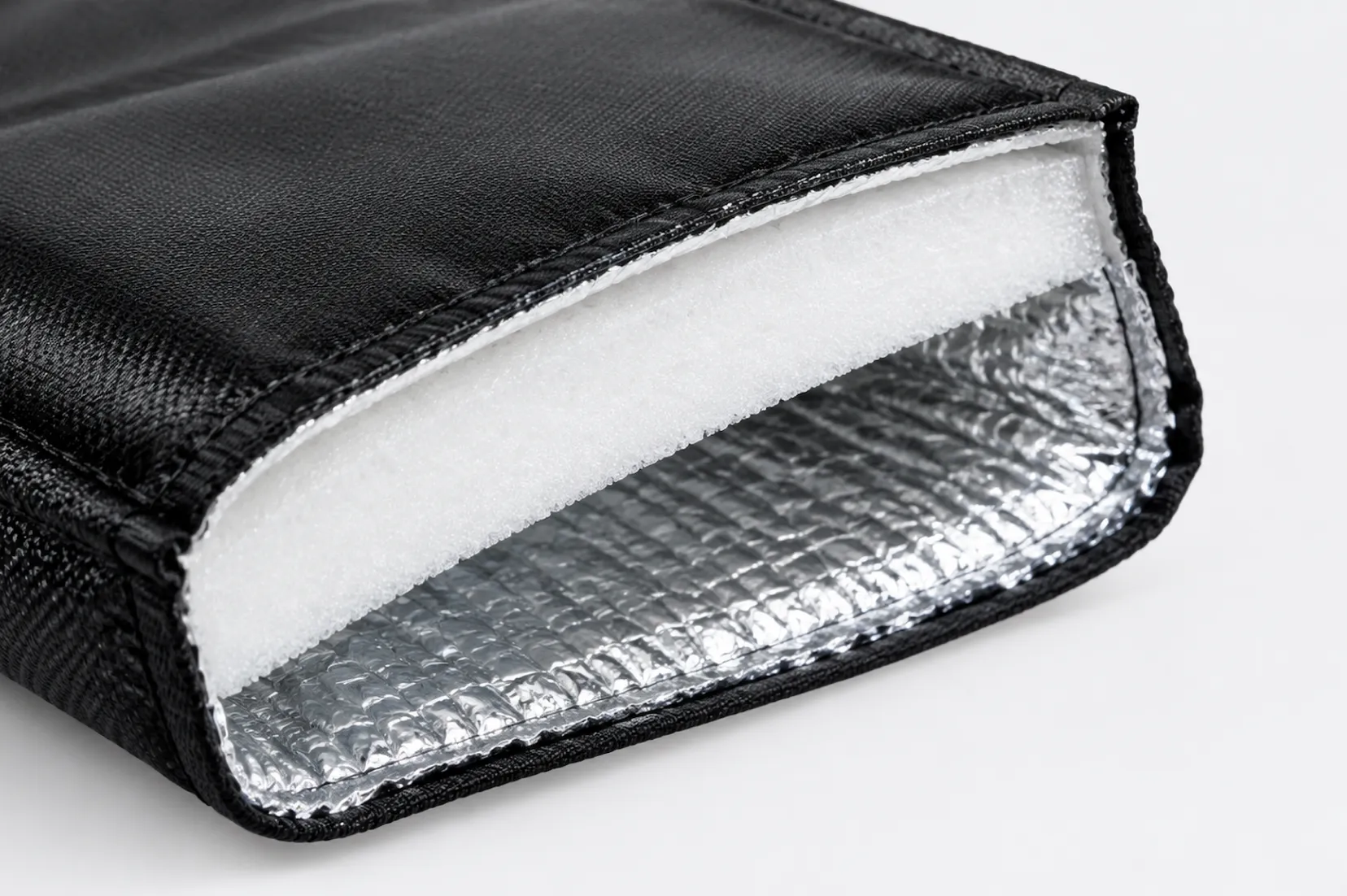
2. Exterior Substrates: Abrasion Resistance and Environmental Shielding
The exterior shell of a commercial delivery bag must withstand continuous mechanical abrasion, weather exposure, and chemical sanitization without degrading. The selection of the exterior textile directly impacts the lifecycle ROI of the packaging asset.
| Exterior Material | Structural Characteristics | Optimal Commercial Application |
|---|---|---|
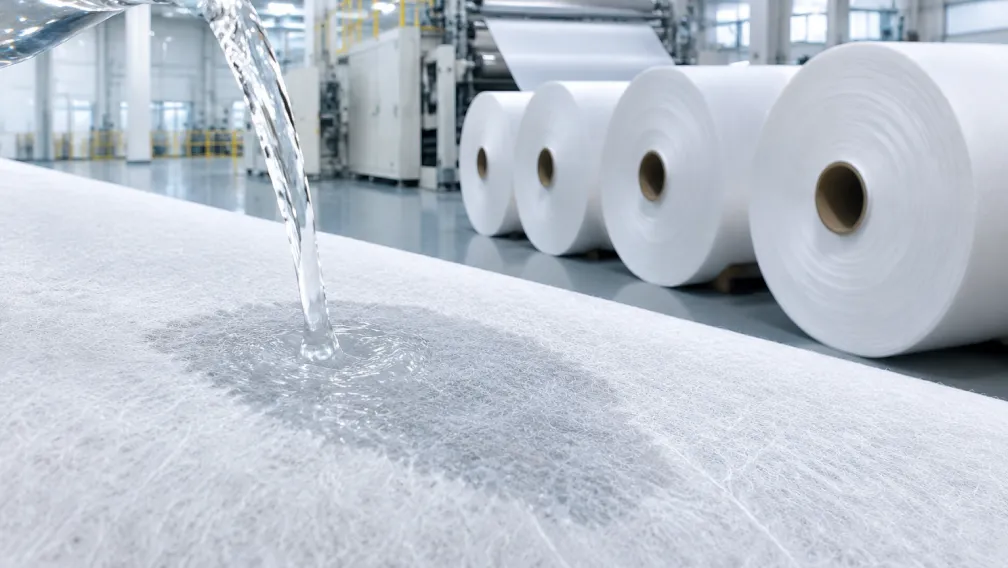
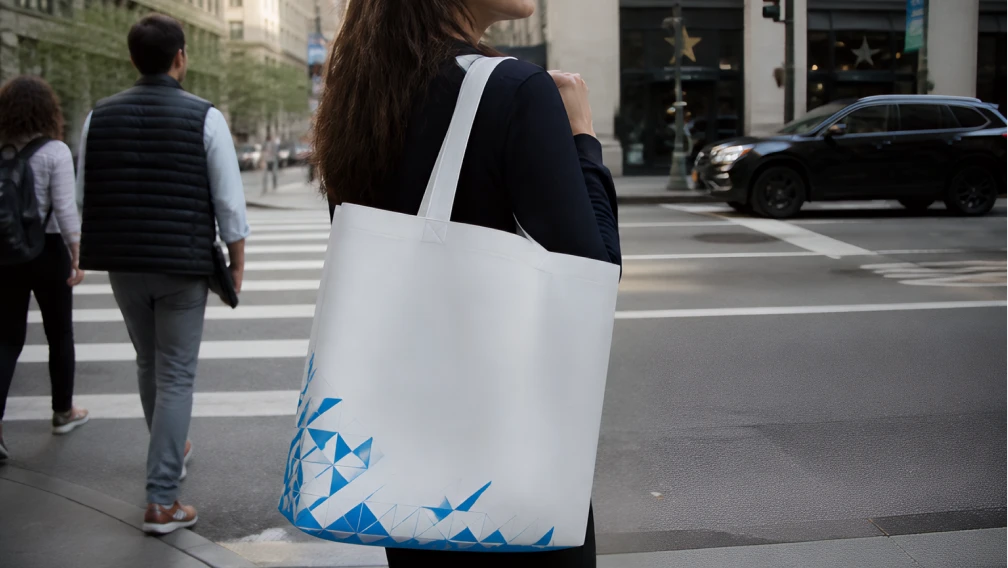
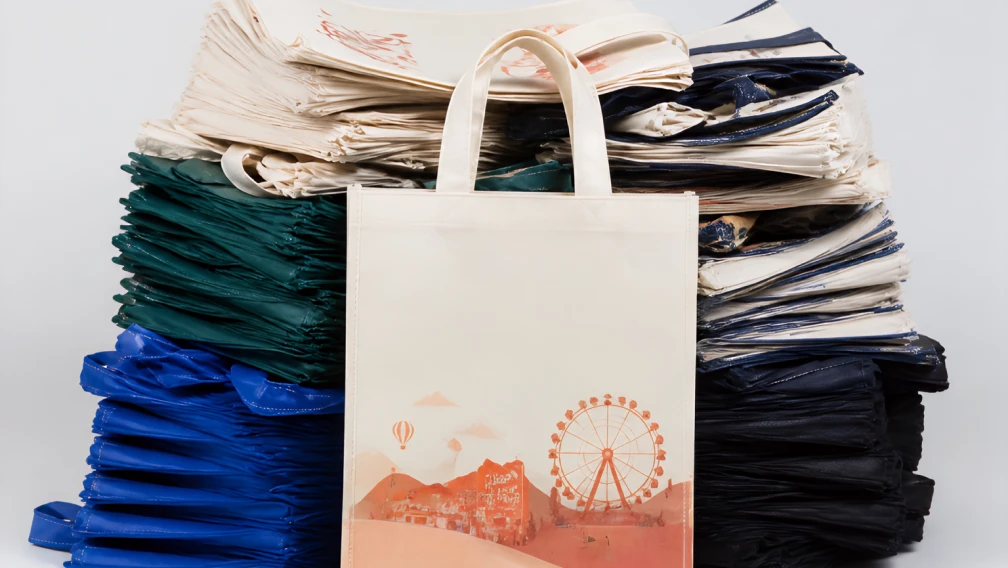
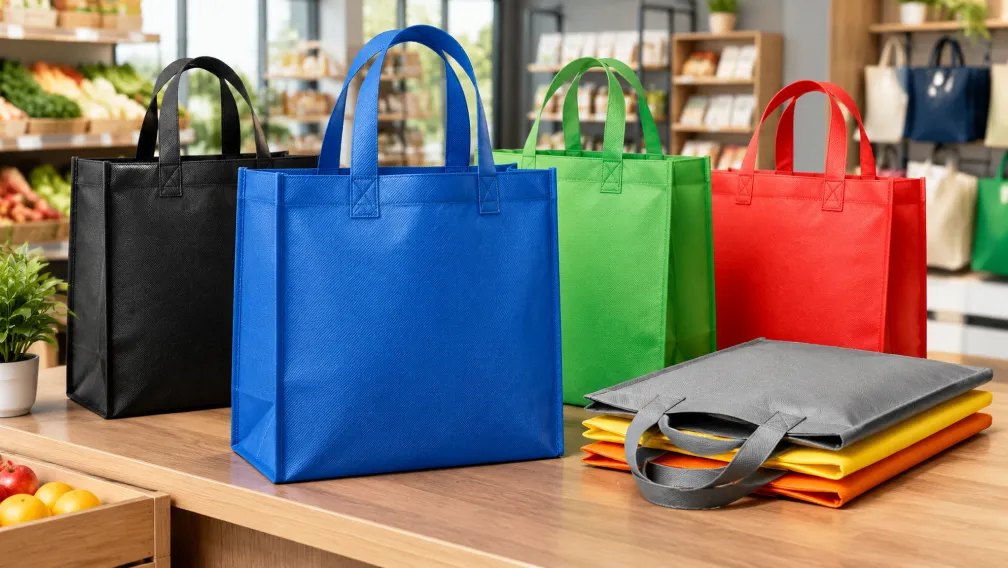
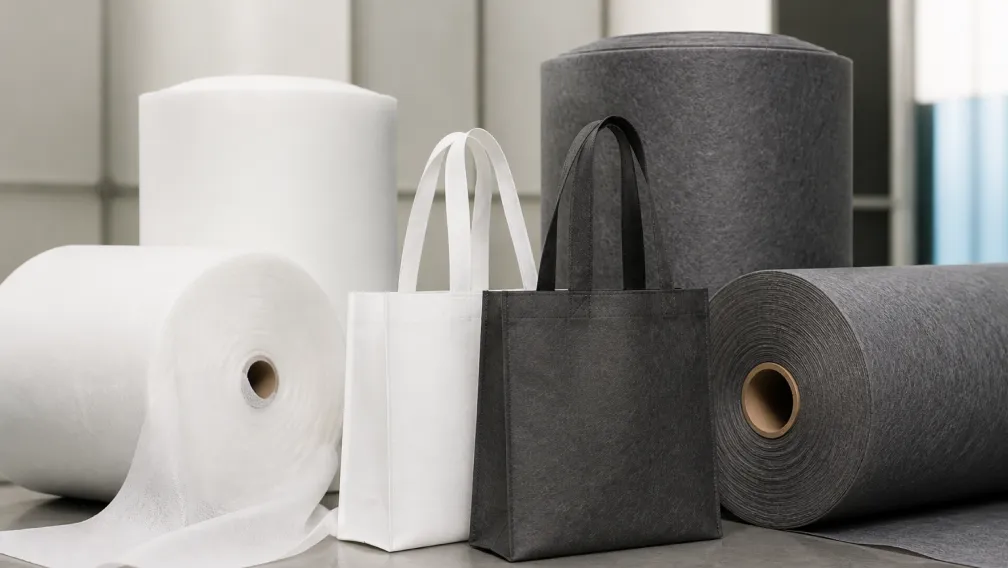
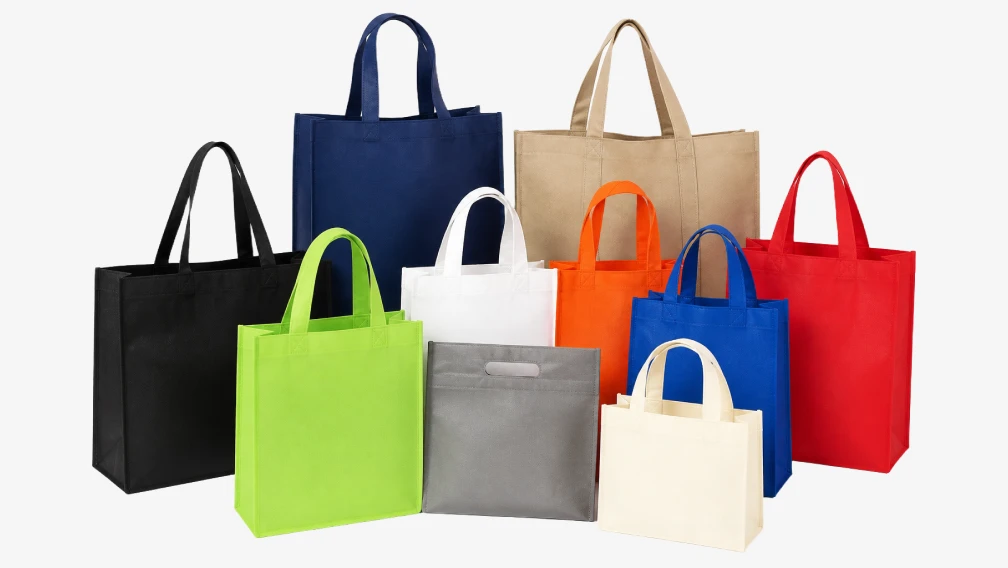
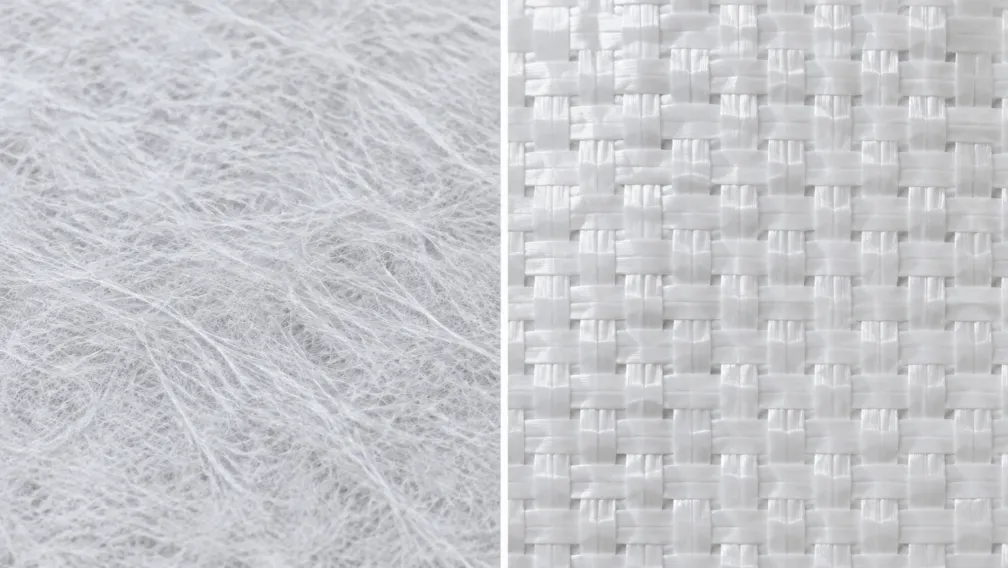
| Nonwoven Polypropylene (NWPP) | Lightweight, highly cost-effective, breathable matrix. Typically 80-120gsm. | Direct-to-consumer grocery delivery, promotional cold bags, short-term usage. |
| BOPP Laminated Nonwoven | Impermeable film laminated over NWPP. High water resistance and graphic fidelity. | Branded retail supermarket cooler bags, meal kit subscription logistics. |
| 600D / 1680D Oxford Polyester | High-denier woven textile with PVC/PU backing. Extreme tear and puncture resistance. | Heavy-duty commercial catering, daily multi-shift courier operations, motorcycle delivery boxes. |
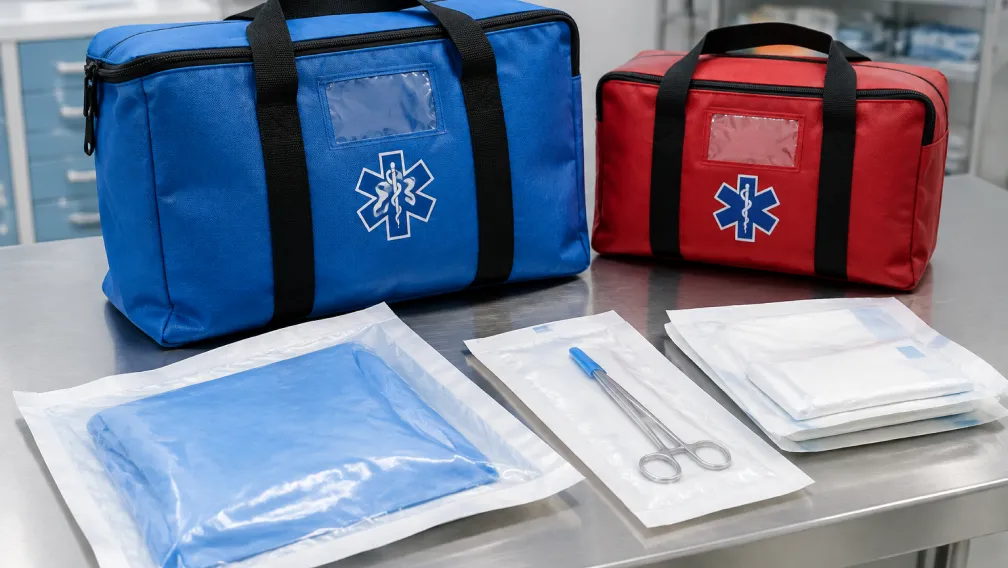
| PVC Tarpaulin | Smooth, rigid, completely waterproof polymer sheet. | Medical cold chain, extreme weather delivery, environments requiring heavy chemical sanitization. |
For high-frequency use cases, such as platform-based food couriers, 600D Oxford cloth with an internal PVC waterproof coating is the industry standard. It prevents external precipitation from saturating the EPE foam (which would instantly ruin its thermal resistance) while resisting the abrasive friction of motorcycle cargo racks and concrete floors.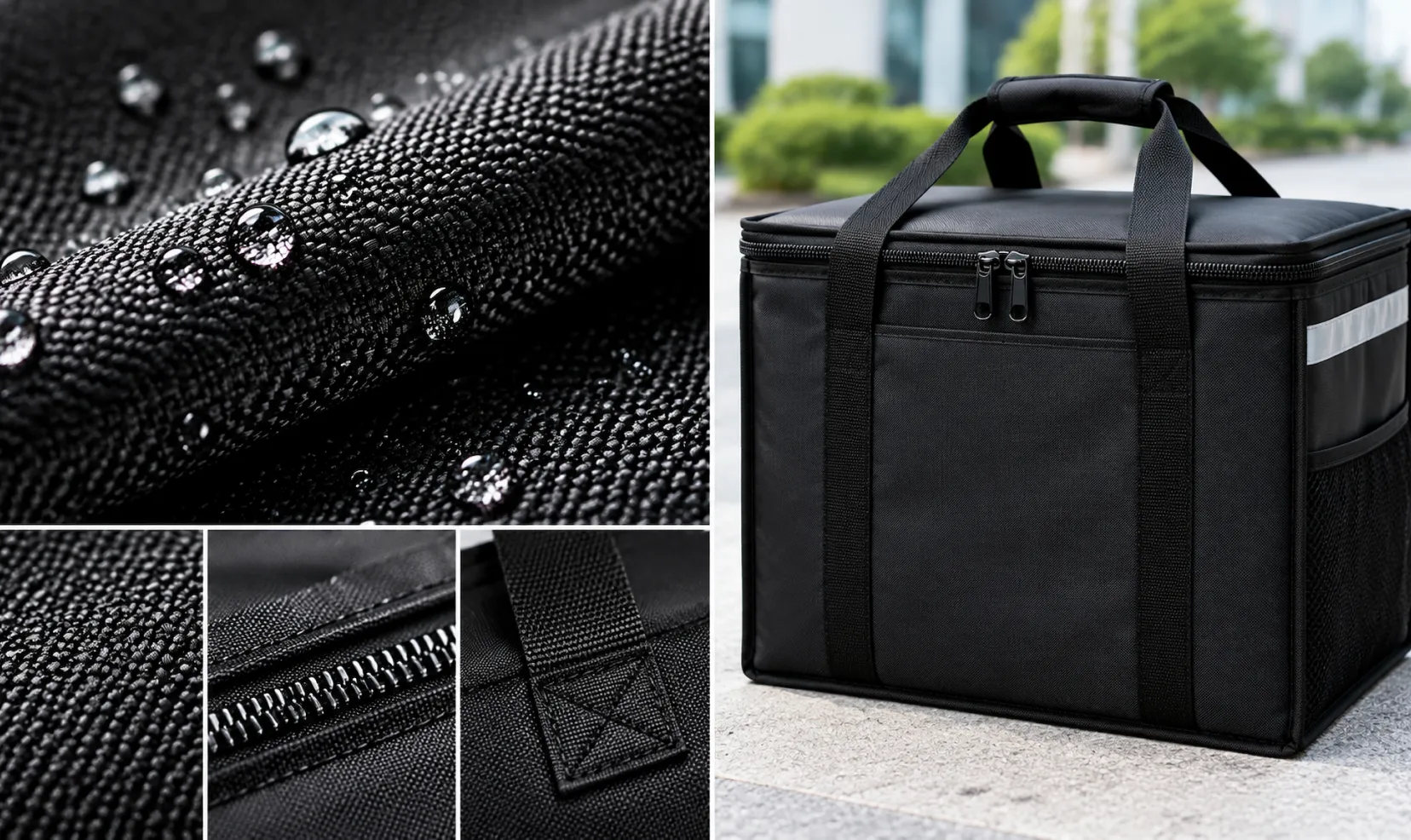
3. Internal Lining Engineering and Food Safety Compliance
The interior cavity of a thermal bag presents a high-risk environment for cross-contamination. Leaking fluids, condensation, and food debris trapped in seams create rapid bacterial growth zones. Consequently, the internal lining must be strictly non-porous and chemically inert.
While standard aluminum foil is highly effective for thermal reflection, it is prone to micro-tearing when subjected to the sharp edges of plastic food containers. High-grade commercial hot cold bags utilize Polyethylene Vinyl Acetate (PEVA) or reinforced Aluminum foil interwoven with fiberglass mesh. PEVA is a non-chlorinated vinyl that is highly elastic, FDA-compliant for direct food contact, and completely waterproof.
Furthermore, traditional needle-stitching on internal seams creates hundreds of microscopic perforations where liquids can bypass the liner and saturate the foam core. To resolve this, advanced manufacturing protocols replace bottom and side stitching with ultrasonic high-frequency welding. This thermal bonding process fuses the PEVA panels into a continuous, seamless waterproof tub, ensuring that any accidental spills remain entirely contained and can be rapidly sterilized between delivery shifts.
4. Hardware, Closure Systems, and Convective Sealing
Even the thickest EPE foam is rendered useless if the bag's closure system permits convective air leaks. The integration of high-grade hardware is critical to maintaining the internal micro-climate.
Zipper Architecture: Standard coil zippers allow significant heat loss through the interlocking teeth. Commercial delivery bags must feature heavy-duty #8 or #10 resin zippers, complemented by an internal insulated thermal baffle. This baffle is an overlapping flap of insulated foam positioned directly behind the zipper line, physically blocking ambient air intrusion and internal temperature escape.
Load-Bearing Strapping: Catering pans and bulk grocery orders exert massive shear force on the bag's handles. Handle webbing must be constructed from high-tensile spun polyester, wrapping completely underneath the base of the bag (a continuous loop design) rather than merely being stitched to the top edge. This architecture transfers the payload weight directly to the webbing, eliminating the risk of the exterior fabric tearing under heavy dynamic loads.
5. Volumetric Configuration and Payload Standardization
Procurement teams must specify internal dimensions that correspond precisely to the industry-standard containers utilized by their operations. Unused internal airspace accelerates thermal loss; a half-empty bag cools significantly faster than a fully packed one due to the volume of ambient air that must be conditioned.
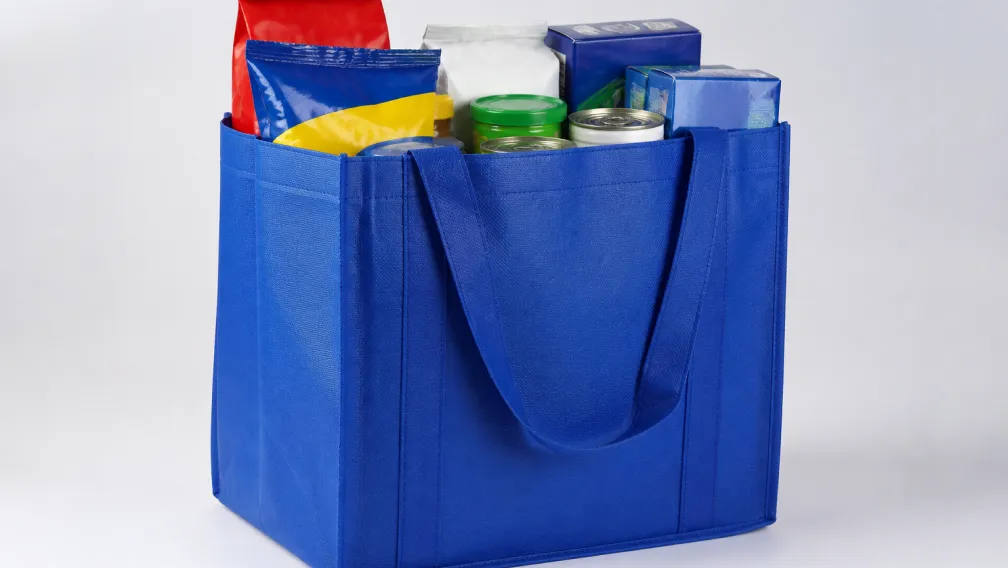
For catering operations, the internal dimensions must flawlessly accommodate standard Gastronorm (GN) pans or full-size aluminum chafing dishes without stretching the seams. For grocery applications, insulated shopping bags are typically configured with reinforced, rigid PE board inserts in the base. This provides a stable, flat floor that prevents delicate items (like berries or eggs) from being crushed when the bag is lifted by the handles.
6. Logistics Optimization: Active Cooling and Route Times
Thermal packaging operates primarily as a passive system; it extends the time required for the payload to reach ambient equilibrium. To optimize delivery radiuses, logistics managers often integrate active phase-change materials (PCMs), such as commercial gel ice packs or dry ice, into the transport process.
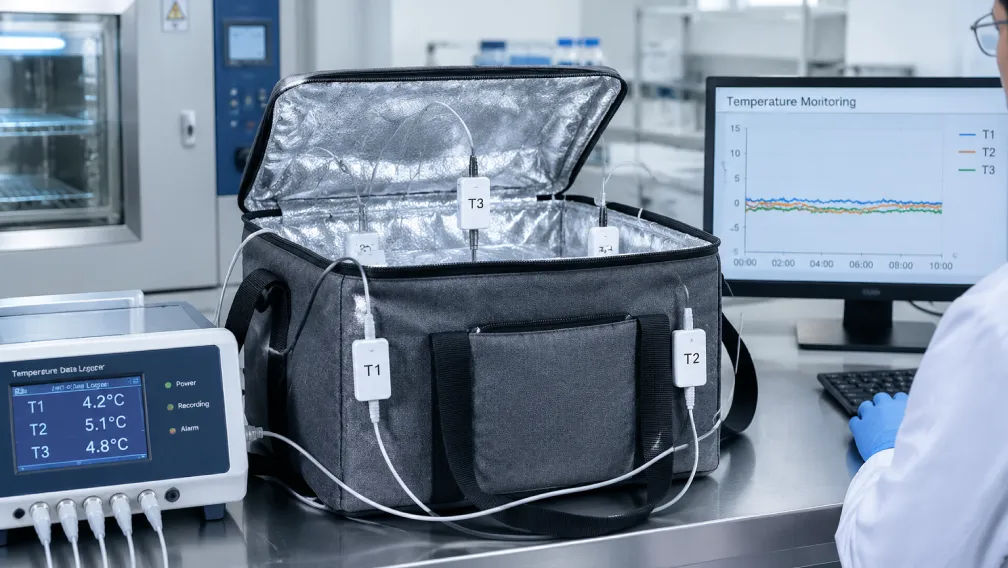
Engineered thermal bags designed for extended cold chain logistics include dedicated internal mesh pockets positioned at the top of the bag. Because cold air is denser than warm air and descends naturally, placing PCMs in the ceiling cavity initiates an internal convection loop, ensuring uniform cooling across the entire payload. Testing protocols indicate that a bag equipped with 8mm EPE foam, a seamless PEVA lining, and a top-mounted 500g PCM can maintain sub-4°C temperatures for over 6 hours in a 25°C ambient environment, exceeding the stringent requirements of local health department transport regulations.
Conclusion
Deploying a successful commercial thermal packaging program is not a matter of purchasing basic cooler bags; it requires a systematic approach to thermodynamic engineering, material science, and operational logistics. By matching the appropriate insulation density (EPE), structural exterior (Oxford or NWPP), and seamless hygiene lining (PEVA) to the specific demands of the delivery route, B2B enterprises can eliminate thermal degradation, ensure regulatory compliance, and protect brand integrity during the critical last mile. Contact our manufacturing engineering team to analyze your specific payload requirements and develop a customized, heavily insulated logistics solution.