B2B Procurement Specifications for Thermal Grocery Packaging
Thermodynamics of Retail Cold Chain Maintenance
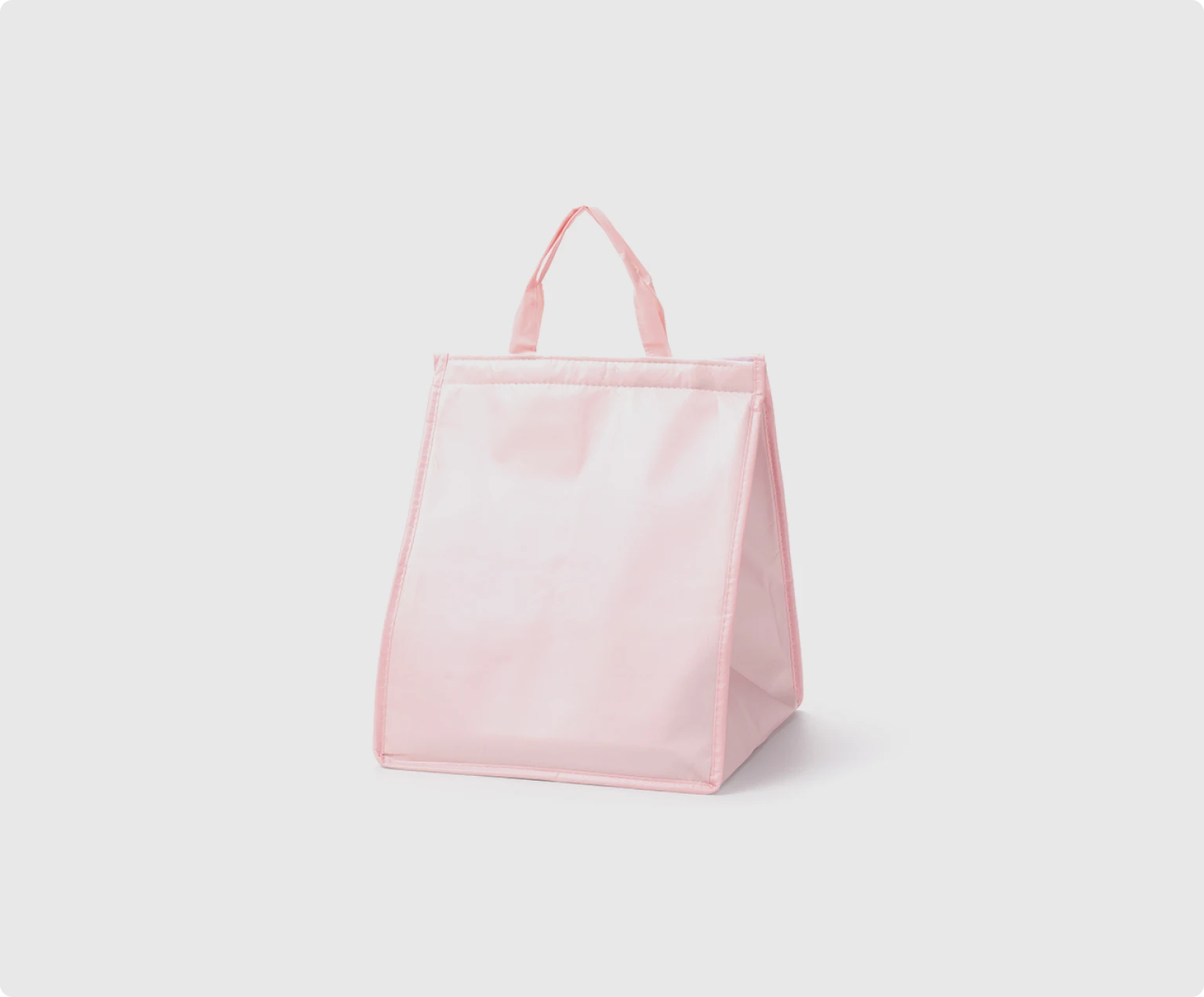
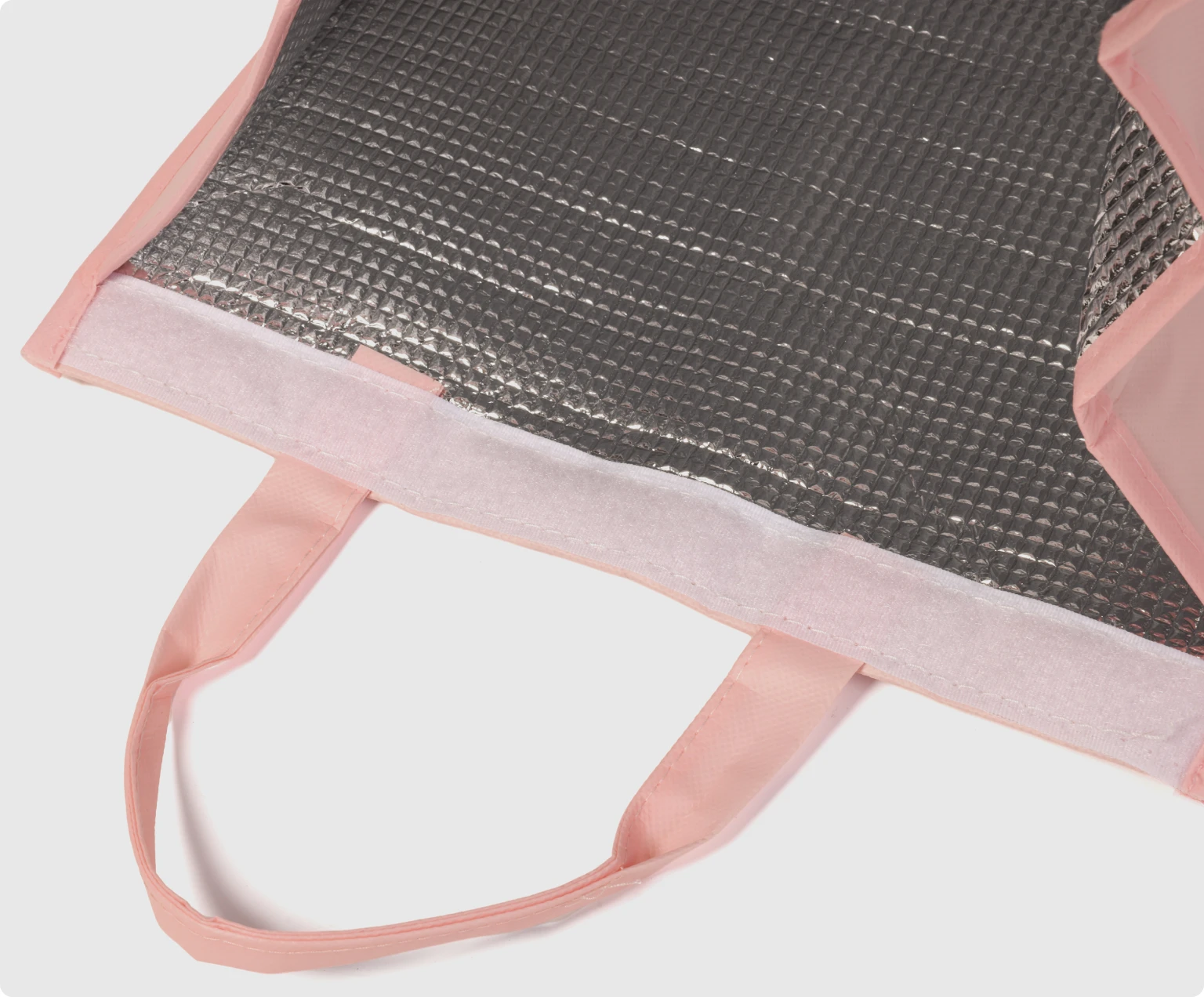
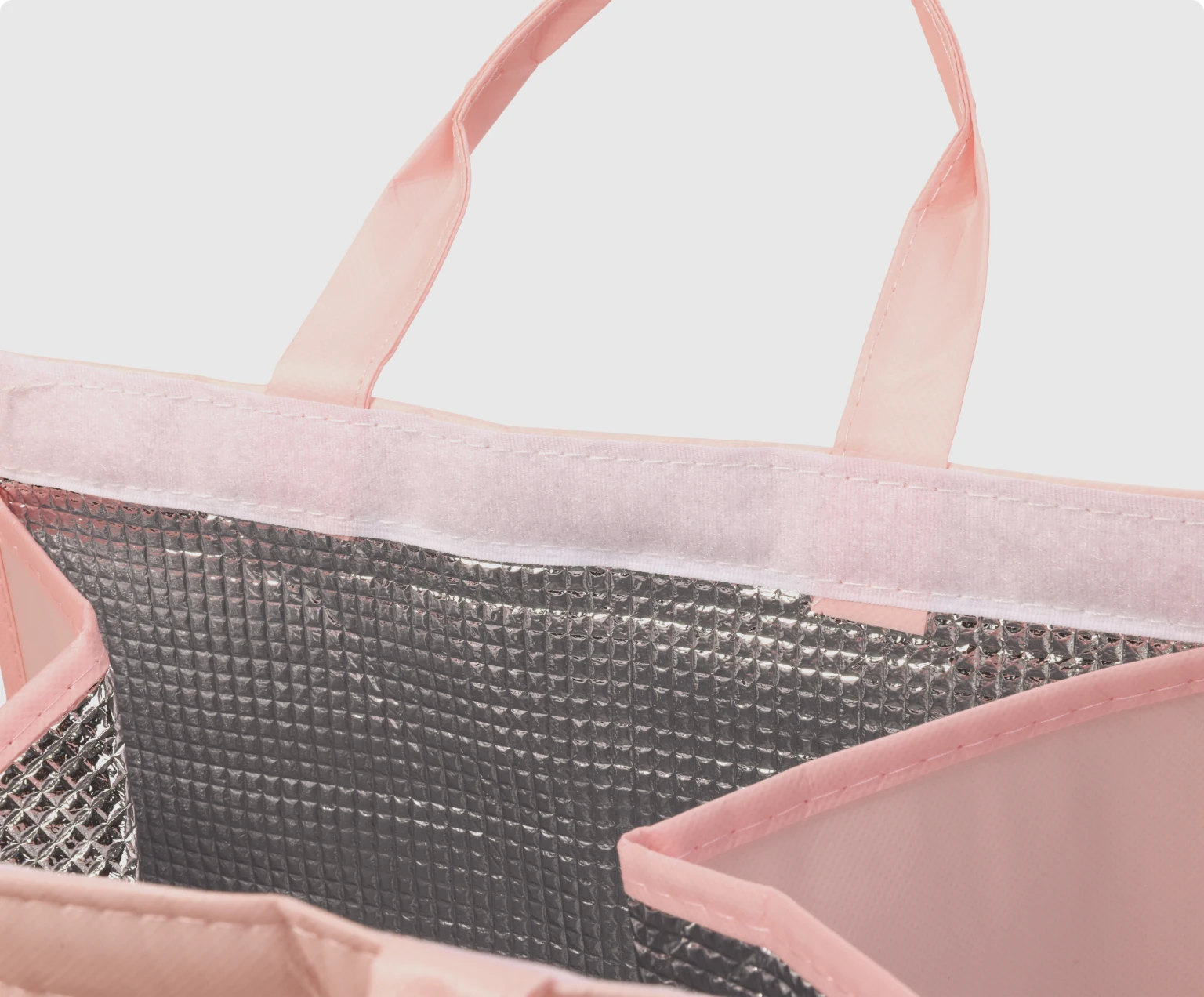
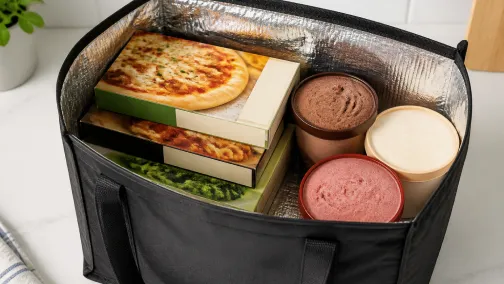
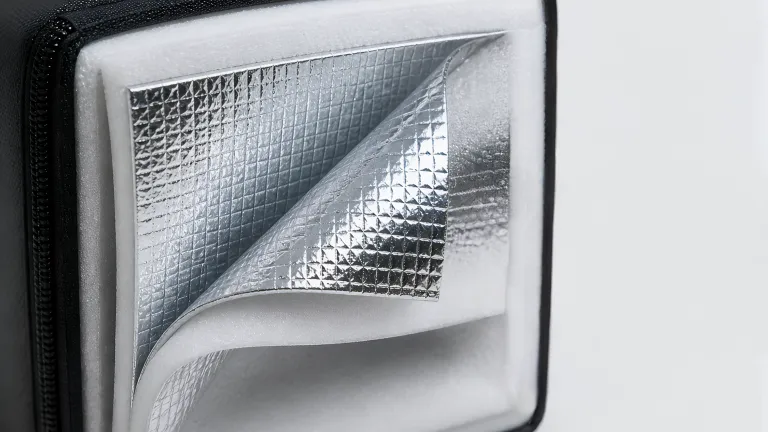
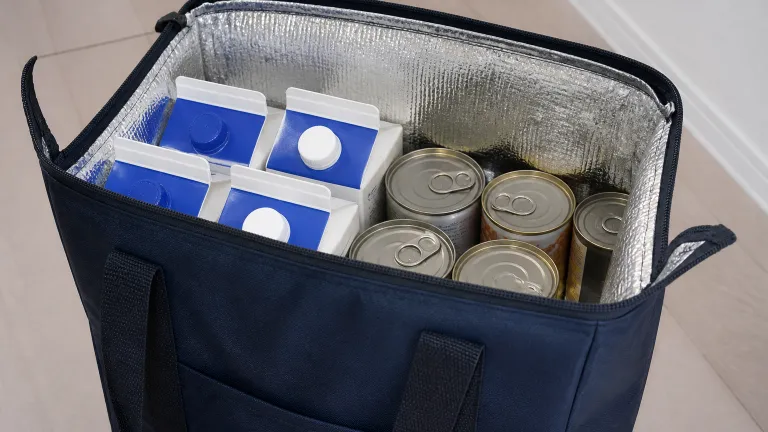
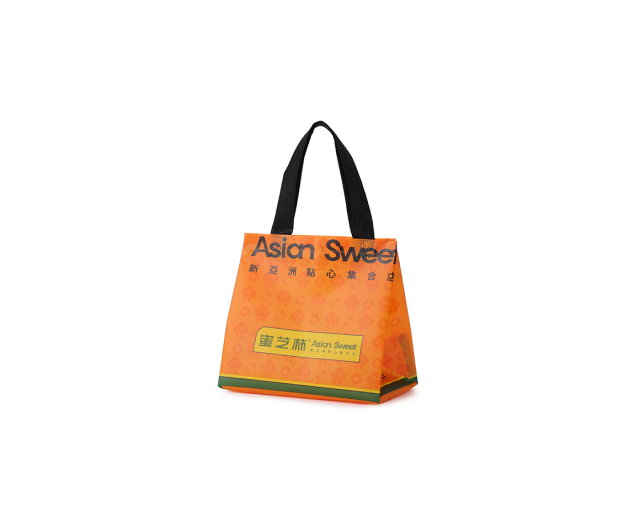
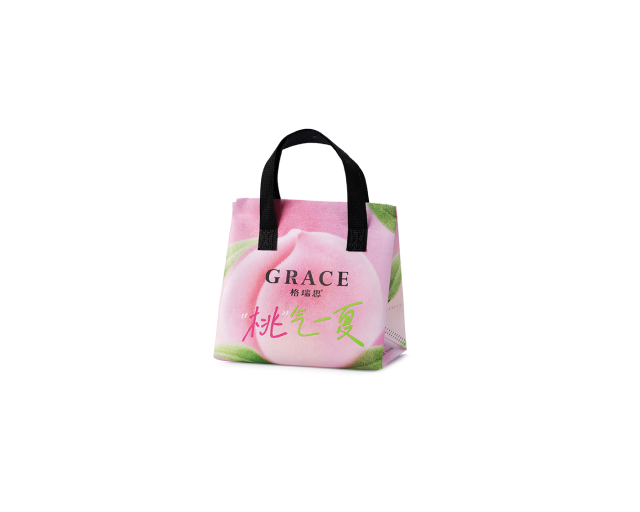
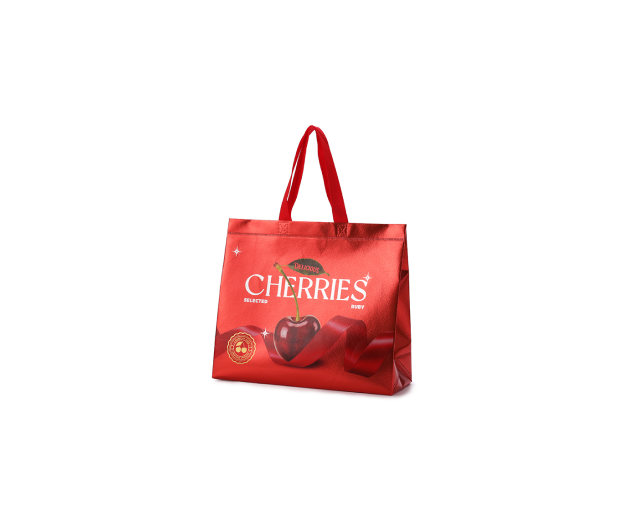
The final segment of the grocery supply chain leaves temperature-sensitive goods highly vulnerable.[cite: 15] Passive temperature control relies on specific material architectures to restrict heat flow.[cite: 15] By combining reflective aluminum foil with closed-cell EPE foam, insulated shopping bags effectively manage both convection and conduction.[cite: 15] This synergy allows retailers to ensure frozen and chilled payloads remain within strict temperature thresholds during consumer transit.[cite: 15]
Transitioning to Reusable Packaging Logistics
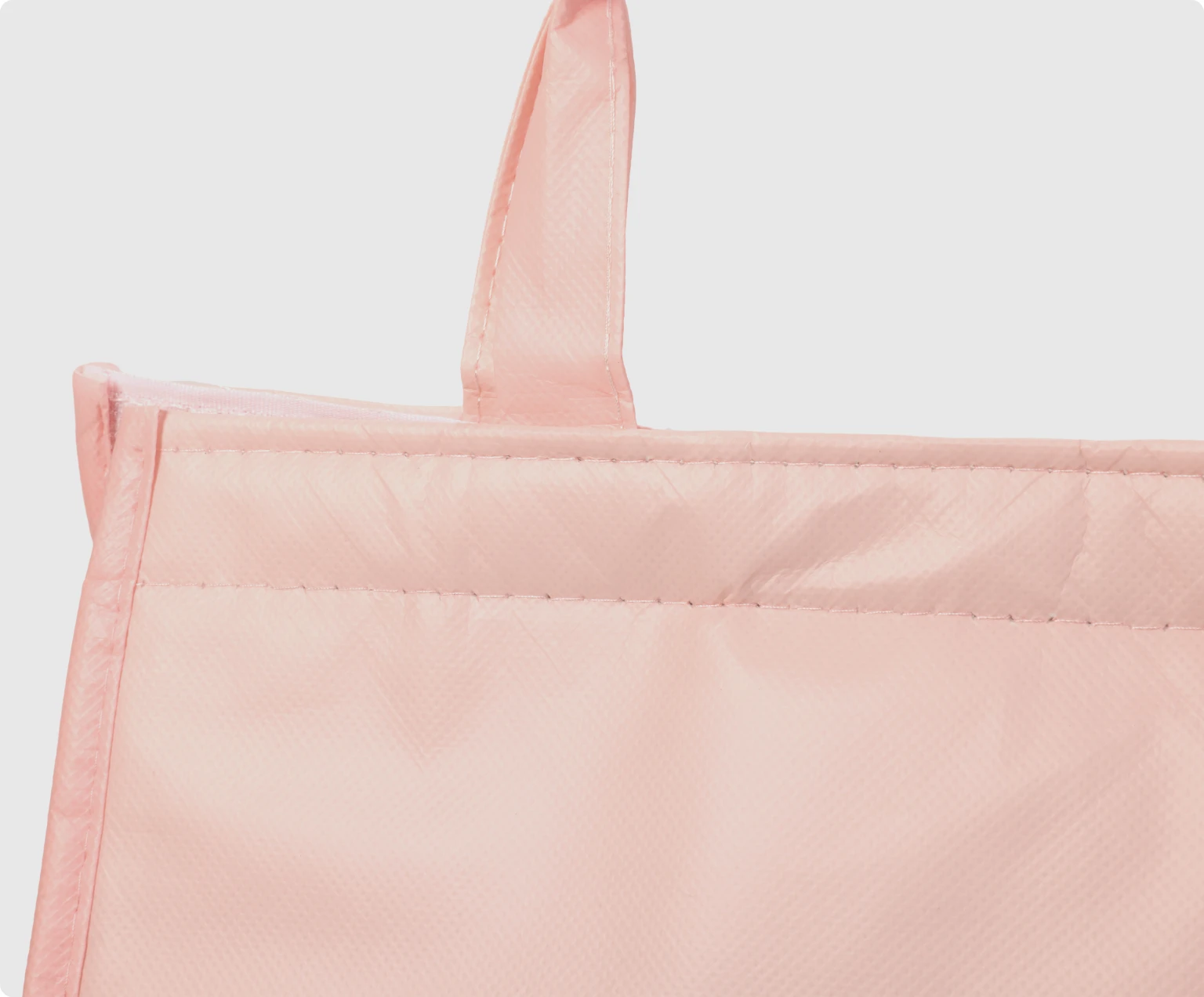
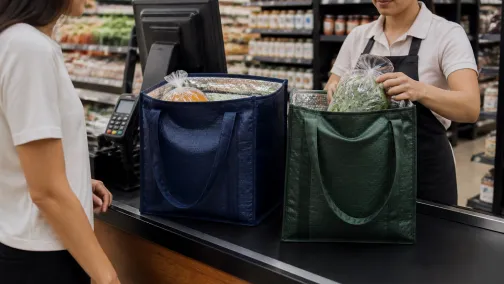
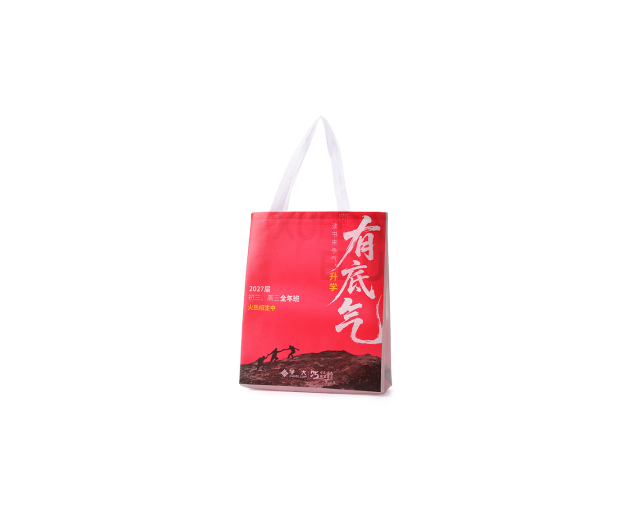
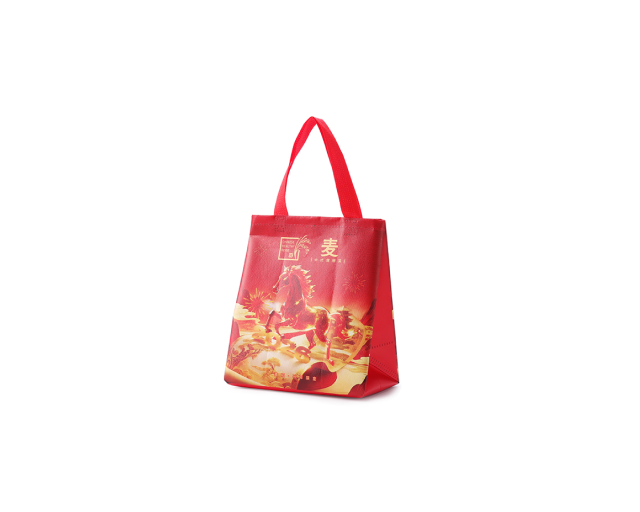
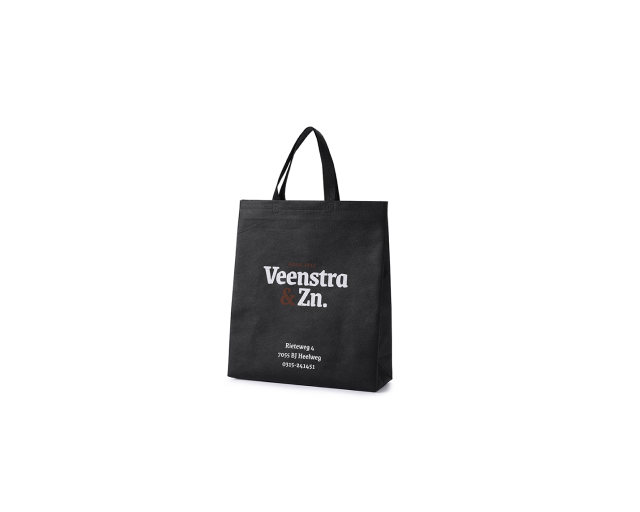
Escalating regulatory restrictions on single-use plastics require supermarkets to adopt durable packaging strategies.[cite: 15] Fabric-based thermal packaging provides a multi-use alternative that complies with municipal mandates.[cite: 15] Because the PP nonwoven core and BOPP exterior resist mechanical wear, these bags endure hundreds of operational cycles.[cite: 15] This continuous reuse amortizes the initial procurement cost and drastically reduces landfill waste generated by retail operations.[cite: 15]
Volumetric Storage Efficiency
Supermarkets and third-party logistics (3PL) providers must calculate the physical space occupied by packaging inventory.[cite: 15] Rigid thermal coolers occupy maximum cubic volume regardless of their current utility.[cite: 15] Conversely, soft-sided thermal bags feature collapsible geometries.[cite: 15] This flexibility allows thousands of units to be folded flat and stored on a single pallet or beneath a checkout counter, optimizing retail floor space and lowering inbound freight costs.[cite: 15] Contact our manufacturing team for specific dimensional prototyping.[cite: 10, 15]