
Introduction: The Economics and Compliance of Retail Packaging Transitions
For large-scale retail operations, supermarket chains, and global apparel brands, the transition away from single-use plastic carrier bags is no longer driven solely by corporate sustainability initiatives. It is a strict regulatory mandate across numerous global jurisdictions and a complex economic challenge. Replacing high-density polyethylene (HDPE) film bags with viable alternatives forces procurement teams to confront the realities of unit costs, dimensional freight weights, and structural durability. Transitioning to heavy kraft paper is a common reflex, but paper introduces severe inbound freight inefficiencies, low moisture resistance, and a highly fragile handle structure under heavy payloads. The engineered solution for sustained retail operations is the implementation of structured, multi-use tote programs utilizing nonwoven polymers, recycled PET, or natural fibers. This specification guide outlines the material architecture, structural engineering, and operational logistics required to deploy a successful reusable packaging solution at the enterprise level.
1. Analyzing the Baseline: The True Cost of Paper and Single-Use Plastic
Before specifying a reusable program, procurement must quantify the hidden costs of the default alternatives. Single-use plastic films face escalating taxation and outright bans. Furthermore, thin PE films generate static dust attraction and are susceptible to phenolic yellowing when stored in proximity to certain textiles, making them sub-optimal for long-term apparel protection. Kraft paper bags, while legally compliant in most regions, present a different logistical failure mode: volumetric inefficiency. Paper bags retain significant thickness even when stored flat. A standard pallet might hold 30,000 single-use plastic bags, but only 3,000 paper bags. This discrepancy results in a massive increase in inbound freight costs, warehouse footprint requirements, and retail floor replenishment frequency. Reusable fabric programs solve both the compliance issue of plastic and the volumetric penalty of paper, compressing tightly for transport while delivering high mechanical strength at the point of sale.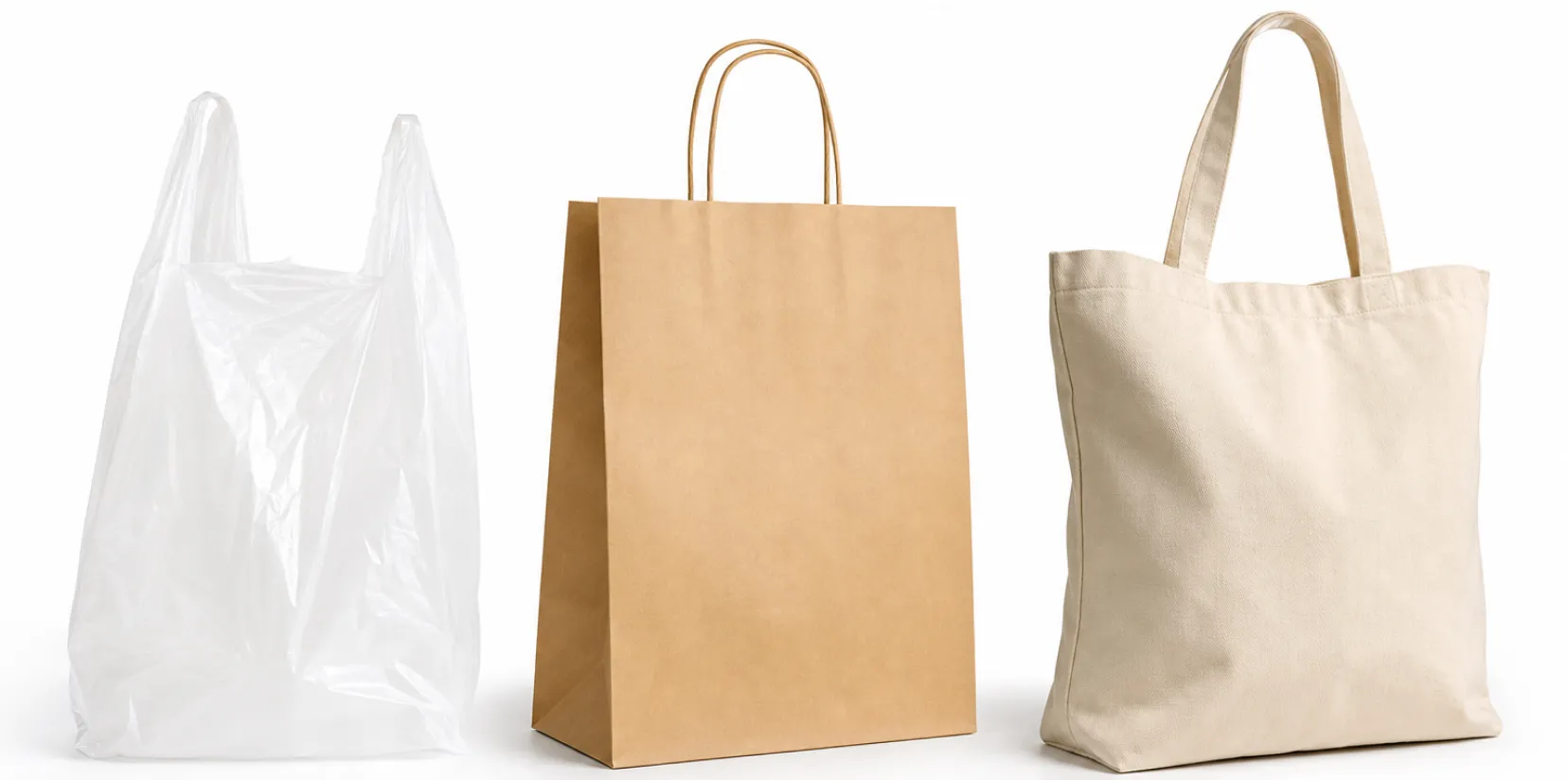
2. Material Architectures for Reusable Retail Solutions
The foundation of any reusable bag program is the base substrate. The selection dictates the bag's load capacity, print compatibility, and unit economics. The primary commercial materials include:
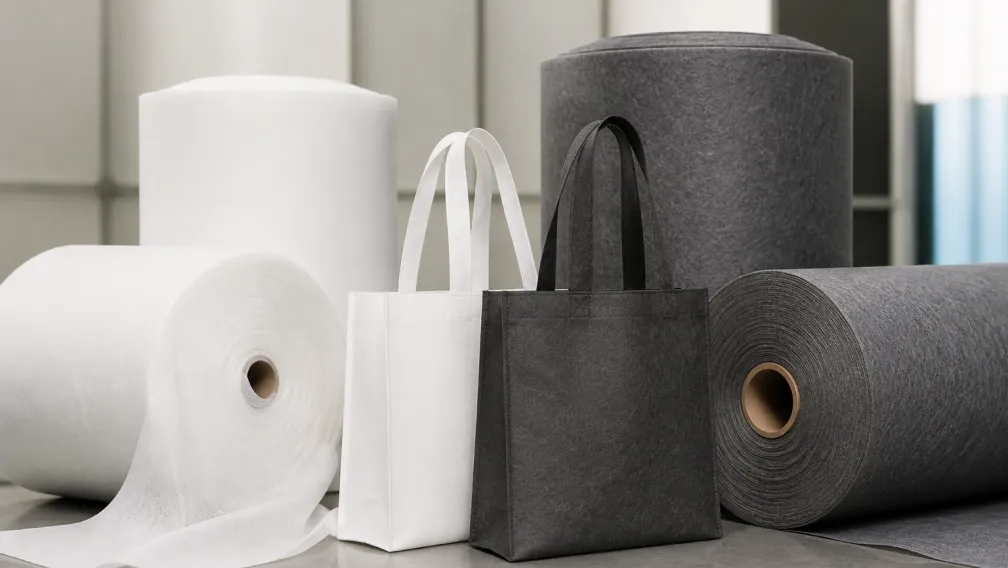
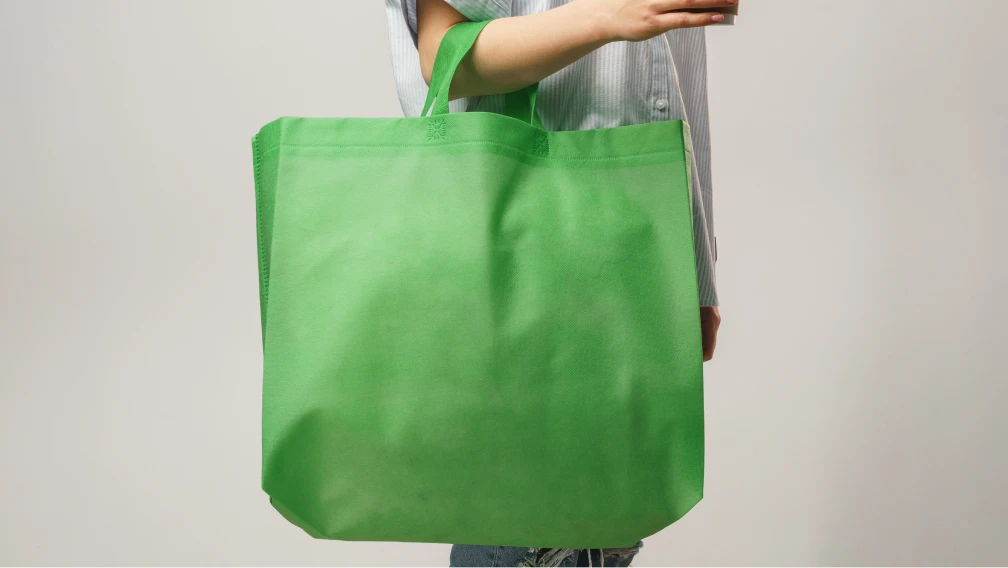
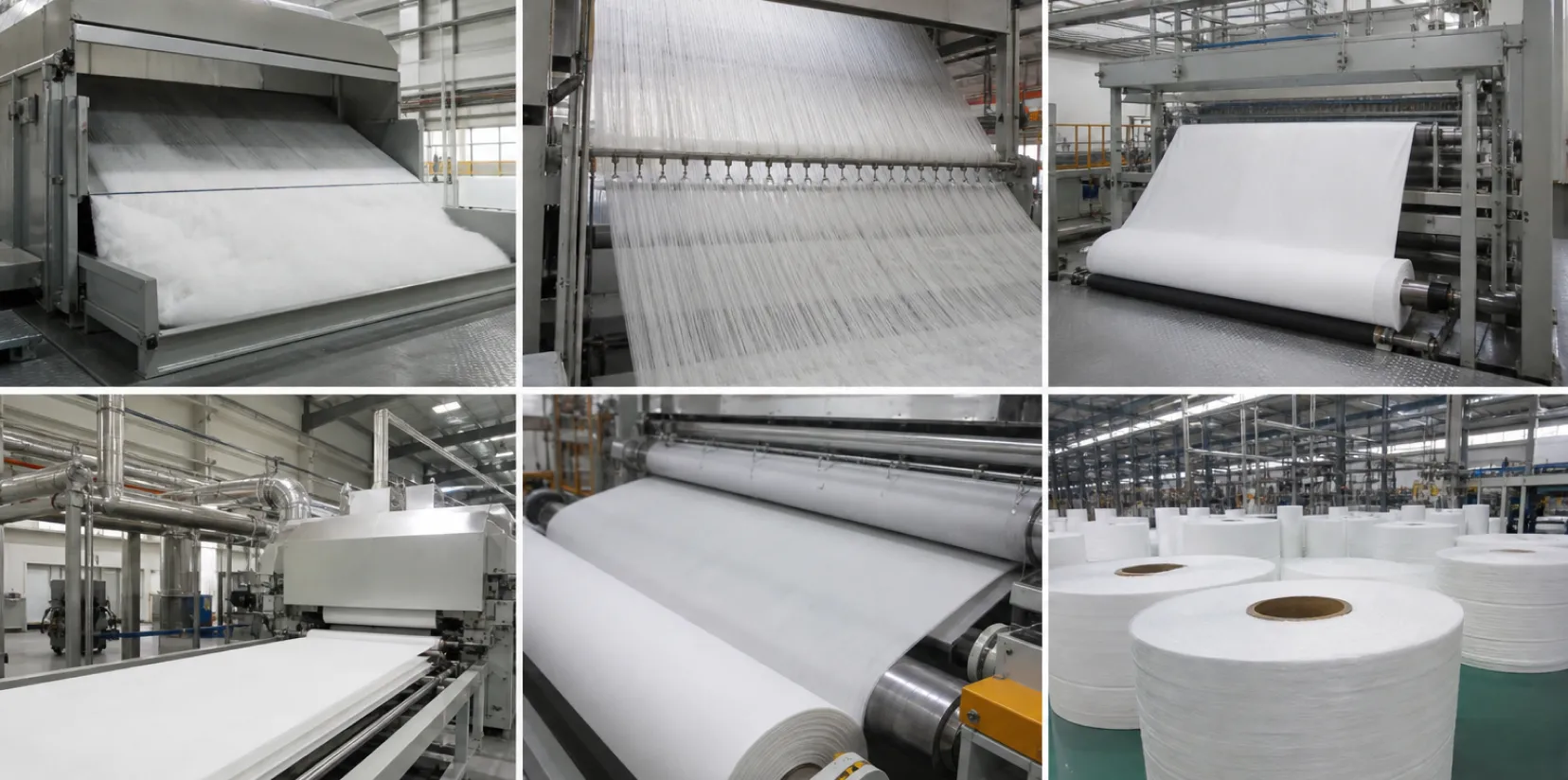
- Nonwoven Polypropylene (NWPP): The global workhorse of reusable retail packaging. Manufactured via a spunbond extrusion process, NWPP fibers are bonded thermally rather than woven. Ranging from 80gsm to 120gsm, this material offers high tensile strength at an aggressive price point. It is highly porous, making it breathable, and accepts screen printing cleanly.
- RPET (Recycled Polyethylene Terephthalate): Woven from yarn extruded from post-consumer plastic waste, primarily reclaimed water bottles. RPET typically mimics the texture and durability of 420D or 600D polyester. Specifying RPET provides retail brands with verifiable closed-loop supply chain data to satisfy stringent ESG reporting requirements.
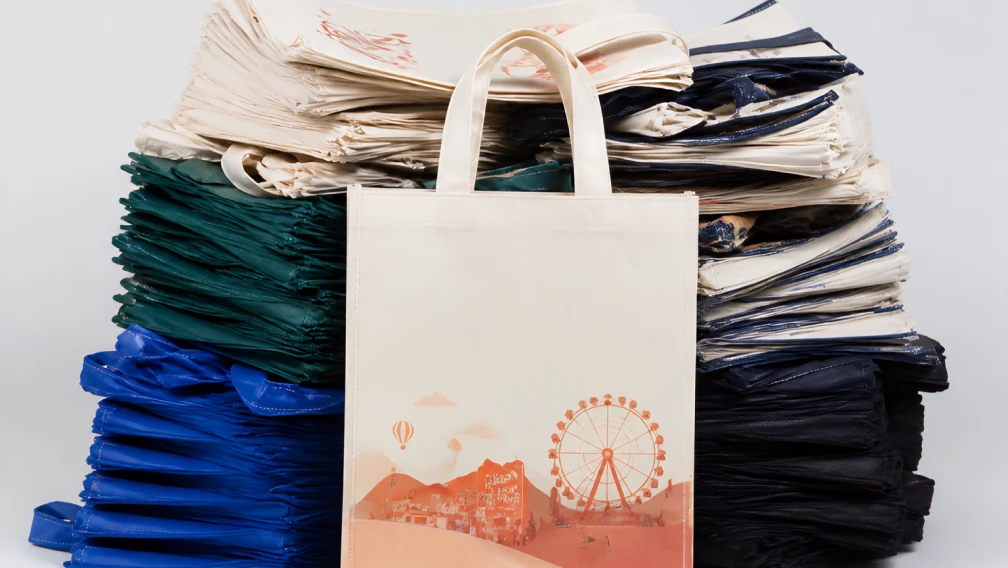
- BOPP Laminated NWPP: Biaxially Oriented Polypropylene (BOPP) is a thin, impermeable film laminated to a nonwoven base. This hybrid material combines the low cost of NWPP with the waterproof, wipeable exterior of a solid film. More importantly, the BOPP film allows for high-resolution, full-color gravure printing, achieving photographic quality impossible on raw nonwoven fabrics.
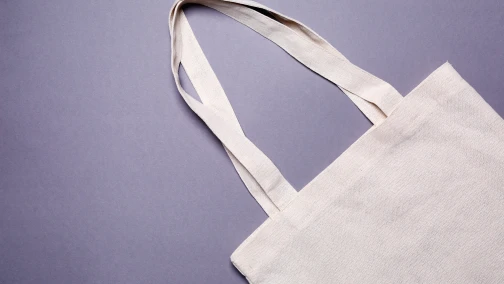
- Cotton and Canvas: Measured in ounces per square yard (typically 4oz to 12oz). Cotton provides a premium tactile experience and multi-year durability. It is the standard for high-end boutique retail and promotional merchandise, though it carries a higher unit cost and a larger initial agricultural carbon footprint.
3. Engineering the Reusable Tote: Structural Specifications
A reusable bag must survive dozens of trips to justify its initial cost and carbon footprint. Premature failure usually occurs at the handle attachment points or the bottom seams. Engineered specifications must address these stress nodes directly.
| Component | Economy Specification | Heavy-Duty Specification (10kg+ Load) |
|---|---|---|
| Handle Material | Self-material (cut from the same NWPP roll) | Spun-polyester webbing (high tensile rigidity) |
| Handle Attachment | Ultrasonic welding or single-line stitching | X-box cross-stitching with heavy-duty nylon thread |
| Seam Construction | Ultrasonic welded edges | Overlocked interior seams with folded piping |
| Bottom Structure | Flat bottom (no gusset) | Full base gusset with rigid internal PE board insert |
For supermarket chains moving heavy canned goods and liquids, the heavy-duty specification is mandatory. If a standard sonic-welded handle fails in the parking lot during a customer's first use, the bag fails its sustainability objective and damages brand perception. We subject all heavy-duty custom nonwoven bags to dynamic drop testing, loading the prototype with a 15kg steel payload and initiating sharp kinetic vertical drops to verify X-box stitch integrity.
4. Gusset Logic and Volumetric Capacity
The physical dimensions of the tote must be reverse-engineered from the specific items the retailer sells. An oversized bag wastes material and feels flimsy when under-filled; an undersized bag slows down the checkout line. Gusset design is the critical variable:
- No Gusset (Flat Tote): Ideal for trade shows, document carrying, or single-item apparel purchases. Highly cost-effective but offers zero volumetric depth.
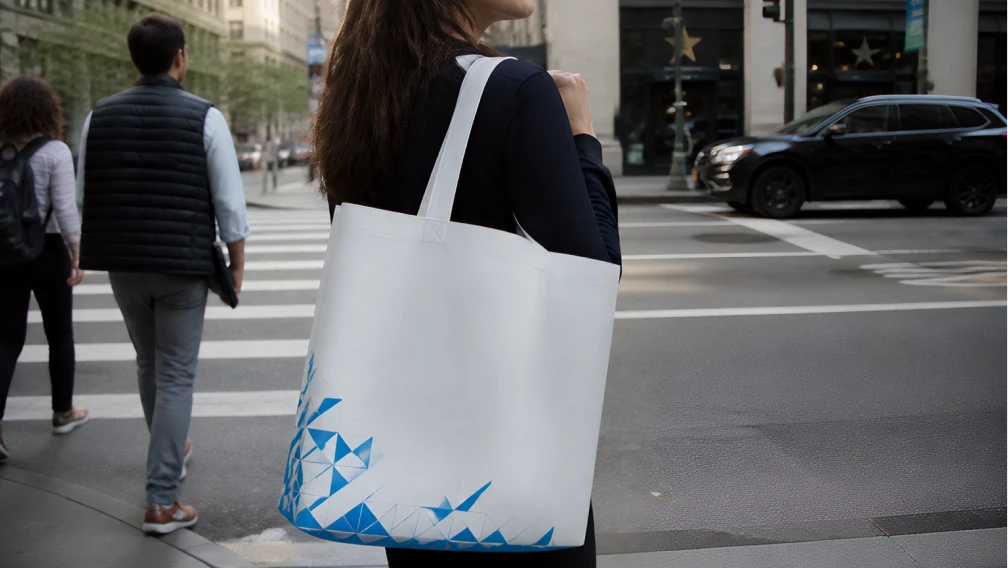
- Bottom Gusset Only: Creates a "V" shape when filled. Used frequently in apparel and footwear retail. It provides enough volume for shoeboxes or folded sweaters while maintaining a sleek, premium vertical profile against the carrier's body.
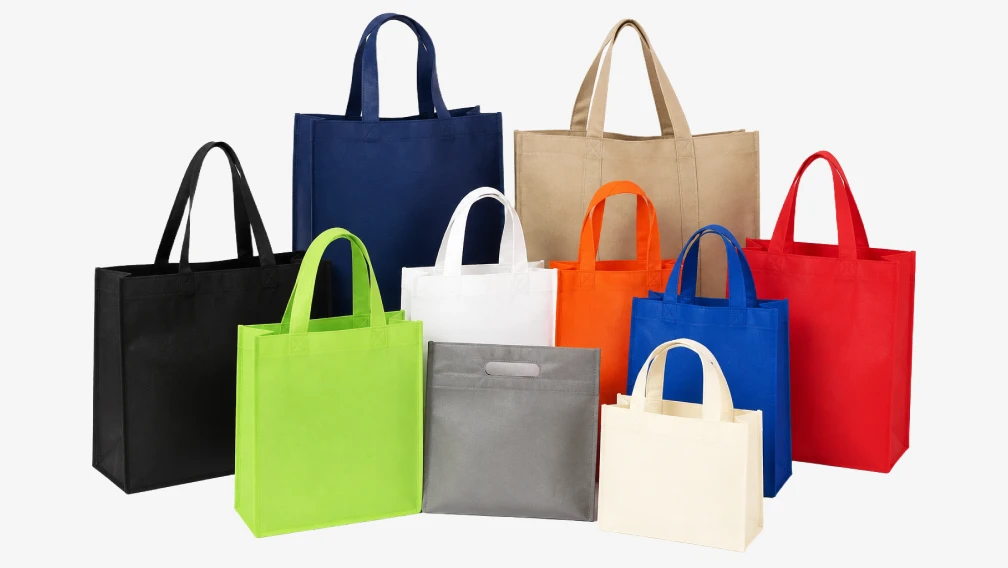
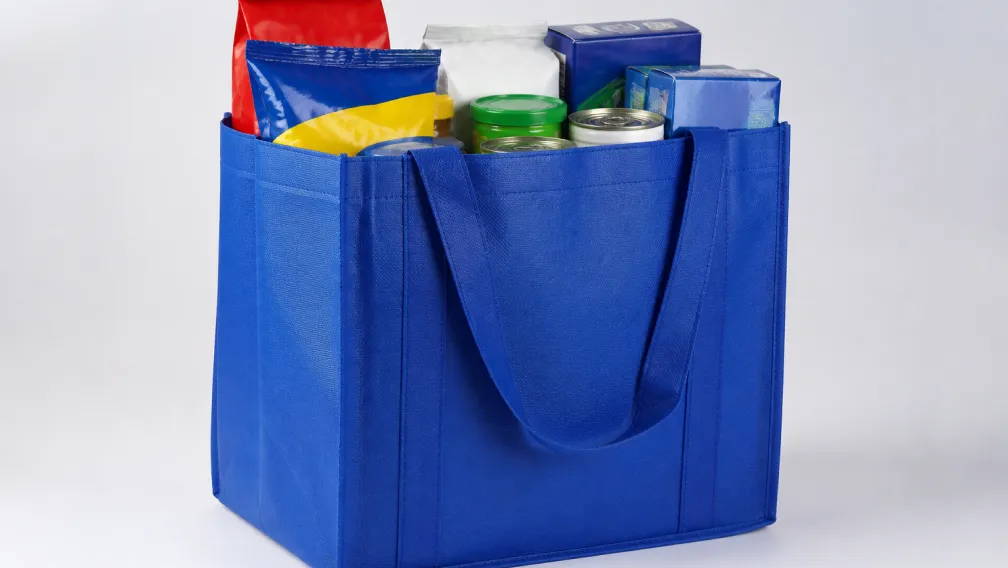
- Full Side and Bottom Gusset: The standard supermarket configuration (typically 8 to 10 inches wide). This creates a block-shaped interior cavity that allows rigid items like milk cartons, frozen pizzas, and meat trays to stack flat without crushing the goods below them.
5. Printing Technologies and Brand Application
Reusable bags circulate in the public sphere for months, functioning as mobile billboards. The chosen print technology must align with the material substrate and the brand's visual identity.
For solid, spot-color logos (1 to 4 colors), standard silk-screen printing on raw NWPP or cotton is the most cost-effective solution, yielding sharp, opaque graphics. For complex gradients, shading, or full-surface photographic designs, buyers must specify BOPP lamination utilizing rotogravure printing. Gravure printing uses etched copper cylinders to apply CMYK inks to the BOPP film before it is bonded to the fabric. This process requires significant initial setup costs (cylinder fees) but results in completely waterproof, high-fidelity printed nonwoven bags that dominate the modern grocery sector.
6. Operational Logistics: Freight, Storage, and Fulfillment
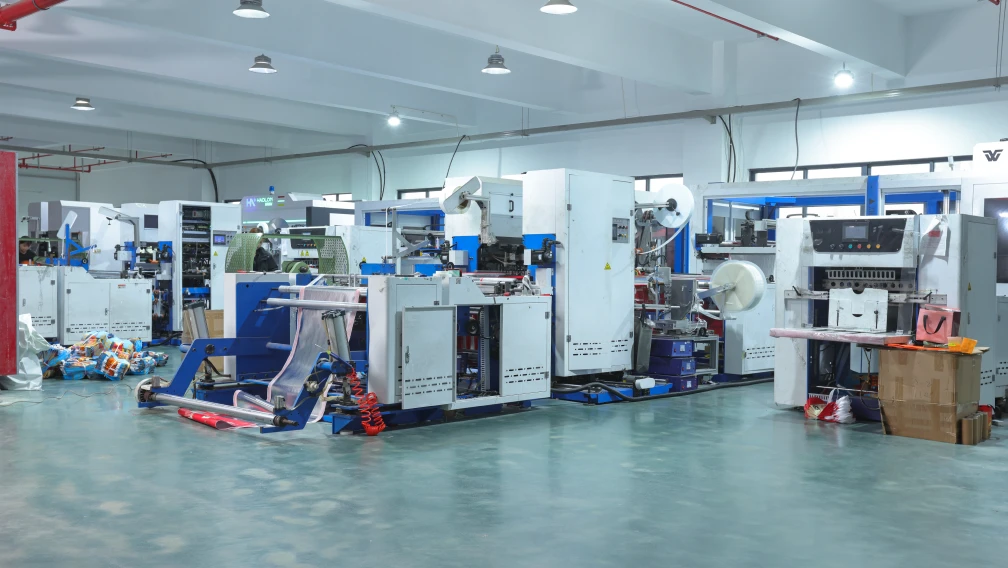
B2B procurement extends beyond the unit cost of the product; it encompasses the logistics of moving millions of units through a distribution network. Nonwoven and RPET bags compress highly efficiently. When packed in standard export cartons, a standard 40-foot High Cube (40HQ) shipping container can hold upwards of 400,000 to 500,000 standard 80gsm NWPP bags. This high packing density drastically reduces the landed cost per unit.
Retailers must also consider the point of sale. Reusable bags require standardized folding configurations within the carton (e.g., stacked in bundles of 50) to allow cashiers to rapidly extract a single bag without disrupting the checkout flow. We engineer carton dimensions to match the retailer's specific under-counter storage space.
7. Executing the Transition: A B2B Procurement Framework
Implementing a corporate reusable packaging solution requires a sequential verification process prior to mass production:
- Needs Assessment: Define the primary payload weight, the required volumetric dimensions, and the target unit cost.
- Material and Art Verification: Select the substrate (NWPP, RPET, Cotton) and verify print capabilities against the corporate style guide.
- Prototype Sampling: A physical sample is manufactured and shipped to the procurement team. The team must verify handle placement, gusset expansion, and barcode scannability (if printed on the bag for retail sale).
- Stress Testing: The sample undergoes standardized dynamic load testing simulating real-world kinetic stress.
- Production and QC: Mass production commences, governed by strict AQL (Acceptable Quality Limit) inspections focusing on stitch density, fabric weight (GSM) verification, and ink adhesion testing.
Conclusion
Transitioning from single-use plastics or bulky paper to a reusable packaging program is an engineering and logistics exercise. Success depends on aligning the base material with the required durability, engineering the handle attachments for the designated payload, and optimizing the gusset dimensions for checkout efficiency. Whether a retail chain requires ultra-low-cost spunbond NWPP totes for high-volume grocery distribution or premium woven cotton for boutique apparel, defining the structural specifications upfront prevents field failures and maximizes return on investment. Contact our team to submit your payload requirements and receive a structured packaging solution tailored to your operational network.