Search

Enter keywords to search for products, blog posts, and more.


Home > Non Woven Filter Fabric

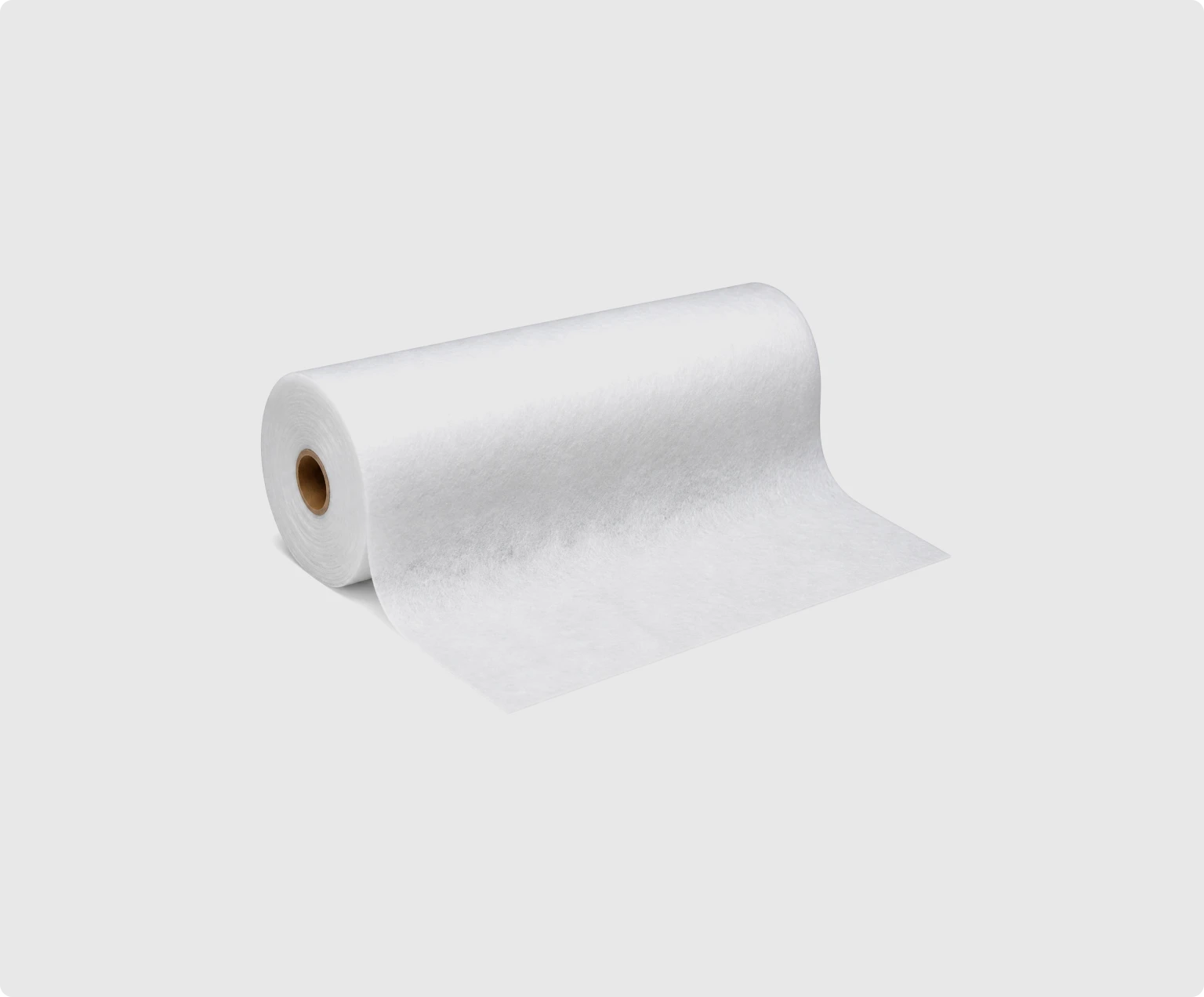
Non Woven Filter Fabric

Non Woven Filter Fabric

Industrial-grade spunbond polypropylene filter fabric engineered for precise particulate retention, high volumetric flow rates, and minimal hydrostatic pressure drop in automated converting applications.

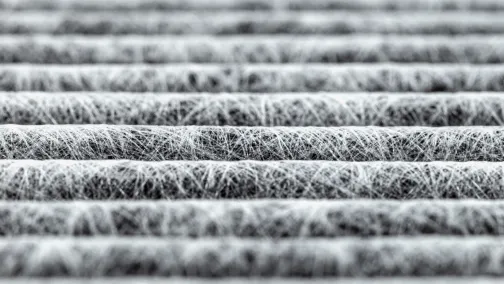
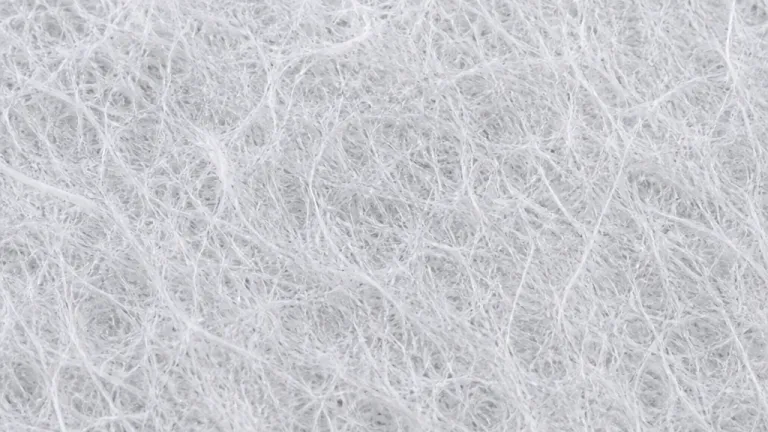
A non woven filter fabric functions as a critical synthetic barrier utilized in commercial air, liquid, and coolant filtration systems[cite: 1, 19]. Manufactured from 100% virgin polypropylene (PP) via advanced spunbond technology, the resulting textile features a dense, randomly intersecting fiber matrix[cite: 19]. This architecture excels in depth filtration, capturing particulate matter throughout the fabric's cross-section rather than blinding solely at the surface layer[cite: 19].

What defines commercial non woven filter fabric? It is an inert, binder-free filtration medium designed to maximize fluid or air transmission while maintaining strict micron retention targets[cite: 19]. Unlike woven meshes which offer only surface filtration, the tortuous path of a spunbond nonwoven extends the operational lifecycle of HVAC filters and gravity bed coolants by holding significantly more particulate mass before pressure drop thresholds are reached[cite: 19].

  • 100% virgin PP substrate providing extreme resistance to industrial solvents and alkalis[cite: 19].
  • Tortuous path depth filtration maximizing particulate holding capacity[cite: 19].
  • High MD/CD tensile strength preventing media rupture under aerodynamic pressure[cite: 19].
  • Grammage optimized from 15 GSM (medical) to 100 GSM (heavy dust collection)[cite: 19].
  • Hydrophilic or hydrophobic surface treatments tailored to the transmission medium[cite: 19].
  • Precision slit rolls up to 2.4m accommodating automated high-speed pleating machinery[cite: 19].
  • Binder-free thermal bonding ensuring zero chemical leaching into filtered liquids[cite: 19].

Spunbond Filtration Specifications

ParameterSpecification
Substrate Material100% Virgin Polypropylene (PP)[cite: 1, 19]
Manufacturing ProcessSpunbond thermal bonding (no chemical binders)[cite: 19]
Filtration MechanismTortuous path depth filtration (Air and Liquid)[cite: 19]
Fabric Grammage15 GSM to 100 GSM, scalable for specific micron retention[cite: 19]
Chemical ResistanceInert to industrial acids, alkalis, and synthetic coolants[cite: 19]
Mechanical PropertiesHigh MD/CD tensile strength supporting high-speed automated pleating[cite: 19]
Chemical TreatmentsHydrophilic (liquid passage) or hydrophobic (air passage) modifiers[cite: 1, 19]
Dimensional ProfilesCustom precision slit rolls from 0.2m to 2.4m widths[cite: 1, 19]
Primary B2B ApplicationsHVAC air media, coolant filtration, dust collection, medical PPE[cite: 19]


Commercial Filtration Applications

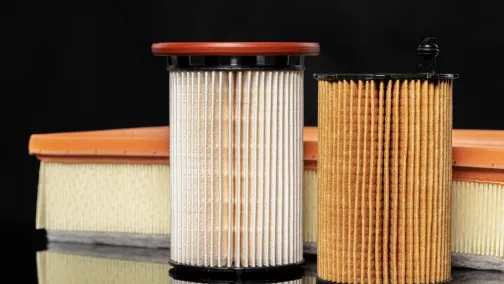
HVAC & Air Filtration Media

Industrial Coolant & Liquid Filtration

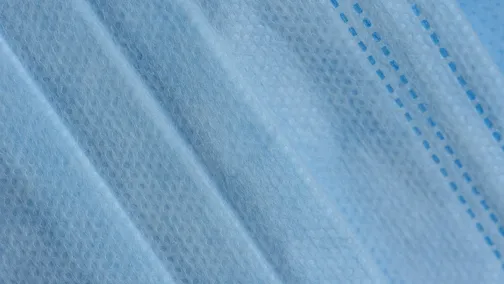
Medical PPE Support Substrates


Aerodynamic Efficiency in Air Filtration

In commercial air purification, achieving high micron retention while avoiding excessive energy consumption is the primary engineering challenge[cite: 19]. Our nonwoven fabric is specifically calibrated to trap airborne contaminants without significantly elevating the HVAC system's aerodynamic pressure drop[cite: 19]. The uniform thermal bonding of the continuous PP filaments ensures the media retains its structural integrity during the high-stress, rapid-folding process required to manufacture pleated filter panels[cite: 19].


Chemical Resilience in Liquid Coolant Systems

For metalworking and machining operations, the efficient separation of metal swarf from cutting fluids is critical to machinery lifespan[cite: 19]. Our industrial coolant filter cloth is deployed on automated gravity band filters, operating continuously in harsh chemical environments[cite: 19]. We precisely control the fabric's porosity to separate fine sludge without restricting the flow of the synthetic oil, thereby reducing fluid replacement costs and minimizing hazardous waste disposal[cite: 19].


Configuration Parameters for Automated Converters

Customization Parameters for Bulk Roll Procurement

Specification ParameterEngineering Options
Precision SlittingExact slit widths (e.g., 20cm, 50cm) derived from master rolls up to 2.4m.[cite: 19]
Porosity CalibrationAdjustable fiber density to meet specific micron retention targets.[cite: 19]
Surface ChemistryHydrophilic treatments for liquid penetration; standard hydrophobic for air.[cite: 1, 19]
Roll Winding MetricsExtended continuous meter lengths to optimize converter uptime.[cite: 19]
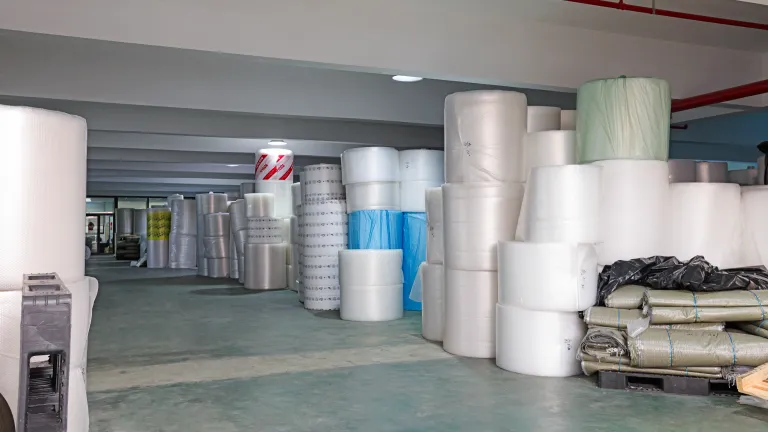
Logistical PackagingSealed PE film wrapping to guarantee a sterile, dust-free state during transit.[cite: 19]


Commercial Filtration Projects

logo
logo
logo
logo
logo
logo
logo
logo
logo

About Changyuan Nonwoven

We are a nonwoven fabric and bag manufacturer based in Changzhou, China, running a full production line from raw material to finished goods since 2012. Our factory handles fabric extrusion, 7-color gravure printing, lamination, and bag making in-house, serving clients in 20+ countries with a daily output of 200,000 pieces.

Company factory how we work

FAQs

What is depth filtration in nonwoven fabrics?

Depth filtration utilizes a complex, tortuous internal fiber matrix to trap contaminants throughout the entire cross-section of the fabric, rather than just on the surface[cite: 19]. This significantly increases the particulate holding capacity and extends the operational lifecycle of the filter before pressure drop failure occurs[cite: 19].

Why is polypropylene (PP) specified over other polymers for filtration?

Polypropylene is exceptionally inert, meaning it will not chemically degrade when exposed to harsh industrial solvents, synthetic cutting oils, or biological wastewater[cite: 19]. This ensures the filter medium remains structurally sound and prevents chemical contamination of the filtered fluid[cite: 19].

Can the fabric be modified to filter water-based liquids efficiently?

Yes. While raw PP is naturally hydrophobic (water-repelling) and ideal for air/oil filtration, we apply specialized hydrophilic surface treatments during manufacturing[cite: 19]. This alters the surface tension, allowing the nonwoven fabric to pass water rapidly while retaining solid particulates[cite: 19].

How does roll consistency impact automated pleating machinery?

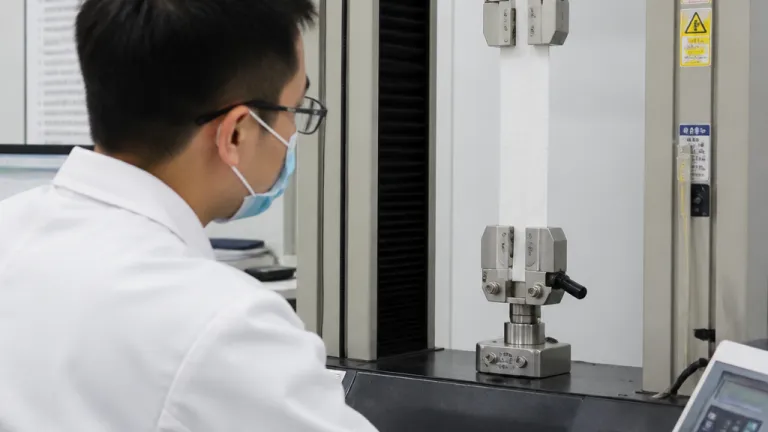
Automated pleating lines require absolute uniformity in raw material[cite: 19]. Variations in fabric thickness or inadequate MD/CD tensile strength will cause the fabric to tear under machine tension or burst under operational aerodynamic pressure[cite: 19]. We guarantee precise thickness and slit tolerances to maximize converter yield[cite: 19].

What are the standard customization options for filter roll procurement?

Converters can specify the exact fabric grammage (GSM) to target specific micron ratings, request hydrophilic/hydrophobic surface treatments, and dictate exact slit widths (down to the centimeter) from our 2.4-meter master rolls to perfectly match their framing equipment[cite: 19].

Does the thermal bonding process introduce chemical binders into the filtered medium?

No. The spunbond manufacturing process utilizes high-temperature thermal bonding to fuse the continuous PP filaments together[cite: 19]. Because no chemical glues or adhesive binders are used to hold the fabric's shape, there is zero risk of chemical leaching into the purified air or liquid stream[cite: 19].

Technical Guide: Specifying Spunbond Filtration Media

In industrial procurement, specifying the correct non woven filter cloth requires precise alignment between the fabric's porosity, tensile strength, and the target system's operating pressure[cite: 1, 19]. The primary engineering objective is achieving the necessary micron retention while maintaining optimal volumetric flow rates and extending the filter's operational lifecycle[cite: 19].

The Mechanics of Depth Filtration vs. Surface Filtration

The fundamental advantage of spunbond nonwovens in filtration is their three-dimensional fiber matrix[cite: 19].

Filtration MechanismOperational CharacteristicsPrimary B2B Application
Depth Filtration (Nonwoven)Particulates are captured throughout the complex, tortuous internal fiber matrix. Maintains low pressure drop.[cite: 19]HVAC pleated media, industrial coolant beds, medical face masks.[cite: 19]
Surface Filtration (Woven)Particulates are blocked strictly at the uniform surface layer, leading to rapid blinding (clogging).[cite: 19]Sieves, screens, and applications requiring frequent backwashing.[cite: 19]

Material Selection: The Advantage of Polypropylene (PP)

Polypropylene is the industry standard for commercial filtration due to its absolute chemical inertia[cite: 19]. PP spunbond fabric does not degrade when exposed to harsh synthetic machining coolants, biological wastewater, or industrial cleaning solvents[cite: 19]. Because the manufacturing process utilizes thermal bonding rather than chemical binders, there is zero risk of chemical leaching, ensuring absolute fluid purity in sensitive processing environments[cite: 19].

Optimizing Grammage (GSM) and Slit Tolerances for Automation

For OEMs manufacturing pleated air filters or dust collection bags, the physical consistency of the raw material directly dictates production yield[cite: 19].

Fabric DensityFiltration BehaviorRecommended Usage
15–30 GSMHigh air permeability, low particulate retention. Protects internal media.[cite: 19]Structural support layers for medical respirators and N95 masks.[cite: 19]
40–70 GSMBalanced porosity and tensile strength for high-speed pleating.[cite: 19]Pleated HVAC panels, automotive cabin air filters.[cite: 19]
80–100 GSMDense matrix for fine particulate capture in liquid environments.[cite: 19]Gravity bed coolant filters, heavy industrial dust bags.[cite: 19]

We mandate strict quality control over MD/CD (Machine Direction / Cross Direction) tensile strength to ensure the fabric does not rupture under pneumatic pleating pressure[cite: 19]. Furthermore, utilizing our vertically integrated slitting operations[cite: 1], we provide custom roll widths up to 2.4 meters to perfectly match specific automated framing machinery, minimizing downtime for roll changeovers[cite: 19].