Technical Guide: Specifying Nonwoven Pouches for Retail Packaging
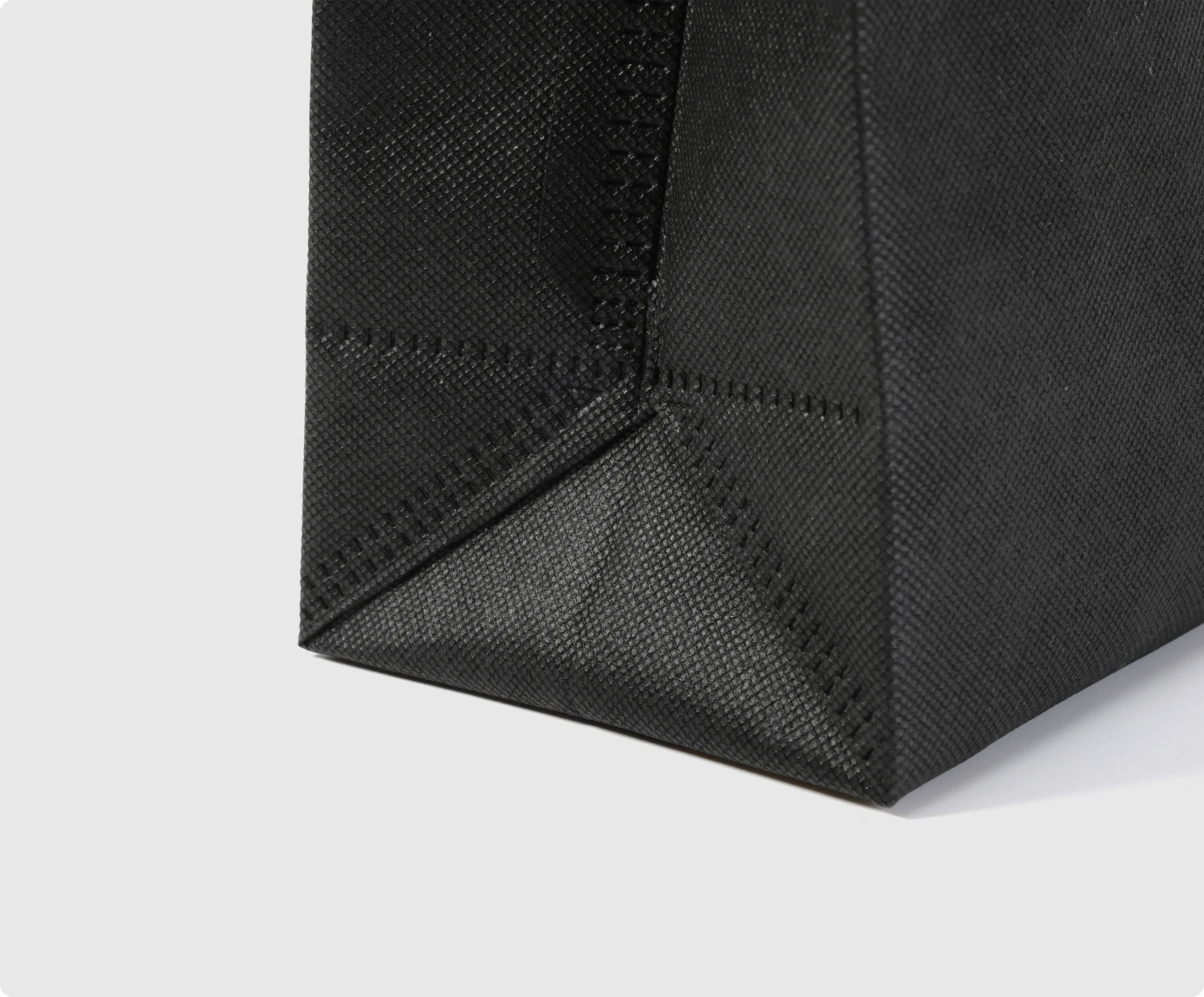
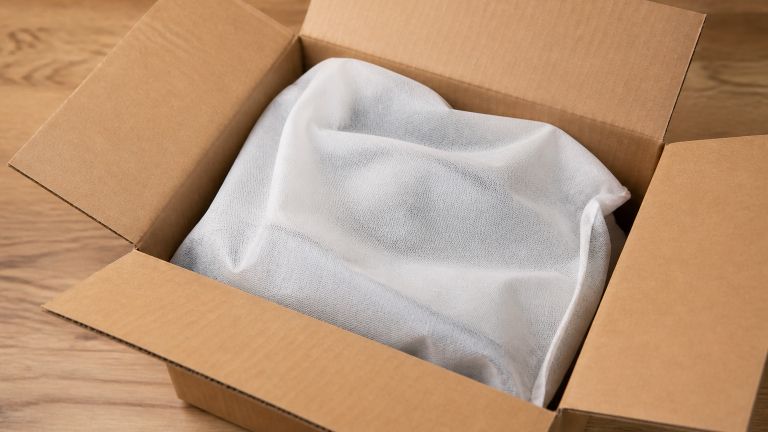
In enterprise procurement, substituting rigid secondary packaging with spunbond nonwoven pouches reduces total dimensional shipping weight while elevating the unboxing experience. The specification process requires matching the enclosure's closure hardware and fabric density directly to the item's operational handling requirements.
Closure Mechanisms and Application Matrices
The hardware dictates access speed, security, and the perceived premium value of the packaging.
| Closure Technology | Mechanical Characteristics | Primary B2B Application |
| Flap & POM Snap | Rapid access, secure mechanical lock, clean aesthetic profile | Cosmetics, boutique jewelry, luxury accessories |
| Hook-and-Loop (Velcro) | High-cycle fatigue resistance, fast one-handed deployment | Promotional samples, diagnostic kits, field gear |
| Poly-Cord Drawstring | Cinches tight to conform to irregular item shapes | Footwear dust bags, optical lenses, corporate gifts |
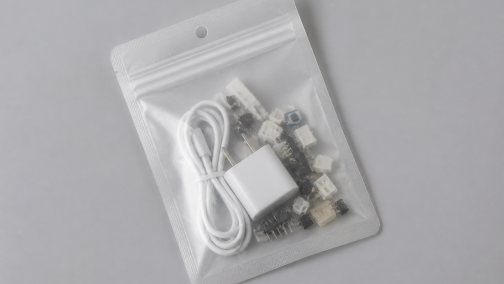
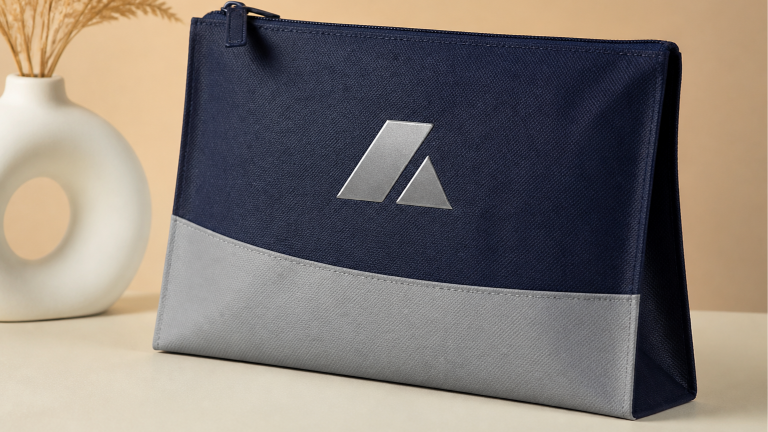
| Nylon Zipper Track | Total particulate sealing, prevents lateral component loss | Consumer electronics, hardware assortments, tool kits |
Optimizing Grammage (GSM) for Small-Format Packaging
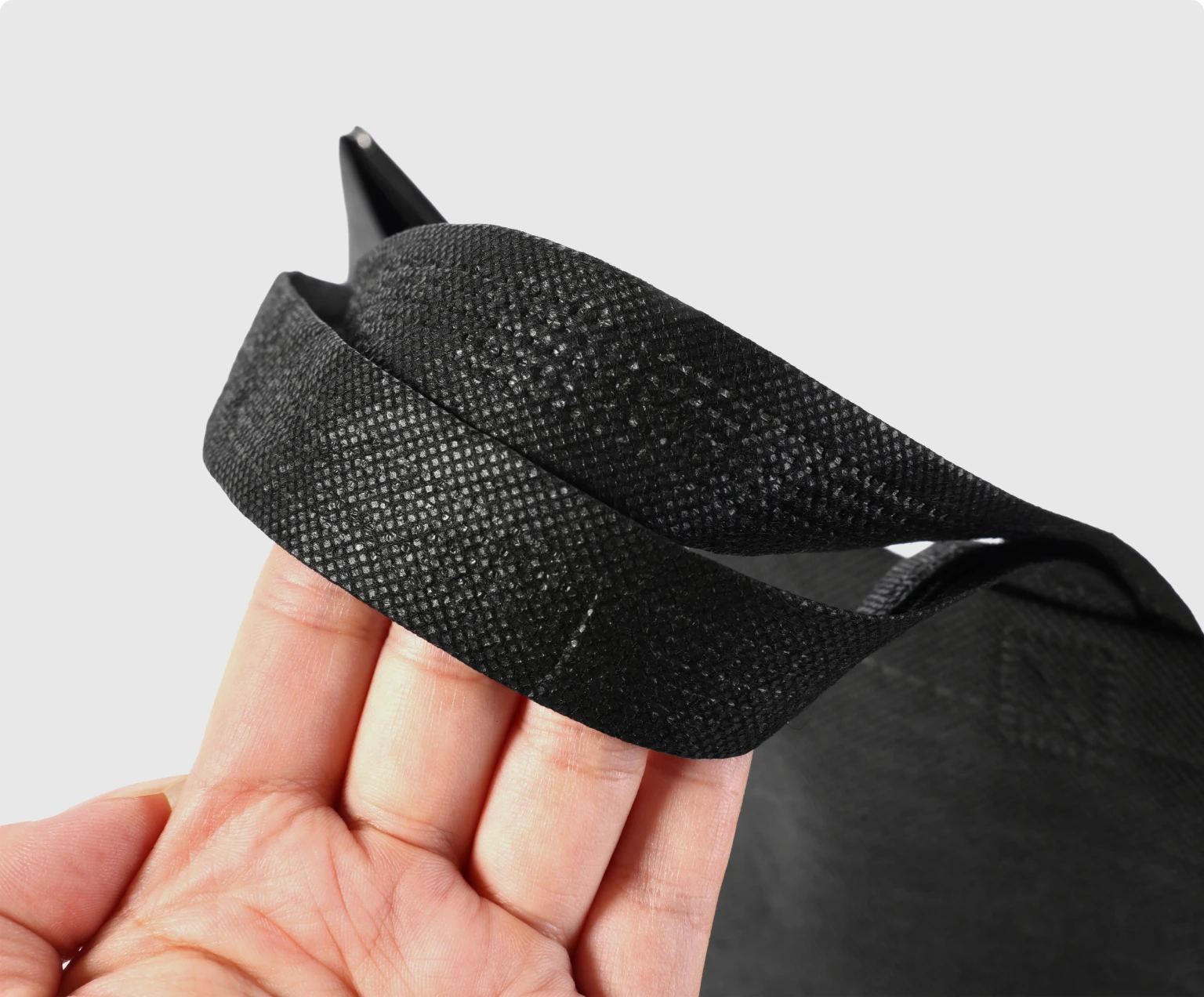
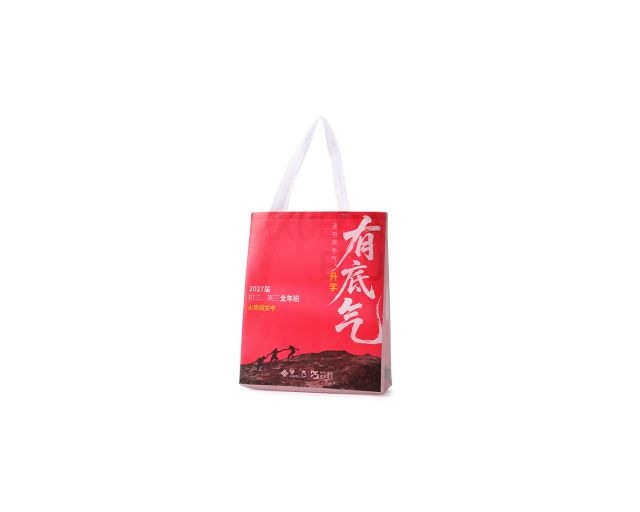
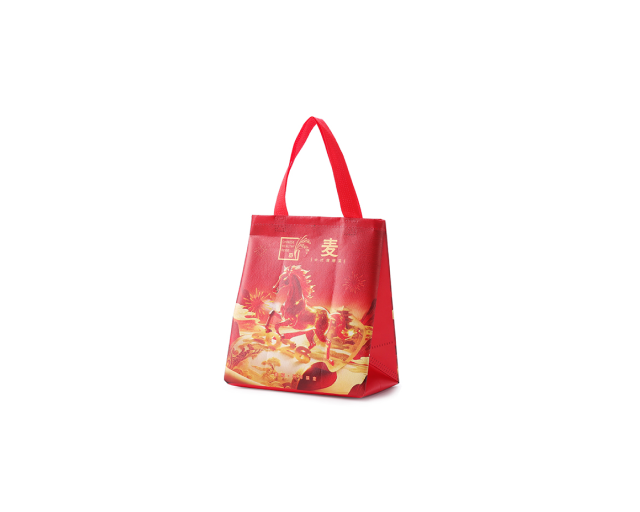
Unlike load-bearing shopping totes, pouches prioritize tactile flexibility (drape) and surface protection over sheer tensile strength. However, the grammage must be sufficient to support applied branding techniques without ink bleed-through.
| Fabric Density | Substrate Behavior | Recommended Usage |
| 60–70 GSM | Highly pliable, low abrasive coefficient | Internal carton dividers, single-use sample distribution |
| 80 GSM | Standard industry baseline, excellent structural retention | Retail cosmetic packaging, general accessory housings |
| 90–100 GSM | Rigid drape, supports heavy embossing and lamination | High-end jewelry presentation, heavy electronic components |
Procurement Verification Parameters
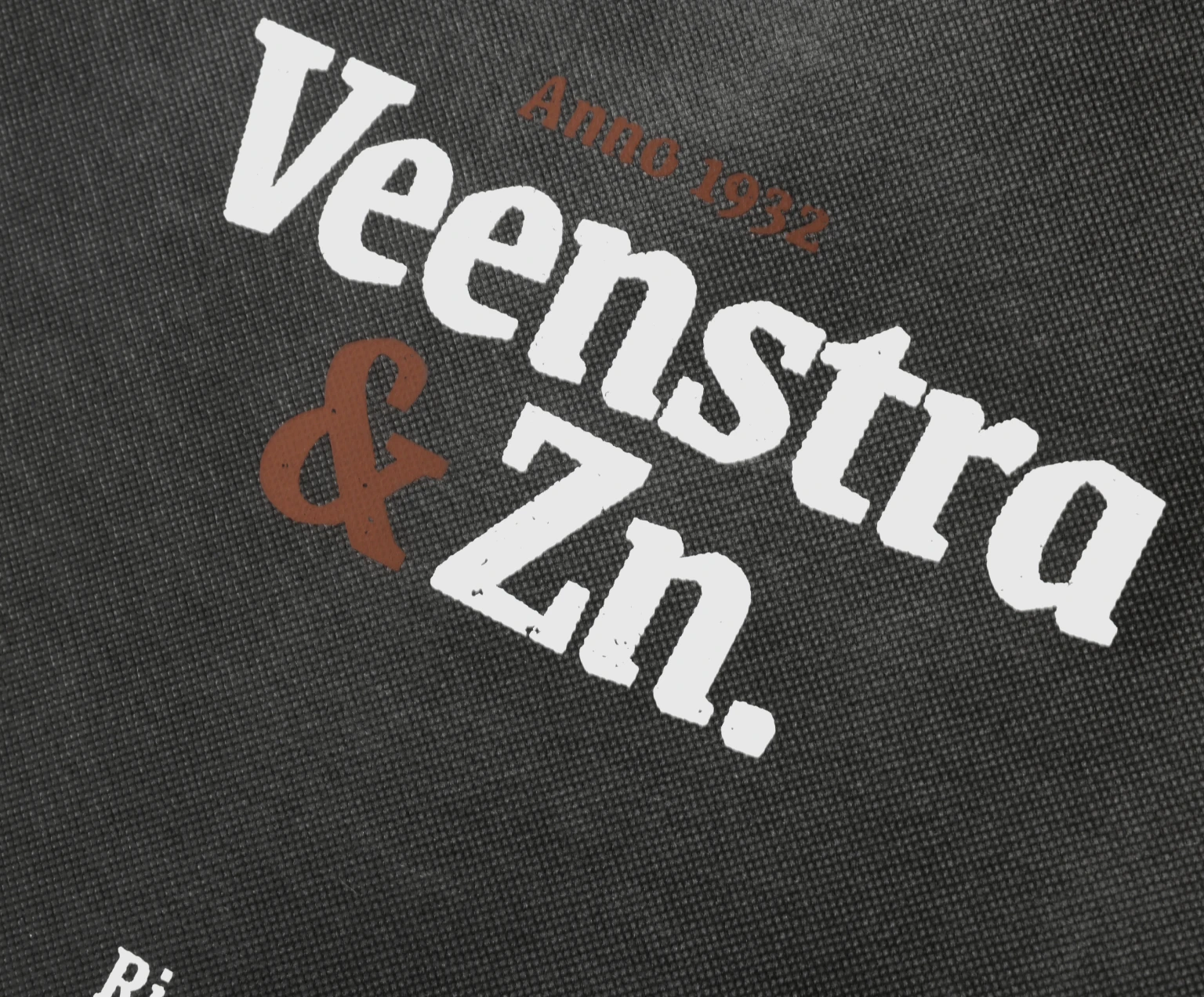
When specifying custom pouches for automated or manual fulfillment lines, ensure the internal dimensions allow for a 5-10% volume tolerance to prevent seam blowouts during insertion. Define all color values using standard Pantone (PMS) references. For brands requiring photorealistic graphics or strict moisture barriers, specify BOPP lamination over the spunbond base. We mandate physical pre-production sampling to verify dimensional fit and print registration prior to executing mass production.