Search

Enter keywords to search for products, blog posts, and more.


Home > Custom Nonwoven Drawstring Bags

Custom Nonwoven Drawstring Bags

Custom Nonwoven Drawstring Bags

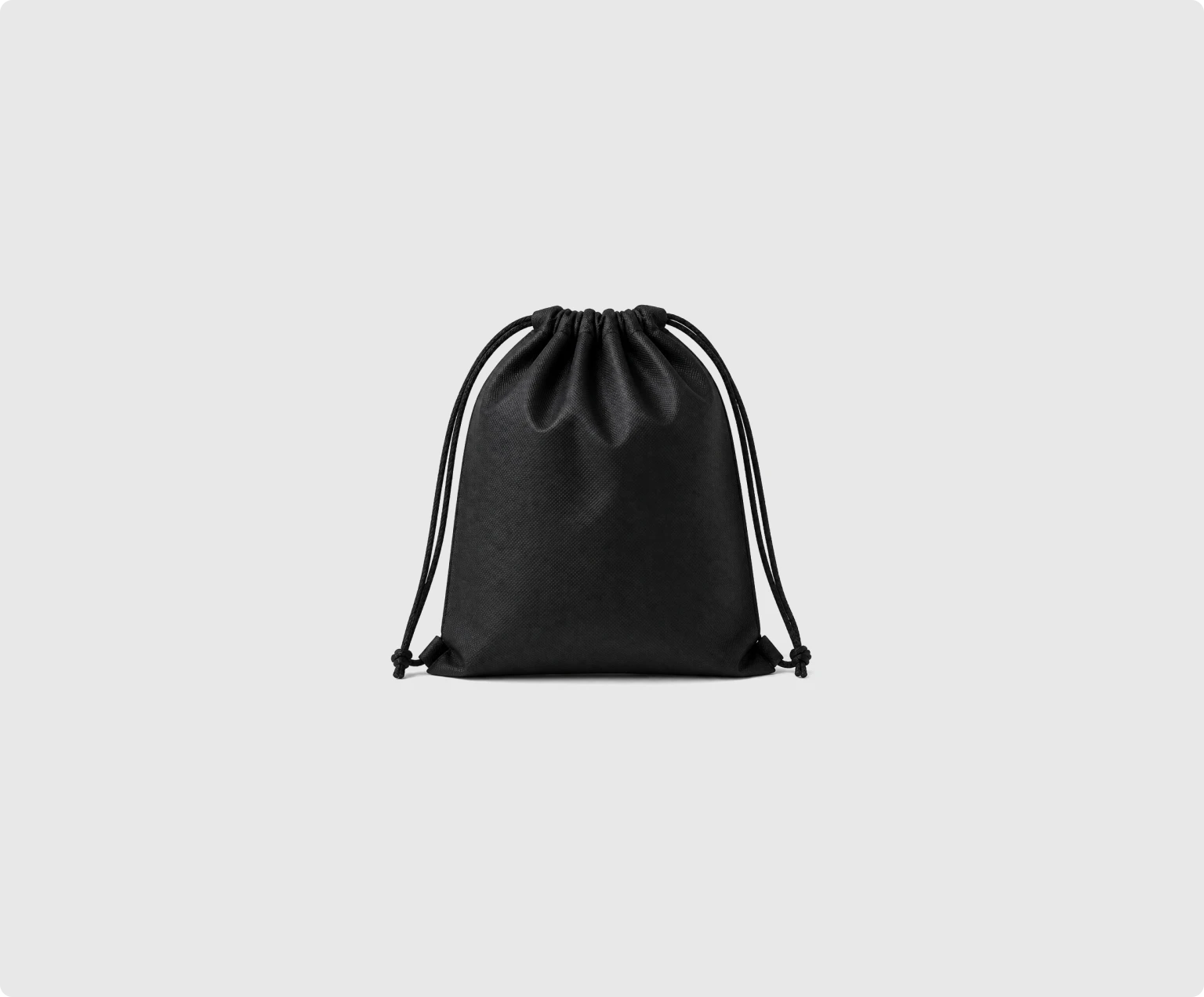
Commercial-grade spunbond polypropylene drawstring bags and cinch backpacks engineered for high-volume promotional distribution and secondary retail packaging.

A nonwoven drawstring bag functions as a lightweight, tension-closed textile enclosure utilized for bulk corporate gifting, sports event kitting, and retail dust protection. By eliminating rigid hardware like zippers, the dual-cord cinch mechanism provides rapid access while reducing the overall unit cost. We manufacture these units from 70–120 GSM virgin PP spunbond fabric, integrating reinforced stress nodes at the bottom corners to ensure the drawcords do not tear through the substrate under dynamic loads.

What defines an industrial nonwoven drawstring bag? It is a reusable packaging unit featuring a hem-routed poly-cord closure, reinforced bottom grommets, and high air permeability. Designed for multi-cycle reuse, it provides an expansive, flat surface area optimized for automated silkscreen and thermal transfer printing, delivering sustained brand visibility in B2B marketing campaigns.

  • 100% virgin PP substrate ensuring high tensile strength
  • Configurations: Dual-cord cinch backpacks or single-cord packaging pouches
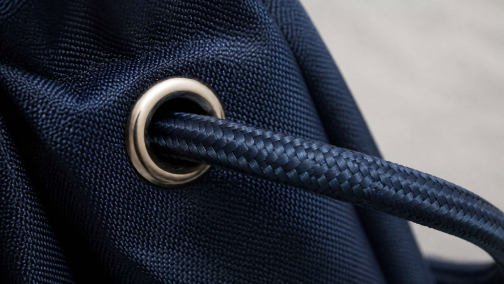
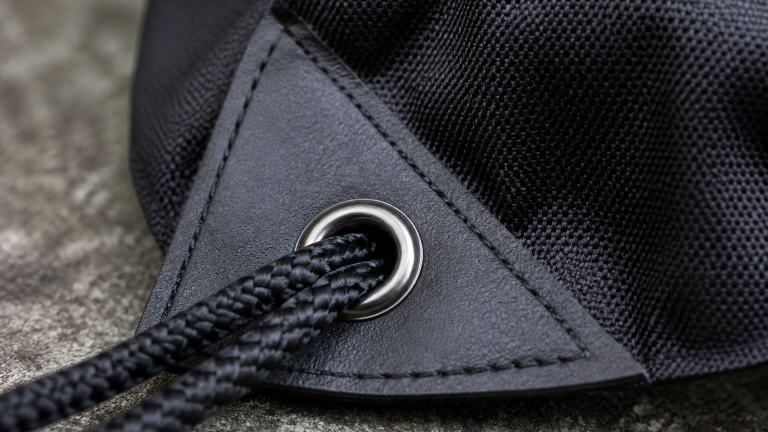
  • Hardware: Metal grommets or reinforced fabric eyelets for load distribution
  • Cord options: Braided nylon, polyester, or spun PP with heat-sealed aglets
  • Grammage optimized from 70 GSM (promotional) to 120 GSM (heavy-duty)
  • High-opacity spot-color silkscreen or BOPP gravure lamination
  • Direct OEM manufacturing for scalable wholesale procurement

Technical Specifications

ParameterSpecification
Substrate Material100% Virgin Spunbond Polypropylene (PP)
Fabric Grammage70–120 GSM, scaled to dynamic load requirements
Structural ArchitectureDual-cord cinch backpack or single-cord packaging pouch
Closure MechanismTop-hem routed tension drawstring
Cord SpecificationsBraided nylon, spun polyester, or PP; single or bilateral pull
Aglet / Tip FinishingHeat-fused, mechanical knot, injection-molded plastic, crimped metal
Load ReinforcementStamped metal grommets or PU-leather corner overlays
Seam TolerancesOverlock stitching at base corners and hem channel
Commercial BrandingSpot-color silkscreen, thermal transfer, BOPP gravure
Surface TreatmentStandard matte spunbond, gloss film lamination (water-resistant)
Color CalibrationFull masterbatch dyeing with Pantone (PMS) matching
Testing & ComplianceISO 9001 facility; SGS-certified, heavy-metal-free inks


Commercial Drawstring Configurations

Dual-Cord Cinch Backpacks

Packaging Dust Pouches

BOPP Laminated Drawstrings

Grommet-Reinforced Sackpacks


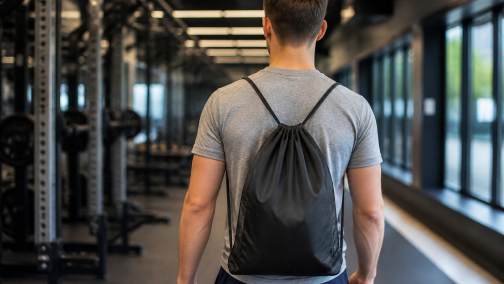
Promotional Backpack Distribution

The dual-cord cinch backpack architecture provides maximum volumetric efficiency for promotional marketers. By eliminating rigid straps and zippers, these units compress flat for bulk freight. Once deployed at trade shows or athletic events, they expand to accommodate standard corporate literature and apparel, ensuring the recipient actively transports the branded asset throughout the venue.


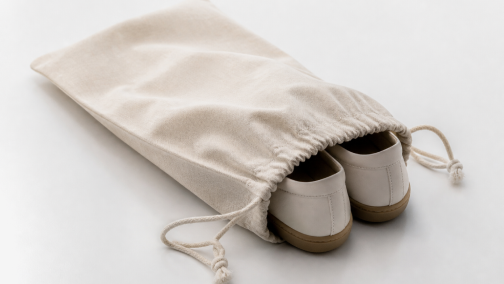
Retail Dust Bag Applications

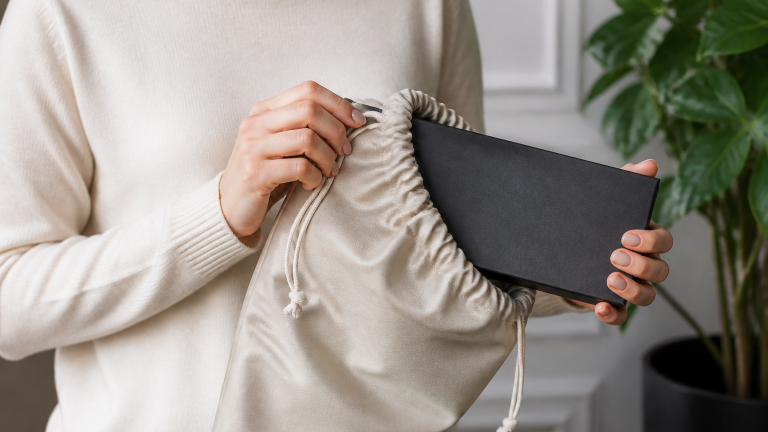
In the footwear and luxury accessory sectors, nonwoven pouches function as critical secondary packaging. The breathable nature of the spunbond matrix prevents moisture condensation on leather goods, while the micro-porous structure blocks particulate ingress. This extends the product's pristine condition during long-term warehouse storage and retail transit.


High-Visibility Corporate Branding

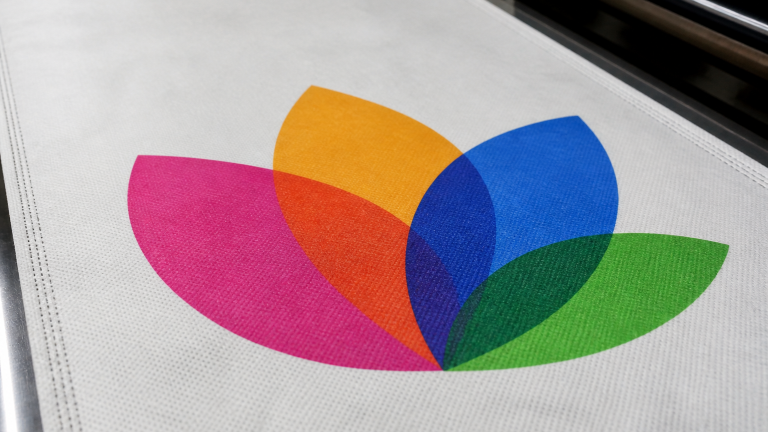
Because the drawstring closure gathers at the top, the lower two-thirds of the bag provides a completely flat, uninterrupted substrate for commercial printing. We utilize spot-color silkscreen for precise Pantone (PMS) matching of corporate logos, or full-color thermal transfer for complex graphics. This guarantees high-contrast visual fidelity that resists fading across multiple consumer use cycles.

Commercial Drawstring Projects

logo
logo
logo
logo
logo
logo
logo
logo
logo

About Changyuan Nonwoven

We are a nonwoven fabric and bag manufacturer based in Changzhou, China, running a full production line from raw material to finished goods since 2012. Our factory handles fabric extrusion, 7-color gravure printing, lamination, and bag making in-house, serving clients in 20+ countries with a daily output of 200,000 pieces.

Company factory how we work

FAQs

What differentiates a cinch backpack from a standard drawstring pouch?

A cinch backpack features twin cords anchored at the bottom corners, allowing it to be worn on the shoulders. A drawstring pouch utilizes a top-hem routed cord strictly for closure, functioning primarily as a dust cover or internal secondary packaging for retail goods.

How do you prevent the drawcord from tearing the nonwoven fabric?

To mitigate structural failure at the high-tension anchor points, we reinforce the bottom corners utilizing stamped metal grommets or triangular PU-leather overlays. This disperses the kinetic load away from the spunbond fibers, drastically extending the bag's operational lifecycle.

What printing technologies are compatible with drawstring bags?

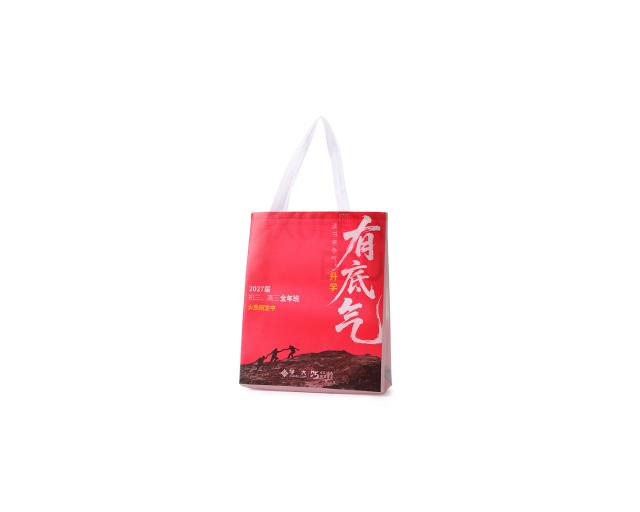
We deploy flatbed silkscreen for highly opaque, spot-color vector logos. For high-resolution photographic imagery or complex gradients, we utilize thermal heat transfer or full-surface BOPP gravure lamination, strictly calibrated to target Pantone Matching System (PMS) values.

How is the appropriate GSM determined for a promotional sackpack?

Fabric density correlates to the intended payload. 70 GSM is optimal for lightweight literature distribution. 80-90 GSM is the industry standard for general athletic wear and promotional gifting. 100-120 GSM is mandated for hardware, heavy textiles, or environments requiring high puncture resistance.

What cord and aglet specifications are available for bulk orders?

Clients specify cord composition (braided nylon, spun polyester, or PP) based on friction tolerance requirements. Tip finishing (aglets) can be heat-fused to prevent fraying, manually knotted, or capped with injection-molded plastic or crimped metal for premium presentations.

Are spunbond drawstring bags compliant with environmental mandates?

Yes. Manufactured entirely from virgin polypropylene, these bags are highly durable and designed for multi-cycle reuse, directly replacing single-use plastic carriers. At the end of their lifecycle, they are fully compatible with standard Type 5 polymer recycling streams.

Technical Guide: Specifying Nonwoven Drawstring Enclosures

For corporate procurement, selecting the appropriate spunbond nonwoven bag architecture requires calculating the intended dynamic load against the fabric's tensile limits. The drawstring configuration relies heavily on tension distribution, making corner reinforcement and cord material critical specifications.

Structural Architecture: Cinch Backpack vs. Packaging Pouch

The mechanical routing of the drawcord determines the bag's functional application within a supply chain or marketing campaign.

Architecture ProfileMechanical RoutingPrimary B2B Application
Dual-Cord Cinch BackpackTwin cords anchored at bottom corners, acting as shoulder straps when cinched.High-volume event swag, corporate fitness programs, educational kitting.
Single/Double Cord PouchTop-hem routed cord for direct vertical closure; no bottom anchoring.Footwear dust bags, luxury hotel amenities, component isolation.

Load Distribution and Hardware Reinforcement

What prevents structural failure in a nonwoven drawstring bag? The primary failure point under load is the bottom corner anchor. For industrial or heavy retail use, manufacturers must disperse the focal tension. We utilize stamped metal grommets or triangular PU-reinforced fabric overlays at the cord entry points. Additionally, substituting standard PP cords with braided polyester significantly increases abrasion resistance within the top hem channel.

Grammage (GSM) Calibration

Specifying the fabric density dictates both the unit cost and the enclosure's operational lifespan. We advise referencing our custom specification guide to align GSM with payload requirements.

Fabric DensitySubstrate CharacteristicsRecommended Usage
70 GSMHigh flexibility, lowest unit costSingle-day event giveaways, ultra-light component storage
80-90 GSMIndustry standard, optimal opacity for printingGeneral retail dust bags, standard promotional sackpacks
100-120 GSMMaximum tensile endurance, rigid drapeAthletic equipment transport, heavy-duty B2B gifting