Custom Thermal Tote Bag Manufacturing: What Separates Grades
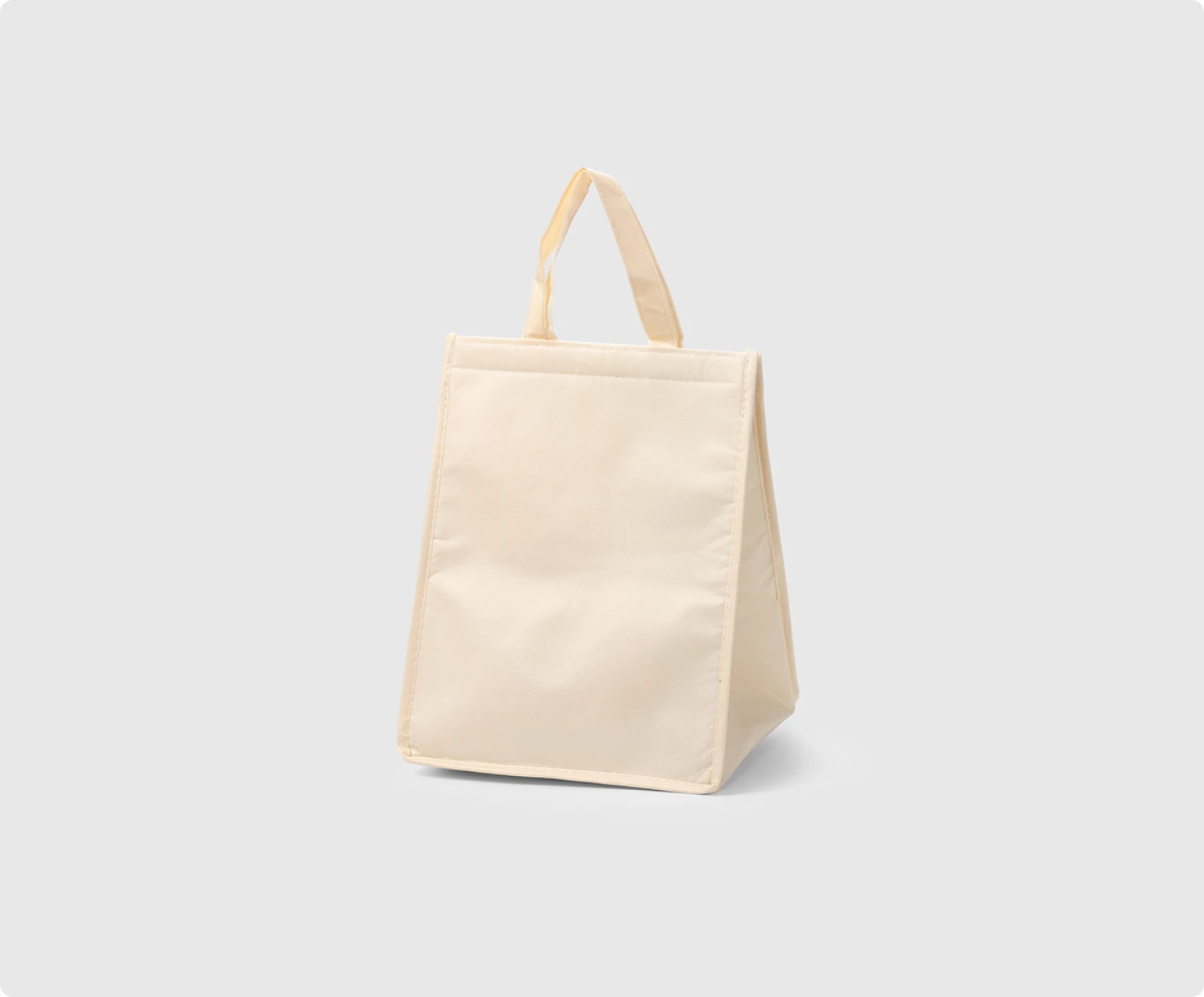
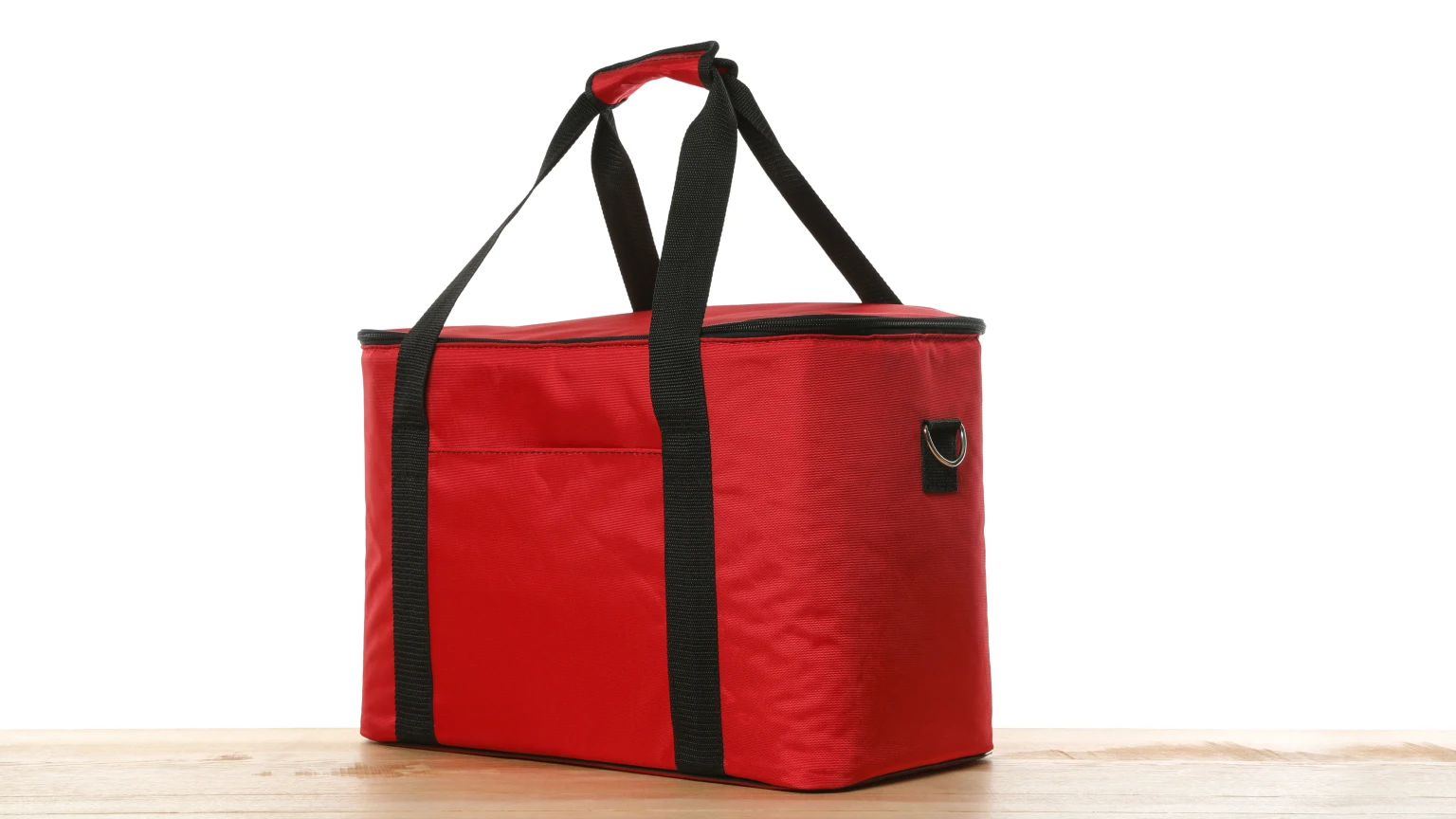
Insulated nonwoven thermal bags have replaced rigid coolers and single-use plastic at most food delivery platforms, meal prep services, and beverage brands. The reason is practical: nonwoven is lighter than woven, takes laminated print better, and survives the short-to-medium reuse cycles these operations actually run. A bubble tea brand that retires bags after a season of couriers does not need expedition-grade insulation — it needs a bag that holds temperature for the delivery window, prints sharply, and costs little enough to replace without hesitation.
The Three-Layer Build and Where Quality Is Won
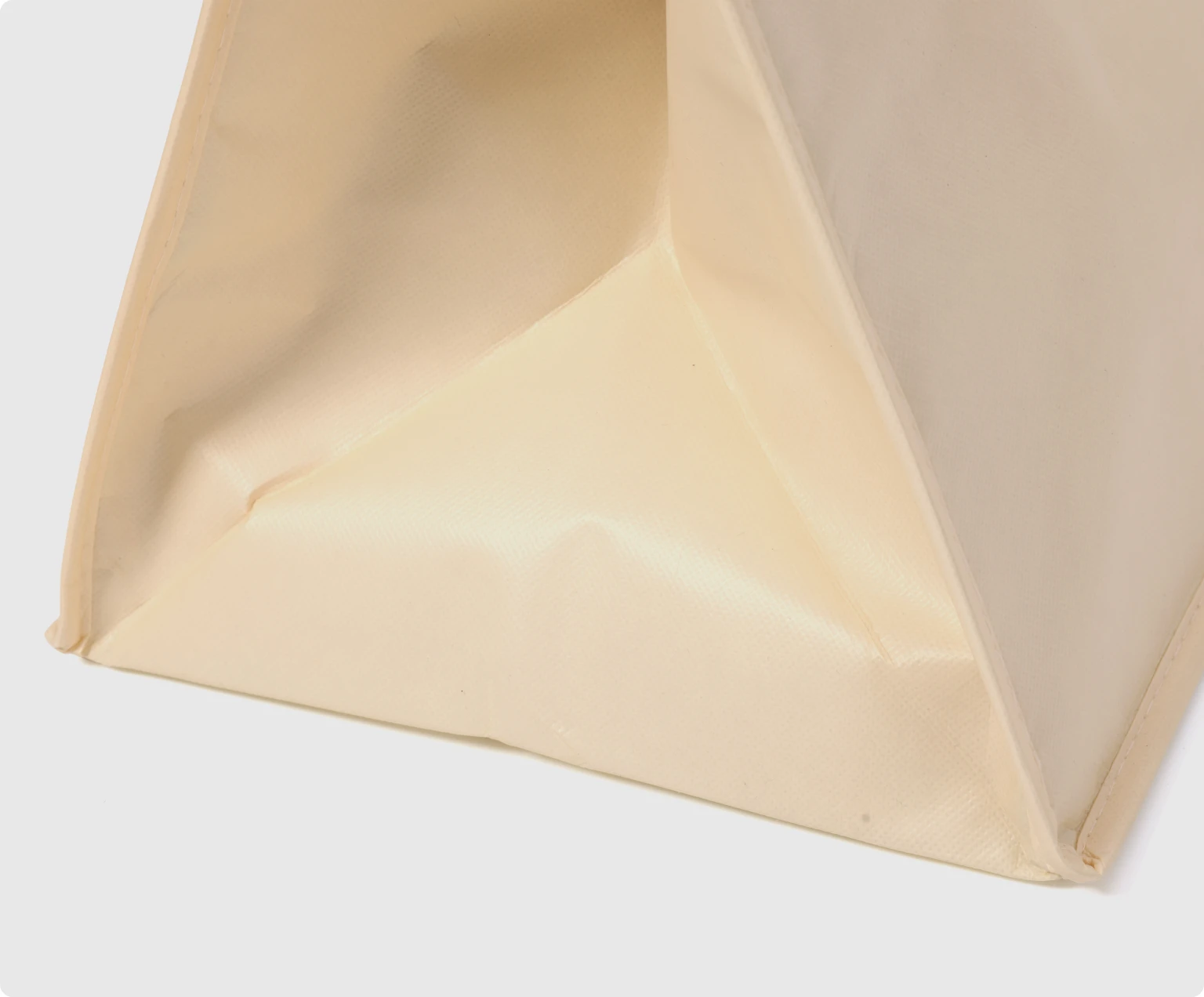
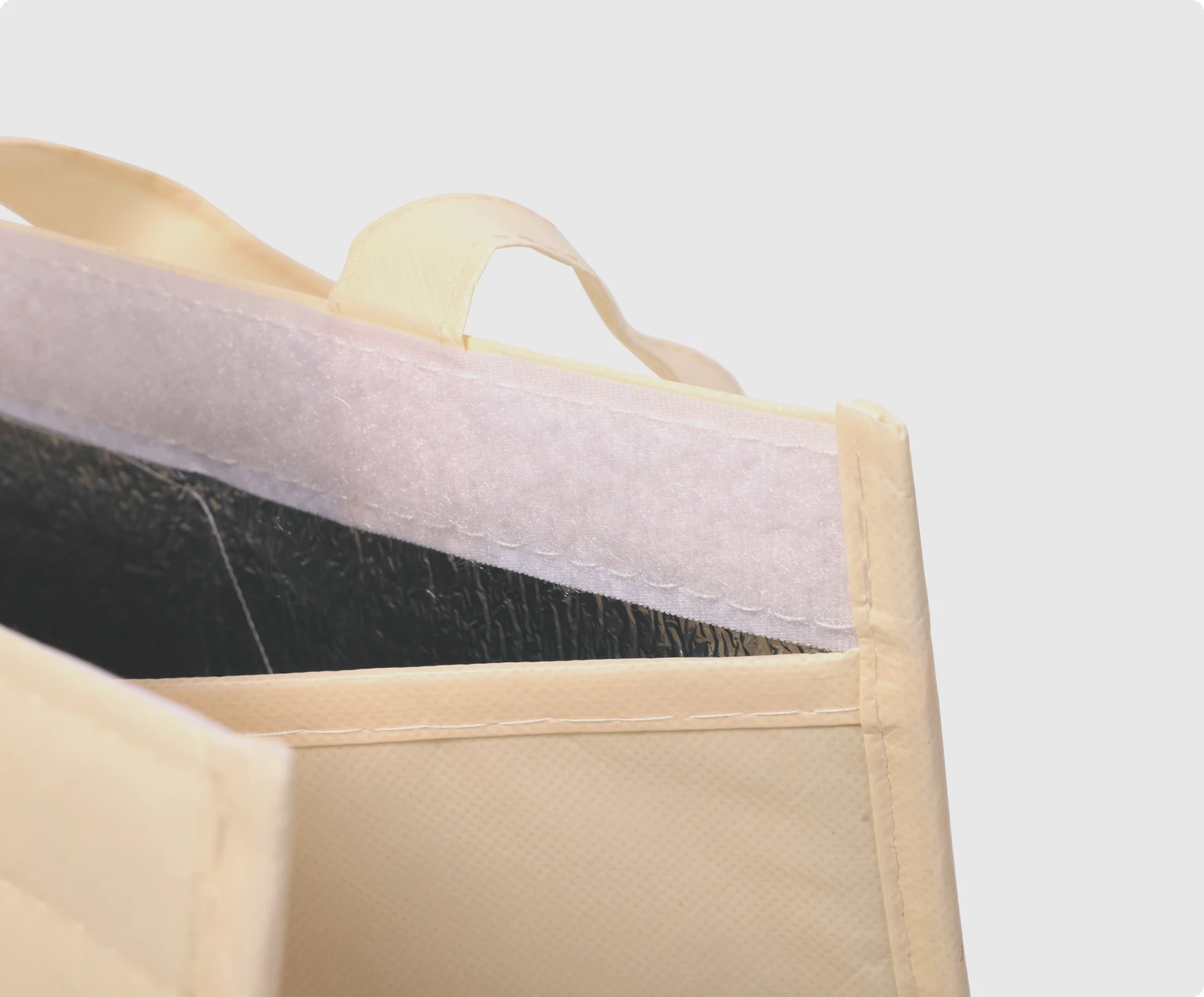
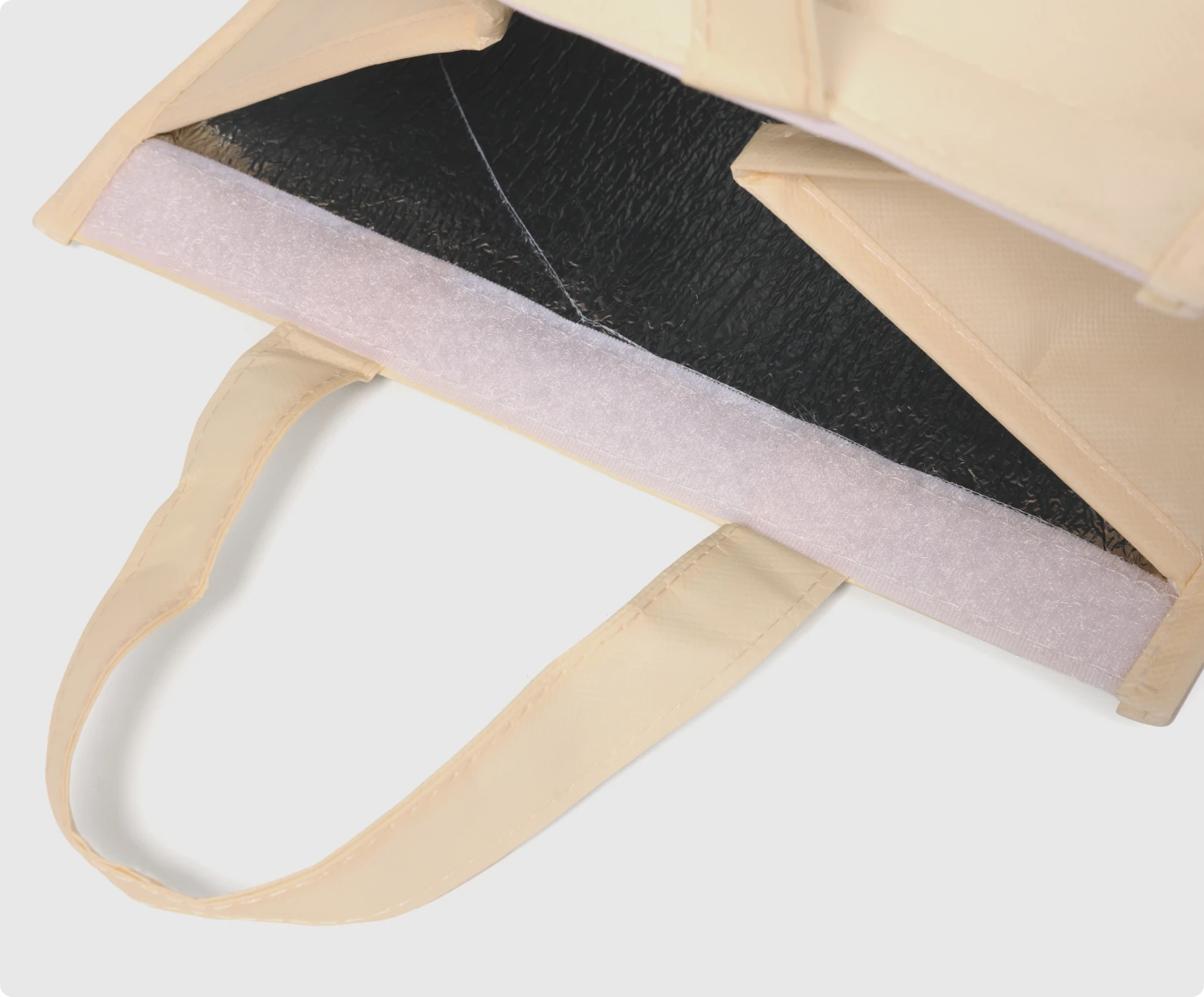
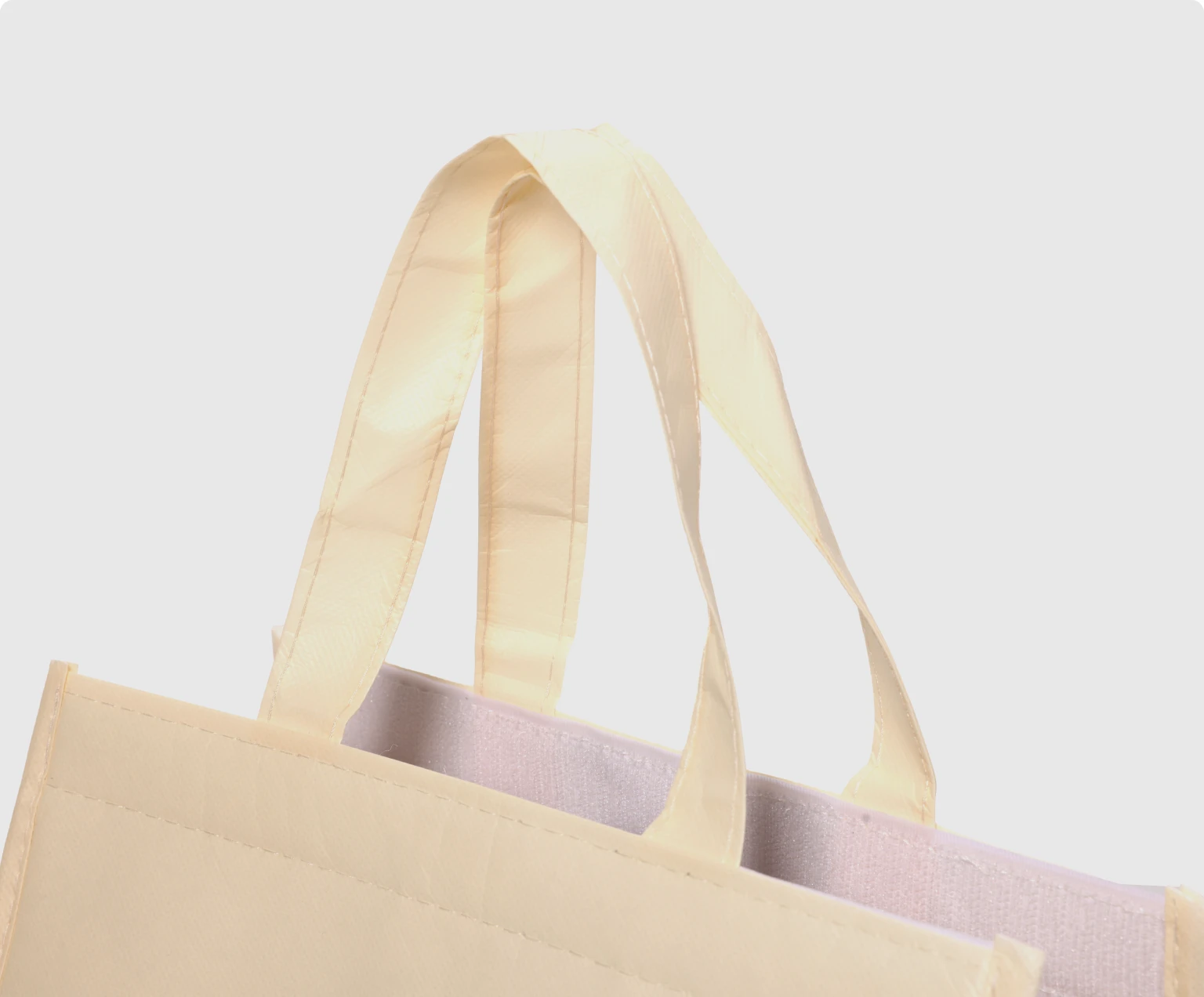
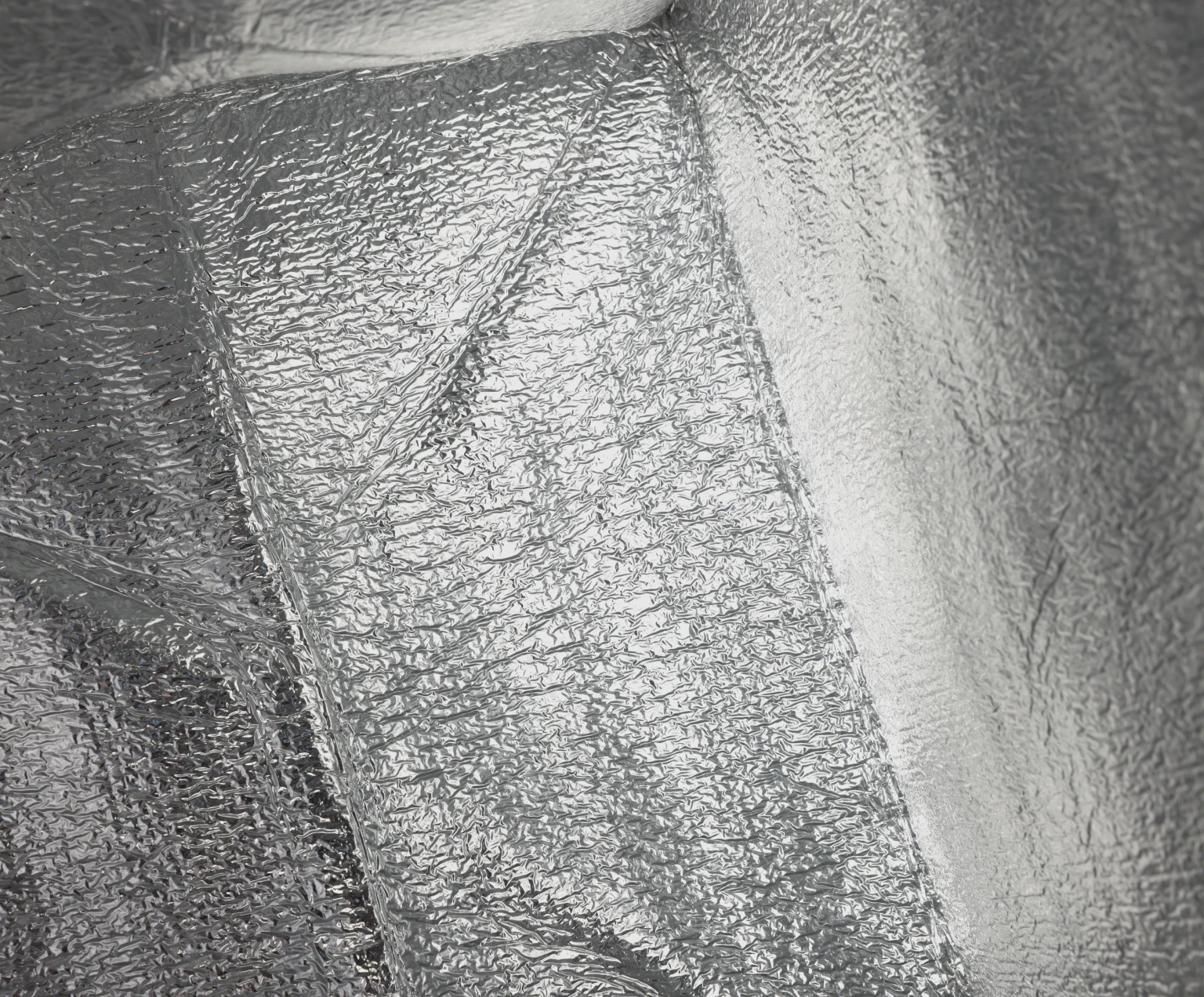
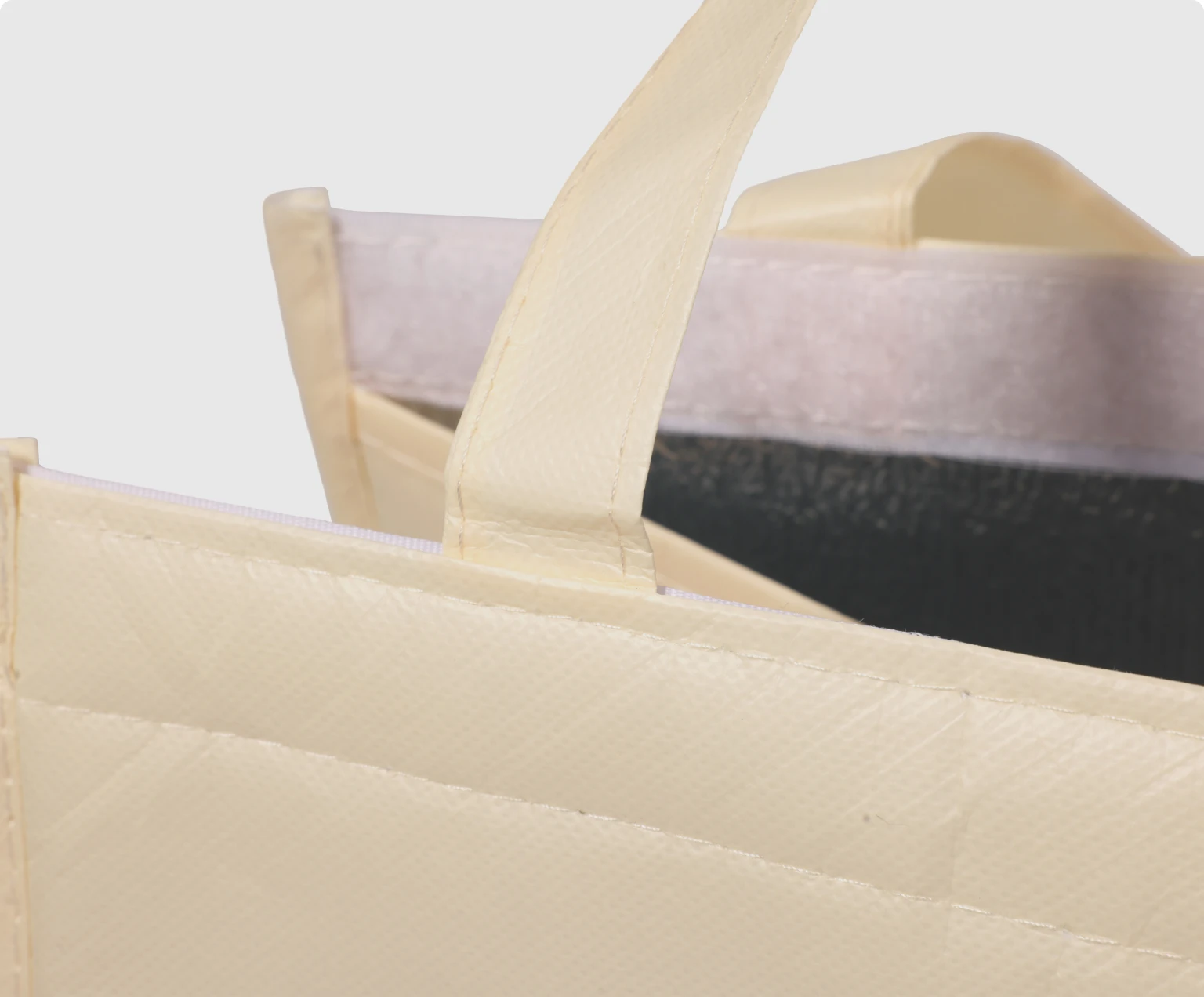
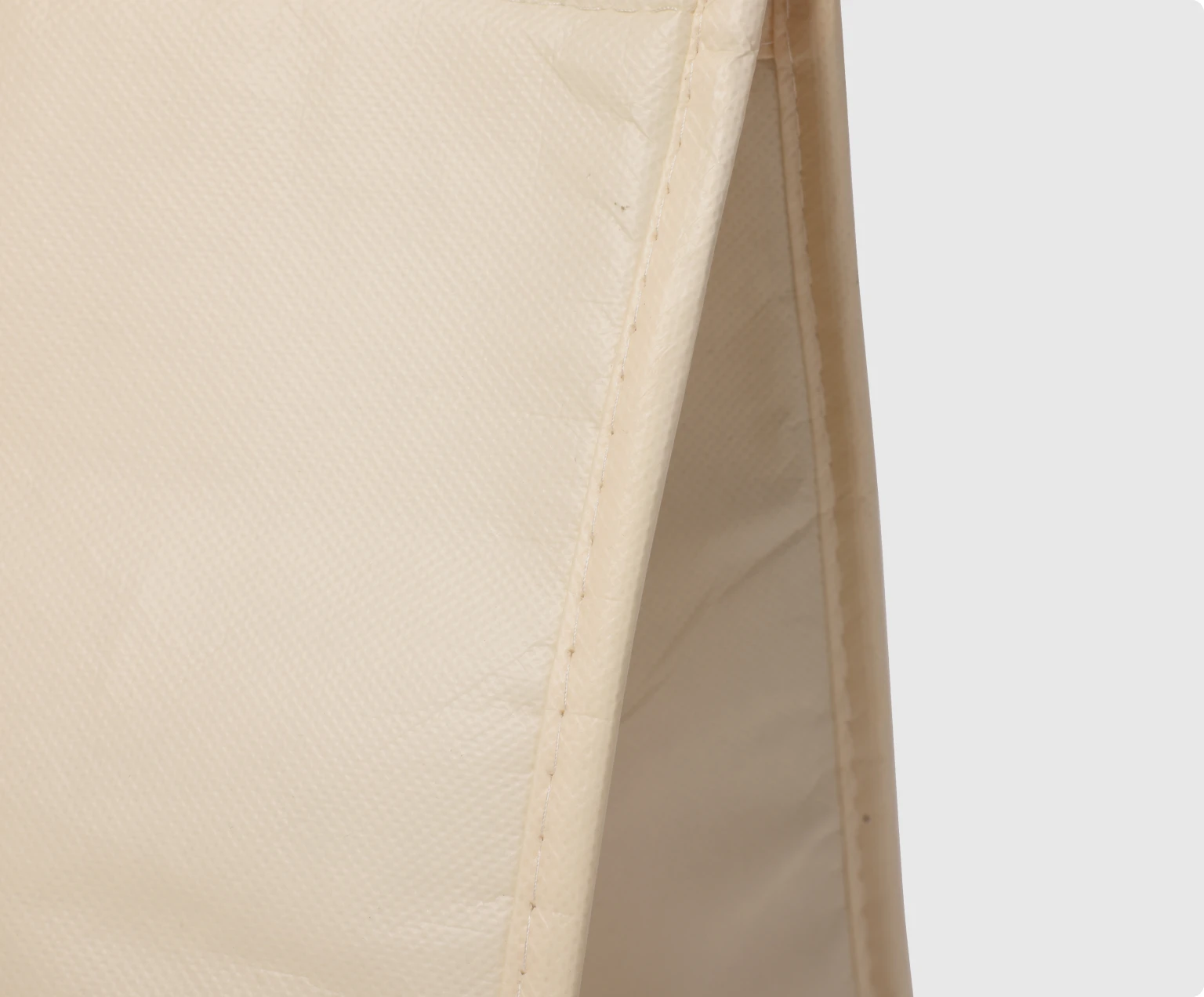
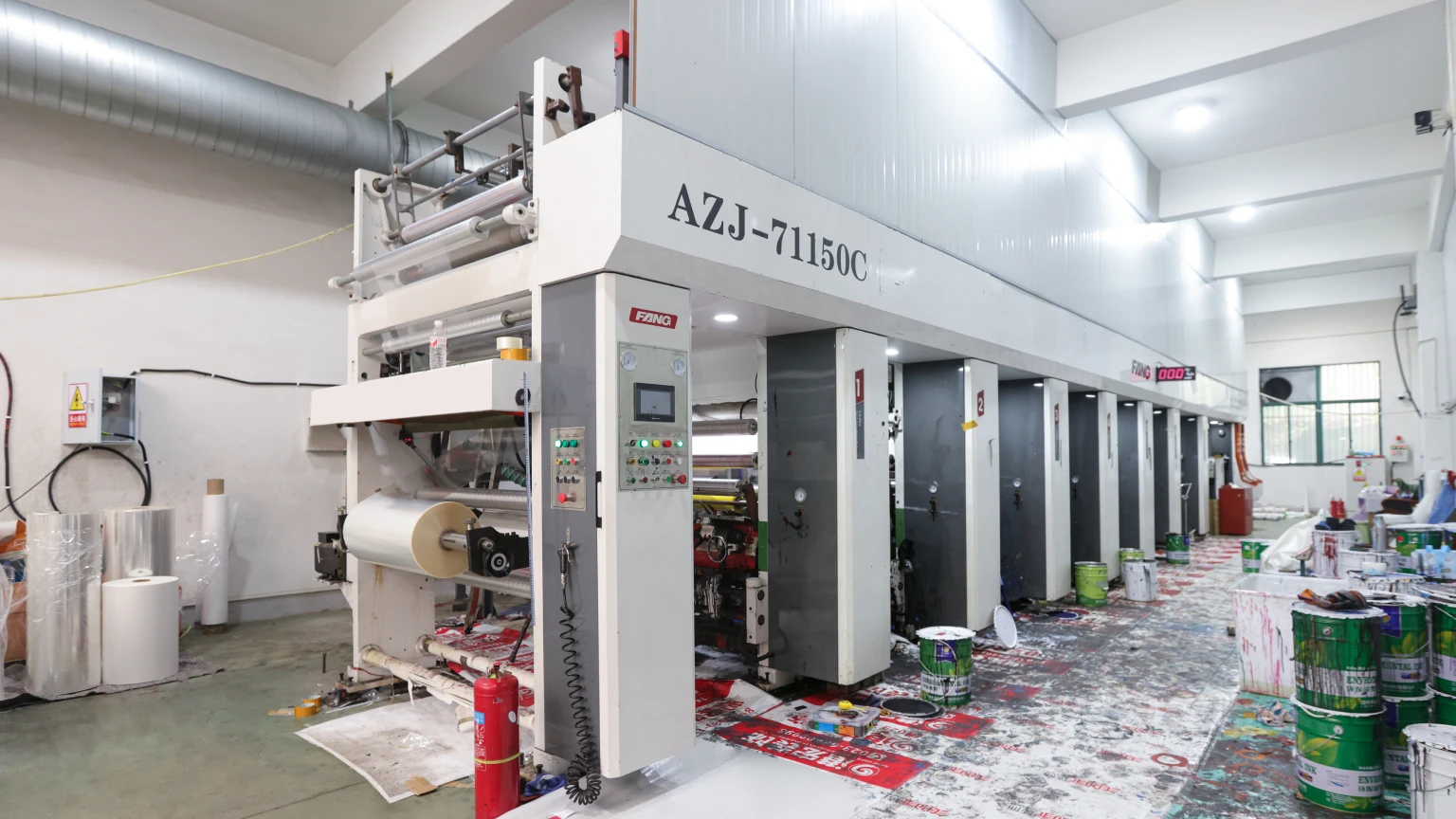
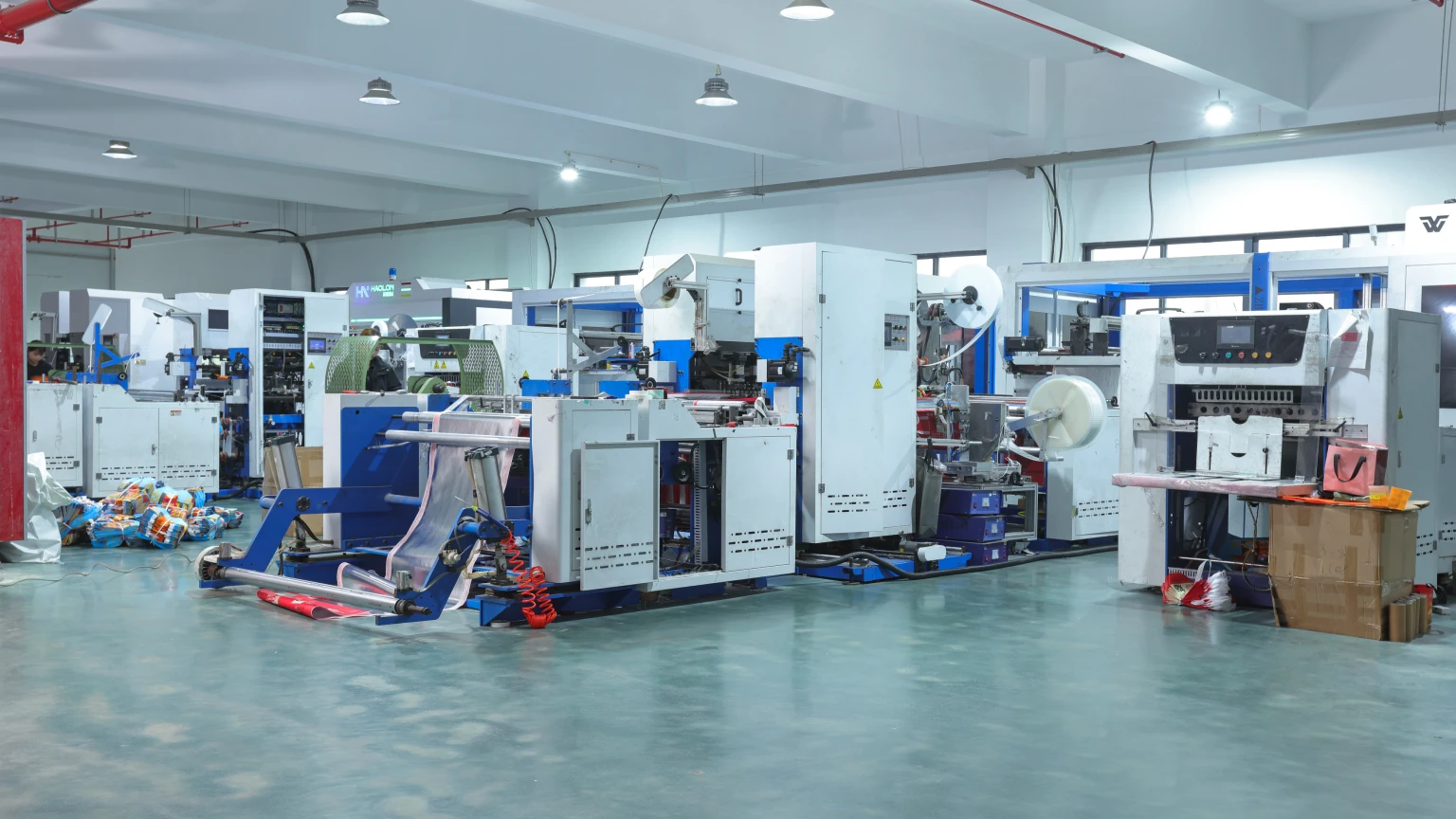
Every bag in this category shares the same sandwich: a BOPP print film on the outside, a PP spunbond nonwoven structural layer in the middle, and an aluminum foil lining facing the payload. The structure is standard across the industry. What separates a professional-grade bag from a cheap one is execution — lamination consistency, seam quality, and whether the foil stays bonded after weeks of folding and wiping down.
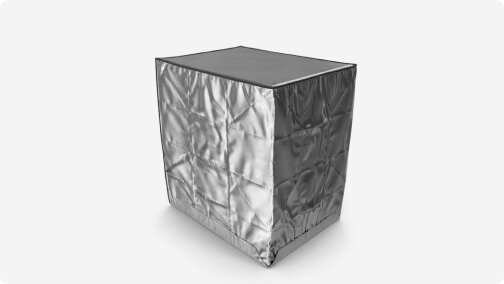
Foil reflects radiant heat; it does nothing against conduction. The foam or fiber layer bonded against it is what slows heat leaking through the wall, and the closure — zipper or Velcro — limits the air exchange that ruins insulation fastest. A bag left open on a courier's rack performs like an open box regardless of material, which is why closure design and courier discipline matter as much as gsm.
Common Project Types We Run
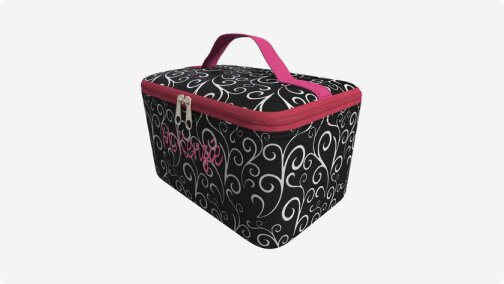
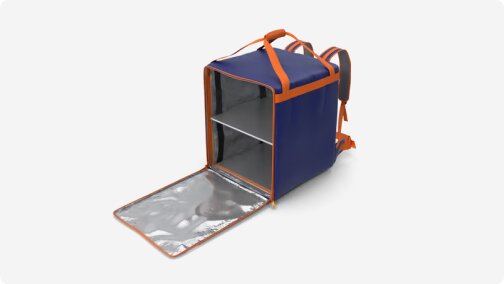
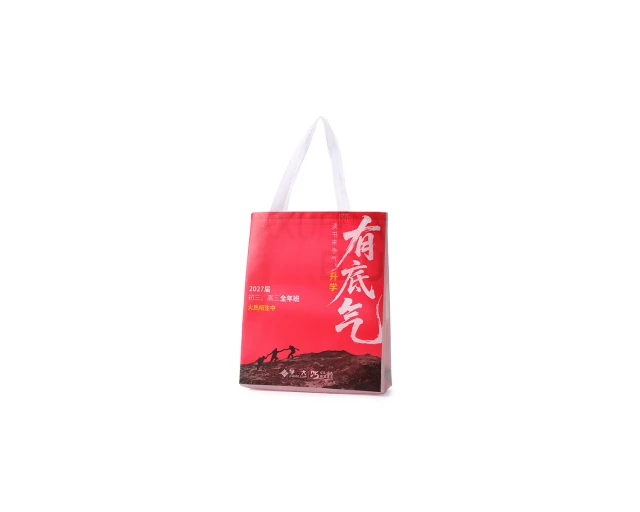
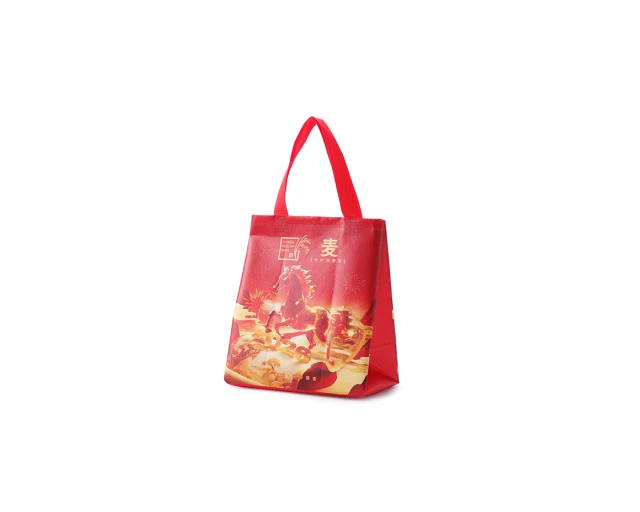
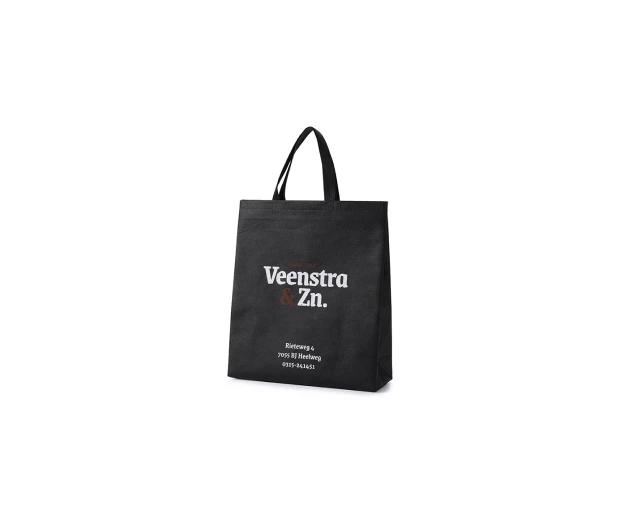
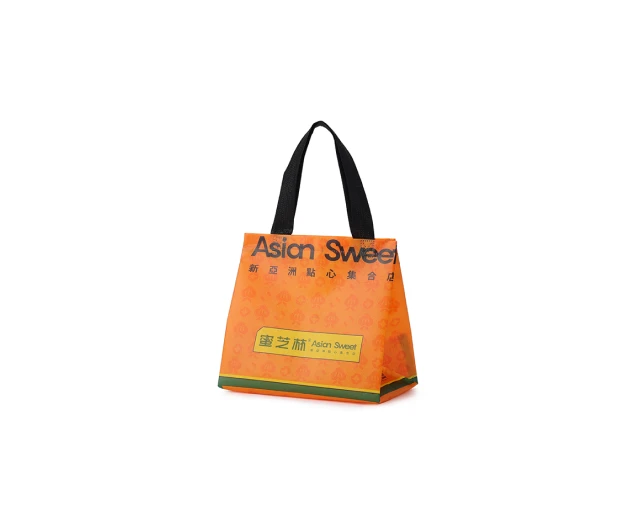
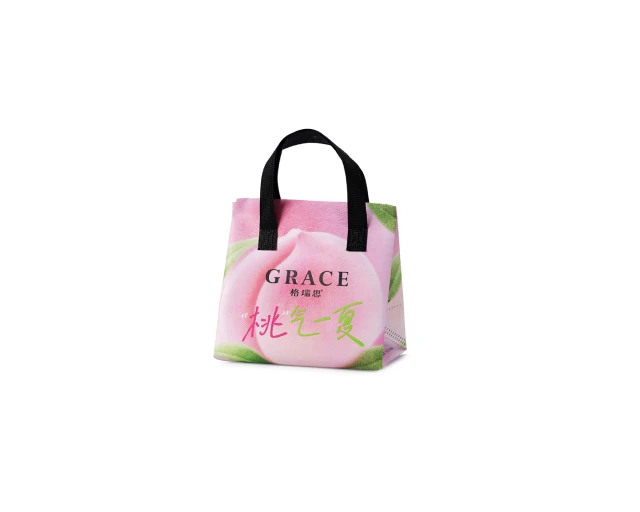
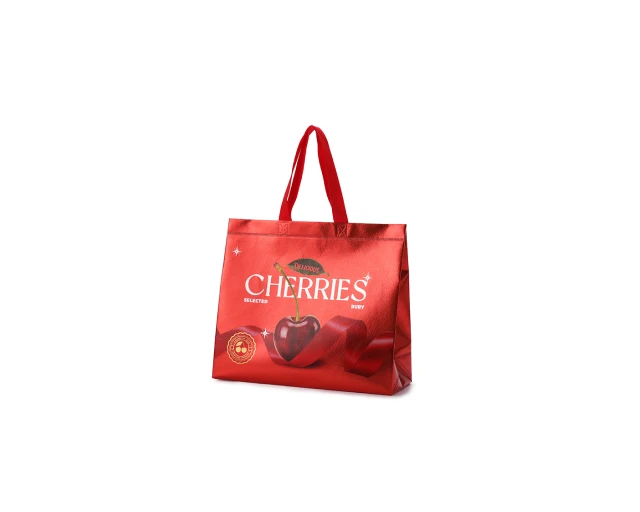
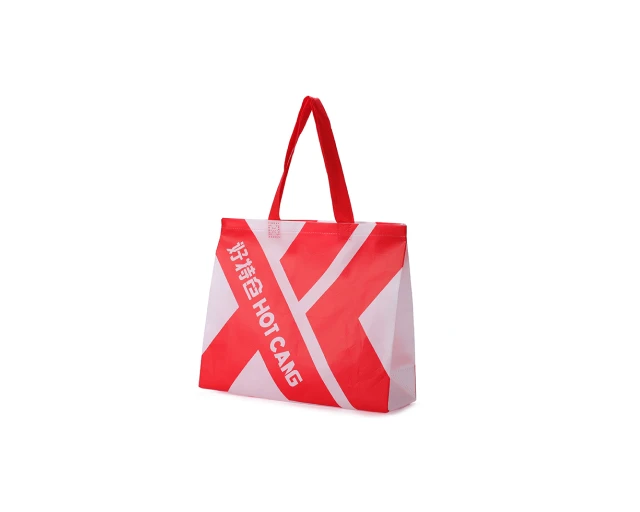
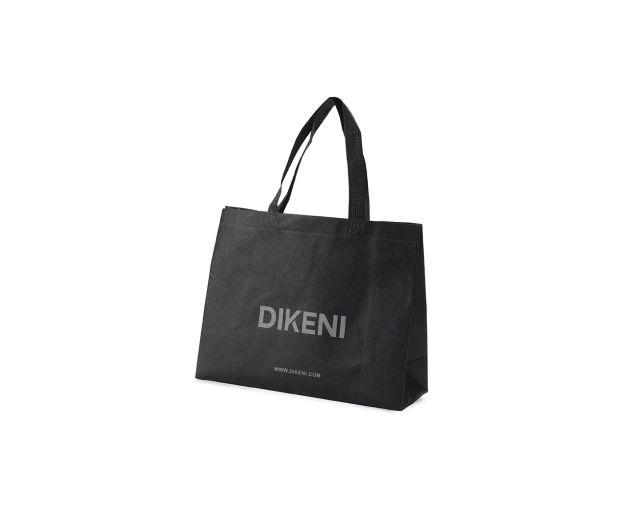
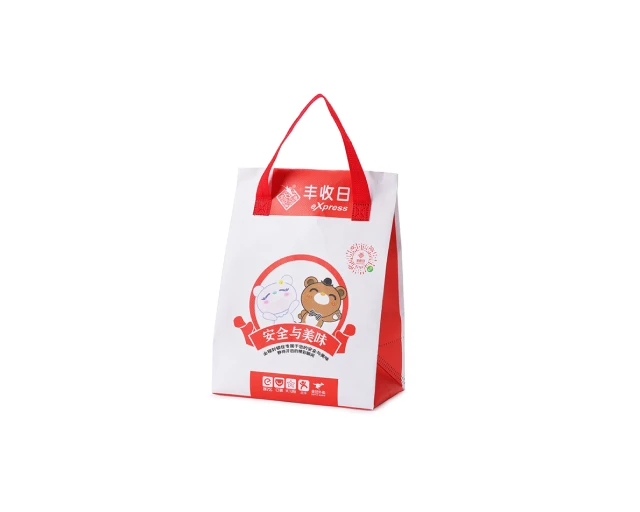
Food delivery bags for restaurant chains and ghost kitchens, milk tea carriers for bubble tea brands, meal prep coolers for subscription box services, grocery and cold chain transport bags for online supermarkets, and branded thermal totes for retail promotions. The same three-layer structure scales across all of them, from 5,000 pieces for a product launch to repeated fleet orders. For procurement teams comparing suppliers, the questions worth asking are lamination quality, print color accuracy, and batch-to-batch consistency — all three can be verified on a physical sample before any bulk commitment.